Argyll's Lodging, Stirling Travel Guide
Scotland's finest 17th-century aristocratic townhouse, currently closed for restoration.
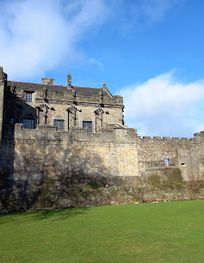
Argyll's Lodging is Scotland's finest surviving 17th-century aristocratic townhouse, located on Castle Hill in central Stirling. Built across four phases from the 1500s onwards, this Renaissance-style mansion showcases the wealth and ambition of its successive owners, including the 1st Earl of Stirling and the 9th Earl of Argyll. The building features exquisite painted decorations, grand public rooms, and an ornate courtyard layout. Currently closed for essential long-term maintenance, the property is normally included with Stirling Castle admission.
A brief summary to Argyll's Lodging
- Castle Hill, Stirling, Stirling, FK8 1EG, GB
- Click to display
- Duration: 0.75 to 1.5 hours
- Free
-
 Outdoor
- Mobile reception: 4 out of 5

Know before you go
Hi, I'm Eve. Here are a few practical things to know before exploring Argyll's Lodging.
- Entry to Argyll's Lodging is included with your Stirling Castle ticket, offering excellent value when visiting both attractions together.
- The building is currently closed for essential long-term maintenance. Check the Historic Environment Scotland website before visiting to confirm reopening status.
- Allow approximately one hour to explore the principal rooms and appreciate the painted decorations and architectural details without rushing.
- Narrow passages and doorways throughout the building may present challenges for wheelchair users; contact Stirling Castle directly for detailed accessibility information.
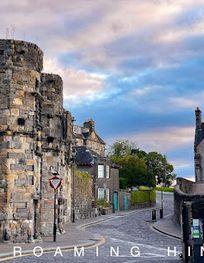
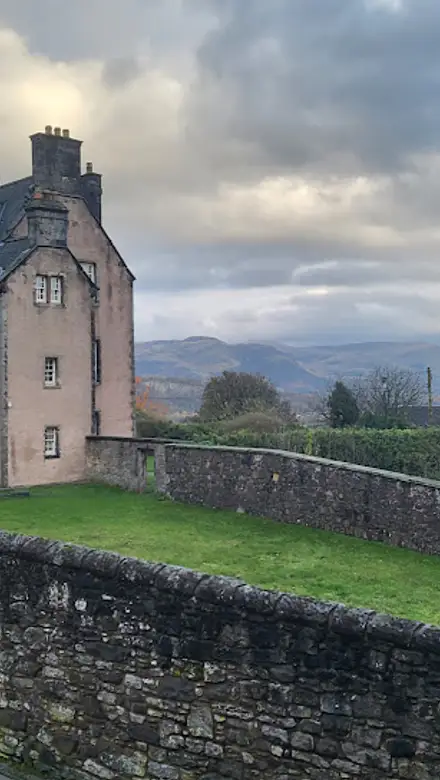
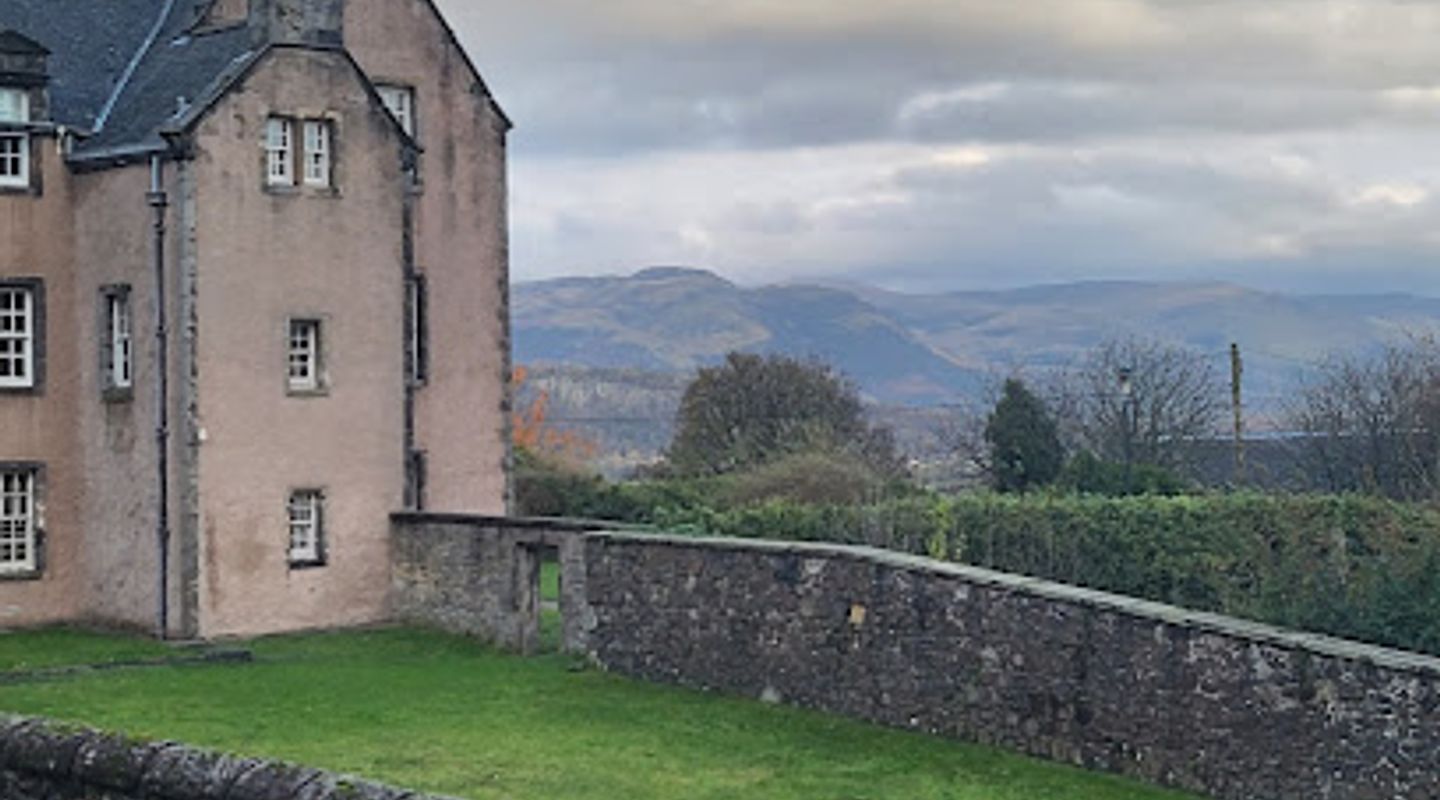
- The building's pink-rendered façade and ornate window lintels are visible from Castle Wynd even during closure, offering exterior views of this architectural gem.
Do you manage this location?
Take control to get all the benefits, like improved information, better appearance, and stronger visibility across AI-powered discovery. Learn more about listing your business on Evendo
Activate your presenceOther nearby places you may find interesting
The closest places of the same kind, if this one is not quite what you had in mind.
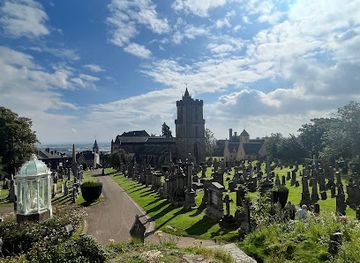
Explore Argyll's Lodging on the Map
A handpicked selection of must-see spots near Argyll's Lodging, mapped for you.
Unlock the Best of Argyll's Lodging
Buy tickets
-
No tickets available
Book tours with entry
-
No tours available


Getting There
-
Train and Bus
Stirling railway station is approximately 1.5 kilometres from Argyll's Lodging. From the station, local bus services run regularly to Stirling town centre, with journey times of 10–15 minutes. The lodging is a 10-minute walk northwest from the city centre. Bus services operate throughout the day, with reduced frequency in evenings and Sundays. Typical fare is £1.50–£2.50 per journey.
-
Car and Parking
Argyll's Lodging is accessible by car via the A9 motorway, which connects to Stirling's road network. The Castle Esplanade car park is the closest option, located directly adjacent to Stirling Castle. Additional public car parks are available within 200–400 metres of the site. Parking charges typically range from £2–£4 for up to 4 hours, with daily rates around £6–£8. Note that car parks can fill quickly during peak season (April–September) and school holidays.
-
Walking from Stirling Town Centre
From Stirling's main shopping district, Argyll's Lodging is a pleasant 10-minute walk northwest along Castle Wynd, which ascends gradually toward Stirling Castle. The route is well-signposted and follows paved streets with moderate inclines. The approach offers views of the historic townscape and leads directly to the lodging's entrance on Castle Hill.
-
Combination Ticket Access
Entry to Argyll's Lodging is included with Stirling Castle admission tickets. Online booking is recommended, especially during busy periods (school holidays, weekends, April–September). Advance booking typically costs £16–£18 for adults, with discounts available for children, seniors, and families. Last entry to Stirling Castle is 45–60 minutes before closing time.
For the on-the-go comforts that matter to you
-
 Restrooms
-
 Information Boards
Discover more about Argyll's Lodging
A Mansion Built for Royalty
Argyll's Lodging stands as the most important surviving town-house of its period in Scotland, a testament to centuries of aristocratic ambition and refinement. The building's story begins in the mid-1500s when John Traill, a wealthy burgess, constructed a modest two-storey dwelling with a hall on the first floor and kitchen below. This foundation would eventually transform into one of Scotland's most architecturally significant residences through successive expansions and embellishments.The most dramatic transformation occurred in 1629 when Sir William Alexander, who would become the 1st Earl of Stirling, acquired the property. Anticipating a royal visit from King Charles I, Alexander lavished enormous resources on the building, creating a palace-like mansion with fine suites of public and private rooms. He extended the structure into a U-shaped plan and added a boundary wall to provide privacy from the bustling street outside. The architectural finesse of this period reflects Stirling's considerable wealth and political ambition, though tragically, Charles I never visited, and Alexander died insolvent in 1640, leaving his grand vision incomplete.The Argyll Era and Artistic Flourish
The house stood largely empty until the 1660s, when Archibald, the 9th Earl of Argyll, purchased the property as his Lowland residence. Argyll undertook extensive modifications, extending the building to the north and south, and most significantly, enclosing the courtyard behind a screen wall featuring an elaborate Tuscan entrance gate. He added new domestic accommodation while preserving the principal rooms established by his predecessor. The Earl commissioned elaborate painted decorations for the High Dining Room, creating interior schemes that may have extended to other rooms throughout the mansion.Argyll's tenure proved politically precarious, and he carefully documented his possessions through two full inventories, transferring his assets to his wife for safekeeping. These inventories provide an invaluable window into the material culture of a 17th-century Scottish aristocrat, revealing the furnishings, artworks, and domestic arrangements that once filled these rooms.From Military Hospital to Museum
Following the removal of the Scottish Royal Court to England in 1603, Argyll's Lodging gradually fell into disrepair as it lost its significance as a seat of power. The building's fortunes changed dramatically in the 1800s when the Crown acquired it and incorporated it into the military complex at Stirling Castle. For over a century, the mansion served as a military hospital, its grand rooms repurposed for institutional use. This period of military occupation, while preserving the structure, obscured much of its original character and purpose.When the army departed in 1964, Argyll's Lodging briefly became a youth hostel before being taken into the care of Historic Environment Scotland in 1996. The organization opened the building to the public as a museum, beginning a careful restoration process to reveal and interpret its historical significance. The principal rooms have been restored to reflect their appearance around 1680, allowing visitors to glimpse the splendor that once characterized this aristocratic residence.Architectural Highlights and Interior Spaces
The building's most celebrated features include the High Dining Room with its impressive painted decorations and the Drawing Room, which boasts a grand fireplace and recreated tapestries that evoke the luxury of its original inhabitants. The courtyard, enclosed by the Tuscan gateway added during the Argyll period, provides a serene space that contrasts with the ornate window lintels and pink-rendered façade visible from Castle Wynd. The narrow passages and doorways throughout the building reflect the domestic arrangements of the 17th century, though they present challenges for modern accessibility.Current Status and Future Access
Argyll's Lodging is currently closed to visitors due to essential long-term maintenance work. The closure represents a significant commitment to preserving this irreplaceable structure for future generations. When the building reopens, admission will continue to be included with Stirling Castle tickets, offering exceptional value for visitors exploring Stirling's rich historical heritage. The property remains one of Scotland's most important architectural survivors, embodying the artistic, political, and domestic aspirations of the Scottish aristocracy during the Renaissance and early modern periods.












Your all‑in‑one travel companion app
Explore expert travel guides, compare and book tours, experiences, hotels, and more—all from the palm of your hand. Download now for seamless trip planning wherever your wanderlust takes you.


Explore More of Stirling
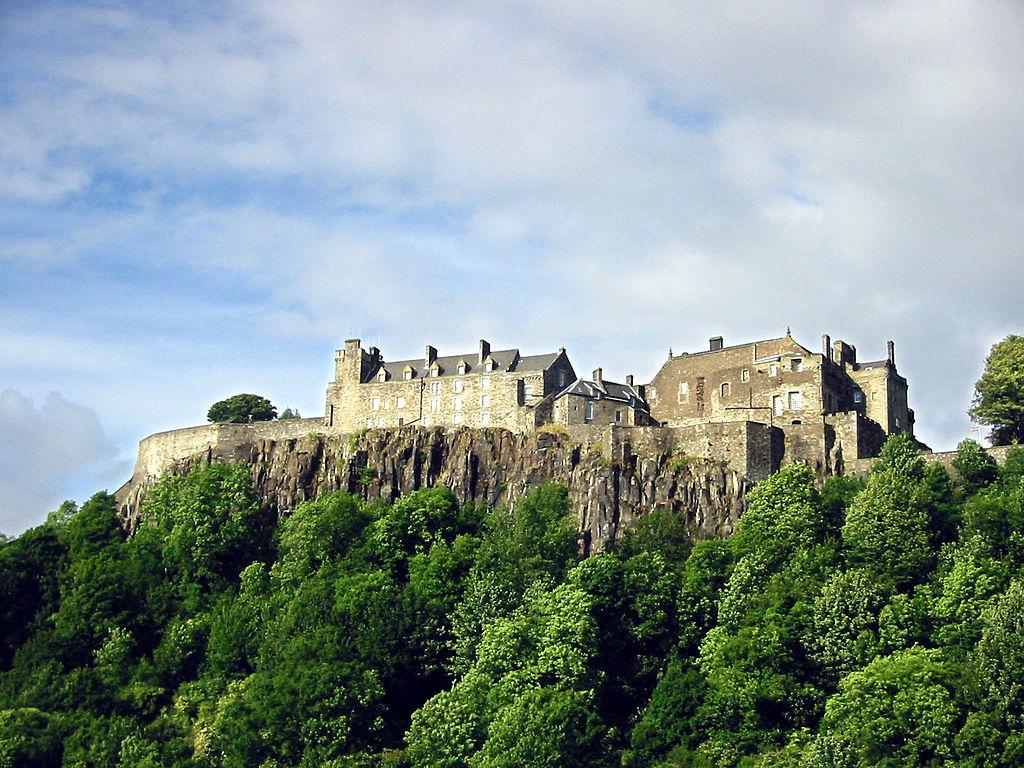
Looking beyond Argyll's Lodging? Discover Stirling for broader travel guides, local hot-spots, and regional highlights.
Explore Stirling