

Beheading Stone., Stirlingshire Travel Guide
Historic execution site atop Stirling’s Mote Hill, the Beheading Stone offers haunting views and echoes of Scotland’s medieval justice.
Perched atop Mote Hill in Stirling, the Beheading Stone is a historic execution block dating back to the 15th century. Enclosed in an iron cage and mounted on a concrete pillar, it bears axe marks from the beheadings of notable figures such as Murdoch, Duke of Albany. Overlooking the River Forth and the Wallace Monument, this somber landmark offers a poignant glimpse into Scotland’s turbulent past and medieval justice.
A brief summary to Beheading Stone.
- Stirling, Stirling, GB
- Duration: 0.5 to 1.5 hours
- Free
-
 Outdoor
- Mobile reception: 4 out of 5

Know before you go
Hi, I'm Eve. Here are a few practical things to know before exploring Beheading Stone..
- Visit during daylight hours to safely enjoy the panoramic views and read the informative plaques.
- Combine your visit with a walk along the Back Walk path around Stirling Castle for a fuller historical experience.
- Wear sturdy footwear as the terrain on Mote Hill can be uneven and slippery in wet weather.
- Bring a camera to capture the dramatic vistas of the River Forth and the Wallace Monument from the hilltop.
Do you manage this location?
Take control to get all the benefits, like improved information, better appearance, and stronger visibility across AI-powered discovery. Learn more about listing your business on Evendo
Activate your presenceOther nearby places you may find interesting
The closest places of the same kind, if this one is not quite what you had in mind.


Explore Beheading Stone. on the Map
A handpicked selection of must-see spots near Beheading Stone., mapped for you.
Getting There
-
Bus
Take the local bus services from Stirling city center to the nearest stop at Upper Bridge Street, approximately 15 minutes travel time. From there, a 10-minute walk uphill on paved paths leads to Mote Hill and the Beheading Stone. Buses run regularly but check schedules for weekend variations. Tickets cost around £2-£4.
-
Walking
From Stirling Castle, follow the Back Walk footpath, a scenic and historic route taking about 15-20 minutes on mostly paved and gravel paths with moderate inclines. Suitable for most fitness levels but wear comfortable shoes. This route offers excellent views and access to the Beheading Stone.
-
Taxi
A taxi ride from Stirling city center to Mote Hill takes about 5-10 minutes depending on traffic. This is a convenient option if mobility is a concern or for a quicker visit. Taxi fares typically range from £6 to £10.
For the on-the-go comforts that matter to you
-
 Information Boards
-
 Seating Areas
-
 Trash Bins
Discover more about Beheading Stone.
The Dark Legacy of Mote Hill
The Beheading Stone sits prominently on Mote Hill, also known historically as Heiding Hill or Heading Hill, a site steeped in grim medieval history. This stone was the traditional execution block where beheadings were carried out, particularly reserved for those convicted of treason. Most famously, in 1425, Murdoch, Duke of Albany, along with his sons and the Earl of Lennox, were executed here on the orders of King James I as retribution for Albany’s abuse of power during the king’s captivity in England. The stone itself is scarred with axe marks, a visceral reminder of the brutal punishments meted out in Scotland’s past.Historical and Archaeological Significance
Beyond its role in justice, Mote Hill holds archaeological importance as the site of an ancient Pictish fort, destroyed by fire in the early first millennium AD. Excavations have revealed the long-standing strategic significance of this hill, which overlooks Stirling and the River Forth. The Beheading Stone was rediscovered and moved to its current elevated position in 1887, where it was placed on a concrete mount and protected by an iron cage to preserve it for posterity. Nearby informational plaques and cannons add context and depth to the site’s historical narrative.A Place of Power and Punishment
The executions conducted at the Beheading Stone were not merely acts of punishment but also powerful political statements. The site’s vantage point offers sweeping views of Stirling Castle, the Wallace Monument, and the surrounding countryside, symbolizing the reach and authority of the Scottish crown. The stone’s use declined as executions were moved to other locations such as the Mercat Cross and the Tolbooth in Stirling’s town center. Today, the Beheading Stone stands as a solemn monument to Scotland’s medieval justice system and the turbulent power struggles of its history.The Visitor Experience and Surroundings
Visitors to the Beheading Stone can explore Mote Hill’s open grounds, which are part of a network of walking paths including the scenic Back Walk that circles the base of Stirling Castle. The site is accessible at all hours but is best visited in daylight for safety and to fully appreciate the views. The atmosphere is contemplative, with the stone’s stark presence contrasting against the natural beauty of the hill and the panoramic vistas of the River Forth and historic landmarks. Nearby Stirling attractions such as Stirling Castle and the National Wallace Monument enrich the historical context of the visit.Preservation and Cultural Importance
The Beheading Stone is protected as a significant historical landmark, with the local Stirling National History & Archaeological Society instrumental in its preservation since the late 19th century. The iron cage and concrete base safeguard the stone from weathering and vandalism, ensuring that this tangible piece of Scotland’s past remains intact. The site serves as a cultural touchstone, connecting visitors with the harsh realities of medieval law and the storied history of Stirling as a seat of power.Legacy and Reflection
Standing at the Beheading Stone, one is reminded of the complex layers of Scottish history—where justice, politics, and power intertwined with personal tragedy. The stone’s enduring presence invites reflection on the evolution of legal systems and the human stories behind historical events. It remains a poignant symbol of Stirling’s role in shaping Scotland’s national narrative, offering visitors a unique and sobering glimpse into the past.












Your all‑in‑one travel companion app
Explore expert travel guides, compare and book tours, experiences, hotels, and more—all from the palm of your hand. Download now for seamless trip planning wherever your wanderlust takes you.


Explore More of Stirlingshire
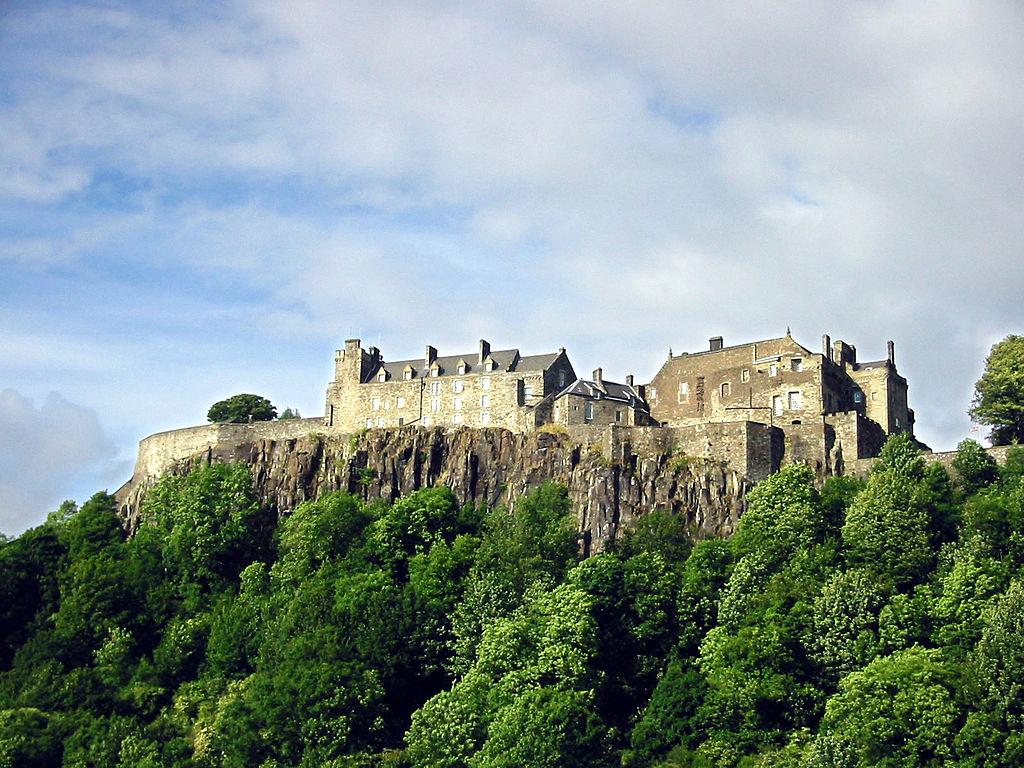
Looking beyond Beheading Stone.? Discover Stirlingshire for broader travel guides, local hot-spots, and regional highlights.
Explore Stirlingshire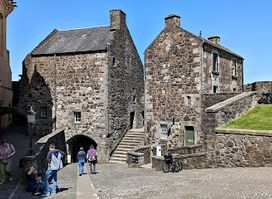
Step into the bustling medieval heart of Stirling Castle where royal feasts were crafted in the vividly recreated Great Kitchens.
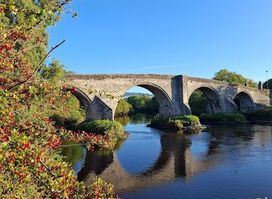
Walk across Stirling Old Bridge, a medieval stone marvel spanning the River Forth, steeped in Scottish history and scenic beauty.
