

Free Morayshire Travel Guide & Mobile App
Explore Morayshire with free travel guides. Discover regional history, expert tips, proposed trips, and audio guides on web or mobile app.


Explore Morayshire for whisky trails, medieval ruins, Pictish heritage, sandy beaches, fishing villages and the broad landscapes of north-east Scotland.
Read more about Morayshire
When is the best time to visit Morayshire?
Best: June–August · 18–20°C| Month | High (°C) | Rainfall (mm) |
|---|---|---|
| January | 6 | 60 |
| February | 7 | 50 |
| March | 9 | 50 |
| April | 12 | 40 |
| May | 15 | 40 |
| June (best) | 18 | 50 |
| July (best) | 20 | 60 |
| August (best) | 20 | 70 |
| September | 17 | 60 |
| October | 13 | 60 |
| November | 8 | 60 |
| December | 6 | 60 |
Getting to and around Morayshire
How to get there
Transportation
Best attractions in Morayshire
Morayshire’s attractions range from medieval ruins and Pictish archaeology to beaches, wildlife sites, historic houses and working distilleries. Elgin Cathedral is the region’s major ecclesiastical monument, while Pluscarden Abbey offers a different experience: a functioning monastic community in a wooded setting. Near Forres, Sueno’s Stone and the remains of Burghead’s Pictish fort provide important glimpses of early medieval Moray. The coast brings long beaches at Lossiemouth and Findhorn, dune landscapes, estuary birdlife and harbour walks around the former fishing communities. Inland, the Spey valley and surrounding glens combine riverside scenery with whisky distilleries, woodland and estate landscapes. Brodie Castle introduces historic interiors and designed grounds, while local museums in Elgin, Forres and coastal towns provide context on farming, fishing, geology and regional life. Walking, cycling, wildlife watching and scenic driving are central to the experience, but the region’s attractions are dispersed, making a flexible itinerary and careful transport planning more useful than attempting to cover everything from one short base.
-
Gift shop
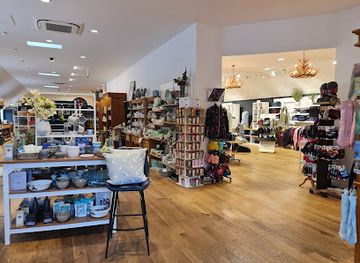
Brodie Countryfare
Experience luxury country shopping and traditional Scottish dining near Brodie Castle in a charming rural setting.
-
Cathedral
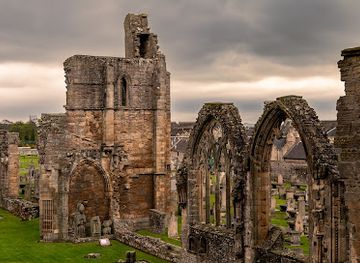
Elgin Cathedral
Explore the majestic ruins of Elgin Cathedral, the 'Lantern of the North,' a Gothic masterpiece steeped in medieval history and panoramic views.
-
Tourist attraction
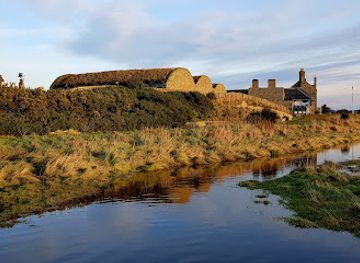
WDC Scottish Dolphin Centre
Discover Scotland’s largest bottlenose dolphin population at the historic WDC Scottish Dolphin Centre, where wildlife, heritage, and conservation unite.
-
Castle
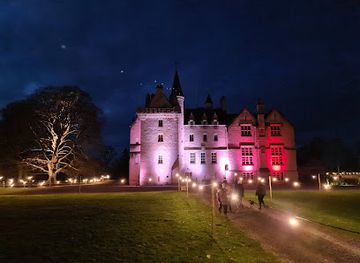
Brodie Castle and Estate
Explore Brodie Castle’s rich history, stunning gardens, and playful family attractions in the heart of Moray’s countryside.
Best landmarks in Morayshire
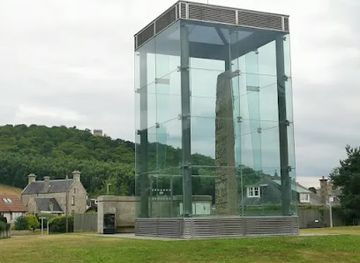
Elgin Cathedral is Morayshire’s defining historic landmark, with its twin western towers, extensive Gothic remains and elevated position overlooking the former cathedral precinct. Near Forres, Sueno’s Stone is an exceptional Pictish monument: its carved panels combine interlace, figures and battle imagery on a massive cross-slab. The remains of Burghead’s Pictish fort occupy a dramatic headland above the Moray Firth, where surviving ramparts and the underground well indicate the settlement’s former importance. Pluscarden Abbey, set in a wooded valley south-west of Elgin, is a rare Scottish medieval monastic complex that continues as a religious house. On the coast, the harbour forms of Cullen, Findochty and Buckie are reminders of the herring economy, while Lossiemouth’s shoreline and dunes express the region’s maritime geography. Historic houses such as Brodie Castle and Gordon Castle add architectural landmarks of a later period, linking designed landscapes and estate management with the agricultural plain and river valleys.
-
Tourist attraction
Sueno's Stone
Scotland's tallest Pictish monument—a 6.5-metre enigma carved with battle scenes and royal ceremony.
-
Historical landmark
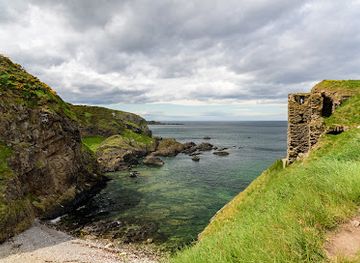
Findlater Castle
Explore the dramatic cliffside ruins of Findlater Castle, a medieval fortress steeped in Scottish history and coastal grandeur.
-
Historical landmark
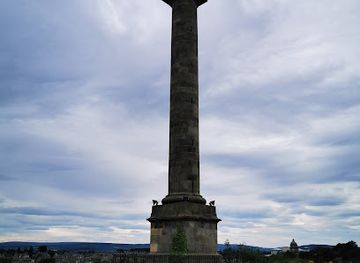
Lady Hill
Historic Lady Hill in Elgin features the towering Duke of Gordon Monument and ancient castle ruins with stunning panoramic views.
-
Historical landmark
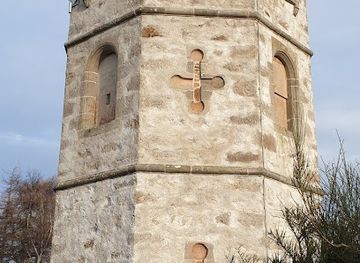
Knock of Alves
Explore the tranquil wooded hill and ancient stone circle of Knock of Alves, a historic landmark rich in Scottish legend and heritage near Elgin.
Explore Morayshire on the map
Plan your trip on one map. See where the top cities, national parks and sights are, and book hotels and experiences in a few clicks.
Best hotels in Morayshire
Best restaurants in Morayshire
Morayshire’s food reflects the meeting of fertile farmland, a productive coastline and long-established whisky communities. Cullen skink, the smoked-haddock, potato and onion soup associated with the coastal town of Cullen, is the region’s best-known local dish. Smoked fish, shellfish, salmon, venison, beef, lamb and game appear alongside vegetables, oats, baking and cheeses from north-eastern producers. Elgin, Forres and the larger coastal towns offer the broadest choice of cafés, pubs, bakeries and contemporary restaurants, while rural inns and estate venues provide a slower style of dining. Around the Spey, whisky may feature in tastings, desserts and sauces, although the region’s drinks culture extends beyond single malt to local beers and spirits. Farmers’ markets, farm shops and seasonal food events are useful places to find regional produce, but opening patterns vary. Seafood is particularly associated with coastal communities, while inland menus often draw more heavily on game, beef and produce from the surrounding agricultural plain.
-
Restaurant
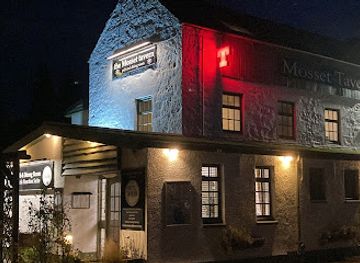
Mosset Tavern
Historic family-run pub and restaurant in Forres, famed for hearty meals, lively atmosphere, and welcoming hospitality since 1973.
-
Restaurant
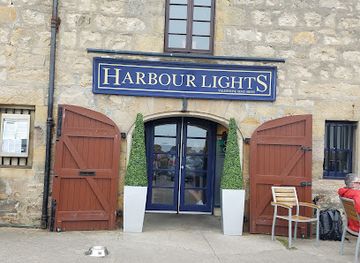
The Harbour Lights
A relaxed Lossiemouth café-bar serving hearty breakfasts, fresh seafood, and local favourites in a bright, coastal setting.
-
Restaurant
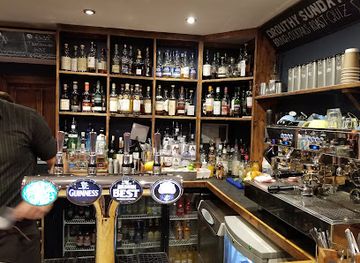
The Drouthy Cobbler
A stylish gastropub in Elgin serving creative local dishes and cocktails in a lively, modern setting on the historic High Street.
-
Restaurant
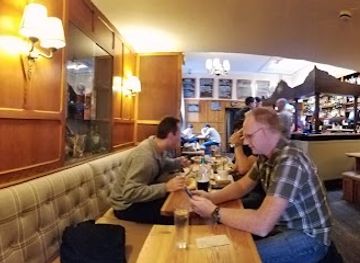
Kimberley Inn
Cozy waterfront pub and seafood restaurant in Findhorn offering diverse menus, warm ambiance, and stunning bay views.
Best bars in Morayshire
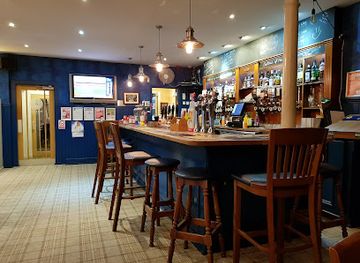
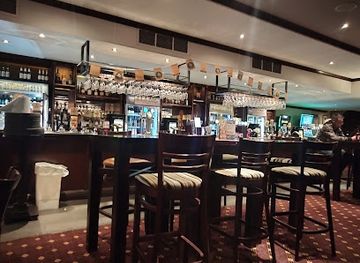
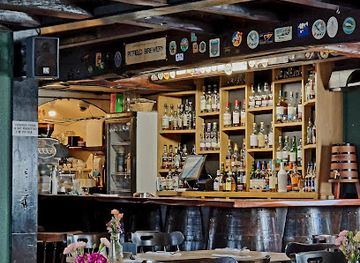
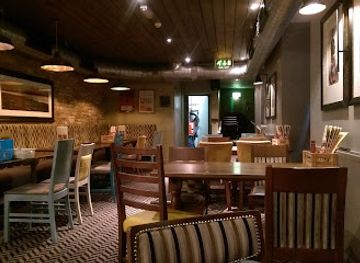
Evenings in Morayshire are centred more on traditional pubs, hotel bars, restaurants and live music than on a large nightclub scene. Elgin and Forres have the widest choice of places to meet, with pubs serving local ales, whisky and familiar Scottish food alongside contemporary cafés and cocktail-led venues. Coastal towns such as Lossiemouth, Buckie and Cullen offer a modest selection of pubs and seasonal seafront dining, while smaller villages generally close earlier and may have only one or two social venues. Whisky distilleries are primarily daytime visitor attractions, though tastings and occasional events can add an organised evening dimension. Rural nightlife depends heavily on local calendars and transport, so visitors staying outside the main towns should plan their return journey rather than assume late buses or taxis. Live music, community events and hospitality in historic inns often provide a more characteristic evening than clubbing.
-
Pub
Mosset Tavern
Historic family-friendly pub in Forres offering local ales, malt whiskies, hearty meals, and cozy accommodation in a lively yet welcoming setting.
-
Pub
The Muckle Cross - JD Wetherspoon
A vibrant and affordable JD Wetherspoon pub on Elgin High Street offering hearty meals and a lively atmosphere from morning till late.
-
Pub
Kimberley Inn
A cosy seaside pub in Findhorn offering hearty Scottish seafood, local ales, and stunning Moray Firth views in a warm, welcoming atmosphere.
-
Pub
Granary
A lively two-floor pub and restaurant in central Elgin offering hearty Scottish fare, sports bar excitement, and weekend nightclub vibes.
Best nightclubs in Morayshire
Evenings in Morayshire are centred more on traditional pubs, hotel bars, restaurants and live music than on a large nightclub scene. Elgin and Forres have the widest choice of places to meet, with pubs serving local ales, whisky and familiar Scottish food alongside contemporary cafés and cocktail-led venues. Coastal towns such as Lossiemouth, Buckie and Cullen offer a modest selection of pubs and seasonal seafront dining, while smaller villages generally close earlier and may have only one or two social venues. Whisky distilleries are primarily daytime visitor attractions, though tastings and occasional events can add an organised evening dimension. Rural nightlife depends heavily on local calendars and transport, so visitors staying outside the main towns should plan their return journey rather than assume late buses or taxis. Live music, community events and hospitality in historic inns often provide a more characteristic evening than clubbing.
-
Club
Seaforth Club
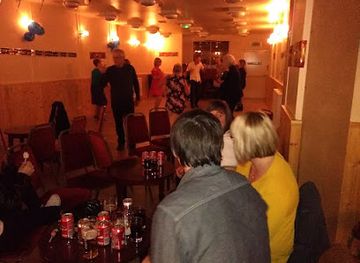
A welcoming members-only social club in Elgin offering great atmosphere, steak suppers, and a true sense of community spirit.
-
Nightclub
Joannas Nightclub
A lively and casual nightclub in Elgin offering weekend late-night music, dancing, and social vibes in the heart of the city.
-
Nightclub
Purple Nightclub
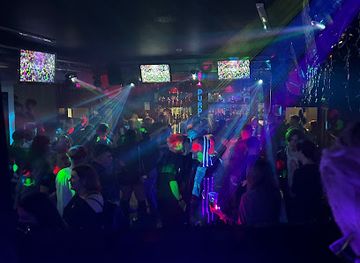
Experience Buckie’s vibrant nightlife at Purple Nightclub, the ultimate destination for dancing, live music, and unforgettable late-night events.
Best shops in Morayshire
Elgin and Forres provide Morayshire’s most varied shopping, with everyday high-street services, independent retailers, cafés, books, gifts and craft businesses. Smaller coastal towns offer a more limited but distinctive mix of local shops, galleries, bakeries and maritime souvenirs, particularly around their harbour areas. Farm shops and food producers are good places to look for smoked fish, salmon, cheeses, oatcakes, preserves, chocolate, locally made spirits and other regional goods, although stock and opening arrangements vary. Whisky is an obvious purchase, with distillery shops and specialist retailers offering bottles from Moray and the wider Speyside area; check duty-free and baggage rules when travelling internationally. Antiques, ceramics, textiles, artwork and handmade gifts appear in rural galleries, estate outlets and market settings rather than in a single concentrated shopping quarter. Visitors seeking traditional Scottish products should compare provenance and labelling, especially where items are marketed as local but produced elsewhere.
-
Home improvement shop
Decora Ltd
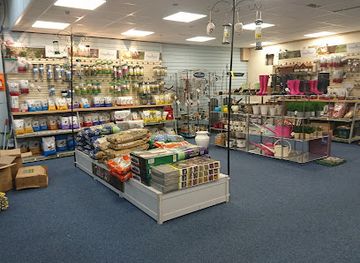
Scotland’s largest independent home and garden centre in Elgin, blending expert design, extensive supplies, and a welcoming café under one historic roof.
-
Shopping Centre
St Giles Shopping Centre
Central Elgin’s shopping hub with diverse retailers, local events, and a welcoming atmosphere under one roof.
-
Discount shop
The Original Factory Shop (Buckie)
Discover unbeatable bargains on fashion, beauty, and party supplies at The Original Factory Shop in Buckie, your local discount shopping destination.
-
Off Licence
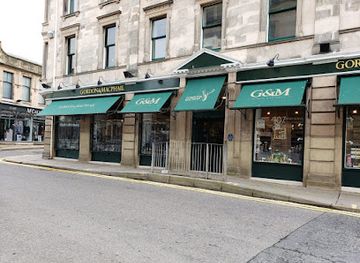
Gordon & MacPhail Retail
Scotland's legendary independent whisky specialist since 1895, offering rare single malts and expert tastings.

Get your free copy of our complete guide to Morayshire, delivered straight to you.
Everything on this page, from attractions and restaurants to essentials and local phrases, in one PDF you can read offline, print or share.
Already have an account? Sign in
Your Morayshire guide is ready.
We'll send it to · Not you? Sign out

Getting your guide ready…
We are putting together a fresh copy of the Morayshire guide. This can take up to a minute.
This can take a few moments. If your browser asks, choose Allow so the download can start. You'll find the guide in your Downloads folder.
Nothing happened? Download it again
Sorry, the guide is taking longer than usual. Please try again in a minute, or get it by email instead.
Morayshire essentials
Currency and Payment
Safety
Emergency Situations
Do's and Don'ts
Local Tips
From Eve
Local phrases worth knowing
You don't need to get them perfect. A few words go a long way, and locals appreciate the effort.
Basics
| English | Local | Say it |
|---|---|---|
| Hello | Hallo | [ha-lo] |
| Goodbye | Cheerio | [cheer-ee-oh] |
| Yes | Aye | [eye] |
| No | Naw | [naw] |
| Please/You’re welcome | Please | [pleez] |
| Thank you | Thanks | [thangs] |
| Excuse me/Sorry | Excuse me | [ex-kyoos mee] |
| How are you? | How’s it gaun? | [hows it gawn] |
| Fine. And you? | Aye, no bad. You? | [eye, no bad. yoo?] |
| Do you speak English? | Dae ye speak English? | [day ye speak ing-glish?] |
| I don't understand | Ah dinnae get it | [ah din-ay get it] |
Eating & Drinking
| English | Local | Say it |
|---|---|---|
| I’d like to see the menu, please | Ah'd like tae see the menu, please | [ahd like tay see the men-yoo, pleez] |
| I don’t eat meat | Ah dinnae eat meat | [ah din-ay eat meet] |
| Cheers! | Cheers! | [cheers] |
| I would like to pay, please | Ah'd like tae pay, please | [ahd like tay pay, pleez] |
Emergencies
| English | Local | Say it |
|---|---|---|
| Help! | Help! | [help] |
| Go away! | Gae awa! | [gay a-wah] |
| Call the Police! | Phone the polis! | [fone the poh-lis] |
| Call a doctor! | Phone a doctor! | [fone a doc-tor] |
| I’m lost | Ah'm lost | [ahm lost] |
| I’m ill | Ah'm no weel | [ahm no weel] |
Shopping
| English | Local | Say it |
|---|---|---|
| I’d like to buy... | Ah'd like tae buy... | [ahd like tay buy...] |
| I’m just looking | Ah'm just lookin' | [ahm just look-in] |
| How much is it? | Whit’s the price? | [whits the price?] |
| That’s too expensive | That’s far ower pricey | [thats far ower pry-see] |
| Can you lower the price? | Can ye lower the price? | [can ye lower the price?] |
Time & Numbers
| English | Local | Say it |
|---|---|---|
| What time is it? | Whit time is it? | [whit time is it?] |
| It’s one o'clock | It’s one o’clock | [its won o-clock] |
| Half past (10) | Half past ten | [half past ten] |
| Morning | Mornin' | [morn-in] |
| Afternoon | Afternoon | [af-ter-noon] |
| Evening | Evenin' | [even-in] |
| Yesterday | Yestreen | [yes-treen] |
| Today | Tday | [tday] |
| Tomorrow | Morrow | [mor-row] |
| 1 | One | [won] |
| 2 | Two | [too] |
| 3 | Three | [three] |
| 4 | Four | [for] |
| 5 | Five | [fiv] |
| 6 | Six | [siks] |
| 7 | Seven | [sev-en] |
| 8 | Eight | [ate] |
| 9 | Nine | [nayn] |
| 10 | Ten | [ten] |
Transport & Directions
| English | Local | Say it |
|---|---|---|
| Where's a/the...? | Whar's a/the...? | [whar's a/the...?] |
| What’s the address? | Whit’s the address? | [whits the ad-dress?] |
| Can you show me (on the map)? | Can ye show me (on the map)? | [can ye show mee (on the map)?] |
| When's the next (bus)? | When’s the next (bus)? | [when's the next (bus)?] |
| A ticket (to ....) | A ticket (ta ...) | [a tick-et (ta ...)] |
History of Morayshire
Prehistoric and Early Medieval Moray
Morayshire contains evidence of settlement and ritual activity extending well before written history. Coastal caves around Covesea preserve archaeological traces, while cairns, standing stones and other monuments reflect the beliefs and farming practices of prehistoric communities. The region later became an important centre of Pictish power. Burghead’s promontory fort was a substantial fortified settlement, and the great carved monument known as Sueno’s Stone near Forres demonstrates the sophistication of Pictish sculpture and the importance of the area during the early medieval period.
The Medieval Province of Moray
Medieval Moray was a strategically important province whose territory and political influence changed repeatedly as Scottish kings consolidated authority in the north. Castles, religious foundations and administrative centres developed along the Laich of Moray, the fertile lowland plain beside the firth. The foundation of Elgin Cathedral in the thirteenth century confirmed Elgin’s importance as an ecclesiastical and civic centre. Warfare and political unrest elsewhere in the north affected the region, but the cathedral and surviving medieval settlements show the prosperity that developed through agriculture, trade and church administration.
Monastic Foundations and Elgin Cathedral
Religious institutions played a major role in shaping Moray’s medieval landscape. Elgin Cathedral became the seat of the bishops of Moray and was repeatedly enlarged, creating the substantial Gothic complex whose ruins survive today. Pluscarden Priory, founded in the thirteenth century, developed in a secluded wooded valley and remains one of the most important medieval monastic sites in Scotland. Although religious change during the sixteenth-century Reformation ended medieval Catholic institutional life in the region, the buildings, estates and place names left a durable mark on Morayshire.
Maritime Trade and the Fishing Coast
From the early modern period into the nineteenth century, Moray’s coast became increasingly connected to North Sea trade and the commercial fishing economy. Harbours at places such as Lossiemouth, Buckie, Findochty and Cullen supported herring fishing, boatbuilding and the movement of agricultural goods. Fishing families, seasonal labour and improvements to harbour infrastructure altered the coastal settlements, while the railway later linked them more closely with Elgin and national markets. The industry declined during the twentieth century, but harbour layouts, boat sheds, smoked-fish traditions and maritime museums preserve elements of this working history.
Estates, Agriculture and Transport Change
The fertile plain between the coast and the uplands supported grain cultivation, livestock farming and extensive landed estates. Families associated with estates such as Brodie, Gordon and other local houses influenced agriculture, woodland management, architecture and employment. The nineteenth-century arrival of railways connected Elgin, Forres, Keith and coastal communities with Aberdeen, Inverness and wider markets. Better transport encouraged tourism, commercial farming and the movement of whisky, while also contributing to the gradual transformation of smaller rural settlements.
The Rise of Speyside Whisky
Distilling developed in the valleys of the Spey and its tributaries through a combination of clear water, locally grown barley, available peat and established agricultural communities. Legalisation and regulation in the nineteenth century helped transform small-scale production into a major commercial industry. Moray became one of Scotland’s principal whisky-producing areas, with distilleries clustered around settlements such as Elgin, Rothes and Keith. Whisky remains both an international export and a local economic presence, visible in distillery buildings, cooperages, warehouses, visitor centres and the cultural landscape of the river valleys.
Twentieth-Century Transformation
The twentieth century brought the decline of commercial herring fishing, changes in rural employment and the expansion of service industries, tourism and food production. Lossiemouth also acquired a major military role through the development of RAF Lossiemouth, which remains an important presence in the town and region. At the same time, improved roads and renewed interest in heritage, wildlife, walking and whisky tourism brought visitors beyond the traditional coastal resorts. Contemporary Morayshire therefore combines working harbours, active farms, military and industrial sites, historic communities and a growing visitor economy.
Morayshire in Photos
Browse through our photo collection highlighting the charm and character of the destination.
Neighbouring regions of Morayshire
The closest regions to Morayshire, if you have time for more than one.
-

-

-

-

-


Swipe for more regions
Explore more

Explore more of United Kingdom
Discover the United Kingdom: A blend of rich history, stunning landscapes, and vibrant cities, offering a unique travel experience for every visitor.
Explore United Kingdom