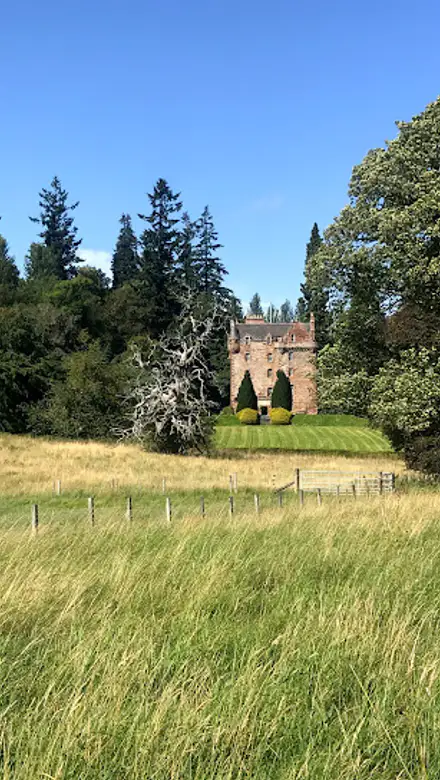
Castle Leod Travel Guide
Free Guide: Discover Castle Leod, the majestic Highland home of Clan Mackenzie, steeped in over 500 years of history, legend, and natural beauty near Strathpeffer.


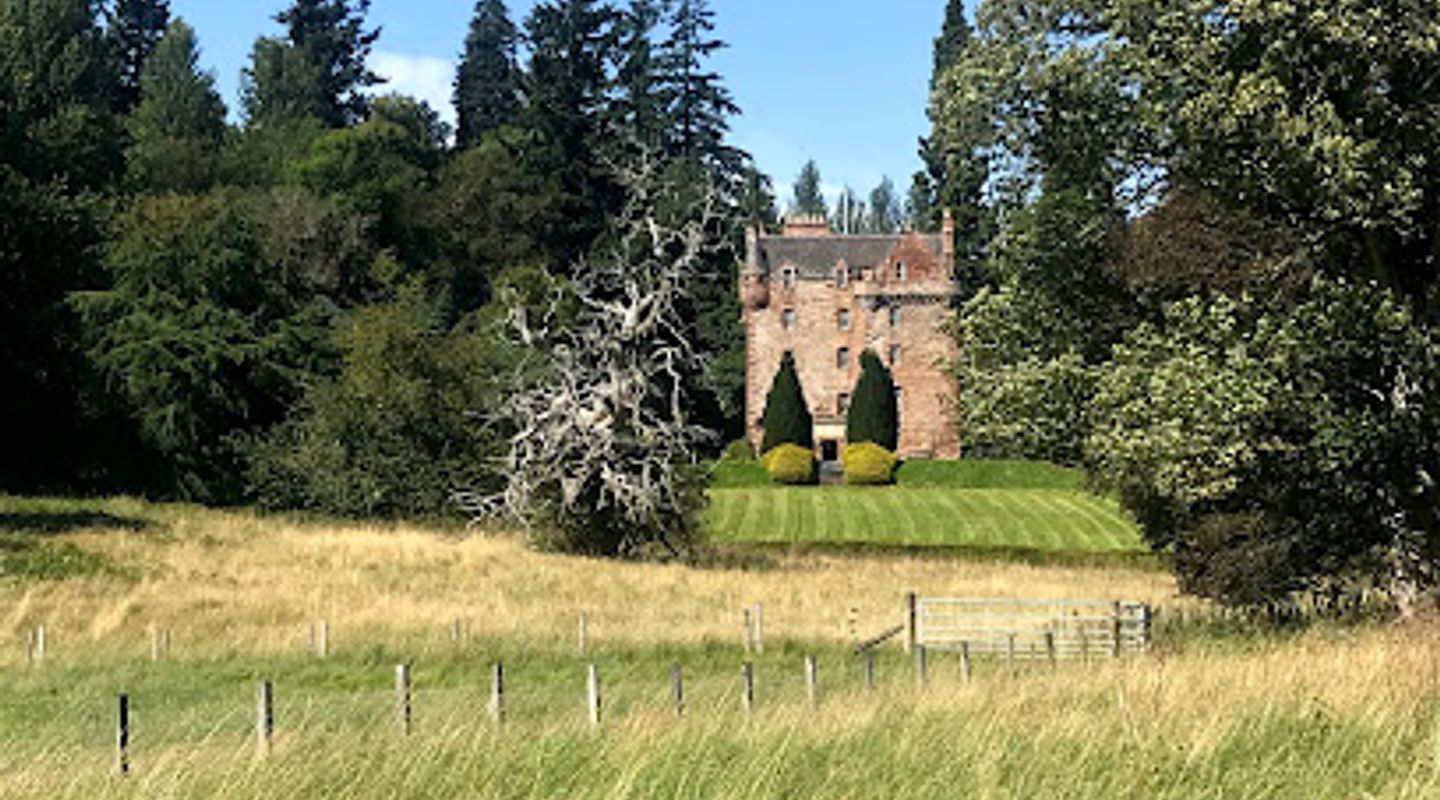
A brief summary of Castle Leod
Discover Castle Leod, the majestic Highland home of Clan Mackenzie, steeped in over 500 years of history, legend, and natural beauty near Strathpeffer.
Castle Leod, near Strathpeffer in the Scottish Highlands, is a well-preserved 15th-17th century castle built on an ancient Pictish fort site. It has been the seat of Clan Mackenzie for over 500 years and is home to the Earl of Cromartie. The castle features thick defensive walls, gun loops, and a rich history tied to Scottish politics and the Jacobite uprisings. Surrounded by scenic grounds with notable trees, it offers limited public access and private tours, inviting visitors to explore its historic interiors and clan heritage.
On-site amenities
 Restrooms
 Seating areas
 Information boards
Opening hours
- MonClosed
- TueClosed
- WedClosed
- Thu2 pm–6 pm
- Fri2 pm–6 pm
- Sat2 pm–6 pm
- Sun2 pm–6 pm
Opening hours as listed on the venue’s Google Business Profile. Hours can change for services and special events, so check with the venue before you go.
- Address
- Castle Leod, Strathpeffer IV14 9AA
- Website
Getting there
Car
Bus
Walking
Discover more about Castle Leod
Ancient Origins and Architectural Heritage
Castle Leod stands on a site believed to have been an ancient Pictish fort predating the 12th century, reflecting layers of Scottish history. The current structure mainly dates from the 15th to 17th centuries, featuring a compact L-plan tower house built of red sandstone. Its walls, up to eight feet thick, include splayed gun loops and arrow-slit windows for defense. The castle’s design preserves its medieval character, with Victorian and Edwardian additions discreetly placed to maintain the original fortress feel. Inside, vaulted cellars, a large first-floor hall with a grand fireplace, and private chambers above convey the castle’s historic domestic life.
Clan Mackenzie Legacy and Political Intrigue
Castle Leod has been the seat of Clan Mackenzie for over five centuries, granted to John of Killin, the 10th Chief, after the Battle of Flodden in 1513. The Mackenzies played pivotal roles in Scottish and British history, including involvement in the Jacobite uprisings. George Mackenzie, 3rd Earl of Cromartie, was convicted of high treason following the 1745 rebellion, leading to forfeiture of the estate. His wife’s brave appeal spared his life, though the family faced exile and poverty. The estates were eventually restored, and the family regained their titles by the mid-19th century. The castle remains the home of the current Earl of Cromartie and clan chief, continuing a remarkable lineage.
Ghostly Legends and Cultural Significance
Castle Leod is reputed to be haunted by the Night Watchman, a 15th-century sentry who reportedly appears in the Great Hall. This ghostly presence is embraced by the current Earl and adds a layer of mystique to the castle’s atmosphere. The castle also inspired the fictional Castle Leoch in the popular Outlander series, enhancing its cultural profile. Its connection to Scottish heritage is palpable through portraits and artifacts that tell stories of clan battles, political alliances, and personal dramas spanning centuries.
Grounds, Gardens, and Natural Beauty
The castle is set amid extensive parkland and woodlands near the Victorian spa village of Strathpeffer. The grounds feature notable trees, including a sweet chestnut planted in 1550 for Mary of Guise and giant sequoias, one of which is among the largest trees in Britain by bulk. The natural setting provides a tranquil backdrop that complements the castle’s historic charm. The estate hosts local sports clubs and annual cultural events such as the Strathpeffer Highland Gathering, celebrating Highland traditions and community spirit.
Visitor Experience and Preservation Efforts
Castle Leod is a Category A listed building, protected for its architectural and historic importance. It opens to the public on select days, usually from May to August, with access to the ground and first floors. Knowledgeable volunteers offer storytelling that brings the castle’s rich past to life. Private guided tours are available by arrangement, providing deeper insight into the clan’s history and the castle’s features. The Clan Mackenzie Charitable Trust manages ongoing preservation and encourages respectful exploration of this living family home.
Continuity of Clan and Community
The castle remains a vibrant symbol of Clan Mackenzie’s enduring presence in the Highlands. The current chief, John Mackenzie, 5th Earl of Cromartie, lives here, maintaining the family’s historic seat. The castle’s ties to the nearby village of Strathpeffer remain strong, with shared cultural and sporting activities fostering community engagement. This blend of history, heritage, and living tradition makes Castle Leod a unique destination for those interested in Scottish history, clan culture, and the natural beauty of the Highlands.
Evendo Review Centre
 Google
Guest reviews
Best time to go
Quietest: Jan, Feb & Dec · before 6am or at 10pm
Busy times are Evendo estimates for a typical year, to help you plan. Actual crowds vary with events, school holidays and the weather.
Explore Castle Leod on the map
A handpicked selection of must-see spots near Castle Leod, mapped for you.
Get your free copy of our complete guide to Castle Leod, delivered straight to you.
Everything on this page, from opening hours and how to get there to Eve’s tips and the best time to go, in one PDF you can read offline, print or share.
Already have an account? Sign in
Your Castle Leod guide is ready.
We'll send it to · Not you? Sign out

Getting your guide ready…
We are putting together a fresh copy of the Castle Leod guide. This can take up to a minute.
This can take a few moments. If your browser asks, choose Allow so the download can start. You'll find the guide in your Downloads folder.
Nothing happened? Download it again
Sorry, the guide is taking longer than usual. Please try again in a minute, or get it by email instead.
Unlock the best of Castle Leod
Skip-the-line tickets, guided tours with entry, and walking tours of the area, booked in a few clicks.


Other nearby places you may find interesting
The closest places of the same kind, if this one is not quite what you had in mind.
-
-
-
-
-


Swipe for more places
More to explore near Castle Leod

 Best experiences near Castle Leod
 Best hotels near Castle Leod
 Best landmarks near Castle Leod
 Best attractions near Castle Leod
 Best shops near Castle Leod
 Best restaurants near Castle Leod
 Best bars near Castle Leod
Do you manage this location?
Take control to get all the benefits, like improved information, better appearance, and stronger visibility across AI-powered discovery.
Explore more
Explore more of Sutherland
Discover Sutherland, the untamed beauty of the Scottish Highlands, where rugged landscapes, serene lochs, and dramatic coastlines await the adventurous traveler.
Explore Sutherland
Explore more of United Kingdom
Discover the United Kingdom: A blend of rich history, stunning landscapes, and vibrant cities, offering a unique travel experience for every visitor.
Explore United Kingdom