Strome Castle, Sutherland Travel Guide
Dramatic 15th-century tower house ruins on a rocky headland at the head of Loch Carron, with sweeping views to Skye and a history of clan warfare and royal intrigue.
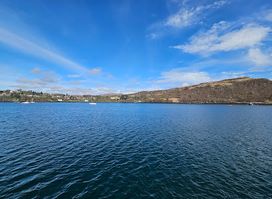
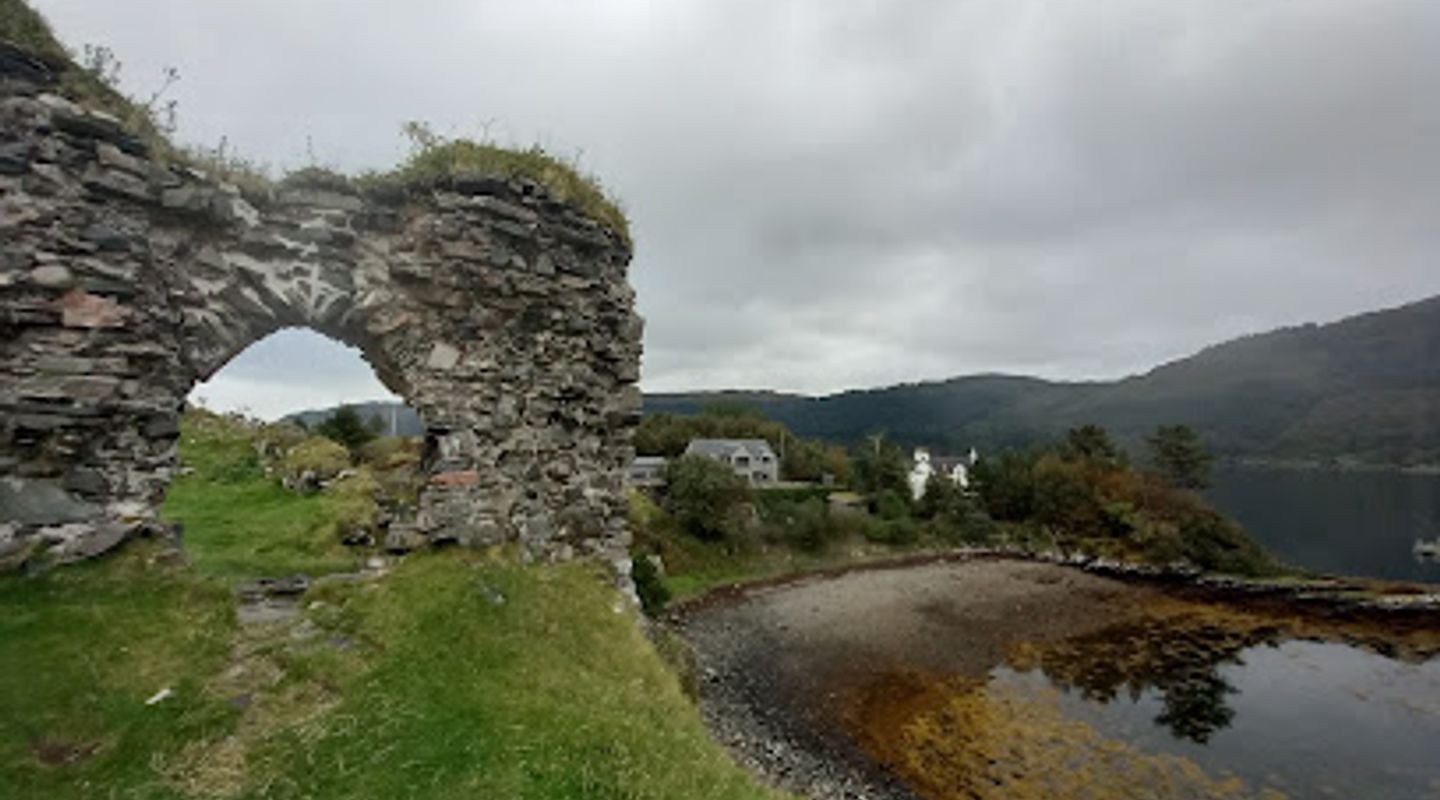
Perched dramatically on a rocky promontory at the head of Loch Carron, Strome Castle is a haunting ruin with sweeping views across the water to the Isle of Skye. Built in the 15th century by the MacDonalds of Glengarry, this once strategic stronghold changed hands many times before being blown up by the Mackenzies in 1602. Today, managed by the National Trust for Scotland, its crumbling walls and courtyard offer a powerful sense of Highland history, clan rivalry, and the raw beauty of the West Coast. Access is via a short walk over rough ground, rewarding visitors with solitude, sea air, and a vivid glimpse into Scotland’s turbulent past.
A brief summary to Strome Castle
- Strathcarron, IV54 8YJ, GB
- Click to display
- Duration: 0.5 to 1.5 hours
- Free
-
 Outdoor
- Mobile reception: 3 out of 5

Know before you go
Hi, I'm Eve. Here are a few practical things to know before exploring Strome Castle.
- Wear sturdy, waterproof footwear as the path to the castle is rough, uneven and can be muddy, especially after rain.
- Visit on a clear day to enjoy the best views across Loch Carron to the Isle of Skye and the surrounding mountains.
- Bring a warm layer and a windproof jacket; the headland is fully exposed to sea winds and can feel much colder than nearby sheltered spots.
- Combine your visit with a stop in Lochcarron village for food, drink and information about the area’s history and walking routes.
- Check the tide and weather conditions before setting out, as the coastal path can become slippery and the sea views are dramatically affected by cloud and light.
Do you manage this location?
Take control to get all the benefits, like improved information, better appearance, and stronger visibility across AI-powered discovery. Learn more about listing your business on Evendo
Activate your presenceOther nearby places you may find interesting
The closest places of the same kind, if this one is not quite what you had in mind.
Explore Strome Castle on the Map
A handpicked selection of must-see spots near Strome Castle, mapped for you.
Getting There
-
Car
From Lochcarron village, follow the A890 south along the north shore of Loch Carron for about 5.5 km. Park carefully in the small lay-by near the headland and walk the short distance along the rough track to the castle ruins. Parking is informal and can be limited in busy periods.
-
Public Transport
Take a bus to Lochcarron village on the A890 route, then walk approximately 30–40 minutes along the A890 and the coastal path to the castle. The final section is on a rough, unpaved track with some uneven ground and a small slope down to the headland.
-
Walking
From Lochcarron village, walk south along the A890 for about 5.5 km, then follow the rough coastal track to the headland. The path is uneven and can be muddy; allow 45–60 minutes each way depending on pace and conditions.
-
Cycling
Cycle along the A890 from Lochcarron village, then continue on the rough coastal track to the headland. The final section is not paved and can be challenging on a road bike; a hybrid or mountain bike is recommended.
For the on-the-go comforts that matter to you
-
 Seating Areas
-
 Trash Bins
-
 Information Boards
Discover more about Strome Castle
A Fortress on the Edge of the Sea
Strome Castle clings to a narrow, rocky headland where Loch Carron meets Loch Kishorn, its ruins silhouetted against the ever-changing sky of the West Highlands. Originally built as a tower house in the mid-15th century, it was constructed to dominate the Strome Narrows, a key sea passage, and to control the ancient ferry crossing that once linked the north and south shores. Its position is both commanding and exposed, surrounded on three sides by steep drops to the water, making it a natural stronghold for whoever held sway over this stretch of coast. The castle’s layout centred on a square tower within a courtyard, a classic Highland tower house design that combined domestic comfort with defensive strength.Clan Rivalries and Royal Grants
The castle’s history is a microcosm of Highland power struggles. Initially associated with the Lords of the Isles and the MacDonalds of Lochalsh, it later passed to the MacDonalds of Glengarry, who held it as a key outpost in their contested lands. Over the 16th century, it became a pawn in the wider conflict between the MacDonalds and the rising power of the Mackenzies of Kintail. Royal intervention only added to the complexity: King James V granted Strome to the MacDonells of Glengarry in 1539, and later it was briefly held by the Earl of Huntly, reflecting how central Highland castles were to crown policy in the region. For over sixty years, the MacDonells fought to retain Strome against repeated Mackenzie pressure, turning it into a symbol of Glengarry authority on the coast.The Fall and Destruction of Strome
The castle’s end came in 1602, after a prolonged siege by Kenneth Mackenzie, Lord of Kintail. According to tradition, the garrison’s fate was sealed by a moment of domestic chaos: women drawing water from the castle well accidentally poured it into the barrel of gunpowder instead of the water barrel. The resulting argument was overheard by a Mackenzie prisoner, who escaped and carried the news that the castle’s defences were now useless. Faced with this vulnerability, the MacDonell garrison negotiated safe passage and left. Rather than occupy the castle themselves, the Mackenzies chose to destroy it, blowing up the tower with gunpowder. This act was not just military but symbolic: by reducing Strome to ruins, they broke the MacDonalds’ hold on this strategic point and ensured it could never again serve as a rival stronghold.Life Among the Ruins Today
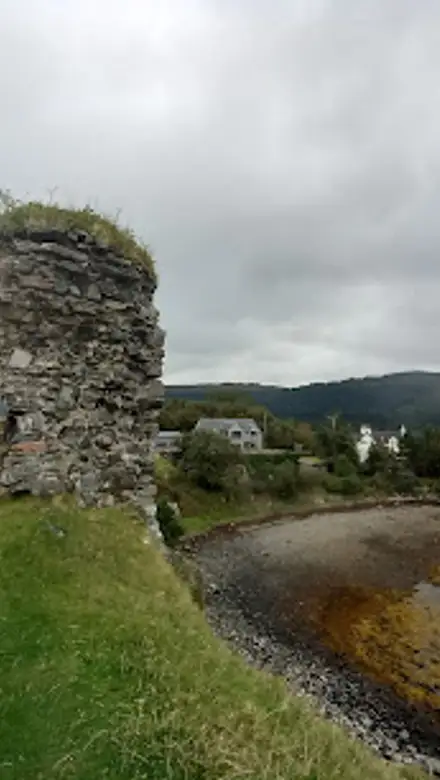
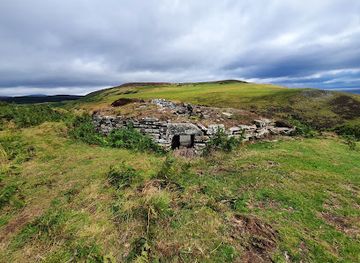
Today, Strome Castle is a quiet, windswept site in the care of the National Trust for Scotland. What remains is a courtyard and the lower courses of the tower, its walls weathered by centuries of Atlantic gales. The atmosphere is one of poignant abandonment, where sheep often graze among the stones and the only sounds are the lapping of waves and the cries of seabirds. An information board helps visitors imagine the castle’s original form, and the views across Loch Carron to the Cuillin of Skye are truly spectacular. There are no modern buildings or facilities at the site itself, so a visit feels like stepping into a forgotten corner of Highland history, far from the bustle of modern life.Visiting the Ruins
The castle is reached via a short walk from the roadside, along a rough track that can be muddy and uneven, especially after rain. The path is not paved, and the final approach involves some uneven ground and a small slope down to the headland. There are no toilets or refreshments at the site, so visitors should come prepared with sturdy footwear, warm clothing, and perhaps a flask and snack. The best times to visit are on clear days when the views to Skye are at their most dramatic, or in the softer light of early morning and late afternoon when the ruins are bathed in golden or silvery light. Because of its exposed position, the weather can change quickly, so flexibility and a sense of adventure are part of the experience.












Your all‑in‑one travel companion app
Explore expert travel guides, compare and book tours, experiences, hotels, and more—all from the palm of your hand. Download now for seamless trip planning wherever your wanderlust takes you.


Explore More of Sutherland
Looking beyond Strome Castle? Discover Sutherland for broader travel guides, local hot-spots, and regional highlights.
Explore Sutherland