
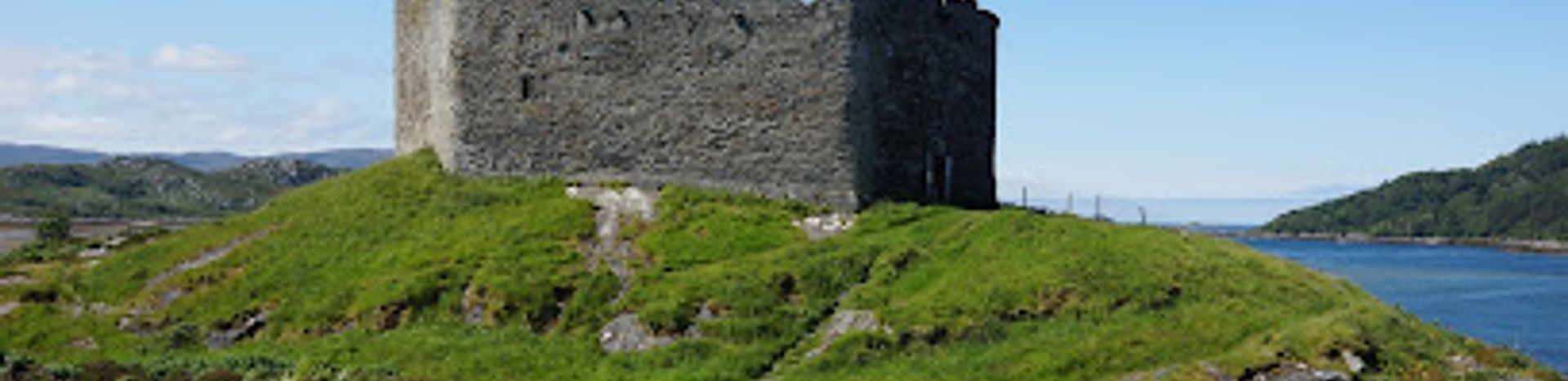
Castle Tioram
A hauntingly beautiful ruined castle on a tidal island in Loch Moidart, once the seat of Clanranald and the Lords of the Isles.
Perched on the tidal island of Eilean Tioram in Loch Moidart, Castle Tioram is a hauntingly beautiful ruin with deep ties to the Lords of the Isles and Clanranald. This 13th–14th century curtain-wall fortress, once the seat of MacDonald power, now stands as a silent sentinel over the wild waters of the west Highlands. Accessible only at low tide, its crumbling walls, overgrown interior, and dramatic loch setting make it one of Scotland’s most evocative and atmospheric castles. There are no visitor facilities, just raw history, sweeping views, and the constant lap of the tide.
A brief summary to Tioram Castle
- Loch Moidart, Lochaber Highland, GB
- Duration: 1 to 3 hours
- Free
-
 Outdoor
- Mobile reception: 3 out of 5
Local tips
- Check tide times carefully before visiting; the castle is only accessible on foot at low tide, and the crossing can be muddy and slippery.
- Wear sturdy footwear and waterproof clothing; the approach is rough, and the island is often wet and muddy, especially after rain.
- Bring a camera and binoculars; the castle and surrounding loch offer stunning views, and the ruins are particularly atmospheric in changing light.
- Respect the site and stay safe; the ruins are unstable, with a risk of falling masonry, so do not climb on walls or enter unsafe areas.

For the on-the-go comforts that matter to you
- Seating Areas
- Trash Bins
- Information Boards
Getting There
-
By car from Acharacle
From the village of Acharacle, follow the narrow single-track road west for about 3.5 km to the small parking area near the shore of Loch Moidart. The road is rough and bumpy; drive slowly and allow time to pass oncoming vehicles. From the parking area, the castle is visible across the loch on the tidal island.
-
On foot from the parking area
From the parking area, walk down to the shore and wait for low tide. At low tide, cross the sandbar and mudflats to the island of Eilean Tioram. The crossing is about 100–150 metres and can be muddy and slippery; wear sturdy, waterproof footwear and check tide times carefully to avoid being cut off by the rising water.
Tioram Castle location weather suitability
-
 Any Weather
-
 Rain / Wet Weather
-
 Clear Skies
-
 Windy Conditions
-
 Mild Temperatures
Discover more about Tioram Castle
A Fortress on the Tide
Castle Tioram rises from the tidal island of Eilean Tioram, where the River Shiel meets Loch Moidart in the remote heart of Moidart. At high tide, the castle is an island fortress, cut off from the mainland by water; at low tide, a narrow sandbar and mudflats allow access on foot. This dramatic setting, hidden from the open sea yet commanding the approach to Loch Shiel, made it a strategically vital stronghold for centuries. The name Caisteal Tioram means "dry castle" in Gaelic, a fitting description for a fortress that appears and disappears with the tides, standing as a powerful symbol of the Lords of the Isles and the MacDonalds of Clanranald.Seat of the Lords of the Isles
The earliest visible remains at Castle Tioram date from the 13th–14th century, when it served as a key stronghold of Clann Ruaidhrí and later the Clanranald branch of Clan Donald. Tradition credits its construction or major rebuilding to Amie MacRuari, wife of John, Lord of the Isles, in the mid-14th century. From this base, the MacDonalds of Clanranald ruled their lands, fiercely independent and often at odds with both the Scottish crown and neighbouring clans. The castle’s pentagonal curtain wall, adapted to the rocky island, once enclosed a complex of buildings, including a tower house that formed the heart of the south-east range, later heightened and crenellated in the 16th and 17th centuries.Centuries of Conflict
Castle Tioram witnessed centuries of Highland warfare and political upheaval. In 1554, it withstood a naval bombardment by the Duke of Argyll’s forces, who attacked from warships and an artillery battery on the shore; the Clanranald chief John of Moidart famously rushed back from the east, captured the shore battery, and drove off the attackers. The castle changed hands several times, seized by government forces in the late 17th century when the Clanranald chief Allan Macdonald of Clanranald fled to France. During the 1715 Jacobite rising, Allan recaptured the castle and then, according to tradition, set fire to it to prevent its use by Hanoverian troops, after which it has remained a ruin.From Ruin to Modern Dispute
Since the early 18th century, Castle Tioram has stood abandoned, slowly succumbing to the elements. In the 19th century, neighbouring estates carried out some consolidation work, and the Ministry of Works later helped stabilise the ruins. In 1997, new owners proposed restoring the castle as a private residence and clan centre, but Historic Scotland refused Scheduled Monument Consent, favouring its preservation as a stabilised ruin. A dangerous buildings order closed it to the public in 1998, and a significant collapse of the north-west curtain wall in 2000 highlighted its fragility. Today, it remains a scheduled monument, slowly eroding into the loch, a poignant reminder of Highland history and a focus of ongoing debate about conservation and cultural heritage.Iconic landmarks you can’t miss

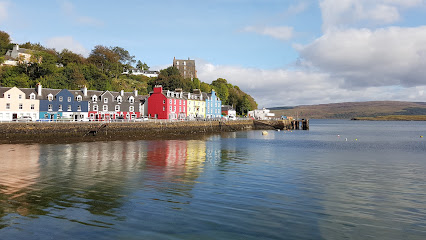
Tobermory Clock Tower
23.2 km
Historic granite clock tower memorializing local heritage, standing proudly by Tobermory’s colourful harbour on the Isle of Mull.
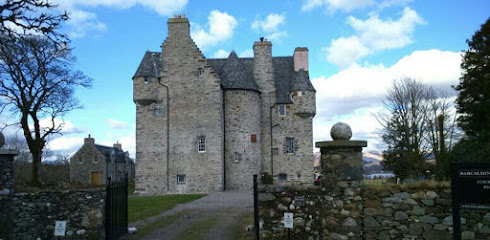
Barcaldine Castle
40.1 km
Experience the haunting beauty and rich history of Barcaldine Castle, a 17th-century Scottish fortress overlooking Loch Creran.
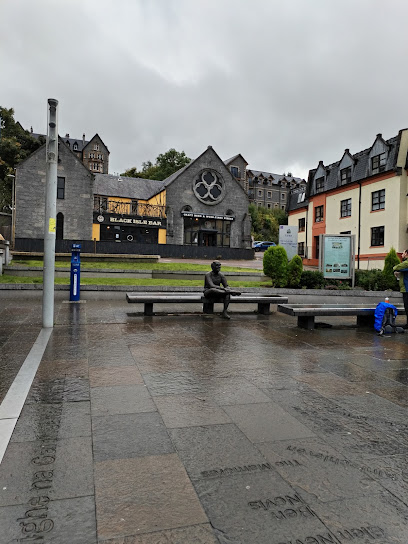
Official end of the West Highland Way
43.7 km
Celebrate the end of Scotland’s iconic West Highland Way in Fort William, where rugged mountains meet vibrant Highland culture.
St John's Scottish Episcopal Cathedral : Oban
46.3 km
An unfinished masterpiece where Gothic ambition meets industrial-age engineering in Scotland's most unusual cathedral.
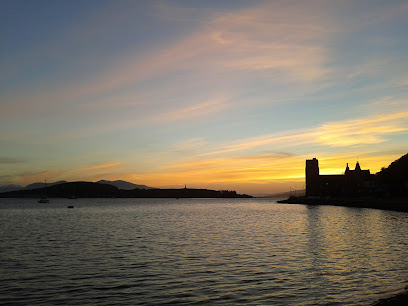
McCaig's Tower & Battery Hill
46.5 km
Explore Oban’s iconic McCaig's Tower, a Colosseum-inspired folly with stunning views and tranquil gardens atop Battery Hill.

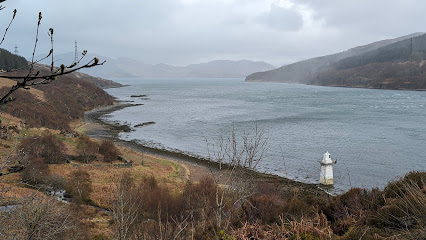
Kylerhea Minor Lighthouse
51.3 km
Historic 19th-century octagonal lighthouse overlooking the narrow Kyle Rhea strait, offering stunning coastal views and maritime heritage on the Isle of Skye.
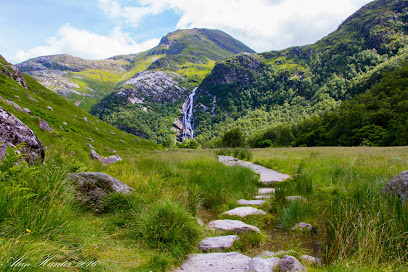
Steall Waterfall
51.8 km
Experience the breathtaking beauty of Steall Waterfall, a natural wonder in the Scottish Highlands, perfect for hiking enthusiasts and nature lovers.
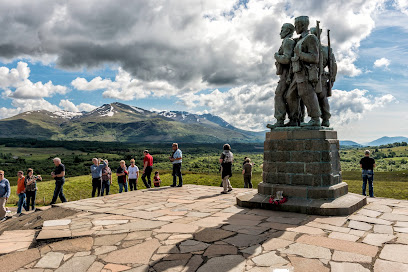
Commando Memorial
55.3 km
A stirring World War II tribute set against breathtaking Highland vistas, honoring the bravery of British Commandos.
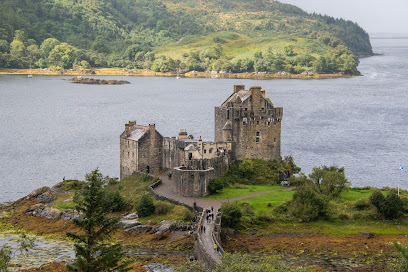
Eilean Donan Castle
57.6 km
Discover Scotland’s most iconic castle set on a tranquil island where history, nature, and legend converge in breathtaking Highland scenery.
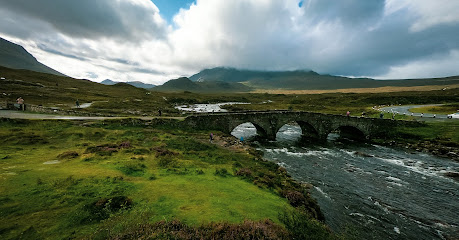
Sligachan Old Bridge
59.9 km
Discover the timeless beauty of Sligachan Old Bridge on the Isle of Skye, where history meets breathtaking landscapes.
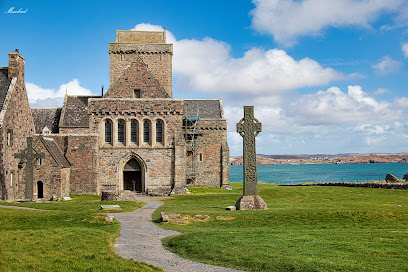
Iona Abbey and Nunnery
60.7 km
Scotland's most sacred island: 1,450 years of Christian pilgrimage, medieval artistry, and spiritual renewal.
The National Trust for Scotland
63.3 km
Explore the breathtaking beauty of Arduaine Garden, a serene botanical haven on Scotland's west coast, perfect for nature lovers and tranquility seekers.
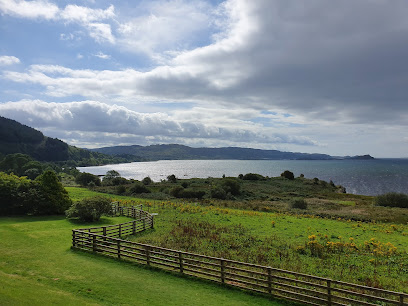
Arduaine Garden
63.3 km
Explore the enchanting Arduaine Garden, a botanical haven on the west coast of Scotland, showcasing diverse flora and stunning coastal views.
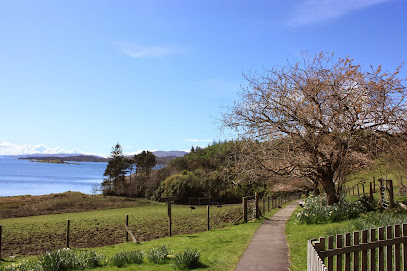
St Conan’s Kirk
64.2 km
Discover St Conan’s Kirk, a unique architectural gem blending styles and history on the tranquil shores of Loch Awe.
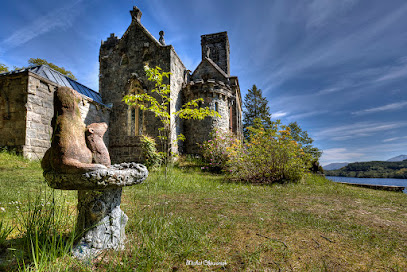
The Well of Seven Heads
69.4 km
Explore the Well of Seven Heads in Spean Bridge: a historical gem rich in folklore, nestled in the stunning landscapes of the Scottish Highlands.
Unmissable attractions to see

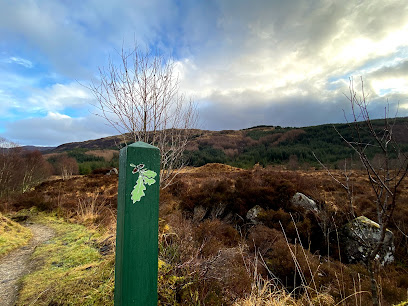
Ariundle Oakwood National Nature Reserve
19.0 km
Explore one of Scotland's rare ancient Atlantic oakwood rainforests, rich in wildlife, history, and serene woodland trails.
Tobermory Lighthouse
21.7 km
Discover the stunning Tobermory Lighthouse on the Isle of Mull, a historic beacon offering breathtaking views and rich maritime heritage.
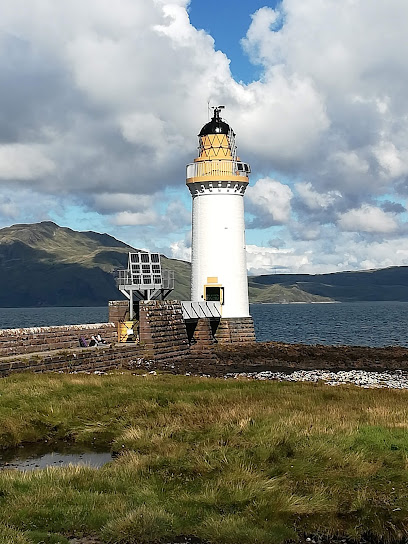
Rubha nan Gall Lighthouse
21.7 km
Historic 1857 lighthouse on a scenic islet north of Tobermory, offering stunning coastal views and rich maritime heritage on the Isle of Mull.
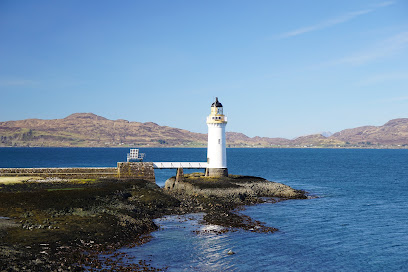
Memorial to Robert John Brown
21.8 km
Explore the Memorial to Robert John Brown in Tobermory: A historic landmark offering stunning views and a glimpse into the island's rich heritage.
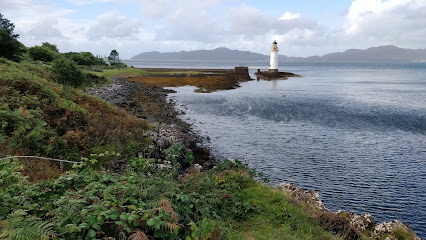
Kilchoan - Tobermory Ferry
22.7 km
A scenic 35-minute ferry crossing linking remote Ardnamurchan with the colourful harbour town of Tobermory on the Isle of Mull.
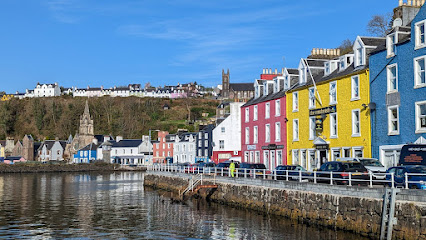
The Mull Museum
23.1 km
Discover the Isle of Mull’s rich history through engaging exhibits in a charming volunteer-run museum in Tobermory’s heart.
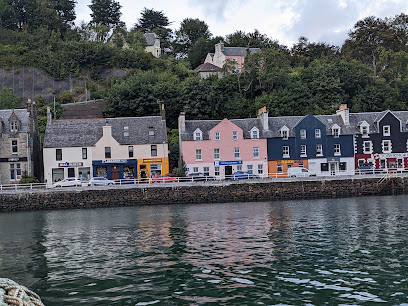
An Camus
23.1 km
Discover exquisite handcrafted glass jewelry and artwork in the tranquil setting of Tobermory on the Isle of Mull.
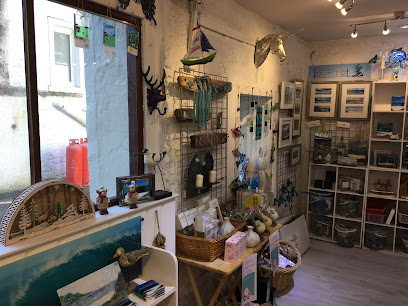
Ardmore Point
23.2 km
Discover serene coastal landscapes, historic ruins, and abundant wildlife at Ardmore Point on the Isle of Mull.
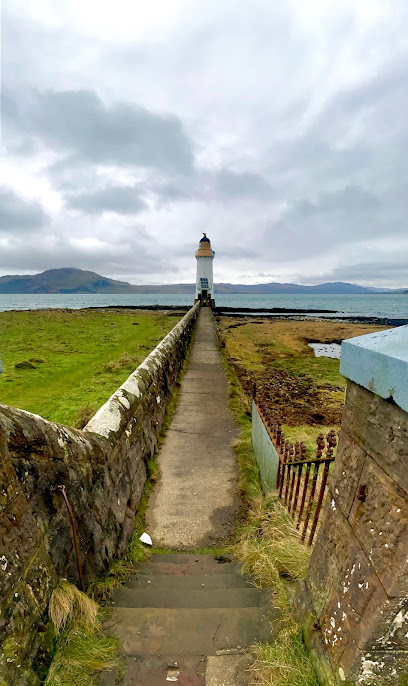
Mull Pottery
23.3 km
Discover timeless handmade ceramics inspired by the Isle of Mull’s landscapes at Mull Pottery in Tobermory.
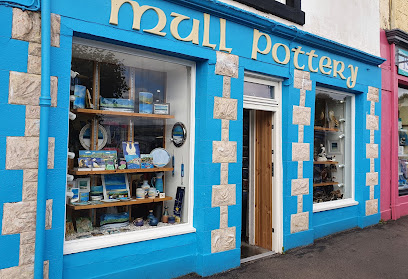
MacDonald Arms Hotel
23.3 km
Historic pub on Tobermory’s Main Street offering hearty Scottish fare, warm hospitality, and a cozy island atmosphere.
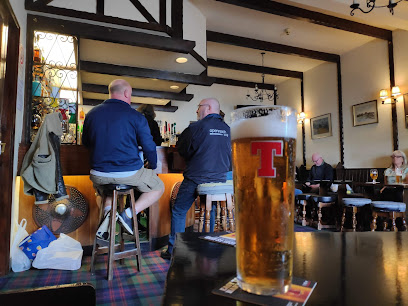
Tobermory Chocolate
23.3 km
Family-run artisan chocolate shop and café on Tobermory’s Main Street, offering handmade chocolates and scenic harbour views year-round.
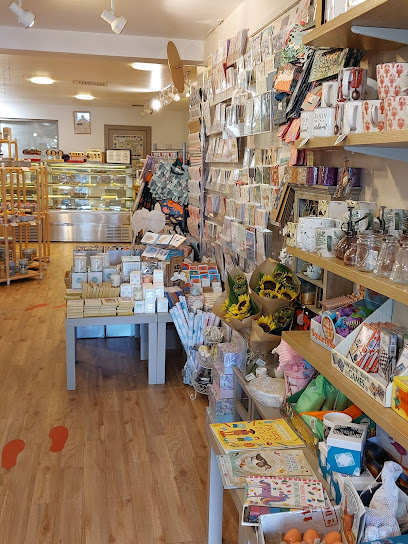
Tobermory Distillery Visitor Centre
23.4 km
Explore Scotland’s oldest Isle of Mull distillery, where tradition and island spirit craft two unique single malts in a vibrant harbour setting.
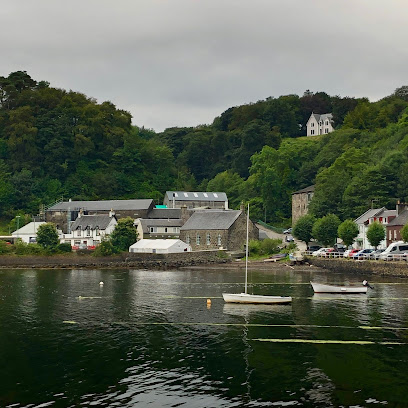
Aros Park
23.6 km
Explore enchanting woodland trails, waterfalls, and panoramic views just outside Tobermory in the serene Aros Park on the Isle of Mull.
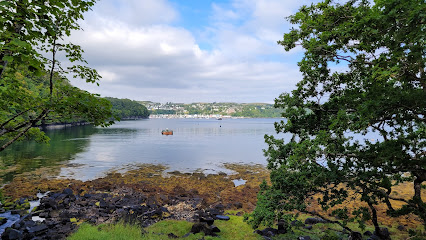
Aros Waterfall
23.8 km
Discover the enchanting Aros Waterfall and serene woodland trails just outside Tobermory on the Isle of Mull.
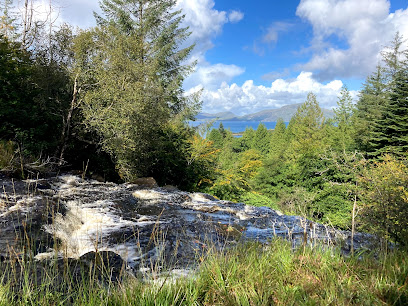
Island Blue Gallery
24.0 km
Discover contemporary Scottish art and unique handcrafted gifts in a welcoming gallery and café near Tobermory on the Isle of Mull.
Essential places to dine

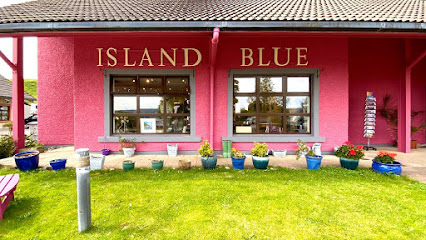
Cafe Fish, Upper Floor, The Pier, Tobermory
23.0 km
Experience Tobermory’s freshest seafood with stunning harbour views at the acclaimed Cafe Fish on the Isle of Mull.
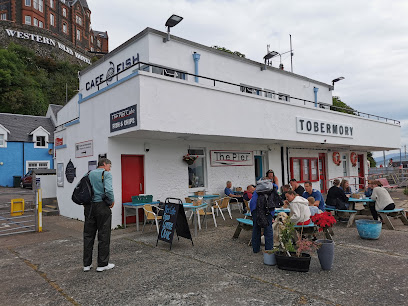
An Cala Ciuin
23.0 km
Traditional Scottish hospitality with harbour views and hearty fare in the heart of Tobermory’s historic Mishnish Hotel.
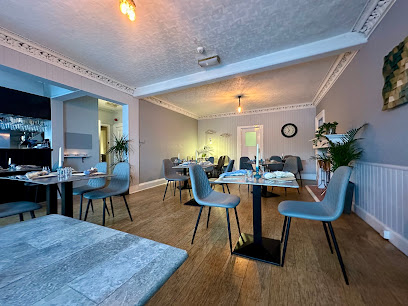
Spice of Mull
23.1 km
Experience authentic Indian, Bangladeshi, Thai, and Chinese flavors in a cozy Tobermory setting with stunning harbor views.
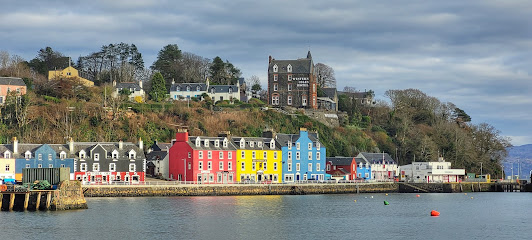
The Galleon Bistro Tobermory
23.2 km
Family-run harbour-side bistro in Tobermory offering fresh local seafood, Scottish classics, and a warm, accessible dining experience on the Isle of Mull.
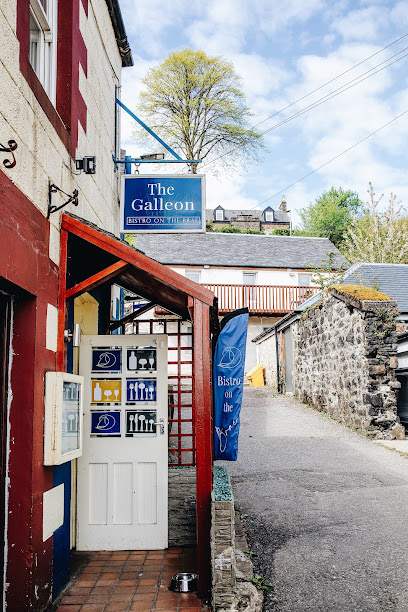
Macgochans
23.4 km
Waterfront gastropub with stunning bay views, fresh Scottish seafood, and warm Hebridean hospitality.
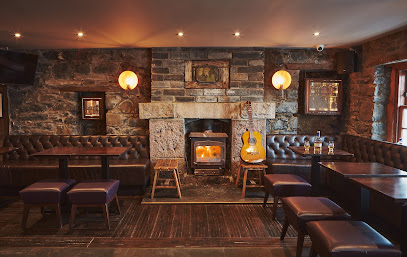
Hebridean Lodge
23.9 km
A charming coastal restaurant near Tobermory serving fresh local seafood with stunning island views and warm hospitality.
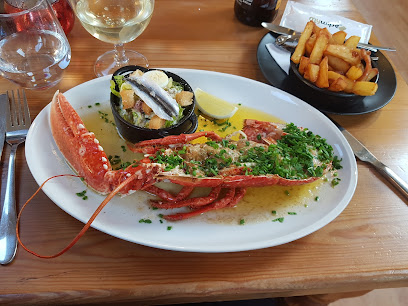
The Chlachain Inn
24.5 km
Authentic Scottish inn and seafood restaurant offering warm hospitality and cozy rooms in the heart of Mallaig’s fishing village.
The Whitehouse Restaurant
27.8 km
An intimate fine dining haven in Lochaline serving innovative Scottish cuisine with fresh, local, and foraged ingredients in a historic coastal setting.
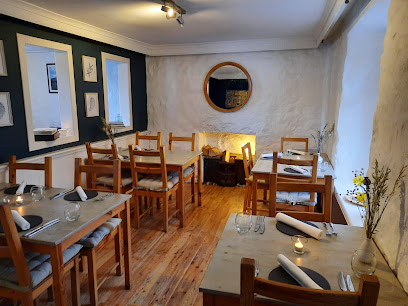
The Shed
31.4 km
Enjoy hearty, fresh seafood and iconic fish and chips in a relaxed setting on the scenic Isle of Skye’s A851 route.
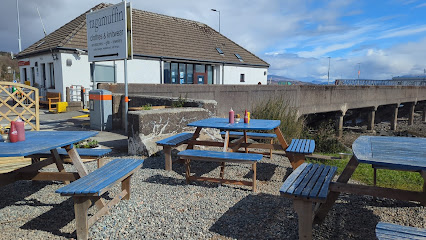
Am Birlinn
32.4 km
Rustic charm meets fresh seafood in a cozy, contemporary setting on the scenic Isle of Mull.
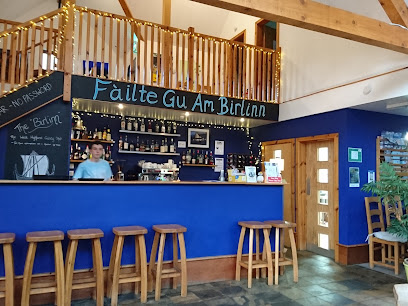
Restaurant at the Isle of Eriska
37.8 km
Experience Michelin-starred dining on a private Scottish island, where local flavours and historic charm meet breathtaking Highland views.
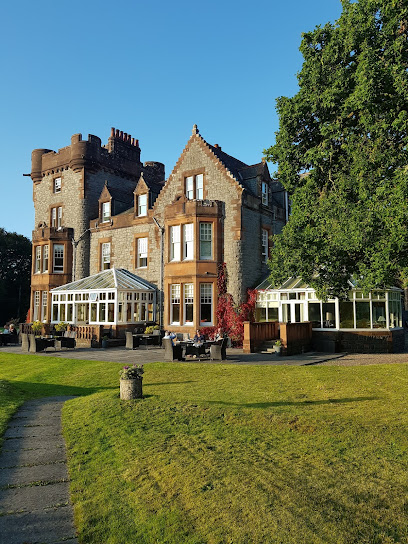
Restaurant at the Duisdale
41.4 km
Elegant dining on Skye’s southeast coast offering fresh local fare with stunning Sound of Sleat views in a nautical-chic setting.
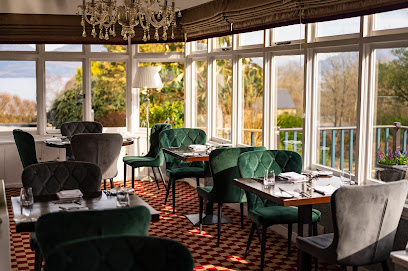
The Laroch Restaurant and Bar
44.2 km
Cozy Highland dining with hearty portions and tender meats in the welcoming village of Ballachulish.
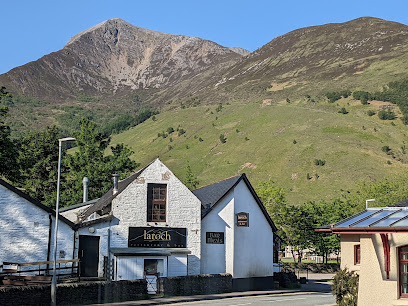
EE-USK
46.5 km
Fresh, locally sourced seafood served with panoramic harbor views on Oban’s historic North Pier.
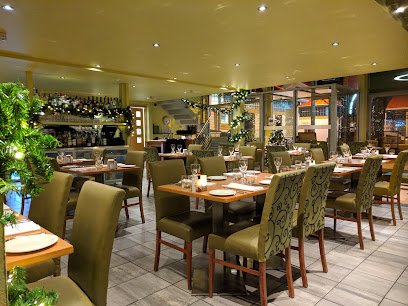
Taste of Argyll Kitchen
46.6 km
Cozy Scottish kitchen in Oban serving fresh, local dishes with a creative touch and warm hospitality.
Markets, malls and hidden boutiques

Hargreaves Bros
22.8 km
Discover timeless craftsmanship and expert clock repair at Hargreaves Bros, Tobermory’s cherished watch shop on the Isle of Mull.
Tobermory Corner Shop
23.0 km
Experience local charm and unique finds at Tobermory Corner Shop, your gateway to the Isle of Mull's treasures.
Tobermory Antiques & Collectibles
23.1 km
Discover unique vintage treasures steeped in the heritage and charm of Tobermory’s colorful Isle of Mull harbor town.
Glassy Candles of Mull
23.1 km
Discover handcrafted candles and local artisan treasures in the heart of Tobermory on the Isle of Mull.
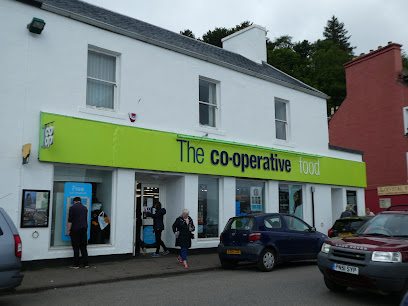
Co-op Food - Tobermory
23.2 km
Tobermory’s largest convenience store offering fresh island produce and everyday essentials in the heart of the Isle of Mull.
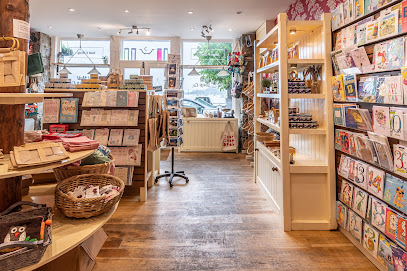
Island Blue Tobermory
23.2 km
Discover authentic Isle of Mull crafts and unique gifts in the heart of Tobermory’s vibrant Main Street.
Isle Of Mull Soap Co Ltd
23.3 km
Discover handmade natural soaps and eco-friendly gifts crafted with care in the heart of Tobermory on the Isle of Mull.
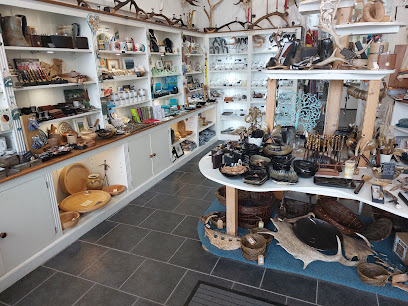
Island Crafts
23.3 km
Discover authentic Isle of Mull artistry and handcrafted treasures in the heart of Tobermory’s vibrant craft scene.
Tobermory Stores
23.4 km
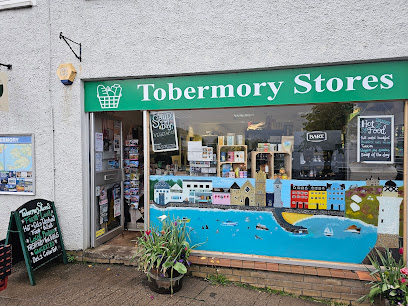
Tobermory Stores offers essential shopping with local charm in the heart of Isle of Mull’s colorful main street.
Seafare
23.4 km
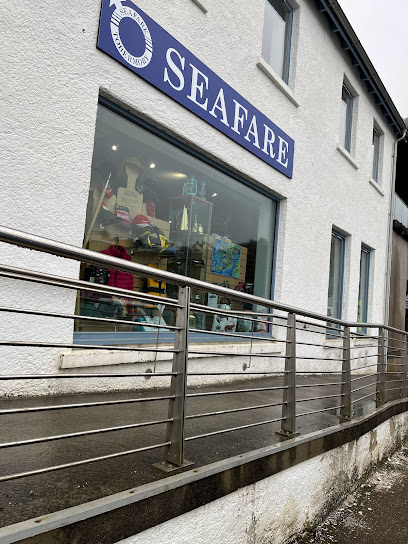
Tobermory’s trusted chandlery since 1977, offering essential marine safety gear and supplies in the heart of the Isle of Mull’s harbor town.
Trekomory Breeze
23.4 km
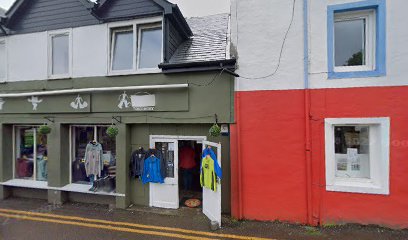
Trekomory Breeze offers practical outdoor clothing and accessories in Tobermory, blending local charm with quality gear for every adventurer.
Hasn Candle Company
23.9 km
Discover handcrafted candles inspired by the natural beauty and seasonal scents of the Isle of Mull in Tobermory’s welcoming artisan shop.
Glengorm Gardens and Florist
27.0 km
Discover the serene Victorian walled gardens and artisan florist of Glengorm Estate, a floral and horticultural gem on the Isle of Mull’s rugged northern coast.
Premier
30.8 km
Your friendly local Premier store on Mull’s Main Street, offering groceries, postal services, and community warmth in Dervaig village.

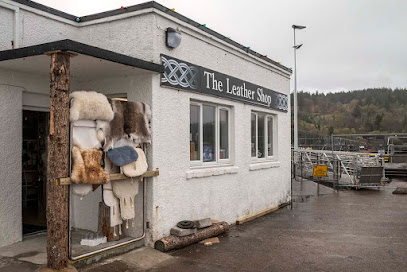
Isle of Skye Leather Co.
31.4 km
Discover exquisite handmade Scottish leather goods crafted with centuries-old tradition on the Isle of Skye.
Essential bars & hidden hideouts

Auld Mull Bar
22.9 km
Experience warm island hospitality and local flavors at Auld Mull Bar, a cozy family-run retreat in Tobermory’s charming harbor village.
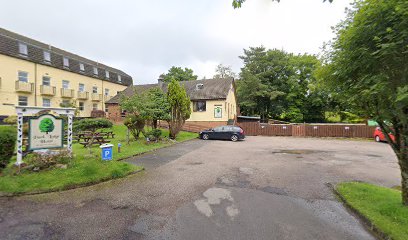
Western Isles Hotel
22.9 km
Historic hotel with breathtaking Tobermory Bay views, classic charm, and warm hospitality on the scenic Isle of Mull.
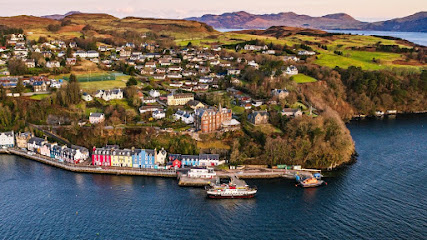
Mishnish
23.0 km
A traditional Scottish hotel and bar in Tobermory, famed for cosy harbour views, live folk music, and warm island hospitality.
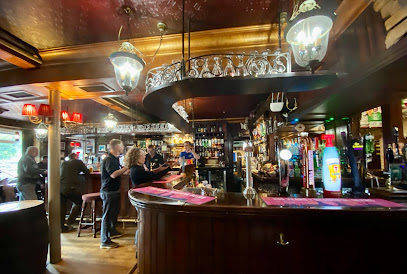
The Tobermory Hotel
23.3 km
Historic boutique hotel with stunning Tobermory Bay views, local cuisine, and warm Highland hospitality on the Isle of Mull’s vibrant waterfront.
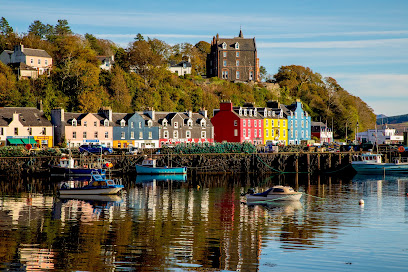
Macnamara & Bothin Bar
31.0 km
A cozy bar in Ardvasar offering local whiskies, stunning Isle of Skye views, and warm Scottish hospitality in a rustic setting.
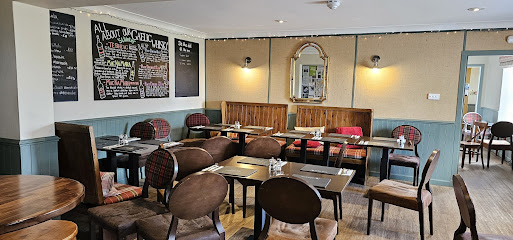
Isle of Mull Hotel & Spa
34.9 km
A welcoming coastal retreat on the Isle of Mull, blending scenic views, spa relaxation, and warm Scottish hospitality.
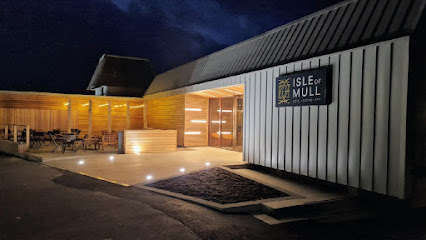
Craignure Inn
36.0 km
A cozy, dog-friendly pub and inn in Craignure offering hearty fare, comfortable rooms, and a warm welcome on the Isle of Mull.
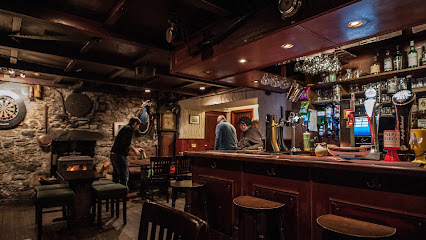
Bar Am Praban
40.2 km
Cozy up with hearty Highland fare and fresh seafood in a welcoming pub setting on the scenic Isle of Skye.
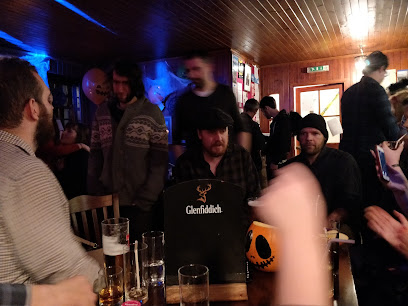
Markie Dans
46.1 km
Family-run pub in Oban offering vast single malts, hearty food, live music, and stunning bay views in a welcoming, lively atmosphere.
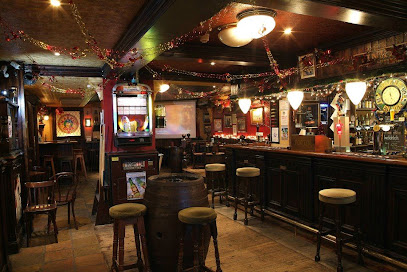
The Tartan Tavern
46.3 km
Experience authentic Scottish hospitality and traditional charm at The Tartan Tavern, a cozy and lively pub in the heart of Oban.
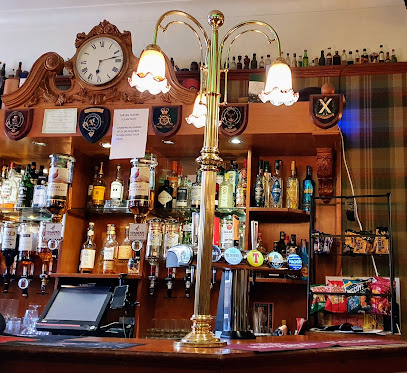
Cellar Bar
46.4 km
Cozy and traditional Scottish pub on Oban’s waterfront, famed for local whiskies, live music, and warm hospitality.
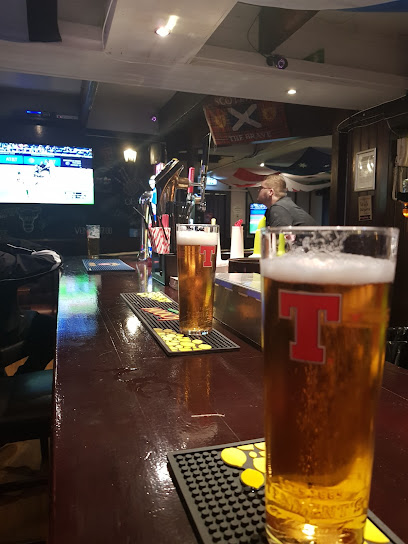
Lorne Bar
46.8 km
Experience authentic Scottish hospitality, fresh local seafood, and a warm, welcoming atmosphere in the heart of Oban at The Lorne Bar.
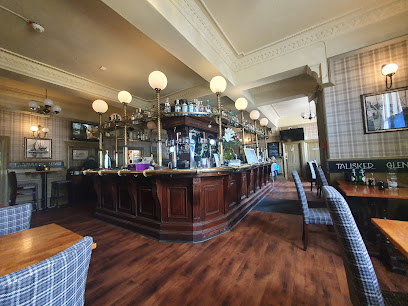
Gabbro Bar
51.1 km
A cozy, dog-friendly local pub in Broadford serving Skye-inspired drinks, hearty snacks, and lively entertainment in a welcoming atmosphere.
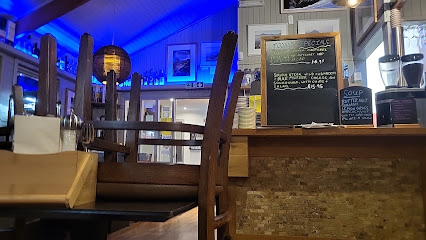
Bothy Bar
52.8 km
A cozy Highland retreat offering traditional Scottish fare, warm hospitality, and stunning views in the heart of Kinlochleven.
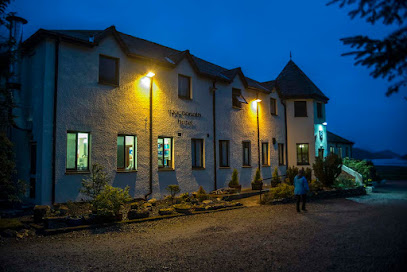
The King Haakon Bar
54.7 km
A lively Scottish pub in Kyleakin offering fresh seafood, malt whiskies, live traditional music, and stunning views of the Skye Bridge.
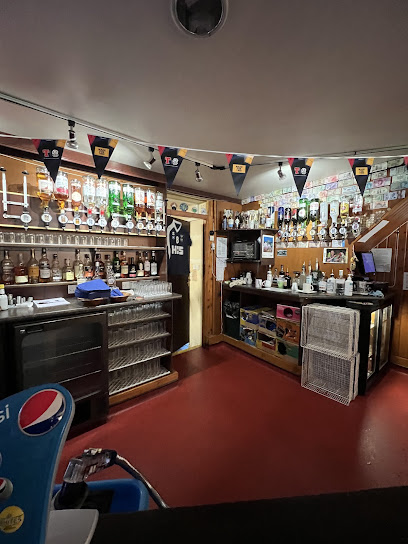
Nightclubs & after hour spots

Roobarb
43.6 km
Experience Fort William’s vibrant nightlife at Roobarb, the welcoming nightclub where music and dancing light up weekend nights.
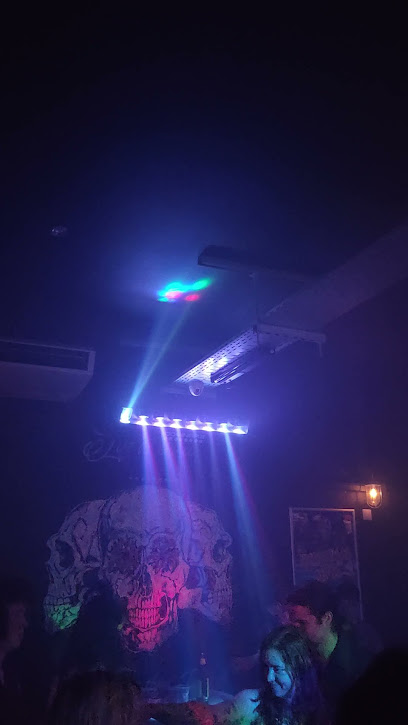
Skye Camanachd Social Club
73.6 km
Experience the vibrant social heartbeat of Portree at Skye Camanachd Social Club, where tradition meets lively nightlife on the Isle of Skye.

For the vibe & atmosphere seeker
- Scenic
- Tranquil
- Unique
- Relaxing
For the design and aesthetic lover
- Rustic Designs
- Vintage Styles
For the architecture buff
- Historic
- Landmarks
- Heritage Neighborhoods
For the view chaser and sunset hunter
- Iconic Views
- Panoramas
- Waterfront
For the social media creator & influencer
- Instagrammable
- Photo Spots
- Aesthetic Corners
- Architectural Shots
For the eco-conscious traveler
- Protected Area
- Leave-No-Trace Critical
- Public-Transport Accessible
For the kind of experience you’re after
- Cultural Heritage
- Photowalk
- Myth & Legends
- Nature Escape
For how adventurous you want the journey to be
- Easy Access
- Seasonal Only
Location Audience
- Family Friendly
- Senior Friendly
- Child Friendly
- Teen Friendly
- Solo Friendly
- Couple Friendly
- Solo Female Friendly
- Vegetarian Friendly
- Vegan Friendly


