Happisburgh Lighthouse, The Broads Travel Guide
East Anglia’s oldest working lighthouse, a striking red-and-white beacon steeped in maritime history and community spirit.
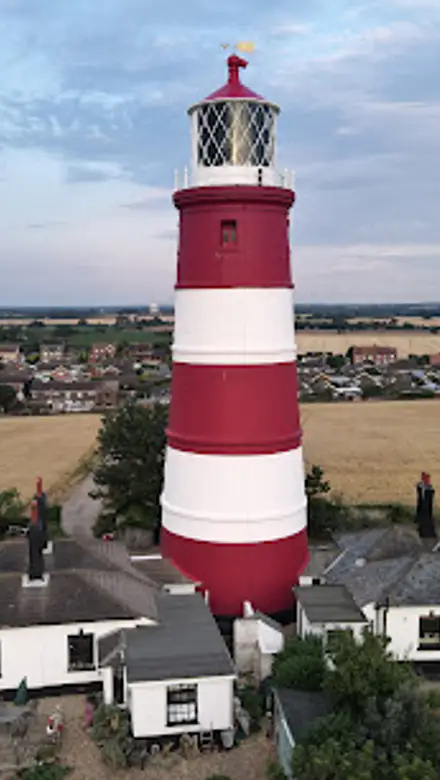
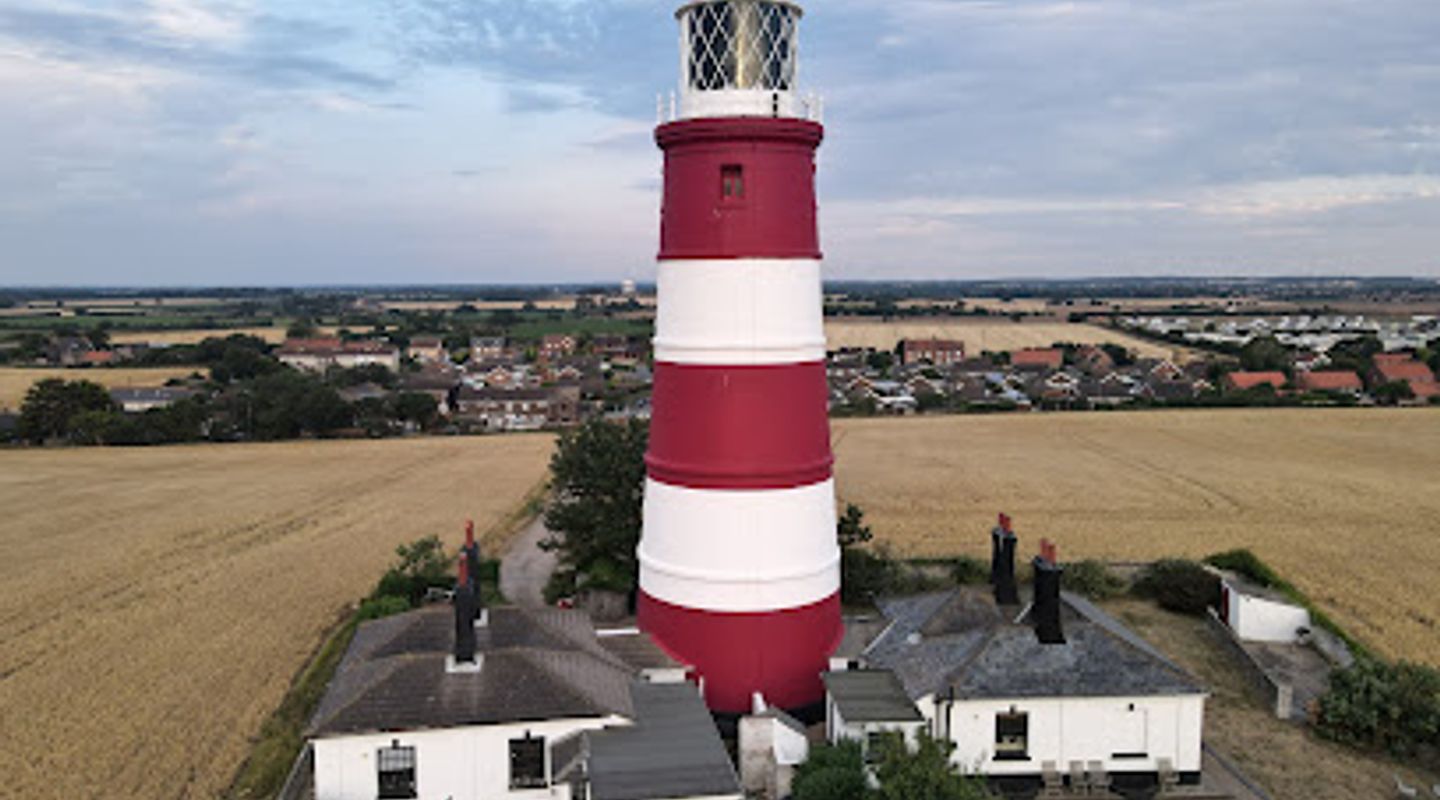
Happisburgh Lighthouse, built in 1790, is the oldest working lighthouse in East Anglia and the only independently operated lighthouse in Great Britain. Painted white with three distinctive red bands, it stands 85 feet tall and has guided ships safely past the treacherous Happisburgh Sands for over two centuries. Now maintained by volunteers, it offers visitors a glimpse into maritime history and stunning coastal views from its lantern room.
A brief summary to Happisburgh Lighthouse
- Lighthouse Ln, Norwich, Happisburgh, NR12 0PY, GB
- Click to display
- Duration: 1 to 3 hours
- Mid ranged
-
 Outdoor
- Mobile reception: 4 out of 5

Know before you go
Hi, I'm Eve. Here are a few practical things to know before exploring Happisburgh Lighthouse.
- Plan your visit during open days in Easter, May, and August bank holidays or book a private tour from March to November for a more personal experience.
- Prepare for the climb: the lighthouse has 112 steps, with some steep sections, so wear comfortable shoes and ensure children meet the minimum height requirement of 1.15 meters.
- Bring a camera to capture the iconic red and white stripes against the dramatic Norfolk coastline and enjoy panoramic views from the lantern room.
- Respect the privacy of the lighthouse keepers’ cottages nearby and keep dogs on leads within the lighthouse compound; dogs are not allowed inside during public open days.
- Check weather conditions before visiting, as coastal winds and rain can affect comfort and safety during your climb and outdoor exploration.
Do you manage this location?
Take control to get all the benefits, like improved information, better appearance, and stronger visibility across AI-powered discovery. Learn more about listing your business on Evendo
Activate your presenceOther nearby places you may find interesting
The closest places of the same kind, if this one is not quite what you had in mind.
Explore Happisburgh Lighthouse on the Map
A handpicked selection of must-see spots near Happisburgh Lighthouse, mapped for you.
Getting There
-
Car
Driving from Norwich to Happisburgh Lighthouse takes approximately 40 to 50 minutes via the A149 and B1159. Limited parking is available on the lighthouse drive during open days on a first-come, first-served basis; additional parking can be found at the nearby Beach Road Pay and Display Car Park. Parking fees typically range from £1 to £3 depending on duration.
-
Bus
Regular bus services connect Norwich to Happisburgh village, with journey times of around 1 hour 15 minutes. From the village, the lighthouse is about a 20-minute walk along Lighthouse Lane. Bus fares range from £5 to £8 one way. Service frequency may be limited on weekends and holidays.
-
Walking
For those staying locally, a scenic 3-mile circular walk starts and ends at Happisburgh Lighthouse, featuring coastal views and heritage sites. The terrain is mostly flat but includes some uneven paths. Suitable for most fitness levels but not recommended for wheelchair users due to natural trail conditions.
For the on-the-go comforts that matter to you
-
 Restrooms
-
 Seating Areas
-
 Information Boards
Discover more about Happisburgh Lighthouse
Origins Born from Tragedy and Maritime Necessity
The story of Happisburgh Lighthouse begins in 1789, following a devastating winter storm that claimed the lives of over 600 sailors and wrecked 70 ships along the Norfolk coast. This tragedy highlighted the urgent need for reliable navigational aids between Cromer and Winterton. In response, Trinity House commissioned two lighthouses at Happisburgh: the Low Light on the cliff top and the High Light, which remains today. Both were lit on New Year’s Day, 1791, using oil lamps with polished reflectors, designed to guide vessels safely around the southern tip of the dangerous Happisburgh Sands and into sheltered waters known as ‘The Would.’Evolution of the Lighthouse Through Innovation and Change
Throughout the 19th and early 20th centuries, Happisburgh Lighthouse underwent several technological upgrades. In 1868, a revolutionary lantern with diagonal frames was installed, enhancing visibility from all seaward angles. The light source evolved from oil to cannel gas in 1872, then to paraffin-vapour burners by 1910, and eventually to electricity in 1947, extending its range to 18 miles. The Low Light was decommissioned and demolished in 1883 due to coastal erosion and cost concerns, leaving the High Light to serve as the sole beacon, distinguished by its iconic three broad red bands painted in 1884 for daytime recognition.A Unique Community-Led Preservation Effort
In 1988, Trinity House planned to discontinue Happisburgh Lighthouse, but local villagers rallied to save it. The Friends of Happisburgh Lighthouse formed a trust that took over its operation, making it the only independently run lighthouse in the UK. After a lengthy parliamentary process, the lighthouse officially became a local lighthouse authority in 1987, with royal recognition from HM Queen Elizabeth The Queen Mother. Today, the lighthouse is maintained entirely by volunteers and funded through donations, reflecting the community’s dedication to preserving this vital maritime heritage.Visitor Experience and Scenic Coastal Setting
Visitors to Happisburgh Lighthouse can explore its rich history and climb the 112 steps to the lantern room, where panoramic views of the Norfolk coastline unfold. The lighthouse’s striking red and white stripes stand out against the backdrop of an ever-eroding coastline, offering a picturesque setting for photography and nature appreciation. Open days and private tours provide opportunities to learn about lighthouse technology and the challenges of coastal navigation. Nearby, a three-mile circular walk invites exploration of the surrounding heritage landscapes and beach.Architectural and Cultural Significance
Standing 85 feet tall with its lantern 134 feet above sea level, Happisburgh Lighthouse is a landmark of historic and architectural interest. Its distinctive design and color scheme serve both functional and aesthetic purposes, ensuring visibility by day and night. The lighthouse embodies Norfolk’s maritime culture and resilience, symbolizing centuries of seafaring history and community spirit. Its continued operation as a working lighthouse adds to its authenticity and charm.Conservation Challenges and Coastal Dynamics
The lighthouse’s location on the Norfolk coast exposes it to ongoing coastal erosion, a natural but persistent threat. The disappearance of the Low Light tower nearby is a stark reminder of the dynamic shoreline. Conservation efforts focus on maintaining the lighthouse structure and managing visitor impact while respecting the fragile coastal environment. This balance ensures that Happisburgh Lighthouse remains a beacon not only for ships but also for heritage and environmental stewardship.












Your all‑in‑one travel companion app
Explore expert travel guides, compare and book tours, experiences, hotels, and more—all from the palm of your hand. Download now for seamless trip planning wherever your wanderlust takes you.


Explore More of The Broads
Looking beyond Happisburgh Lighthouse? Discover The Broads for broader travel guides, local hot-spots, and regional highlights.
Explore The Broads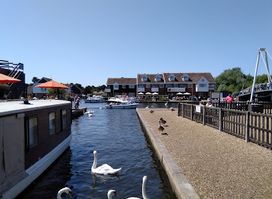
Conveniently located supermarket in Hoveton offering a broad range of shops and services for locals and visitors exploring the Norfolk Broads.
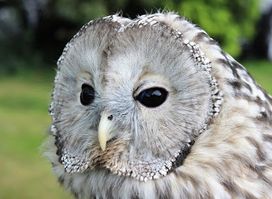
Discover a magical, hands-on owl sanctuary experience in tranquil Norfolk, where education and conservation come alive through close encounters.