
Oxburgh Estate: A Timeless Moated Tudor Manor
Explore Oxburgh Estate, a moated Tudor manor steeped in history, Victorian charm, and tranquil Norfolk gardens.
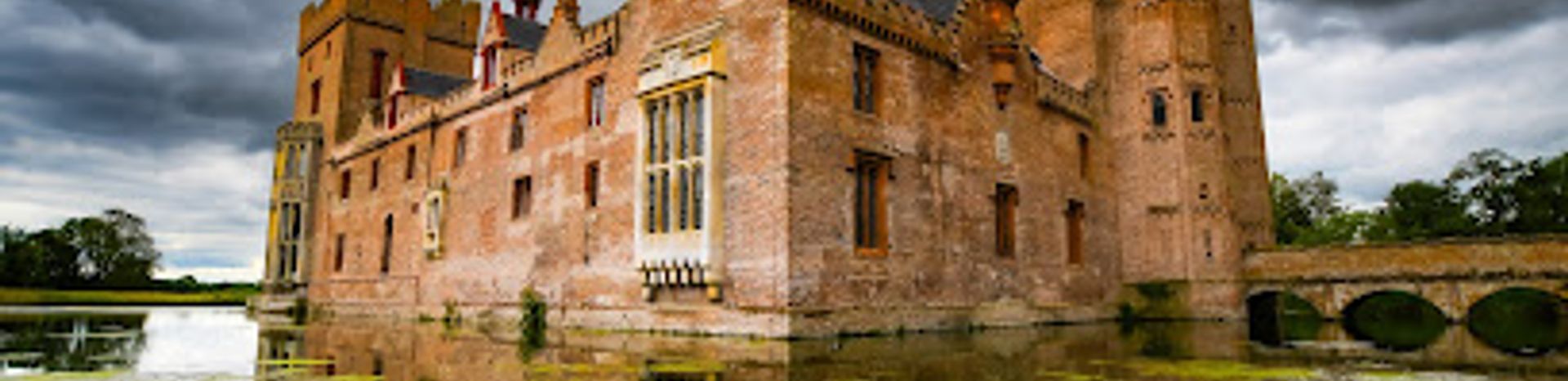
Oxburgh Estate in Norfolk is a striking moated Tudor manor house built in 1482 for the Bedingfeld family, who have lived here for over 500 years. The estate features Victorian Gothic interiors, a rare 16th-century priest hole, exquisite embroideries by Mary, Queen of Scots, and extensive formal and wilderness gardens. Managed by the National Trust, Oxburgh offers a rich blend of history, architecture, and natural beauty set within 200 acres of parkland, woodland, and a chalk stream.
A brief summary to Oxburgh Estate
- King's Lynn, Oxborough, PE33 9PS, GB
- +441366328258
- Visit website
- Duration: 2.5 to 4 hours
- Mid ranged
-
 Outdoor
- Mobile reception: 4 out of 5
- Monday 9:30 am-5 pm
- Tuesday 9:30 am-5 pm
- Wednesday 9:30 am-5 pm
- Thursday 9:30 am-5 pm
- Friday 9:30 am-5 pm
- Saturday 9:30 am-5 pm
- Sunday 9:30 am-5 pm
Local tips
- Allow at least 3 hours to fully explore the hall, gardens, and estate walks.
- Visit the chapel to see the rare 16th-century Antwerp altarpiece and experience the estate’s religious heritage.
- Bring suitable footwear for woodland trails, especially after rain when paths can be muddy.
- Look out for the Oxburgh Hangings, exquisite embroideries by Mary, Queen of Scots, displayed inside the hall.
- Check seasonal opening hours and special events like Christmas crafts for a unique visit experience.

For the on-the-go comforts that matter to you
- Restrooms
- Drink Options
- Food Options
- Seating Areas
- Information Boards
- Visitor Center
Getting There
-
Car
Driving from King’s Lynn takes approximately 30 to 40 minutes via the A47 and local roads. Parking is available at the National Trust car park about 250 meters from the hall, accessible via a flat gravel path. Parking is free for National Trust members; otherwise, a moderate fee applies.
-
Bus
Regular bus services run from King’s Lynn to Swaffham, with onward local taxi or rideshare options to Oxburgh Estate. Total travel time is around 1.5 to 2 hours depending on connections. Bus fares range from £5 to £10 one way.
-
Taxi
Taxis from King’s Lynn or Swaffham offer a direct and convenient option, taking about 30 to 40 minutes. Expect fares between £30 and £50 depending on time and provider.
-
Walking
For active visitors staying nearby, walking to Oxburgh Hall from the main car park involves a flat, loose gravel path of approximately 250 meters, suitable for most mobility levels including wheelchair users.
Oxburgh Estate location weather suitability
-
 Any Weather
-
 Rain / Wet Weather
-
 Clear Skies
-
 Mild Temperatures
Discover more about Oxburgh Estate
A Fortress of Faith and Family Legacy
Oxburgh Estate stands as a remarkable example of a moated Tudor manor house, constructed beginning in 1482 by Sir Edmund Bedingfeld after securing a licence to crenellate. The imposing red brick structure, surrounded by a tranquil moat, was designed both as a statement of power and as a refuge during turbulent religious times. The Bedingfeld family, steadfast in their Catholic faith, have maintained residence here for over five centuries, enduring persecution, civil war, and near demolition. The hall’s fortified gatehouse, with its tall polygonal towers and symmetrical wings, symbolizes the family's prestige and resilience.Architectural Evolution and Interior Treasures
The estate’s architecture reflects layers of history, notably the 19th-century Victorian Gothic restoration led by John Chessell Buckler and Augustus Pugin under Sir Henry Paston-Bedingfeld. This period added a chapel, a stable block, and revitalized the gardens. Inside, visitors encounter richly decorated interiors featuring unique Tudor manuscripts, historic wallpapers, and a collection of Flemish and English oak furniture acquired in the 19th century. Among the most treasured artifacts are the Oxburgh Hangings—needlework embroideries crafted by Mary, Queen of Scots and Bess of Hardwick during Mary’s imprisonment. The hall also houses a rare 16th-century priest hole, ingeniously concealed to protect Catholic clergy, underscoring the family’s religious devotion.Gardens and Natural Surroundings
The grounds of Oxburgh Estate span approximately 200 acres, combining formal Victorian gardens with wild woodland and parkland. The French-inspired parterre, walled kitchen garden, orchard, and herbaceous borders offer seasonal color and tranquility. Beyond the cultivated gardens, visitors can explore My Lady’s Wood and follow estate walks along the River Gadder and through wildflower meadows. Recent conservation efforts aim to restore farmland to wildlife-friendly habitats, enhancing biodiversity and preserving the estate’s natural heritage.The Living Estate and Visitor Experience
While much of Oxburgh Hall is open to the public, parts remain private apartments for the Bedingfeld family, preserving the estate’s character as a lived-in home. The National Trust provides educational trails, quizzes, and family activities such as woodland den building, making the estate engaging for all ages. The estate’s rich history is brought to life through its collections, including portraits, rare prints, and devotional art like the 16th-century Antwerp altarpiece in the chapel. Visitors can also appreciate the estate’s peaceful rural setting on the edge of the Norfolk Brecks.Conservation and Legacy
The National Trust has stewarded Oxburgh Estate since 1952, following a rescue from potential demolition. Ongoing conservation projects focus on maintaining the moat, which stabilizes the hall’s foundations, and restoring historic features across the estate. The Trust also emphasizes sustainable land management, tree planting, and habitat restoration to ensure Oxburgh’s heritage and environment endure for future generations.A Unique Blend of History and Nature
Oxburgh Estate offers a rare glimpse into England’s religious and architectural history, intertwined with a vibrant natural landscape. Its combination of medieval moated defense, Victorian romanticism, and ongoing family legacy creates a distinctive atmosphere. The estate is a sanctuary of cultural heritage and ecological richness, inviting visitors to step back in time while enjoying the serene beauty of Norfolk’s countryside.Iconic landmarks you can’t miss

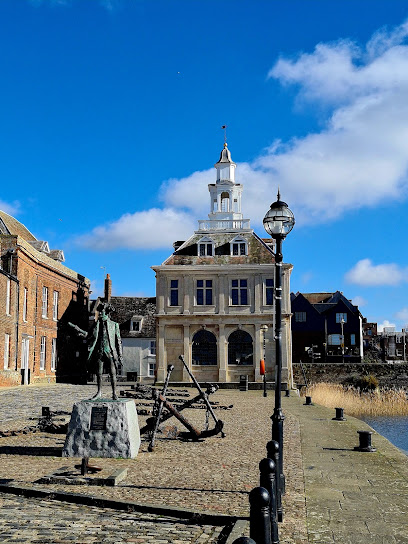
Customs House
22.6 km
Explore Customs House in King's Lynn, a historical gem revealing the rich maritime heritage and stunning architecture of this charming coastal town.
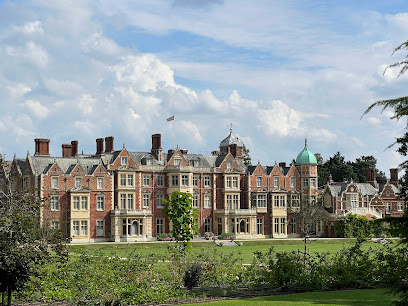
Sandringham Estate
27.9 km
Explore Sandringham Estate, a historical landmark in Norfolk, featuring exquisite gardens and rich royal history, perfect for all visitors.
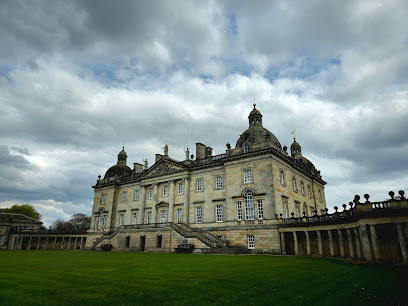
Houghton Hall & Gardens Norfolk
28.0 km
Experience the beauty and history of Houghton Hall & Gardens in Norfolk, where stunning architecture meets exquisite gardens and delightful café experiences.
Visit The Broads
29.6 km
Your gateway to exploring the enchanting waterways, wildlife, and heritage of the Norfolk Broads National Park.
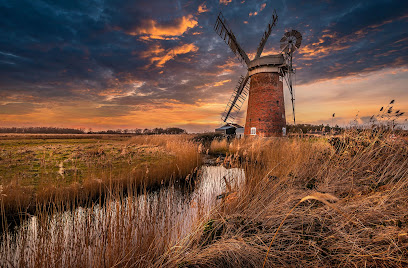
VisitNorwich
48.8 km
Discover Norwich Cathedral’s soaring Norman spire, medieval carvings, and tranquil cloisters nestled in a vast historic sanctuary.
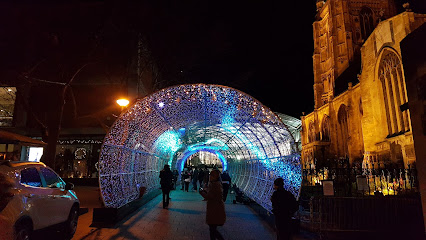
Eye Castle
48.8 km
Discover the historic Eye Castle, a medieval gem in Eye, England, offering stunning architecture and rich history for curious travelers.
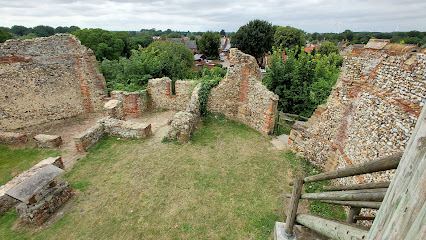
Pull's Ferry
50.0 km
A tranquil 15th-century watergate and ferry house on Norwich’s River Wensum, blending rich medieval history with scenic riverside charm.
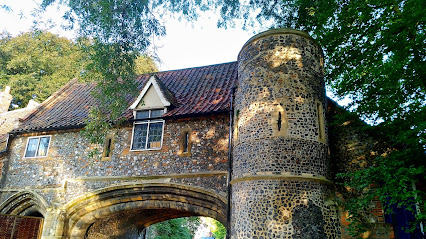
RSPB Fen Drayton Lakes
50.7 km
Discover RSPB Fen Drayton Lakes: A nature reserve rich in wildlife and scenic trails near Cambridge, perfect for hiking and outdoor exploration.
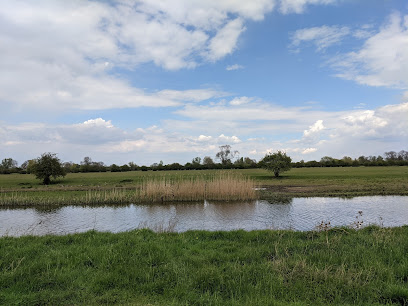
Newnham Open Air Boat Club
50.8 km
Experience the charm of Cambridge's rowing culture at Newnham Open Air Boat Club, where scenic views and community spirit unite.
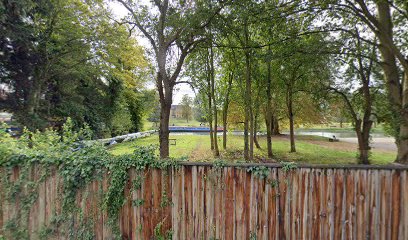
Midsummer Common
50.9 km
Discover the tranquility of Midsummer Common, a stunning park in Cambridge, perfect for relaxation, picnics, and scenic riverside walks.
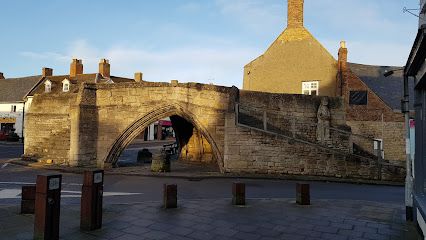
Trinity Bridge
51.0 km
A unique 14th-century three-way stone bridge in the heart of Crowland, once spanning two rivers, now a striking medieval monument in the town centre.
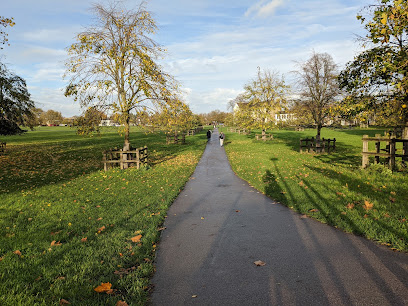
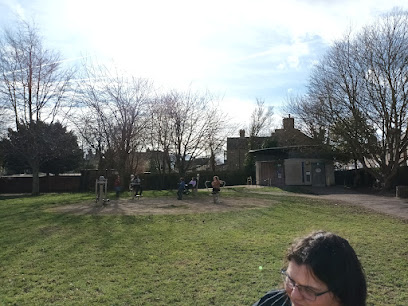
Romsey Recreation Ground
51.0 km
Explore Romsey Recreation Ground in Cambridge: A perfect blend of sports, play, and relaxation in a beautiful park setting.
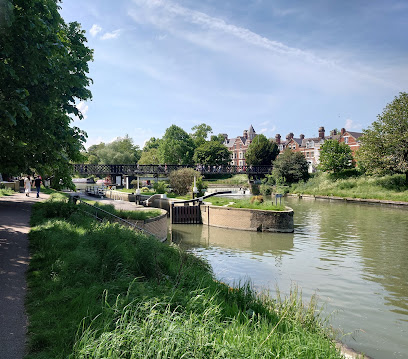
Jesus Lock
51.0 km
Historic Jesus Lock on the River Cam offers serene riverside charm and a unique glimpse into Cambridge's aquatic heritage.
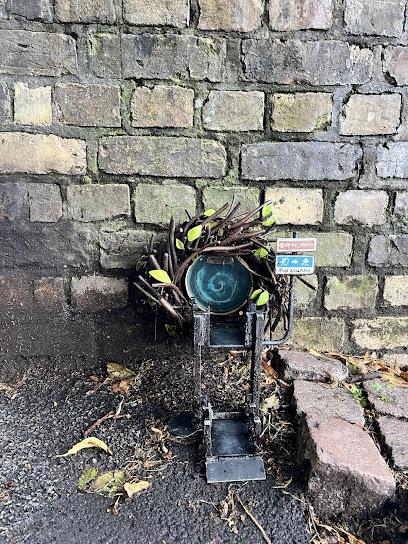
Dinky door: Ride and Park
51.1 km
Discover the enchanting Dinky Doors at Jesus Green Lock House, a charming cultural landmark in the heart of Cambridge, blending history and whimsy.
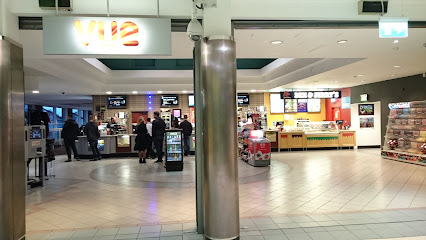
Vue Cinema Cambridge
51.1 km
Experience the joy of cinema at Vue Cinema Cambridge, where the latest movies meet a vibrant atmosphere in the heart of the Grafton Centre.
Unmissable attractions to see

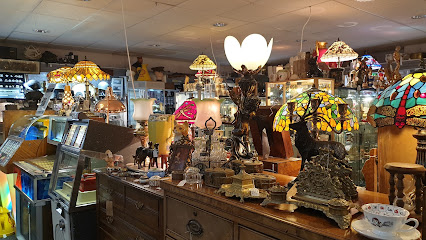
Shabbytatt
10.8 km
Discover unique antiques and army surplus treasures in a warm, welcoming shop nestled in the heart of Swaffham.
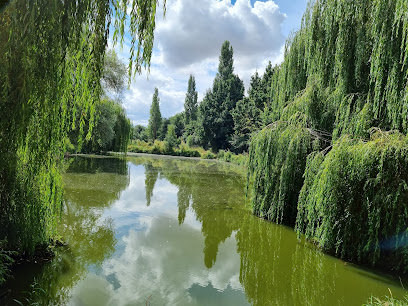
Denver Windmill
13.7 km
Historic 1835 Norfolk tower mill restored to life, blending heritage tours with vibrant craft fairs and local hospitality.
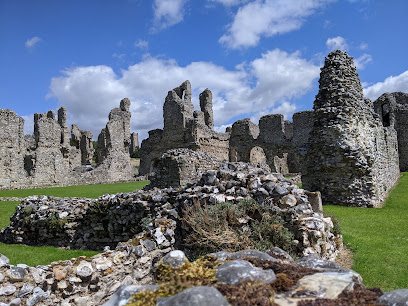
Castle Acre Priory
15.3 km
Explore the majestic ruins of Castle Acre Priory, a tranquil and well-preserved medieval monastery nestled in the Norfolk countryside.
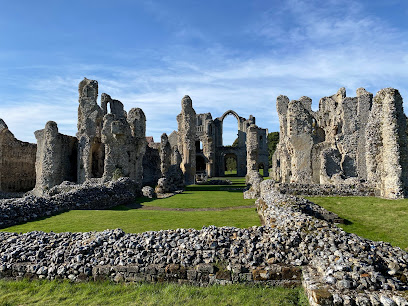
Castle Acre
15.7 km
Explore the evocative ruins of a Norman motte-and-bailey castle and medieval village nestled in tranquil Norfolk countryside.
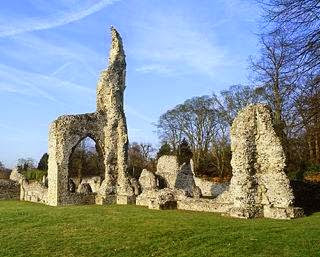
English Heritage - Thetford Priory
21.7 km
Explore the atmospheric ruins of a grand 12th-century priory, set within tranquil Norfolk grounds and steeped in medieval history and noble legacy.
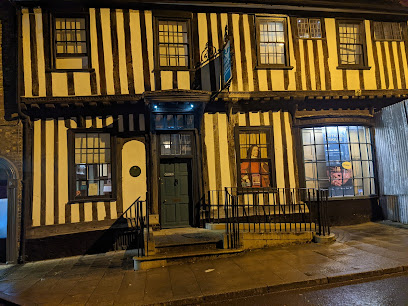
Ancient House Museum
22.0 km
Discover Thetford’s rich heritage in a charming crooked house museum filled with stories, exhibits, and a tranquil garden.
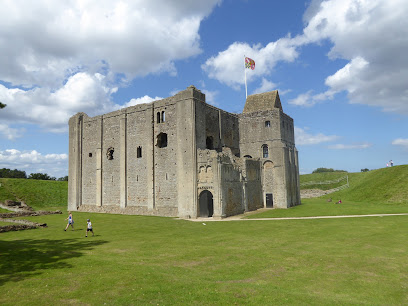
Castle Rising
24.5 km
Explore one of England’s finest Norman castles, a royal residence and hunting lodge steeped in medieval history and surrounded by majestic earthworks.
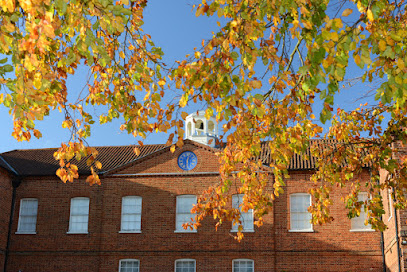
Gressenhall Farm & Workhouse
28.0 km
Explore Norfolk’s rich rural heritage and Victorian workhouse history at Gressenhall Farm & Workhouse, a living museum on a sprawling 50-acre site.
Waterside Antiques Centre
28.9 km
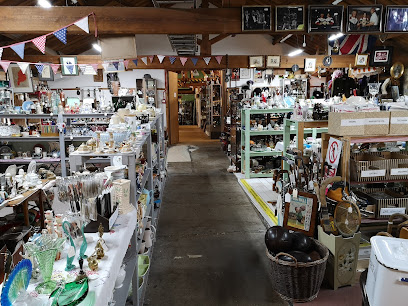
Explore East Anglia’s largest antiques centre set by Ely’s scenic riverside, boasting three floors of vintage treasures and timeless curiosities.
Ely Museum
28.9 km
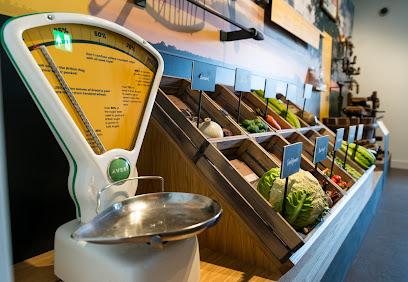
Step into Ely’s past in a historic gaol: explore the Fens’ story from prehistoric seas to prison cells and a dazzling Bronze Age gold torc.
Ely Cathedral
29.0 km
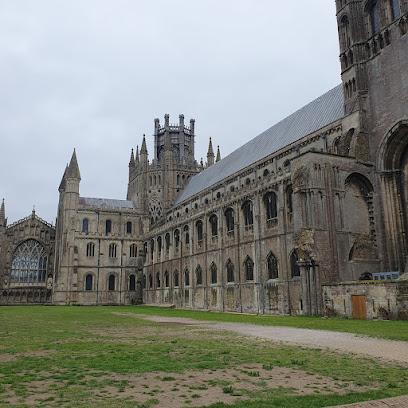
Discover Ely Cathedral’s stunning medieval architecture and iconic octagonal lantern tower, a masterpiece of English heritage and spiritual beauty.
The Maltings
29.0 km
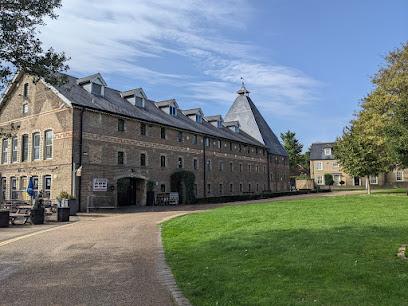
A historic riverside events venue in Ely, perfect for weddings, conferences, and live entertainment with views of the cathedral and River Great Ouse.
The Stained Glass Museum
29.1 km
Discover the UK’s only museum dedicated to stained glass art, nestled within the historic Ely Cathedral’s breathtaking triforium.
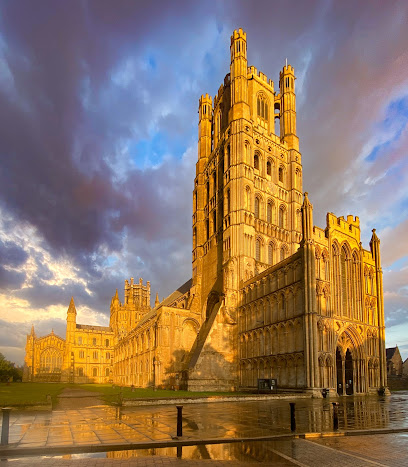
Jubilee Gardens
29.1 km
A peaceful riverside park in Ely featuring a bandstand, playground, and vibrant community events year-round.
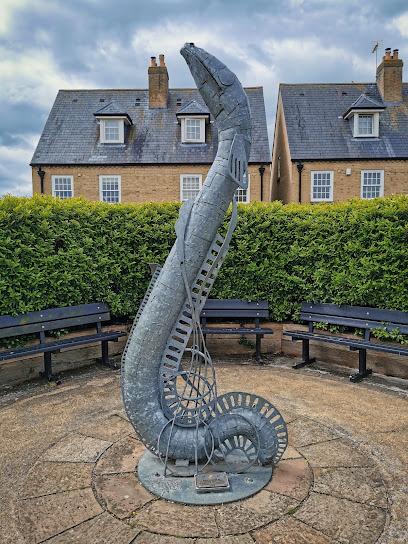
Oliver Cromwell's House
29.2 km
Step into the historic home of Oliver Cromwell and experience the English Civil War era through immersive exhibits and interactive tours in Ely.
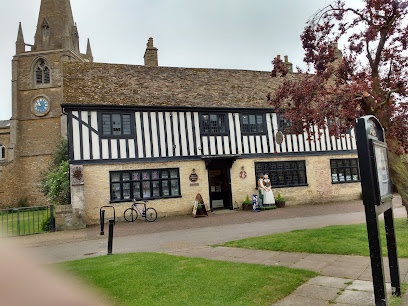
Essential places to dine

The Samphire Kitchen
21.9 km
Refined modern British dining with fresh, locally sourced ingredients in a stylish Norfolk manor setting.
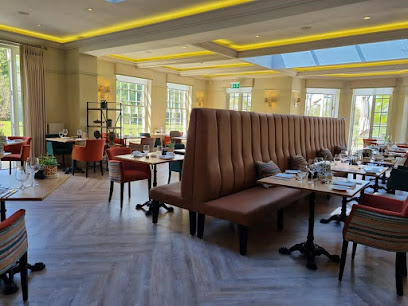
The Mulberry
22.3 km
Savor a refined blend of British and Italian cuisine in a warm, inviting atmosphere at The Mulberry, Thetford’s acclaimed dining gem.
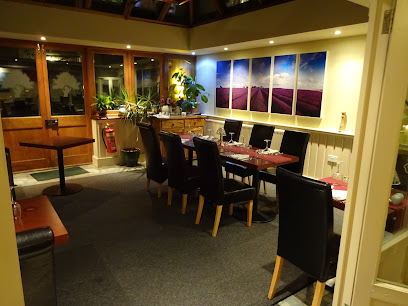
The Prince Albert
29.3 km
A charming traditional pub in Ely offering expertly crafted ales, fresh local food, and a welcoming atmosphere with a lively social calendar.
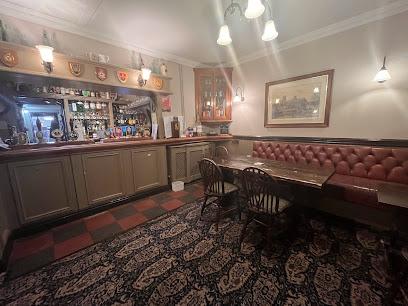
The Old Bank
33.4 km
An intimate former bank turned acclaimed bistro, offering expertly crafted tasting menus and warm hospitality in Snettisham.
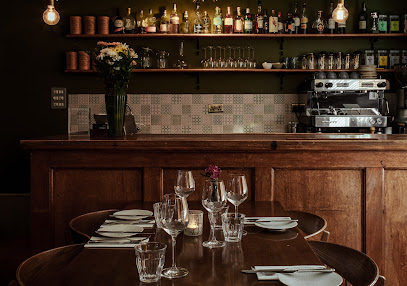
Pea Porridge
38.1 km
Discover Suffolk’s only Michelin-starred restaurant, Pea Porridge, serving hearty Moorish-inspired cuisine in a warm, intimate setting.
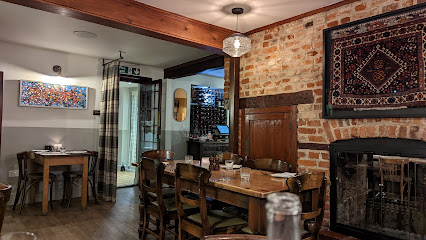
1921
38.6 km
Experience exquisite modern British cuisine with seasonal artistry and refined hospitality at 1921 Angel Hill in historic Bury St Edmunds.
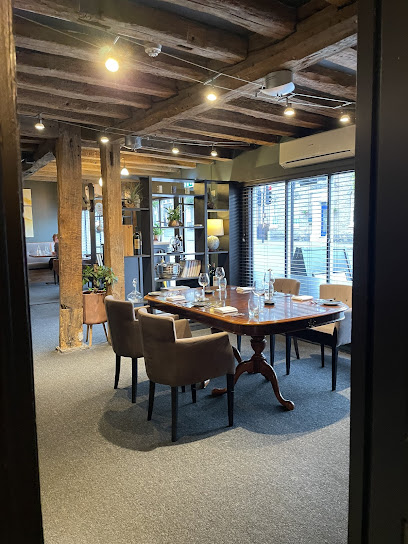
The Eaterie @ The Angel Hotel
38.7 km
Stylish modern British dining with historic charm in the heart of Bury St Edmunds at The Angel Hotel’s acclaimed restaurant.
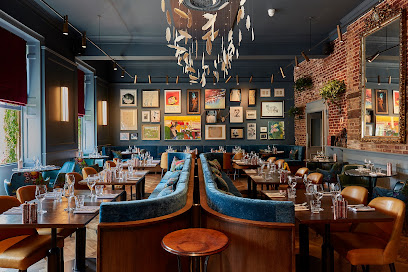
La Maison Bleue
38.8 km
Elegant modern French dining in Bury St Edmunds, offering refined classics, exceptional service, and a curated wine selection for memorable gourmet experiences.
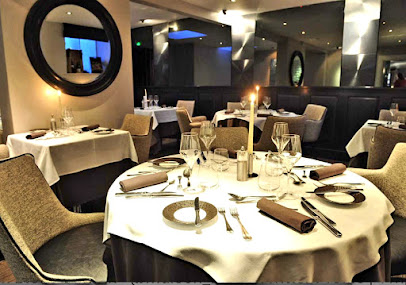
The Kings Head
41.8 km
A charming 4-star gastropub and inn in Bawburgh blending historic character with exceptional seasonal dining and cozy accommodation.
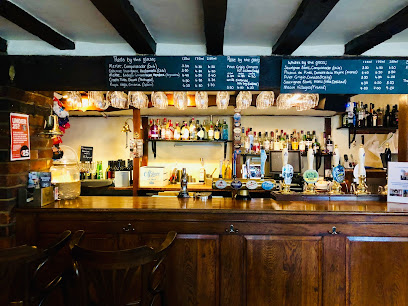
The White Horse Brancaster Staithe
43.4 km
A stylish coastal gastropub and hotel offering award-winning seafood, stunning tidal marsh views, and a tranquil Norfolk retreat.
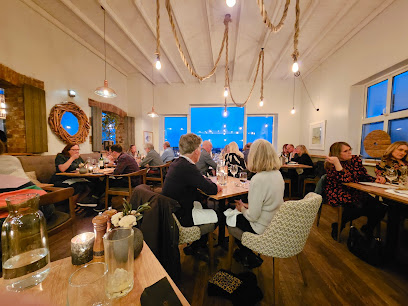
The Windmill
45.6 km
A welcoming traditional English pub in Somersham offering excellent food, attentive service, and a relaxed countryside atmosphere.
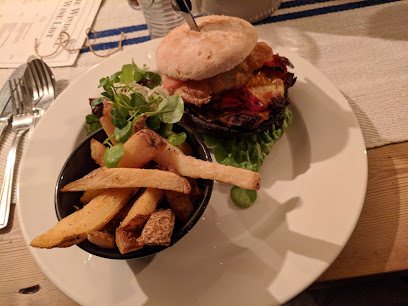
The Cellar House
46.2 km
A charming family-run pub in Norwich’s Eaton district, blending traditional British hospitality with beautifully crafted modern cuisine.
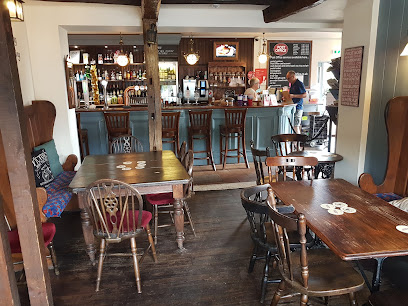
The Bull Auberge
47.0 km
Elegant 5-star countryside inn in Suffolk offering exquisite local cuisine, luxurious rooms, and warm, attentive hospitality.

The Hole In The Wall
47.0 km
Historic gastropub and cozy B&B in Little Wilbraham, blending rustic charm with exceptional British cuisine and warm hospitality.
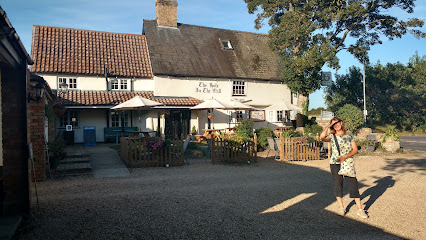
Roger Hickman's Restaurant
48.7 km
Elegant modern British fine dining with French flair in the heart of Norwich’s historic district.
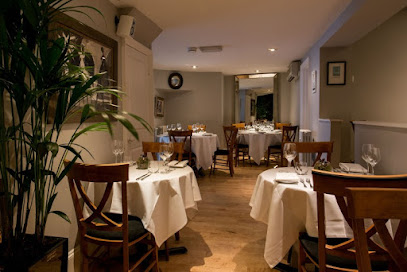
Markets, malls and hidden boutiques

Norfolk Boutique
16.1 km
Discover elegant ladies' fashion and personalized service in the charming village setting of Norfolk Boutique, East Winch.

Bohemia Vintage & Lifestyle
38.6 km
Discover unique vintage fashion, retro homewares, and quirky collectibles at Bohemia Vintage & Lifestyle in the heart of Bury St Edmunds.
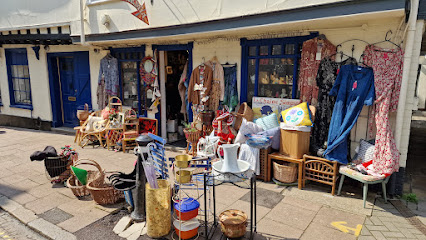
Unique Gifts & Interiors
40.3 km
Boutique gift and interiors shop in Hunstanton offering luxury home styling, bespoke furniture, and expert design services.
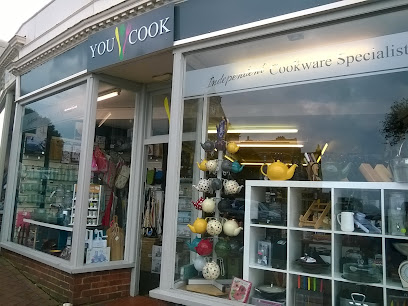
Flints Finds
42.1 km
Discover authentic, sustainably sourced vintage clothing at Flints Finds, Hunstanton's premier destination for timeless style and eco-conscious fashion.

Very Nice Things Gift Shop
42.2 km
Discover quirky gifts and seasonal treasures in the heart of Reepham’s charming market town.
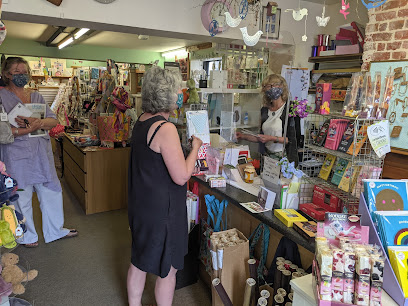
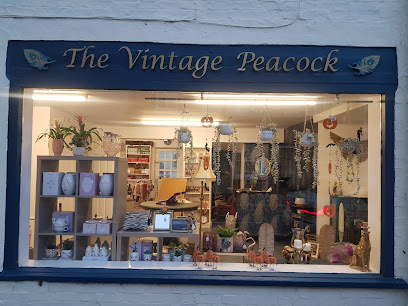
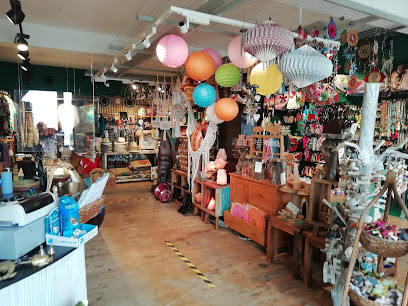
The Vintage Peacock
44.5 km
Discover unique vintage-inspired gifts and stylish apparel in a cozy, artisan-focused boutique in the heart of Somersham.
Natural East
45.9 km
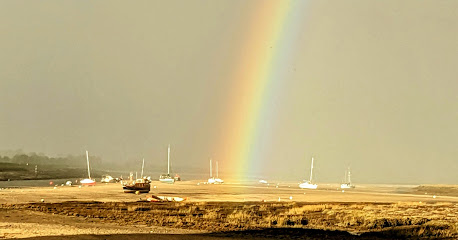
Discover unique gifts and stylish home furniture in a charming coastal shop on The Quay at Wells-next-the-Sea.
Shop With A View
45.9 km
Charming gift shop on Wells-next-the-Sea’s picturesque quay, blending unique shopping with stunning harbour views and local maritime spirit.
Norwich Lanes
49.2 km
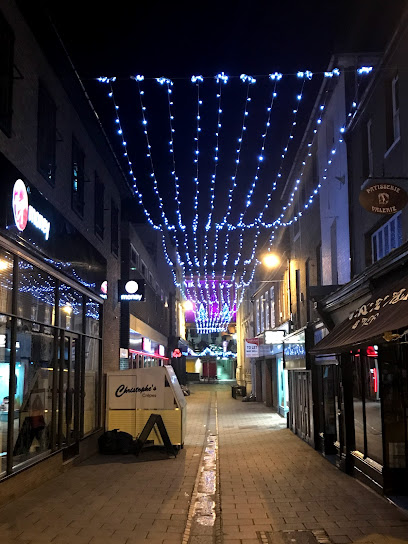
Discover Norwich Lanes, a vibrant maze of independent shops, artisan cafes, and historic charm in the heart of Norwich city centre.
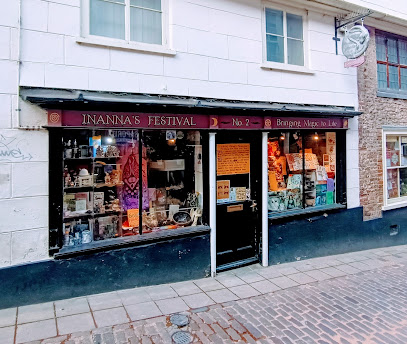
Inanna's Magical Gifts
49.3 km
Discover mystical treasures and handcrafted artistry at Inanna's Magical Gifts, Norwich’s premier metaphysical boutique.
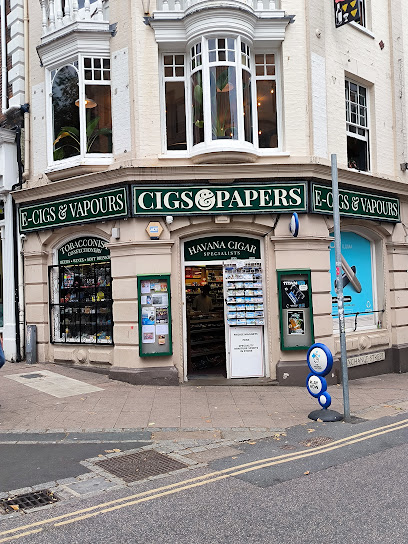
Anglia Square
49.3 km
Eclectic shopping and vibrant local character converge in Norwich’s distinctive Anglia Square urban centre.
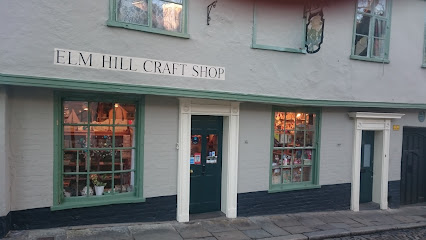
Elm Hill Craft Shop
49.4 km
Discover handcrafted gifts and nostalgic treasures in the heart of Norwich’s historic Elm Hill at Elm Hill Craft Shop.
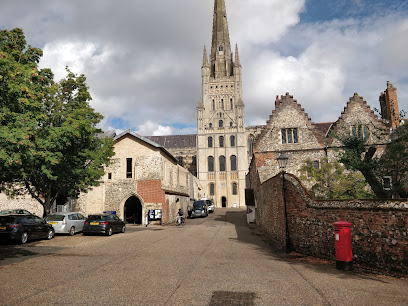
Cathedral Shop
49.6 km
Discover unique Norfolk crafts and Cathedral treasures at Norwich Cathedral’s charming Gift Shop in the historic Cathedral Close.
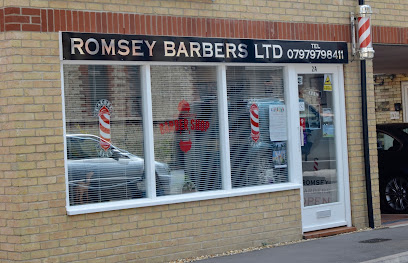
Romsey Barbers Ltd Cambridge
49.7 km
Classic cuts in Cambridge's Romsey: friendly barber shop delivering sharp fades and shaves with neighborhood warmth.
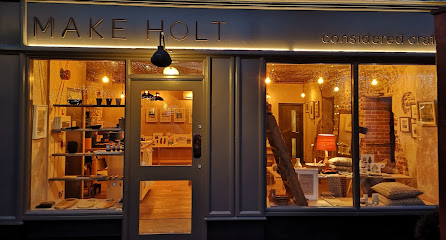
Make Holt
50.3 km
Discover unique handicrafts and homewares at Make Holt, a charming shop in the heart of Holt, showcasing local artistry and creativity.
Essential bars & hidden hideouts

The Brisley Bell
29.2 km
Historic 17th-century Norfolk pub with award-winning food, boutique rooms, and expansive gardens blending tradition and modern comfort.
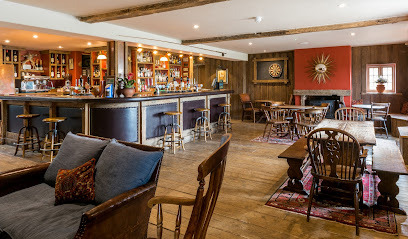
The Rose & Crown
33.5 km
A quintessential Norfolk village inn blending historic charm with modern dining, cozy rooms, and a welcoming pub atmosphere.
Unique Bar Newmarket
39.1 km
Experience the lively vibes and weekend dance nights at Unique Bar, Newmarket’s hotspot for great drinks and energetic fun.
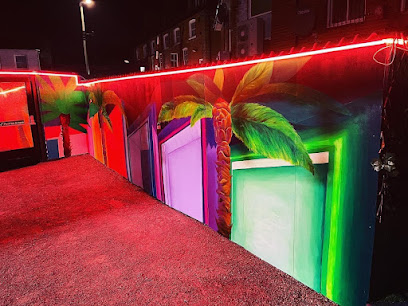
The Gin Trap Inn
39.3 km
A cozy Norfolk country pub and inn blending traditional charm with fine dining and comfortable, thoughtful accommodation.
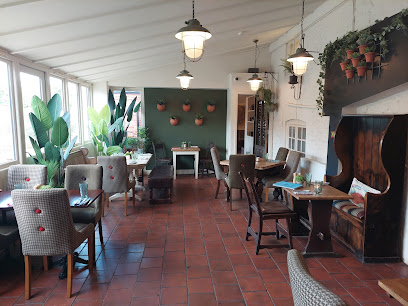
The Brewers Inn
46.5 km
A refined gastro pub with Indian-inspired dishes and cozy rooms, offering a peaceful retreat near Cambridge.
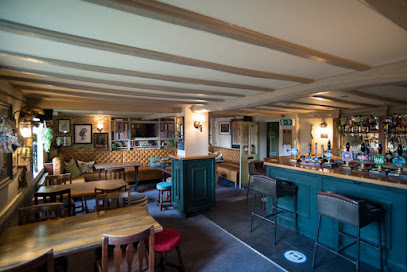
The Mad Cat Inn
47.1 km
A cozy traditional village pub in Pidley offering hearty roasts, friendly service, and authentic British charm.
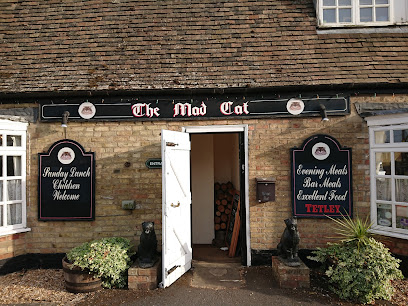
The New Crown
47.2 km
A welcoming pub in Whittlesey offering hearty meals, friendly service, and a cozy atmosphere in the heart of Peterborough’s historic market town.
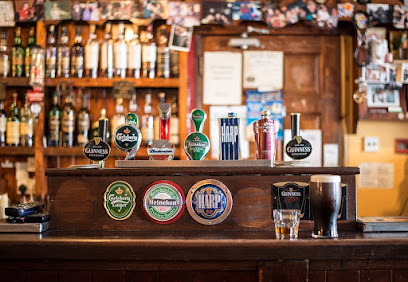
The Jolly Sailor Ramsey
48.1 km
Historic 400-year-old pub in Ramsey offering traditional British fare, quality ales, and a warm, welcoming atmosphere for locals and visitors alike.
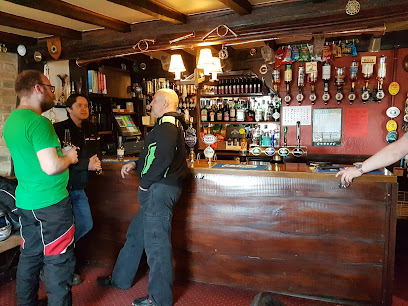
Plough Cambridge
48.2 km
A charming riverside gastropub in Fen Ditton offering classic British fare with modern flair and scenic views by the River Cam.
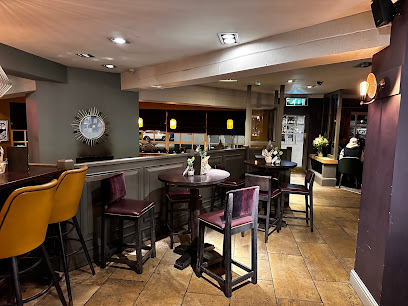
The White Lion
48.9 km
A traditional, friendly pub in Bury offering classic ales, hearty food, and a warm, welcoming atmosphere for locals and visitors alike.
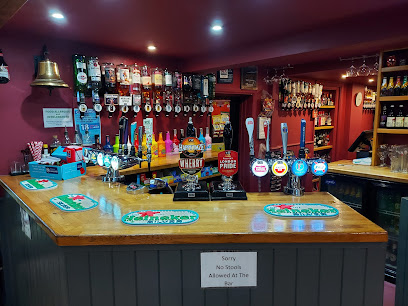
The Wallow | Self Service Wine Bar
49.2 km
Discover Norwich’s pioneering self-service wine bar offering over 50 wines, delicious sharing platters, and a relaxed, stylish atmosphere.
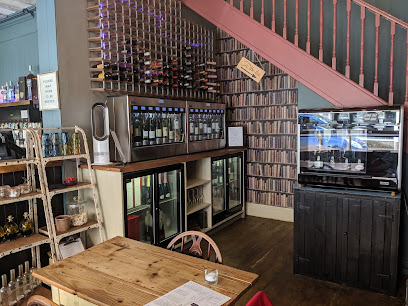
The Corner House
50.5 km
A lively gastropub on Newmarket Road offering excellent pub food, diverse drinks, and a welcoming atmosphere in Cambridge.
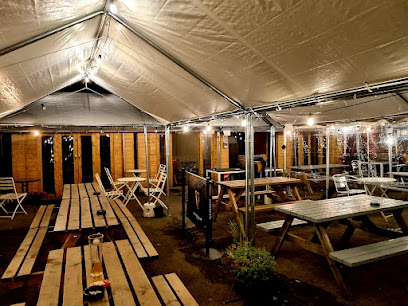
Fort St George
50.8 km
Historic 16th-century riverside pub in Cambridge offering classic British fare, local ales, and a warm, traditional atmosphere.
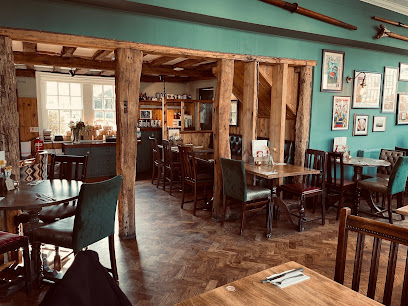
The Tivoli
50.9 km
A vibrant four-floor venue in Cambridge offering mini golf, shuffleboard, rooftop views, craft drinks, and casual dining for memorable social experiences.
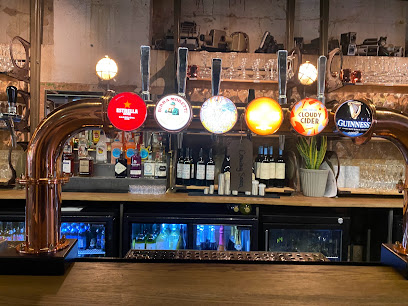
The Burleigh Arms
51.0 km
A vibrant gastropub blending traditional charm with innovative Pan-Asian and British flavors in the heart of Cambridge.
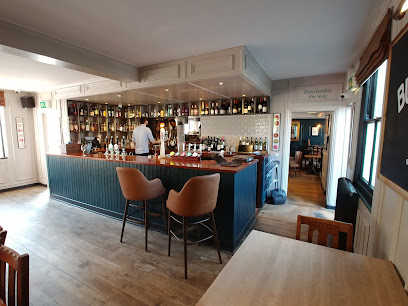
Nightclubs & after hour spots

Ice Nightclub
22.2 km
Thetford’s vibrant nightlife hotspot with nostalgic tunes, lively parties, and a welcoming atmosphere for over-18s.
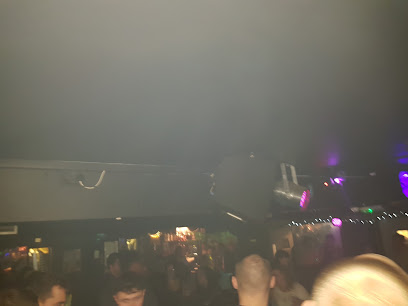
Flex Nightclub
38.6 km
Lively late-night nightclub in Bury St. Edmunds offering dance music, bar service, and a bustling atmosphere with a local crowd.
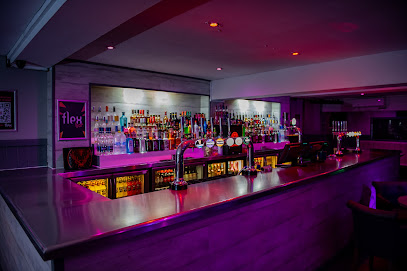
Sugar & Spice - Strip Club and Lap Dancing Norwich
49.7 km
Norwich’s premier American-style strip club offering vibrant entertainment, VIP experiences, and a welcoming atmosphere for all guests.
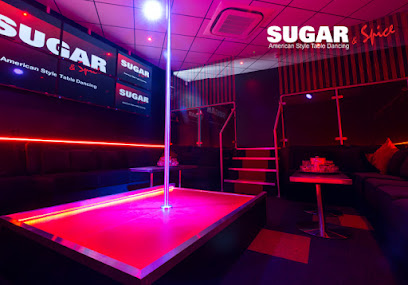
Mantra
49.7 km
Experience vibrant nightlife and great music at Mantra Nightclub, Norwich’s energetic weekend party destination with friendly staff and affordable drinks.

Fluke
49.7 km
Experience Norwich’s vibrant nightlife at Fluke, where great music, affordable drinks, and a lively crowd come together for unforgettable nights.
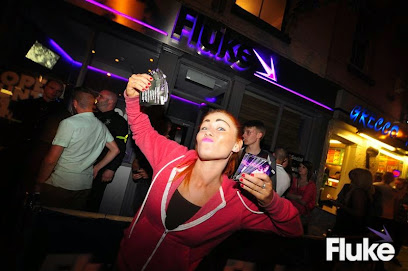
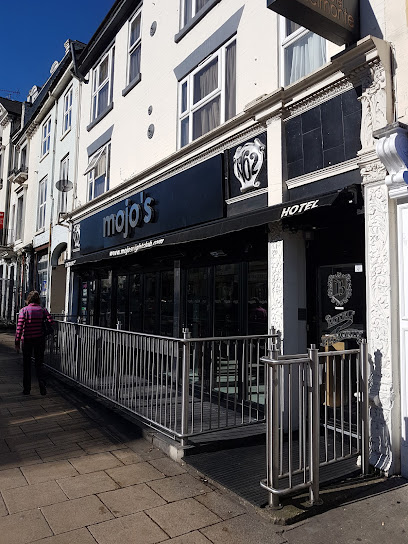
Mojo's
49.7 km
Mojo's: Norwich's gritty, no-frills nightclub pulsing with late-night beats and authentic urban energy.
Popworld - Norwich
49.7 km
Norwich’s vibrant late-night hotspot for pop hits, friendly vibes, and unforgettable party nights on Prince of Wales Road.

Loft Nightclub
49.8 km
Norwich’s vibrant gay nightclub with over 30 years of inclusive nightlife, music, and community spirit in the heart of the city.
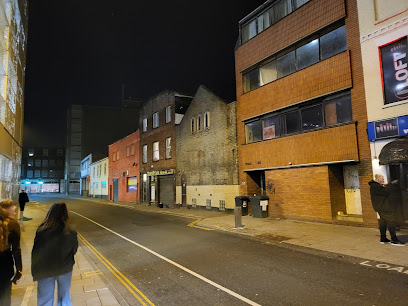
EBC Shop
50.7 km
Discover the electrifying nightlife at EBC Shop in Cambridge, where the music keeps you dancing and the atmosphere is always electric.
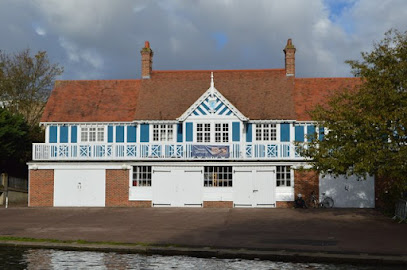
Cambridge Working Mens Club
51.0 km
Discover the lively ambiance of Cambridge Working Mens Club, a perfect blend of local culture, music, and community spirit.
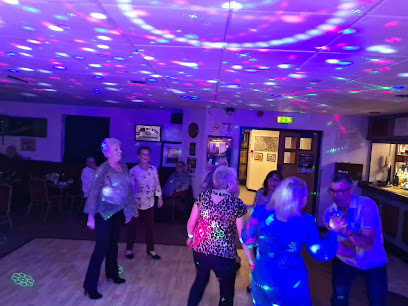
Cambridge Pop-up Speakeasy Jazz
51.3 km
Free live jazz pop-ups in a historic Cambridge pub: intimate sets, diverse musicians, speakeasy vibes on select Wednesdays at 7:30pm.
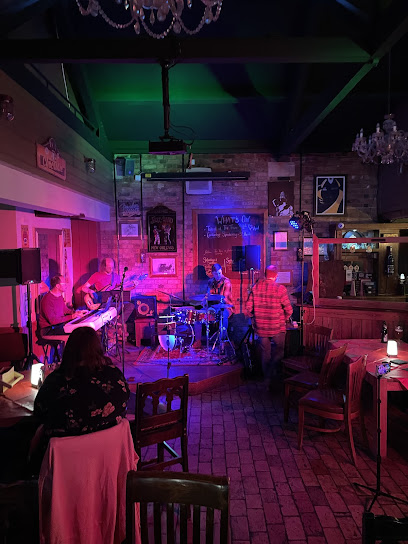
Salisbury Club
51.4 km
Cambridge's cozy Mill Road club: retro discos, pool tables, cheap drinks, and community spirit in a true local gem.
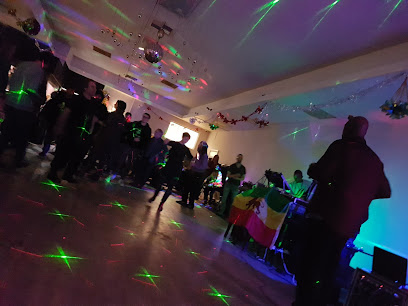
Vinyl Cambridge
51.6 km
Dance through decades on a glowing LED floor at Vinyl Cambridge's throwback haven—2-for-1 drinks, VIP vibes, and non-stop retro anthems await in the city center.
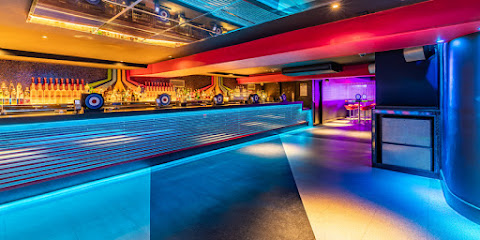
MASH
51.7 km
Cambridge’s vibrant independent nightclub offering themed music nights and a welcoming, safe party atmosphere until the early hours.

High Five
51.8 km
Cambridge's electrifying gay nightclub where themed nights, drag glamour, and inclusive dance floors ignite unforgettable evenings in the city heart.
For the vibe & atmosphere seeker
- Tranquil
- Scenic
- Relaxing
- Historic
- Unique
For the design and aesthetic lover
- Vintage Styles
- Rustic Designs
For the architecture buff
- Historic
- Landmarks
- Sacred Sites
- Parks & Gardens
For the view chaser and sunset hunter
- Iconic Views
- Panoramas
- Waterfront
- Sunset Spots
For the social media creator & influencer
- Instagrammable
- Photo Spots
- Selfie Spots
- Architectural Shots
For the eco-conscious traveler
- Sustainable
- Eco-Friendly
- Protected Area
- Public-Transport Accessible
- Locally Managed
- Wildlife Habitat
For the kind of experience you’re after
- Cultural Heritage
- Nature Escape
- Photowalk
- Day Trip
- Weekend Getaway
- Myth & Legends
For how adventurous you want the journey to be
- Easy Access
Location Audience
- Family Friendly
- Senior Friendly
- Child Friendly
- Teen Friendly
- Wheelchair Access
- Pet Friendly
- Couple Friendly
- Solo Friendly
- Vegetarian Friendly
- Vegan Friendly


