

Cotswolds AONB Travel Guide
Free Guide: Explore the Cotswolds AONB: rolling hills, honey-hued villages, and timeless English countryside charm across nearly 800 square miles.


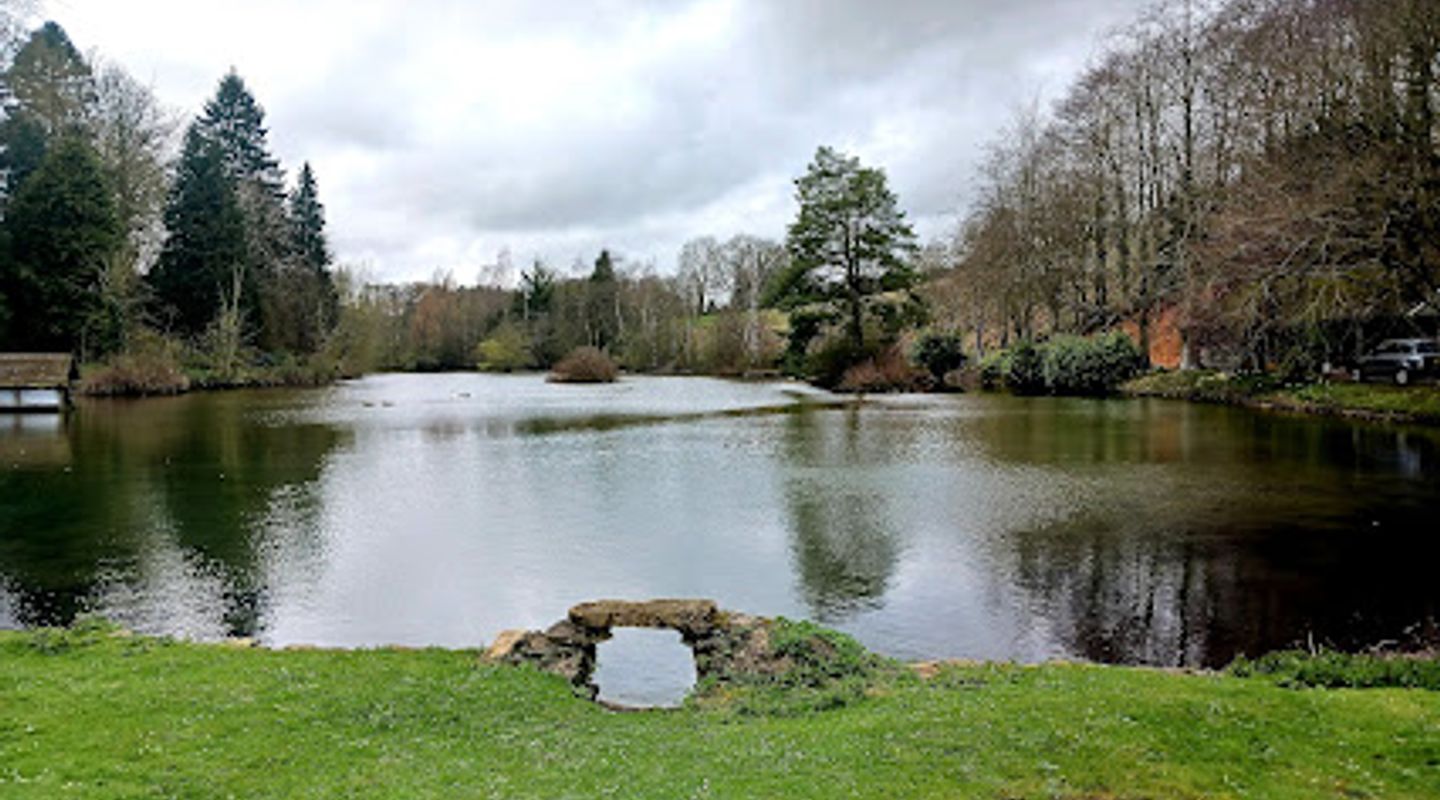
A brief summary of Cotswolds AONB
Explore the Cotswolds AONB: rolling hills, honey-hued villages, and timeless English countryside charm across nearly 800 square miles.
The Cotswolds Area of Outstanding Natural Beauty (AONB) spans nearly 800 square miles of rolling hills, honey-colored villages, and historic market towns in southern England. Renowned for its picturesque landscapes, ancient woodlands, and charming rural character, the Cotswolds offers visitors a timeless English countryside experience rich with cultural heritage, nature reserves, and iconic landmarks such as Broadway Tower. It is a haven for walkers, history enthusiasts, and those seeking tranquil scenic beauty.
On-site amenities
 Restrooms
 Drink options
 Food options
 Seating areas
 Information boards
 Visitor centre
- Address
- Stow-on-the-Wold, Cheltenham GL54 1BQ
Getting there
Coach
Train and Bus Combination
Car Rental
Local Bus Services
Discover more about Cotswolds AONB
A Landscape of Enduring Natural Beauty
The Cotswolds AONB is the largest designated Area of Outstanding Natural Beauty in England, covering approximately 800 square miles across Gloucestershire, Oxfordshire, Warwickshire, Wiltshire, Worcestershire, and Somerset. Established in 1966 and expanded in 1990, this protected landscape is celebrated for its gently rolling hills, lush river valleys, and quintessentially English rural charm. The honey-colored limestone villages and market towns that dot the region create a harmonious blend of natural and built environments, preserving a timeless countryside atmosphere.
Rich History and Cultural Heritage
Human presence in the Cotswolds dates back over 6,000 years, with Neolithic long barrows and Iron Age hill forts scattered across the landscape. The region’s historic market towns like Stow-on-the-Wold and Chipping Campden showcase centuries-old architecture and traditional crafts. The Arts and Crafts movement found a creative retreat here, with notable landmarks such as Broadway Tower—a folly designed in 1798 offering panoramic views over 16 counties—reflecting the area's cultural significance. The Cotswolds also feature Roman ruins, stately homes, and castles, enriching its heritage tapestry.
Flora, Fauna, and Conservation Efforts
Approximately 10% of the Cotswolds is covered by ancient semi-natural woodlands, including beech, poplar, chestnut, and rowan trees. These habitats support rare birds and invertebrates, making the area a vital wildlife refuge. Seasonal wildflowers such as orchids, harebells, and thyme attract butterflies like the rare Large Blue Maculinea arion. Conservation efforts are supported by local partnerships and over 400 voluntary wardens who maintain trails, manage access, and promote environmental education, ensuring the landscape’s integrity for future generations.
Visitor Experience and Activities
The Cotswolds offers an extensive network of over 5,000 km of footpaths, including the famous Cotswold Way National Trail, ideal for walkers and nature enthusiasts. Visitors can explore charming villages, historic sites, and renowned gardens, or enjoy cultural events and festivals in towns such as Cheltenham and Cirencester. The region’s culinary scene highlights local cheeses, meats, and drinks served in gastro pubs and cafes. Accommodation ranges from boutique country hotels to cozy B&Bs and glamping sites, catering to diverse tastes.
Seasonal Highlights and Best Times to Visit
Each season reveals a different facet of the Cotswolds’ beauty. Spring and early summer bring vibrant wildflowers and outdoor festivals, while autumn offers rich foliage and wildlife spotting opportunities. Summer is the peak tourist season, bustling with visitors enjoying open-air activities and gardens. Winters are quieter, providing a peaceful retreat with crisp landscapes. The area’s unpredictable weather calls for preparedness, but its charm endures year-round.
Iconic Landmarks and Nearby Attractions
Beyond its natural allure, the Cotswolds boasts landmarks such as Blenheim Palace, a UNESCO World Heritage Site and birthplace of Winston Churchill, and Westonbirt Arboretum, home to one of the world’s most important tree collections. Other highlights include historic houses like Sudeley Castle and Chedworth Roman Villa, as well as unique local events like the annual cheese rolling at Cooper’s Hill. These sites add layers of history and spectacle to the visitor experience, enriching the region’s appeal.
Evendo Review Centre
 Google
Guest reviews
Best time to go
Quietest: Jan, Feb & Dec · before 6am or at 10pm
Busy times are Evendo estimates for a typical year, to help you plan. Actual crowds vary with events, school holidays and the weather.
Explore Cotswolds AONB on the map
A handpicked selection of must-see spots near Cotswolds AONB, mapped for you.
Get your free copy of our complete guide to Cotswolds AONB, delivered straight to you.
Everything on this page, from opening hours and how to get there to Eve’s tips and the best time to go, in one PDF you can read offline, print or share.
Already have an account? Sign in
Your Cotswolds AONB guide is ready.
We'll send it to · Not you? Sign out

Getting your guide ready…
We are putting together a fresh copy of the Cotswolds AONB guide. This can take up to a minute.
This can take a few moments. If your browser asks, choose Allow so the download can start. You'll find the guide in your Downloads folder.
Nothing happened? Download it again
Sorry, the guide is taking longer than usual. Please try again in a minute, or get it by email instead.
Other nearby places you may find interesting
The closest places of the same kind, if this one is not quite what you had in mind.
-
-
-
-
-


Swipe for more places
More to explore near Cotswolds AONB

 Best experiences near Cotswolds AONB
 Best hotels near Cotswolds AONB
 Best landmarks near Cotswolds AONB
 Best attractions near Cotswolds AONB
 Best shops near Cotswolds AONB
 Best restaurants near Cotswolds AONB
 Best bars near Cotswolds AONB
Do you manage this location?
Take control to get all the benefits, like improved information, better appearance, and stronger visibility across AI-powered discovery.
Explore more
Explore more of Cotswolds
Discover the idyllic beauty of the Cotswolds, where timeless villages and rolling hills create a perfect escape into England's pastoral heartland.
Explore Cotswolds
Explore more of United Kingdom
Discover the United Kingdom: A blend of rich history, stunning landscapes, and vibrant cities, offering a unique travel experience for every visitor.
Explore United Kingdom
