
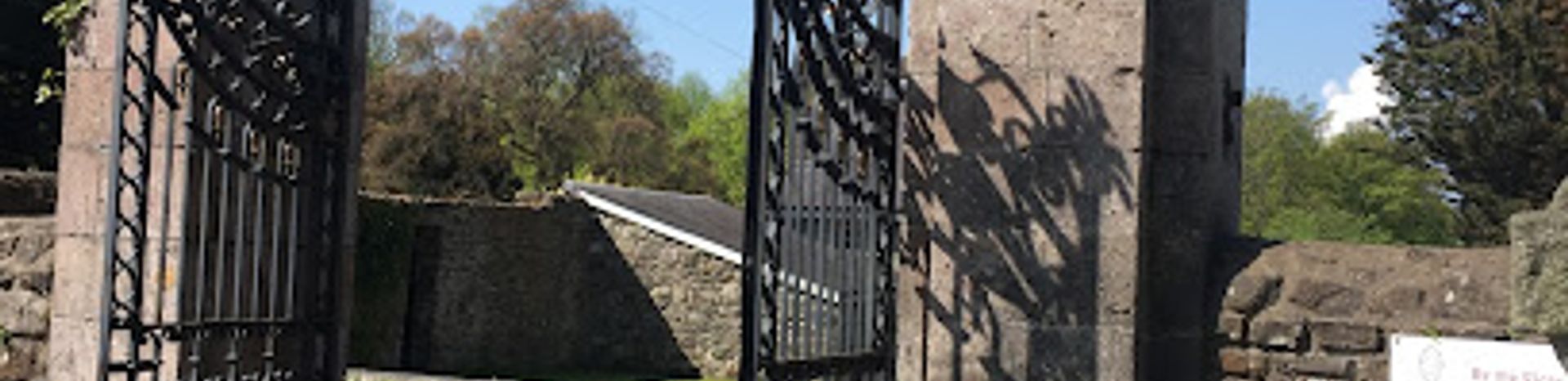
Margam Stones Museum: Wales’ Ancient Sculptural Heritage
Discover Wales’ rich early medieval heritage through intricately carved stones and evocative sculptures at Margam Stones Museum.
Nestled beside the ruins of Margam Abbey near Port Talbot, the Margam Stones Museum houses a remarkable collection of early medieval inscribed stones and sculptural artifacts. This small but fascinating museum offers a unique glimpse into Wales’ early Christian art and history, featuring intricately carved crosses, gravestones, and medieval effigies. Open seasonally with limited hours, it appeals to history enthusiasts and cultural explorers alike.
A brief summary to Margam Stones Museum
- Abbey Rd, Port Talbot, SA13 2TA, GB
- Duration: 1 to 2 hours
- Budget
-
 Indoor
- Mobile reception: 4 out of 5
- Wednesday 10 am-3 pm
- Saturday 10 am-3 pm
- Sunday 10 am-3 pm
Local tips
- Visit between April and September on Wednesdays, Saturdays, or Sundays for regular opening hours.
- Book group visits in advance during the off-season as the museum is closed to the public from October to March.
- Wear comfortable shoes as the museum is accessed via level paths but has no upper floor wheelchair access.
- Combine your visit with a walk around Margam Country Park for a fuller cultural and natural experience.

For the on-the-go comforts that matter to you
- Restrooms
- Seating Areas
- Information Boards
Getting There
-
Bus
From Port Talbot town center, take local bus services towards Margam Country Park; journey time approximately 20-30 minutes. Services run several times daily but check schedules in advance. No direct stops at the museum; a short walk on level paths from the nearest stop is required.
-
Car
Drive from Port Talbot via the A48, about 6.5 km southeast; travel time around 15 minutes. Parking for approximately 15 cars is available adjacent to the museum, but there are no designated disabled parking spaces. The access path to the museum is level and suitable for most visitors.
-
Train and Walk
Take a train to Port Talbot Parkway station, approximately 8 km from the museum. From the station, a taxi or local bus can be used to reach Margam Stones Museum. Walking from the station is possible but requires a 1.5-hour walk mostly on roads and is not recommended for those with mobility issues.
Margam Stones Museum location weather suitability
-
 Any Weather
-
 Rain / Wet Weather
-
 Clear Skies
-
 Mild Temperatures
Discover more about Margam Stones Museum
A Sanctuary of Early Christian Artifacts
The Margam Stones Museum is a compact yet captivating repository of early medieval stone carvings and inscriptions, located adjacent to the historic Margam Abbey ruins. Its collection spans several centuries, showcasing some of the finest examples of Celtic crosses, gravestones, and sculptural fragments dating from the 5th to the 14th centuries. These artifacts reveal the artistic and religious heritage of early Christian Wales, with detailed motifs such as interlacing patterns, hunting scenes, and symbolic iconography.Architectural and Historical Context
Housed in one of Wales’ earliest church school buildings, the museum itself is steeped in history. It sits within the grounds of Margam Abbey, a former Cistercian monastery founded in the 12th century. The museum’s proximity to the abbey ruins enriches the visitor experience, providing a tangible connection between the sculptural stones and the monastic life that once flourished here. Among the highlights is a 14th-century knight’s effigy clad in chain mail, alongside grotesque gargoyle carvings that once served practical and decorative purposes.Seasonal Access and Visitor Experience
The museum operates with limited opening hours from April to September, typically open on Wednesdays, Saturdays, Sundays, and bank holidays between 10am and 3pm. Outside this period, visits are by prior arrangement for groups. The setting is peaceful and accessible, with level terrain leading to the entrance, though the upper floor is not wheelchair accessible. Parking is available nearby, though there are no designated disabled parking spots. Visitors can explore the museum’s intimate galleries at a leisurely pace, absorbing the rich historical narratives embedded in the stones.Significance of the Collection
The Margam Stones Museum holds an exceptional collection of sculptured stones, including disc-headed and cart-wheel crosses from the 9th and 10th centuries. These crosses are notable for their intricate carvings, such as the famous Cross of Cobelin featuring a hunting scene. The museum’s artifacts provide insight into the spiritual and cultural life of medieval Wales, reflecting the fusion of pagan and Christian symbolism. The stones also serve as important linguistic records, with inscriptions in Latin and early Welsh scripts.Preservation and Educational Role
Managed by Cadw, the Welsh Government’s historic environment service, the museum plays a vital role in preserving Wales’ ancient heritage. It offers educational resources and guidebooks to deepen visitor understanding of the stones’ historical context. The museum’s careful conservation efforts ensure that these fragile artifacts remain protected for future generations, while its interpretive displays make the complex history accessible to a broad audience.Integration with Margam Country Park
Situated near Margam Country Park, the museum forms part of a wider cultural and natural landscape. Visitors can combine their museum visit with exploration of the park’s extensive grounds, historic buildings, and scenic walking trails. This integration enhances the appeal of the Margam Stones Museum as a destination for those interested in history, nature, and Welsh heritage, offering a tranquil and enriching experience.Iconic landmarks you can’t miss

Y Bwlwarcau
4.4 km
Explore Y Bwlwarcau, a serene Iron Age hillfort nestled on Mynydd Margam’s slopes, revealing ancient Welsh heritage amidst tranquil countryside.

Tours of Wales
13.0 km
Discover Wales’ rich history and stunning landscapes on small-group, expertly guided day tours with Tours of Wales.
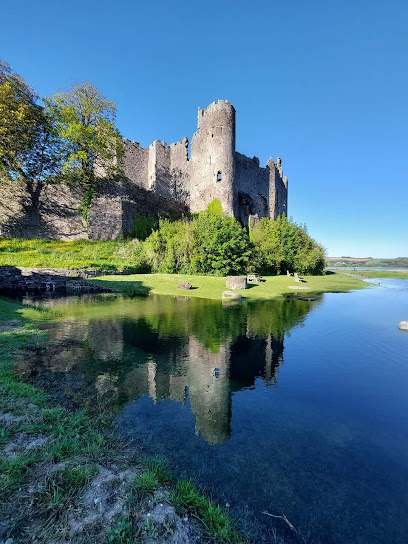
Premier Inn Swansea Waterfront hotel
15.1 km
Modern comfort and scenic marina views combine at Premier Inn Swansea Waterfront, your gateway to Swansea’s vibrant coastal charm.
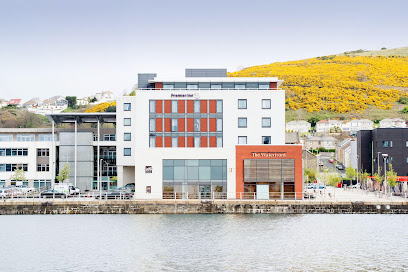
Premier Inn Swansea City Centre hotel
15.6 km
Comfortable city-centre hotel on vibrant Wind Street, with spacious rooms, tasty dining, and easy access to Swansea’s cultural and coastal highlights.
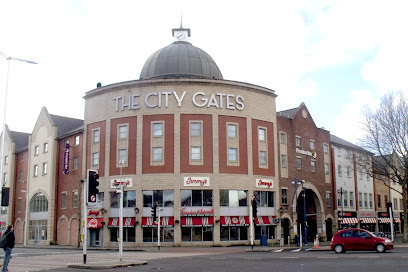
Delta Hotels Swansea
15.8 km
Stylish waterfront hotel in Swansea’s Maritime Quarter with modern comforts, stunning bay views, and versatile event spaces.
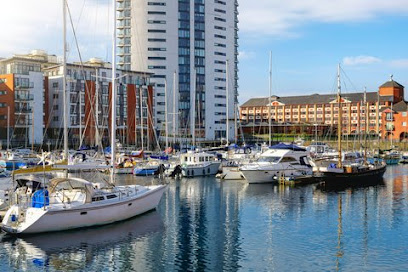
Cwtsh Hostel
15.9 km
Modern, friendly, and centrally located hostel offering comfortable stays and social spaces in the vibrant heart of Swansea.
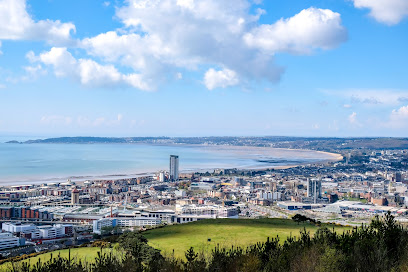
Cathedral Church of Saint Joseph (Eglwys Gadeirlan Siôseff Sant)
16.6 km
A majestic Gothic Revival cathedral in Swansea, symbolizing faith, history, and community since 1888.
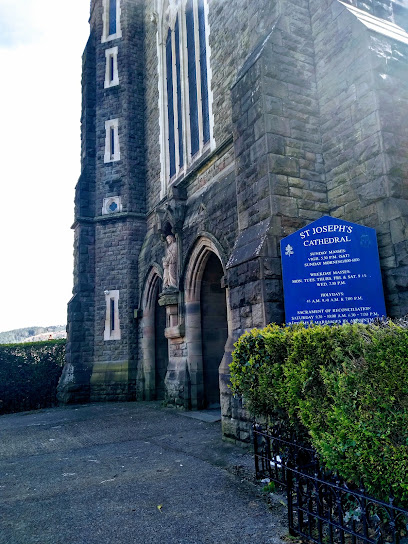
Glamorgan History Society
19.7 km
Explore Glamorgan’s rich history through dedicated research, publications, and community events at the heart of Swansea’s heritage.
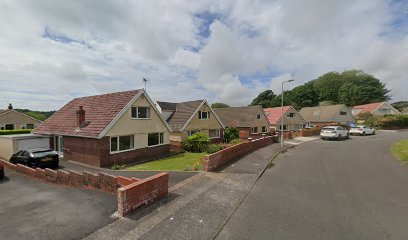
Pobbles Bay
26.1 km
Explore Pobbles Bay, the serene beach in Swansea, renowned for its golden sands, stunning coastal views, and tranquil atmosphere perfect for relaxation.
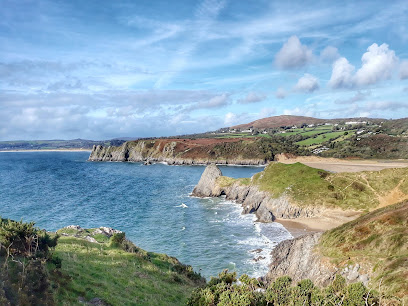
Visit the Vale
26.2 km
Explore the Vale: Your gateway to stunning landscapes, rich heritage, and unforgettable experiences in a picturesque region.
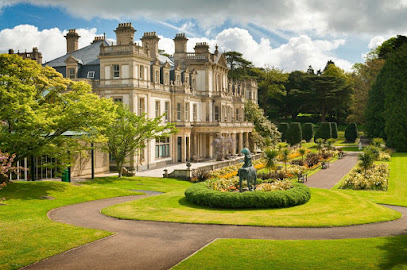
Loughor Castle
26.4 km
Medieval tower ruin commanding Roman-era strategic crossroads above the River Loughor estuary.
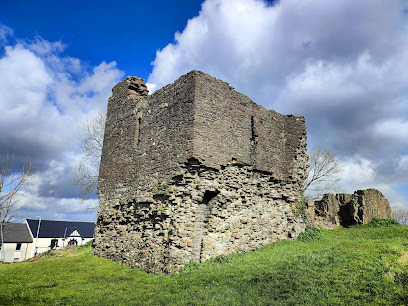
Three Cliffs Bay
26.4 km
Explore the breathtaking beauty of Three Cliffs Bay, a natural paradise on the Gower Peninsula, where stunning cliffs meet sandy shores.
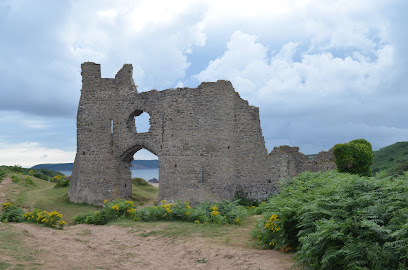
Sgwd Yr Eira Waterfall
26.8 km
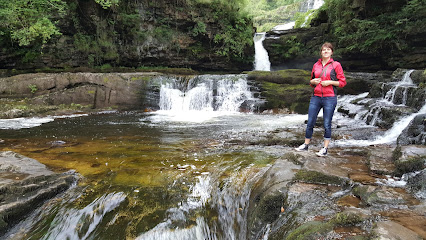
Explore the breathtaking Sgwd Yr Eira Waterfall in the heart of Brecon Beacons, a natural marvel perfect for hiking, photography, and serene escapes.
Sgwd y Pannwr
26.9 km
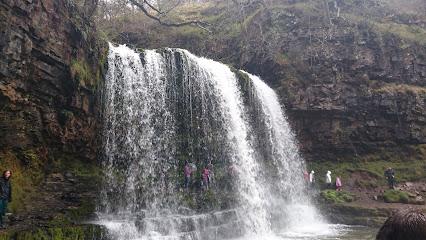
Explore the enchanting Sgwd y Pannwr waterfall, a natural wonder in the Brecon Beacons, offering breathtaking views and serene hiking trails.
Sgwd Isaf Clun-Gwyn
27.1 km
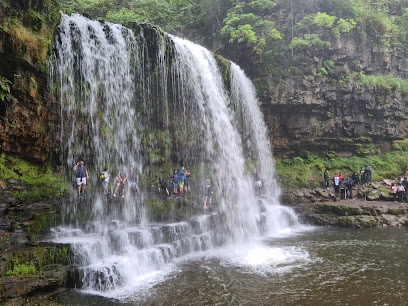
Experience the breathtaking beauty of Sgwd Isaf Clun-Gwyn, a stunning waterfall along the scenic Four Waterfalls Walk in Neath, Wales.
Unmissable attractions to see

Capel Mair
0.2 km
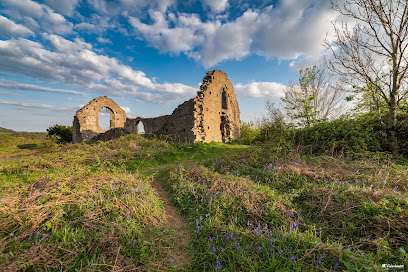
Discover the evocative ruins of Capel Mair, a 14th-century chapel with stunning views and deep ties to Margam Abbey’s monastic heritage.
Margam Country Park
0.3 km
Explore 1000 acres of history, nature, and family fun at Margam Country Park’s stunning castle grounds and vibrant wildlife habitats.
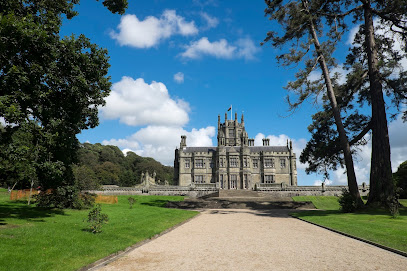
Go Ape Margam
0.6 km
Thrilling treetop adventures and breathtaking coastal views await in the historic Margam Country Park.
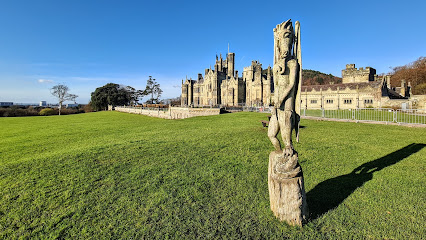
Aberavon Beach
6.7 km
A three-mile sandy beach with vibrant family attractions, watersports, and stunning Bristol Channel views in Port Talbot.
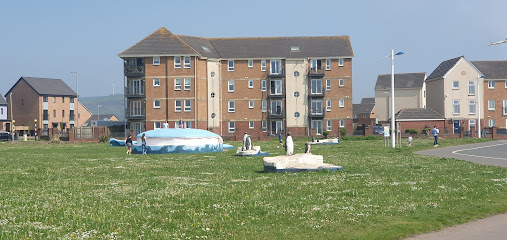
Wiggleys Fun Farm
6.8 km
A lively family-friendly farm park in Bridgend offering year-round indoor and outdoor play, animal encounters, and nature trails for young children.
Dramatic Heart of Wales
9.6 km
A pioneering industrial and innovation hub in Neath, blending green energy, cutting-edge research, and sustainable business growth.
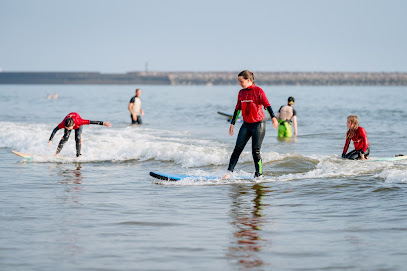
Glamorgan Family History Society
9.8 km
Discover your roots with the Glamorgan Family History Society’s rich archives and expert community in Aberkenfig.
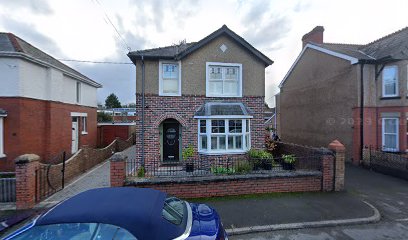
Designer Outlet Bridgend
11.1 km
Discover top designer brands with up to 60% off in a charming village-style outlet near Cardiff and Swansea.
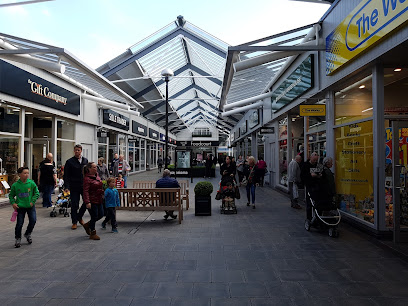
Gnoll Country Park
11.7 km
Explore 240 acres of historic woodlands, lakes, and family-friendly trails at Gnoll Country Park, a tranquil natural escape near Neath.
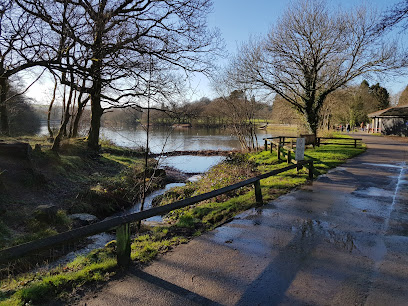
The Stepping Stones
12.3 km
Historic stepping stones beside Ogmore Castle offer scenic river crossing and timeless Welsh heritage in Bridgend’s tranquil countryside.
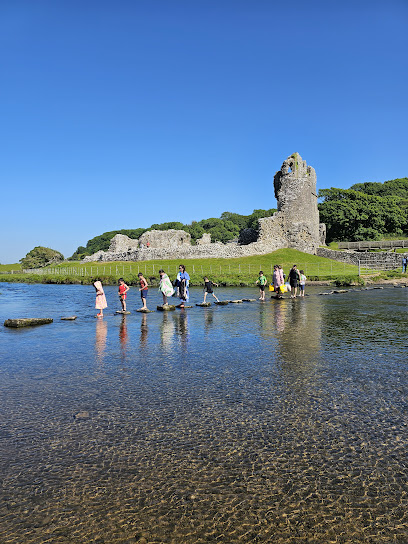
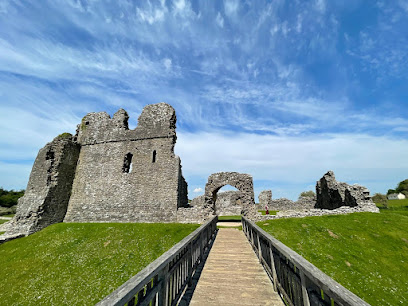
Ogmore Castle
12.3 km
Explore Ogmore Castle, a Norman fortress with ancient tidal defenses and a rich medieval history nestled by the River Ewenny in South Wales.
1940s Swansea
12.5 km
Step back into wartime Swansea at 1940s Swansea, where history and nature meet in the evocative Crymlyn Burrows landscape.
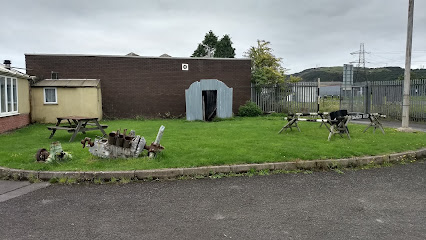
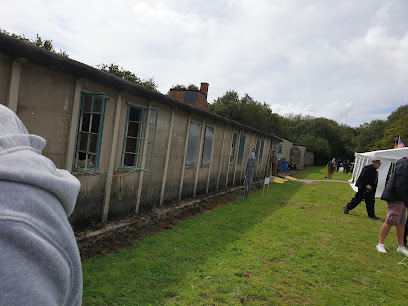
Hut 9, Island Farm
12.6 km
Explore the preserved Hut 9 at Island Farm, the site of Britain’s largest WWII German POW escape and a unique window into wartime history.
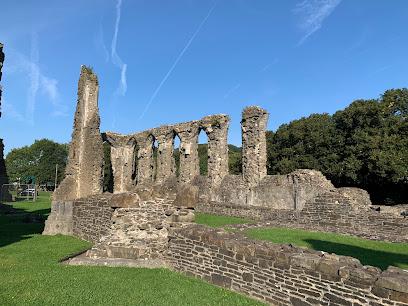
Neath Abbey
12.7 km
Explore the majestic ruins of Neath Abbey, Wales’ grand medieval monastery rich in history, royal tales, and industrial heritage.
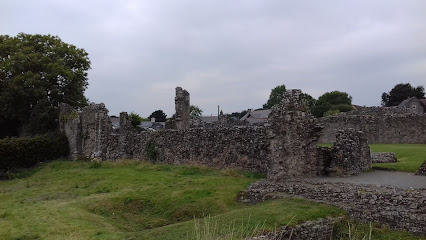
Castell Coety
13.1 km
Explore the evocative ruins of Castell Coety, a Norman castle rich in Welsh history and medieval resilience near Bridgend.
Essential places to dine

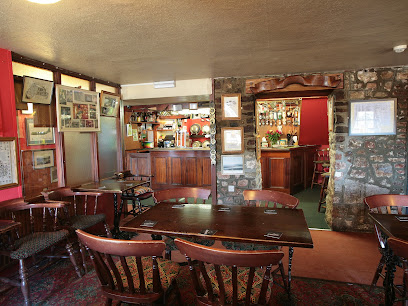
Prince Of Wales Inn
4.6 km
Experience delightful gastropub dining at Prince Of Wales Inn in Bridgend - where local flavors meet warm hospitality.
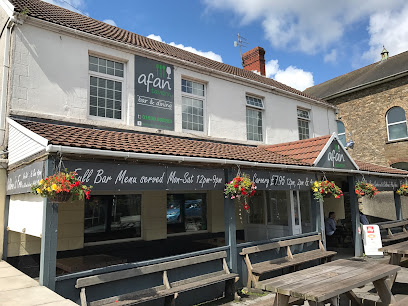
Afan Tavern
6.0 km
Experience delightful grilled cuisine and warm Welsh hospitality at Afan Tavern in Cwmafan - perfect for budget-friendly dining!
The Front
6.5 km
Enjoy fresh seafood and classic British dishes with friendly service in a relaxed seaside setting on Port Talbot’s Princess Margaret Way.
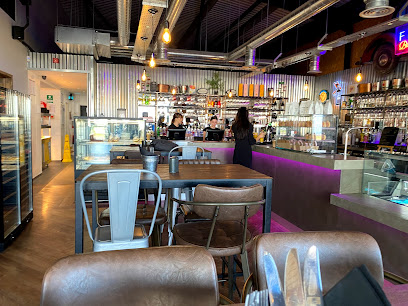
Bagle Brook Beefeater
7.8 km
Family-friendly Beefeater steakhouse in Port Talbot offering classic British and American dishes with vegan options and lively weekend vibes.
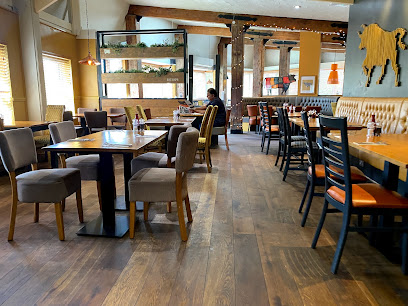
T Bones
8.9 km
Rustic British dining with hearty portions and warm service at a charming farm location in Pontrhydyfen, Port Talbot.
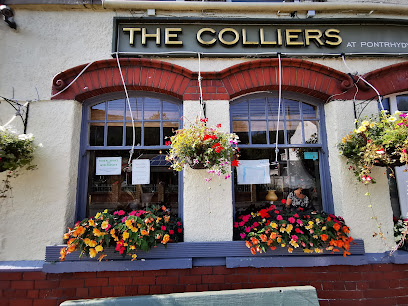
The Colliers Arms
9.1 km
Discover the charm of The Colliers Arms – where delicious food meets friendly faces in Port Talbot's welcoming atmosphere.
1832
10.1 km
A distinguished British restaurant and cocktail bar offering exquisite fish dishes and scenic harbour views on Porthcawl’s Eastern Promenade.
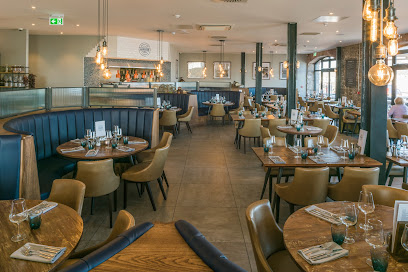
The Welsh House
12.3 km
Experience authentic Welsh flavors and warm hospitality in a cozy Neath setting with a charming beer garden and locally sourced dishes.
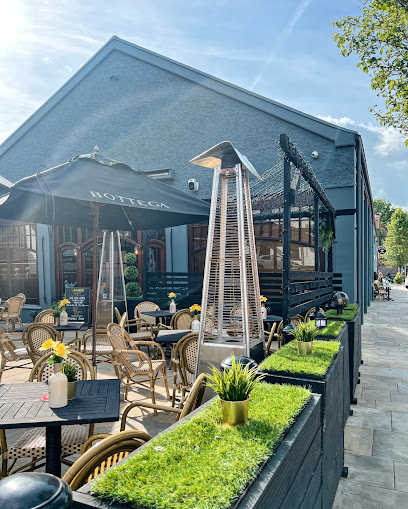
Llangeinor Arms
12.4 km
Authentic Welsh gastropub serving hearty home-cooked meals and local craft beers in a warm, welcoming setting in Bettws, Mid Glamorgan.
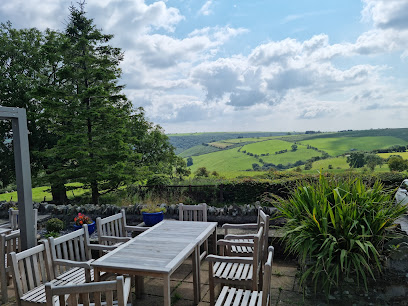
Harvester Llandarcy Neath
12.5 km
A family-friendly British bar & grill near the M4, offering hearty meals, a free salad bar, and casual dining in Neath’s Llandarcy.
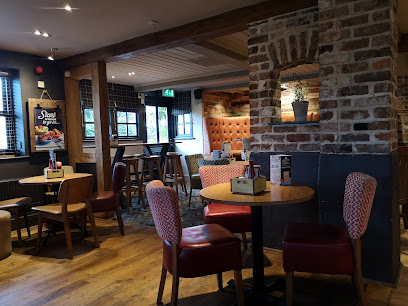
The Travellers Well
13.7 km
Cozy pub in Skewen offering great food, live music, and a friendly atmosphere for casual dining and special events.
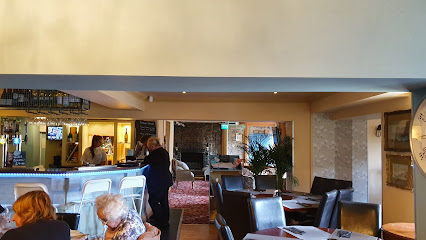
The Coach House
14.4 km
Historic charm and scenic gardens combine at The Coach House, Neath’s premier wedding venue and steakhouse restaurant.
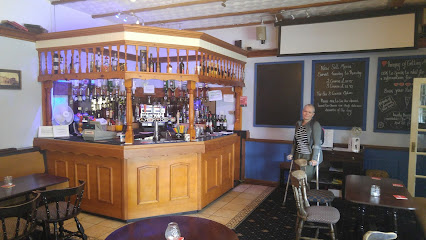
Three Golden Cups - Pub | Dining | Campsite
14.9 km
A cosy coastal pub with fresh dining and a spacious campsite, perfect for exploring Southerndown’s stunning bay and countryside.
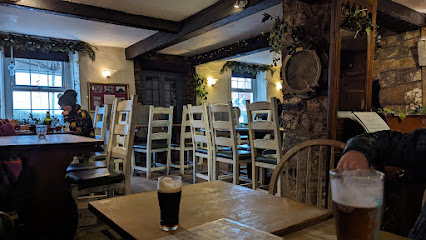
Frolics
14.9 km
Coastal charm meets exquisite European cuisine at Frolics, Southerndown’s beloved family-run restaurant known for fresh flavors and warm hospitality.
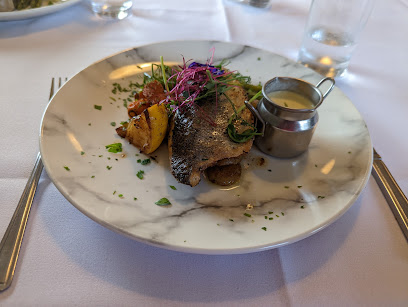
The River House
15.3 km
Scenic waterfront dining with seasonal modern European cuisine and award-winning cocktails in Swansea’s vibrant SA1 district.
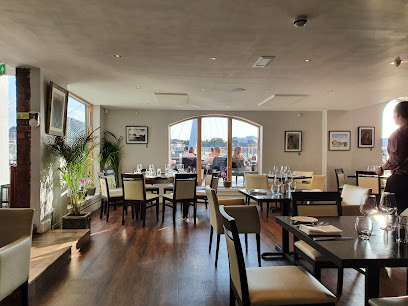
Markets, malls and hidden boutiques

Maple
9.6 km
Discover handmade luxury chocolates and unique gifts in the heart of Porthcawl’s charming John Street at Maple.
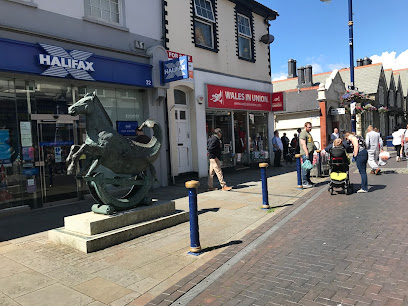
The Welsh Gift & Craft Shop Porthcawl
9.8 km
Authentic Welsh crafts and unique souvenirs in the heart of Porthcawl’s charming coastal town.
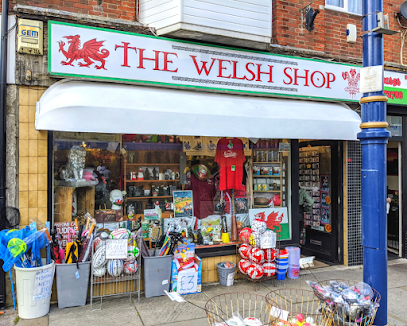
The Gift Company
11.2 km
Discover unique gifts and home furnishings with a family touch at The Gift Company in Bridgend’s Designer Outlet.

The Works
12.2 km
Explore The Works in Neath for a unique shopping experience filled with books, art supplies, and delightful gifts for all ages.
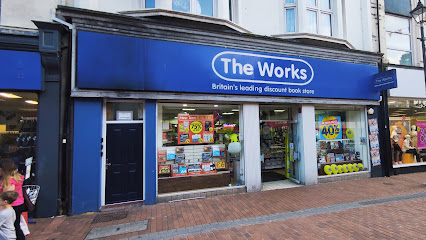
Zoar's Ark Pet Superstore
12.5 km
Family-run since 1949, Zoar's Ark Pet Superstore offers expert pet care, equestrian supplies, and country living essentials in a welcoming Neath setting.
Lush and Tidy
12.7 km
Explore Lush and Tidy, a charming gift shop in Skewen offering unique treasures and local artistry for every traveler.
C & C Stores
13.0 km
A welcoming family-run supermarket in Skewen offering fresh local products and everyday essentials with friendly service.
Welcome Stores - Skewen
13.5 km
Discover Skewen’s friendly local supermarket offering fresh essentials, Welsh treats, and a welcoming community atmosphere.
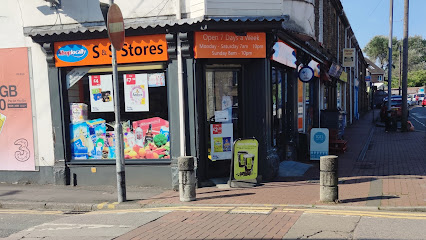
S & S Stores Skewen
13.6 km
A welcoming local supermarket in Skewen offering groceries, confectionery, and soft drinks with friendly service and convenient hours.
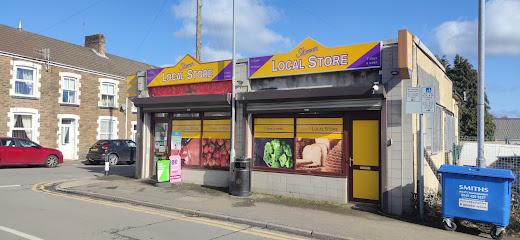
Skewen Local Store
13.6 km
Experience local shopping at Skewen Local Store, where fresh produce meets friendly service, perfect for all your grocery needs during your visit.
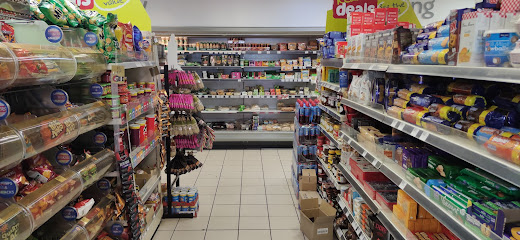
SPAR - Park Avenue
14.2 km
Discover convenience at SPAR - Park Avenue, your essential stop for snacks, local products, and travel supplies in Port Talbot.
The Aloe Shop
14.7 km
Natural wellness products and organic beauty essentials in Swansea's Birchgrove neighborhood.
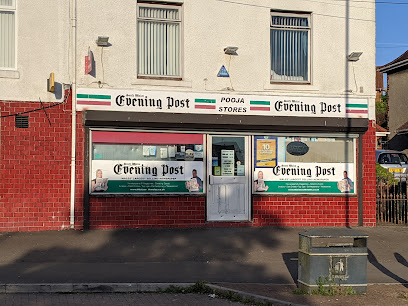
Pooja Stores
14.9 km
Discover the charm of Pooja Stores in Birchgrove, Swansea - your go-to convenience store for quick shopping and local flavors.
The Range
15.0 km
A spacious and affordable homewares and leisure store in Swansea offering everything from furniture to crafts and garden supplies.

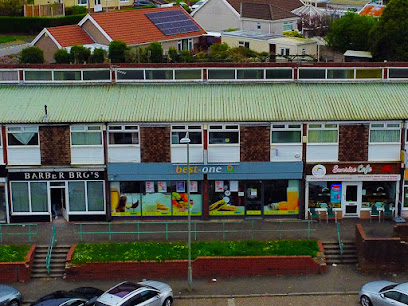
Best-one Convenience Store
15.1 km
Discover the Best-one Convenience Store in Swansea - your go-to spot for local snacks and essentials while exploring the area.
Essential bars & hidden hideouts

The Tyn
7.7 km
A charming Baglan pub blending Welsh hospitality, local ales, and lively events in a cozy setting with a popular beer garden.
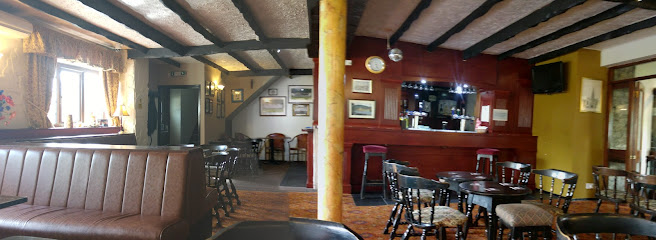
The Pennsylvania
11.5 km
A welcoming traditional pub on Briton Ferry Road, The Pennsylvania offers a classic Welsh community gathering spot with a friendly and relaxed atmosphere.
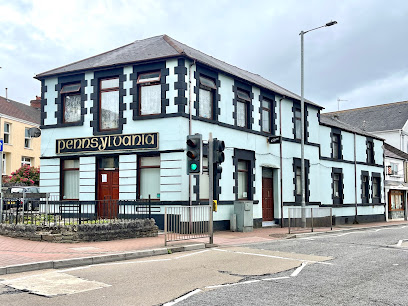
Tafarn Tawe
12.0 km
Lively and welcoming bar at Swansea University Bay Campus, perfect for drinks, events, and socializing in a vibrant student atmosphere.
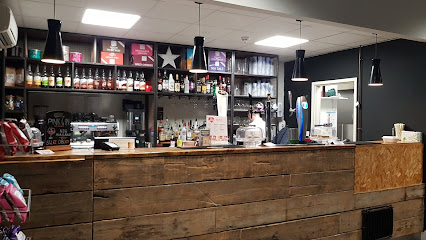
The Little Bar On The Bridge
12.1 km
A charming, intimate craft beer bar on Bridgend’s Old Stone Bridge, offering quality brews and a welcoming local atmosphere.
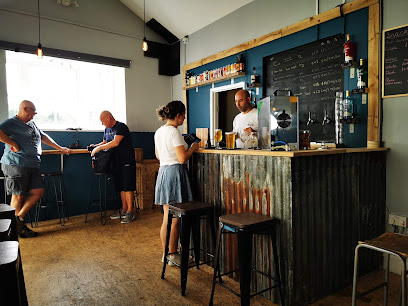
The Coach
12.8 km
Historic Bridgend brewpub blending 19th-century charm with modern craft beers, lively events, and a welcoming community vibe.
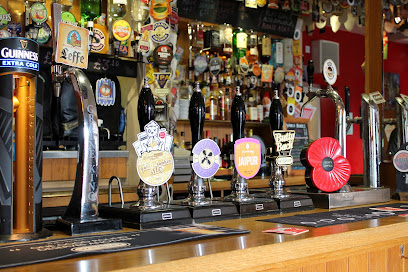
Bowens Arms
14.4 km
A friendly and affordable pub in Birchgrove offering hearty meals, quality ales, and a welcoming local atmosphere in Swansea.
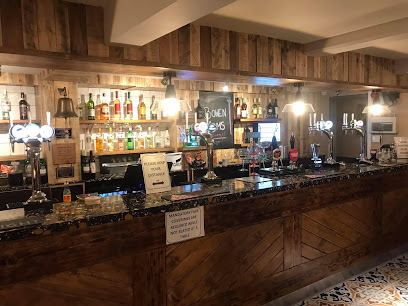
BeerRiff Brewing co
15.1 km
Discover innovative craft beers and vibrant community spirit at BeerRiff Brewing Co, Swansea’s waterside brewery and taproom.
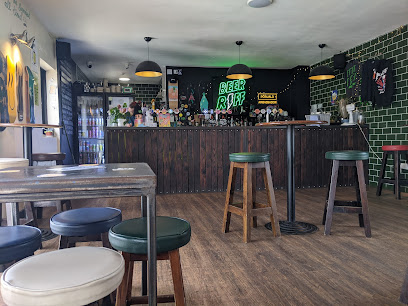
The Bridgend Inn
15.4 km
A traditional Swansea pub offering hearty fare, friendly vibes, and a lively social scene in Birchgrove.
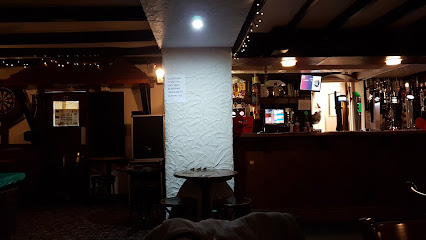
Pump House
15.4 km
Classic British pub fare and refreshing drinks with stunning views of Swansea Marina in a lively, dog-friendly setting.
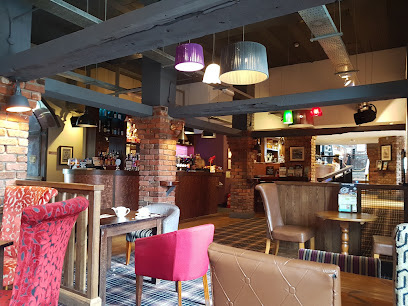
The Ship Inn
15.5 km
Experience authentic Welsh hospitality and hearty local ales in the cozy, welcoming atmosphere of The Ship Inn in Swansea.
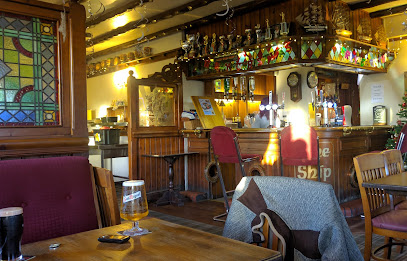
Peppermint
15.7 km
Sophisticated cocktails, vibrant nightlife, and exclusive VIP lounges in the heart of Swansea’s city centre.
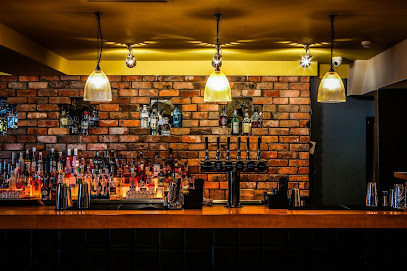
Bambu Beach Bar
15.7 km
Experience Swansea’s vibrant Latin tiki nightlife with tropical cocktails, rooftop dancing, and unforgettable party vibes at Bambu Beach Bar.
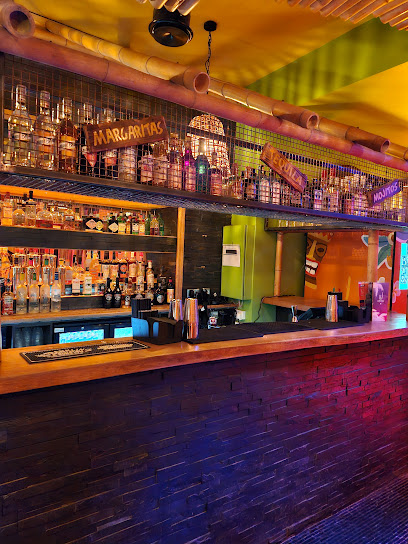
The Dyffryn Arms
15.8 km
A classic Welsh pub in Neath offering hearty meals, warm hospitality, and a welcoming atmosphere for locals and visitors alike.
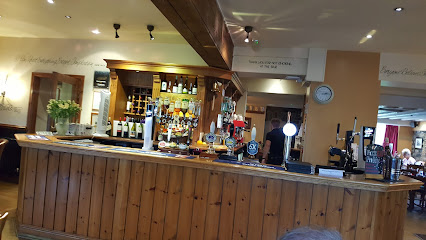
No Sign Wine Bar
15.8 km
A cozy, character-rich Swansea pub blending real ales, live music, and acclaimed Sunday lunches in the heart of Wind Street.
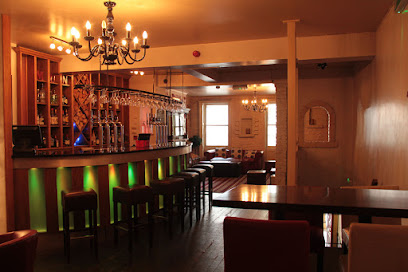
The Perch
15.8 km
Experience Swansea’s energetic live music scene and rustic charm at The Perch, Wind Street’s vibrant bar with cocktails and great vibes.
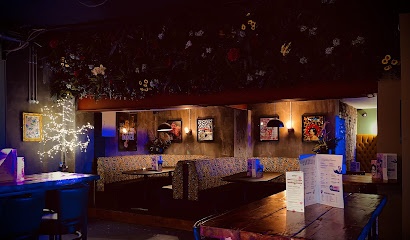
Nightclubs & after hour spots

Jimmy's Bar
4.8 km
Experience the vibrant nightlife and live music scene at Jimmy's Bar, Port Talbot’s lively local hotspot with a welcoming atmosphere.
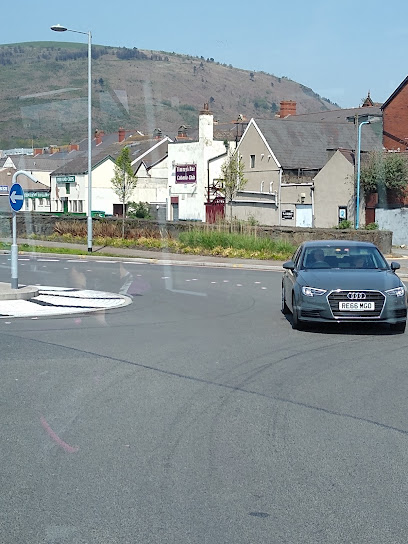
The Top Club
12.0 km
Experience Blaengarw’s vibrant nightlife at The Top Club, where electrifying entertainment meets community spirit in the heart of South Wales.
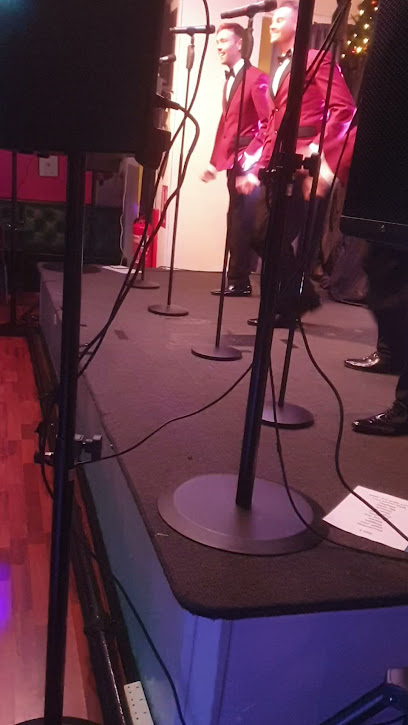
The Arch Bar & Nightclub
12.2 km
A lively Neath hotspot blending nightclub energy, live music, pub charm, and Thai cuisine in one vibrant venue.
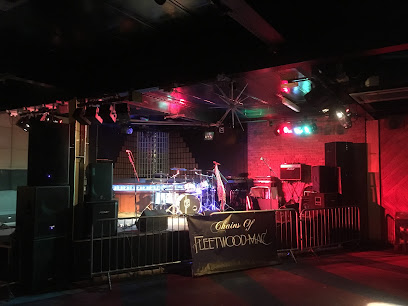
Popworld - Swansea
15.8 km
Experience Swansea’s energetic retro nightclub with affordable cocktails, themed events, and a lively dance floor in the heart of the city.

PlanB
16.3 km
Swansea’s energetic two-floor nightclub with a focus on dance music, lively DJs, and great drink deals for a night to remember.

Cuba Escape
16.3 km
Experience Swansea’s vibrant nightlife at Cuba Escape, where live music, energetic crowds, and a colorful atmosphere come together for unforgettable nights.

Sin City
16.4 km
Energetic Swansea nightclub with live music, affordable drinks, and a lively atmosphere on Dillwyn Street.
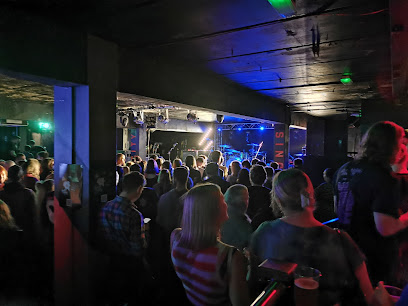
Squares Night club
22.9 km
Experience Porth’s vibrant nightlife at Squares Nightclub, where music, dance, and unforgettable evenings come alive every weekend.
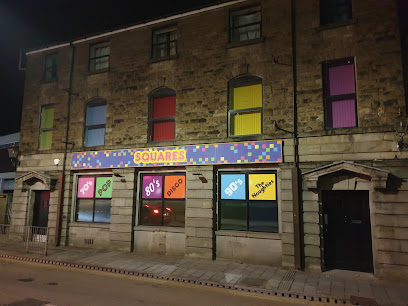
The Rainbow Rooms Bar & Club
24.0 km
Experience lively nights and vibrant music at The Rainbow Rooms Bar & Club, Gorseinon’s premier destination for unforgettable nightlife.
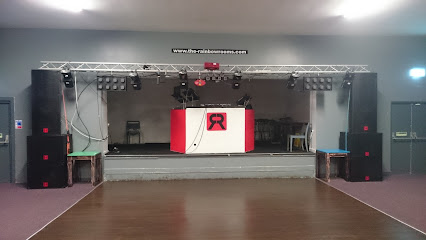
Eclipse Nightclub
27.9 km
Experience Pontypridd’s vibrant midweek nightlife at Eclipse Nightclub, where music, dancing, and community come alive every Wednesday night.
The Kirkhouse Nightclub (Koolers)
31.5 km
Experience the vibrant and friendly nightlife of Merthyr Tydfil at The Kirkhouse Nightclub, known locally as Koolers.

Pure Bar & Nightclub Ltd
31.8 km
A lively nightclub and cocktail bar in Merthyr Tydfil offering vibrant music, crafted drinks, and late-night entertainment in South Wales.
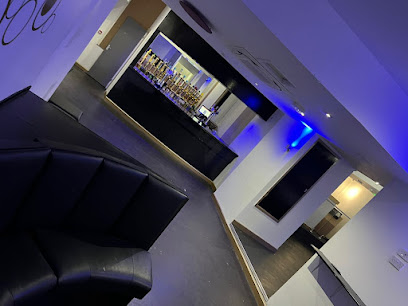
Coco Cubanas
36.0 km
Experience the vibrant weekend nightlife and energetic dance scene at Coco Cubanas, Barry’s premier late-night club on Broad Street.
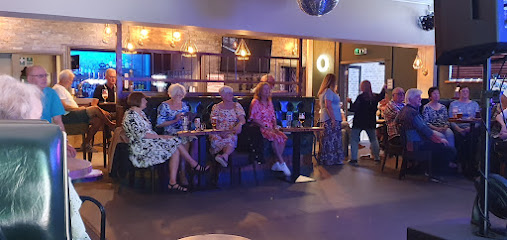
Bar Cocoa
36.0 km
Experience Barry’s vibrant weekend nightlife at Bar Cocoa, a lively nightclub where music and dancing keep the party going until the early morning.
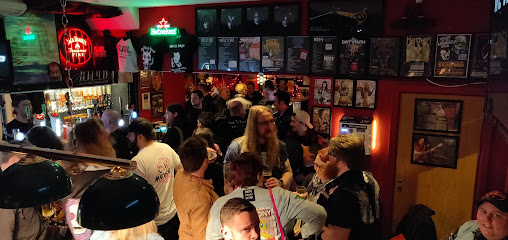
Fuel Rock Club
39.1 km
Cardiff's unyielding rock fortress on Womanby Street: live metal mayhem, cheap drinks, and a beer garden for the faithful.
For the vibe & atmosphere seeker
- Tranquil
- Scenic
- Unique
- Cultural Heritage
For the design and aesthetic lover
- Vintage Styles
For the architecture buff
- Historic
- Heritage Neighborhoods
For the view chaser and sunset hunter
- Iconic Views
For the social media creator & influencer
- Instagrammable
- Photo Spots
- Architectural Shots
For the eco-conscious traveler
- Protected Area
- Public-Transport Accessible
- Locally Managed
For the kind of experience you’re after
- Cultural Heritage
- Photowalk
- Day Trip
- Weekend Getaway
For how adventurous you want the journey to be
- Easy Access
Location Audience
- Family Friendly
- Senior Friendly
- Child Friendly
- Solo Friendly
- Couple Friendly


