
Ambleside Roman Fort: Guardian of Lake Windermere’s Ancient Past
Discover the evocative stone remains of Ambleside Roman Fort, a lakeside sentinel guarding ancient routes in the heart of the Lake District.
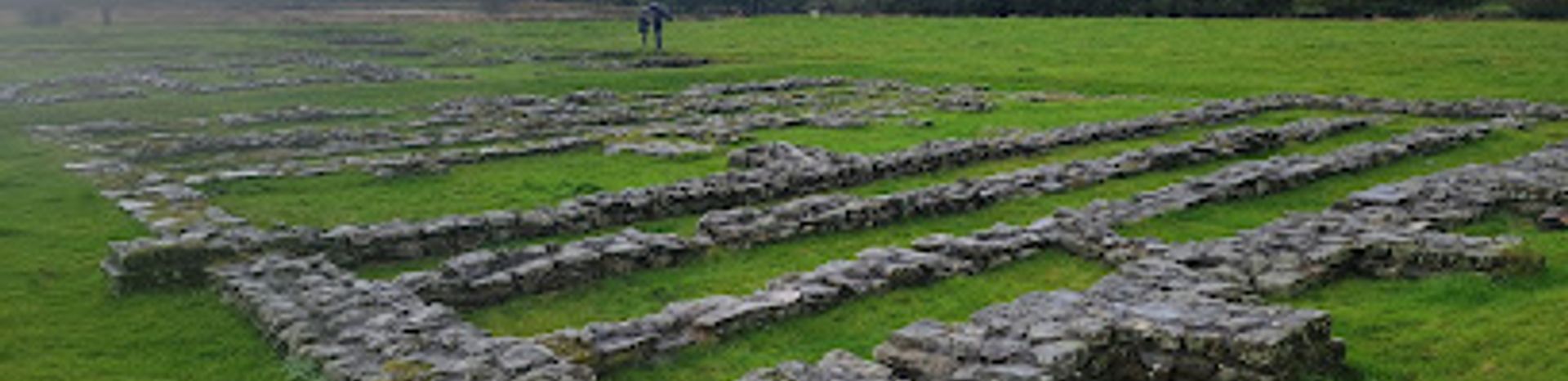
Ambleside Roman Fort, perched at the northern tip of Lake Windermere in Cumbria, is a remarkable archaeological site revealing the remains of a strategic Roman military base from the 2nd century AD. Visitors can explore well-preserved stone foundations of key buildings such as the commandant’s house and headquarters, enriched by informative interpretation panels and a free site guide. The fort’s scenic lakeside setting offers a tranquil glimpse into Roman Britain’s military presence amidst the Lake District’s natural beauty.
A brief summary to Ambleside Roman Fort
- Ambleside, LA22 0EN, GB
- +443703331181
- Visit website
- Duration: 0.5 to 1.5 hours
- Free
-
 Outdoor
- Mobile reception: 4 out of 5
- Monday 12 am-12 am
- Tuesday 12 am-12 am
- Wednesday 12 am-12 am
- Thursday 12 am-12 am
- Friday 12 am-12 am
- Saturday 12 am-12 am
- Sunday 12 am-12 am
Local tips
- Visit the Armitt Museum in Ambleside to see artefacts excavated from the fort and deepen your understanding of Roman military life.
- Wear sturdy footwear for walking the site and nearby lakeshore paths, which can be uneven and muddy in wet weather.
- Use the new accessible gate to enter the site with pushchairs or mobility scooters, enhancing access for all visitors.
- Pick up the free site guide leaflet available locally to enrich your visit with detailed historical context and site maps.
- Combine your visit with a walk around Ambleside to explore other historic sites like the 17th-century Bridge House.

For the on-the-go comforts that matter to you
- Information Boards
- Seating Areas
- Trash Bins
Getting There
-
Bus
Take the Stagecoach bus service from Windermere or Kendal to Ambleside town center, which runs frequently with a journey time of 20–40 minutes. From Ambleside, it is a 20-minute walk to the Roman Fort. Bus tickets cost approximately £3–£6 one way.
-
Car
Driving to Ambleside Roman Fort from Windermere or Kendal takes about 20–30 minutes via the A591. Parking is available in Ambleside town center, but there is no dedicated parking at the fort itself. Expect a 15–20 minute walk from parking to the site. Parking fees vary but typically range from £2 to £5 per hour.
-
Walking
For active visitors, walking from Ambleside town center to the Roman Fort takes approximately 20 minutes on mostly level, well-marked paths. Terrain can be uneven and muddy after rain, so suitable footwear is recommended. The route is accessible for pushchairs and mobility scooters via the new gate.
Ambleside Roman Fort location weather suitability
-
 Any Weather
-
 Rain / Wet Weather
-
 Clear Skies
-
 Mild Temperatures
Discover more about Ambleside Roman Fort
Strategic Stronghold on the Shores of Windermere
Ambleside Roman Fort occupies a commanding position where the Rothay and Brathay valleys meet, guarding ancient routes through the Lake District’s rugged terrain. Originally constructed in timber during the late 1st century under Governor Julius Agricola, the fort was rebuilt in stone in the early 2nd century during Hadrian’s reign. It housed a cohort of roughly 500 infantrymen, serving both as a military base and a logistical hub controlling access to the Kirkstone and Hardknott passes. This location was vital for maintaining Roman control over the mountainous frontier region of Cumbria.Archaeological Discoveries and Preservation Efforts
The visible remains today include the foundations of significant structures such as the commandant’s two-storey house, the headquarters building with offices and a strong room beneath a small temple, and a large granary. Excavations in the early 20th century, led by RG Collingwood and supported by the National Trust, uncovered thousands of artefacts including pottery, leatherwork, metal items, and lead bullets. Conservation work in recent years has stabilized over 175 metres of exposed stone walls with lime mortar, protecting the site’s fragile remains. Ground-penetrating radar has also revealed traces of the earlier wooden fort beneath the stone one.A Window into Roman Military Life
Interpretation panels and a detailed free site guide provide insights into the daily life of Roman soldiers stationed here, the fort's architectural layout, and its strategic importance. The site’s proximity to the Armitt Museum in Ambleside allows visitors to view many artefacts recovered from the fort, enriching understanding of its historical context. The fort’s history extends beyond its military function, touching on local heritage and the evolving landscape of Ambleside through the centuries.Natural Beauty Meets Ancient Heritage
Set against the stunning backdrop of Lake Windermere and surrounded by ancient woodlands and lofty peaks, the fort offers a peaceful environment for exploration. The lakeshore paths nearby invite gentle walks with spectacular views, blending cultural heritage with the Lake District’s renowned natural scenery. Accessibility improvements, including a new gate for pushchairs and mobility scooters, ensure that more visitors can experience this unique site.Community and Conservation
The fort’s preservation owes much to local volunteers, archaeologists, and conservation builders who have worked tirelessly to maintain the site. The National Trust and South Lakeland District Council collaborate to balance public access with protecting the fort’s delicate remains. Donations and community support continue to play a vital role in safeguarding this link to Britain’s Roman past for future generations.Exploring Ambleside’s Rich Heritage
Ambleside itself is steeped in history, with the Roman Fort as a cornerstone of its heritage. Nearby attractions include the 17th-century Bridge House and the Armitt Museum, which houses collections related to local history and Beatrix Potter. The fort enriches the cultural tapestry of the Lake District, offering visitors a compelling glimpse into the region’s ancient military and social landscape.Iconic landmarks you can’t miss

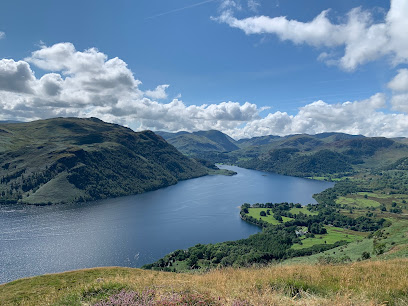
National Trust - Aira Force and Ullswater
17.3 km
Experience breathtaking beauty at Aira Force and Ullswater, the crown jewel of the Lake District, with cascading waterfalls and stunning landscapes.
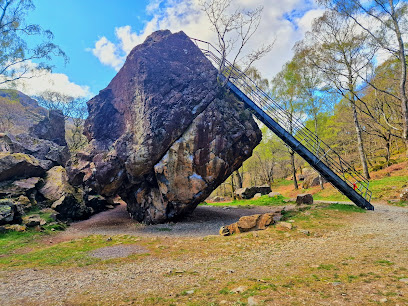
Bowder Stone
17.5 km
Experience the awe-inspiring Bowder Stone in the Lake District, a stunning natural attraction perfect for outdoor enthusiasts and nature lovers alike.
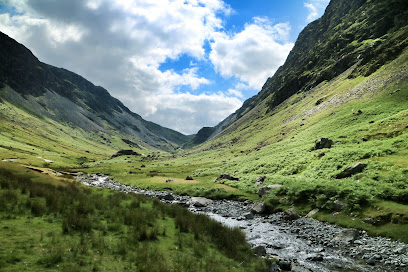
Honister Slate Mine
17.9 km
Explore the thrilling adventures at Honister Slate Mine, where outdoor activities meet rich slate mining heritage in the stunning Lake District.
Lodore Falls
18.6 km
Experience the breathtaking beauty of Lodore Falls, a stunning waterfall in Keswick, where nature's splendor awaits every visitor.
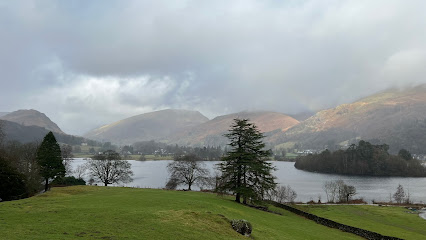
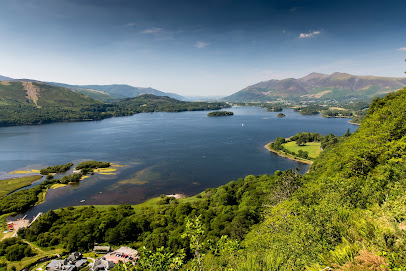
Surprise View
18.7 km
Explore the breathtaking panoramic views of Surprise View in the Lake District, an ultimate destination for nature lovers and outdoor enthusiasts.
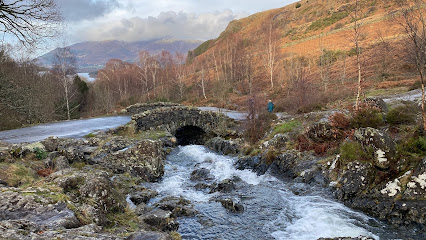
Ashness Bridge
19.2 km
Explore Ashness Bridge, a picturesque stone bridge in the Lake District that offers stunning views and access to beautiful hiking trails.
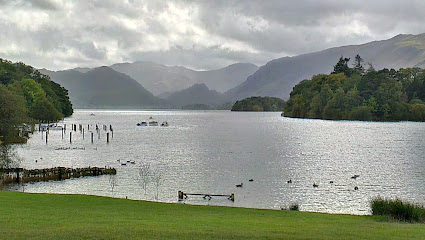
Lake District National Park Authority
19.5 km
Discover the breathtaking beauty of Lake District National Park, a treasure trove of stunning landscapes, rich history, and outdoor adventures waiting for you.
Eskdale Mill
19.7 km
Experience the rich history and stunning landscapes at Eskdale Mill, a heritage museum nestled in the heart of the Lake District.
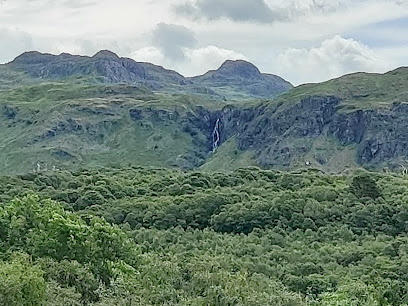
National Trust - Sizergh
20.0 km
Discover the enchanting Sizergh Manor, a historical gem in the Lake District with beautiful gardens and rich heritage.
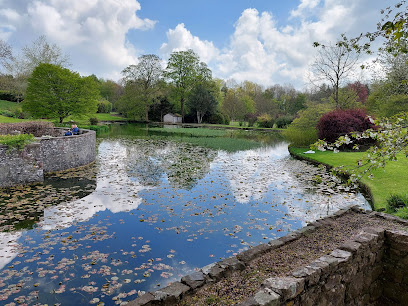
Stanley Ghyll Waterfall
20.1 km
Experience the breathtaking beauty of Stanley Ghyll Waterfall in Eskdale, a must-visit natural wonder in the Lake District National Park.
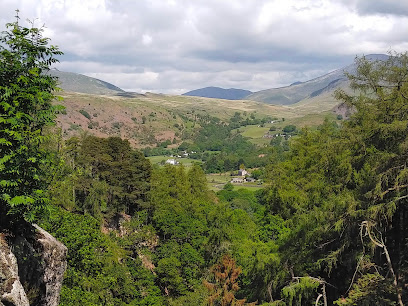
Friars Crag
21.7 km
Explore the natural beauty of Friars Crag, a stunning lakeside attraction in Keswick, perfect for hiking, photography, and peaceful retreats in the Lake District.
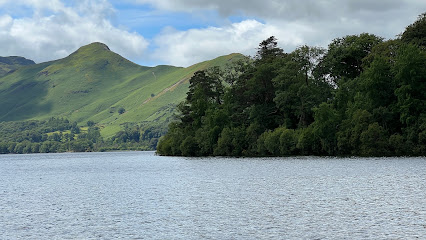
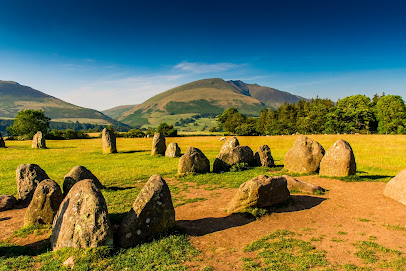
Castlerigg Stone Circle
21.7 km
Explore the ancient Castlerigg Stone Circle in the heart of the Lake District, a historical landmark surrounded by breathtaking landscapes and rich heritage.
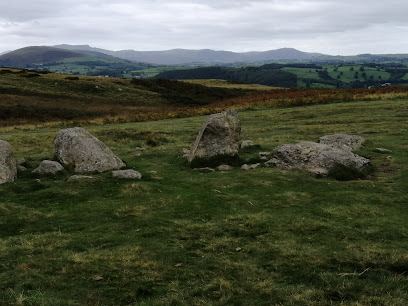
The Cockpit Stone Circle
21.8 km
Explore The Cockpit Stone Circle, an ancient historical site near Penrith, where history and natural beauty converge in a tranquil setting.
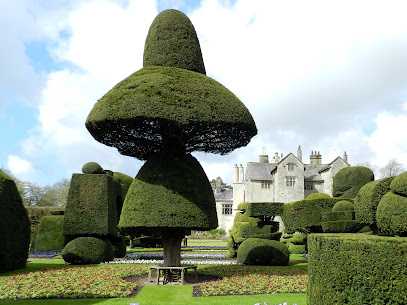
Levens Hall
22.0 km
Explore the enchanting gardens and rich history of Levens Hall, a stunning landmark in Kendal, perfect for nature lovers and history enthusiasts alike.
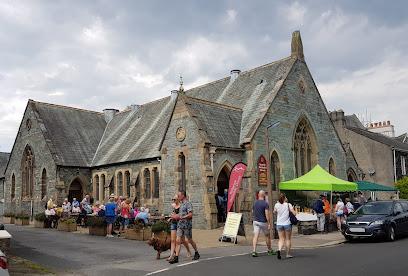
Keswick Methodist Church
22.5 km
Explore the serenity and community spirit at Keswick Methodist Church, a historical landmark in the heart of Keswick, perfect for quiet reflection and local events.
Unmissable attractions to see

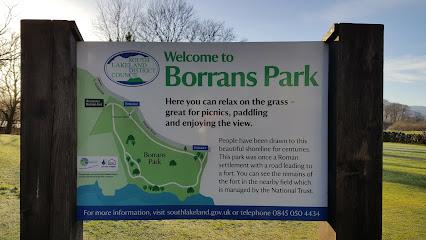
Borrans Park
0.2 km
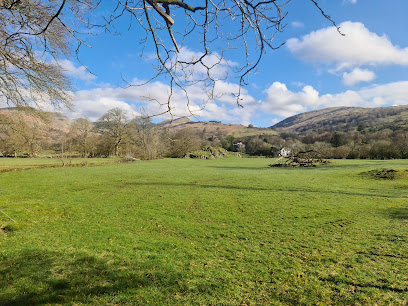
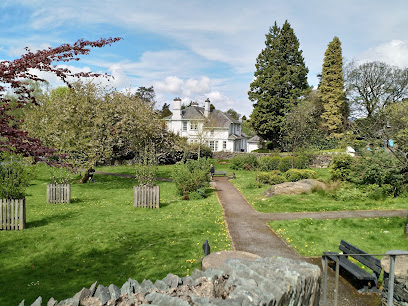
Discover tranquil lakeside green space with stunning views and explore the ancient Roman fort ruins that reveal Ambleside’s rich heritage.
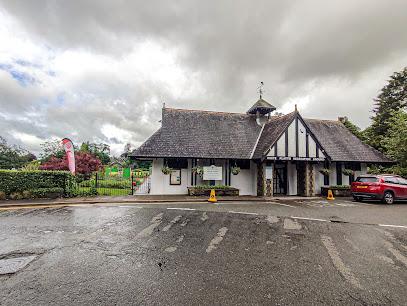
White Platts Recreation Ground
0.9 km
A vibrant central park in Ambleside offering mini golf, tennis, bowling, and family-friendly play areas amid scenic Lake District surroundings.
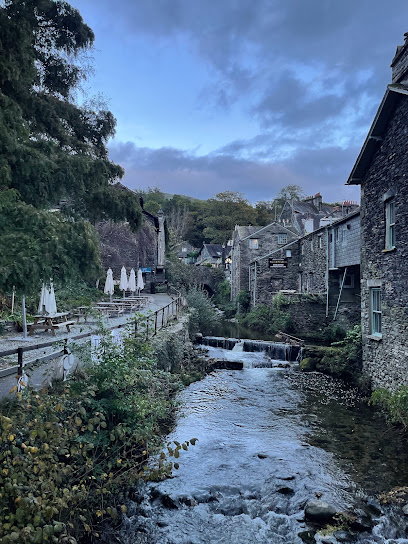
Ambleside Town Centre
0.9 km
Ambleside Town Centre: A vibrant market hub at Lake Windermere’s edge, blending heritage, nature, and local charm.
National Trust - Stagshaw Gardens
1.0 km
Discover the tranquil woodland beauty of Stagshaw Gardens, where vibrant spring blooms meet stunning views over Windermere.
Rothay Park
1.0 km
A serene and scenic green space in Ambleside’s heart, perfect for family outings, riverside walks, and peaceful Lake District escapes.
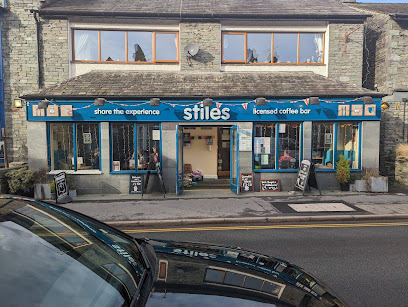
RockShop
1.2 km
Discover gemstones, fossils, and dinosaur-themed fun at RockShop Ambleside, a family-friendly indoor treasure trove in the Lake District.
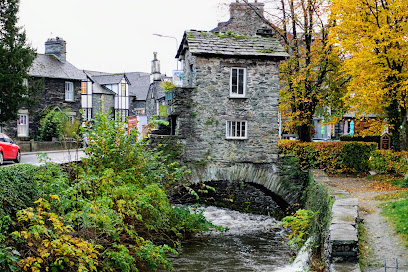
The Bridge House
1.2 km
A charming 17th-century house perched over a beck, embodying Ambleside’s rich history and artistic heritage.
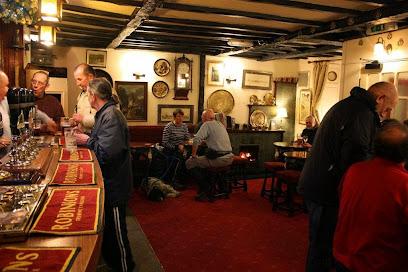
Golden Rule
1.3 km
Experience traditional British hospitality at The Golden Rule in Ambleside, where local ales and hearty pub fare meet scenic beauty.
Armitt Library & Museum Centre
1.4 km
Discover the rich cultural heritage of Ambleside and the Lake District at The Armitt, a unique museum, gallery, and library founded in 1912.
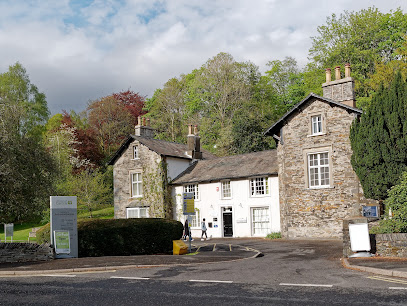
Stepping Stones
2.2 km
A tranquil riverside retreat under Loughrigg near Ambleside, blending scenic beauty with cozy comfort in the heart of the Lake District.
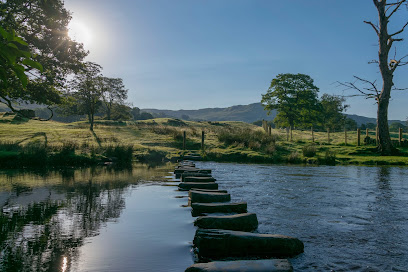
National Trust - Wray
2.4 km
Explore the enchanting Gothic Revival Wray Castle grounds and lakeside trails on Windermere’s west shore, a serene Lake District retreat.
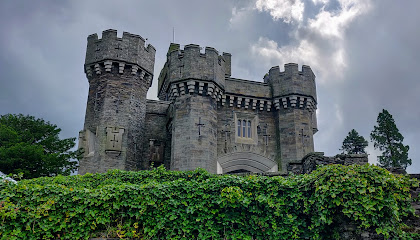
Rydal Cave
2.9 km
Explore the atmospheric man-made Rydal Cave, a historic slate quarry nestled beside tranquil Rydal Water in the scenic English Lake District.
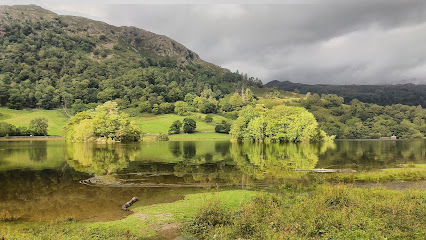
Brockhole on Windermere
2.9 km
Explore 30 acres of lakeside gardens, thrilling activities, and family fun at Brockhole, the Lake District’s flagship visitor centre on Windermere.
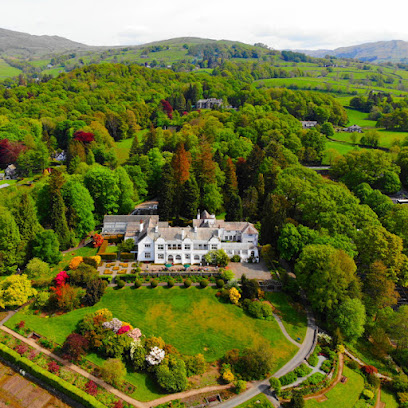
Zip World Windermere
3.0 km
Experience thrilling treetop adventures and breathtaking Lake District views at Zip World Windermere, the ultimate outdoor family activity hub.
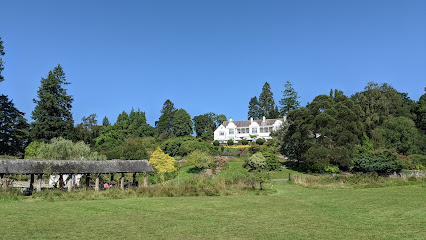
Rydal Mount and Gardens
3.1 km
Explore William Wordsworth’s cherished home and gardens, where poetry, nature, and history intertwine amidst stunning Lake District views.
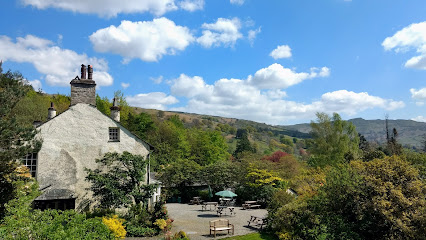
Essential places to dine

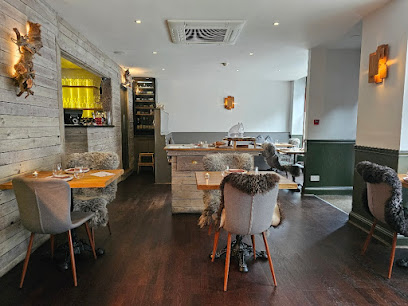
Lake Road Kitchen
1.0 km
An intimate Michelin-starred restaurant in Ambleside blending Nordic flair with Lake District’s finest local produce.
Lucy's on a plate
1.0 km
A vibrant English bistro in Ambleside blending local flavors with eclectic style and a welcoming atmosphere.
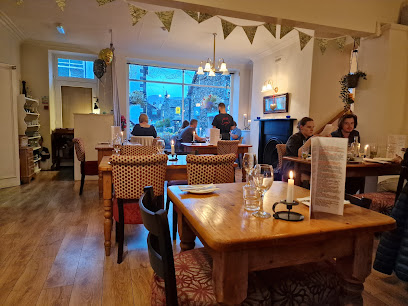
The Priest Hole Restaurant
1.0 km
Historic charm meets hearty British cuisine in the heart of Ambleside, with locally sourced dishes and a welcoming atmosphere.
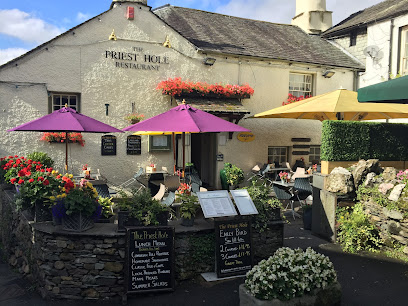
The Old Stamp House Restaurant
1.0 km
Experience a Michelin-starred culinary journey through Cumbria’s rich heritage in the historic heart of Ambleside.
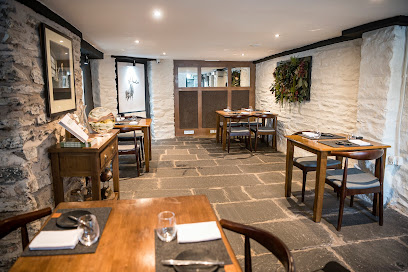
Dodds Restaurant
1.2 km
Authentic Italian and modern European cuisine served with warmth in the heart of Ambleside’s scenic Lake District.
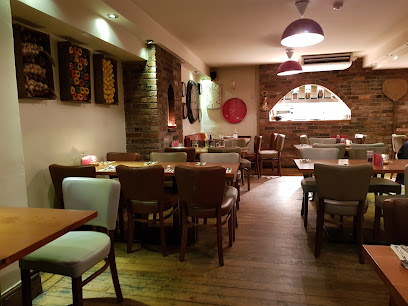
The Samling Hotel
1.4 km
Exclusive boutique hotel perched above Lake Windermere, blending Michelin-star dining, elegant suites, and breathtaking panoramic views.
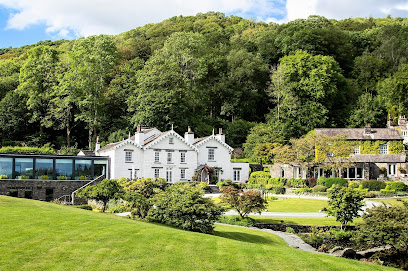
Blue Smoke on the Bay
1.9 km
Experience exquisite wood-fired cuisine with stunning Lake Windermere views at Blue Smoke on the Bay, Low Wood Bay's stylish lakeside restaurant.
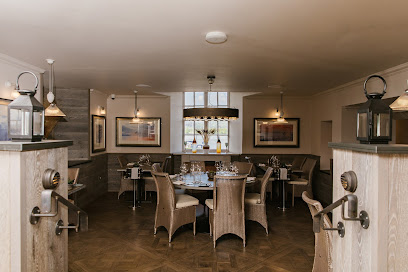
Windermere Restaurant (The W)
1.9 km
Seasonal British and continental cuisine with stunning panoramic views over Lake Windermere at Low Wood Bay Resort & Spa.
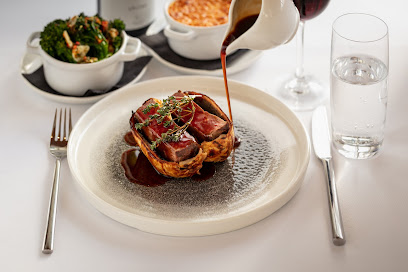
The Gaddum
3.0 km
Elegant dining and refined afternoon tea in a historic Arts and Crafts setting overlooking Brockhole's gardens on Windermere.
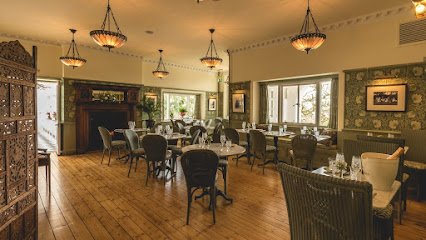
Drunken Duck Inn & Barngates Brewery
3.0 km
A charming Lake District inn blending hearty cuisine, on-site brewed ales, and cozy accommodation in a rustic country setting.

Stove Restaurant & Bar
4.9 km
Relaxed dining with wood-fired pizzas and seasonal dishes in the heart of the Lake District’s Great Langdale.
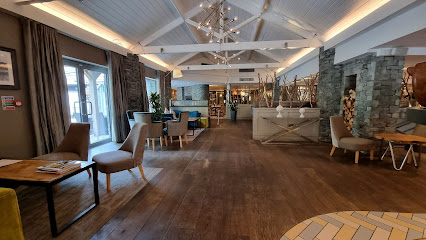
The Jumble Room
5.5 km
Vibrant bohemian restaurant in Grasmere serving creative international dishes with local Cumbrian produce in a lively, eclectic setting.
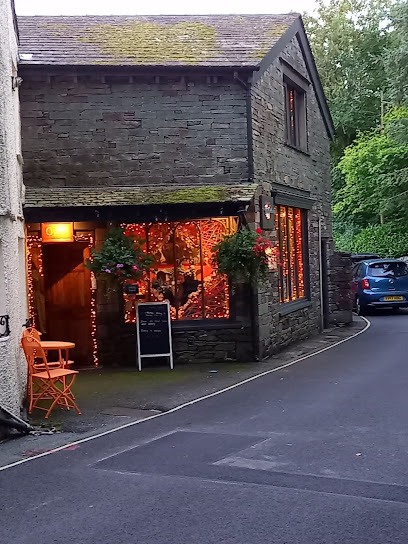
Applegarth Villa & Restaurant
6.2 km
A refined country house hotel and bistro-style restaurant in Windermere, offering elegant rooms, excellent food, and warm family-run hospitality with views of the Lake District fells.
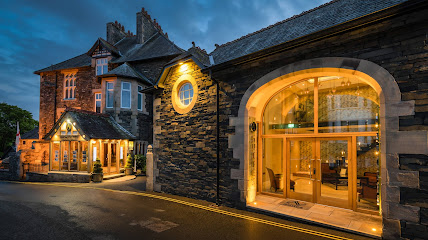
The Tilly Bar and Kitchen
6.3 km
Casual British dining and drinks in the heart of Windermere village, featuring fresh homemade dishes and a welcoming dog-friendly atmosphere.
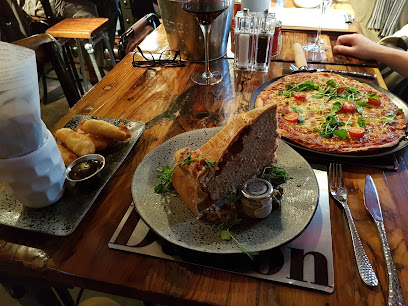
Hooked Seafood
6.4 km
Fresh, seasonal seafood served with warmth and elegance in the heart of Windermere’s charming Ellerthwaite Square.
Markets, malls and hidden boutiques

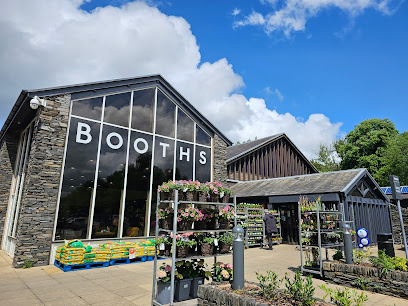
Booths, Windermere
6.3 km
Explore Booths Windermere: a premier supermarket and café blending local flavors, quality produce, and community spirit in a historic setting.
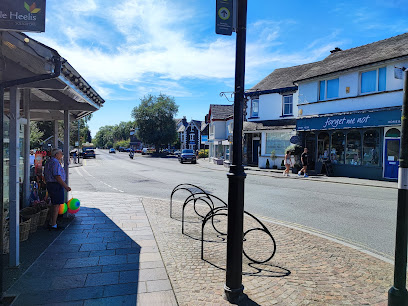
Forget Me Not
6.4 km
Discover unique gifts and local treasures at Forget Me Not, Windermere’s charming boutique in the heart of the Lake District.
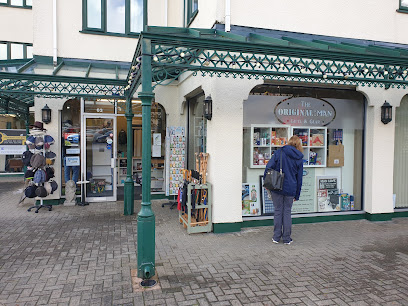
The Original Man Shop
7.1 km
A distinctive men's gift and fashion boutique offering style and charm in the heart of Bowness-on-Windermere.
Pretty Things
7.1 km
Discover stylish ladies' fashion and warm hospitality at Pretty Things, a charming boutique in the heart of Bowness-on-Windermere.
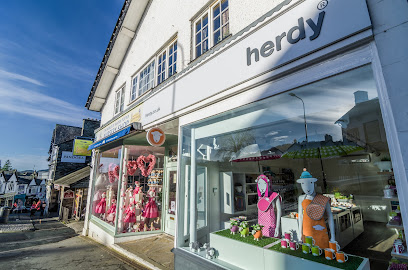
Herdy Bowness
7.1 km
Whimsical Lake District gifts celebrating the beloved Herdwick sheep with quality, character, and charm.
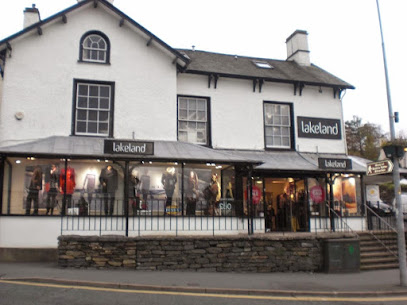
LAKELAND Leather
7.2 km
Discover handcrafted leather elegance and timeless style at Lakeland Leather in Bowness-on-Windermere, where tradition meets the Lake District spirit.
Tesco Express
7.2 km
Your convenient, friendly supermarket stop in Bowness-on-Windermere, open daily with fresh local produce and essentials for every visit.
Mountain Warehouse
7.2 km
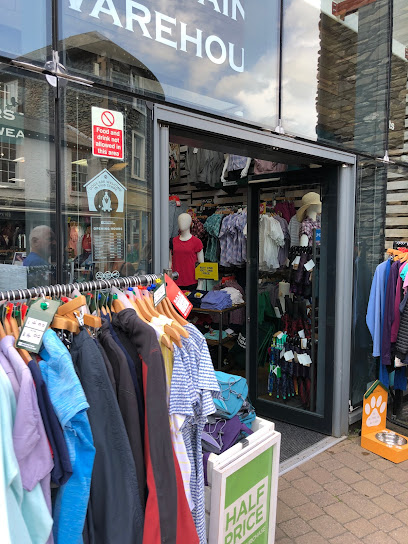
Your go-to outdoor clothing and equipment store in Bowness, offering quality gear for all your Lake District adventures.
Lonsdale Galleries
7.2 km
Discover unique Lake District gifts and local crafts in a spacious, welcoming gallery at the heart of Bowness-on-Windermere.
Love the Lakes Bowness
7.2 km
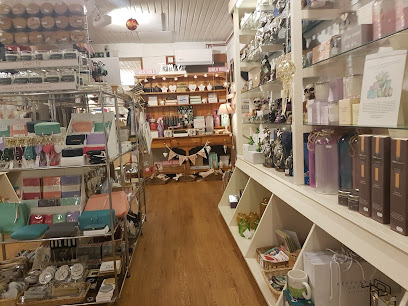
Locally crafted gifts celebrating the spirit and beauty of England's Lake District.
Sainsbury's
17.4 km
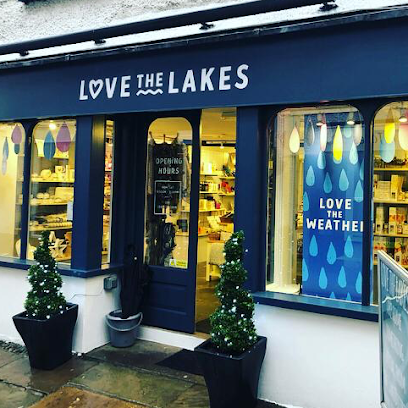
Your convenient and comprehensive supermarket destination in Kendal, offering fresh produce, bakery delights, and friendly service daily.

The Antiques Emporium
17.4 km
Explore a remarkable collection of antiques and collectibles at The Antiques Emporium in Kendal, a must-visit for history enthusiasts and treasure hunters alike.
Elephant Yard Shopping
17.7 km
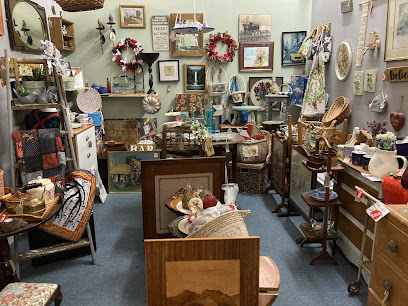
Discover modern style and local charm at Elephant Yard Shopping, Kendal’s vibrant retail and community hub.
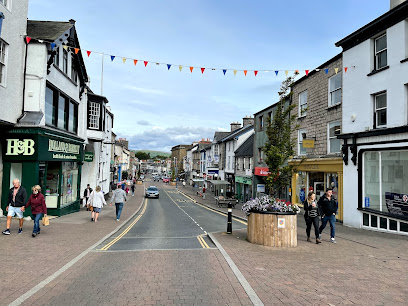
Blackhall Shopping Yard Kendal
17.7 km
Historic artisan shopping yard in Kendal's heart, home to independent specialists and local heritage.
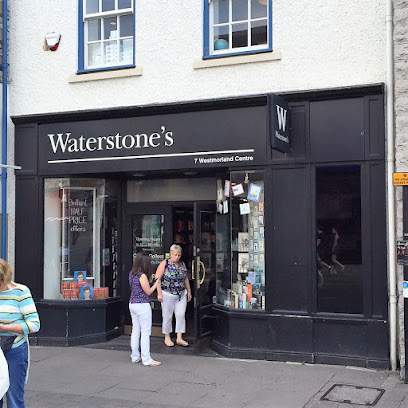
Waterstones
17.7 km
Discover a world of books and culture at Waterstones Kendal, your welcoming literary hub in the Westmorland Centre.
Essential bars & hidden hideouts

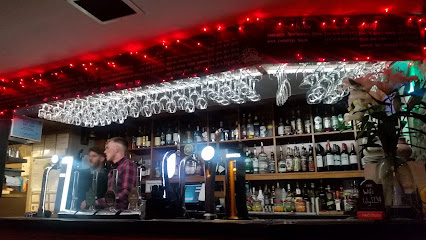
The Lily Bar
1.0 km
Ambleside’s independent bar blending rustic charm, local ales, live music, and quality dining in the heart of the Lake District.
The Vault
1.1 km
Historic charm meets fresh cocktails and tapas in Ambleside’s vibrant social hub, The Vault.
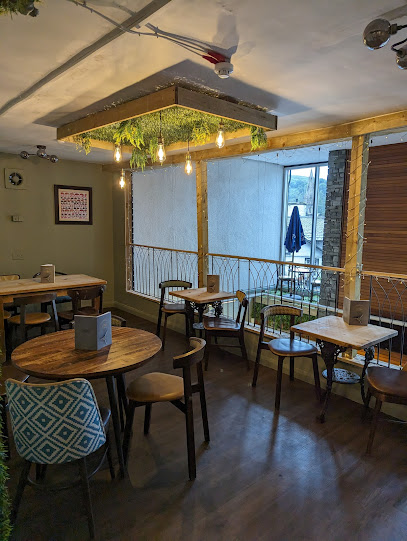
The Talbot Bar
2.9 km
Cozy Lakeland pub with hearty traditional fare, local ales, and a warm, dog-friendly atmosphere near Ambleside.
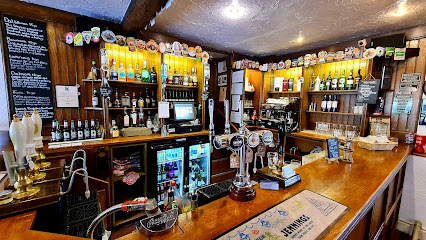
Lake District Cocktail Co.
3.9 km
Experience the art of cocktail crafting in the stunning Lake District with Lake District Cocktail Co., a mobile catering service that brings the bar to you.

Queens Head, Troutbeck
4.2 km
Historic Lake District pub and inn offering hearty fare, local ales, and cosy rooms with stunning Troutbeck Valley views.
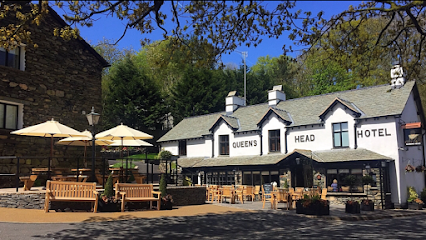
Wainwrights' Inn
5.3 km
A traditional Lakeland pub in Chapel Stile offering hearty local fare, fine ales, and a warm welcome near the Langdale Estate.
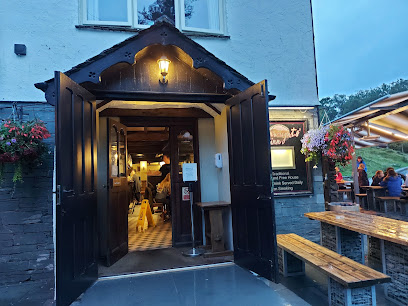
The Windermere Speakeasy
6.2 km
A cozy, versatile cocktail bar and eatery in Windermere offering creative drinks, sharing platters, and a welcoming atmosphere for all occasions.

Live Music in The Lake District The Crafty Baa Windermere Every Sun Mon Tue Wed Thu
6.3 km
A lively craft beer bar in Windermere with quirky decor, live music, and a vibrant atmosphere in the heart of the Lake District.
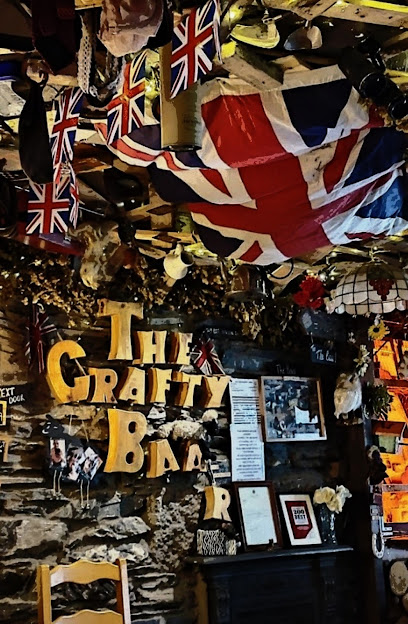
The Crafty Baa Windermere
6.3 km
A vibrant, quirky bar and tapas spot in Windermere, famed for its eclectic décor, craft drinks, and lively, welcoming atmosphere.
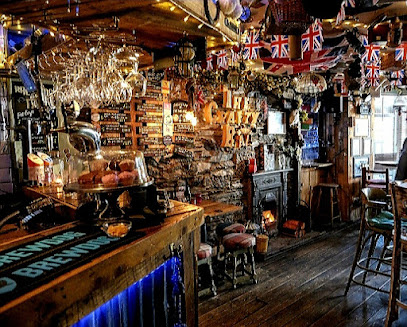
The Smallest Pub in The Lake District The Pie and Pint
6.3 km
Discover the cozy charm of The Smallest Pub in The Lake District, where craft ales meet homemade pies in Windermere’s most intimate setting.
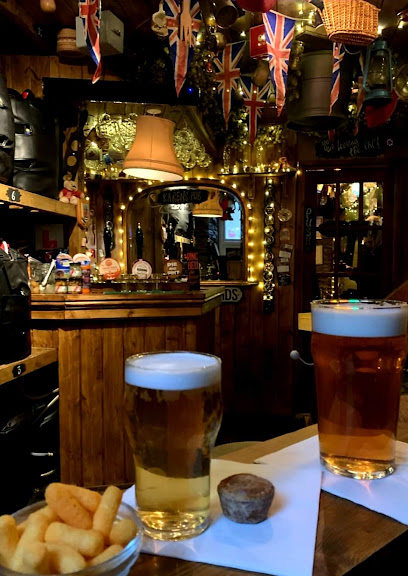
Hole in t' Wall
7.1 km
Historic Lakeland pub offering hearty food, cask ales, and a cozy atmosphere in the heart of Bowness-on-Windermere.
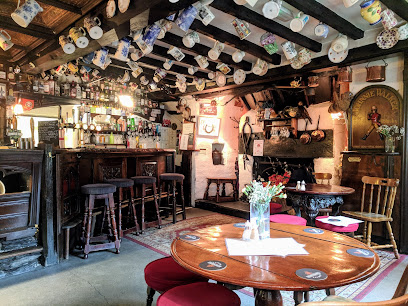
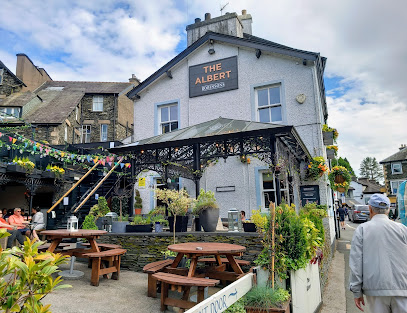
The Albert
7.1 km
A lively, traditional pub in Bowness-on-Windermere offering local ales, hearty food, and a warm, welcoming atmosphere year-round.
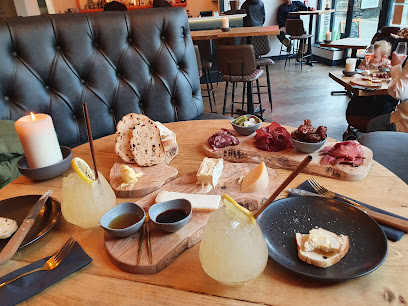
Lago
7.1 km
Lago is a lively bar in Bowness-on-Windermere known for its quality cocktails, sharing platters, and welcoming atmosphere near the heart of the Lake District.
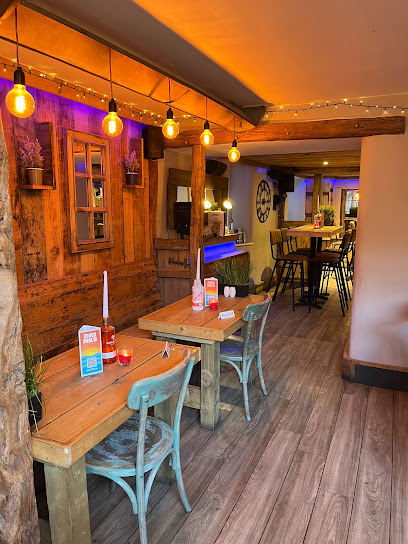
The Easy Breeze
7.1 km
A vibrant bar and restaurant blending Lakeland charm, live music, and flavorful street food in the heart of Bowness-on-Windermere.
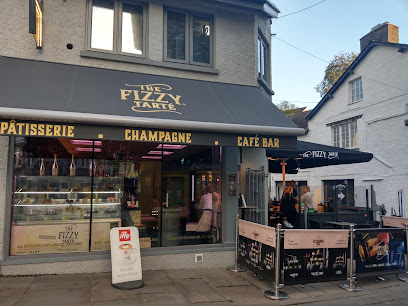
The Fizzy Tarté
7.2 km
A vibrant cocktail bar and café in Bowness-on-Windermere serving stylish drinks and fresh afternoon tea in a lively, chic setting.
Nightclubs & after hour spots

Windermere Social Club
6.6 km
A friendly and versatile social club in Windermere offering games, sports viewing, and community events in a welcoming atmosphere.
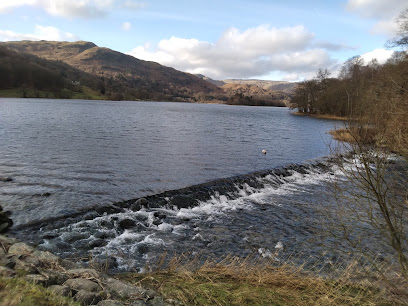
Wheelhouse Nightclub
7.3 km
Experience vibrant weekend nightlife with dynamic music, drinks, and dancing at Wheelhouse Nightclub in scenic Bowness-on-Windermere.
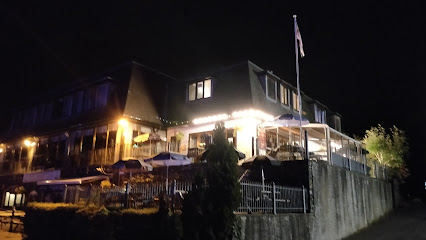
The loose moose
30.3 km
A lively and welcoming nightclub in Penrith offering cocktails, music, and community spirit in the heart of Cumbria’s Eden District.

The Lounge C9
38.2 km
Experience Barrow-in-Furness’ vibrant nightlife at The Lounge C9, where music, drinks, and community come alive every weekend.
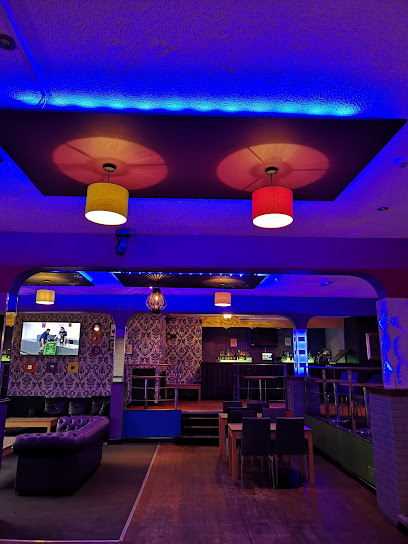
Manhattans Nightclub
38.2 km
Barrow-in-Furness’s top nightclub for themed parties, DJ nights, and vibrant late-night entertainment on Cavendish Street.

Hollywood Nightclub
38.2 km
Experience the vibrant late-night pulse of Barrow-in-Furness at Hollywood Nightclub, where music and dance light up Cavendish Street.

secret bridge
39.7 km
Experience vibrant nightlife and lively music at Secret Bridge, Milburn’s premier nightclub near Penrith in the scenic Eden District.
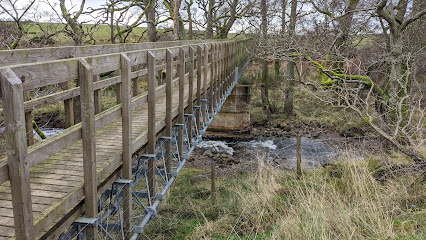
Secret Carlisle
52.2 km
Experience energetic nights and vibrant music at Secret Carlisle, the city centre nightclub where Carlisle’s historic charm meets modern nightlife.

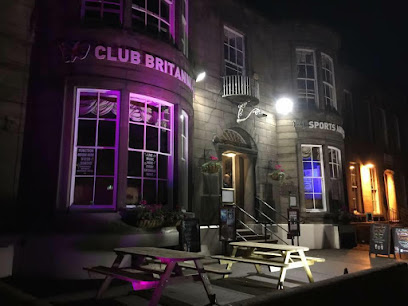
Club Britannia
52.4 km
A vibrant social club in Carlisle offering live music, friendly vibes, and affordable drinks in a smart, welcoming setting.
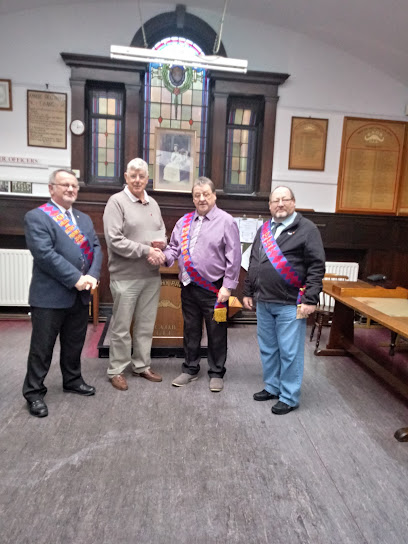
Carlisle R A O B Club
52.7 km
Historic social club in Carlisle offering lively events and a welcoming atmosphere rooted in the Royal Antediluvian Order of Buffaloes tradition.
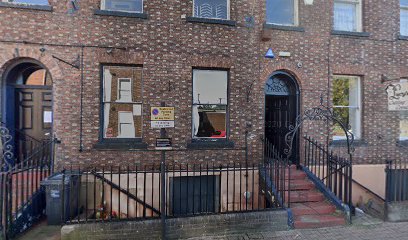
Black Box Music Institute
52.7 km
An intimate old-style nightclub and cultural hub in Carlisle offering live music, festivals, and art exhibitions in a vibrant setting.
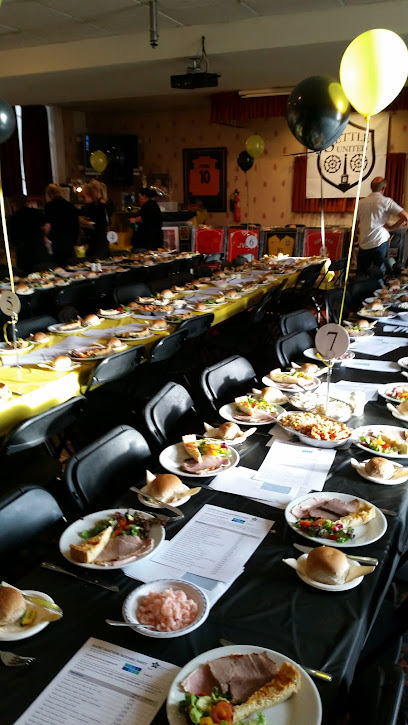
Settle Working Mens Club
59.8 km
Discover the charm of Settle Working Mens Club, a local bar offering authentic community spirit, affordable drinks, and a vibrant atmosphere in Settle.
The George Inn
60.7 km
Experience rustic charm and modern comforts at The George Inn, a delightful bar and cafe in the heart of the Yorkshire Dales.
Peek A Booze
66.9 km
Experience the vibrant nightlife at Peek A Booze, Blackpool's lively bar offering a diverse atmosphere and affordable drinks for all.
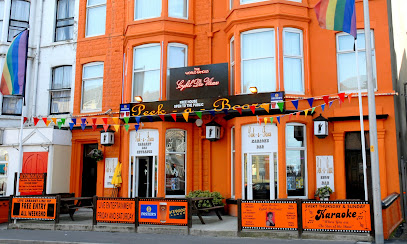
Funny Girls
67.0 km
Discover the magic of Blackpool's Funny Girls, where dazzling performances meet delightful dining in an unforgettable night out.

For the vibe & atmosphere seeker
- Tranquil
- Scenic
- Relaxing
- Cultural Heritage
- Unique
For the design and aesthetic lover
- Rustic Designs
For the architecture buff
- Historic
- Heritage Neighborhoods
For the view chaser and sunset hunter
- Iconic Views
- Waterfront
- Panoramas
For the social media creator & influencer
- Instagrammable
- Photo Spots
- Aesthetic Corners
For the eco-conscious traveler
- Protected Area
- Locally Managed
- Public-Transport Accessible
- Leave-No-Trace Critical
For the kind of experience you’re after
- Cultural Heritage
- Photowalk
- Nature Escape
- Day Trip
- Weekend Getaway
For how adventurous you want the journey to be
- Easy Access
Location Audience
- Family Friendly
- Senior Friendly
- Child Friendly
- Teen Friendly
- Wheelchair Access
- Pet Friendly
- Solo Friendly
- Couple Friendly


