

Whalebone Arch Travel Guide
Free Guide: A towering tribute on Whitby’s West Cliff, the Whalebone Arch honors the town’s daring whaling past with stunning sea views and historic resonance.


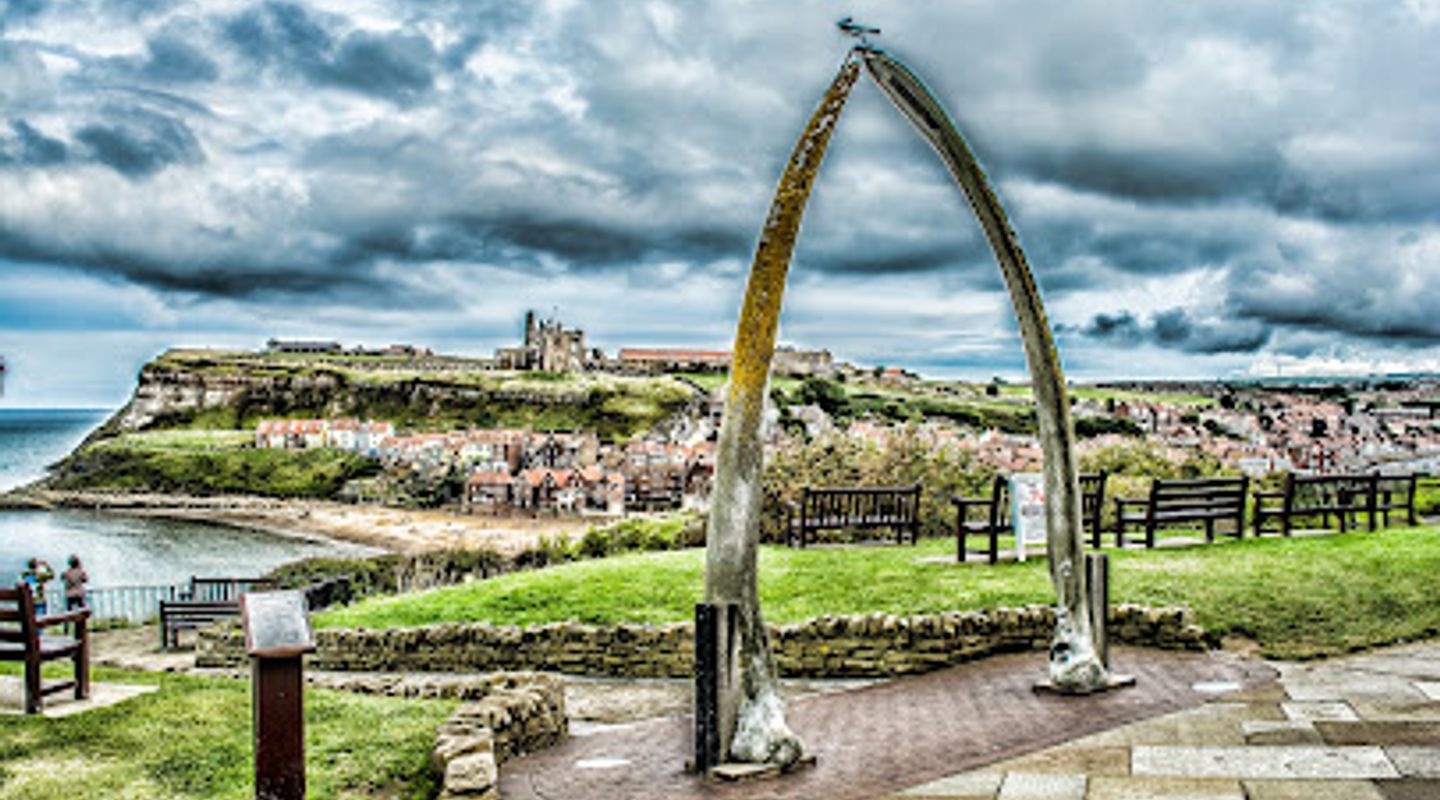
A brief summary of Whalebone Arch
A towering tribute on Whitby’s West Cliff, the Whalebone Arch honors the town’s daring whaling past with stunning sea views and historic resonance.
The Whalebone Arch in Whitby is a striking landmark erected in 1853 to commemorate the town's historic whaling industry. Standing on the West Cliff near the Captain Cook statue, the arch is made from the jawbones of bowhead whales and offers panoramic views of Whitby Harbour, the North Sea, and the iconic Whitby Abbey. This evocative monument symbolizes the perilous whaling heritage that shaped Whitby's maritime prosperity in the 18th and 19th centuries.
On-site amenities
 Seating areas
 Information boards
Opening hours
- Every dayOpen 24 hours
Opening hours as listed on the venue’s Google Business Profile. Hours can change for services and special events, so check with the venue before you go.
- Address
- North Terrace, Whitby YO21 3HA
- Website
Getting there
Bus
Walking
Taxi
Discover more about Whalebone Arch
A Monument to Whitby's Whaling Heritage
The Whalebone Arch was first erected in 1853 atop Whitby’s West Cliff as a tribute to the town’s once-thriving whaling industry. Whitby was a major northern English port where up to 55 ships operated at the peak of commercial whaling in the 18th and 19th centuries. Whalers ventured into Arctic waters to hunt leviathans such as bowhead and fin whales, bringing back valuable whale oil, bone, and other products that fueled local economies. The arch’s jawbones symbolize both the dangers faced by whalers and the town’s maritime identity.
Evolution of the Arch Through Time
The original arch, made from whale jawbones, weathered the harsh North Sea climate and was replaced in 1963 with a replica sourced from Norway. By the 1990s, this second arch deteriorated, leading to the current structure installed in 2003. These bones come from a legally hunted bowhead whale donated by Alaskan Inuit communities, reflecting a respectful connection to indigenous whaling traditions. The original bones are preserved at the Whitby Archive Heritage Centre, safeguarding this tangible link to the past.
Location and Scenic Vistas
Situated next to the Captain Cook statue on the West Cliff, the Whalebone Arch crowns a vantage point with sweeping views of Whitby Harbour, the rugged coastline, and the ruins of Whitby Abbey across the bay on the East Cliff. The climb to the arch is moderately steep but rewards visitors with breathtaking panoramas of the North Sea and the historic town below, making it a favored photo spot and a symbol of Whitby’s maritime heritage.
Cultural and Historical Significance
Beyond its physical presence, the arch commemorates the bravery and hardships of whalers who faced perilous Arctic voyages. It also connects to Whitby’s broader maritime history, including figures like Captain James Cook, whose statue stands nearby. The arch and surrounding monuments collectively narrate Whitby’s story as a hub of exploration, industry, and cultural exchange.
Artistic and Community Connections
The arch is more than a monument; it is part of Whitby’s cultural fabric. The intricate scrimshaw art tradition, practiced by whalers and indigenous Arctic communities, echoes the artistic heritage linked to whaling. The arch’s presence inspires reflection on the balance between human endeavor and nature, while its ties to sister towns like Barrow, Alaska, highlight global cultural bonds.
Visitor Experience and Atmosphere
Visitors to the Whalebone Arch experience a blend of history, nature, and maritime spirit. The site’s open-air setting invites contemplation amid sea breezes and panoramic views. Nearby benches offer spots to relax and absorb the coastal ambiance. The arch’s unique silhouette against the sky, framed by the historic townscape and abbey ruins, creates a memorable and evocative atmosphere for travelers and locals alike.
Evendo Review Centre
 Google
Guest reviews
Best time to go
Quietest: Jan, Feb & Dec · before 6am or at 9pm
Busy times are Evendo estimates for a typical year, to help you plan. Actual crowds vary with events, school holidays and the weather.
Explore Whalebone Arch on the map
A handpicked selection of must-see spots near Whalebone Arch, mapped for you.
Get your free copy of our complete guide to Whalebone Arch, delivered straight to you.
Everything on this page, from opening hours and how to get there to Eve’s tips and the best time to go, in one PDF you can read offline, print or share.
Already have an account? Sign in
Your Whalebone Arch guide is ready.
We'll send it to · Not you? Sign out

Getting your guide ready…
We are putting together a fresh copy of the Whalebone Arch guide. This can take up to a minute.
This can take a few moments. If your browser asks, choose Allow so the download can start. You'll find the guide in your Downloads folder.
Nothing happened? Download it again
Sorry, the guide is taking longer than usual. Please try again in a minute, or get it by email instead.
Unlock the best of Whalebone Arch
Skip-the-line tickets, guided tours with entry, and walking tours of the area, booked in a few clicks.

Other nearby places you may find interesting
The closest places of the same kind, if this one is not quite what you had in mind.
-
-
-
-
-


Swipe for more places
More to explore near Whalebone Arch

 Best experiences near Whalebone Arch
 Best hotels near Whalebone Arch
 Best landmarks near Whalebone Arch
 Best attractions near Whalebone Arch
 Best shops near Whalebone Arch
 Best restaurants near Whalebone Arch
 Best bars near Whalebone Arch
Do you manage this location?
Take control to get all the benefits, like improved information, better appearance, and stronger visibility across AI-powered discovery.
Explore more

Explore more of Whitby
Discover Whitby: A picturesque coastal town where history meets the sea, offering breathtaking views, charming streets, and a touch of Gothic allure.
Explore Whitby
Explore more of United Kingdom
Discover the United Kingdom: A blend of rich history, stunning landscapes, and vibrant cities, offering a unique travel experience for every visitor.
Explore United Kingdom
