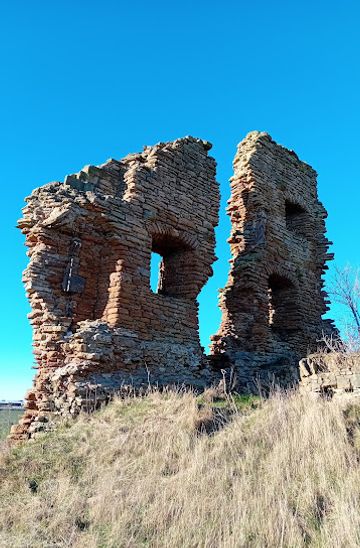
Ludworth Tower
A rare 15th-century pele tower standing as a testament to medieval border fortifications
Ludworth Tower is a rare surviving pele tower in County Durham, England, dating to the early 15th century. Built initially by the de Ludworth family and later expanded by the Holden family in 1411, this rectangular stone fortification stands as a testament to the region's medieval defensive architecture. Located near Shadforth village, the tower's weathered remains offer insight into the fortified dwellings that once protected northern English landowners during turbulent times.
A brief summary to Ludworth Tower
- Tower Farm, Durham, DH6 1NQ, GB
- Duration: 0.5 to 1.5 hours
- Free
-
 Outdoor
- Mobile reception: 3 out of 5

Know before you go
Hi, I'm Eve. Here are a few practical things to know before exploring Ludworth Tower.
- The tower is located on private land; check with local authorities or the Ludworth Local History Project before visiting to ensure access and obtain permission from the landowner.
- Wear sturdy footwear and exercise caution around the ruined structure, as loose stonework and uneven ground present hazards. The site has no protective barriers or safety infrastructure.
- Visit during daylight hours and bring a camera or sketchbook; the tower's weathered stonework and rural setting offer compelling photographic and artistic subjects.
- Combine your visit with exploration of Shadforth village and other nearby historical sites in County Durham to gain a fuller understanding of the region's medieval heritage.
- Contact the Ludworth Local History Project for detailed information about the tower's history, guided visits, or local events celebrating the site's significance.
Do you manage this location?
Take control to get all the benefits, like improved information, better appearance, and stronger visibility across AI-powered discovery. Learn more
Activate your presenceOther nearby places you may find interesting
Getting There
-
Car
From Durham city centre, drive south on the A167 toward Shadforth, approximately 8 kilometres away, taking 12–15 minutes. Follow signs toward Tower Farm in the Shadforth area. Parking is limited; use roadside verges near the site with consideration for local residents. The tower is situated on private farmland, so confirm access with the property owner or local authorities before visiting.
-
Bus
Local buses operate between Durham and surrounding villages, including services to Shadforth, with journey times of 20–30 minutes depending on the route and time of day. Services are less frequent on weekends and evenings. From the bus stop in Shadforth village, the tower is approximately 1–2 kilometres away on foot across rural terrain; allow 20–30 minutes walking time. Confirm current timetables with local transport providers, as schedules vary seasonally.
-
Walking
From Shadforth village centre, the tower is accessible via country lanes and footpaths across farmland, a walk of approximately 1–2 kilometres taking 20–30 minutes. The terrain is rural with uneven ground and no dedicated pedestrian paths; wear appropriate footwear. This route offers views of the surrounding countryside and connects you to the broader landscape that shaped the tower's historical context.
Discover more about Ludworth Tower
A Medieval Fortress on the Northern Frontier
Ludworth Tower represents a distinctive form of medieval military architecture unique to the Anglo-Scottish borderlands. Built as a pele tower—a compact, heavily fortified residential structure—it exemplifies the practical defensive needs of 15th-century landowners in County Durham. The tower was originally constructed by the de Ludworth family, a local noble household, before passing to the Holdens, who undertook significant expansion work in 1411. In 1422, Cardinal Langley, the powerful Bishop of Durham, formally granted Thomas Holden a license to crenellate the structure, officially recognizing its defensive status and legitimizing its military character.Architectural Form and Construction
The tower's rectangular plan and solid stone construction reflect the pragmatic design principles of pele towers, which prioritized strength and defensibility over comfort. These structures typically featured thick walls, narrow windows, and multiple stories designed to withstand raids and provide refuge for families and livestock during periods of conflict. Ludworth Tower's early 15th-century date places it within the final flourishing of pele tower construction, a period when such fortifications remained essential to survival in the volatile borderlands. The tower's rectangular footprint distinguishes it from some contemporary examples and speaks to the specific building traditions of the Durham region.Decline and Historical Documentation
By the 18th century, Ludworth Tower had already fallen into decay. In 1785, the antiquary William Hutchinson, a respected chronicler of Durham's history, documented the structure in his illustrated historical works, noting it as merely a ruin. This early documentation provides valuable evidence of the tower's deterioration and has helped modern historians understand its original form and significance. The tower's transition from active residence to archaeological remnant reflects broader changes in regional security and social structures following the union of England and Scotland in 1707.Regional Significance and Rarity
Ludworth Tower holds particular importance as one of the few surviving pele towers in County Durham, making it an exceptional example of a building type that once dotted the northern landscape. While hundreds of such towers existed during the medieval period, most have been demolished, incorporated into later buildings, or reduced to fragmentary remains. The survival of Ludworth Tower, even in ruined form, provides modern visitors and historians with tangible evidence of how ordinary—yet wealthy—families lived and defended themselves in one of England's most contested regions. Its presence on the outskirts of Shadforth village anchors local history and connects contemporary communities to their medieval past.Explore the best of what Ludworth Tower has to offer













More about North East England
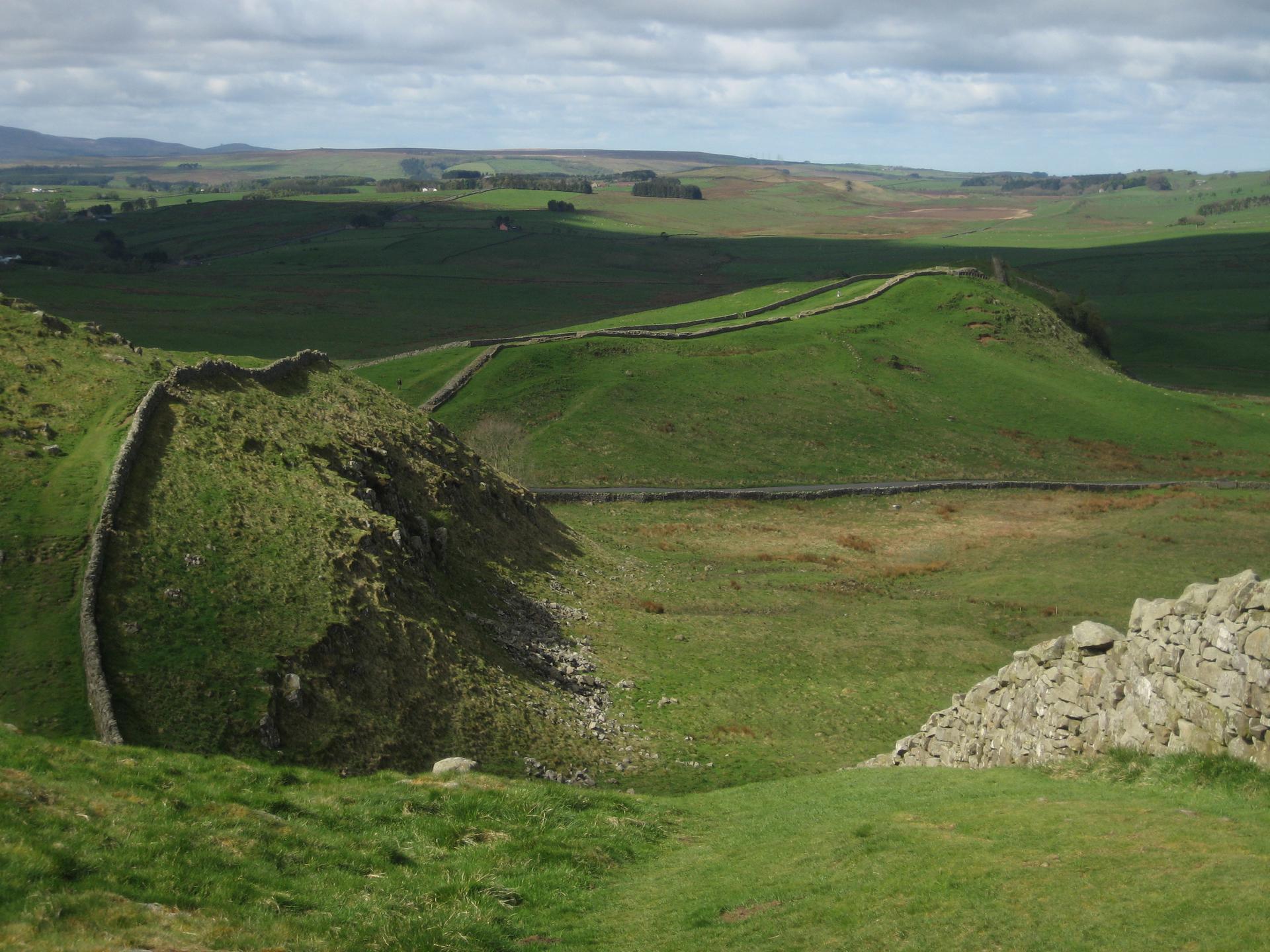
Explore North East England: From Roman Walls to Majestic Cathedrals and Scenic Coastlines, Discover a Region Rich in History and Natural Beauty.
Tell me more about North East England
A majestic Victorian railway viaduct soaring over Durham’s River Wear, blending engineering excellence with stunning historic city views.
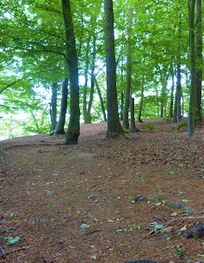
Explore Durham’s ancient Iron Age promontory fort with its impressive earthworks nestled in tranquil woodland overlooking the River Wear.