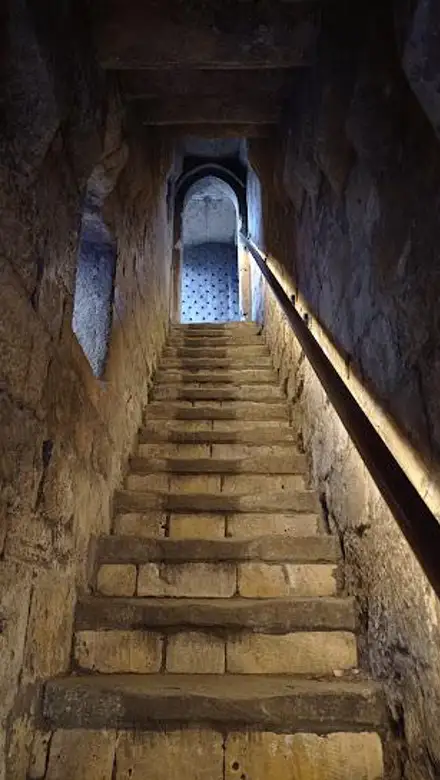
Monk Bar, York Travel Guide
Free Guide: Medieval fortress and gateway guarding York's northeastern entrance since the 14th century.


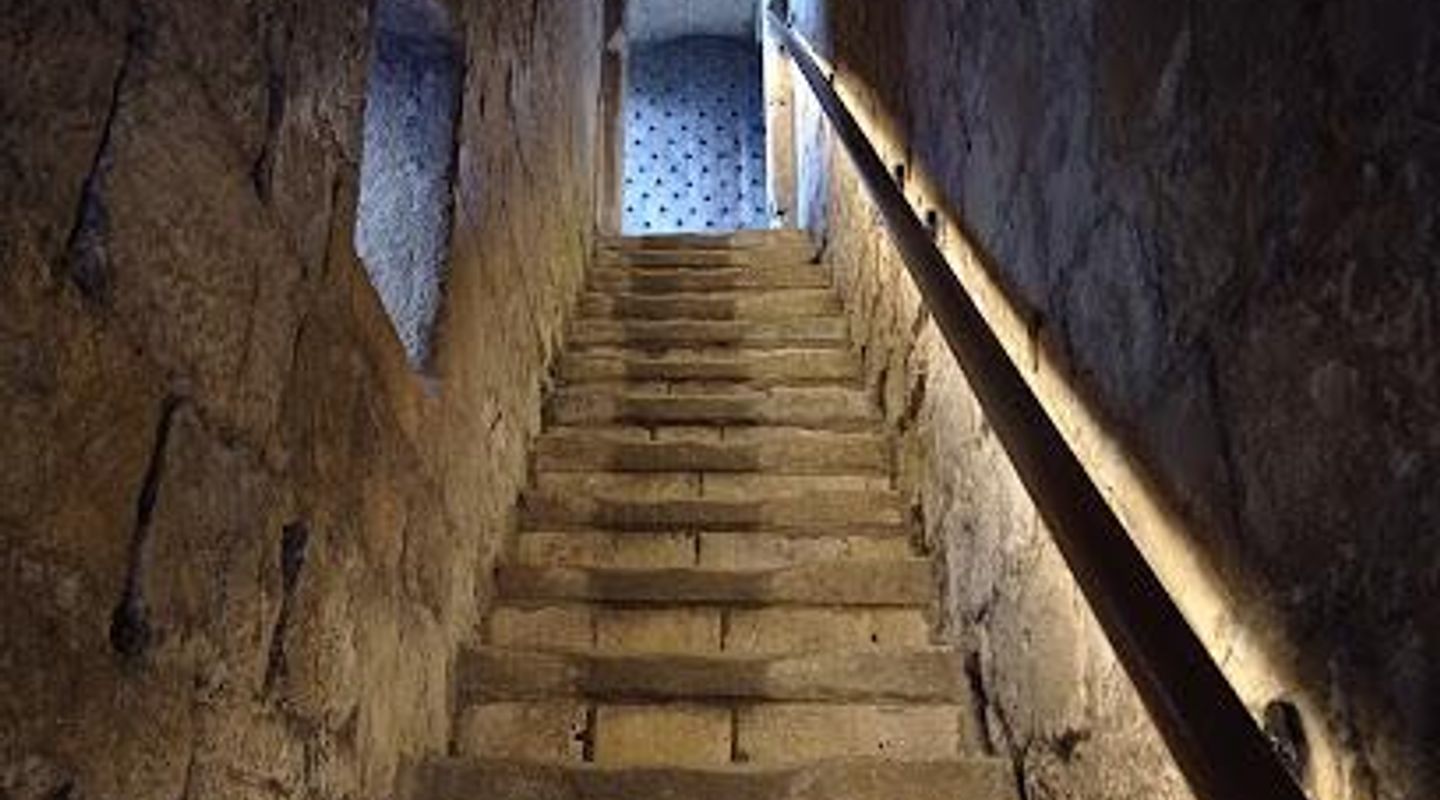
A brief summary of Monk Bar
Medieval fortress and gateway guarding York's northeastern entrance since the 14th century.
Monk Bar stands as the tallest and most elaborate of York's four surviving medieval gatehouses, dominating the northeastern entrance to the historic city. Built in the early 14th century as a self-contained fortress, this imposing structure features four storeys, defensive loopholes, gun ports, and a working portcullis last lowered in 1953. Once serving as a prison for recusant Catholics and later a police station, Monk Bar now welcomes visitors to explore the city walls and experience centuries of English heritage from its commanding vantage point.
On-site amenities
 Seating areas
 Information boards
 Trash bins
- Address
- 129 Monkgate, York YO31 7PD
Getting there
Walking from York City Centre
Bus from York City Centre
Taxi or Ride-Share
Cycling
Discover more about Monk Bar
A Medieval Fortress at the City Gates
Monk Bar rises majestically above Monkgate, marking the northeastern entrance to York's walled city. Constructed in the early 14th century under the reign of Edward III, this four-storey gatehouse replaced an earlier 12th-century gate known as Munecagate. The structure was deliberately designed as a self-contained fortress, with each floor capable of being independently defended—a sophisticated military strategy that reflects the strategic importance of controlling access to the city. Built from magnesium limestone, the bar's imposing presence and ornate craftsmanship demonstrate the wealth and power of medieval York.The name "Monk Bar" derives from Monkgate Street, which was named after the monks of York Minster who would pass through this gate. This naming convention reflects the deep connection between the city's religious institutions and its civic infrastructure. The location itself carries even deeper historical resonance: it stands on the site of the Roman porta decumana, a key defensive gateway in the Roman city of Eboracum, demonstrating how this strategic point has been continuously valued across nearly two millennia of occupation.
Engineering and Defensive Innovation
Monk Bar's architectural features reveal the sophisticated military engineering of the medieval period. The structure incorporates loopholes for archers, gun ports for cannons, and murder holes—openings through which defenders could drop projectiles or pour boiling liquids onto attackers below. Most remarkably, the bar retains a fully functional portcullis, a heavy wooden grille reinforced with iron that could be lowered to seal the gateway. This mechanism represents a triumph of medieval craftsmanship; it was last lowered in 1953 to commemorate the coronation of Queen Elizabeth II, though the ropes famously broke and the portcullis embedded itself into the road.The bar underwent significant modifications throughout its history. An additional storey was added in 1484 under King Richard III, and side arches were constructed in the 1820s. The main arch was widened in 1861 to accommodate increasing traffic. Following the devastating 1644 Siege of York during the English Civil War, when Parliamentary forces bombarded the structure with cannon fire, Monk Bar was extensively repaired in 1648, testament to its enduring importance to the city.
From Fortress to Civic Institution
Beyond its military function, Monk Bar served as a crucial economic checkpoint. During the medieval period, York imposed tolls on goods entering the city, and Monk Bar was one of the primary collection points. This dual purpose—blending defence with commerce—underscores the bar's multifaceted role in medieval urban life. The upper chambers housed various civic functions over the centuries, including serving as a residence, a prison for recusant Catholics in the 16th century, and later as a police station. These transformations reflect the evolving needs of the city and the bar's enduring utility as a symbol of authority and control.
Connection to Richard III and Royal History
Monk Bar holds particular significance in the story of King Richard III, the last Plantagenet monarch who reigned from 1483 to 1485. During his brief reign, York was a stronghold of support for the controversial king. The upper chambers of Monk Bar housed the Richard III Experience, a museum dedicated to exploring the life, legacy, and enduring historical debates surrounding this enigmatic figure. The museum operated from 1993 until its closure in 2020, offering visitors insights into Richard's reign, the battles he fought, and the complex historical narratives that continue to surround his memory.
Gateway to York's Walls and Panoramic Views
Today, Monk Bar functions as a primary access point to York's city walls, which stretch approximately 3.4 kilometres and represent England's longest surviving medieval town defences. Walking through the bar and ascending to its upper levels rewards visitors with commanding panoramic views of York, including vistas of the magnificent York Minster and the surrounding cityscape. The walls themselves form a scheduled ancient monument and Grade I listed building, offering a unique perspective on the city's layout and history. A complete circuit of the walls provides an immersive journey through centuries of York's past, with each bar offering its own historical narrative and architectural character.
Evendo Review Centre
 Google
Guest reviews
Best time to go
Quietest: Jan, Feb & Mar · before 7am or from 8pm
Busy times are Evendo estimates for a typical year, to help you plan. Actual crowds vary with events, school holidays and the weather.
Explore Monk Bar on the map
A handpicked selection of must-see spots near Monk Bar, mapped for you.
Get your free copy of our complete guide to Monk Bar, delivered straight to you.
Everything on this page, from opening hours and how to get there to Eve’s tips and the best time to go, in one PDF you can read offline, print or share.
Already have an account? Sign in
Your Monk Bar guide is ready.
We'll send it to · Not you? Sign out

Getting your guide ready…
We are putting together a fresh copy of the Monk Bar guide. This can take up to a minute.
This can take a few moments. If your browser asks, choose Allow so the download can start. You'll find the guide in your Downloads folder.
Nothing happened? Download it again
Sorry, the guide is taking longer than usual. Please try again in a minute, or get it by email instead.
Unlock the best of Monk Bar
Skip-the-line tickets, guided tours with entry, and walking tours of the area, booked in a few clicks.


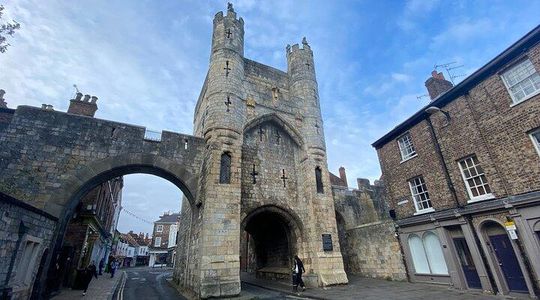
Other nearby places you may find interesting
The closest places of the same kind, if this one is not quite what you had in mind.
-
-
-
-
-


Swipe for more places
More to explore near Monk Bar

 Best experiences near Monk Bar
 Best hotels near Monk Bar
 Best landmarks near Monk Bar
 Best attractions near Monk Bar
 Best shops near Monk Bar
 Best restaurants near Monk Bar
 Best bars near Monk Bar
Do you manage this location?
Take control to get all the benefits, like improved information, better appearance, and stronger visibility across AI-powered discovery.
Explore more
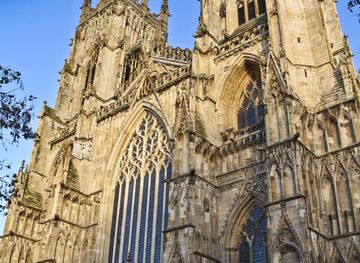
Explore more of York
Explore York, a captivating city where medieval history meets modern charm. Discover York Minster, The Shambles, and a vibrant food scene in this must-visit UK destination.
Explore York
Explore more of United Kingdom
Discover the United Kingdom: A blend of rich history, stunning landscapes, and vibrant cities, offering a unique travel experience for every visitor.
Explore United Kingdom