Mulgrave Castle, Yorkshire And The Humber Travel Guide
Explore Mulgrave Castle’s legendary origins, medieval ruins, and elegant country house nestled in scenic Yorkshire woodlands near Whitby.
Mulgrave Castle near Whitby, Yorkshire, is a historic site featuring three distinct structures spanning centuries: an ancient legendary castle, a Norman fortress, and a grand 18th-century country house. The ruins of the medieval castle and the elegant mansion reflect the area's rich heritage tied to noble families like the de Mauleys, Sheffields, and Phipps. Set amidst scenic woodlands and coastal landscapes, Mulgrave Castle offers visitors a captivating glimpse into England’s feudal past and aristocratic legacy.
A brief summary to Mulgrave Castle
- Low Ln, Whitby, YO21, GB
- Duration: 1 to 3 hours
- Mid ranged
-
 Outdoor
- Mobile reception: 4 out of 5
- Wednesday 8 am-6 pm
- Saturday 8 am-6 pm
- Sunday 8 am-6 pm

Know before you go
Hi, I'm Eve. Here are a few practical things to know before exploring Mulgrave Castle.
- Visit on Sundays, Wednesdays, or Saturdays when the site is open from 8 AM to 6 PM for the best access to the ruins and grounds.
- Wear sturdy footwear to explore the woodland paths around the castle ruins safely and comfortably.
- Bring a picnic to enjoy in the scenic Mulgrave Woods near the historic castle ruins.
- Photography enthusiasts should capture the castle ruins during golden hour for dramatic light and shadows.
Do you manage this location?
Take control to get all the benefits, like improved information, better appearance, and stronger visibility across AI-powered discovery. Learn more
Activate your presenceOther nearby places you may find interesting
The closest places of the same kind, if this one is not quite what you had in mind.
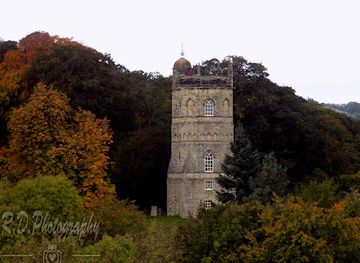

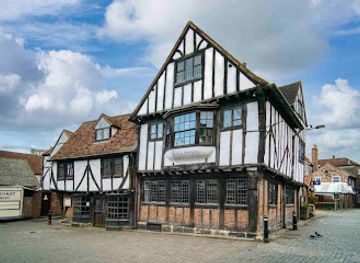
Explore Mulgrave Castle on the Map
A handpicked selection of must-see spots near Mulgrave Castle, mapped for you.
Getting There
-
Train and Bus
Take a train to Whitby Railway Station from major nearby cities such as York or Middlesbrough, with journeys typically lasting 1.5 to 2.5 hours. From Whitby, catch the local bus service 840 towards Sandsend, which stops near Low Lane, about a 15-minute walk from Mulgrave Castle. Bus services run hourly on weekdays and less frequently on weekends. Expect total travel times from York to Mulgrave Castle around 2.5 to 3 hours, costing approximately £10-£15.
-
Car
Driving from Whitby town center to Mulgrave Castle takes about 15 minutes via the A174 and Low Lane. Parking is limited near the site, so arrive early during peak seasons. The roads are rural and narrow in places, so cautious driving is advised. There is no parking fee, but facilities are minimal.
-
Walking
For active visitors, a scenic 45-minute walk from Sandsend village through Mulgrave Woods leads to the castle ruins. The terrain includes woodland paths with some uneven ground and gentle inclines, suitable for moderately fit walkers. Wear appropriate footwear and allow extra time for photography and exploration.
For the on-the-go comforts that matter to you
-
 Restrooms
-
 Seating Areas
-
 Information Boards
Discover more about Mulgrave Castle
Legendary Origins and Early Fortifications
Mulgrave Castle’s story begins with the ancient castle, reputedly founded by Wada, a legendary 6th-century ruler from Hälsingland, Sweden. Local folklore and 16th-century writings celebrate Wada as a giant and builder of castles and roads across Yorkshire. This earliest incarnation of Mulgrave was likely a wooden or earthwork fortification, marking the strategic importance of the site overlooking the North Yorkshire coast.The Norman Stronghold and Medieval Power
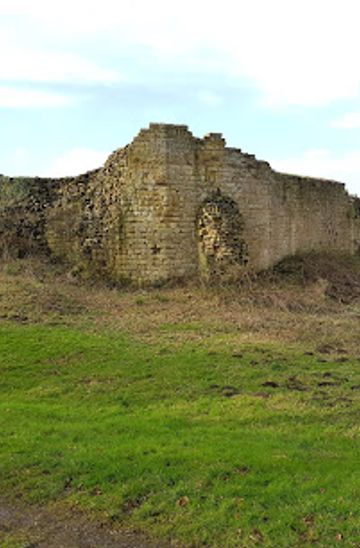
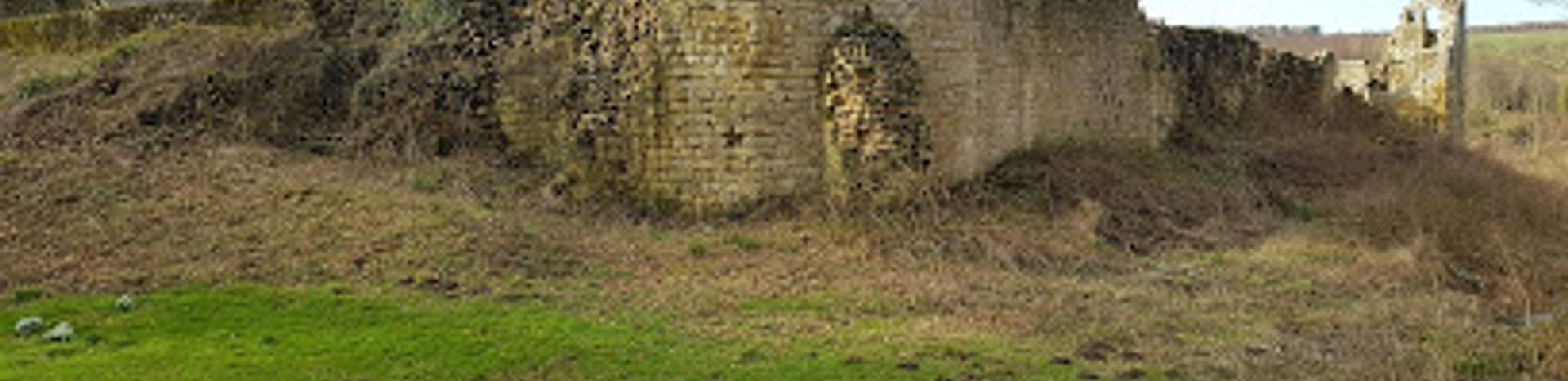
The second Mulgrave Castle was a formidable Norman stone fortress established around 1120 by Nigel Fossard, a prominent landowner after the Norman Conquest. Built atop a narrow ridge, the castle featured defensive elements such as stone towers guarding a western entrance, dry moats, and a drawbridge. Over the centuries, it passed through powerful families including the de Mauleys—whose coat of arms symbolized their influence—and later the Bigots and Sheffields. The castle served as a royalist stronghold during the English Civil War but was deliberately destroyed by Parliamentary forces in 1647 to prevent further military use.The Elegant Country House and Aristocratic Legacy
The present Mulgrave Castle is a large 18th-century country house built under Lady Catherine Darnley, daughter of King James II. The estate came into the Phipps family through marriage in 1718, who have maintained it ever since. The mansion has been expanded and remodeled over time, including notable interiors designed by architect John Soane. The extensive grounds include a massive walled garden and woodland areas, once landscaped by famed designers like Humphry Repton. The estate remains a private family residence, embodying centuries of Yorkshire aristocratic history.Romantic Ruins and Woodland Hermitage
Near the castle ruins lies the Hermitage, a charming 19th-century summer house set in Mulgrave Woods. Built with rustic oak pillars and thatched roofing, it was designed to harmonize with the surrounding forest and offer views of the mansion and sea. The Hermitage was a favored retreat for the family and visitors, evoking romantic tales of ancient religious sites and hermits. Though now mostly ruined and off public routes, it remains a poignant symbol of the estate’s layered history and natural beauty.Natural Setting and Visitor Experience
Mulgrave Castle is nestled between the sea and moors, offering dramatic coastal panoramas and woodland walks. The ruins of the old castle serve as a scenic eye-catcher, enhanced by 18th- and 19th-century landscaping efforts to romanticize the site. Visitors can explore Mulgrave Woods and enjoy picnic spots near the ruins, immersing themselves in the tranquil atmosphere of this historic estate. The blend of natural and architectural heritage makes Mulgrave a unique destination for history enthusiasts and nature lovers alike.Continuing Heritage and Private Ownership
Today, Mulgrave Castle remains under the stewardship of the Phipps family, direct descendants of the original 18th-century owners. While the mansion is private and not open to the public, the surrounding woods and ruins are accessible for exploration. The estate’s long lineage, from legendary origins through medieval power struggles to refined country living, encapsulates a rich tapestry of English history preserved in stone, landscape, and lore.












Your all‑in‑one travel companion app
Explore expert travel guides, compare and book tours, experiences, hotels, and more—all from the palm of your hand. Download now for seamless trip planning wherever your wanderlust takes you.


Explore More of Yorkshire And The Humber
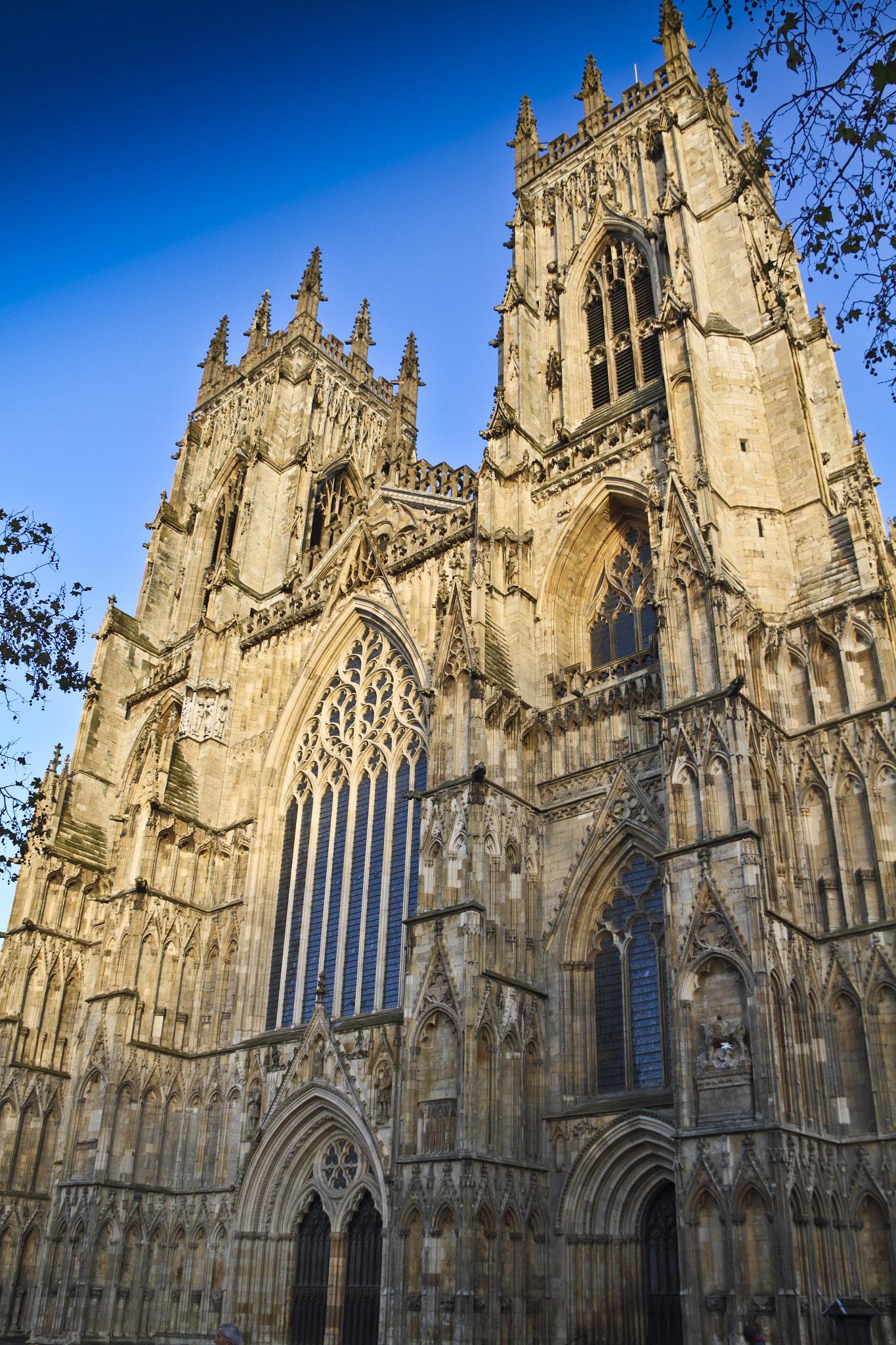
Looking beyond Mulgrave Castle? Discover Yorkshire And The Humber for broader travel guides, local hot-spots, and regional highlights.
Explore Yorkshire And The Humber