From Eve
Know before you go
Hi, I'm Eve. Here are a few practical things to know before exploring Kettleness beach.
Local know-how to help you travel smarter and make the most of every moment.

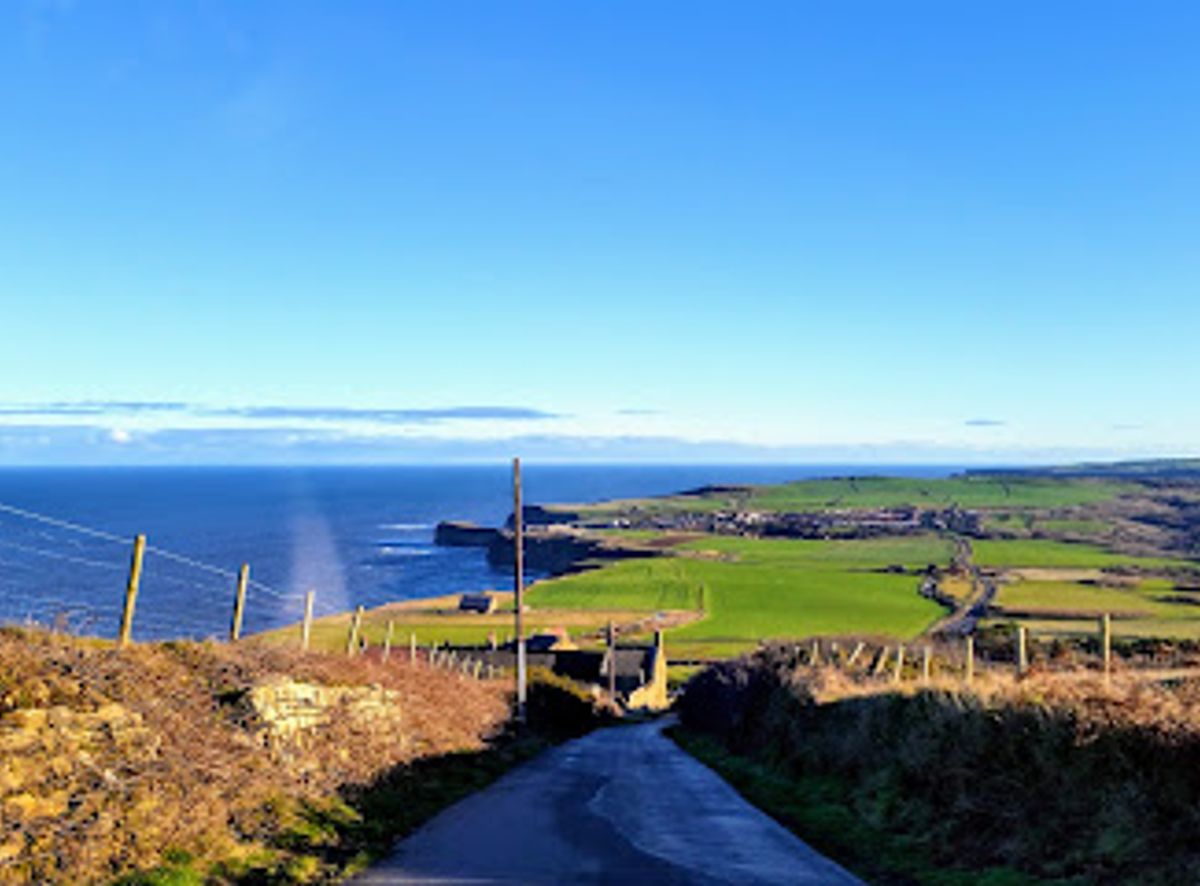
Explore Yorkshire’s rugged northern coastline at Kettleness Beach, a fossil-rich, wild retreat with dramatic cliffs and historic charm.
Kettleness Beach, located north of Whitby on the rugged Yorkshire coastline, is renowned for its dramatic cliffs, fossil-rich shores, and scenic walking trails. This remote cove offers breathtaking views, a hidden waterfall, and access to the Cleveland Way trail, making it a favorite for adventurous walkers and fossil hunters. Although access is challenging, the beach’s wild charm and geological significance provide a unique coastal experience.
Opening times, essentials, and a few local tips gathered into one calmer, easier-to-scan planning section.
Hi, I'm Eve. Here are a few practical things to know before exploring Kettleness beach.
Local know-how to help you travel smarter and make the most of every moment.
Car
Drive via the A174 and B1460 roads to Kettleness village, about 7 miles north-east of Whitby. Limited parking is available on grassy areas in the village. Travel time from Whitby is approximately 20–30 minutes. Parking is limited so plan accordingly.
Bus and Walking
Take a bus from Whitby to Runswick Bay or Sandsend, where services run multiple times daily. From either village, walk along the Cleveland Way or the beach (at low tide) to Kettleness Beach. Walking times range from 30 minutes to 1 hour over uneven terrain; suitable for experienced walkers.
Walking
For a scenic hike, follow the Cleveland Way coastal path from Whitby Harbour to Kettleness Beach. The walk takes about 1 hour and includes steep sections and rough paths. Wear sturdy footwear and be prepared for challenging terrain.
 Restrooms
 Food Options
 Drink Options
 Information Boards
 Seating Areas
Catch the right light and the right mood, whether you want a bright city moment or a more cinematic evening visit.


Use Tower Bridge as your starting point for nearby food, family ideas, nightlife, and more local discoveries.
A quick look at seasonal patterns and peak visiting hours.

Explore expert travel guides, compare and book tours, experiences, hotels, and more—all from the palm of your hand. Download now for seamless trip planning wherever your wanderlust takes you.
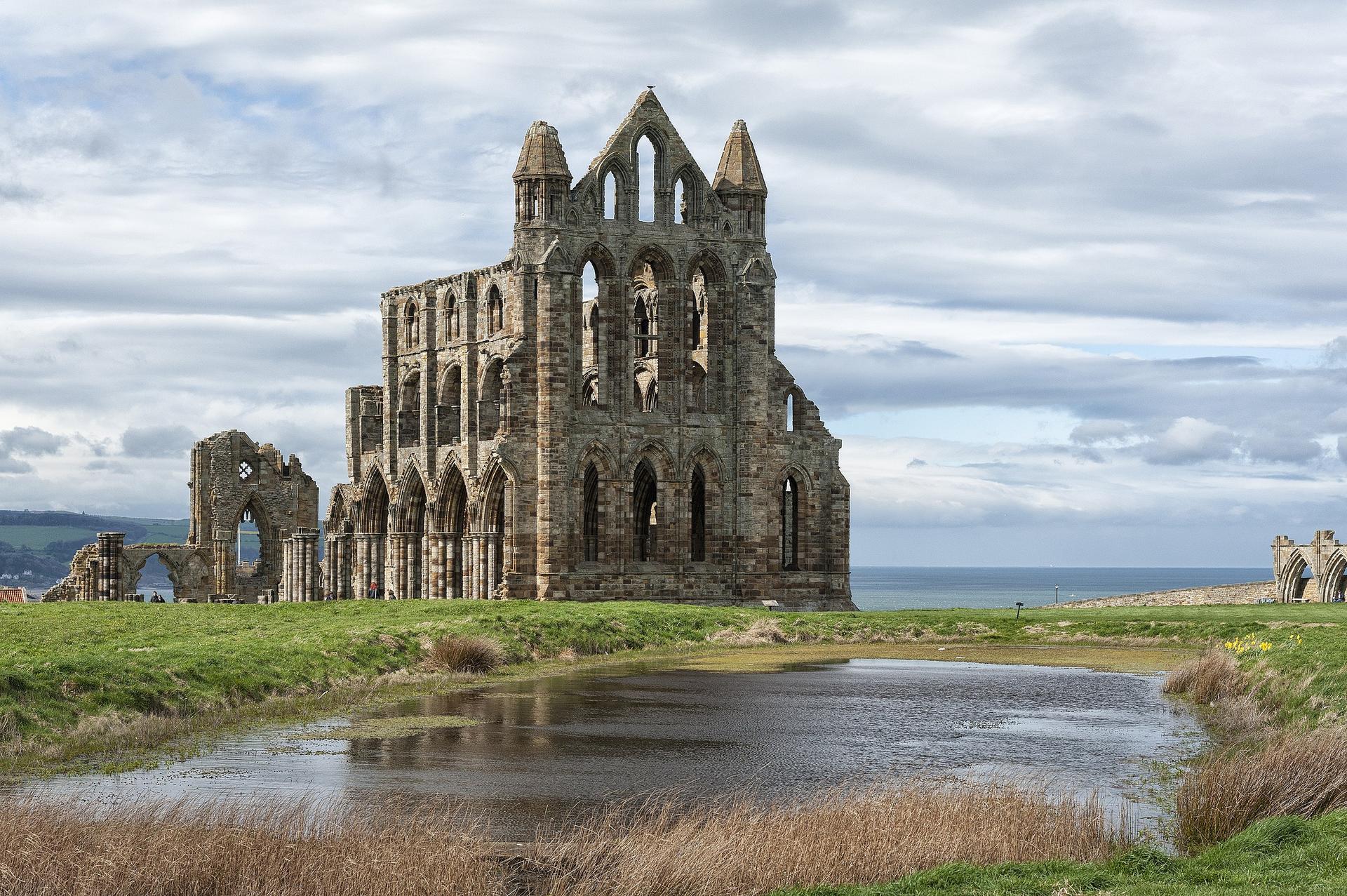
Discover the historic charm, stunning coastline, and vibrant culture of Whitby, a picturesque seaside town in the United Kingdom that inspired Bram Stoker's 'Dracula'.
Tell me more about Whitby