
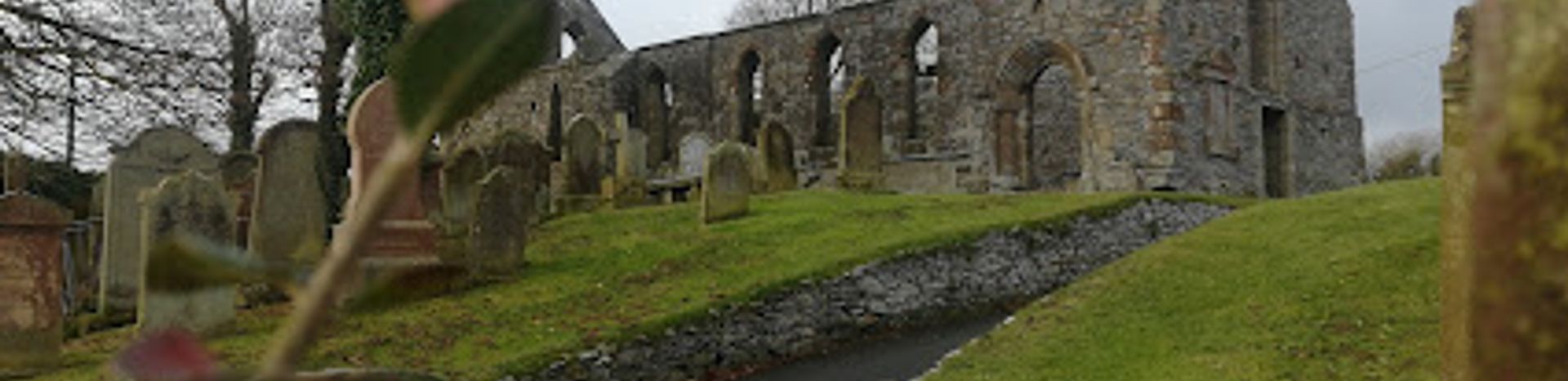
Whithorn Priory and Museum: Scotland’s Cradle of Christianity
Explore Scotland’s earliest Christian site with ancient ruins, sacred stones, and immersive history at Whithorn Priory and Museum.
Whithorn Priory and Museum in Dumfries & Galloway is a historic site marking Scotland’s earliest Christian settlement, founded by St Ninian in the 5th century. Explore medieval priory ruins, a museum housing ancient Christian stones including the Latinus Stone, and an engaging visitor centre that brings the rich spiritual and archaeological heritage of Whithorn to life. The site offers a unique glimpse into over 1,000 years of religious history and pilgrimage.
A brief summary to Whithorn Priory and Museum
- 6 Bruce St, Newton Stewart, Whithorn, DG8 8PY, GB
- +441988500700
- Visit website
- Duration: 1.5 to 3 hours
- Mid ranged
-
 Outdoor
- Mobile reception: 4 out of 5
- Monday 11 am-12:30 pm
- Tuesday 11 am-12:30 pm
- Wednesday 11 am-12:30 pm
- Thursday 11 am-12:30 pm
- Friday 11 am-12:30 pm
- Sunday 11 am-12:30 pm
Local tips
- Allow at least two hours to fully explore the museum, priory ruins, and visitor centre exhibits.
- Visit between April and October for full access and guided tours, as the site is closed in winter.
- Use the audio guide at the museum to enrich your understanding of the early Christian stones.
- Try local cakes and light lunches at the visitor centre café, which emphasizes regional ingredients.
- Check for special exhibitions such as the Whithorn Crozier for unique historical insights.

For the on-the-go comforts that matter to you
- Restrooms
- Drink Options
- Food Options
- Seating Areas
- Information Boards
- Visitor Center
Getting There
-
Bus
Regular bus services connect Newton Stewart to Whithorn village, with a journey time of approximately 30-40 minutes. Buses run several times daily but check schedules in advance, especially outside peak tourist season. Walking from the bus stop to the priory and museum takes about 10 minutes along paved village streets.
-
Car
Driving from Newton Stewart to Whithorn takes around 25 minutes via the A746. Street parking is available near the museum and priory, but spaces can be limited during peak season. Parking is free, though some areas may have time restrictions. The roads are rural but well maintained.
-
Walking
For visitors staying within Whithorn village, the priory and museum are easily accessible on foot. The terrain is flat with paved paths, suitable for wheelchairs and strollers. Walking tours can be arranged through the visitor centre for a more immersive experience.
Whithorn Priory and Museum location weather suitability
-
 Any Weather
-
 Mild Temperatures
-
 Rain / Wet Weather
-
 Clear Skies
Discover more about Whithorn Priory and Museum
Origins of Scotland’s First Christian Site
Whithorn Priory stands as one of Scotland’s oldest Christian sites, tracing its origins to the late 4th century when St Ninian established the first church here after studying in Rome. This early foundation became a beacon for pilgrims, traders, and royalty, marking Whithorn as a spiritual hub for over a millennium. The priory evolved into a cathedral in the 12th century under the Premonstratensian monks, symbolizing the growth and influence of Christianity in the region.The Archaeological and Spiritual Legacy
Although much of the original priory lies in ruins, visitors can still walk the medieval pilgrimage route to St Ninian’s shrine, once a site of great religious significance. The crypts beneath the priory are believed to have housed the saint’s tomb, attracting thousands seeking healing and forgiveness. The museum showcases intricately carved stones, including the Latinus Stone, Scotland’s earliest Christian monument dating back to around 450 AD, offering tangible links to the early Christian era.Immersive Visitor Experience
The Whithorn Story Visitor Centre provides a comprehensive introduction through audiovisual presentations and chronological exhibits featuring original artifacts and replicas from local excavations. The centre’s displays narrate the town’s transformation from its early Christian roots through medieval times and the Reformation. Outdoor areas include the priory ruins and a reconstructed Iron Age roundhouse, accessible via guided tours that deepen understanding of the site’s layered history.Community and Conservation
Whithorn village itself is an Outstanding Conservation Area, with Georgian terraces masking a medieval street layout visible only from above. The local community supports the preservation of this heritage through family-run shops and a welcoming atmosphere. The museum and priory are managed with care to balance public access with conservation, ensuring that the site’s cultural and spiritual significance endures.Seasonal Access and Facilities
Open from April to October, Sunday to Friday, the priory and museum offer well-maintained visitor facilities including a café serving locally sourced food, accessible restrooms, and informative signage. Partial wheelchair access and audio guides enhance inclusivity. Special exhibits, such as the nationally treasured 12th-century Whithorn Crozier, provide additional layers of interest for repeat visitors.Historical Significance and Pilgrimage Today
Whithorn Priory remains a poignant reminder of Scotland’s Christian heritage and the enduring power of pilgrimage. Walking the same paths as medieval pilgrims, visitors connect with a spiritual tradition that shaped the cultural landscape of the region. The site’s rich archaeological finds and evocative ruins offer a contemplative space to reflect on faith, history, and community across centuries.Iconic landmarks you can’t miss

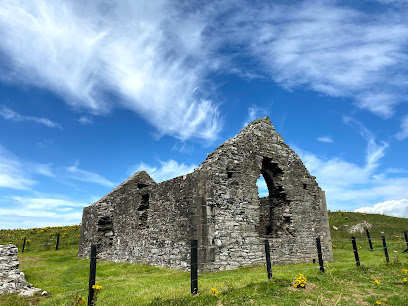
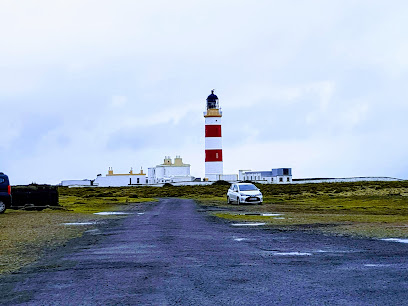
Isle Head Lighthouse
5.5 km
Historic lighthouse ruins on Isle of Whithorn’s scenic headland with panoramic coastal views and rich maritime heritage.
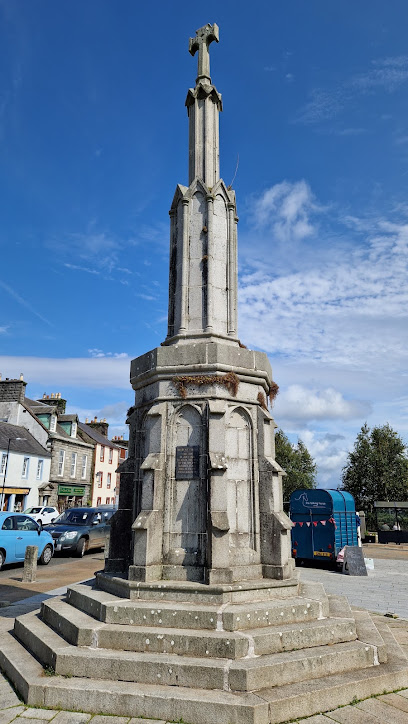
Mercat Cross
15.1 km
Historic Scottish market cross in Wigtown’s square, marking centuries of commerce and community life in this charming burgh.
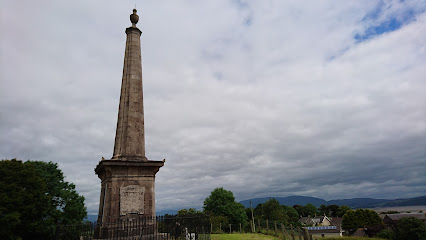
Martyr's Memorial
15.2 km
A solemn memorial at Wigtown Bay honoring two brave Covenanter women who faced execution for their faith in 1685.
The Belted Galloway Visitor Centre
25.2 km
Experience local flavors at The Belted Galloway Visitor Centre, a charming restaurant in Newton Stewart surrounded by breathtaking natural beauty.
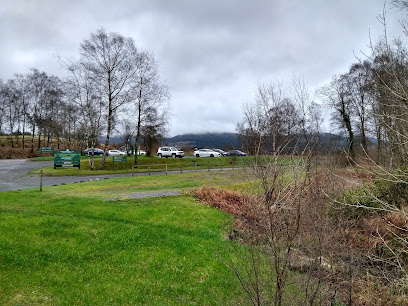
Northernmost Point of the Isle of Man
35.2 km
Explore the breathtaking Northernmost Point of the Isle of Man, a historical landmark with stunning coastal views and rich maritime heritage.
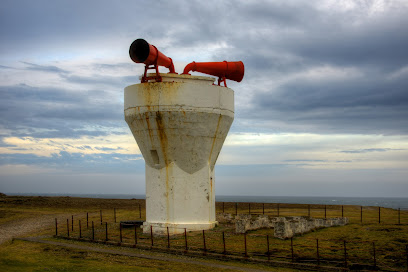
The Winkie
35.3 km
Discover The Winkie: A historical landmark offering breathtaking views and a deep connection to the area's rich heritage.
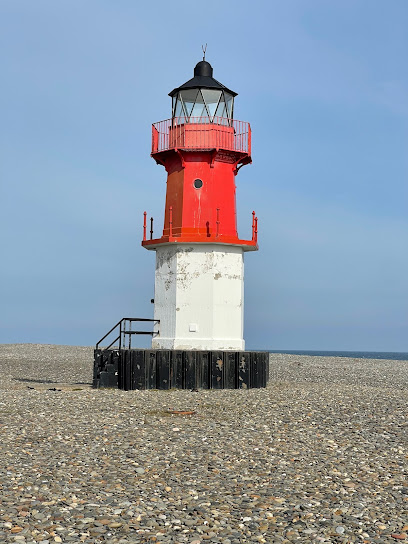
Threave Castle
36.7 km
Explore the medieval charm and natural beauty of Threave Castle, a hidden gem in Dumfries and Galloway, Scotland, perfect for history lovers and nature enthusiasts alike.
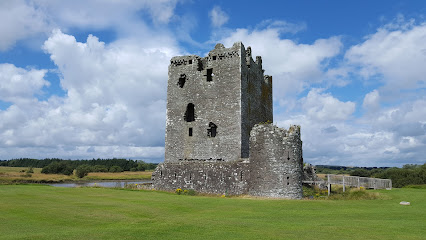
Threave House
36.7 km
Explore the beauty and history of Threave House, a stunning historical landmark in Scotland's enchanting countryside.
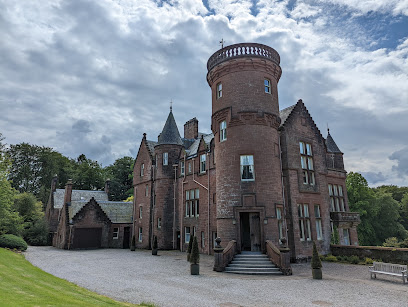
Threave Garden
36.8 km
Discover the tranquility and beauty of Threave Garden, a botanical paradise in Castle Douglas, Scotland, perfect for nature lovers and tranquility seekers.

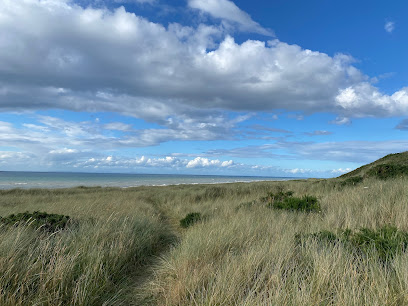
MWT Cronk y Bing Nature Reserve
39.3 km
Explore the breathtaking beauty of MWT Cronk y Bing Nature Reserve, a hidden gem on the Isle of Man, perfect for nature lovers and outdoor adventurers.
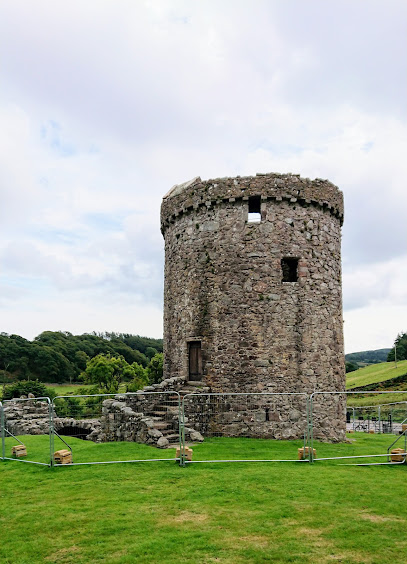
Orchardton Tower
39.9 km
Discover Scotland’s only free-standing circular tower house, a rare medieval fortress steeped in history and legend near Castle Douglas.
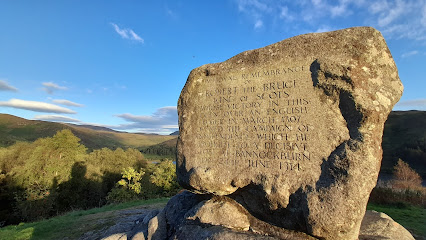
Bruce’s Stone
40.1 km
Discover the historic site of Bruce’s Stone overlooking Loch Trool, where Scotland’s fight for independence echoes amid stunning natural beauty.
Isle of Man Motor Museum
42.1 km
Discover over 400 classic and modern vehicles at the Isle of Man Motor Museum, where automotive history comes alive in an engaging atmosphere.
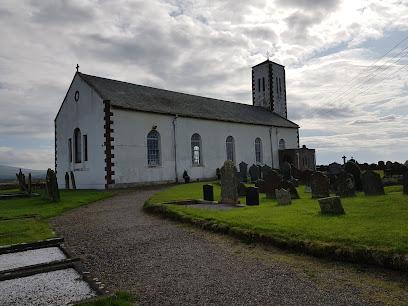
St Patrick Church
42.8 km
Explore the tranquil beauty and rich history of St. Patrick Church, a captivating Orthodox church on the Isle of Man.
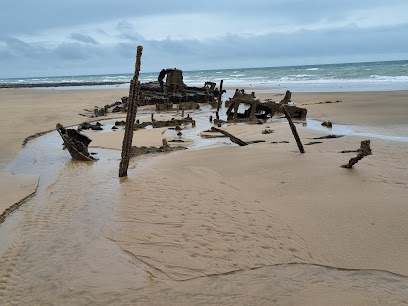
ST Pasages Shipwreck
42.8 km
Explore the ST Pasages Shipwreck on the Isle of Man—a captivating blend of maritime history and stunning coastal scenery.
Unmissable attractions to see

St Ninian's Cave
4.9 km
Discover the serene coastal retreat of St Ninian’s Cave, a historic pilgrimage site steeped in early Christian heritage and scenic beauty.
Sorbie Tower, Scotland
6.8 km
Explore the enchanting Sorbie Tower, a historical landmark in Scotland steeped in rich heritage and breathtaking landscapes.
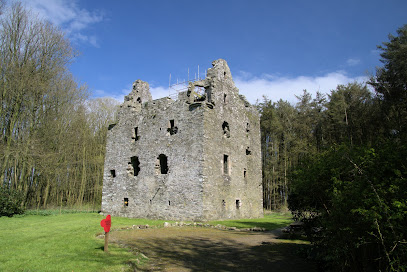
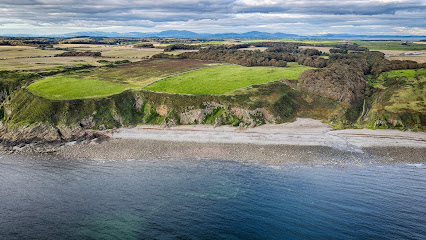
Barsalloch Fort - Historic Scotland
9.8 km
Explore the ancient Iron Age Barsalloch Fort perched on cliffs with sweeping sea views near Newton Stewart, Scotland.
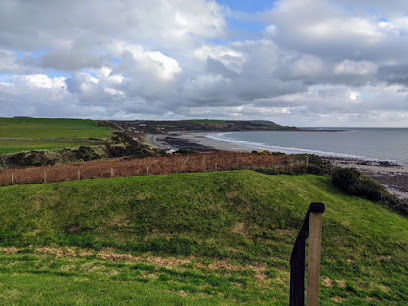
RSPB Crook of Baldoon
12.8 km
A tranquil coastal reserve near Newton Stewart, offering rich birdlife, easy walks, and stunning saltmarsh panoramas.
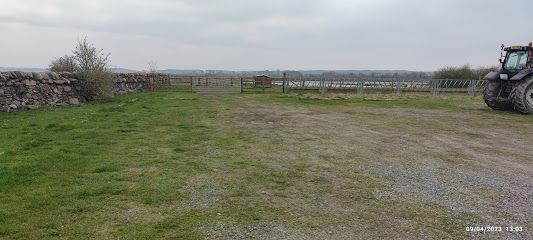
Wigtown Harbour
14.4 km
Historic Wigtown Harbour offers tranquil riverside views and a window into Scotland’s maritime past beside the National Book Town.
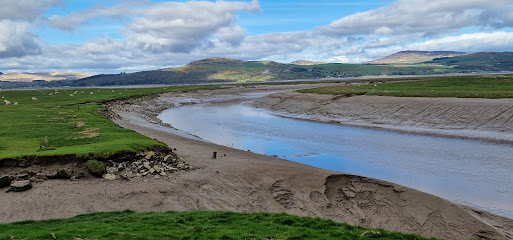
Wigtown Bird Hide
14.6 km
Discover Wigtown Bird Hide, a serene refuge overlooking diverse wetlands and rich birdlife on Scotland’s scenic Machars peninsula.
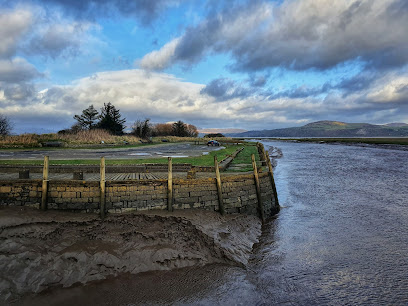
Carsluith Castle
14.7 km
Explore the evocative ruins of Carsluith Castle, a 16th-century Scottish tower house overlooking Wigtown Bay with rich history and distinctive architecture.
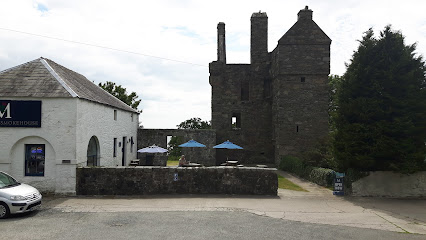
Wigtown Sands
14.9 km
Discover the tranquil, expansive sandy shores of Wigtown Sands on Scotland’s stunning Galloway coast, a hidden gem for nature and serenity.
Community Shop
15.0 km
A welcoming discount shop at the heart of Wigtown, supporting local projects through community spirit and sustainable reuse.
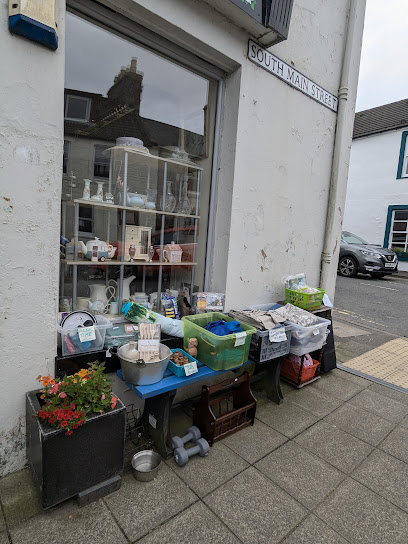
The Frying Scotsman Wigtown
15.1 km
Savor classic Scottish fish and chips with golden crispy batter and generous portions in the heart of Wigtown’s welcoming community.
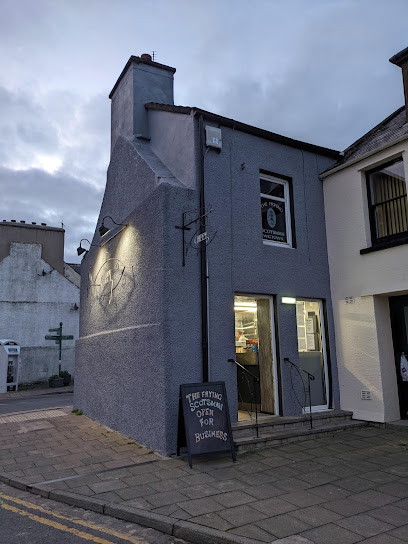
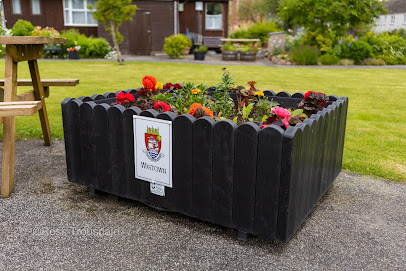
Town centre park
15.1 km
A peaceful green retreat in the heart of Wigtown, Scotland's National Book Town, perfect for relaxation amid literary charm.
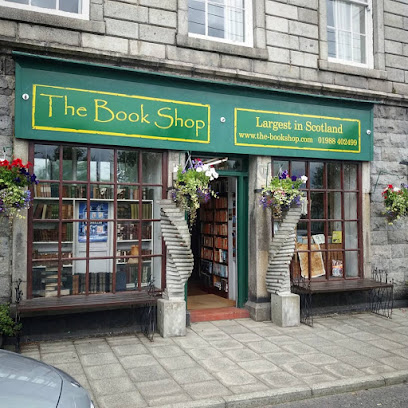
The Book Shop
15.1 km
Scotland’s largest second-hand bookshop nestled in the heart of Wigtown, offering nearly a mile of shelving and 100,000 books for every reader’s delight.
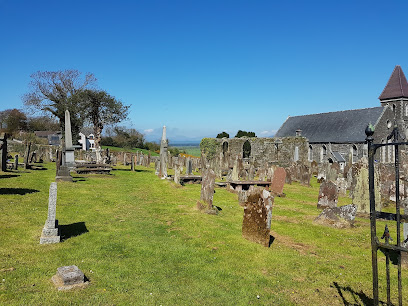
Martyr's Stake
15.4 km
A solemn monument marking the site where two brave Covenanter women were drowned for their faith in 1685, embodying Scotland’s turbulent religious history.
At The Sign Of The Dragon
15.4 km
Discover a cozy haven of sci-fi and fantasy treasures with warm tales and a welcoming atmosphere in the heart of Wigtown.
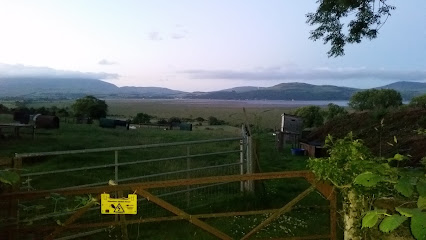
Cairn Holy Chambered Cairn
15.4 km
Explore over 5,000 years of Scottish history at Cairn Holy’s ancient Neolithic chambered cairns with stunning views over Wigtown Bay.
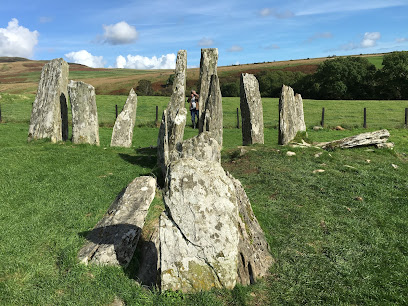
Essential places to dine

Central Cafe
0.1 km
A simple, seasonal cafe in historic Whithorn, serving home-style food in a relaxed village setting.
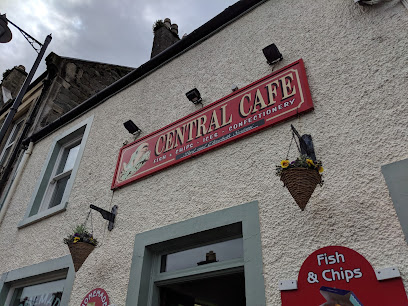
The Pheasant
6.6 km
Experience authentic Italian flavors with a modern twist in the welcoming countryside setting of Sorbie’s acclaimed The Pheasant.
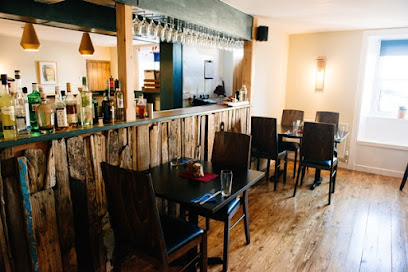
The Harbour Inn
6.9 km
Discover The Harbour Inn in Garlieston: A charming pub offering delicious local cuisine and breathtaking coastal views.
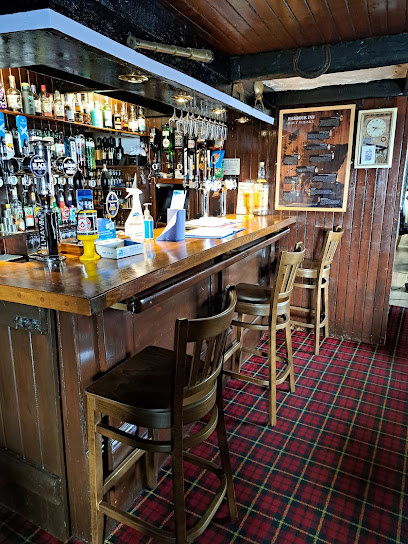
Cafe Rendezvous
15.0 km
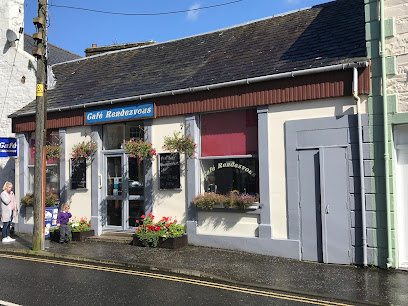
Cozy cafe in Wigtown offering fresh, gluten-free delights and a warm atmosphere in the heart of Scotland’s National Book Town.
Cobwebs
15.0 km
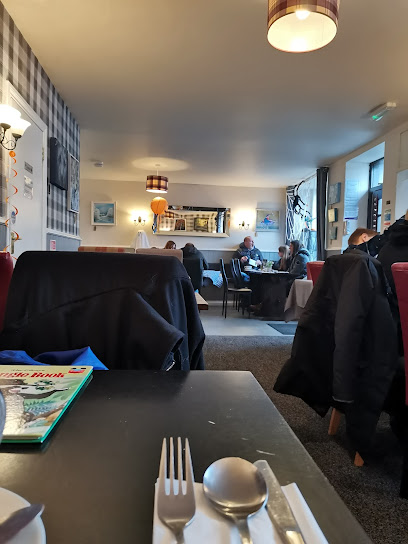
Cobwebs is a cozy, family-run restaurant in Wigtown’s Book Town offering diverse British and Scottish dishes with inclusive menus and a welcoming vibe.
Lairds Inn
17.6 km
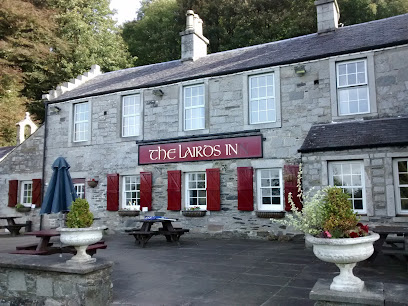
Historic charm meets hearty local fare with stunning river views and warm fires at The Lairds Inn in Newton Stewart.
The Ship Inn
22.0 km
Historic charm meets modern comfort and culinary excellence at The Ship Inn in the heart of Gatehouse of Fleet.
No.1 Fleet Street@The Ship Inn
22.0 km
Historic charm meets modern comfort at The Ship Inn, a cozy culinary and lodging gem in scenic Gatehouse of Fleet.
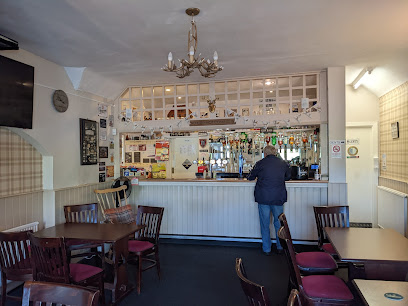
Masonic Arms
22.5 km
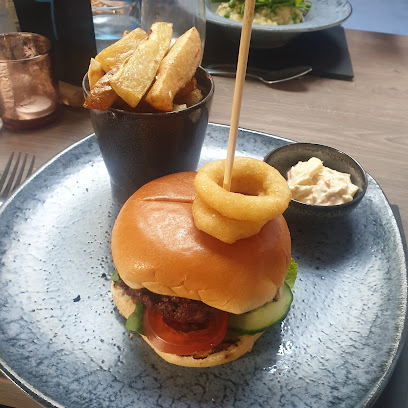
A welcoming gastropub in Gatehouse of Fleet offering excellent food, cozy ambiance, and comfortable accommodations in scenic Dumfries and Galloway.
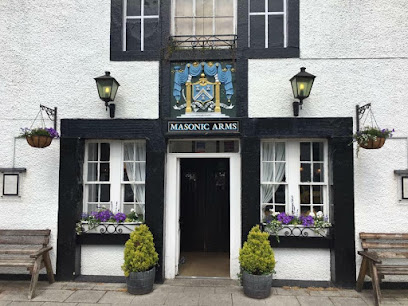
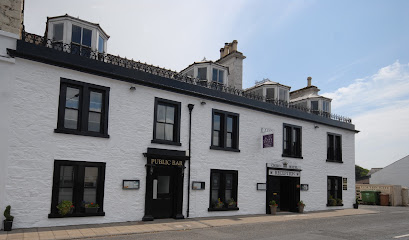
Cock Inn
23.8 km
Cozy coastal pub with classic Scottish dishes, friendly service, and stunning views over Luce Bay near Newton Stewart.
The Crown Hotel
24.8 km
Traditional Scottish inn with modern comfort, quality dining, and warm hospitality in Galloway's market town.
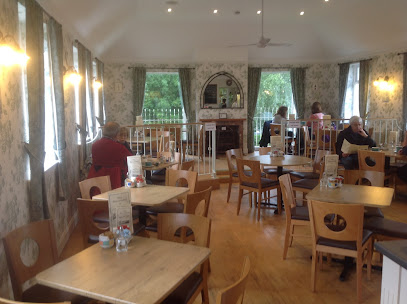
The Riverbank Restaurant
25.2 km
A bright and friendly café in Newton Stewart serving fresh, well-crafted meals and home-baked delights in a welcoming atmosphere.
The Cree Inn
25.6 km
Warm Scottish hospitality, quality food, and genuine welcome in a charming Creebridge pub.
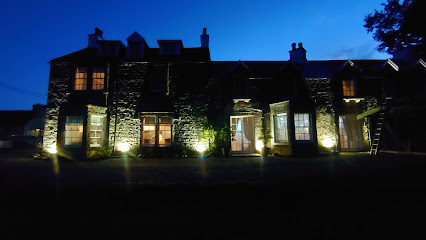
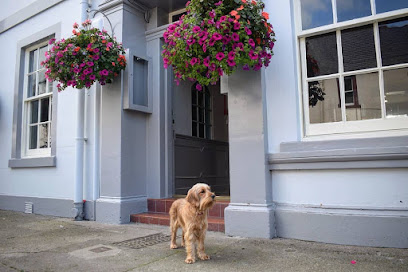
The Garret Hotel & Restaurant - Kirkcudbright
25.9 km
Charming boutique hotel and restaurant in the heart of Kirkcudbright, blending cosy comfort with artistic heritage and excellent local dining.
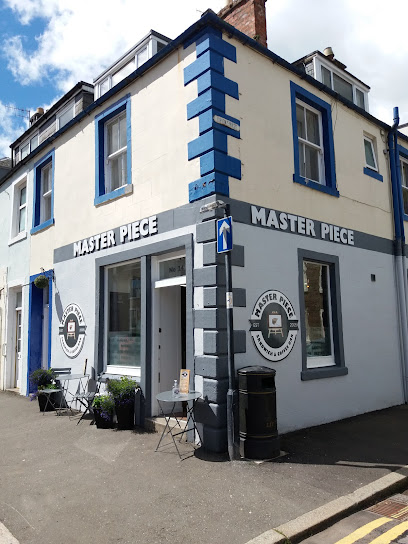
Masterpiece
25.9 km
Delight in freshly made sandwiches and hearty breakfasts at Masterpiece, a cozy and affordable eatery in the heart of Kirkcudbright.
Markets, malls and hidden boutiques

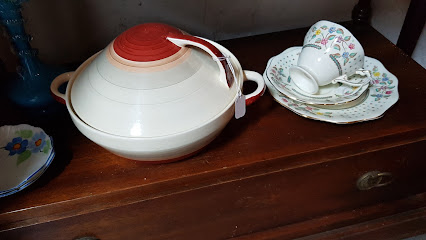
Priory Antiques
0.1 km
Discover timeless treasures and rich heritage at Priory Antiques, Whithorn’s premier destination for unique vintage finds and collectibles.
Signature Gifts Ltd
14.0 km
Discover unique souvenirs and local crafts at Signature Gifts Ltd, a charming gift shop in Bladnoch, perfect for capturing the essence of your Scottish adventure.
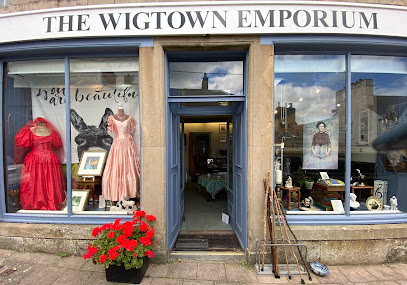
The Wigtown Emporium
15.0 km
Discover antiques, vintage treasures, and curiosities in the heart of Scotland's National Book Town at The Wigtown Emporium.
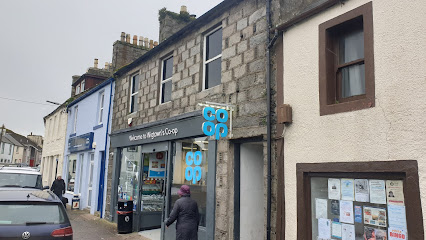
Co-op Food - Wigtown
15.0 km
Discover local flavors and essentials at Co-op Food in Wigtown, your perfect stop for convenience while exploring Scotland's book town.
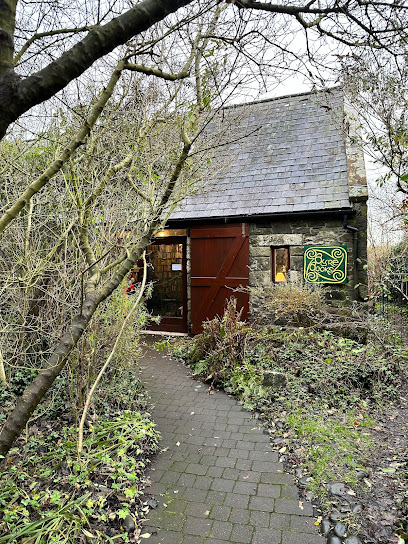
Byre Books
15.0 km
Specialist secondhand bookshop in Wigtown offering rich collections in folklore, Scottish culture, theatre, and archaeology.
The Old Bank Bookshop
15.1 km
Discover six rooms of second-hand treasures and sheet music in the heart of Scotland’s National Book Town, welcoming all book lovers with warmth and charm.
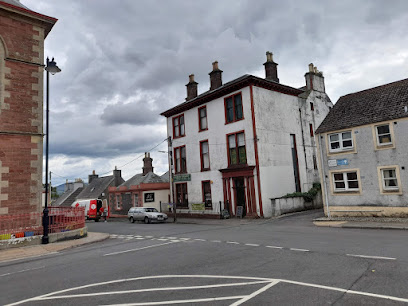
Foggie Toddle Books
15.1 km
Scotland's children's bookshop and publisher celebrating Scottish stories, rare finds, and literary community in Wigtown's Book Town.
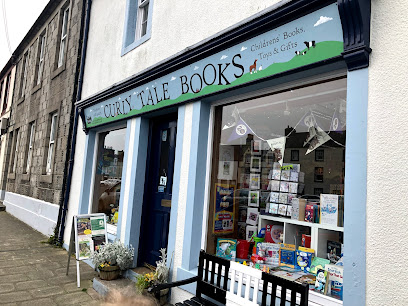
No6 Studio Wigtown
15.1 km
Discover unique second-hand furniture and local craftsmanship in the heart of Wigtown’s charming South Main Street.
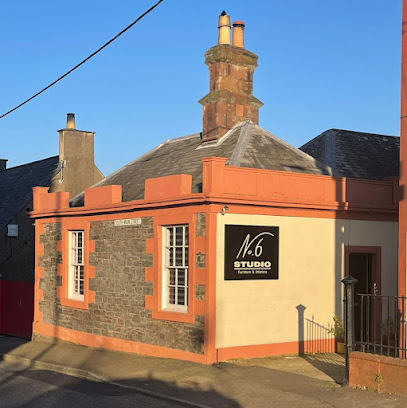
Faodail
15.1 km
Discover unique antiques, vintage jewellery, and rare Scottish books in the heart of Wigtown’s charming National Book Town.
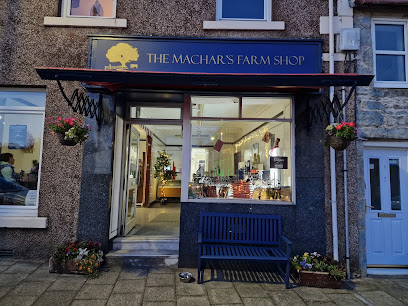
Farm Shop
15.2 km
Wigtown's authentic farm shop celebrating local producers and seasonal Scottish fare.
Beltie Books & Cafe
15.2 km
A cozy bookshop cafe in Wigtown blending local charm, great reads, and homemade treats in a bright, welcoming setting.
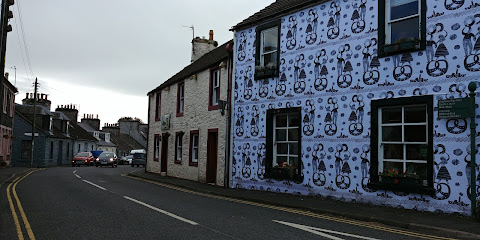
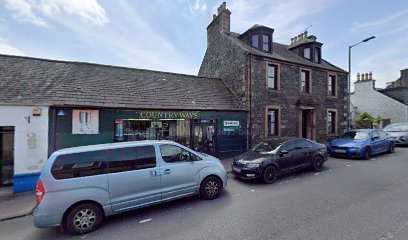
D & W Countryways
25.2 km
Discover premium outdoor clothing and equipment at D & W Countryways in Wigtown, your gateway to exploring Scotland's stunning landscapes.
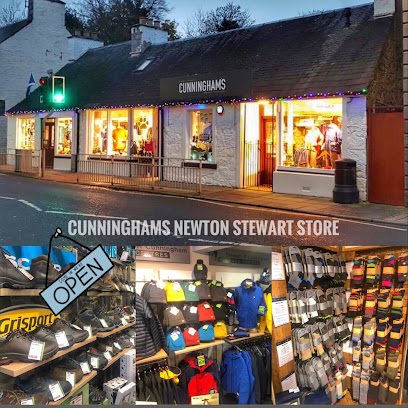
Cunningham Stewart R
25.3 km
Your trusted outfitter for outdoor clothing and equipment in Newton Stewart, serving adventurers exploring the Galloway Hills and beyond.
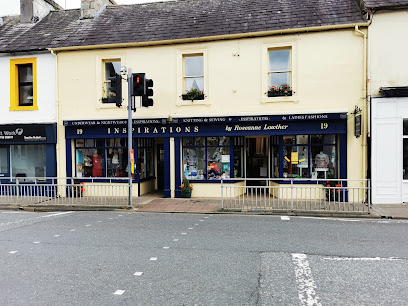
Inspirations
25.3 km
Discover unique sewing and knitting treasures at Inspirations, Newton Stewart’s welcoming hub for craft lovers and fashion enthusiasts alike.
Idlehour Gifts
25.3 km
Explore Idlehour Gifts in Newton Stewart: Your destination for unique, locally crafted treasures that capture the essence of Scotland.
Essential bars & hidden hideouts

Railway Inn whithorn ltd
0.3 km
Cozy Scottish pub and inn with hearty homemade meals, warm hospitality, and comfortable rooms in the scenic Dumfries & Galloway countryside.
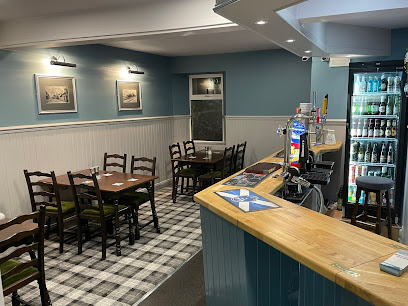
The Steam Packet Inn
5.2 km
Charming harbourfront inn in Isle of Whithorn, renowned for fresh seafood, local ales, and scenic coastal views.
The Bladnoch Inn
14.2 km
Cozy Scottish countryside inn offering warm hospitality, hearty pub fare, and comfortable stays near Newton Stewart.
The Galloway Bar
15.0 km
A lively, dog-friendly sports pub in Wigtown offering darts, pool, and live BT & Sky Sports in a welcoming atmosphere.

Blackhorse Hotel
24.9 km
Cozy 3-star hotel in Newton Stewart with modern rooms, a lively bar, and friendly local charm in Dumfries and Galloway.
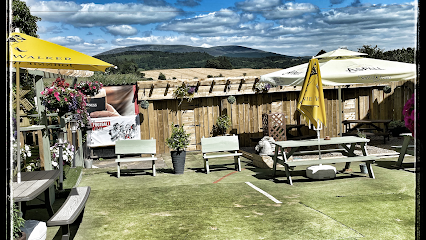
Star Inn
25.1 km
A friendly local bar in Newton Stewart serving hearty pub food with fresh local ingredients in a warm, lively atmosphere.
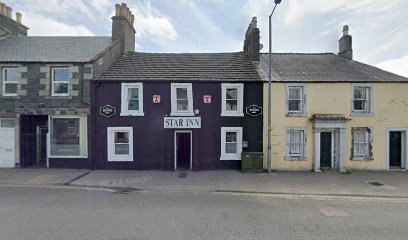
Galloway Arms Hotel
25.5 km
A traditional Scottish inn in Newton Stewart offering hearty local dishes, fine whiskies, and a warm, welcoming atmosphere steeped in regional charm.
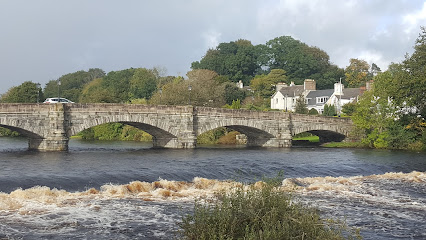
Montys Bar
38.5 km
A lively sports bar in Castle Douglas offering great drinks, casual dining, and a welcoming atmosphere with indoor and outdoor spaces.
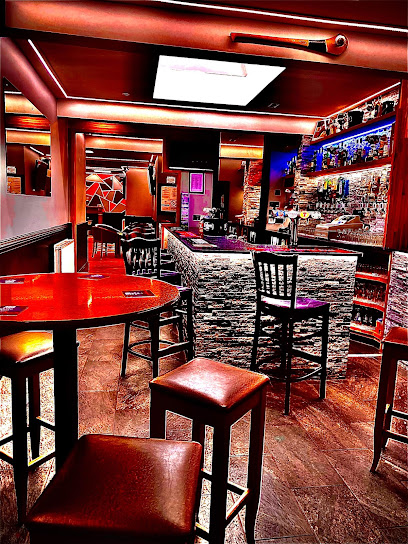
The Meeting Place
43.3 km
A welcoming cocktail bar in Stranraer with expertly crafted drinks, modern mood lighting, and a friendly, pet-inclusive atmosphere.

The Grapes
43.4 km
Experience authentic Scottish pub culture in the heart of Stranraer at The Grapes, a welcoming and timeless local favorite.
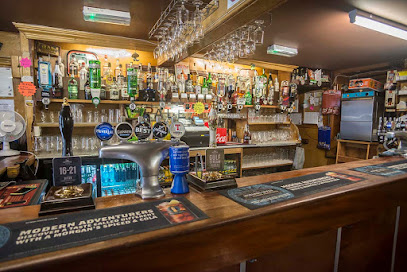
Stranraer F C Fitba Bar
43.5 km
A vibrant sports bar and community hub in Stranraer, blending football passion with live entertainment and friendly local spirit.
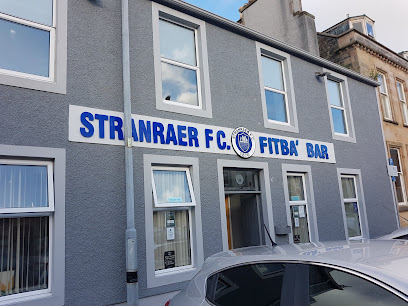
Central Hotel
45.8 km
Experience the warmth and charm of local hospitality at Central Hotel, a cozy pub in Ramsey, Isle of Man, perfect for unwinding and connecting with the community.
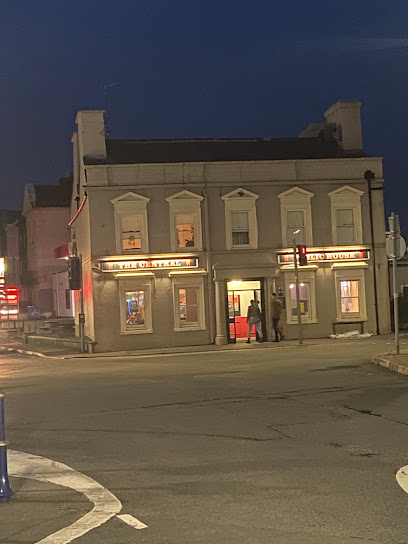
Plough Hotel
45.8 km
Discover the Plough Hotel in Ramsey - a vibrant pub experience with local brews and hearty meals in a welcoming atmosphere.
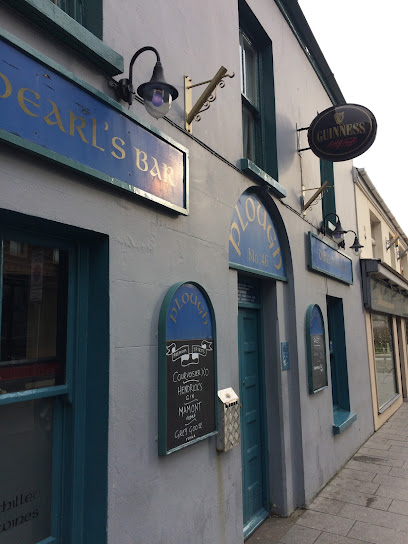
The Trafalgar Free House
45.8 km
Experience the essence of British pub culture at The Trafalgar Free House, where local ales and hearty meals await in a warm, inviting setting.
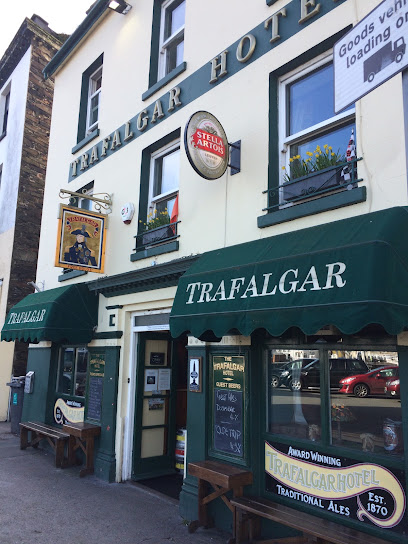
The Royal George
45.8 km
Experience the heart of Ramsey at The Royal George, where local culture meets delicious pub fare and a vibrant atmosphere.
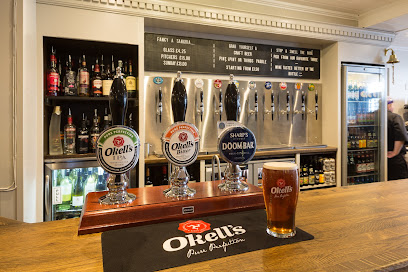
Nightclubs & after hour spots

Ramsey crown green bowling club
45.3 km
Discover the local charm and community spirit at Ramsey Crown Green Bowling Club, where traditional bowling meets stunning landscapes.
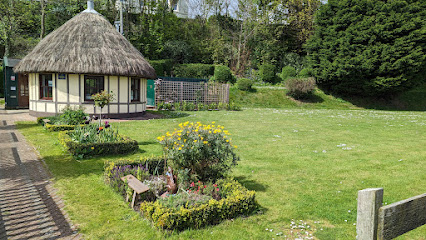
R.A.O.B Club
45.6 km
Discover the R.A.O.B Club in Ramsey, a vibrant social hub where locals and tourists unite for friendship and fun on the Isle of Man.
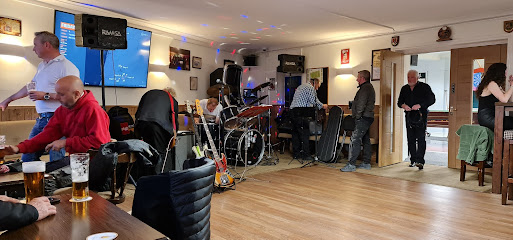
Manx Sailing & Cruising Club
45.7 km
Discover the vibrant maritime culture at the Manx Sailing & Cruising Club, a hub for sailing enthusiasts along Ramsey's scenic coastline.

South Ramsey Bowling Club
46.4 km
Discover the charm of bowling at South Ramsey Bowling Club, a local favorite nestled in the scenic beauty of Ramsey, Isle of Man.
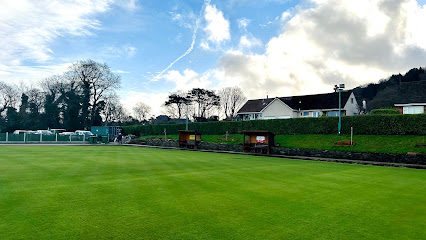
MC Entertainment
51.0 km
Experience unforgettable events with top-notch DJ services and event planning at MC Entertainment in Kirk Michael, Isle of Man.
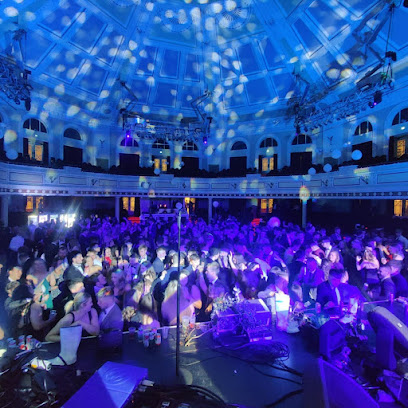
Laxey Working Men's Institute
55.8 km
Experience the heart of the Isle of Man at Laxey Working Men's Institute, where community and culture come together in vibrant harmony.
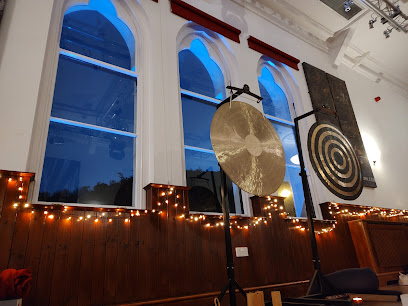
Isle of man
55.9 km
Discover the Isle of Man: A breathtaking island known for exhilarating sports events and rich cultural heritage amidst stunning landscapes.
Laxey Football Club
56.2 km
Discover the vibrant community spirit of Laxey Football Club, a cornerstone of Isle of Man's local culture and a thrilling sports venue for visitors.
Laxey Sailing Club
56.5 km
Experience the serene beauty and vibrant community of Laxey Sailing Club on the Isle of Man, perfect for sailing, relaxation, and local culture.
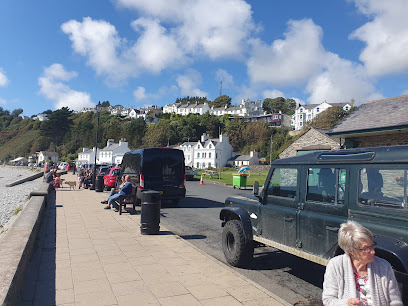
The Black Dub
58.6 km
Experience the vibrant nightlife of the Isle of Man at The Black Dub, a lively bar and event venue that embraces local culture and entertainment.

The Miller’s T’Ale
59.5 km
Discover the charm of Peel’s local pub scene at The Miller’s T’Ale, where great ales and delicious food await you.
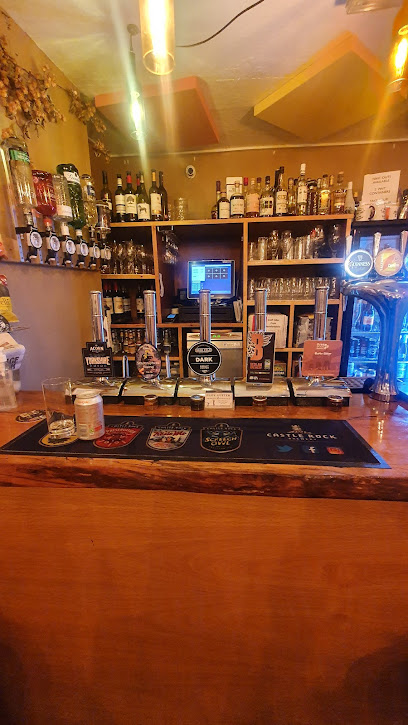
The Highwayman
59.5 km
Discover The Highwayman, a charming pub in Peel, Isle of Man, offering delicious food and a warm atmosphere for every visitor.
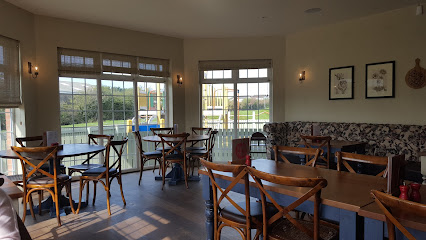
Royal Hotel
59.5 km
Discover the Royal Hotel, a lively pub in Peel, Isle of Man, known for local brews, friendly service, and a vibrant atmosphere perfect for unwinding.
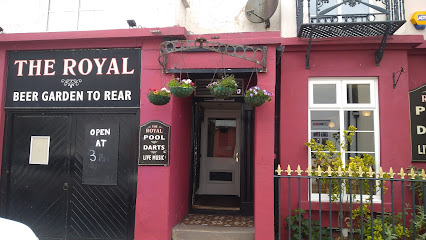
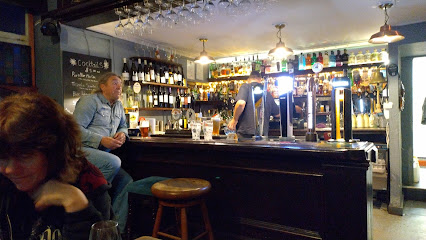
The Central Peel
59.5 km
Experience the vibrant atmosphere and local charm at The Central Peel, a must-visit pub in the heart of Peel, Isle of Man.
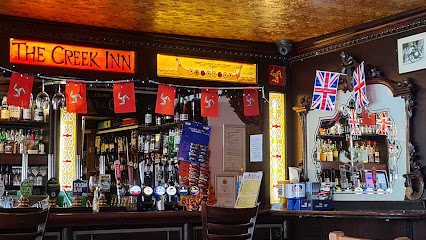
The Creek Inn
59.7 km
Discover the warmth and charm of The Creek Inn, a popular pub in Peel known for its local ales and hearty meals, perfect for tourists and locals alike.
For the vibe & atmosphere seeker
- Tranquil
- Scenic
- Cultural Heritage
- Relaxing
For the design and aesthetic lover
- Rustic Designs
- Vintage Styles
For the architecture buff
- Historic
- Sacred Sites
- Heritage Neighborhoods
For the view chaser and sunset hunter
- Iconic Views
- Sunset Spots
For the social media creator & influencer
- Instagrammable
- Photo Spots
- Architectural Shots
For the eco-conscious traveler
- Protected Area
- Locally Managed
- Public-Transport Accessible
- Leave-No-Trace Critical
For the kind of experience you’re after
- Cultural Heritage
- Myth & Legends
- Day Trip
- Weekend Getaway
- Photowalk
For how adventurous you want the journey to be
- Easy Access
Location Audience
- Family Friendly
- Senior Friendly
- Child Friendly
- Wheelchair Access
- Solo Friendly
- Couple Friendly
- Vegetarian Friendly
- Vegan Friendly


