Martyr's Stake Travel Guide
Free Guide: A solemn monument marking the site where two brave Covenanter women were drowned for their faith in 1685, embodying Scotland’s turbulent religious history.


A brief summary of Martyr's Stake
A solemn monument marking the site where two brave Covenanter women were drowned for their faith in 1685, embodying Scotland’s turbulent religious history.
Martyr's Stake in Wigtown, Scotland, marks the solemn site where two Covenanter women, Margaret MacLauchlan and Margaret Wilson, were executed by drowning in 1685 for their religious convictions. This historic monument commemorates their steadfast faith during the turbulent 'Killing Times' and stands as a poignant reminder of Scotland’s religious strife in the 17th century.
On-site amenities
 Information boards
 Seating areas
 Trash bins
Opening hours
- Every dayOpen 24 hours
Opening hours as listed on the venue’s Google Business Profile. Hours can change for services and special events, so check with the venue before you go.
- Address
- 2 Ballgreen, Wigtown, Newton Stewart DG8 9HU
- Website
Getting there
Bus
Car
Walking
Discover more about Martyr's Stake
The Historical Context of the Wigtown Martyrs
Martyr's Stake commemorates a tragic episode from Scotland’s 17th-century religious conflicts, known as the Covenanter period. The Covenanters were Presbyterian Scots who opposed the imposition of Episcopalianism and the authority of the Stuart monarchy over the church. In 1685, during the harsh suppression known as the "Killing Times," two women, Margaret MacLauchlan, aged around 63, and Margaret Wilson, a teenager, were condemned for refusing to swear the Abjuration Oath. This oath renounced their Covenant and recognized King James VII as head of the church. Their refusal led to their execution by drowning, a brutal act intended to force compliance through terror.
The Execution and Its Symbolism
The women were tied to stakes set in the tidal flats of Wigtown Bay, where the incoming tide slowly submerged them. This method of execution was both cruel and symbolic, designed to break their resolve by forcing the younger Margaret Wilson to witness the elder's death first, hoping she would recant. Instead, both remained steadfast, becoming enduring symbols of religious conviction and martyrdom. Their deaths were carried out under the command of Major Windram and in the presence of Sir Robert Grierson of Lag, officials charged with suppressing Covenanter dissent.
Monuments and Memorials in Wigtown
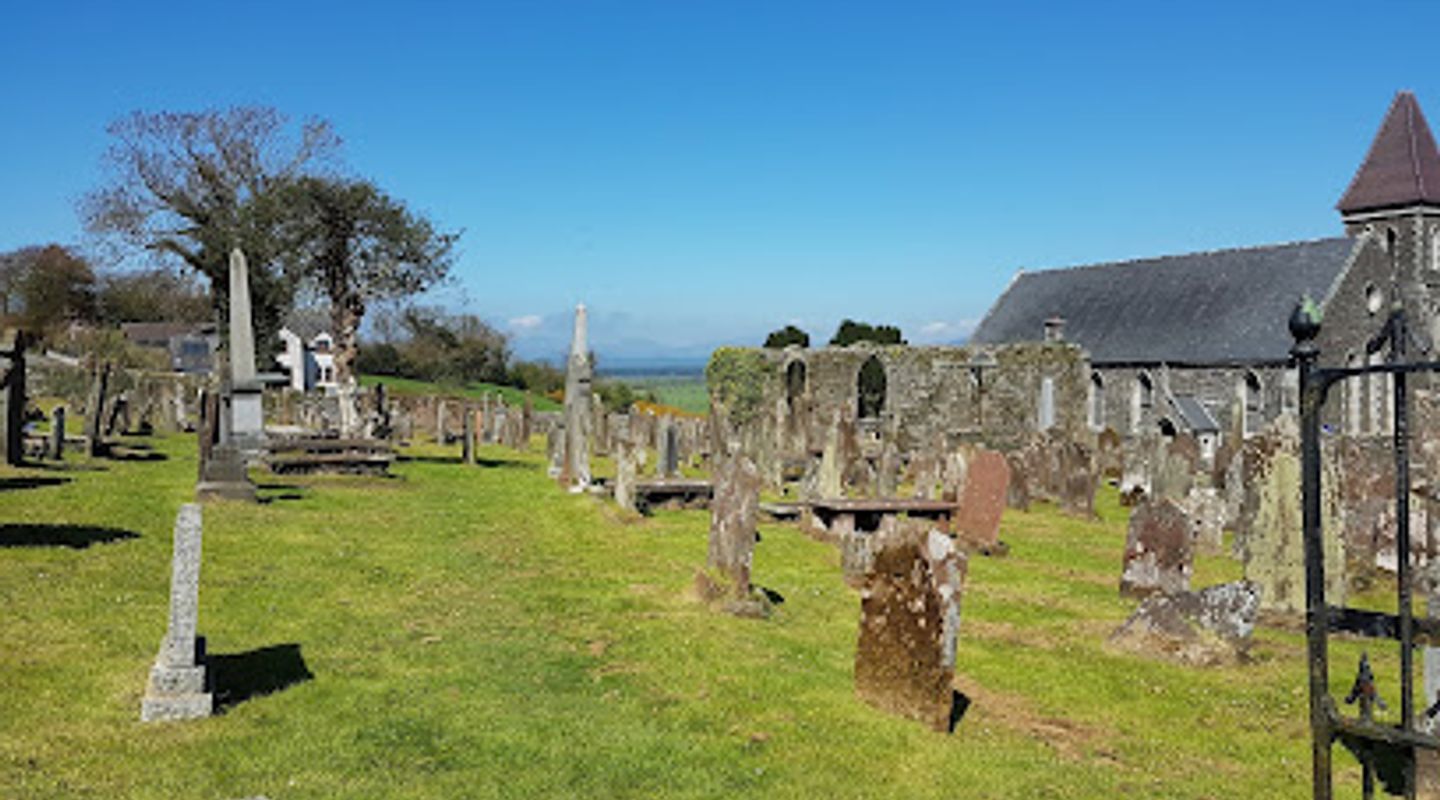
Martyr's Stake is one of three key memorials in and around Wigtown dedicated to the Covenanter martyrs. The site itself features a stone monument marking where the women perished. Nearby, gravestones commemorate the two women and three men who were hanged for similar beliefs. These memorials serve as powerful historical markers, preserving the memory of those who suffered for their faith during a period of intense religious persecution in Scotland.
Legacy and Historical Debate
The story of the Wigtown Martyrs has been passed down through centuries, documented by historians like Robert Wodrow, who chronicled the sufferings of the Scottish Church. However, some controversy exists regarding the exact details of the execution, with debates among historians about the event’s historicity. Despite this, the Martyr's Stake remains a potent symbol of resistance and faith, inspiring reflection on religious freedom and the costs of dissent.
Visiting the Site Today
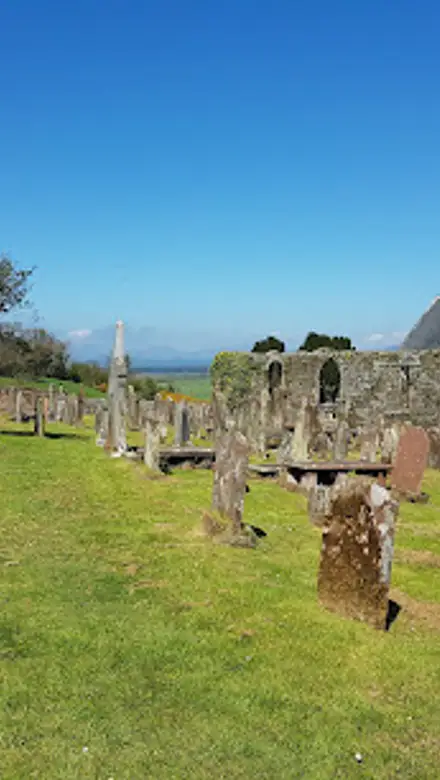
Today, Martyr's Stake offers a quiet, contemplative atmosphere on the edge of Wigtown Bay. Visitors can view the monument and surrounding memorials, gaining insight into Scotland’s turbulent religious past. The site’s peaceful setting contrasts with the grim history it commemorates, providing a space for remembrance and education about the Covenanters’ struggle.
The Broader Cultural Significance
Beyond its local importance, Martyr's Stake represents a chapter of Scottish cultural heritage linked to themes of faith, persecution, and resilience. It connects visitors to the broader narrative of Scotland’s religious and political history, illustrating how personal conviction shaped the nation’s identity. The site is also a point of interest for those studying religious martyrdom and the complex history of the British Isles during the 17th century.
Evendo Review Centre
 Google
Guest reviews
Best time to go
Quietest: Jan, Feb & Dec · before 6am or at 10pm
Busy times are Evendo estimates for a typical year, to help you plan. Actual crowds vary with events, school holidays and the weather.
Explore Martyr's Stake on the map
A handpicked selection of must-see spots near Martyr's Stake, mapped for you.
Get your free copy of our complete guide to Martyr's Stake, delivered straight to you.
Everything on this page, from opening hours and how to get there to Eve’s tips and the best time to go, in one PDF you can read offline, print or share.
Already have an account? Sign in
Your Martyr's Stake guide is ready.
We'll send it to · Not you? Sign out

Getting your guide ready…
We are putting together a fresh copy of the Martyr's Stake guide. This can take up to a minute.
This can take a few moments. If your browser asks, choose Allow so the download can start. You'll find the guide in your Downloads folder.
Nothing happened? Download it again
Sorry, the guide is taking longer than usual. Please try again in a minute, or get it by email instead.
Other nearby places you may find interesting
The closest places of the same kind, if this one is not quite what you had in mind.
-
Wigtown Harbour Historic Wigtown Harbour offers tranquil riverside views and a window into Scotland’s maritime past beside the National Book Town.
-
Stravaiger's Rest A tranquil riverside stone seat in Newton Stewart, where poetry and nature unite to celebrate local heritage and invite peaceful reflection.
-
Kenmure Castle Explore the evocative ruins of Kenmure Castle, a medieval stronghold rich in royal history and haunting legends in the heart of Galloway.
-
Wigtown Bird Hide Discover Wigtown Bird Hide, a serene refuge overlooking diverse wetlands and rich birdlife on Scotland’s scenic Machars peninsula.
-
Creetown Heritage Museum Discover Creetown’s rich heritage and natural wonders through immersive exhibits and unique local stories at the Creetown Heritage Museum.
Swipe for more places
More to explore near Martyr's Stake

 Best experiences near Martyr's Stake
 Best hotels near Martyr's Stake
 Best landmarks near Martyr's Stake
 Best attractions near Martyr's Stake
 Best shops near Martyr's Stake
 Best restaurants near Martyr's Stake
 Best bars near Martyr's Stake
Do you manage this location?
Take control to get all the benefits, like improved information, better appearance, and stronger visibility across AI-powered discovery.
Explore more

Explore more of Wigtownshire
Discover Wigtownshire: Scotland's literary haven with stunning coastlines, rich history, and serene natural beauty.
Explore Wigtownshire
Explore more of United Kingdom
Discover the United Kingdom: A blend of rich history, stunning landscapes, and vibrant cities, offering a unique travel experience for every visitor.
Explore United Kingdom