
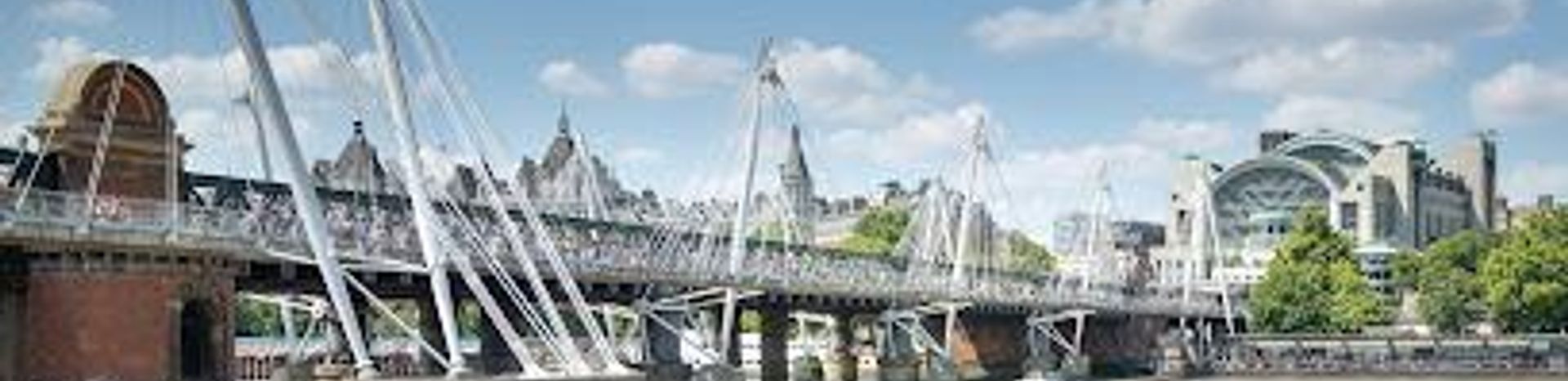
Hungerford Bridge and Golden Jubilee Bridges, London
Iconic Thames crossing blending Victorian railway heritage with sleek cable-stayed footbridges and stunning panoramic London views.
Spanning the River Thames between Charing Cross and the South Bank, Hungerford Bridge is a historic steel railway bridge flanked by the modern Golden Jubilee pedestrian bridges. Opened in 2002 to celebrate Queen Elizabeth II's Golden Jubilee, these cable-stayed footbridges offer spectacular panoramic views of iconic London landmarks including the London Eye, Houses of Parliament, and St Paul's Cathedral. A vital pedestrian and rail crossing, the site combines Victorian engineering heritage with sleek contemporary design.
A brief summary to Hungerford Bridge and Golden Jubilee Bridges
- Blackfriars Rd, London, SE1 8NZ, GB
- Visit website
- Duration: 0.5 to 2 hours
- Free
-
 Outdoor
- Mobile reception: 5 out of 5
- Monday 12 am-12 am
- Tuesday 12 am-12 am
- Wednesday 12 am-12 am
- Thursday 12 am-12 am
- Friday 12 am-12 am
- Saturday 12 am-12 am
- Sunday 12 am-12 am
Local tips
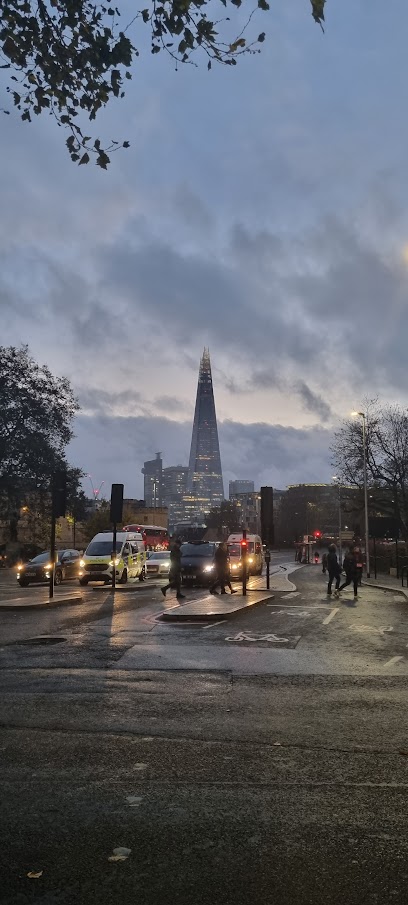
- Walk along the west footbridge for classic views of Big Ben and the Houses of Parliament.
- Use the lifts at both ends for wheelchair and stroller access.
- Visit at dusk to enjoy the subtle lighting and cityscape as the sun sets.
- Combine your walk with nearby attractions like the London Eye and Royal Festival Hall.

For the on-the-go comforts that matter to you
- Restrooms
- Seating Areas
- Information Boards
Getting There
-
London Underground
Access the bridges via Charing Cross station on the Northern and Bakerloo lines or Embankment station on the District and Circle lines. Walking from either station to the bridge takes approximately 5-10 minutes. Tube fares range from £2.50 to £6 depending on zones and ticket type.
-
National Rail
Charing Cross railway station is directly adjacent to the north end of the bridge, served by Southeastern trains from southeast London and Kent. Typical journey times from central London terminals are 10-30 minutes. Tickets cost between £5 and £15 depending on route and time.
-
Bus
Several London bus routes stop near the bridge including routes 6, 23, 26, and 341. Buses run frequently with typical journey times from central London of 15-30 minutes. Contactless payment or Oyster cards are accepted.
-
Walking
The bridges are easily accessible on foot from nearby attractions such as the London Eye, Royal Festival Hall, and Trafalgar Square. Walking times range from 10 to 20 minutes over mostly flat terrain with step-free access.
Hungerford Bridge and Golden Jubilee Bridges location weather suitability
-
 Any Weather
-
 Clear Skies
-
 Rain / Wet Weather
-
 Mild Temperatures
Discover more about Hungerford Bridge and Golden Jubilee Bridges
Historic Evolution of the Hungerford Crossing
The site of Hungerford Bridge has long been a vital crossing of the River Thames. The original structure, designed by the renowned engineer Isambard Kingdom Brunel, opened in 1845 as a suspension footbridge connecting the South Bank near Lambeth to the bustling Hungerford Market on the north side, close to what would become Charing Cross Station. This elegant suspension bridge was notable as the longest in Britain at the time and served as a toll bridge attracting massive pedestrian traffic. In 1864, the original footbridge was replaced by a wrought-iron railway bridge designed by Sir John Hawkshaw to extend the South Eastern Railway line to the newly opened Charing Cross Station. To maintain pedestrian access, narrow walkways were added on either side of the railway bridge. Over the decades, these walkways became increasingly dilapidated and insufficient for growing foot traffic, prompting plans for modern replacement.Design and Construction of the Golden Jubilee Bridges
In the late 1990s, a design competition was held to replace the aging pedestrian walkways with new structures that would honor Queen Elizabeth II's Golden Jubilee in 2002. The winning design by architects Lifschutz Davidson Sandilands and engineers WSP Group created two elegant cable-stayed footbridges flanking the existing railway bridge. These 4-meter-wide bridges are supported by inclined pylons anchored on Brunel’s original brick buttresses, blending historic foundations with contemporary engineering. Construction posed significant challenges including careful excavation to avoid London Underground tunnels and the risk of unexploded World War II ordnance in the riverbed. The footbridges were completed and officially opened in 2002, immediately becoming one of London’s busiest pedestrian river crossings with an estimated 8.5 million annual users.Architectural and Visual Impact
The Golden Jubilee Bridges are celebrated for their sleek, modern aesthetic and structural elegance. Their cable-stayed design features slender masts and taut steel cables that create a light and airy appearance contrasting with the robust lattice ironwork of the railway bridge. At night, subtle monochromatic lighting enhances the bridges’ sculptural form, forming part of the Illuminated River art project. From the footbridges, visitors enjoy sweeping views along the Thames. The west side offers iconic vistas of Big Ben and the Houses of Parliament, while the east side frames the City skyline including St Paul's Cathedral and The Shard. The bridges connect key cultural landmarks such as the Royal Festival Hall, County Hall, and the London Eye, making the crossing itself a scenic experience.Connectivity and Public Use
The bridges link the north bank at Charing Cross station with the South Bank’s vibrant cultural quarter near Waterloo station. They provide step-free access via lifts and stairs, ensuring accessibility for all pedestrians including wheelchair users. The crossing is a vital artery for commuters, tourists, and locals alike, seamlessly integrating rail and pedestrian transport. The footbridges replaced narrow, unsafe walkways and have transformed the riverside promenade into a welcoming public space. Their design pays homage to the Festival of Britain with inclined pylons reminiscent of 1951 structures, blending historical references with modern urban design.Significance and Cultural Context
Hungerford Bridge and the Golden Jubilee Bridges embody London’s layered history and evolving infrastructure. From Brunel’s pioneering suspension bridge to the contemporary cable-stayed footbridges, the site reflects advances in engineering and urban planning. The bridges not only facilitate movement but also offer a unique vantage point to appreciate London’s architectural heritage and riverside vitality. As one of only three London bridges carrying both rail and pedestrian traffic, it holds a distinctive place in the city’s transport network. The Golden Jubilee Bridges stand as a symbol of celebration, connectivity, and design excellence, enriching the Thames’ iconic landscape.Visitor Experience and Atmosphere
Crossing the Golden Jubilee Bridges is an immersive sensory experience. The gentle sway of the footbridges, the sound of the river below, and the panoramic views create a tranquil yet lively atmosphere. Whether bathed in daylight or illuminated at night, the bridges offer memorable perspectives of London’s skyline and riverside landmarks. The pedestrian paths encourage leisurely strolls, photography, and reflection amid the urban bustle. The bridges’ accessibility and central location make them ideal for all visitors seeking to connect north and south London while soaking in the city’s historic and modern charm.Iconic landmarks you can’t miss

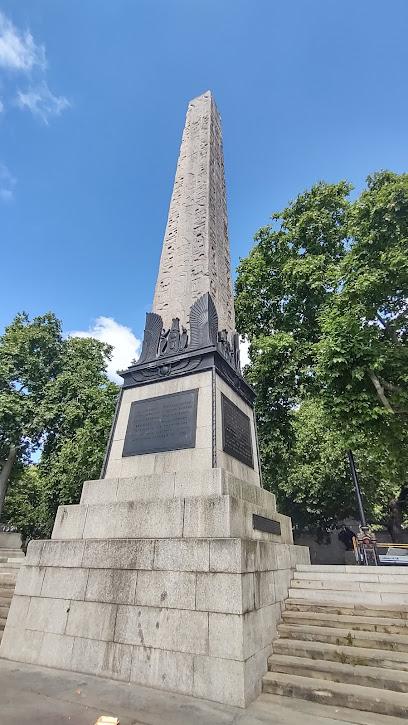
Cleopatra's Needle
0.3 km
An ancient Egyptian obelisk on London's Thames Embankment, bridging millennia of history and mystery in the heart of the city.
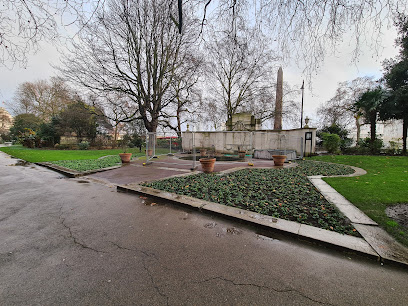
Major-General Lord Cheylesmore Monument
0.3 km
A serene stone tribute in Victoria Embankment Gardens honoring Major-General Lord Cheylesmore’s military and civic legacy.
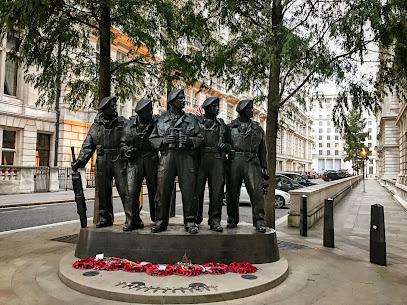
Royal Tank Regiment Memorial Statue
0.3 km
A commanding bronze tribute in Whitehall honoring the bravery and teamwork of the Royal Tank Regiment’s WWII Comet tank crews.
Henry Fawcett Monument
0.3 km
A serene Victorian fountain memorializing Henry Fawcett’s pioneering spirit in social reform and women’s suffrage, nestled in tranquil Embankment Gardens.
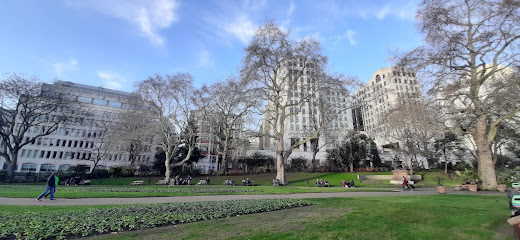
Waterloo Bridge
0.4 km
Waterloo Bridge, London’s elegant Thames crossing, famed for its wartime women builders and breathtaking panoramic city views.
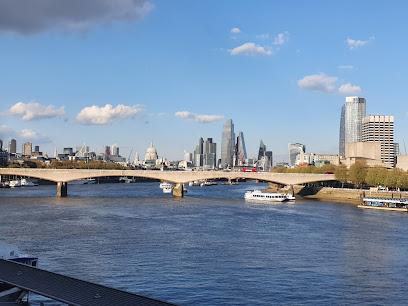
The Gurkha Soldier Statue
0.4 km
A solemn tribute to the fearless Gurkha soldiers guarding Britain’s legacy on Horse Guards Avenue.
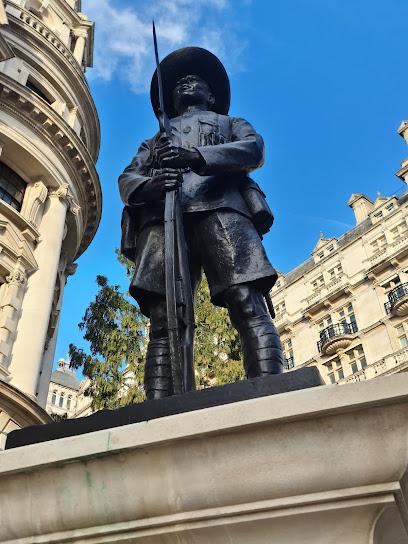
Richard D’Oyly Carte Monument
0.4 km
A sculptural homage to Richard D’Oyly Carte’s theatrical and hospitality legacy, nestled in the serene Victoria Embankment Gardens.
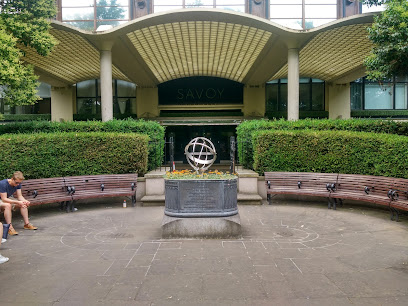
County Hall
0.4 km
Historic Edwardian Baroque landmark on London’s South Bank with iconic river views, cultural venues, and rich civic heritage.
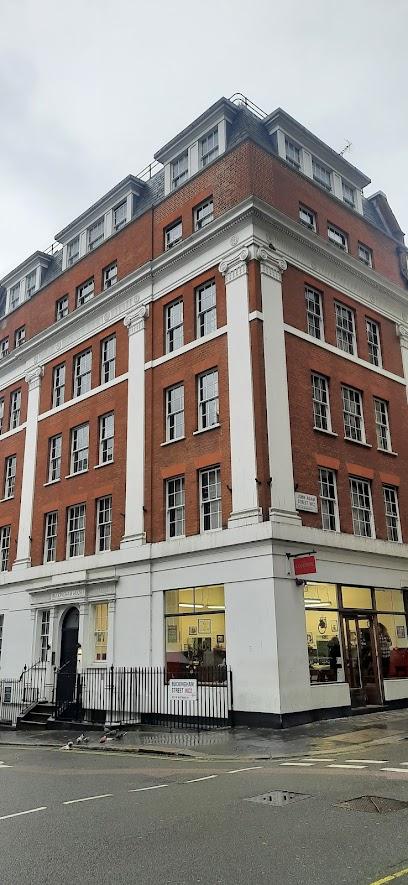
John Adam St & Adam St
0.4 km
Explore John Adam Street & Adam Street, heart of the Adam brothers’ neoclassical Adelphi development, blending Georgian elegance with modern London vibrancy.
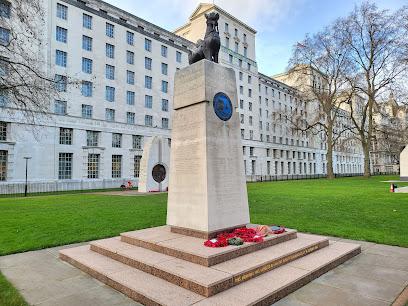
Chindit Memorial
0.4 km
A solemn tribute in London honoring the daring Chindit special forces and their leader Major General Orde Wingate’s legacy.
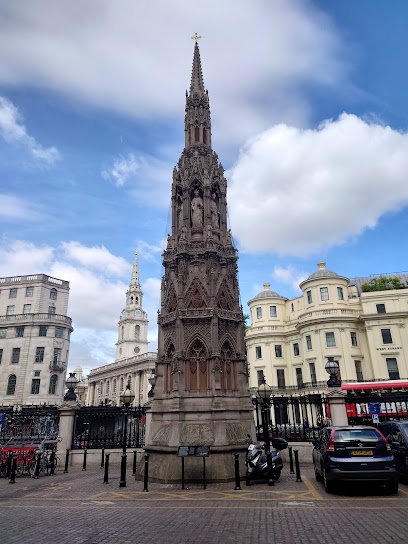
Eleanor Cross
0.4 km
A Victorian Gothic Revival monument marking the final resting place of Queen Eleanor’s funeral procession, blending medieval legacy with London’s historic heart.
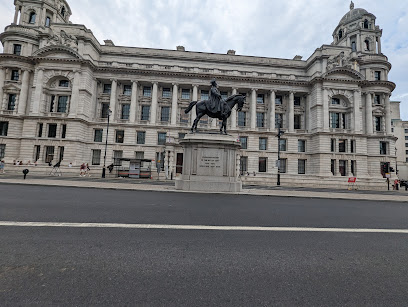
George Duke of Cambridge statue
0.5 km
A commanding bronze tribute to Prince George, Duke of Cambridge, standing proudly on Whitehall amidst London’s historic military heart.
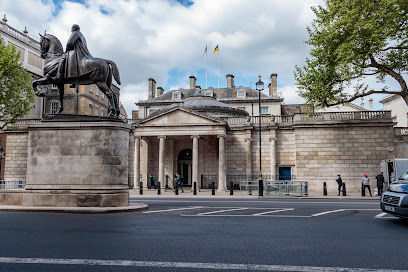
Dover House
0.5 km
Historic neoclassical mansion on Whitehall, home to the Scotland Office with a unique rotunda entrance and rich aristocratic past.
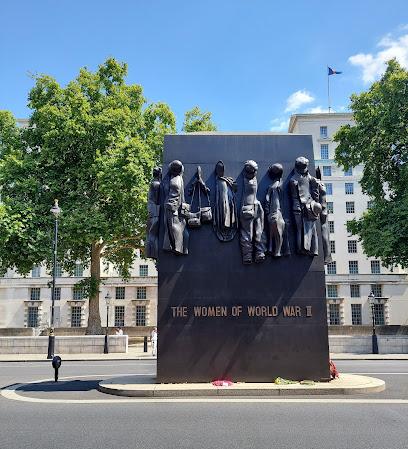
The Women of World War II
0.5 km
A powerful bronze tribute in Whitehall honoring over seven million British women’s vital roles during World War II.
16-18 Whitehall
0.5 km
Explore 16-18 Whitehall, the historic site of England’s grandest royal palace and home to the stunning Banqueting House, a masterpiece of classical architecture.

Unmissable attractions to see

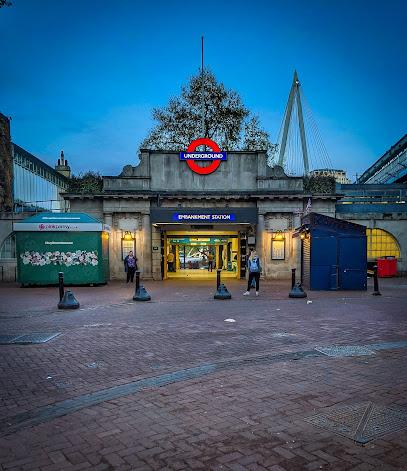
Embankment station
0.2 km
Historic and bustling central London Tube station connecting four major lines near the Thames and iconic landmarks.
30 The Queen's Walk
0.2 km
South Bank's riverside food and entertainment hub beneath Hungerford Bridge, where street food, craft beer, and live music meet the Thames.
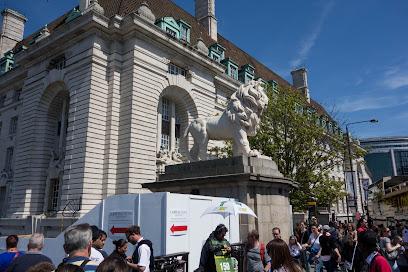
Embankment Pl
0.2 km
A sleek postmodern complex blending riverside charm with central London’s vibrant urban pulse.
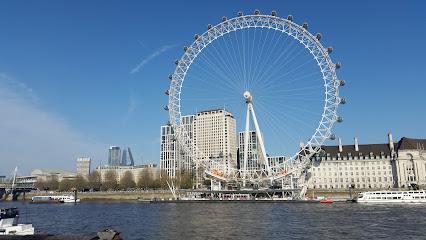
Bustronome London
0.2 km
Savor gourmet dining aboard a panoramic double-decker bus while cruising past London’s iconic landmarks in unmatched style and comfort.
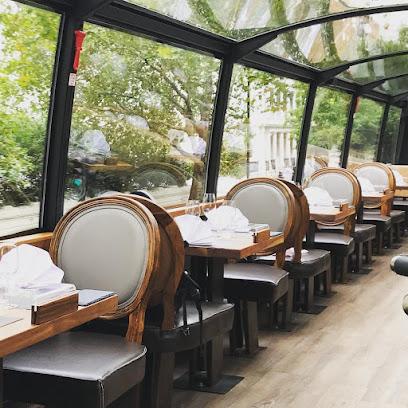
The Queen’s Walk
0.2 km
A scenic riverside promenade along the Thames connecting London’s iconic landmarks and vibrant cultural hubs.
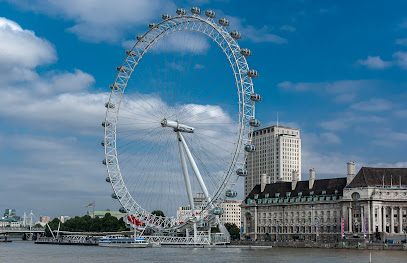
Royal Festival Hall
0.2 km
A historic riverside concert hall and cultural beacon on London’s South Bank, blending iconic architecture with world-class performances.
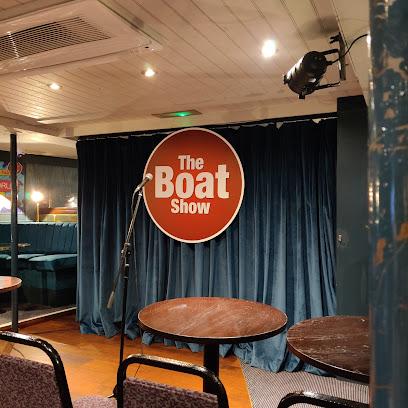
The Boat Show Comedy Club
0.3 km
Experience the best of London's nightlife with laughter and drinks at The Boat Show Comedy Club, set in the unique Tattershall Castle.
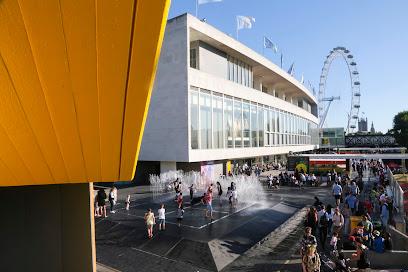
Southbank Centre
0.3 km
A vibrant riverside cultural complex in London offering world-class music, art, and festive experiences year-round.
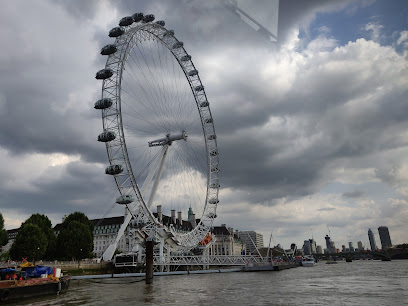
Victoria Embankment Gardens
0.3 km
A historic and tranquil riverside garden in central London, blending Victorian heritage with peaceful green spaces and cultural memorials.
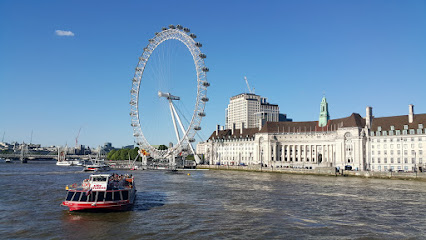
Victoria Embankment Gardens: Whitehall Gardens
0.3 km
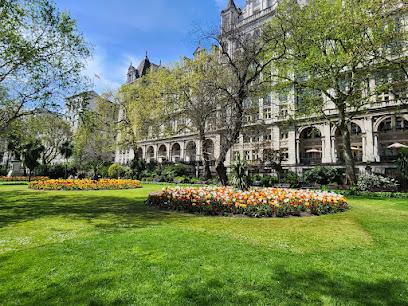
A peaceful riverside garden in central London blending historic monuments, vibrant blooms, and tranquil green spaces along the Thames.
Jubilee Gardens
0.3 km
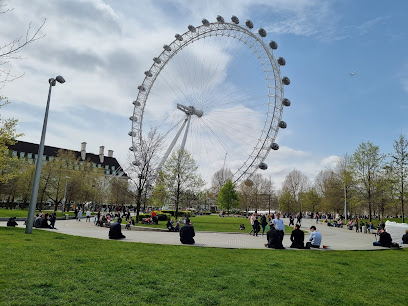
A peaceful, family-friendly green sanctuary on London’s South Bank with stunning views and a vibrant community spirit.
Southbank Centre Food Market
0.3 km
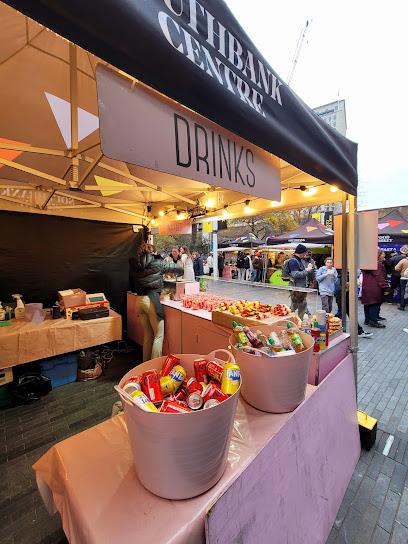
A lively weekend street food market on London’s South Bank offering global flavors behind the Royal Festival Hall.
York Watergate
0.3 km
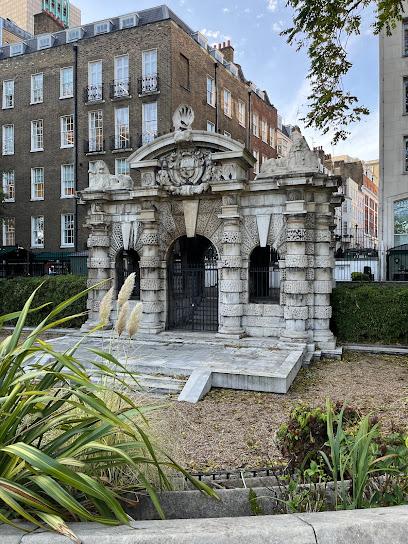
Explore York Watergate, a serene historical landmark on the River Thames, rich in maritime heritage and stunning views perfect for tourists.
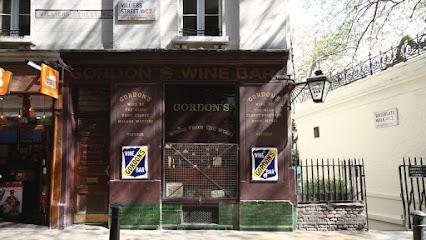
Gordon's Wine Bar
0.3 km
Experience the charm of London at Gordon's Wine Bar, the city's oldest wine bar, offering a delightful selection of wines and traditional British cuisine in a cozy atmosphere.
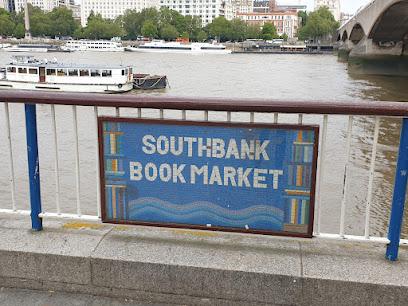
Southbank Book Market
0.3 km
Discover literary treasures and timeless charm beneath Waterloo Bridge at London’s iconic Southbank Book Market.
Essential places to dine

wagamama southbank
0.2 km
Lively riverside pan-Asian dining with fresh, bold flavors and stunning Thames views at London’s Royal Festival Hall.
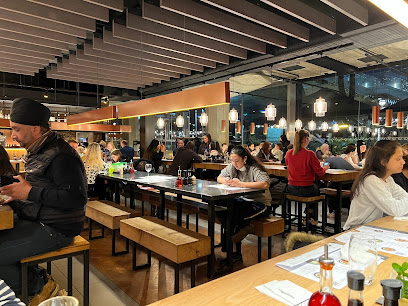
Strada Southbank
0.2 km
Authentic Southern Italian flavors served with vibrant riverside views in the heart of London’s Southbank.
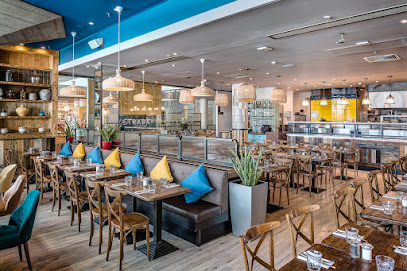
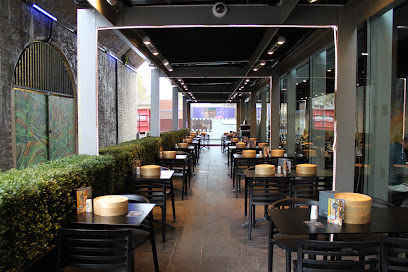
Ping Pong Southbank
0.3 km
Lively Southbank dim sum and cocktail bar blending traditional Chinese flavors with modern Asian fusion in a bustling riverside setting.
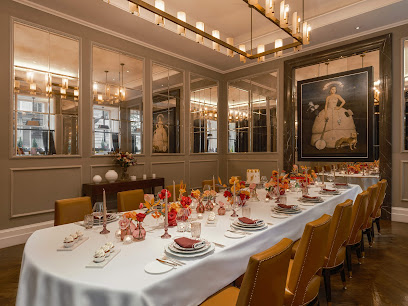
The Northall
0.3 km
Refined British dining with seasonal flair in a grand, elegant setting at Corinthia London’s distinguished restaurant.
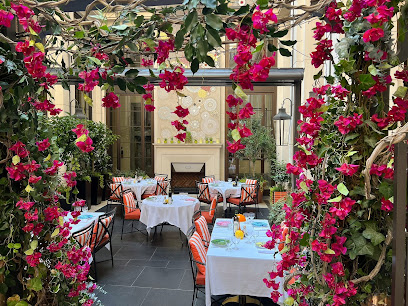
The Garden
0.3 km
A Mediterranean-inspired garden oasis offering refined seafood and elegant dining in the heart of London’s Corinthia Hotel.
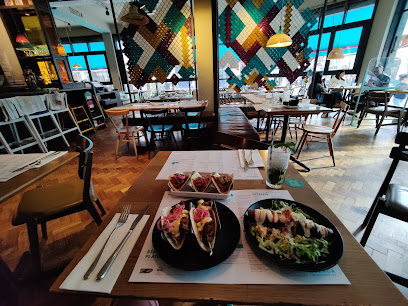
Wahaca Southbank
0.3 km
Experience vibrant Mexican street food in a unique riverside setting with scenic Thames views and lively atmosphere at Wahaca Southbank.
The Archduke
0.3 km
Lively steakhouse and wine bar in Waterloo with superb Scotch beef, classic desserts, and live jazz in a buzzy, inviting atmosphere.
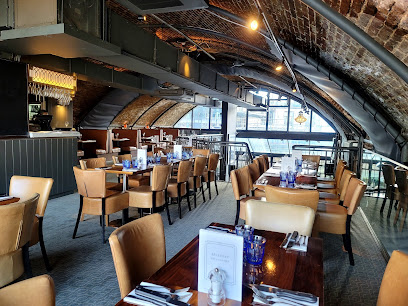
Brasserie Blanc - Southbank
0.4 km
Authentic French brasserie dining with hearty seasonal dishes and rustic charm on London’s lively South Bank.
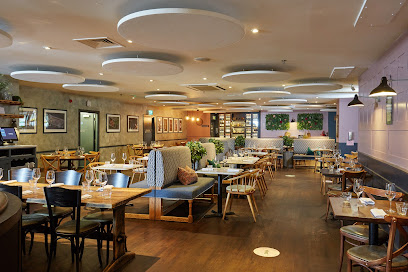
Ekstedt at The Yard
0.4 km
Experience Nordic wood-fired cuisine by Michelin-starred chef Niklas Ekstedt in the historic Great Scotland Yard Hotel, blending ancient fire cooking with British seasonal ingredients.
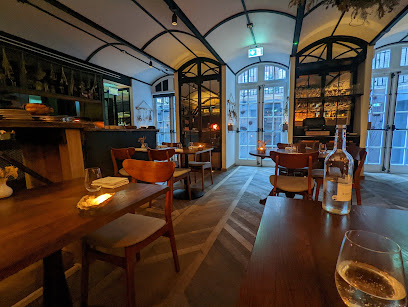
Troia Southbank
0.5 km
Experience authentic Mediterranean and Middle Eastern cuisine with halal options in a vibrant riverside setting near the London Eye.
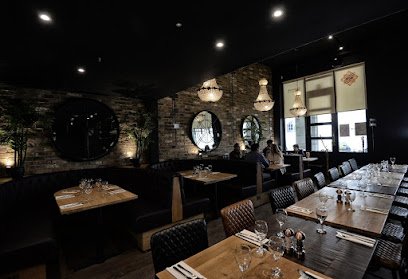
OKAN South Bank
0.5 km
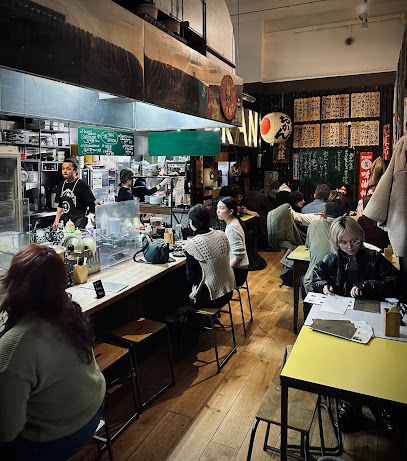
Experience authentic Osaka-style okonomiyaki and Japanese street food in a cozy, lively South Bank eatery with friendly service and a nostalgic vibe.
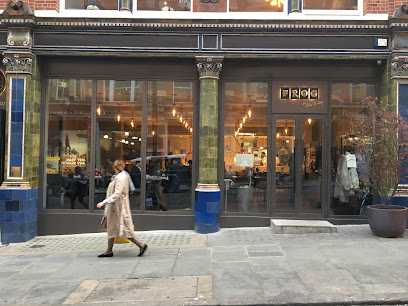
Frog by Adam Handling Restaurant Covent Garden
0.5 km
Experience Michelin-starred modern British cuisine with theatrical flair and sustainable luxury in the heart of Covent Garden.
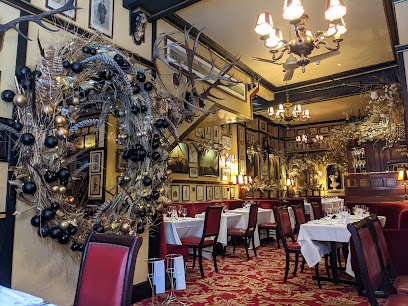
Rules
0.6 km
London’s oldest restaurant since 1798, Rules serves timeless British classics in an elegant, historic Covent Garden setting.
Flat Iron Covent Garden
0.6 km
Savor expertly crafted flat iron steaks in a historic Covent Garden setting, complete with rustic charm and a signature ice cream treat.
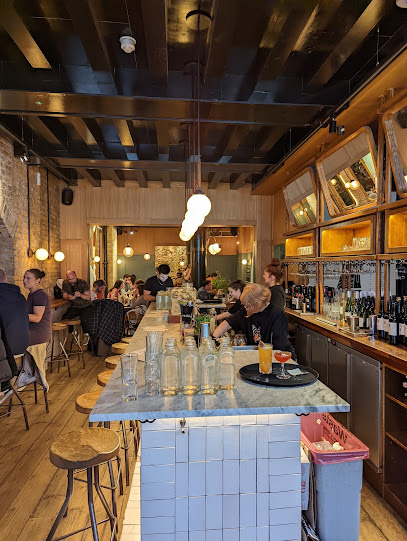
Park Plaza London Westminster Bridge
0.6 km
Stylish 4-star hotel on London’s South Bank with exceptional dining, event spaces, and modern amenities near iconic landmarks.
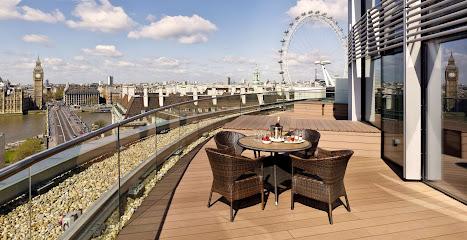
Markets, malls and hidden boutiques

Custom Gifts By Jupiter
0.2 km
Unleash creativity with bespoke gifts and custom decor from this South Bank artisan haven near the Thames and iconic landmarks.
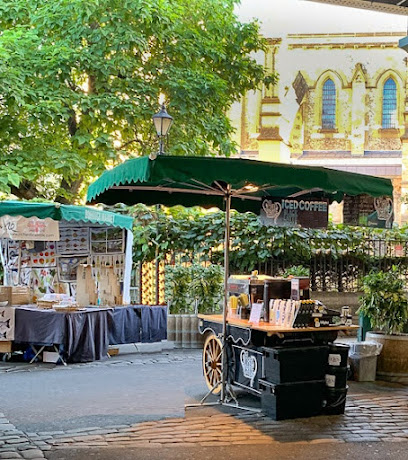
Southbank Centre Shop, Mandela Walk
0.2 km
Discover creative gifts, sustainable homewares, and arts-inspired souvenirs on vibrant Mandela Walk, opposite Royal Festival Hall—a stylish treat amid South Bank's cultural heartbeat.
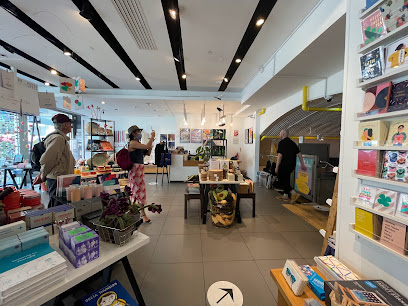
Gifts of London
0.3 km
Discover unique souvenirs and gifts that embody the spirit of London at Gifts of London, your perfect shopping destination.
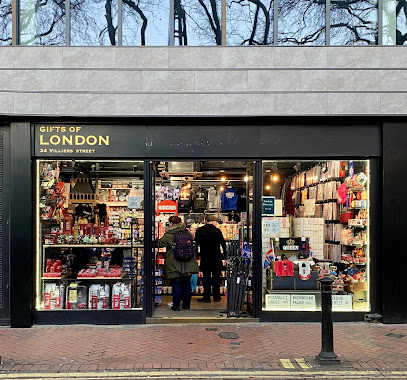
Gift Shop - London Eye Shop
0.3 km
Capture London's magic at the London Eye Gift Shop: exclusive souvenirs, Thames views, and iconic keepsakes from the wheel's base.
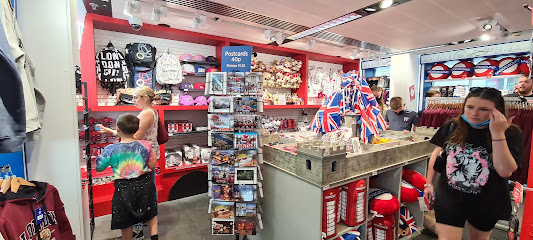
Crest of London Ltd
0.5 km
Discover authentic London souvenirs and local crafts at Crest of London Ltd, your premier gift shop in historic Whitehall.
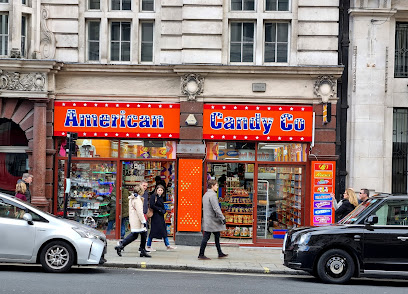
Browns of London
0.6 km
Explore Browns of London for unique handcrafted gifts and local treasures in the heart of the city, perfect for memorable souvenirs from your travels.
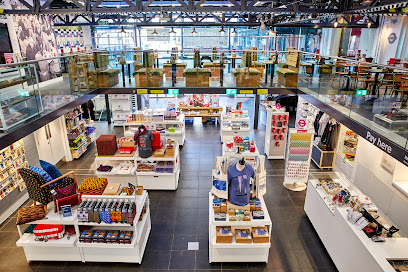
London Transport Museum - Shop
0.6 km
Discover unique transport-themed gifts and iconic London memorabilia at the London Transport Museum Shop in Covent Garden.
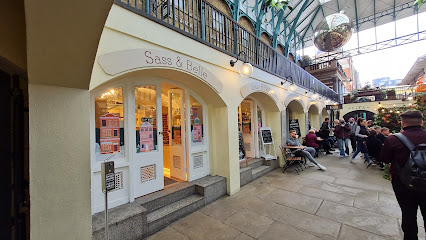
Sass & Belle Covent Garden Market
0.6 km
Quirky gifts and whimsical homeware in Covent Garden's lively market—permanently closed in-store, thriving online with cute finds for every home.
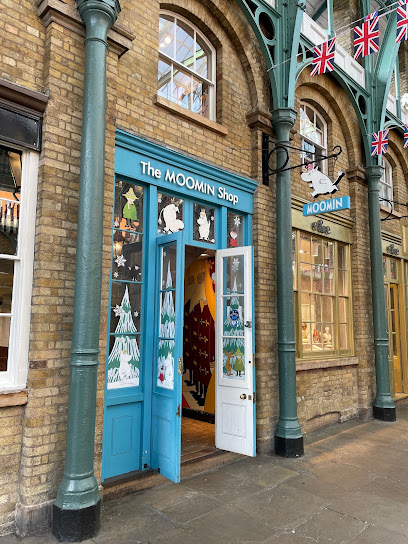
The Moomin Shop London
0.7 km
Step into the enchanting world of Moominvalley at The Moomin Shop in Covent Garden, London’s magical haven for fans of Tove Jansson’s beloved characters.
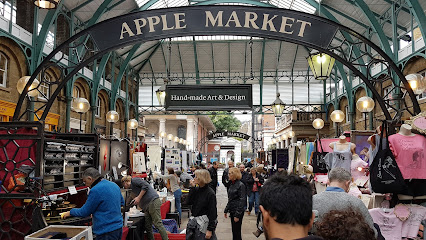
Covent Garden
0.7 km
Discover the vibrant shopping, dining, and entertainment experience at Covent Garden, a historical landmark in the heart of London.
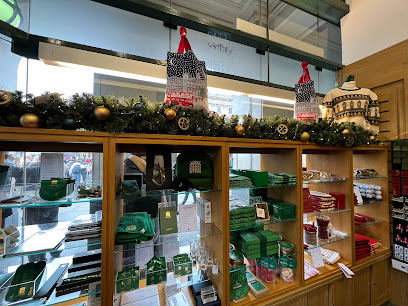
Houses of Parliament Shop
0.7 km
Discover parliamentary pride in souvenirs, books, and gifts at this cozy Bridge Street boutique, steps from Westminster's iconic halls.
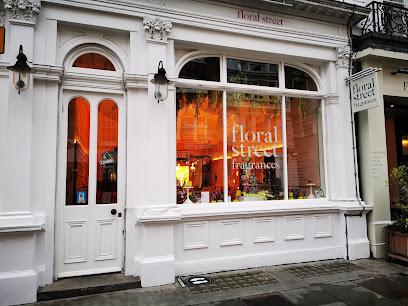
Floral Street
0.7 km
Contemporary floral fragrances crafted with purpose, sustainability, and joy in the heart of London.
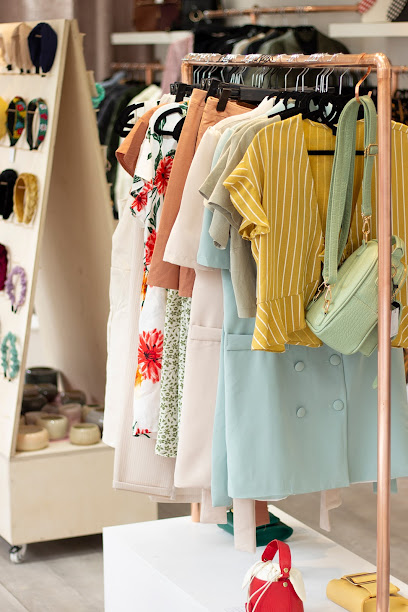
Sugar And Style
0.7 km
Discover design-led fashion accessories in Gabriel's Wharf, London's arty South Bank riverside haven blending style, creativity, and Thames views.
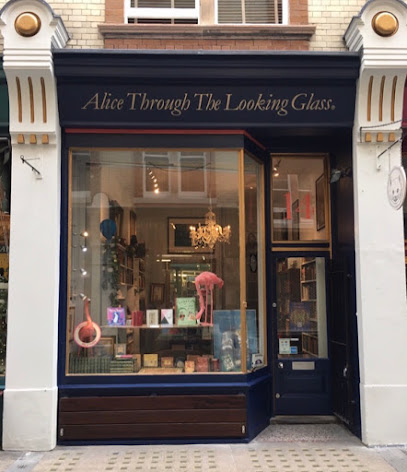
Alice Through The Looking Glass
0.7 km
Step into a whimsical world of antiques, art, and literary treasures inspired by Alice in Wonderland in the heart of London’s Cecil Court.
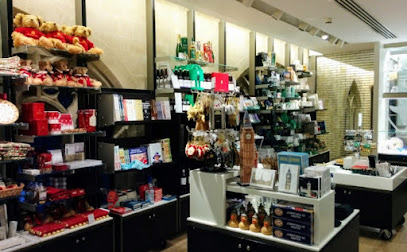
Jubilee Shop (Houses of Parliament Gift Shop)
0.8 km
Discover exclusive British political gifts and souvenirs inside the historic Westminster Hall at the Jubilee Shop, Houses of Parliament.
Essential bars & hidden hideouts

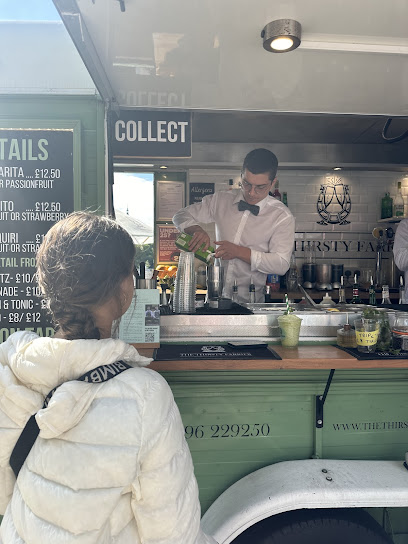
The Thirsty Farrier Cocktail Bar
0.1 km
A vibrant London cocktail bar offering expertly crafted seasonal drinks with scenic riverside views and a welcoming atmosphere.
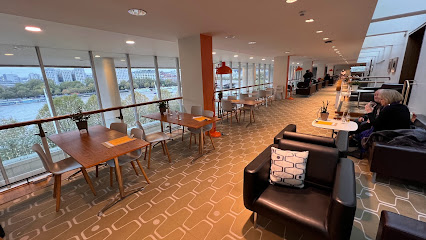
Southbank Centre, Members Bar
0.2 km
Elevated wine bar with Thames panoramas and cultured calm atop Royal Festival Hall—perfect for drinks amid London's arts heartbeat.
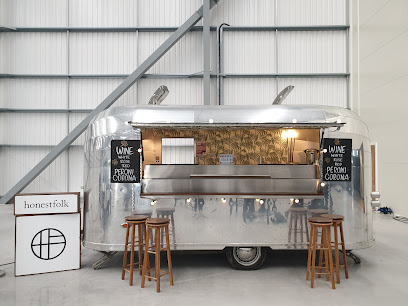
honestfolk Cocktail Bar (Southbank Centre Food Market)
0.3 km
Seasonal cocktails and classics from a cozy mobile bar at Southbank Centre Food Market, where Thames breezes mingle with market buzz and craft libations.
Le Champagne Bar
0.3 km
A compact riverside champagne lounge beside the London Eye—perfect for a celebratory flute and framed Thames views.
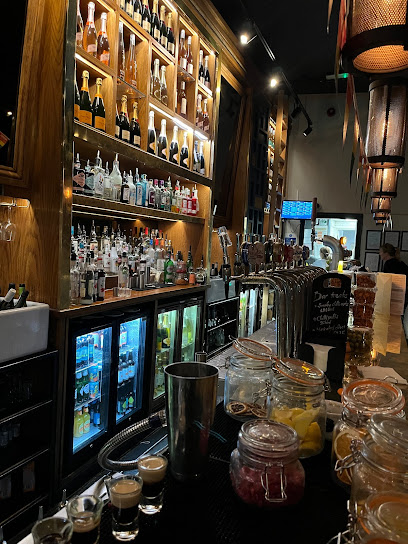
All Bar One Waterloo
0.4 km
Sophisticated South Bank bar serving creative cocktails, sharing plates, and wines in a lively spot near Waterloo Station and the London Eye.
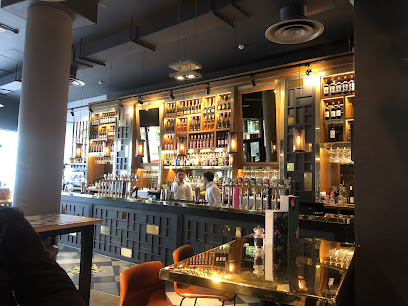
Slug & Lettuce - County Hall
0.4 km
Chic South Bank cocktail haven in County Hall: bottomless brunches, 2-for-1 sips, pub classics, and Thames views for London's liveliest lunches and nights out.
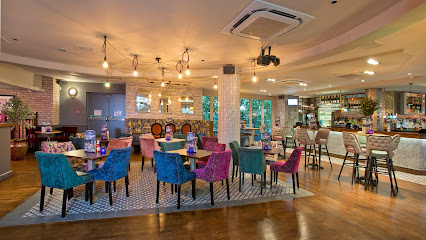
The Spy Bar
0.4 km
Step into London’s secret subterranean bar where espionage history meets masterful cocktails and exclusive, no-photos privacy.
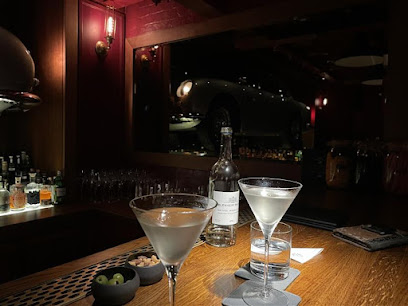
American Bar
0.5 km
Step into London’s oldest cocktail bar, where over a century of mixology mastery meets elegant Art Deco charm at The Savoy.
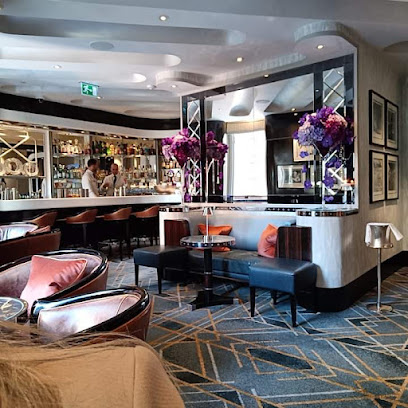
Bar @ 26 Leake Street
0.5 km
Experience London’s vibrant street art and nightlife culture at 26 Leake Street, a unique cocktail bar and event venue in Waterloo’s iconic graffiti tunnels.
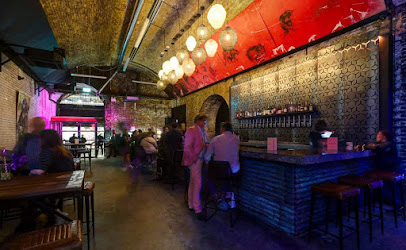
Beaufort Bar
0.5 km
Step into the Beaufort Bar’s jet-black and gold Art Deco glamour for exquisite cocktails, live sultry music, and a timeless London night out.
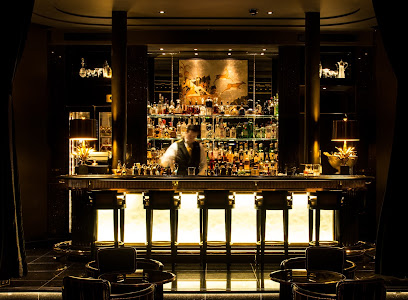
The Understudy
0.5 km
Riverside craft beers, KERB street food, and Thames views at the National Theatre's lively bar – perfect for pre-show bites or late-night hangs on London's South Bank.
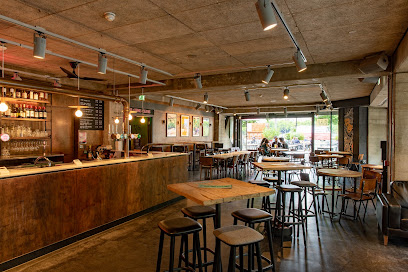
Old Shades
0.5 km
Historic Whitehall pub pouring cask ales and pub classics since 1898, steps from Trafalgar Square—a true taste of London tradition.
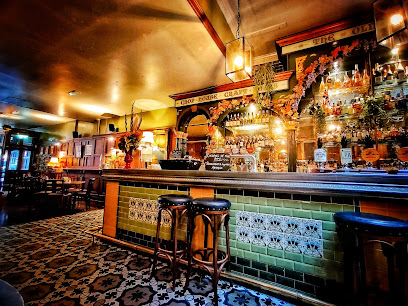
Mr Fogg's Society of Exploration
0.5 km
Step into a Victorian explorer’s world with inventive cocktails, immersive storytelling, and a mechanical mixologist in Covent Garden’s unique speakeasy.
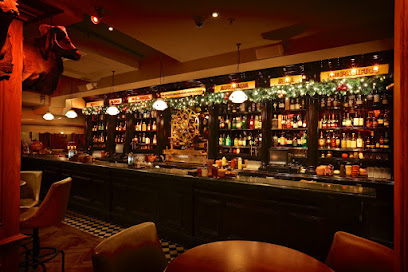
Eve Bar Covent Garden
0.5 km
Subterranean Covent Garden cocktail bar tempting with zero-waste elixirs, decadent snacks, and Eden-inspired glamour beneath a Michelin-starred haven.
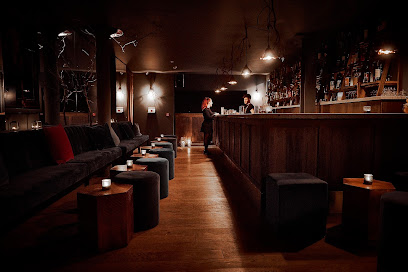
Waterloo Lost Property Office Speakeasy
0.5 km
Discover a hidden 1920s-inspired speakeasy in Waterloo serving expertly crafted cocktails in a seductive, vintage setting.
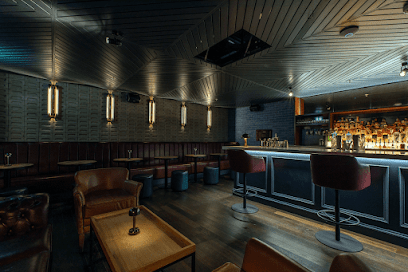
Nightclubs & after hour spots

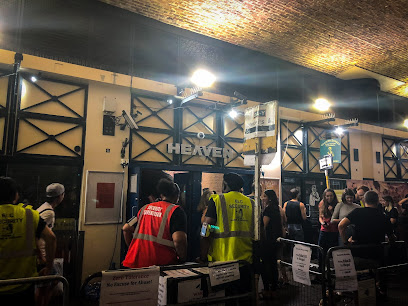
Heaven
0.4 km
London’s iconic gay superclub under the railway arches — big nights, loud music, drag, and late finishes in the heart of the West End.
Proud Late
0.4 km
Dive into two-storey glamour under Waterloo Bridge: cabaret acrobatics, burlesque dazzle, supper feasts, and non-stop clubbing till 5am in London's West End nightlife epicenter.
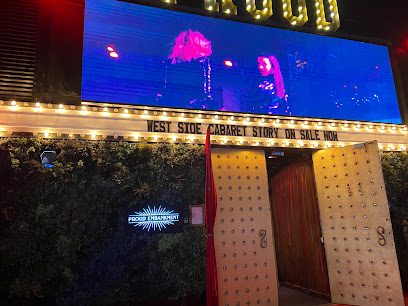
Cirque Du Soul
0.5 km
Dive into Leake Street's graffiti tunnel for soul-stirring electronic nights at this underground nightclub haven.
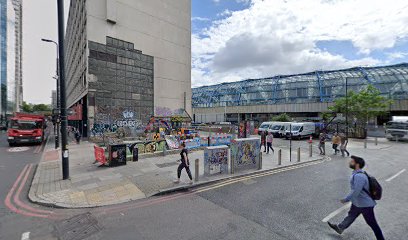
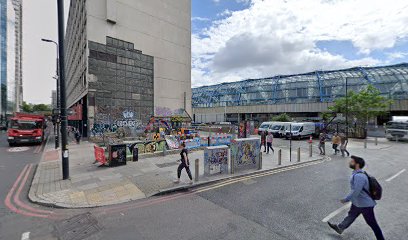
We Are Waterloo
0.5 km
Dive into Leake Street's graffiti heart where street art meets thumping beats in London's ultimate underground nightclub haven.
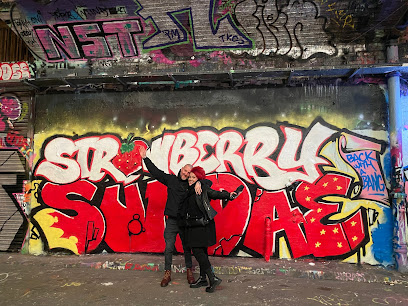
STRAWBERRY SUNDAE
0.5 km
Retro rave haven in Waterloo Arches: Daytime hardcore beats, 90s DJ legends, and industrial euphoria from midday to midnight.
TSQ Club
0.7 km
Dive into Trafalgar Square's nightlife pulse at TSQ Club, where eclectic beats, dazzling lights, and craft cocktails fuel unforgettable weekend nights in London's heart.
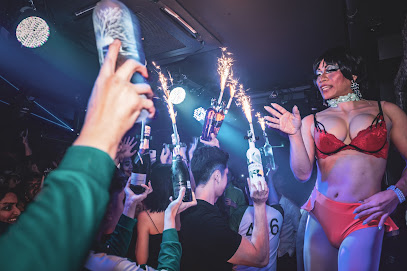
Zoo Bar & Club
0.8 km
Dive into Leicester Square's edgy nightlife hub: two floors of R&B beats, sports screens, and wild energy until 3am at Zoo Bar & Club.
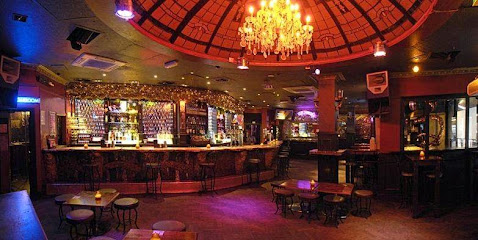
Whatdafunk Presents West End Urban Disco
0.8 km
Dive into London's grooviest urban disco beats at Whatdafunk, where Covent Garden's streets pulse with funk, soul, and non-stop dance energy in the heart of the West End.
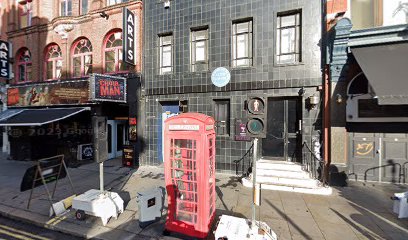
The Penthouse London
0.9 km
A compact, rooftop nightclub above Leicester Square — reached by a side lift, built for late‑night private parties and skyline glimpses.
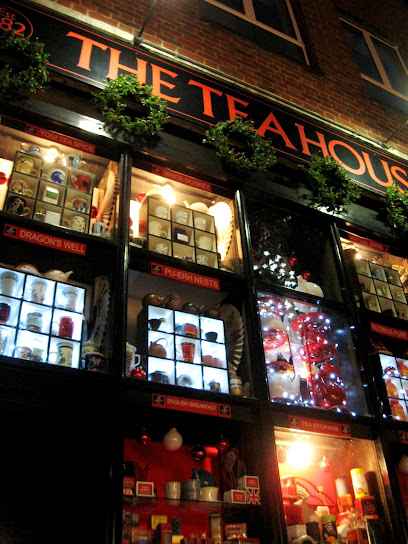
Comedy Carnival Covent Garden
0.9 km
London's premier stand-up comedy venue showcasing bold, award-winning international comedians in vibrant Covent Garden.

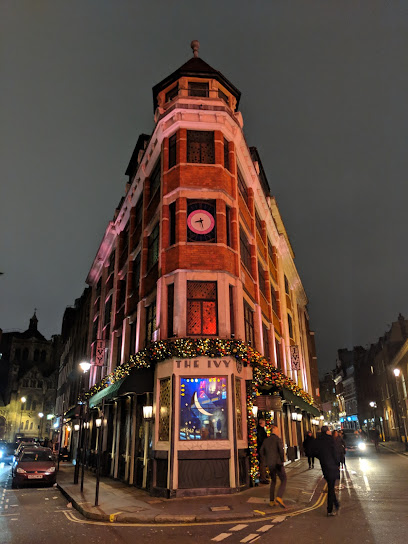
The Ivy Club
0.9 km
Art-Deco‑tinged members’ club above The Ivy — piano bars, discreet private dining and polished West End glamour.
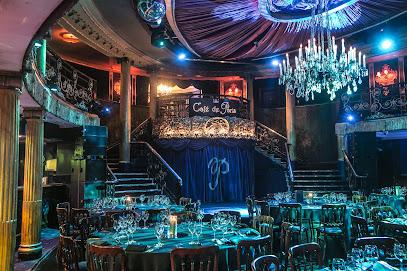
Café de Paris
0.9 km
Step into London’s iconic West End nightclub where history, glamour, and electrifying cabaret create unforgettable nights.
Tiger Tiger London
1.0 km
Experience London’s iconic Haymarket nightclub with six vibrant rooms, lively DJs, and a dynamic party atmosphere just moments from Piccadilly Circus.
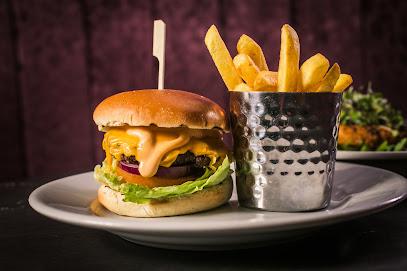
Luxe Club
1.0 km
Experience London's vibrant nightlife at Luxe Club, a central hotspot for music, dancing, and late-night entertainment.
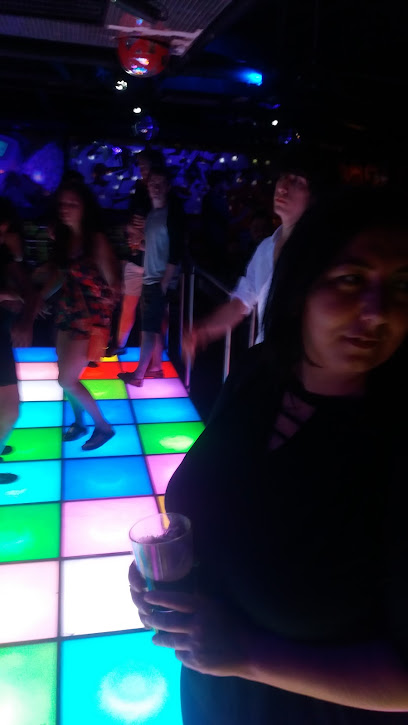
The Roxy
1.0 km
Soho's unbeatable happy hour cocktail bar by day, pulsing nightclub with live music and DJ nights till 3am—affordable vibes in London's nightlife heart.
For the vibe & atmosphere seeker
- Scenic
- Relaxing
- Lively
- Unique
For the design and aesthetic lover
- Modern Designs
For the architecture buff
- Historic
- Landmarks
- Viewpoints
- Parks & Gardens
For the view chaser and sunset hunter
- Iconic Views
- Panoramas
- Sunset Spots
For the social media creator & influencer
- Instagrammable
- Photo Spots
- Selfie Spots
- Architectural Shots
For the eco-conscious traveler
- Public-Transport Accessible
For the kind of experience you’re after
- Cultural Heritage
- Photowalk
- Day Trip
- Weekend Getaway
For how adventurous you want the journey to be
- Easy Access
Location Audience
- Family Friendly
- LGBT Friendly
- Senior Friendly
- Child Friendly
- Teen Friendly
- Wheelchair Access
- Pet Friendly
- Solo Friendly
- Couple Friendly
- Solo Female Friendly
- Vegetarian Friendly
- Vegan Friendly


