
16-18 Whitehall: The Historic Heart of Royal and Government Power in London
Explore 16-18 Whitehall, the historic site of England’s grandest royal palace and home to the stunning Banqueting House, a masterpiece of classical architecture.
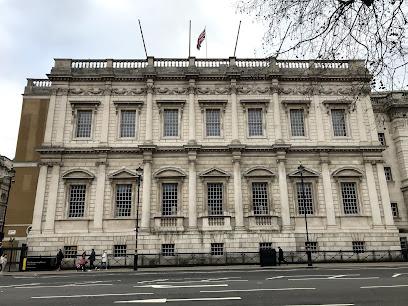
16-18 Whitehall in London stands on the site of the former Palace of Whitehall, once the largest royal residence in Europe and the centre of English monarchy from the 16th to 17th centuries. Today, only the Banqueting House remains from the original palace complex, a masterpiece of Palladian architecture designed by Inigo Jones. This location blends the rich history of Tudor and Stuart monarchs with the modern seat of British government.
A brief summary to 16-18 Whitehall
- 16-18 Whitehall, London, SW1A 2DY, GB
- Duration: 1 to 2.5 hours
- Mid ranged
-
 Outdoor
- Mobile reception: 5 out of 5
Local tips
- Visit the Banqueting House to admire Inigo Jones’s Palladian architecture and Rubens’s magnificent ceiling painting.
- Plan your visit outside peak government hours for a quieter experience in this busy administrative area.
- Combine your visit with nearby historic sites like Westminster Abbey and Trafalgar Square for a full day of London history.
- Look out for plaques and markers that indicate key historical events, such as the site of Charles I’s execution.

For the on-the-go comforts that matter to you
- Restrooms
- Drink Options
- Food Options
- Seating Areas
- Information Boards
Getting There
-
London Underground
Take the Westminster or Charing Cross tube stations, both about a 10-15 minute walk from 16-18 Whitehall. These stations are served by multiple lines including the Jubilee, District, Circle, and Northern lines. Tube fares range from £2.50 to £6.00 depending on zone and ticket type.
-
Bus
Several London bus routes stop near Whitehall, including routes 11, 24, 148, and 159. Buses run frequently throughout the day, with a typical journey time of 15-25 minutes from central London areas. Use an Oyster card or contactless payment for fares around £1.75 per ride.
-
Taxi or Rideshare
Taxis and rideshare services like Uber can drop you off directly at Whitehall. Travel times vary from 10 to 30 minutes depending on traffic. Expect fares from £8 to £20 within central London.
16-18 Whitehall location weather suitability
-
 Any Weather
-
 Rain / Wet Weather
-
 Clear Skies
-
 Mild Temperatures
Discover more about 16-18 Whitehall
Legacy of a Royal Residence
16-18 Whitehall marks the historic location of the Palace of Whitehall, the principal residence of English monarchs from 1530 until 1698. Originally York Place, the estate was seized by Henry VIII from Cardinal Wolsey and transformed into a sprawling royal complex. At its height, Whitehall was the largest palace in Europe, comprising over 1,500 rooms and serving as the vibrant centre of royal life, court ceremonies, and state affairs. Monarchs from Henry VIII through to William and Mary shaped its evolution, with additions reflecting the changing styles and politics of Tudor and Stuart England.The Banqueting House: Architectural Jewel and Sole Survivor
The most significant surviving structure at 16-18 Whitehall is the Banqueting House, completed in 1622 and designed by Inigo Jones. As England’s first major classical building, it introduced the Palladian style inspired by Renaissance Italy, marking a turning point in English architecture. The Banqueting House was a venue for royal entertainments and state occasions, famously the site of King Charles I’s execution in 1649. Its magnificent ceiling, painted by Peter Paul Rubens, allegorically glorifies the Stuart monarchy, adding artistic grandeur to its historic significance.From Royal Palace to Government Hub
The vast majority of the Palace of Whitehall was destroyed by fire in 1698, leaving only the Banqueting House and a few ancillary buildings. Over time, the area evolved into the administrative heart of British government, housing key ministries including the Ministry of Defence. While the grand royal palace no longer stands, the name Whitehall endures as a metonym for the UK government, symbolizing centuries of political power and history.Historical Events and Cultural Significance
Whitehall was witness to pivotal moments in British history, from the interrogations of Guy Fawkes after the Gunpowder Plot to the coronation preparations and royal ceremonies of the Tudor and Stuart eras. The site also reflects religious and political tensions, such as the construction of James II’s richly adorned Roman Catholic chapel amid anti-Catholic sentiment. The palace’s layered history embodies the transformation of monarchy, governance, and architecture across centuries.Architectural and Artistic Highlights
The Banqueting House remains a masterpiece of early 17th-century design, its clean classical lines contrasting with the earlier Tudor styles that once dominated Whitehall. The Rubens ceiling painting is a highlight for art and history enthusiasts alike, symbolizing royal power and divine right. Nearby architectural remnants and the surrounding government buildings continue to reflect the area’s evolving urban fabric, blending historic grandeur with modern functionality.Present-Day Context and Visitor Experience
Today, 16-18 Whitehall offers visitors a unique glimpse into London’s royal past amid the bustle of a working government district. The Banqueting House is open to the public as a historic site, allowing exploration of its architecture and art. The surrounding streets are steeped in history, with evocative connections to England’s monarchy, political intrigue, and cultural heritage, making it a compelling destination for history buffs and cultural travelers.Iconic landmarks you can’t miss

16-18 Whitehall
0.0 km
Explore 16-18 Whitehall, the historic site of England’s grandest royal palace and home to the stunning Banqueting House, a masterpiece of classical architecture.

Old Admiralty Building
0.1 km
Historic heart of Britain’s naval command, blending grand architecture with pivotal moments in London’s maritime legacy.
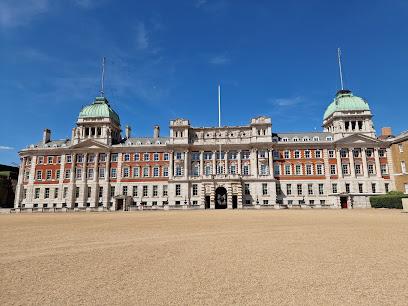
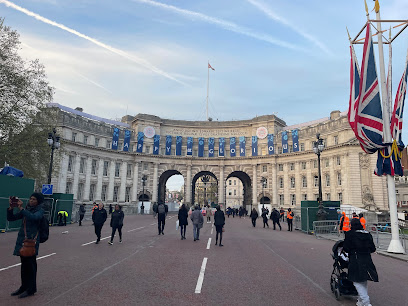
Admiralty Arch
0.1 km
A majestic Edwardian gateway linking Trafalgar Square to Buckingham Palace, embodying Britain's royal heritage and naval history.
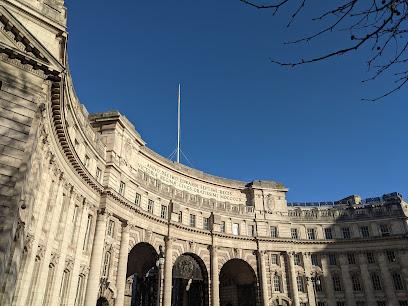
Captain James Cook
0.1 km
Bronze tribute to the explorer who charted the Pacific and shaped the British Empire
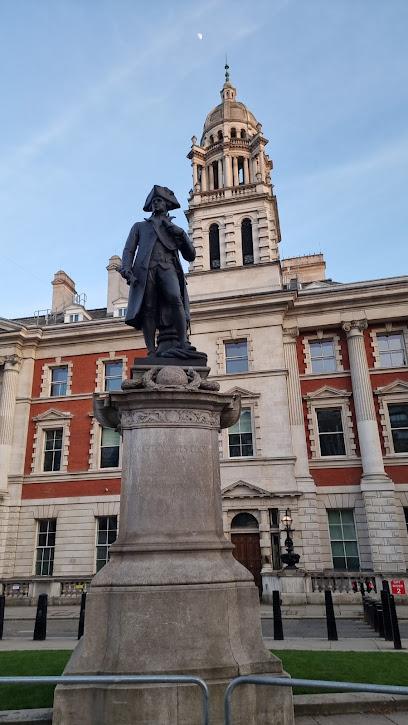
Obelisk Charles James Napier
0.1 km
A contested monument to a complex military figure in London's most iconic public square.
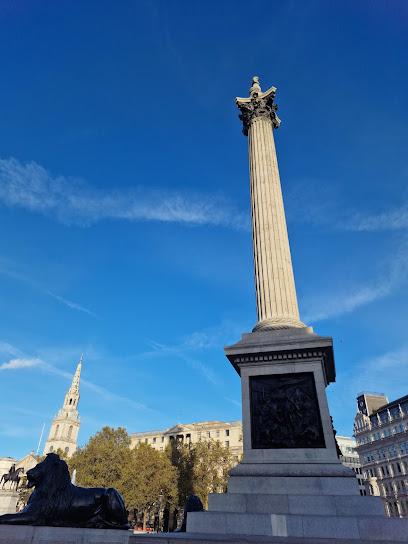
Nelson's Column
0.1 km
A towering tribute to Admiral Nelson’s naval triumph, standing proudly at the heart of London’s historic Trafalgar Square.
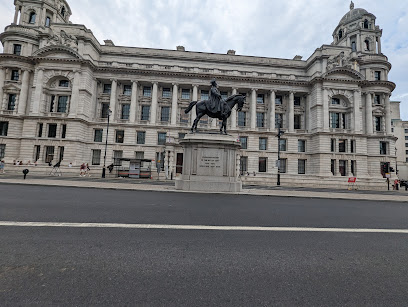
George Duke of Cambridge statue
0.1 km
A commanding bronze tribute to Prince George, Duke of Cambridge, standing proudly on Whitehall amidst London’s historic military heart.
Royal Marines Memorial
0.2 km
A stirring bronze tribute on The Mall honoring Royal Marines’ sacrifice in China and South Africa, blending art and history in London’s ceremonial heart.
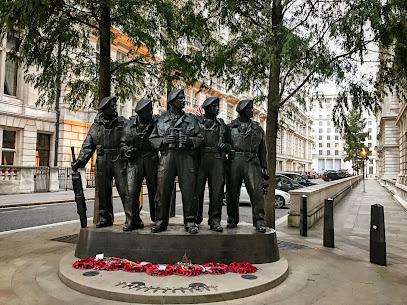
Royal Tank Regiment Memorial Statue
0.2 km
A commanding bronze tribute in Whitehall honoring the bravery and teamwork of the Royal Tank Regiment’s WWII Comet tank crews.
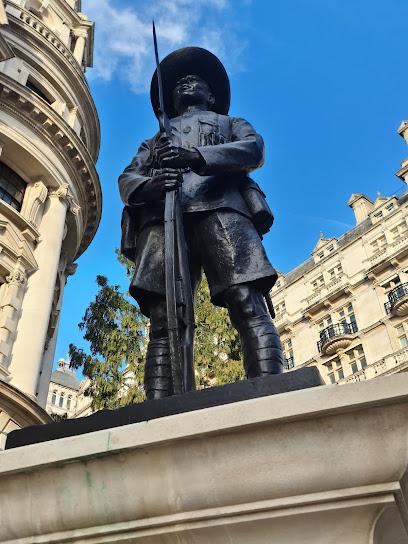
The Gurkha Soldier Statue
0.2 km
A solemn tribute to the fearless Gurkha soldiers guarding Britain’s legacy on Horse Guards Avenue.
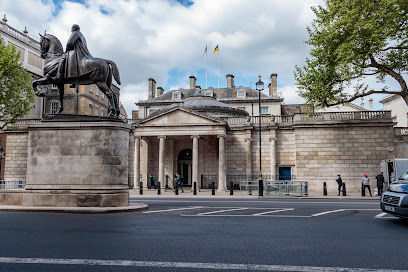
Dover House
0.3 km
Historic neoclassical mansion on Whitehall, home to the Scotland Office with a unique rotunda entrance and rich aristocratic past.
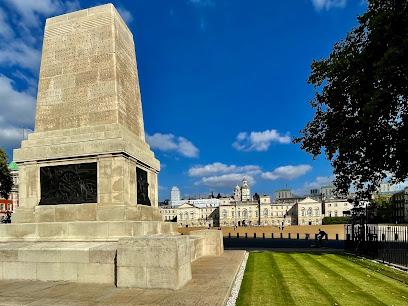
Guards Memorial
0.3 km
A solemn tribute to the valor and sacrifice of the Guardsmen who fell in World War I, set amidst London’s historic ceremonial heart.
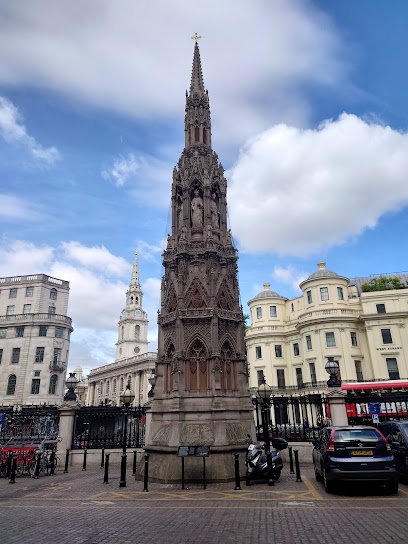
Eleanor Cross
0.3 km
A Victorian Gothic Revival monument marking the final resting place of Queen Eleanor’s funeral procession, blending medieval legacy with London’s historic heart.
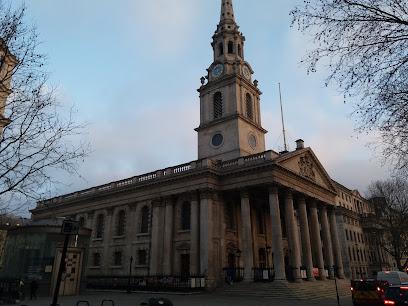
St Martin-in-the-Fields Church Path
0.3 km
Georgian masterpiece and spiritual anchor of Trafalgar Square, influencing church architecture worldwide.
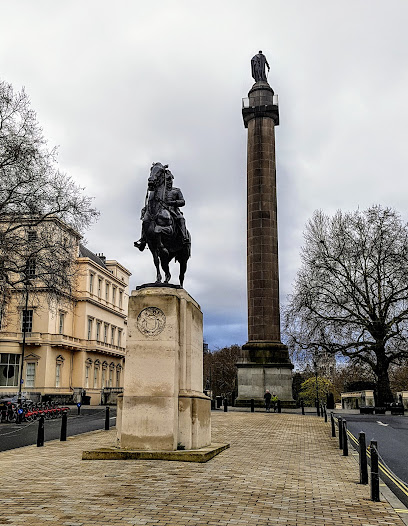
Equestrian statue of Edward Ⅶ
0.3 km
Majestic bronze tribute to King Edward VII in the heart of London’s historic Waterloo Place, blending regal artistry with imperial heritage.
Unmissable attractions to see

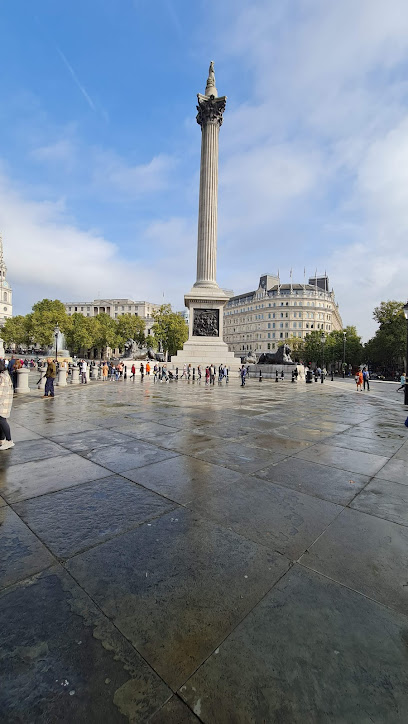
Grand Building
0.2 km
A grand Victorian landmark on the Strand, transformed from a luxury hotel into a vibrant cultural and community hub in the heart of London.
Royal Naval Division War Memorial
0.2 km
A solemn Lutyens-designed fountain and obelisk memorial honoring the Royal Naval Division’s WWI sacrifices on historic Horse Guards Parade.
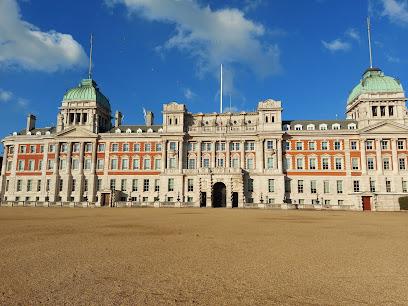
The Household Cavalry Museum
0.2 km
Explore the living history and pageantry of Britain’s elite Household Cavalry at their historic London headquarters.
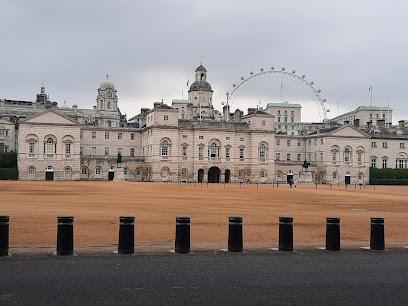
Trafalgar Square
0.2 km
Experience the vibrant culture and rich history at Trafalgar Square, London's iconic public square and cultural hub.
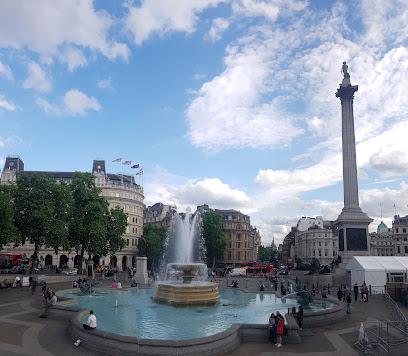
Horse Guards Parade
0.2 km
Historic ceremonial parade ground in London’s Whitehall, famed for royal pageantry and military tradition since the 16th century.
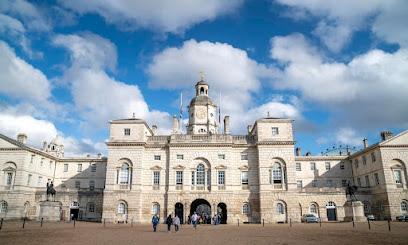
Canada House
0.2 km
Canada House: Historic Greek Revival architecture meets vibrant Canadian culture in the heart of London’s Trafalgar Square.
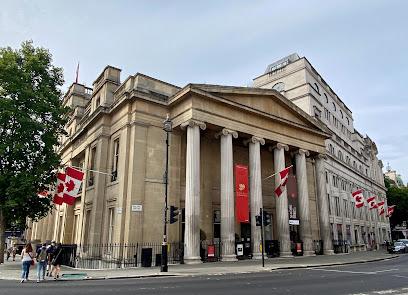
London by Night Tours
0.2 km
Discover London’s iconic landmarks aglow with night lights on an engaging open-top bus tour departing from historic Trafalgar Square.
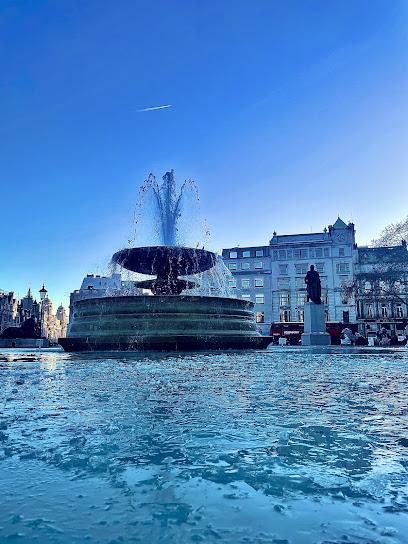
The Fourth Plinth
0.2 km
A historic plinth transformed into a world-famous stage for cutting-edge contemporary art in the heart of London’s Trafalgar Square.
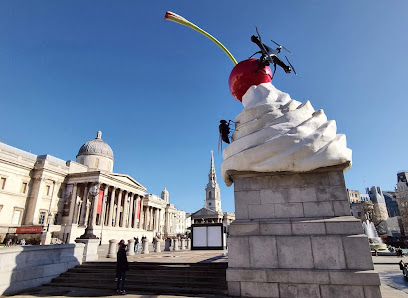
5 Trafalgar Sq
0.2 km
London’s iconic Trafalgar Square: a historic public plaza celebrating naval triumphs and vibrant civic life in the city’s heart.
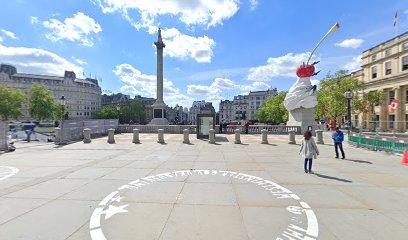
Benjamin Franklin House
0.2 km
Step inside the only surviving home of Benjamin Franklin and experience 18th-century London through immersive tours and rich history.
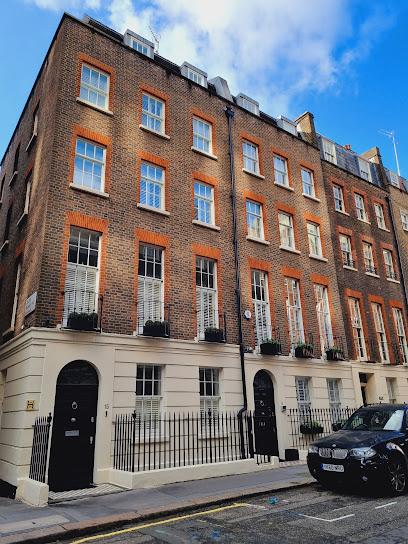
Banqueting House
0.2 km
Explore London's Banqueting House, a Palladian masterpiece with Rubens' ceiling and the historic site of King Charles I’s execution.
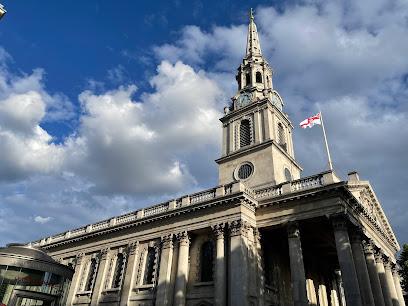
St Martin-in-the-Fields
0.3 km
An iconic neoclassical church at Trafalgar Square blending rich history, architectural brilliance, and vibrant cultural life in central London.
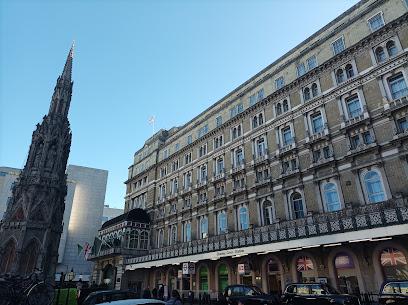
Charing Cross
0.3 km
Charing Cross and the Strand: a historic London gateway blending culture, theatre, and vibrant city life along a legendary riverside street.
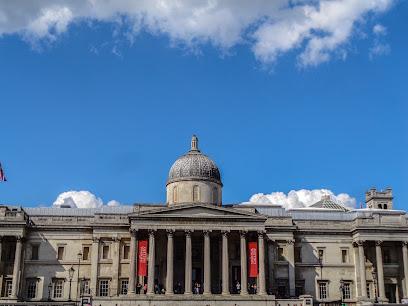
The National Gallery
0.3 km
Home to one of the world’s greatest collections of Western European paintings, this grand London gallery offers free access to masterpieces from the 13th to the early 20th century.
Duke of York Column
0.3 km
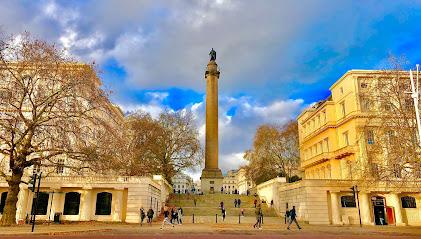
A towering granite column in London honoring the Duke of York’s military legacy, crowned with a grand bronze statue atop historic Waterloo Place.
Essential places to dine

Ekstedt at The Yard
0.1 km
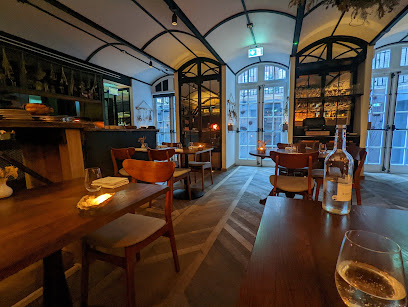
Experience Nordic wood-fired cuisine by Michelin-starred chef Niklas Ekstedt in the historic Great Scotland Yard Hotel, blending ancient fire cooking with British seasonal ingredients.
The Garden
0.2 km
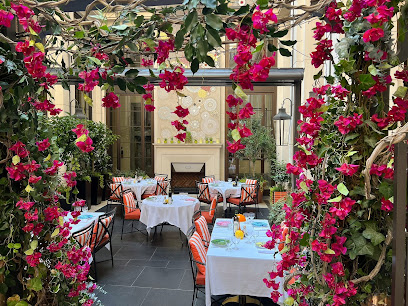
A Mediterranean-inspired garden oasis offering refined seafood and elegant dining in the heart of London’s Corinthia Hotel.
The Northall
0.2 km
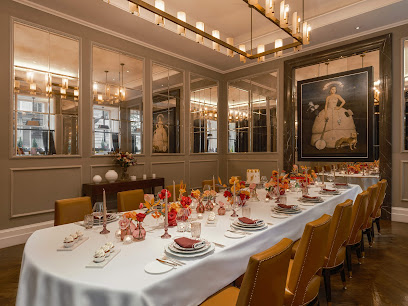
Refined British dining with seasonal flair in a grand, elegant setting at Corinthia London’s distinguished restaurant.
Wild Honey St James
0.3 km
Michelin-starred French-influenced cooking in a Grade II-listed banking hall, where refined technique meets understated elegance.
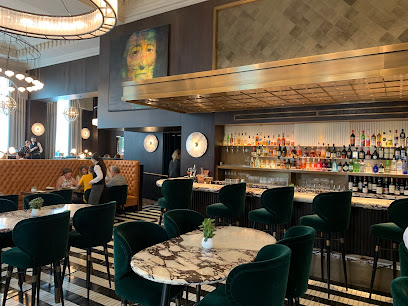
J Sheekey
0.5 km
Classic British seafood excellence in Covent Garden’s elegant, theatre-adjacent dining gem.
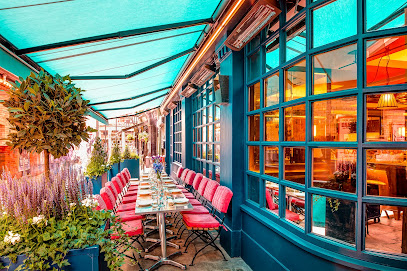
Flat Iron Covent Garden
0.5 km
Savor expertly crafted flat iron steaks in a historic Covent Garden setting, complete with rustic charm and a signature ice cream treat.
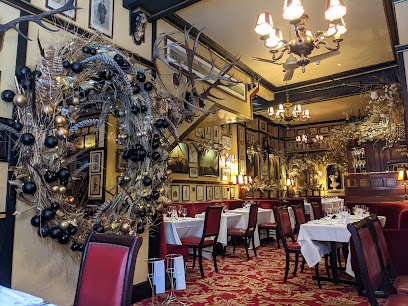
Rules
0.6 km
London’s oldest restaurant since 1798, Rules serves timeless British classics in an elegant, historic Covent Garden setting.
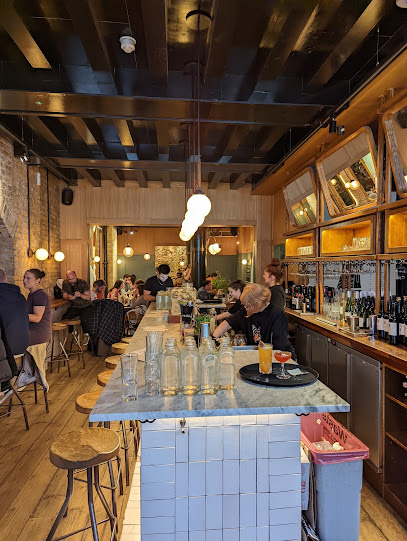
Cora Pearl Covent Garden
0.6 km
Elegant modern British dining in Covent Garden with iconic chips, soulful vibes, and a nod to a glamorous past.
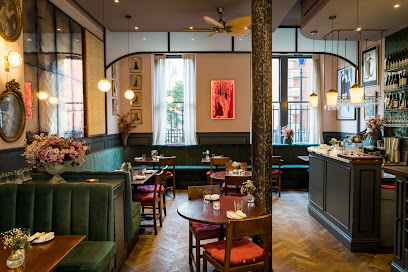
Clos Maggiore
0.6 km
Experience London’s most romantic French restaurant with enchanting blossom-filled conservatory and an award-winning wine cellar in Covent Garden.
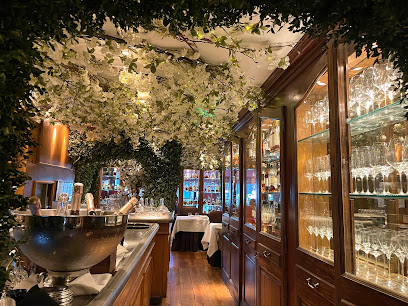
Frog by Adam Handling Restaurant Covent Garden
0.6 km
Experience Michelin-starred modern British cuisine with theatrical flair and sustainable luxury in the heart of Covent Garden.
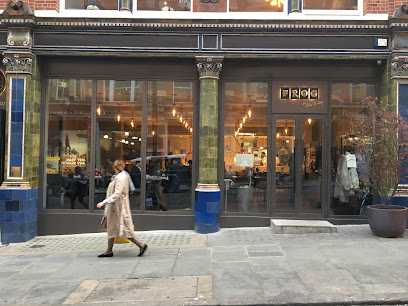
Evelyn's Table
0.6 km
Discover Evelyn's Table, a Michelin-starred, intimate dining counter in Soho offering inventive British cuisine with French and Japanese flair.
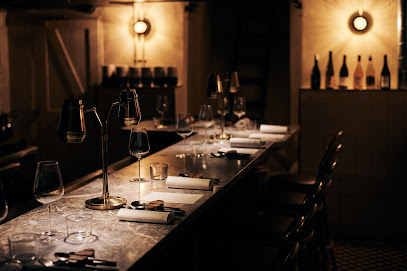
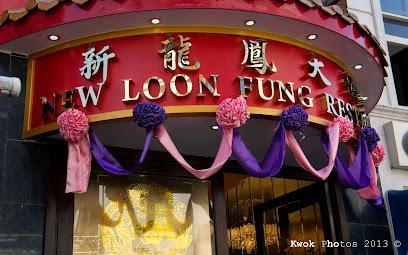
New Loon Fung Restaurant
0.6 km
Experience authentic Cantonese dim sum and classic Chinese dishes in one of Chinatown’s largest, long-standing restaurants on bustling Gerrard Street.
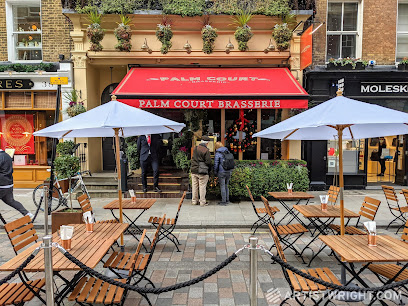
Palm Court Brasserie
0.6 km
Experience authentic Parisian charm and classic French cuisine in the vibrant heart of Covent Garden at Palm Court Brasserie.
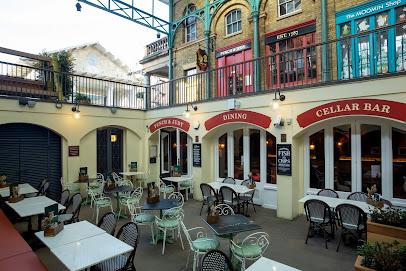
Punch & Judy
0.7 km
Historic Covent Garden pub blending classic British fare, lively balcony views, and family-friendly charm in the heart of London.
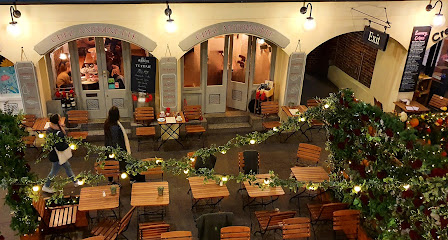
Chez Antoinette
0.7 km
Authentic Lyon-inspired French bistro serving classic tartines and cozy café fare in the heart of Covent Garden, London.
Markets, malls and hidden boutiques

Crest of London Ltd
0.1 km
Discover authentic London souvenirs and local crafts at Crest of London Ltd, your premier gift shop in historic Whitehall.
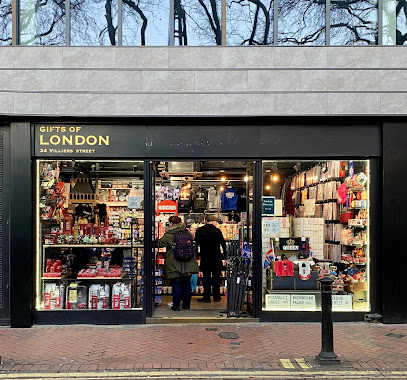
Gifts of London
0.3 km
Discover unique souvenirs and gifts that embody the spirit of London at Gifts of London, your perfect shopping destination.
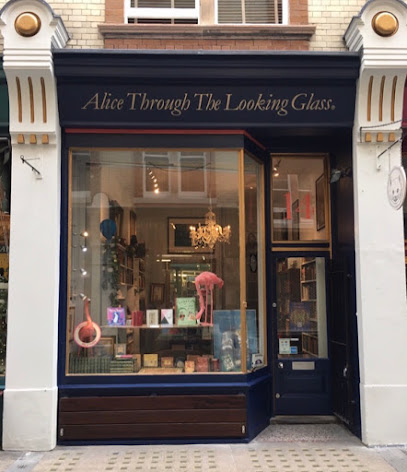
Alice Through The Looking Glass
0.5 km
Step into a whimsical world of antiques, art, and literary treasures inspired by Alice in Wonderland in the heart of London’s Cecil Court.
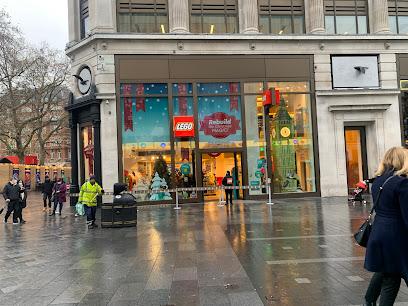
The LEGO® Store Leicester Square
0.5 km
Explore the world’s largest LEGO® Store in Leicester Square, London—two floors of interactive fun, iconic models, and endless creativity.
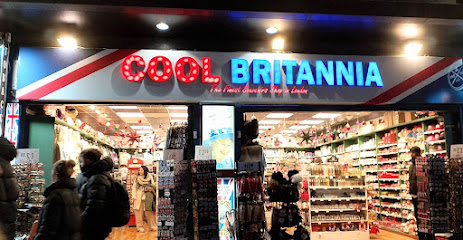
Cool Britania
0.5 km
Discover authentic British souvenirs and capture timeless memories at Cool Britannia, Leicester Square’s premier gift and photography shop.
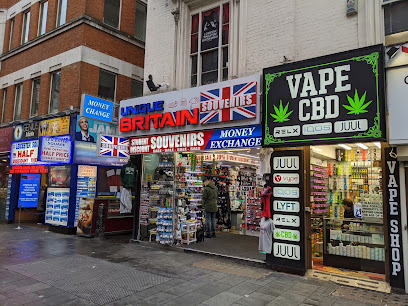
Unique Britain
0.5 km
Discover authentic British souvenirs and artistic keepsakes in the heart of London’s lively West End on historic Cranbourn Street.
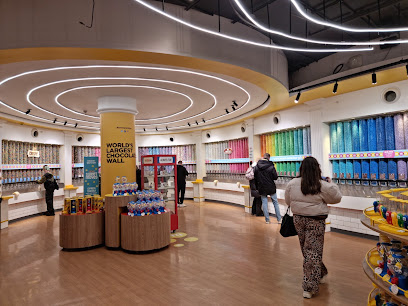
M&M'S London
0.5 km
Experience the colorful world of M&M'S London, where candy dreams come true with personalized treats and vibrant merchandise.
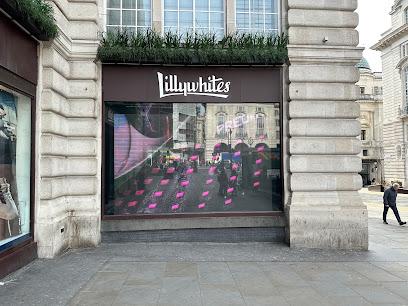
Lillywhites
0.6 km
London's iconic sports megastore at Piccadilly Circus—where athletic excellence meets retail tradition.
Glorious London Gift & Souvenir
0.6 km
Discover unique souvenirs and gifts that embody the spirit of London at Glorious London Gift & Souvenir, a must-visit shopping destination.
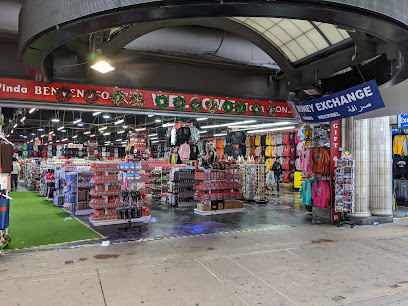
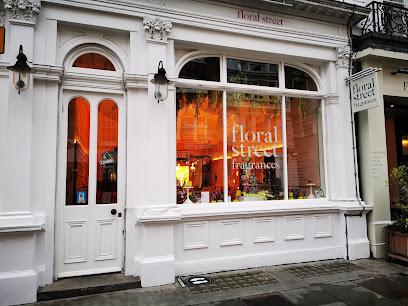
Floral Street
0.6 km
Contemporary floral fragrances crafted with purpose, sustainability, and joy in the heart of London.
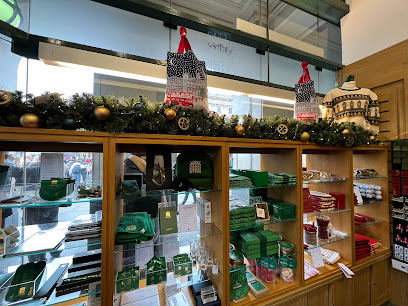
Houses of Parliament Shop
0.6 km
Discover parliamentary pride in souvenirs, books, and gifts at this cozy Bridge Street boutique, steps from Westminster's iconic halls.
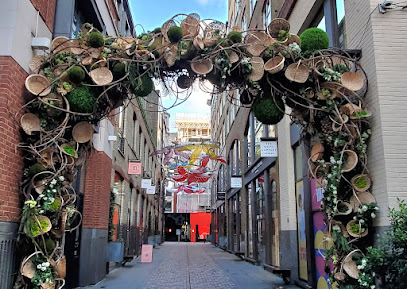
St Martin's Courtyard
0.6 km
Experience the vibrant blend of shopping, dining, and relaxation at St Martin's Courtyard in the heart of Covent Garden, London.
Custom Gifts By Jupiter
0.6 km
Unleash creativity with bespoke gifts and custom decor from this South Bank artisan haven near the Thames and iconic landmarks.
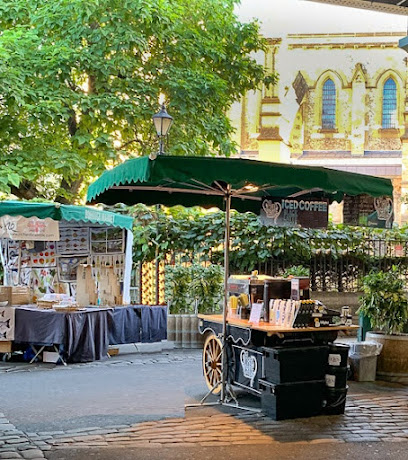
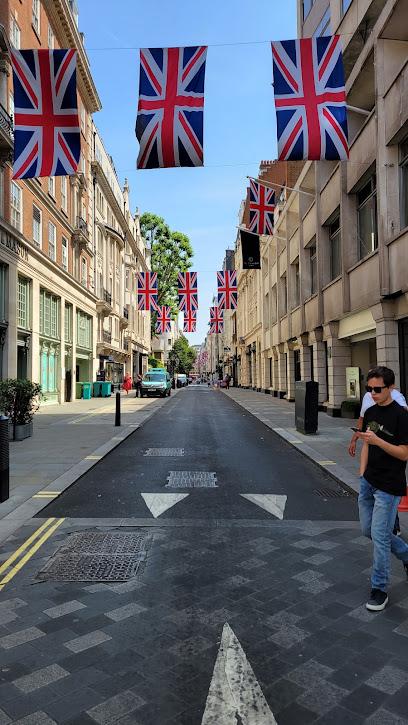
Jermyn St
0.7 km
Discover Jermyn Street, London’s historic menswear enclave blending timeless craftsmanship with contemporary style and refined elegance.
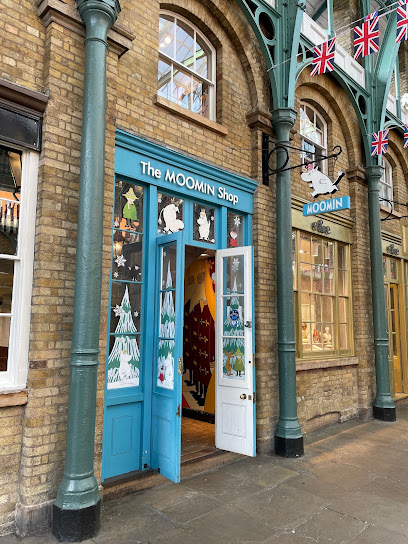
The Moomin Shop London
0.7 km
Step into the enchanting world of Moominvalley at The Moomin Shop in Covent Garden, London’s magical haven for fans of Tove Jansson’s beloved characters.
Essential bars & hidden hideouts

Old Shades
0.0 km
Historic Whitehall pub pouring cask ales and pub classics since 1898, steps from Trafalgar Square—a true taste of London tradition.
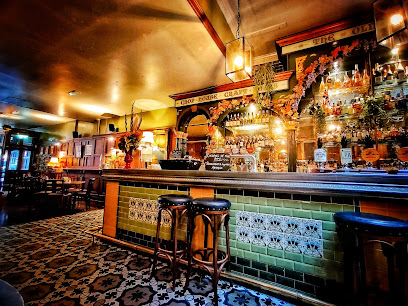
The Spy Bar
0.1 km
Step into London’s secret subterranean bar where espionage history meets masterful cocktails and exclusive, no-photos privacy.
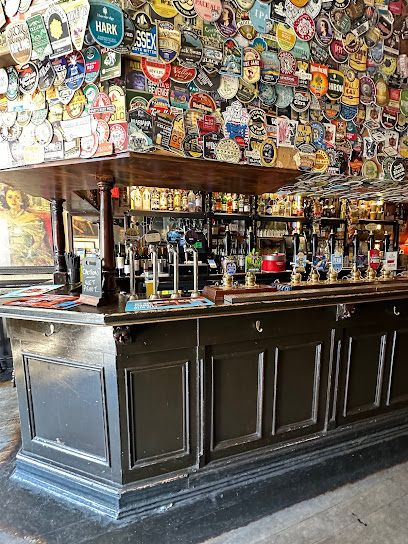
The Harp, Covent Garden
0.4 km
A historic Covent Garden pub famed for award-winning ales, traditional ciders, and a timeless, welcoming atmosphere.
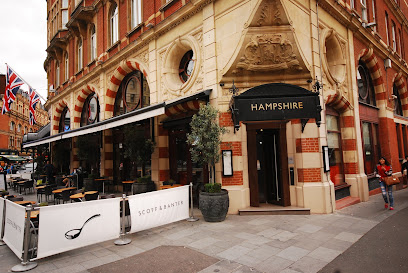
Hampshire Restaurant and Bar
0.4 km
Intimate bar and restaurant serving vibrant Mexican and Peruvian cuisine in the heart of Leicester Square’s iconic theatre district.
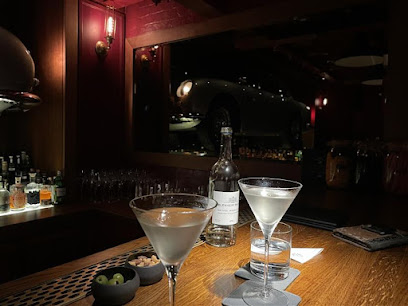
Blind Spot London
0.5 km
Discover a secretive speakeasy with globally inspired cocktails and intimate ambiance tucked inside St Martin’s Lane Hotel, Covent Garden.
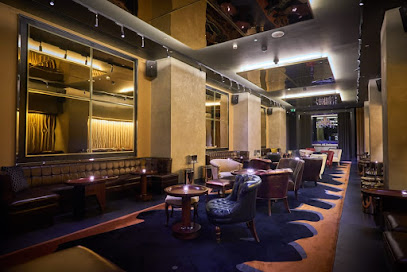
All Bar One Leicester Square
0.5 km
Stylish wine and cocktail bar in the heart of Leicester Square, perfect for socializing, dining, and private events in central London.
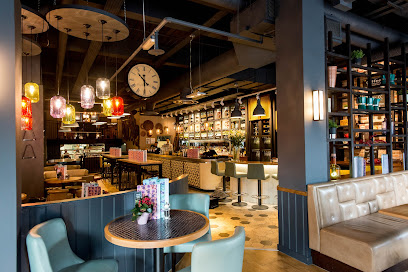
Mr Fogg's Society of Exploration
0.5 km
Step into a Victorian explorer’s world with inventive cocktails, immersive storytelling, and a mechanical mixologist in Covent Garden’s unique speakeasy.
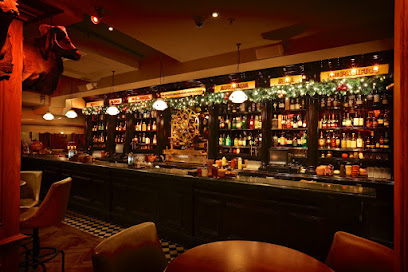
The Red Lion, Parliament Street
0.5 km
A venerable Westminster corner pub — late‑Victorian fittings, political atmosphere and a long history beside Downing Street and Parliament.
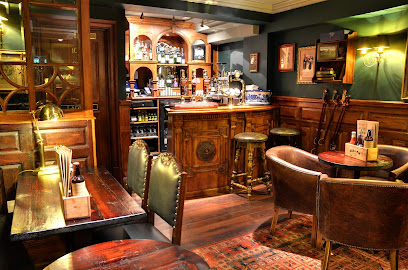
Mr Fogg's Tavern
0.5 km
Step into a Victorian-inspired tavern in Covent Garden, where inventive cocktails meet hearty British fare in an eclectic and lively setting.
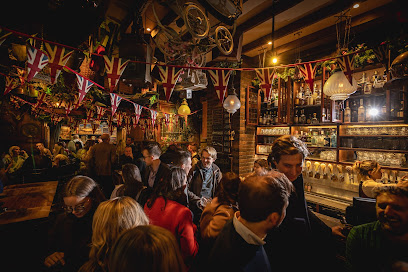
Blame Gloria - Cocktail Bar in Covent Garden
0.5 km
Dive into Blame Gloria’s neon-lit retro cocktail haven in Covent Garden, where legendary rock vibes and wild themed brunches electrify your night.
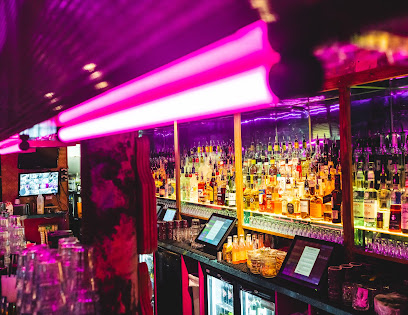
All Bar One Covent Garden
0.5 km
Stylish Covent Garden wine bar serving shareable plates, extensive wines, and cocktails in a lively West End setting—ideal for pre-theatre drinks or group gatherings.
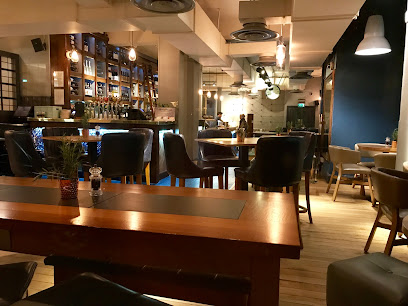
The Alchemist St Martin's Lane
0.5 km
Experience theatrical cocktails and vibrant dining in the heart of Covent Garden’s iconic theatre district.
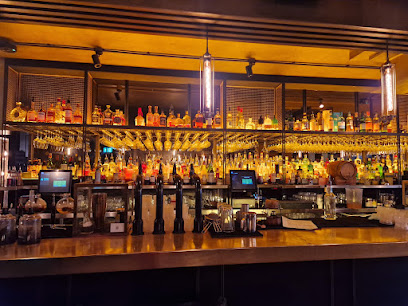
Upstairs At Rules
0.6 km
Discover Upstairs At Rules, a refined cocktail bar above London’s oldest restaurant, where Edwardian elegance meets expertly crafted drinks in Covent Garden.
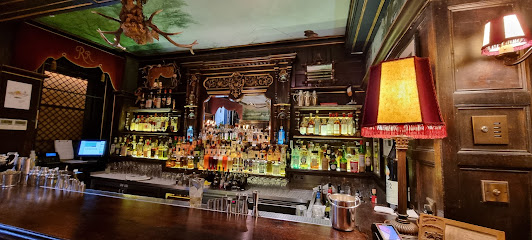
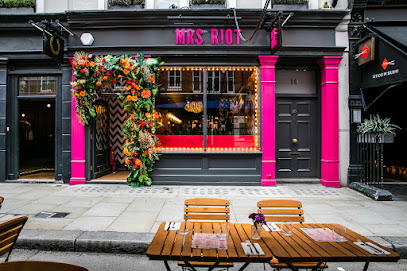
Mrs Riot
0.6 km
Covent Garden's technicolor riot: punk-pop cocktails, drag brunches, live DJs, and Kitty Clive's rebellious legacy in one explosive venue.
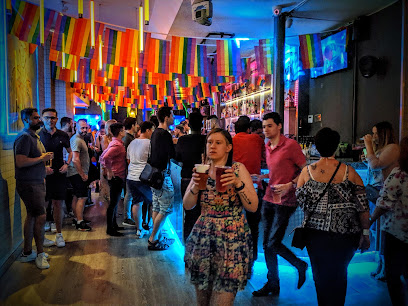
Ku Bar
0.6 km
Soho's legendary gay bar icon: three levels of inclusive vibes, cocktails, and basement beats in Chinatown's electric heart.
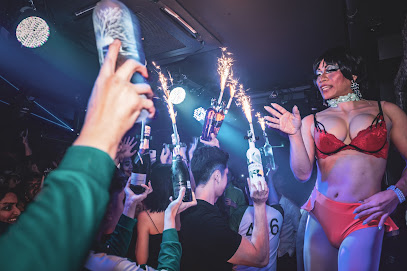
Nightclubs & after hour spots

TSQ Club
0.2 km
Dive into Trafalgar Square's nightlife pulse at TSQ Club, where eclectic beats, dazzling lights, and craft cocktails fuel unforgettable weekend nights in London's heart.
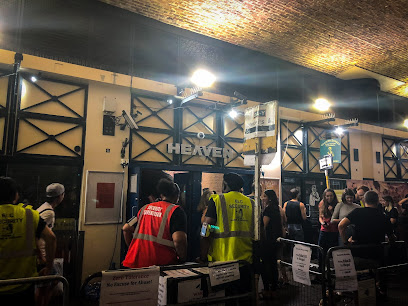
Heaven
0.3 km
London’s iconic gay superclub under the railway arches — big nights, loud music, drag, and late finishes in the heart of the West End.
Tiger Tiger London
0.5 km
Experience London’s iconic Haymarket nightclub with six vibrant rooms, lively DJs, and a dynamic party atmosphere just moments from Piccadilly Circus.
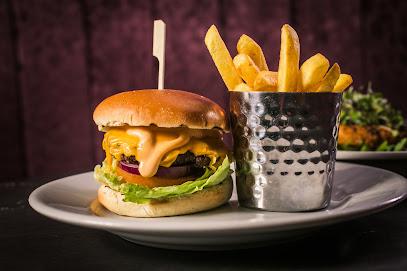
Zoo Bar & Club
0.5 km
Dive into Leicester Square's edgy nightlife hub: two floors of R&B beats, sports screens, and wild energy until 3am at Zoo Bar & Club.
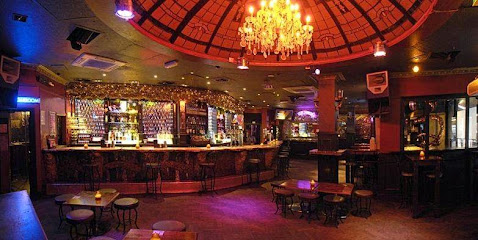
Luxe Club
0.5 km
Experience London's vibrant nightlife at Luxe Club, a central hotspot for music, dancing, and late-night entertainment.
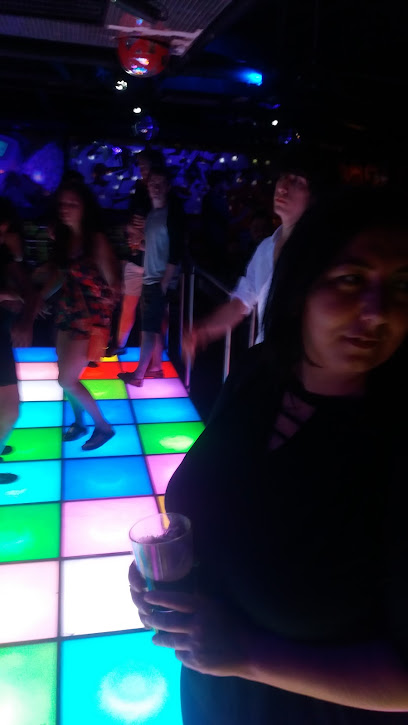
The Penthouse London
0.5 km
A compact, rooftop nightclub above Leicester Square — reached by a side lift, built for late‑night private parties and skyline glimpses.
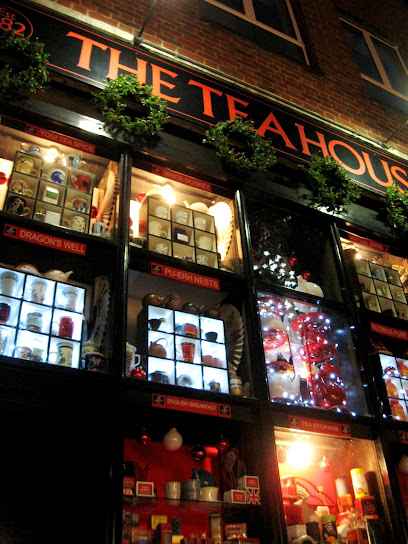
Café de Paris
0.5 km
Step into London’s iconic West End nightclub where history, glamour, and electrifying cabaret create unforgettable nights.
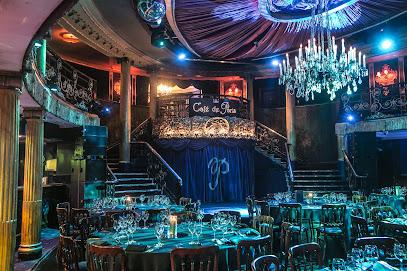
Whatdafunk Presents West End Urban Disco
0.6 km
Dive into London's grooviest urban disco beats at Whatdafunk, where Covent Garden's streets pulse with funk, soul, and non-stop dance energy in the heart of the West End.
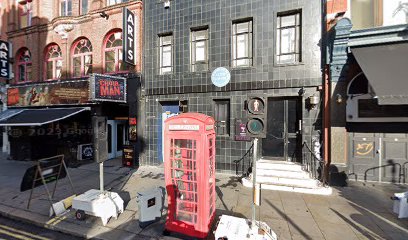
The Scotch of St James
0.7 km
Legendary Mayfair speakeasy where 60s rock stars jammed and today's elite dance till dawn in velvet-clad intimacy.
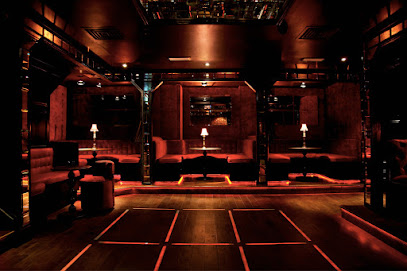
The Windmill Soho | Restaurant, Cabaret & Nightclub in Soho, London
0.7 km
Soho's legendary cabaret den revived: burlesque bites, theatrical feasts, and all-night beats in a historic hotspot of hedonism.
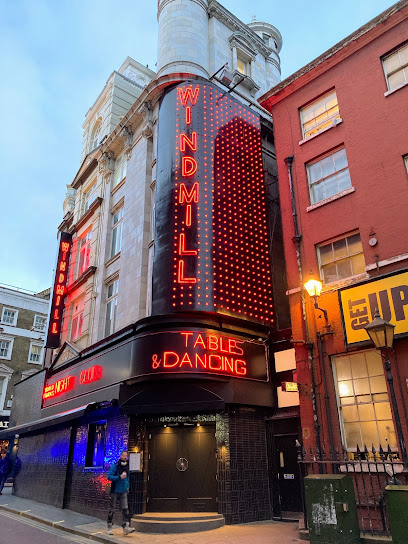
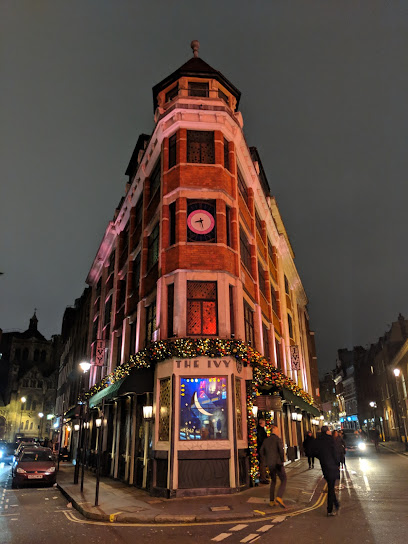
The Ivy Club
0.7 km
Art-Deco‑tinged members’ club above The Ivy — piano bars, discreet private dining and polished West End glamour.
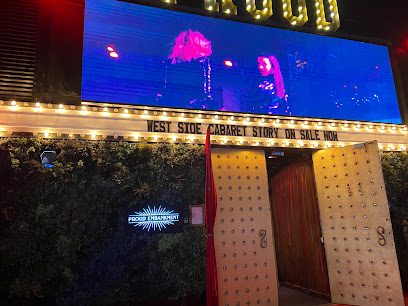
Proud Late
0.7 km
Dive into two-storey glamour under Waterloo Bridge: cabaret acrobatics, burlesque dazzle, supper feasts, and non-stop clubbing till 5am in London's West End nightlife epicenter.
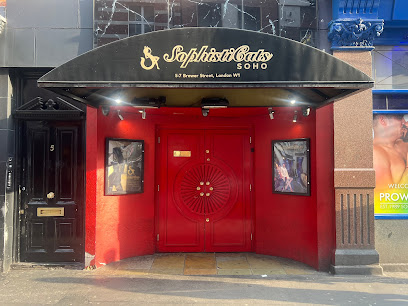
Sophisticats Soho
0.8 km
An intimate, late‑night Soho gentlemen’s club on Brewer Street offering staged performances, VIP seating and an upmarket, discreet atmosphere.
Versity Camp Nightclub
0.8 km
Dive into Soho's beating heart at Versity Camp Nightclub, where thumping bass, inventive cocktails, and an electric crowd fuel unforgettable nights until dawn.
The Cuckoo Club
0.8 km
Exclusive Mayfair nightclub and restaurant blending glamorous design, contemporary cuisine, and vibrant nightlife in London’s upscale scene.
For the vibe & atmosphere seeker
- Historic
- Scenic
- Tranquil
- Unique
For the design and aesthetic lover
- Classical Designs
For the architecture buff
- Historic
- Landmarks
- Art & Design
For the view chaser and sunset hunter
- Iconic Views
For the social media creator & influencer
- Instagrammable
- Photo Spots
- Architectural Shots
For the eco-conscious traveler
- Public-Transport Accessible
For the kind of experience you’re after
- Cultural Heritage
- Photowalk
- Day Trip
- Weekend Getaway
- Myth & Legends
For how adventurous you want the journey to be
- Easy Access
Location Audience
- Family Friendly
- Senior Friendly
- Child Friendly
- Teen Friendly
- Wheelchair Access
- Solo Friendly
- Couple Friendly
- Vegetarian Friendly
- Vegan Friendly


