

Windsor, United Kingdom Travel Guide
Windsor travel guide: explore Windsor Castle, royal history, riverside walks, historic streets, elegant parks and cultural attractions near London.
A Royal Town on the Thames
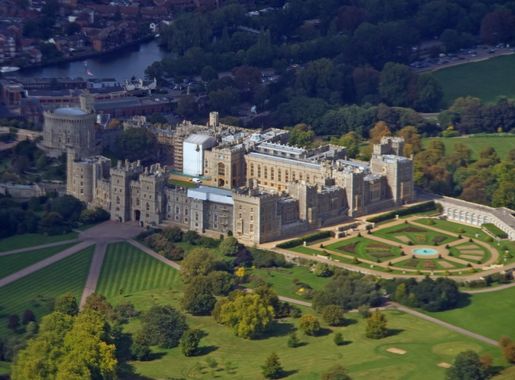
Windsor occupies an enviable stretch of the River Thames west of London, where a medieval castle, formal avenues and leafy parkland shape the town's identity. Windsor Castle dominates the skyline from its elevated position above the old town, while the river-facing promenade leads towards Windsor Bridge and the historic settlement of Eton beyond. The town is compact enough to explore on foot, yet its royal associations give it a scale and ceremonial presence beyond its size.History in Streets and Stone
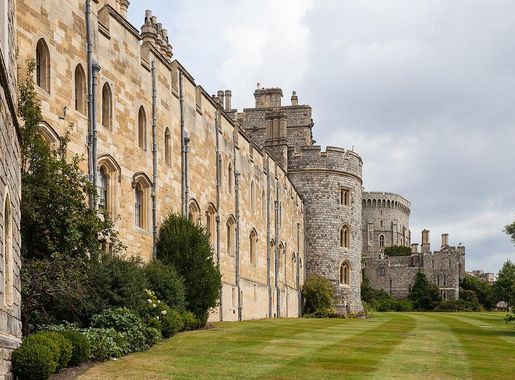
The castle has been a royal residence since the reign of William the Conqueror, and successive monarchs have altered and enlarged it over the centuries. St George's Chapel, the Guildhall and the surviving medieval street pattern reflect different chapters in Windsor's development, while the Long Walk creates one of England's most recognisable approaches to a royal residence. Across the river, Eton College adds another layer of architectural and educational history.Parks, Riverbanks and Local Life
Windsor Great Park provides broad views, ancient woodland and open landscapes beyond the town centre, with the Long Walk forming its most celebrated urban edge. Independent shops, cafés and restaurants cluster around Peascod Street, Thames Street and the lanes near the castle. The result is a destination where formal pageantry, river scenery, historic buildings and everyday town life meet within a remarkably walkable setting.
Know before you go
Hi, I'm Eve. Here are a few practical things to know before exploring Windsor.
- Allow several hours for Windsor Castle and check its official visiting arrangements before setting out, as access can vary with royal use.
- Walk the Long Walk for the classic approach to the castle, continuing into Windsor Great Park if time and weather permit.
- Cross Windsor Bridge to explore Eton's historic High Street and view the town from the quieter riverbank.
- Wear comfortable shoes because the castle precinct, old streets, riverside and parkland involve uneven surfaces and extended walking.
- Keep clear of ceremonial routes and follow instructions around the castle during official events or changing guard occasions.
Explore Windsor: Things to Do, Places to Eat, Hotels & More
Handpicked recommendations for top attractions, local dining, accommodations, and more

Best attractions in Windsor
Top-rated picks
Best Attractions

Windsor Castle
Explore Windsor Castle, the world’s oldest inhabited castle and a majestic royal residence steeped in nearly a millennium of British history.

LEGOLAND® Windsor Resort
Explore over 55 LEGO-themed rides, shows, and attractions at the UK’s premier family-friendly theme park in Windsor.

St George's Chapel
Discover the majestic Gothic beauty and royal heritage of St George's Chapel, the spiritual heart of Windsor Castle.

The Long Walk
A majestic three-mile tree-lined avenue linking Windsor Castle to the iconic Copper Horse statue, steeped in royal history and scenic grandeur.

Best landmarks in Windsor
Top-rated picks
Best Landmarks

St George's Chapel
England's finest Gothic chapel and resting place of monarchs, where medieval craftsmanship meets royal history.

The Long Walk
A majestic 2.65-mile tree-lined avenue through royal parkland, framing Windsor Castle in the distance.

King George III & His Horse Statue
Majestic bronze statue of King George III atop Snow Hill, offering regal history and panoramic views in Windsor Great Park.
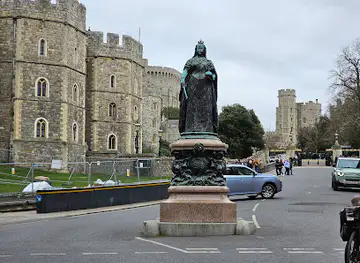
Queen Victoria Statue
A majestic bronze tribute to Queen Victoria’s Golden Jubilee, standing proudly at Windsor Castle’s entrance, celebrating Victorian royal heritage.

Best restaurants in Windsor
Top-rated picks
Best Restaurants

Côte Windsor
Classic French brasserie dining with stunning riverside views of Windsor Castle in a lively, modern setting.

Browns Windsor
Classic British brasserie charm with contemporary dining on Windsor’s scenic Promenade.
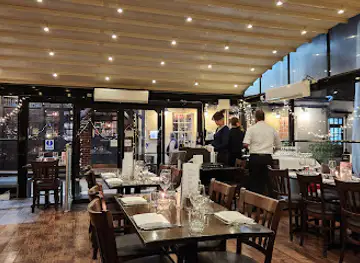
The Boatman
Windsor’s charming riverside gastropub offering classic British fare, scenic Thames views, and a relaxing atmosphere by the water.
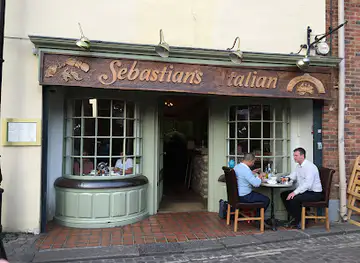
Sebastian's
Experience authentic Italian flavors in Windsor’s cozy family-owned Sebastian's, where fresh ingredients and warm service await.

Best bars in Windsor
Top-rated picks
Best Bars

The King & Castle - JD Wetherspoon
A spacious, friendly JD Wetherspoon pub in Windsor offering affordable drinks and classic British fare near the historic Windsor Castle.

The Boatman
Charming riverside gastropub in Windsor offering classic British fare and scenic Thames views in a relaxed, welcoming atmosphere.

The Duchess of Cambridge Pub
A cozy British pub in Windsor offering classic cuisine, award-winning ales, and warm hospitality just steps from Windsor Castle.
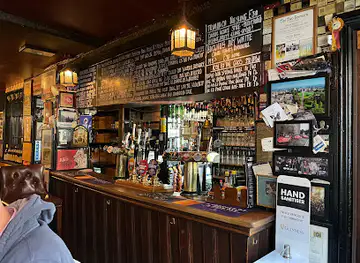
The Two Brewers
Historic 18th-century pub near Windsor Castle offering classic British ales, cozy ambiance, and a charming floral exterior.

Best nightclubs in Windsor
Top-rated picks
Best Nightclubs

All Bar One Windsor
Stylish wine bar in historic Windsor Royal Station offering lively brunches, expertly crafted cocktails, and a vibrant social atmosphere.

FUZZY BEAR Cocktails & Comedy
Windsor’s lively comedy club with tiki vibes, top comedians, and expertly crafted cocktails in a unique railway arch setting.

The Scotch
Windsor’s iconic Victorian arch nightclub blending historic charm with eclectic music and circus-themed nightlife.

The Boom
Experience Windsor’s most exclusive nightclub with live music, vibrant DJs, and unforgettable party vibes every weekend.

Best shops in Windsor
Top-rated picks
Best Shops

Windsor Yards
A vibrant shopping destination blending modern retail with Windsor’s historic charm and community spirit.

Daniel Department Store
Historic family-run department store in Windsor offering luxury fashion, homeware, dining, and personalized services in a vibrant central location.

Windsor Royal Station
Independent shopping in a Victorian railway arch at the heart of historic Windsor.

Marks and Spencer
A reliable Marks & Spencer department store in central Windsor, offering fashion, homeware and a well-stocked food hall on Peascod Street.

Explore Windsor on the Map
A handpicked selection of must-see spots in Windsor, mapped for you.
Windsor Essentials
-
Windsor is well connected to London and the wider Thames Valley by rail and road. Windsor & Eton Central station serves the town centre, while Windsor & Eton Riverside station is close to the river and castle. Rail journeys from London commonly involve routes through Slough or services from London Waterloo, depending on the departure station and timetable. Heathrow Airport is the nearest major international airport, although it is outside Windsor and requires onward road or public transport connections. National coach services and local buses also link Windsor with nearby towns. Drivers should allow time for congestion and check parking arrangements, particularly on busy weekends and during major royal events.
-
Central Windsor is compact and most principal sights, including the castle, riverside and main shopping streets, are best reached on foot. The town has local bus services, taxis and rail links to surrounding communities, while roads connect it with London, Heathrow and the M4 corridor. Walking routes become longer and less urban towards Windsor Great Park, so suitable footwear is useful. The castle area includes slopes and uneven historic surfaces, and traffic can be busy around the centre. Cycling is possible beyond the busiest streets, but visitors should take care near congested junctions and remember that pedestrian areas and local restrictions can change.
-
The currency is the pound sterling, with the international code GBP and the symbol £. Cards and contactless payments are widely accepted in hotels, attractions, shops, cafés and restaurants, although small independent businesses or market traders may have their own minimums or preferences. Carrying a modest amount of cash remains sensible for occasional small purchases, transport or places with temporary card issues. ATMs are available in the town centre, but international card users should check exchange-rate and withdrawal options with their bank. Tipping is discretionary in the United Kingdom; in restaurants, check whether a service charge has already been added before leaving more.
-
Windsor is a busy visitor destination, so ordinary precautions are appropriate, particularly around railway stations, crowded castle approaches, festivals and popular riverside areas. Keep wallets and phones secure, avoid leaving belongings visible in parked vehicles and take care when crossing roads near the town centre. The Long Walk and Windsor Great Park can become quiet after dark, with limited facilities away from the main streets; plan routes accordingly and use well-lit roads for evening travel. Historic paths may be uneven, and weather can change quickly in exposed parkland. Follow notices and staff guidance at royal, religious and public sites.
-
For police, fire or medical emergencies in the United Kingdom, call 999; 112 also works as a UK emergency number. State that you are in Windsor and provide a clear location, such as a street, landmark, station or park entrance. For urgent but non-life-threatening medical advice, NHS 111 can provide guidance, while pharmacies and local NHS services can advise on routine problems. European visitors should carry relevant travel and health documents, and all international travellers should have suitable insurance. The river, large parks and busy roads require normal care; call emergency services rather than attempting a rescue yourself if someone is in danger.
-
Dress respectfully when entering St George's Chapel or other religious spaces, and follow instructions about photography, security and restricted areas at royal sites. Do not touch historic surfaces, climb barriers or obstruct ceremonial movements around the castle. Queuing and polite, orderly behaviour are expected on public transport and at attractions. In restaurants, check the bill for an included service charge; tipping is not a legal requirement. Keep dogs under control and observe signs in Windsor Great Park. Avoid assuming that every royal ceremony is open to spectators, and do not treat guards, staff or local residents as part of a staged performance.
-
The central streets are busiest around the middle of the day, so an early start can make the castle precinct and riverfront more comfortable. Combine the town with Eton by crossing Windsor Bridge, then return along the river for changing views of the castle. Windsor Great Park is much larger than the urban centre, and the Long Walk alone can make a substantial outing. Peascod Street is useful for everyday shopping, while Thames Street and the lanes near the castle offer cafés and independent businesses. Check attraction and chapel arrangements before travelling, particularly around Sundays, state occasions and royal events.
When is the best time to visit Windsor?
Useful Local Phrases for Windsor
You don't need to speak the language perfectly. Even learning a few simple words can make conversations warmer—and locals usually appreciate the effort.
— Eve

Here are the phrases I use most often in Windsor. Try a few—you'll be surprised how far they go! 😊
❤️
-
- HelloHello
[həˈloʊ] - GoodbyeGoodbye
[ɡʊdˈbaɪ] - YesYes
[jɛs] - NoNo
[noʊ] - Please/You're welcomePlease/You're welcome
[pliːz/jʊr ˈwɛlkəm] - Thank youThank you
[θæŋk ju] - Excuse me/SorryExcuse me/Sorry
[ɪkˈskjus mi/ˈsɔri] - How are you?How are you?
[haʊ ɑr ju] - Fine. And you?Fine. And you?
[faɪn. ənd ju] - Do you speak English?Do you speak English?
[du ju spiːk ˈɪŋɡlɪʃ] - I don't understandI don't understand
[aɪ doʊnt ˌʌndərˈstænd]
- HelloHello
-
- I'd like to see the menu, pleaseI'd like to see the menu, please
[aɪd laɪk tə si ðə ˈmɛnju, pliz] - I don't eat meatI don't eat meat
[aɪ doʊnt iːt miːt] - Cheers!Cheers!
[tʃɪrz] - I would like to pay, pleaseI would like to pay, please
[aɪ wʊd laɪk tə peɪ, pliz]
- I'd like to see the menu, pleaseI'd like to see the menu, please
-
- Help!Help!
[hɛlp] - Go away!Go away!
[ɡoʊ əˈweɪ] - Call the Police!Call the Police!
[kɔl ðə pəˈliːs] - Call a doctor!Call a doctor!
[kɔl ə ˈdɑktər] - I'm lostI'm lost
[aɪm lɔst] - I'm illI'm ill
[aɪm ɪl]
- Help!Help!
-
- I'd like to buy...I'd like to buy...
[aɪd laɪk tə baɪ...] - I'm just lookingI'm just looking
[aɪm dʒʌst ˈlʊkɪŋ] - How much is it?How much is it?
[haʊ mʌtʃ ɪz ɪt] - That's too expensiveThat's too expensive
[ðæts tuː ɪkˈspɛnsɪv] - Can you lower the price?Can you lower the price?
[kæn ju ˈloʊər ðə praɪs]
- I'd like to buy...I'd like to buy...
-
- What time is it?What time is it?
[wʌt taɪm ɪz ɪt] - It's one o'clockIt's one o'clock
[ɪts wʌn əˈklɒk] - Half past (10)Half past (10)
[hæf pæst (10)] - MorningMorning
[ˈmɔrnɪŋ] - AfternoonAfternoon
[ˌæftərˈnun] - EveningEvening
[ˈivnɪŋ] - YesterdayYesterday
[ˈjɛstərdeɪ] - TodayToday
[təˈdeɪ] - TomorrowTomorrow
[təˈmɔroʊ] - 11
[wʌn] - 22
[tu] - 33
[θri] - 44
[fɔr] - 55
[faɪv] - 66
[sɪks] - 77
[sɛvən] - 88
[eɪt] - 99
[naɪn] - 1010
[tɛn]
- What time is it?What time is it?
-
- Where's a/the...?Where's a/the...?
[wɛrz ə/ðə...?] - What's the address?What's the address?
[wʌts ði əˈdrɛs] - Can you show me (on the map)?Can you show me (on the map)?
[kæn ju ʃoʊ mi (ɑn ðə mæp)?] - When's the next (bus)?When's the next (bus)?
[wɛnʔs ðə nɛkst (bʌs)?] - A ticket (to ....)A ticket (to ....)
[ə ˈtɪkɪt (tə ....)]
- Where's a/the...?Where's a/the...?
History of Windsor
-
After the Norman Conquest, William the Conqueror established a chain of fortifications around London, including a motte-and-bailey castle at Windsor in the early 1070s. Its position above the Thames and beside the royal hunting forest made it strategically valuable. Henry I began turning the site into a more substantial royal residence, and Henry II replaced much of the earlier timber construction with stone. The settlement below the castle developed alongside the royal household, supplying labour, trade and services. Windsor's early history is therefore inseparable from its location: the river provided communication, while the surrounding forest offered hunting grounds and helped make the town a favoured royal base.
-
Windsor grew in importance during the medieval period as monarchs used the castle for government, ceremony and residence. Henry III strengthened its defences and added important domestic and religious buildings, while Edward III undertook a major rebuilding programme in the fourteenth century. Edward founded the Order of the Garter in 1348, and St George's Chapel later became closely associated with the order. The presence of the court stimulated commerce in the town, although royal building and military demands also placed burdens on local inhabitants. By the late Middle Ages, Windsor was established as both a fortified royal centre and a busy settlement connected to the wider economy of the Thames Valley.
-
The Tudor monarchs continued to use Windsor Castle, and Henry VIII's reign brought the town into the religious and political upheavals of the sixteenth century. St George's Chapel was completed under Henry VIII in 1528 after a long period of construction, creating one of the most important examples of late medieval English ecclesiastical architecture. The castle also served as a setting for royal ceremony and court life, while the town's connections with nearby Eton continued to develop. Windsor's religious buildings and royal precinct consequently became a visible record of changing authority, from the medieval church to the centralised Tudor state.
-
During the English Civil War, Windsor Castle was held by Parliament and became a military headquarters rather than a royal residence. King Charles I was imprisoned there before his execution in 1649, a fact that gave Windsor a direct connection to the most dramatic political crisis of seventeenth-century England. After the Restoration, the monarchy resumed its relationship with the castle. In the eighteenth century, Windsor's streets and institutions adapted to a more regular flow of visitors, officials and court activity. The town's royal landscape also expanded beyond the fortress, with improvements to avenues, gardens and parkland reinforcing Windsor's ceremonial appearance.
-
Queen Victoria and Prince Albert made Windsor one of the most visible royal centres of the nineteenth century. Victoria spent extended periods at Windsor Castle, especially after Albert's death, and the town became strongly associated with the public image of the Victorian monarchy. Improved rail connections helped bring visitors and strengthened Windsor's links with London, while civic buildings, hotels and commercial streets developed around rising tourism. The Long Walk and Windsor Great Park became familiar features in royal imagery and public excursions. This period helped establish the pattern still evident today: a working town whose economy and identity are closely connected with its historic royal setting.
-
Windsor remained an active royal residence during the twentieth and twenty-first centuries, adapting to changing expectations of monarchy and public access. A major fire at Windsor Castle in 1992 damaged parts of the State Apartments and St George's Hall; the restoration that followed combined conservation with careful reconstruction and was completed in 1997. Royal weddings, jubilees and ceremonial occasions have continued to draw international attention, while Windsor itself has remained a residential and commercial town. Today, the castle, chapel, parkland and riverside are not isolated museum pieces but elements of a living urban landscape shaped by royal history, tourism and local community life.
Cities near Windsor
The closest cities to Windsor, if you have time for more than one stop.


Your all‑in‑one travel companion app
Explore expert travel guides, compare and book tours, experiences, hotels, and more—all from the palm of your hand. Download now for seamless trip planning wherever your wanderlust takes you.


Windsor in Photos
Browse through our photo collection highlighting the charm and character of the destination.






Windsor: Royal Heritage beside the Thames
<h3>A Royal Town on the Thames</h3> Windsor occupies an enviable stretch of the River Thames west of London, where a medieval castle, formal avenues and leafy parkland shape the town's identity. Windsor Castle dominates the skyline from its elevated position above the old town, while the river-facing promenade leads towards Windsor Bridge and the historic settlement of Eton beyond. The town is compact enough to explore on foot, yet its royal associations give it a scale and ceremonial presence beyond its size. <h3>History in Streets and Stone</h3> The castle has been a royal residence since the reign of William the Conqueror, and successive monarchs have altered and enlarged it over the centuries. St George's Chapel, the Guildhall and the surviving medieval street pattern reflect different chapters in Windsor's development, while the Long Walk creates one of England's most recognisable approaches to a royal residence. Across the river, Eton College adds another layer of architectural and educational history. <h3>Parks, Riverbanks and Local Life</h3> Windsor Great Park provides broad views, ancient woodland and open landscapes beyond the town centre, with the Long Walk forming its most celebrated urban edge. Independent shops, cafés and restaurants cluster around Peascod Street, Thames Street and the lanes near the castle. The result is a destination where formal pageantry, river scenery, historic buildings and everyday town life meet within a remarkably walkable setting.
Explore More of United Kingdom

Looking beyond Windsor? Discover United Kingdom for broader travel guides, local hot-spots, and regional highlights.
Explore United Kingdom