Leeds Town Hall, Yorkshire And The Humber Travel Guide
A Victorian architectural masterpiece and cultural icon, Leeds Town Hall commands the city skyline with its grand clock tower and rich civic history.
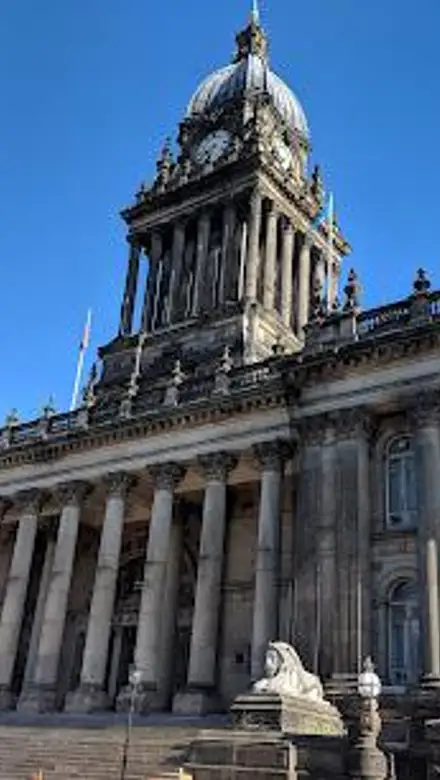
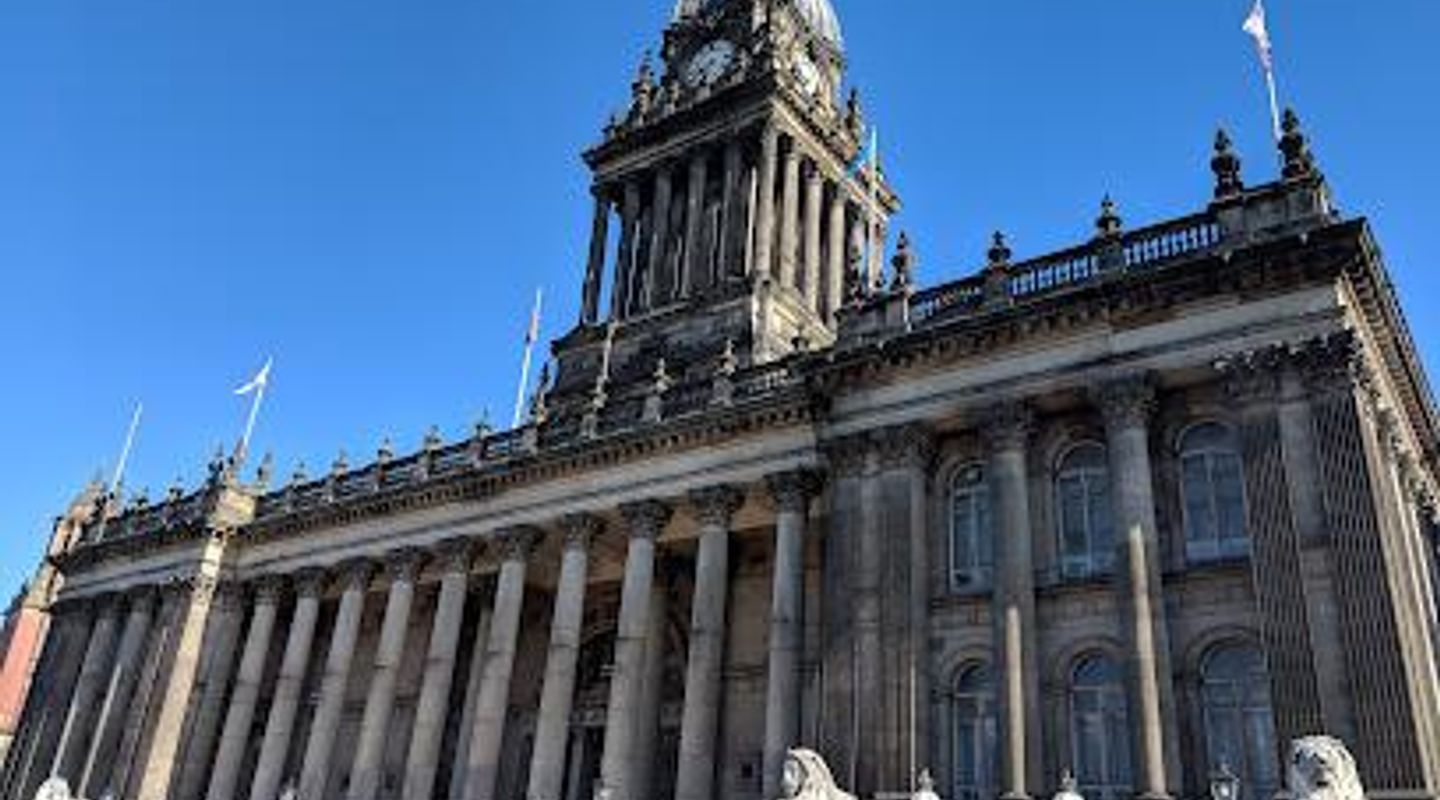
Leeds Town Hall, a striking 19th-century municipal building on The Headrow, Leeds, epitomizes Victorian ambition and architectural grandeur. Designed by Cuthbert Brodrick and opened by Queen Victoria in 1858, it features a commanding clock tower, classical Corinthian columns, and a rich history as a courthouse, concert hall, and civic venue. Currently undergoing restoration, it remains a cultural and historic landmark in Leeds.
A brief summary to Leeds Town Hall
- The Headrow, Leeds, LS1 3AD, GB
- Click to display
- Click to display
- Duration: 1 to 3 hours
- Mid ranged
-
 Outdoor
- Mobile reception: 4 out of 5

Know before you go
Hi, I'm Eve. Here are a few practical things to know before exploring Leeds Town Hall.
- Visit during organ recital Mondays to experience the largest three-manual organ in Europe in full splendor.
- Explore the historic Bridewell prison cells beneath the front steps for a glimpse into Leeds’ criminal past.
- Check ahead for guided tours that include climbing the clock tower for panoramic city views.
- Plan your visit outside of ongoing restoration closures to fully appreciate the interior spaces and events.
Do you manage this location?
Take control to get all the benefits, like improved information, better appearance, and stronger visibility across AI-powered discovery. Learn more about listing your business on Evendo
Activate your presenceOther nearby places you may find interesting
The closest places of the same kind, if this one is not quite what you had in mind.
Explore Leeds Town Hall on the Map
A handpicked selection of must-see spots near Leeds Town Hall, mapped for you.
Unlock the Best of Leeds Town Hall
Buy tickets
-
No tickets available
Book tours with entry


Getting There
-
Public Bus
Frequent bus services operate to stops near The Headrow from Leeds city centre and surrounding areas, with journey times typically between 10 and 20 minutes. Tickets cost around £2 to £4. Services run daily but check schedules for evening frequency.
-
Rail and Walk
Leeds Railway Station is approximately 1.5 km from Leeds Town Hall. A 20-25 minute walk through the city centre on mostly flat terrain leads directly to The Headrow. The walk is accessible and well signposted.
-
Taxi or Rideshare
Taxis and rideshare services from Leeds city centre take about 5-10 minutes depending on traffic. Fares typically range from £5 to £10. This option is convenient for visitors with limited mobility or tight schedules.
For the on-the-go comforts that matter to you
-
 Restrooms
-
 Drink Options
-
 Food Options
-
 Seating Areas
-
 Information Boards
Discover more about Leeds Town Hall
Architectural Majesty and Civic Symbolism
Leeds Town Hall stands as a monumental expression of Victorian Leeds’ wealth and industrial power. Designed by the young architect Cuthbert Brodrick, it was constructed between 1853 and 1858 to serve multiple civic functions, including law courts, council chambers, and public assembly halls. The building’s classical style, dominated by a grand portico with ten Corinthian columns and a 68.6-meter clock tower crowned with a concave dome, asserts its prominence on The Headrow. Its imposing presence atop a specially constructed mound enhances its visibility and symbolic stature as a municipal palace.Historical Significance and Multifaceted Use
From its opening by Queen Victoria, who drew a crowd of up to 600,000, Leeds Town Hall became a focal point for municipal governance and justice. It housed law courts, the police headquarters, and the Lord Mayor’s offices, playing a central role in the city’s administration. During World War II, it served as an Air Raid Precautions Post, reflecting its importance beyond civic functions. Since 1993, the building has shifted focus primarily to cultural uses such as concerts, weddings, and exhibitions, while its historic Bridewell prison beneath the steps once held infamous criminals.Innovative Design and Engineering Feats
Brodrick’s design incorporated bold engineering, including an innovative laminated wooden beam roof system in the Victoria Hall, inspired by the Crystal Palace and King's Cross train shed. The clock tower, a later addition to the original plans, further accentuates the building’s dramatic silhouette. The Town Hall’s footprint rivals that of significant industrial buildings of the era, showcasing the ambition behind its construction and its role as one of the largest town halls in the UK.Cultural and Musical Heritage
Leeds Town Hall is home to Europe’s largest three-manual organ, boasting 5,700 pipes and a massive physical presence. This instrument is central to the building’s musical life, hosting free weekly organ recitals that attract organists worldwide. The Town Hall’s role as a concert venue continues to thrive, maintaining its status as a hub for live music and cultural events in Leeds.Ongoing Preservation and Future Prospects
Currently undergoing a £17 million refurbishment, Leeds Town Hall is being carefully restored to preserve its architectural integrity and enhance its event spaces. The project includes roof repairs and extensive organ refurbishment, ensuring the building remains a vibrant part of Leeds’ cultural landscape for generations. This investment underscores the Town Hall’s enduring significance as both a historic monument and a living venue.Urban Context and Legacy
Situated on The Headrow, Leeds Town Hall anchors the city’s civic quarter and contributes to Leeds’ identity. Its design influenced later civic architecture and remains a benchmark of Victorian municipal ambition. The building’s legacy is intertwined with the city’s industrial growth, cultural development, and community life, making it a must-see landmark for visitors and locals alike.












Your all‑in‑one travel companion app
Explore expert travel guides, compare and book tours, experiences, hotels, and more—all from the palm of your hand. Download now for seamless trip planning wherever your wanderlust takes you.


Explore More of Yorkshire And The Humber
Looking beyond Leeds Town Hall? Discover Yorkshire And The Humber for broader travel guides, local hot-spots, and regional highlights.
Explore Yorkshire And The Humber