

La Paloma Travel Guide - Free Web & App
Your ultimate guide to La Paloma. Discover top landmarks, proposed trips, and local tips. Free on the web or via the Evendo companion app.


La Paloma, Uruguay, pairs Atlantic beaches, surf, lighthouse heritage, coastal lagoons and relaxed Rocha seaside living for nature, seafood and summer escapes.
Coastal Character
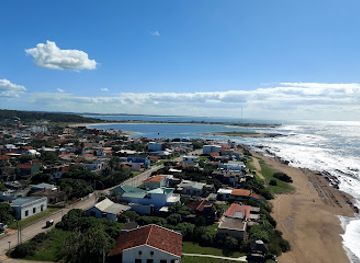
La Paloma is a relaxed Atlantic resort on Uruguay’s Rocha coast, about 230 kilometres east of Montevideo and reached inland via the city of Rocha. Its built-up area spreads around a wooded, gently indented shoreline where broad beaches, rocky points and small bays create a more varied coastal landscape than the resort’s compact scale might suggest. The town’s defining landmark is the Cabo Santa María Lighthouse, whose white tower stands above the eastern headland and helps give La Paloma its distinctly maritime identity.Read more about La Paloma
Beaches, Water and Wildlife
Life in the Resort
When is the best time to visit La Paloma?
Best: February–March, November · 24–27°C| Month | High (°C) | Rainfall (mm) |
|---|---|---|
| January | 27 | 85 |
| February (best) | 27 | 80 |
| March (best) | 25 | 75 |
| April | 21 | 70 |
| May | 18 | 65 |
| June | 15 | 60 |
| July | 15 | 60 |
| August | 16 | 65 |
| September | 18 | 70 |
| October | 21 | 75 |
| November (best) | 24 | 80 |
| December | 26 | 85 |
Getting to and around La Paloma
How to get there
Transportation
Best attractions in La Paloma
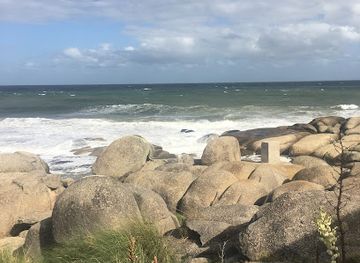
La Paloma’s main attractions are spread along its Atlantic shoreline rather than concentrated in a single centre. The Cabo Santa María Lighthouse provides the clearest historical focus, while nearby Bahía Chica and Bahía Grande offer sheltered coastal scenes close to town. La Balconada is particularly associated with sunset views, and the beaches of Anaconda, La Aguada and Costa Azul extend the resort’s range of sand, surf and open horizons. Los Botes retains a stronger connection with fishing and small-boat activity. West of La Paloma, Laguna de Rocha introduces a different environment of lagoon water, sandbars, wetlands and bird habitat; it lies outside the built-up resort and access conditions can be seasonal or limited. The neighbouring village of La Pedrera, also on the Rocha coast, is a separate destination but an accessible excursion for visitors based in La Paloma. Together these places show the contrast between holiday shoreline, working coast and protected wetland.
-
Tourist attraction
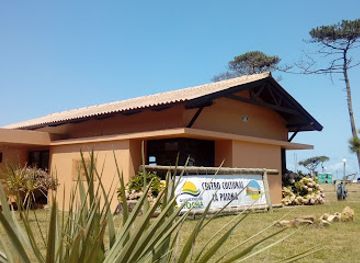
Centro Cultural La Paloma
Immerse yourself in the rich cultural landscape of La Paloma at Centro Cultural La Paloma, where art and tradition come alive.
-
Tourist attraction
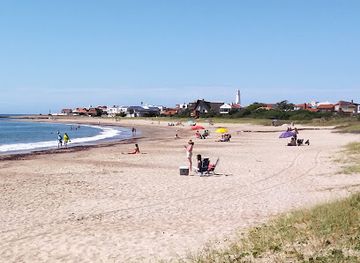
Playa del Faro
Experience the breathtaking beauty of Playa del Faro, a serene beach paradise in La Paloma, Uruguay, perfect for relaxation and adventure.
-
Tourist attraction
Bahía Grande Beach
Explore Bahía Grande Beach in La Paloma, a stunning destination for relaxation, nature adventures, and breathtaking sunsets along Uruguay's coast.
-
Park
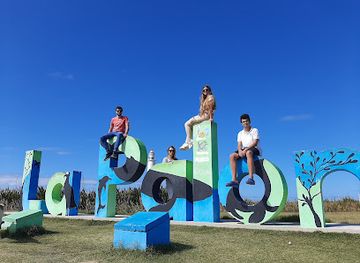
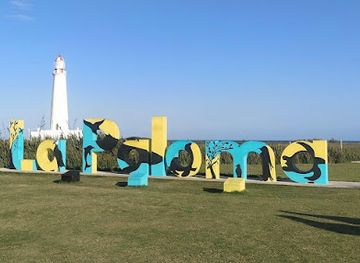
Letras ornamentales La Paloma
Explore the tranquil oasis of Letras Ornamentales La Paloma, where stunning artistry meets the serene beauty of nature in Rocha, Uruguay.
Best landmarks in La Paloma
The Cabo Santa María Lighthouse is La Paloma’s principal built landmark, standing on the eastern headland above the Atlantic and dating from 1874. Its position expresses the coast’s maritime importance and provides a visual reference for the bays and beaches around the resort. The port and fishing area at Los Botes form a more working landmark, linking present-day La Paloma with its coastal economy. The beaches themselves are significant natural features: La Balconada, Bahía Chica, Bahía Grande, Anaconda and La Aguada reveal different relationships between open surf, sheltered water, rocky edges and long sand. Beyond the resort, Laguna de Rocha is the major ecological landmark, a coastal lagoon shaped by the meeting of inland waters and the Atlantic, with wetlands and sandbar environments important for birdlife. The lagoon is outside the urban area and belongs to the wider protected coastal landscape of Rocha.
-
Tourist attraction
El Faro del Cabo Santa Maria
Explore the breathtaking El Faro del Cabo Santa Maria, a historic lighthouse offering stunning ocean views and rich maritime heritage in La Paloma.
-
Cultural center
Centro Cultural La Paloma
Discover the vibrant arts and culture at Centro Cultural La Paloma, where local talent shines through exhibitions, performances, and creative workshops.
-
Tourist attraction
Playa del Faro
Discover the beauty of Playa del Faro in La Paloma, a stunning beach destination perfect for relaxation, adventure, and vibrant local culture.
-
Tourist attraction
Playa El Cabito
Explore the serene beauty of Playa El Cabito, a hidden gem in La Paloma, Uruguay, perfect for relaxation, adventure, and stunning coastal views.
Explore La Paloma on the map
Plan your trip on one map. See where the top attractions, landmarks, restaurants and hotels are, and book hotels and experiences in a few clicks.
Best hotels in La Paloma
Best restaurants in La Paloma
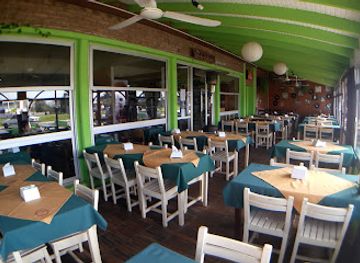
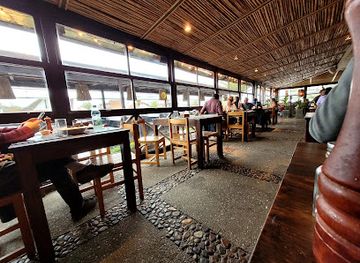
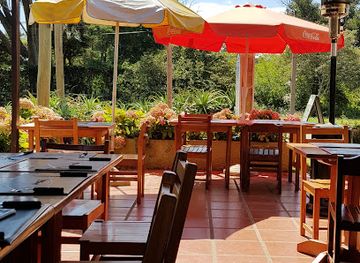
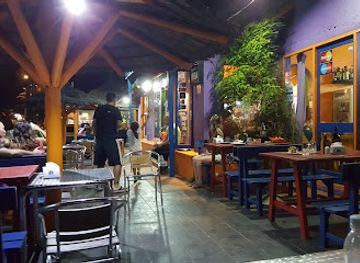
Dining in La Paloma is concentrated around the central resort, Avenida Solari, the waterfront and the principal beach approaches, with the broadest choice during the summer season. Seafood reflects the town’s Atlantic setting and fishing heritage, while grilled beef, pizzas, empanadas and other familiar Uruguayan staples are widely represented in casual restaurants and cafés. Small bakeries, ice-cream shops and informal beach-season businesses suit daytime eating, whereas the harbour and areas near Los Botes can provide a stronger maritime atmosphere when operating. Visitors staying outside the centre should plan supplies, especially in the quieter months, when some seasonal businesses close or reduce their hours. For a wider choice of shops and everyday provisions, Rocha is the nearest significant inland town, while La Pedrera offers its own separate selection of cafés and restaurants rather than forming part of La Paloma’s dining district.
-
Restaurant
Lo de Edinson
Discover Lo de Edinson in La Paloma: A culinary haven offering delicious Uruguayan dishes in a warm and inviting atmosphere.
-
Restaurant
Restaurante Arrecife
Discover delectable local cuisine at Restaurante Arrecife in La Paloma – where every meal is a celebration of flavor by the sea.
-
Mexican
Restaurante La Cantina Mexicana
Experience authentic Mexican flavors in La Paloma at Restaurante La Cantina Mexicana - where every dish tells a story.
-
Restaurant
La Ballena
Experience the flavors of Uruguay at La Ballena - A must-visit restaurant in beautiful La Paloma offering fresh seafood and local delicacies.
Best bars in La Paloma
La Paloma’s evening life is strongly seasonal and becomes most animated during Uruguay’s summer holiday period. Around the central streets, Avenida Solari and the beach approaches, visitors can find casual bars, cafés and places serving drinks alongside late meals, while the resort’s holiday houses and promenades create much of the social atmosphere. Music and informal gatherings are more characteristic than a permanent, large-scale club scene, and entertainment offerings can change from one season to the next. Outside summer, many businesses operate more quietly or close, leaving the lighthouse, shoreline and waterfront suited to an early evening walk rather than organised nightlife. Nearby La Pedrera, a separate coastal settlement, is known for a livelier seasonal atmosphere and may broaden evening options for visitors with transport, but it should not be treated as part of La Paloma itself.
-
Restaurant
Restobar Upalala
Experience the flavors of Uruguay at Restobar Upalala, a rustic dining gem in La Paloma offering local cuisine and a vibrant atmosphere.
-
Beer hall
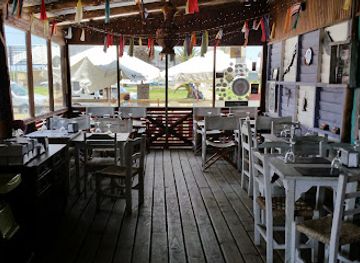
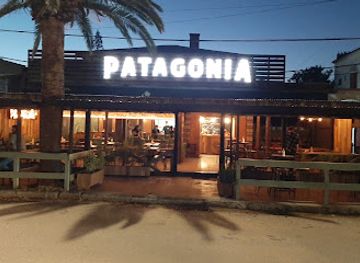
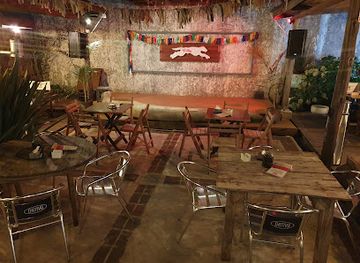
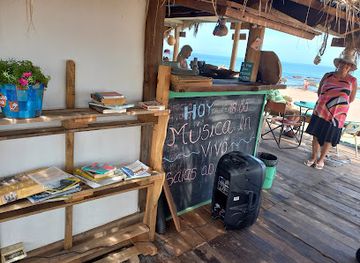
Patagonia - Refugio La Paloma
Discover the vibrant atmosphere and local brews at Refugio La Paloma, a must-visit beer hall in La Paloma, Patagonia.
-
Fast Food
La Onda
Experience the vibrant fast food scene at La Onda in La Paloma, Uruguay—where local flavors meet late-night cravings.
-
Bar
Bar Chiringo himalaya
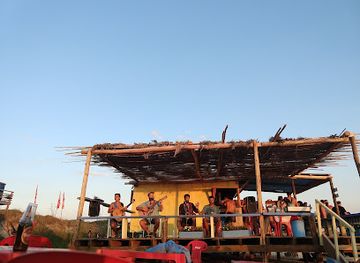
Experience the vibrant atmosphere and stunning views at Bar Chiringo Himalaya in La Paloma, the perfect getaway for tourists.
Best nightclubs in La Paloma
La Paloma’s evening life is strongly seasonal and becomes most animated during Uruguay’s summer holiday period. Around the central streets, Avenida Solari and the beach approaches, visitors can find casual bars, cafés and places serving drinks alongside late meals, while the resort’s holiday houses and promenades create much of the social atmosphere. Music and informal gatherings are more characteristic than a permanent, large-scale club scene, and entertainment offerings can change from one season to the next. Outside summer, many businesses operate more quietly or close, leaving the lighthouse, shoreline and waterfront suited to an early evening walk rather than organised nightlife. Nearby La Pedrera, a separate coastal settlement, is known for a livelier seasonal atmosphere and may broaden evening options for visitors with transport, but it should not be treated as part of La Paloma itself.
-
Bar
Bar Chiringo himalaya
Experience the vibrant atmosphere and refreshing cocktails at Bar Chiringo Himalaya, La Paloma's coastal gem for relaxation and nightlife.
-
Lounge
Sala Serena
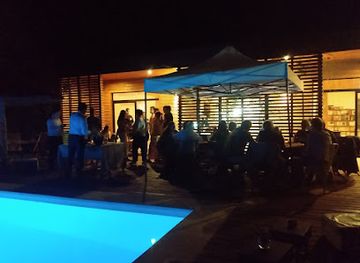
Discover the elegance of Sala Serena in La Paloma, a premier venue for weddings, concerts, and unforgettable celebrations.
-
Yacht club
Club Náutico Sudestada
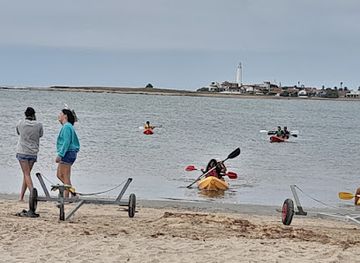
Experience tranquility and adventure at Club Náutico Sudestada, a premier yacht club in La Paloma, Uruguay, perfect for all water enthusiasts.
-
Gym
Deportivo La Paloma
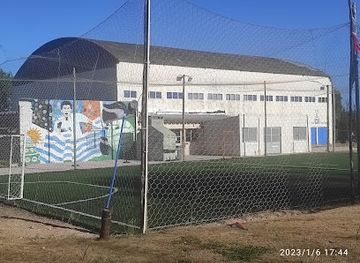
Explore fitness and community spirit at Deportivo La Paloma, the premier gym in La Paloma, Uruguay, where locals and tourists unite.
Best shops in La Paloma
Shopping in La Paloma is modest and geared towards summer visitors rather than extensive retail tourism. The central streets and seasonal beach areas contain everyday shops, small supermarkets, cafés, surf-related businesses and independent outlets selling clothing, gifts, artwork and holiday essentials, although the selection and opening patterns vary outside the high season. Local food products, seafood and simple Uruguayan specialities can be found through the resort’s shops and markets when operating, while artisan stalls and temporary summer vendors may offer locally made objects rather than a single established craft tradition. Rocha provides a broader range of practical shopping and services, and La Pedrera has a separate concentration of small boutiques and creative businesses. Travellers heading towards beaches or Laguna de Rocha should buy provisions in La Paloma or Rocha rather than expecting substantial retail facilities at the destination’s less developed coastal edges.
-
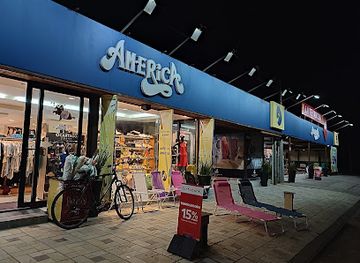
Clothing store
Tienda América
Explore Tienda América, La Paloma's top clothing store, offering trendy apparel and accessories that perfectly encapsulate coastal Uruguayan fashion.
-
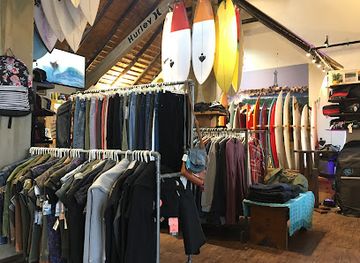
Sporting goods store
Peteco Surf Shop
Discover the ultimate surfing experience at Peteco Surf Shop in La Paloma, where quality gear meets local surf culture for an unforgettable beach adventure.
-
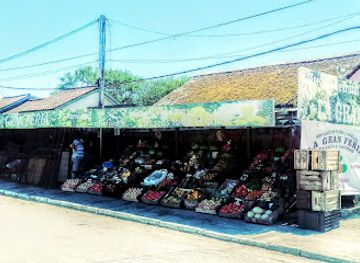
Fruit and vegetable store
The Great Market
Discover the vibrant flavors and local produce at The Great Market in La Paloma, a must-visit for food lovers and tourists.
-
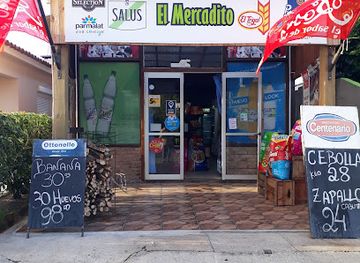
Supermarket
El Mercadito
Discover the flavors of Uruguay at El Mercadito, La Paloma's vibrant supermarket offering local produce, artisanal goods, and a taste of community spirit.
Get your free copy of our complete guide to La Paloma, delivered straight to you.
Everything on this page, from attractions and restaurants to essentials and local phrases, in one PDF you can read offline, print or share.
Already have an account? Sign in
Your La Paloma guide is ready.
We'll send it to · Not you? Sign out

Getting your guide ready…
We are putting together a fresh copy of the La Paloma guide. This can take up to a minute.
This can take a few moments. If your browser asks, choose Allow so the download can start. You'll find the guide in your Downloads folder.
Nothing happened? Download it again
Sorry, the guide is taking longer than usual. Please try again in a minute, or get it by email instead.
La Paloma essentials
Currency and Payment
Safety
Emergency Situations
Do's and Don'ts
Local Tips
From Eve
Local phrases worth knowing
You don't need to get them perfect. A few words go a long way, and locals appreciate the effort.
Basics
| English | Local | Say it |
|---|---|---|
| Hello | Hola | [oh-lah] |
| Goodbye | Adiós | [ah-dee-ohs] |
| Yes | Sí | [see] |
| No | No | [noh] |
| Please/You're welcome | Por favor/De nada | [por fah-vor/de nah-dah] |
| Thank you | Gracias | [grah-see-ahs] |
| Excuse me/Sorry | Disculpe/Perdón | [dee-skool-peh/pehr-dohn] |
| How are you? | ¿Cómo estás? | [koh-moh ehs-tahs] |
| Fine. And you? | Bien. ¿Y tú? | [byen. ee too] |
| Do you speak English? | ¿Hablas inglés? | [ah-blahs een-glehs] |
| I don't understand | No entiendo | [noh ehn-tee-ehn-doh] |
Eating & Drinking
| English | Local | Say it |
|---|---|---|
| I'd like to see the menu, please | Me gustaría ver el menú, por favor | [meh goos-tah-ree-ah behr ehl meh-noo, por fah-vor] |
| I don't eat meat | No como carne | [noh koh-moh kahr-neh] |
| Cheers! | ¡Salud! | [sah-lood] |
| I would like to pay, please | Me gustaría pagar, por favor | [meh goos-tah-ree-ah pah-gahr, por fah-vor] |
Emergencies
| English | Local | Say it |
|---|---|---|
| Help! | ¡Ayuda! | [ah-yoo-dah] |
| Go away! | ¡Vete! | [veh-teh] |
| Call the Police! | ¡Llama a la Policía! | [yah-mah ah lah poh-lee-see-ah] |
| Call a doctor! | ¡Llama a un médico! | [yah-mah ah oon meh-dee-koh] |
| I'm lost | Estoy perdido | [ehs-toy pehr-dee-doh] |
| I'm ill | Estoy enfermo | [ehs-toy ehn-fehr-moh] |
Shopping
| English | Local | Say it |
|---|---|---|
| I'd like to buy... | Me gustaría comprar... | [meh goos-tah-ree-ah kohm-prahr] |
| I'm just looking | Solo estoy mirando | [soh-loh ehs-toy mee-rahn-doh] |
| How much is it? | ¿Cuánto cuesta? | [kwan-to kwehs-tah] |
| That's too expensive | Es muy caro | [ehs moo-ee kahr-oh] |
| Can you lower the price? | ¿Puede bajar el precio? | [pweh-deh bah-har ehl pree-syoh] |
Time & Numbers
| English | Local | Say it |
|---|---|---|
| What time is it? | ¿Qué hora es? | [keh oh-rah ehs] |
| It's one o'clock | Es la una | [ehs lah oo-nah] |
| Half past (10) | Las diez y media | [lahs d'yehs ee meh-dee-ah] |
| Morning | Mañana | [mah-nyah-nah] |
| Afternoon | Tarde | [tahr-deh] |
| Evening | Noche | [noh-cheh] |
| Yesterday | Ayer | [ah-yehr] |
| Today | Hoy | [oy] |
| Tomorrow | Mañana | [mah-nyah-nah] |
| 1 | Uno | [oo-noh] |
| 2 | Dos | [dohs] |
| 3 | Tres | [trehs] |
| 4 | Cuatro | [kwah-troh] |
| 5 | Cinco | [seen-koh] |
| 6 | Seis | [says] |
| 7 | Siete | [syeh-teh] |
| 8 | Ocho | [oh-choh] |
| 9 | Nueve | [nweh-veh] |
| 10 | Diez | [dyehs] |
Transport & Directions
| English | Local | Say it |
|---|---|---|
| Where's a/the...? | ¿Dónde está...? | [dohn-deh ehs-tah] |
| What's the address? | ¿Cuál es la dirección? | [kwal ehs lah dee-rek-syohn] |
| Can you show me (on the map)? | ¿Puedes mostrarme (en el mapa)? | [pweh-dehs mohs-trahr-meh (ehn ehl mah-pah)] |
| When's the next (bus)? | ¿Cuándo es el próximo (autobús)? | [kwan-doh ehs ehl proh-see-moh (ow-toh-boos)] |
| A ticket (to ....) | Un boleto (a ....) | [oon boh-leh-toh (ah)] |
History of La Paloma
An Atlantic Landscape Before the Resort
The coast around present-day La Paloma formed part of the wider territory inhabited and used by Indigenous peoples before European colonisation, including communities commonly identified in historical sources as Charrúa and Chaná. The dunes, lagoons, grasslands and maritime waters supported movement, fishing and seasonal use, although the surviving historical record is uneven and should not be treated as a complete account of earlier life. European control gradually incorporated the Rocha coast into the colonial and later national geography of Uruguay, while its exposed position remained more closely associated with navigation and maritime routes than with dense settlement.
The Cabo Santa María Lighthouse
La Paloma’s most visible historical marker is the Cabo Santa María Lighthouse, constructed in 1874 on the headland that shelters the town’s eastern side. Its presence reflects the dangers of Uruguay’s Atlantic coast, where reefs, shoals and changing weather made reliable navigation essential. The lighthouse helped establish the cape as a recognised maritime reference and became the architectural focus around which later visitors understood La Paloma. The surrounding headland remains a place where the town’s seafaring origins are especially apparent.
Port, Fishing and Coastal Work
During the late nineteenth and early twentieth centuries, La Paloma developed links with maritime transport, fishing and the movement of goods along the Rocha coast. The port area and the small fishing fleet became important elements of local identity, even as the settlement remained modest in size. Fishing continues to influence the character of the waterfront and the availability of seafood, although the town’s economy is now strongly shaped by tourism. The relationship between working coast and holiday resort can still be read around Los Botes and the harbour.
The Rise of Summer Tourism
La Paloma’s transformation into a major seasonal seaside destination accelerated during the twentieth century as road access improved and Uruguayans increasingly travelled to the Atlantic coast for summer holidays. Holiday houses, rental accommodation and small-scale hospitality spread through the surrounding pine-covered residential areas, while the beaches became the centre of social life. Surfing added a further dimension to the resort’s identity, particularly among younger visitors, and helped distinguish La Paloma from more urbanised beach destinations closer to Montevideo.
Coastal Conservation and Modern Identity
In recent decades, attention has increasingly focused on protecting the dunes, coastal wetlands, lagoons and wildlife habitats that surround La Paloma. Laguna de Rocha, west of the resort, is recognised internationally for its ecological importance and forms part of the broader network of protected coastal environments in Rocha. Conservation has helped frame the area not only as a beach resort but also as a gateway to fragile Atlantic ecosystems. Modern La Paloma therefore balances intense seasonal visitation with the need to manage pressure on beaches, dunes, lagoon margins and marine life.
La Paloma in Photos
Browse through our photo collection highlighting the charm and character of the destination.
Neighbouring destination travel guides
The closest destinations to La Paloma, if you have time for more than one.
-

-

-

-

-


Swipe for more destinations
Explore more

Explore more of East Coast
Discover the East Coast of Uruguay: From Glamorous Resorts to Pristine Beaches and Charming Villages, Experience the Best of South America's Hidden Gems.
Explore East Coast
Explore more of Uruguay
Discover Uruguay: Rich culture, stunning beaches, and a warm, welcoming atmosphere await in this hidden gem of South America.
Explore Uruguay