

Arches National Park, Utah Travel Guide
Explore Arches National Park in Utah, where over 2,000 natural stone arches create an awe-inspiring red rock landscape perfect for hiking, photography, and stargazing.
Arches National Park, located in the heart of Utah, is a stunning testament to the power and beauty of natural erosion. This park is home to over 2,000 natural stone arches, each more breathtaking than the last. Visitors can explore a landscape that seems almost otherworldly, with red rock formations that stretch towards the sky and create a dramatic backdrop against the clear blue desert skies. One of the park's most famous landmarks is the Delicate Arch, a freestanding natural arch that has become an iconic symbol of Utah. The hike to Delicate Arch is a moderate trek that rewards visitors with an up-close view of this incredible formation. For those looking for a less strenuous adventure, the Windows Section offers a series of shorter trails that lead to equally impressive arches and rock formations. Beyond the arches, the park offers a variety of other activities. Hiking, rock climbing, and photography are popular ways to experience the park's unique beauty. The park is also a designated International Dark Sky Park, making it an excellent location for stargazing. Whether you're an outdoor enthusiast or simply looking to appreciate the wonders of nature, Arches National Park offers a unique and unforgettable experience.

Know before you go
Hi, I'm Eve. Here are a few practical things to know before exploring Arches National Park.
- Visit early in the morning or late in the afternoon to avoid crowds and capture the best light for photography.
- Bring plenty of water and sunscreen, as the desert environment can be harsh and there is little shade.
- Check the weather forecast before your visit, as flash floods can occur suddenly in the desert.
- Consider visiting in the spring or fall for milder temperatures and fewer tourists.
- Download the park map and guides before you go, as cell service can be limited within the park.
Top City Travel Guides in Arches National Park
The cities of Arches National Park, and the easiest places to base yourself.
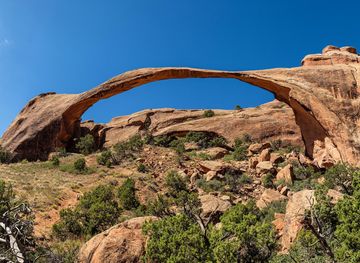
Destinations in Arches National Park
Resorts, valleys and scenic spots worth a trip of their own.

Explore Arches National Park: Things to Do, Places to Eat, Hotels & More
Handpicked recommendations for top attractions, local dining, accommodations, and more

Top Attractions & Sightseeing in Arches National Park
Top-rated picks
Best Attractions

Arches National Park
Explore the breathtaking landscapes and iconic rock formations of Arches National Park in Utah, a must-visit for nature lovers and adventurers.

Canyonlands National Park
Experience the breathtaking beauty and diverse landscapes of Canyonlands National Park in Utah, a paradise for outdoor enthusiasts and nature lovers.
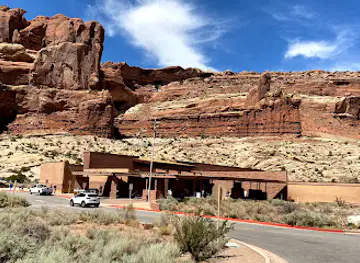
Arches National Park Visitor Center
Experience the breathtaking beauty of Arches National Park through its Visitor Center, your gateway to stunning landscapes and enriching adventures.

Dead Horse Point State Park
Discover the breathtaking views and diverse trails of Dead Horse Point State Park, a must-visit destination in Utah's stunning landscape.

Best landmarks in Arches National Park
Top-rated picks
Best Landmarks

Arches National Park
Explore the breathtaking landscapes of Arches National Park in Utah, home to over 2,000 natural stone arches and stunning desert vistas.
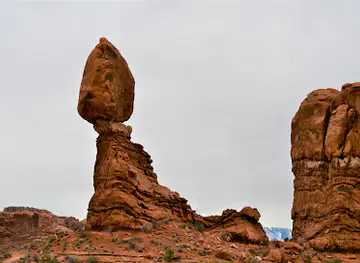
Arches National Park Visitor Center
Explore the Arches National Park Visitor Center: Your Gateway to Nature’s Masterpiece in Moab, Utah.

Delicate Arch
Explore Delicate Arch, a breathtaking natural landmark in Utah's Arches National Park, perfect for hiking, photography, and experiencing stunning desert landscapes.

Wilson Arch
Explore Wilson Arch, a breathtaking natural wonder near Moab, Utah, perfect for photography, hiking, and experiencing stunning desert landscapes.

Best restaurants in Arches National Park
Top-rated picks
Best Restaurants

Wilson Arch
Discover Wilson Arch - A stunning natural monument in Utah perfect for photography and outdoor adventures amidst breathtaking landscapes.

McDonald's
Experience quick and delicious meals at McDonald's in Moab – your go-to fast food stop while exploring Utah's natural wonders.

Wendy's
Experience classic American fast food at Wendy's in Moab – the perfect stop after exploring Utah’s breathtaking landscapes.

Comfort Suites Moab near Arches National Park
Experience unparalleled comfort at Comfort Suites Moab while exploring Arches National Park's stunning natural beauty.

Best bars in Arches National Park
Top-rated picks
Best Bars

Moab Diner
Experience the charm of Moab Diner, where classic American dishes meet the warmth of Utah hospitality.

Zax Restaurant
Discover Zax Restaurant in Moab, where delicious American cuisine meets a lively atmosphere, perfect for unwinding after outdoor adventures.

Fiesta Mexicana
Experience the vibrant flavors of Mexico at Fiesta Mexicana, Moab's go-to spot for authentic Mexican cuisine.

The Blu Pig
Experience the best barbecue in Moab at The Blu Pig, where delicious food meets live blues music for an unforgettable dining experience.

Best shops in Arches National Park
Top-rated picks
Best Shops

Moab Rock Shop
Explore Moab Rock Shop – a unique blend of geology, local art, and educational exhibits that captivate rock enthusiasts and tourists alike.

Gearheads Outdoor Store
Discover Gearheads Outdoor Store in Moab, Utah - your ultimate source for outdoor clothing and equipment, perfect for adventures in stunning landscapes.

Moonflower Community Cooperative
Discover fresh, local produce and community spirit at Moonflower Community Cooperative in Moab, Utah.

Moab Gear Trader
Discover Moab Gear Trader, your top destination for outdoor clothing and equipment in the adventure-filled landscape of Moab, Utah.

Explore Arches National Park on the Map
A handpicked selection of must-see spots in Arches National Park, mapped for you.
Arches National Park Essentials
-
Arches National Park is located in eastern Utah, near the town of Moab. The closest major airport is Grand Junction Regional Airport in Colorado, approximately 110 miles away. Salt Lake City International Airport is another option, located about 230 miles from the park. From either airport, you can rent a car and drive to the park. There are also shuttle services and guided tours that depart from Moab, which is just a short drive from the park entrance.
-
The best way to get around Arches National Park is by car. The park has a scenic drive that provides access to many of its famous arches and viewpoints. Bicycles are also permitted on paved roads, but not on trails. There are no public transportation options within the park itself, so renting a car is highly recommended. In Moab, you can find car rental services, taxis, and shuttle services that can take you to and from the park.
-
The official currency in the United States is the US Dollar (USD). Credit cards are widely accepted in Moab and at the park's visitor center. However, it's a good idea to carry some cash, as smaller vendors and remote areas may not accept cards. ATMs are available in Moab for cash withdrawals.
-
Arches National Park is generally very safe for tourists. However, it's important to stay on marked trails and avoid climbing on the arches, as the sandstone can be fragile. The town of Moab is also safe, but like any tourist destination, it's wise to take standard precautions such as not leaving valuables in your car and being aware of your surroundings. There are no specific high-crime areas targeting tourists.
-
In case of emergency, dial 911 for immediate assistance. The park has rangers who can provide help and there is a visitor center where you can report incidents or get first aid. Moab has a hospital and several urgent care centers for medical emergencies. It's recommended to have travel insurance that covers medical emergencies and evacuation.
-
Fashion: Do wear comfortable, weather-appropriate clothing and sturdy hiking boots. Don't wear flip-flops or sandals on trails. Religion: Do respect the natural environment and the cultural significance of the park to Native American tribes. Public Transport: Do plan your transportation in advance as public transport options are limited. Greetings: Do greet fellow hikers and park visitors with a friendly nod or hello. Eating & Drinking: Do bring plenty of water and snacks, but don't litter. Pack out everything you bring in.
-
To experience Arches National Park like a local, visit during the early morning or late afternoon to avoid the crowds and enjoy the best lighting for photography. Take the time to explore lesser-known trails and viewpoints, such as the Fiery Furnace, which requires a permit or guided tour. Engage with park rangers; they can offer valuable insights and recommendations. Don't miss the chance to stargaze, as the park is known for its dark skies and incredible night views.
When is the best time to visit Arches National Park?
Useful Local Phrases for Arches National Park
You don't need to speak the language perfectly. Even learning a few simple words can make conversations warmer—and locals usually appreciate the effort.
— Eve

Here are the phrases I use most often in Arches National Park. Try a few—you'll be surprised how far they go! 😊
❤️
-
- HelloHowdy
[Ha-dee] - GoodbyeSee ya later
[See ya lay-ter] - YesYep
[Yep] - NoNope
[Nope] - Please/You're welcomeSure thing
[Shur thing] - Thank youThanks a bunch
[Thangs a bunch] - Excuse me/SorryPardon me
[Par-don me] - How are you?How's it going?
[How's it goin'?] - Fine. And you?Good. You?
[Good. You?] - Do you speak English?Do you know English?
[Do you know English?] - I don't understandI don't get it
[I don't get it]
- HelloHowdy
-
- I'd like to see the menu, pleaseCan I see the menu?
[Can I see the menu?] - I don't eat meatI'm a vegetarian
[I'm a vege-tarian] - Cheers!Cheers!
[Cheers!] - I would like to pay, pleaseCan I get the check?
[Can I get the check?]
- I'd like to see the menu, pleaseCan I see the menu?
-
- Help!Help!
[Help!] - Go away!Leave me alone!
[Leave me alone!] - Call the Police!Call 911!
[Call nine-one-one!] - Call a doctor!Get a doctor!
[Get a doctor!] - I'm lostI'm turned around
[I'm turned around] - I'm illI'm not feeling well
[I'm not feelin' well]
- Help!Help!
-
- I'd like to buy...I'm looking to buy...
[I'm looking to buy...] - I'm just lookingJust browsing
[Just browsing] - How much is it?What's the price?
[What's the price?] - That's too expensiveThat's a bit steep
[That's a bit steep] - Can you lower the price?Can you give me a better deal?
[Can you give me a better deal?]
- I'd like to buy...I'm looking to buy...
-
- What time is it?What time you got?
[What time you got?] - It's one o'clockIt's one
[It's one] - Half past (10)Half past ten
[Half past ten] - MorningMorning
[Morning] - AfternoonAfternoon
[Afternoon] - EveningEvening
[Evening] - YesterdayYesterday
[Yesterday] - TodayToday
[Today] - TomorrowTomorrow
[Tomorrow] - 1One
[One] - 2Two
[Two] - 3Three
[Three] - 4Four
[Four] - 5Five
[Five] - 6Six
[Six] - 7Seven
[Seven] - 8Eight
[Eight] - 9Nine
[Nine] - 10Ten
[Ten]
- What time is it?What time you got?
-
- Where's a/the...?Where’s the nearest...?
[Where’s the nearest...?] - What's the address?What's the address?
[What's the address?] - Can you show me (on the map)?Can you point it out?
[Can you point it out?] - When's the next (bus)?When's the next bus?
[When's the next bus?] - A ticket (to ....)A ticket to...
[A ticket to...]
- Where's a/the...?Where’s the nearest...?
History of Arches National Park
-
Long before Arches National Park became a protected area, it was home to various Native American tribes, including the Ancestral Puebloans and the Ute people. Evidence of their presence is found in petroglyphs and rock art scattered throughout the park, offering a glimpse into their rich cultural heritage and spiritual connection to the land.
-
The first European to document the area now known as Arches National Park was the Spanish missionary Silvestre Vélez de Escalante in 1776. As part of an expedition to find a route from Santa Fe to the California missions, Escalante’s journey contributed to a greater European awareness of the region's unique geographical features.
-
In the late 1800s, European-American settlers began to move into the area, drawn by the promise of open land for ranching. One of the most notable figures was John Wesley Wolfe, who established a small ranch in the area in the early 1900s. Wolfe's cabin, still standing today, serves as a historical landmark and a testament to the rugged lifestyle of the early settlers.
-
Arches National Park was first designated as a national monument on April 12, 1929, by President Herbert Hoover. The designation was primarily aimed at protecting the extraordinary natural arches, spires, and balanced rocks that define the landscape. This move marked the beginning of formal conservation efforts in the area.
-
On November 12, 1971, Congress re-designated Arches National Monument as Arches National Park, expanding its boundaries and enhancing protections for its unique geological formations and diverse ecosystems. This change reflected the growing recognition of the park's national significance and its importance as a natural treasure.
-
The park's landscape is a testament to millions of years of geological history, characterized by the formation of over 2,000 natural sandstone arches, including the famous Delicate Arch. The unique geological processes, including erosion and the collapse of salt beds, have created a stunning array of natural formations that continue to attract scientists and visitors alike.
-
Throughout the 20th century, Arches National Park became a popular destination for outdoor enthusiasts, artists, and photographers. The park's infrastructure, including visitor centers, trails, and campgrounds, was developed to accommodate growing numbers of visitors while preserving its natural beauty. Today, it remains a cherished spot for hiking, photography, and experiencing the grandeur of the American Southwest.
Neighbouring Regions of Arches National Park
The closest regions to Arches National Park, if you have time for more than one.



Your all‑in‑one travel companion app
Explore expert travel guides, compare and book tours, experiences, hotels, and more—all from the palm of your hand. Download now for seamless trip planning wherever your wanderlust takes you.


Explore More of Utah

Looking beyond Arches National Park? Discover Utah for broader travel guides, local hot-spots, and regional highlights.
Explore UtahArches National Park in Photos
Browse through our photo collection highlighting the charm and character of the destination.


The Majestic Arches National Park: Nature's Sculpted Masterpiece
Arches National Park, located in the heart of Utah, is a stunning testament to the power and beauty of natural erosion. This park is home to over 2,000 natural stone arches, each more breathtaking than the last. Visitors can explore a landscape that seems almost otherworldly, with red rock formations that stretch towards the sky and create a dramatic backdrop against the clear blue desert skies. One of the park's most famous landmarks is the Delicate Arch, a freestanding natural arch that has become an iconic symbol of Utah. The hike to Delicate Arch is a moderate trek that rewards visitors with an up-close view of this incredible formation. For those looking for a less strenuous adventure, the Windows Section offers a series of shorter trails that lead to equally impressive arches and rock formations. Beyond the arches, the park offers a variety of other activities. Hiking, rock climbing, and photography are popular ways to experience the park's unique beauty. The park is also a designated International Dark Sky Park, making it an excellent location for stargazing. Whether you're an outdoor enthusiast or simply looking to appreciate the wonders of nature, Arches National Park offers a unique and unforgettable experience.