

Free Great Basin Travel Guide & Mobile App
Explore Great Basin with free travel guides. Discover regional history, expert tips, proposed trips, and audio guides on web or mobile app.


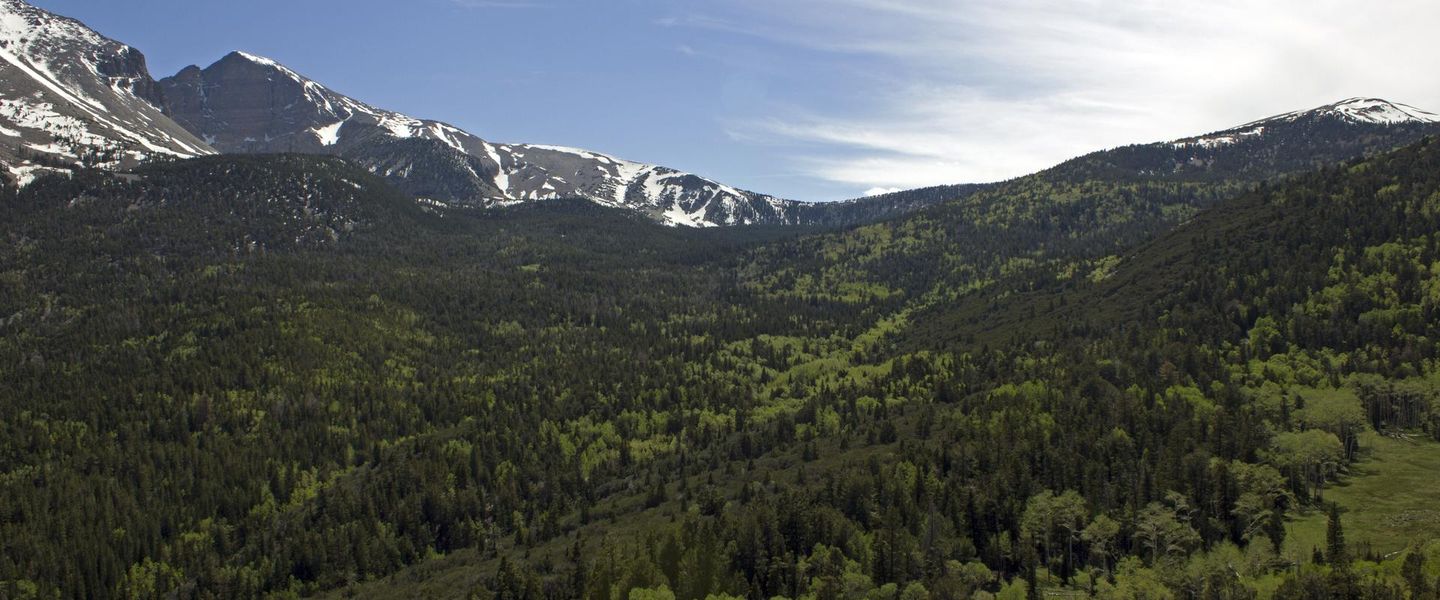


Explore Utah’s Great Basin for salt flats, Great Salt Lake wetlands, island wildlife, mountain ranges, geological history and wide-open desert roads.
Read more about Great Basin
Getting to and around Great Basin
How to get there
Transportation
Top city travel guides in Great Basin
The cities of Great Basin, and the easiest places to base yourself.
-

-

-

-

-

-


Swipe for more cities
Destinations in Great Basin
Resorts, valleys and scenic spots worth a trip of their own.
-

-

-

-

-

-
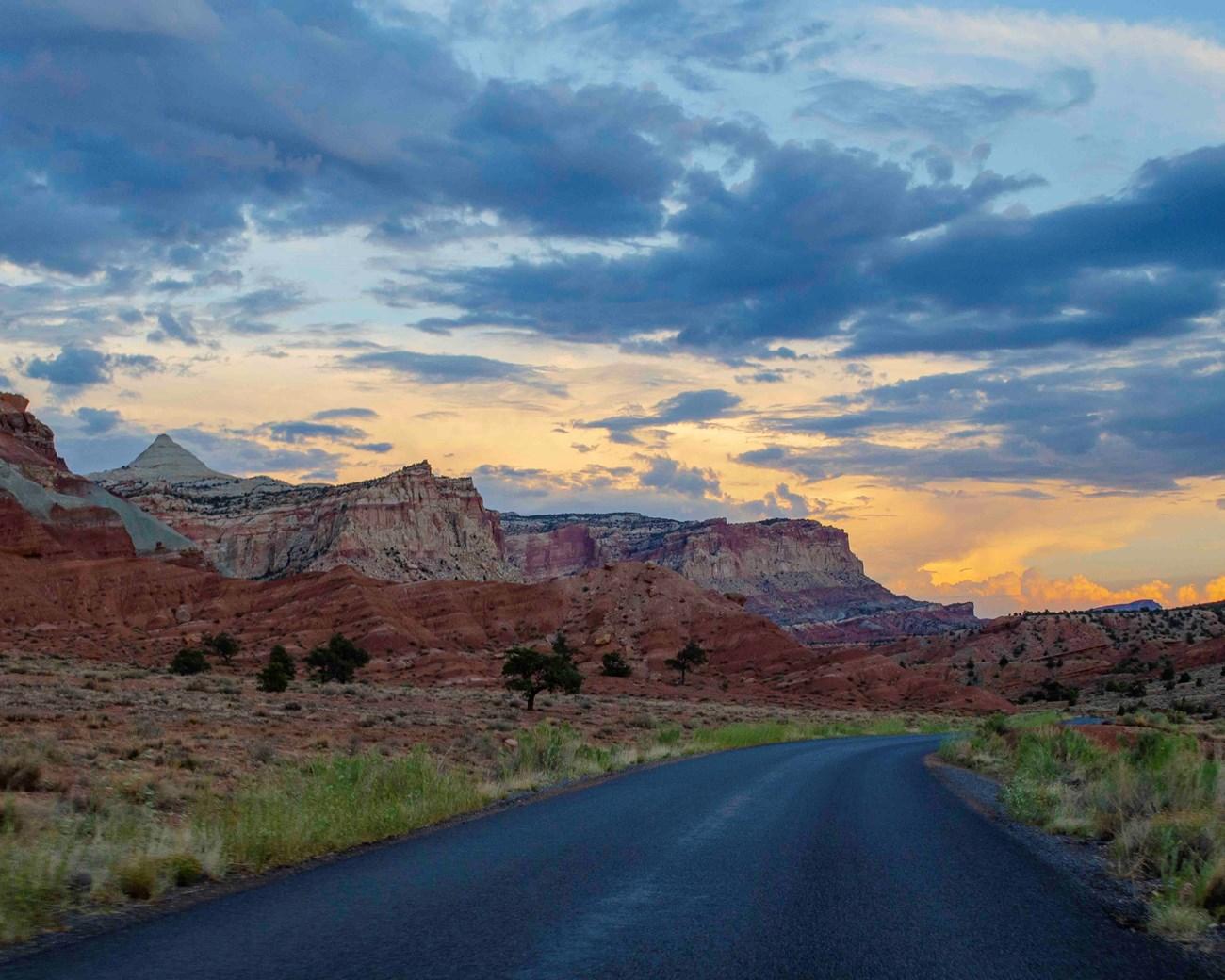 Capitol Reef National Park
, Utah, combines the Waterpocket Fold, red-rock canyons, Fruita orchards, scenic drives and hiking in vast desert country.
Capitol Reef National Park
Capitol Reef National Park, Utah, combines the Waterpocket Fold, red-rock canyons, Fruita orchards, scenic drives and hiking in vast desert country.


Swipe for more destinations
Best attractions in Great Basin
Utah’s Great Basin offers a landscape-led range of attractions rather than a dense sequence of urban sights. The Great Salt Lake and its surrounding wetlands are the region’s principal natural focus, with Antelope Island State Park providing trails, shoreline views, wildlife observation and interpretation of the lake’s ecology. Promontory and Golden Spike National Historical Park connect the desert to the history of the transcontinental railway, while the Bonneville Salt Flats present an extraordinary geological landscape formed from the remains of Lake Bonneville. Mountain ranges such as the Stansbury and Deep Creek ranges provide cooler elevations, hiking opportunities and changing views over the basins, although access varies by season and road condition. Birdwatching, landscape photography, geology, stargazing and long-distance scenic driving are especially well suited to the region. The attraction landscape rewards preparation: many places have minimal facilities, and weather, lake levels, private land and seasonal closures can affect access.
-
National park
Zion National Park
Explore the breathtaking landscapes and diverse ecosystems of Zion National Park, a true natural wonder in Utah's stunning wilderness.
-
National park
Bryce Canyon National Park
Discover the breathtaking landscapes and unique geological formations of Bryce Canyon National Park, a UNESCO World Heritage Site in Utah.
-
Tourist attraction
Lava Hot Springs Foundation World Famous Hot Springs
Experience the healing powers of nature at Lava Hot Springs, Idaho's premier destination for relaxation and rejuvenation in natural hot springs.
-
State park
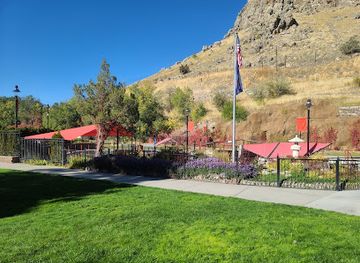
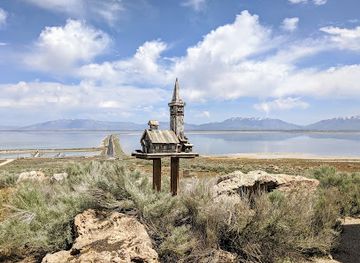
Antelope Island State Park
Experience breathtaking vistas, diverse wildlife, and endless outdoor activities at Antelope Island State Park, a natural gem in Utah's Great Salt Lake.

Best landmarks in Great Basin
The Bonneville Salt Flats are the Utah Great Basin’s most recognisable natural landmark, a broad white expanse whose hard salt crust and surrounding mountains evoke the vanished Lake Bonneville; conditions are variable, so the surface should be treated with care. The Great Salt Lake itself is a changing geographical landmark, with its islands, bays, mudflats and wetlands appearing differently according to water levels and weather. Antelope Island’s mountainous profile rises dramatically from the lake and is one of the most accessible places to understand the basin’s relationship between saltwater, grassland and upland habitat. At Promontory, Golden Spike National Historical Park commemorates the 1869 joining of the transcontinental railway, giving a powerful historical focus to an otherwise open landscape. The Wasatch and western desert ranges provide further landmarks through their abrupt relief: isolated mountains stand above broad valley floors, preserving the characteristic basin-and-range structure of the region.
-
Ski resort
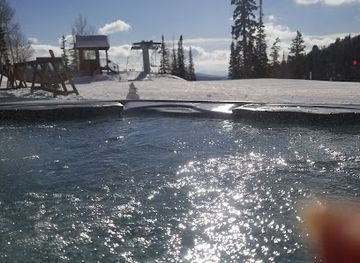
Eagle Point Resort
Experience the thrill of skiing and the serenity of nature at Eagle Point Resort, a premier destination for winter sports enthusiasts in Utah.
-
Historical landmark
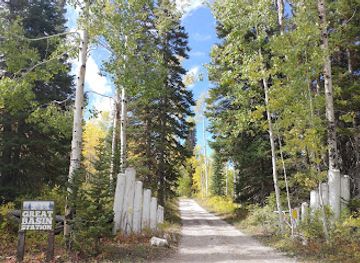
Great Basin Station
Discover the historical and natural beauty of Great Basin Station in Ephraim, Utah—an iconic landmark steeped in rich cultural heritage.
Explore Great Basin on the map
Plan your trip on one map. See where the top cities, national parks and sights are, and book hotels and experiences in a few clicks.
Best hotels in Great Basin
Best restaurants in Great Basin
Dining in the Utah Great Basin is concentrated in gateway towns and settled valleys rather than spread evenly across the desert. Around the Great Salt Lake and Wasatch Front, visitors will find the broad restaurant culture of Utah, including American diners, Mexican restaurants, cafés, bakeries, international cuisines and contemporary dining. Rural communities and highway stops provide practical meals, coffee, sandwiches and familiar western fare, while local markets and farm shops can offer Utah produce when in season. Salt produced around the Great Salt Lake is an important regional product, although it is used as an ingredient rather than defining a separate cuisine. Utah’s wider food culture includes fry sauce, honey, cherries and locally produced dairy, while religious and family traditions have also influenced baking and home cooking. In remote desert districts, buy meals and provisions before departure: there may be no restaurant or shop near a natural attraction.
-
Hamburger
Burly Burger
Savor gourmet burgers at Burly Burger in South Weber - where quality meets comfort food bliss.
-
Restaurant
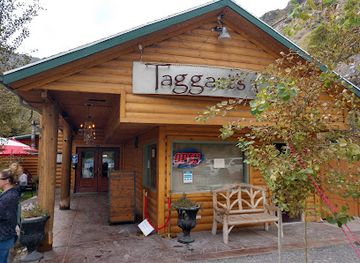
Taggart's Grill
Experience homemade delights at Taggart's Grill in Morgan, Utah – where every meal is crafted with care and served with warmth.
-
Mexican
Carlos & Harley's Fresh-Mex and Bar
Experience vibrant Mexican flavors at Carlos & Harley's Fresh-Mex and Bar in Eden, Utah – where delicious food meets a lively atmosphere.
-
Hamburger
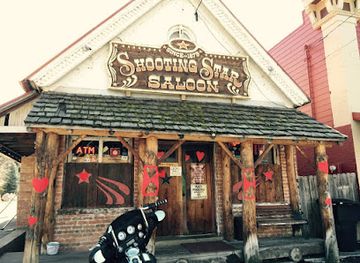
Shooting Star Saloon
Discover Shooting Star Saloon in Huntsville: Indulge in gourmet burgers and craft beers amidst stunning mountain views.


Best bars in Great Basin
Evening life in Utah’s Great Basin is concentrated in Salt Lake City and other settled communities at the region’s eastern edge, while smaller towns generally offer traditional restaurants, cafés, bars and local gathering places rather than a major club scene. The Salt Lake Valley provides the widest choice of breweries, cocktail bars, live music, theatre and late dining, although it is an urban gateway rather than a representative picture of the remote desert. In western communities and along the interstate, nightlife is more likely to centre on pubs, hotel lounges and casual restaurants. Alcohol service is regulated by Utah law, and visitors should check current requirements and licensing arrangements rather than assume that every venue operates like a bar elsewhere in the United States. Away from towns, the natural evening attraction is the open sky: stop only in safe, legal places and avoid blocking roads or disturbing wildlife.
-
Sports bar
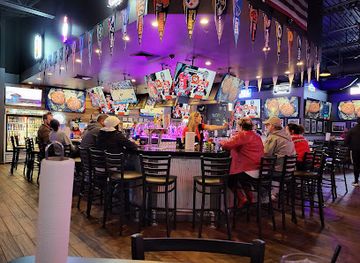
Penalty Box Bar & Grill
Discover the lively Penalty Box Bar & Grill in West Valley City, where great food, sports, and a welcoming atmosphere come together for an unforgettable experience.
-
Sports bar
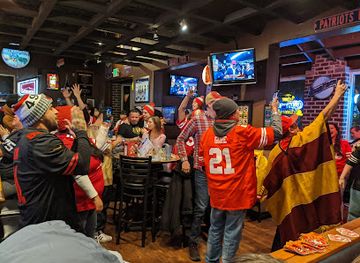
Bout Time Pub & Grub
Experience the ultimate sports bar atmosphere at Bout Time Pub & Grub in Vineyard, Utah, where great food meets exciting game nights.
-
Cafe
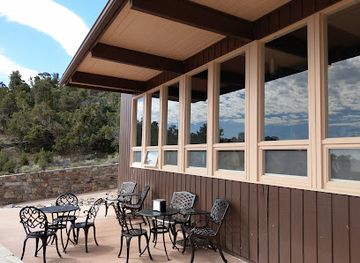
Great Basin Café
Savor the flavors of the Great Basin at this cozy café and gift shop, perfect for fueling your adventures in Nevada's stunning landscapes.
-
Sandwich
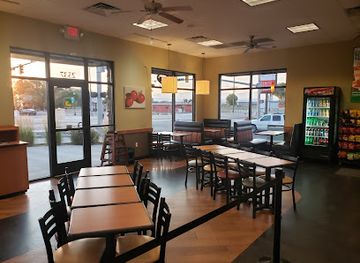
Subway
Experience fresh and customizable sandwiches at Subway in Naples, perfect for tourists craving a quick and delicious meal.
Best nightclubs in Great Basin
Evening life in Utah’s Great Basin is concentrated in Salt Lake City and other settled communities at the region’s eastern edge, while smaller towns generally offer traditional restaurants, cafés, bars and local gathering places rather than a major club scene. The Salt Lake Valley provides the widest choice of breweries, cocktail bars, live music, theatre and late dining, although it is an urban gateway rather than a representative picture of the remote desert. In western communities and along the interstate, nightlife is more likely to centre on pubs, hotel lounges and casual restaurants. Alcohol service is regulated by Utah law, and visitors should check current requirements and licensing arrangements rather than assume that every venue operates like a bar elsewhere in the United States. Away from towns, the natural evening attraction is the open sky: stop only in safe, legal places and avoid blocking roads or disturbing wildlife.
-
Club
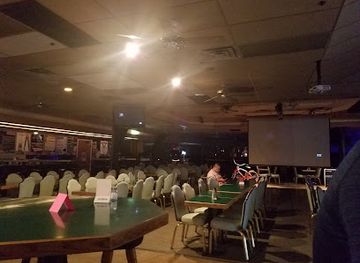
Club 90
Dive into the electrifying nightlife at Club 90, Sandy's top spot for dancing, drinks, and unforgettable memories.
-
Night club
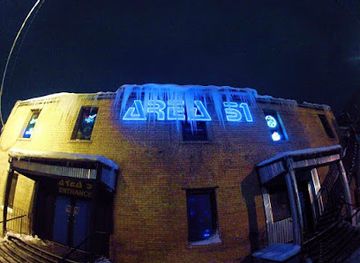
Area 51
Discover the vibrant nightlife at Area 51, Salt Lake City's premier night club with great music, affordable drinks, and an exciting atmosphere.
-
Dance hall
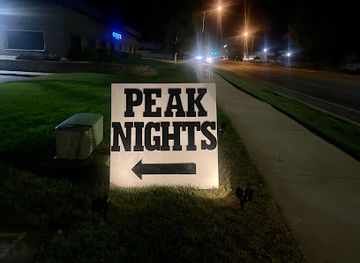
Peak Nights
Experience the vibrant nightlife of Provo at Peak Nights, the ultimate dance hall for all dance enthusiasts offering a lively atmosphere and fun events.
-
Bar
Elixir Lounge
Experience the vibrant nightlife at Elixir Lounge, where craft cocktails, lively dance floors, and unforgettable events await in Holladay, Utah.

Best shops in Great Basin
-
National park
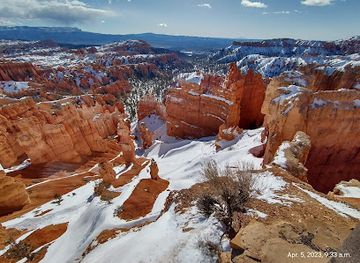
Bryce Canyon National Park
Discover the enchanting beauty of Bryce Canyon National Park, where breathtaking rock formations and vibrant colors create a paradise for nature lovers.
-
Shopping mall
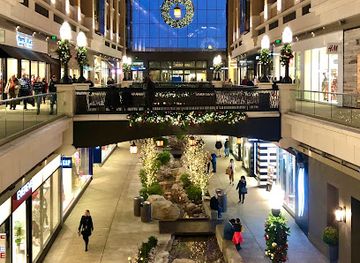
City Creek Center
Experience premier shopping and dining at City Creek Center, the heart of Salt Lake City’s vibrant retail scene with stunning views and unique events.
-
Shopping mall
The Gateway
Discover a shopping and cultural paradise at The Gateway in Salt Lake City, where retail meets entertainment and art in a stunning downtown setting.
-
Visitor center
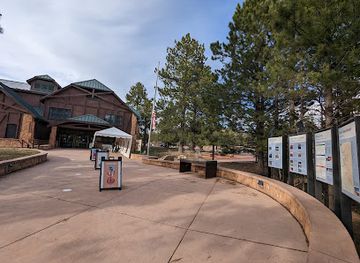
Bryce Canyon National Park Visitor Center
Explore the captivating Bryce Canyon National Park Visitor Center, your entryway to stunning landscapes and rich natural history in Utah.

Get your free copy of our complete guide to Great Basin, delivered straight to you.
Everything on this page, from attractions and restaurants to essentials and local phrases, in one PDF you can read offline, print or share.
Already have an account? Sign in
Your Great Basin guide is ready.
We'll send it to · Not you? Sign out

Getting your guide ready…
We are putting together a fresh copy of the Great Basin guide. This can take up to a minute.
This can take a few moments. If your browser asks, choose Allow so the download can start. You'll find the guide in your Downloads folder.
Nothing happened? Download it again
Sorry, the guide is taking longer than usual. Please try again in a minute, or get it by email instead.
Great Basin essentials
Currency and Payment
Safety
Emergency Situations
Do's and Don'ts
Local Tips
From Eve
Local phrases worth knowing
You don't need to get them perfect. A few words go a long way, and locals appreciate the effort.
Basics
| English | Local | Say it |
|---|---|---|
| Hello | Hi | [Hai] |
| Goodbye | See you later | [See yu layter] |
| Yes | Yeah | [Yea] |
| No | Nope | [Nope] |
| Please/You're welcome | Sure thing | [Shur thing] |
| Thank you | Thanks | [Thangs] |
| Excuse me/Sorry | My bad | [Mai bad] |
| How are you? | How's it going? | [Hows it goin?] |
| Fine. And you? | Good. You? | [GooD. Yu?] |
| Do you speak English? | You speak English? | [Yu speek Inglish?] |
| I don't understand | I don't get it | [I dont get it] |
Eating & Drinking
| English | Local | Say it |
|---|---|---|
| I'd like to see the menu, please | Can I see the menu? | [Can I see the menoo?] |
| I don't eat meat | I’m vegetarian | [Im vedgitarian] |
| Cheers! | Cheers! | [Cheers!] |
| I would like to pay, please | Can I get the bill? | [Can I get the bil?] |
Emergencies
| English | Local | Say it |
|---|---|---|
| Help! | Help! | [Help!] |
| Go away! | Leave me alone! | [Leev me alon!] |
| Call the Police! | Call 911! | [Call 911!] |
| Call a doctor! | Get a doctor! | [Get a doktor!] |
| I'm lost | I can't find my way | [I cant find my way] |
| I'm ill | I feel sick | [I feel sik] |
Shopping
| English | Local | Say it |
|---|---|---|
| I'd like to buy... | I want to buy... | [I want to buy...] |
| I'm just looking | Just browsing | [Just browsing] |
| How much is it? | What’s the price? | [Whats the pries?] |
| That's too expensive | That costs too much | [That costs too much] |
| Can you lower the price? | Can you make it cheaper? | [Can you make it cheeper?] |
Time & Numbers
| English | Local | Say it |
|---|---|---|
| What time is it? | What time? | [What time?] |
| It's one o'clock | It's one | [Its wun] |
| Half past (10) | Half past ten | [Haf past ten] |
| Morning | Morning | [Mornin] |
| Afternoon | Afternoon | [Aftanoon] |
| Evening | Evening | [Evnin] |
| Yesterday | Yesterday | [Yesturday] |
| Today | Today | [Tuday] |
| Tomorrow | Tomorrow | [Tomorow] |
| 1 | One | [Wun] |
| 2 | Two | [Too] |
| 3 | Three | [Three] |
| 4 | Four | [For] |
| 5 | Five | [Fyv] |
| 6 | Six | [Six] |
| 7 | Seven | [Sevuhn] |
| 8 | Eight | [Ayt] |
| 9 | Nine | [Nin] |
| 10 | Ten | [Ten] |
Transport & Directions
| English | Local | Say it |
|---|---|---|
| Where's a/the...? | Where's the...? | [Wheres the...?] |
| What's the address? | What's the address? | [Whats the adrees?] |
| Can you show me (on the map)? | Can you point it out? | [Can you point it out?] |
| When's the next (bus)? | When's the next bus? | [Whens the next bus?] |
| A ticket (to ....) | A ticket to... | [A tikit to...] |
History of Great Basin
Lake Bonneville and Earlier Indigenous Landscapes
During the last Ice Age, Lake Bonneville covered much of northern and western Utah, leaving shorelines, gravel terraces and deep sediment across the Great Basin. Its remnant, the Great Salt Lake, is a visible part of that geological legacy. Long before later settlement, Indigenous peoples lived around the basin’s wetlands, rivers and uplands, adapting to seasonal water, fish, waterfowl, plant resources and game. The Goshute, Ute and Paiute peoples have enduring relationships with areas of the Utah Great Basin, and their histories are essential to understanding the region beyond the later narratives of exploration and colonisation.
Indigenous Trade and Desert Adaptation
The Great Basin was never an empty wilderness. Indigenous communities developed detailed knowledge of springs, mountain passes, wetland resources and seasonal plant cycles in an environment where water could determine the feasibility of travel. Networks of exchange connected valleys and mountain ranges, while tools, foodways and settlement patterns reflected local ecological conditions. Archaeological evidence across Utah’s desert and basin environments documents long-term human use, although interpretations must be made carefully and with respect for living Indigenous communities whose cultural connections continue today.
Exploration and the Overland Era
Euro-American mapping and travel expanded through the Great Basin during the nineteenth century. Expeditions, fur trappers, emigrant parties and military surveys followed water sources and passes across terrain that could appear deceptively uniform. The route of the California Trail crossed the salt desert west of the Great Salt Lake, while the Hastings Cutoff became notorious for the hardship it imposed on emigrants in 1846. These journeys helped establish maps and transport corridors, but they also brought greater pressure on Indigenous lands and resources.
Settlement, Irrigation and the Great Salt Lake Basin
The arrival of Latter-day Saint settlers in the Salt Lake Valley from 1847 brought large-scale farming, irrigation and town building to the eastern margin of the Great Basin. Water engineering transformed arid valleys into productive agricultural districts, while settlements expanded along the Wasatch Front and around the lake’s tributary systems. The resulting landscape is both natural and heavily managed: wetlands, rivers, farms, reservoirs and urban development all depend on limited water supplies, an issue that remains central to the region’s future.
Railways, Telegraphs and the Transcontinental Link
The completion of the transcontinental railway in 1869 connected the eastern United States with the Pacific coast through northern Utah. At Promontory, the ceremonial joining of the Central Pacific and Union Pacific lines became a defining national event, although the original route was later bypassed and the tracks at the historic site are now used for interpretation rather than regular long-distance service. Railways changed the scale of movement across the desert, supporting settlements, military logistics, mining and communications while reducing the isolation of the interior West.
Mining and Resource Development
Mining shaped many Great Basin communities and transport routes. Silver, gold, copper, salt and other minerals were extracted from mountain ranges and basin margins, with activity fluctuating according to markets, technology and access to rail. The natural salt deposits near the Great Salt Lake encouraged an industry that continues in parts of the basin, while mining camps and roads left a scattered human imprint across the desert. Resource development also brought environmental costs, including altered water systems, industrial disturbance and the fragmentation of wildlife habitat.
The Modern Desert Landscape
In the twentieth and twenty-first centuries, the Utah Great Basin became important for highways, aviation, military testing, conservation, outdoor recreation and scientific research as well as extraction. Bonneville Salt Flats gained international recognition through land-speed record attempts, while the Great Salt Lake became a major focus of wetland conservation and water policy. Protected areas such as Antelope Island State Park and Golden Spike National Historical Park preserve different aspects of natural and cultural history, but the region remains shaped by ongoing debates about water use, lake levels, development and climate change.
Great Basin in Photos
Browse through our photo collection highlighting the charm and character of the destination.
Neighbouring regions of Great Basin
The closest regions to Great Basin, if you have time for more than one.
-

-

-

-

-


Swipe for more regions
Explore more

Explore more of Utah
Explore Utah's stunning national parks, rich cultural heritage, and year-round outdoor adventures. Discover why this diverse state is a top destination for travelers.
Explore Utah