
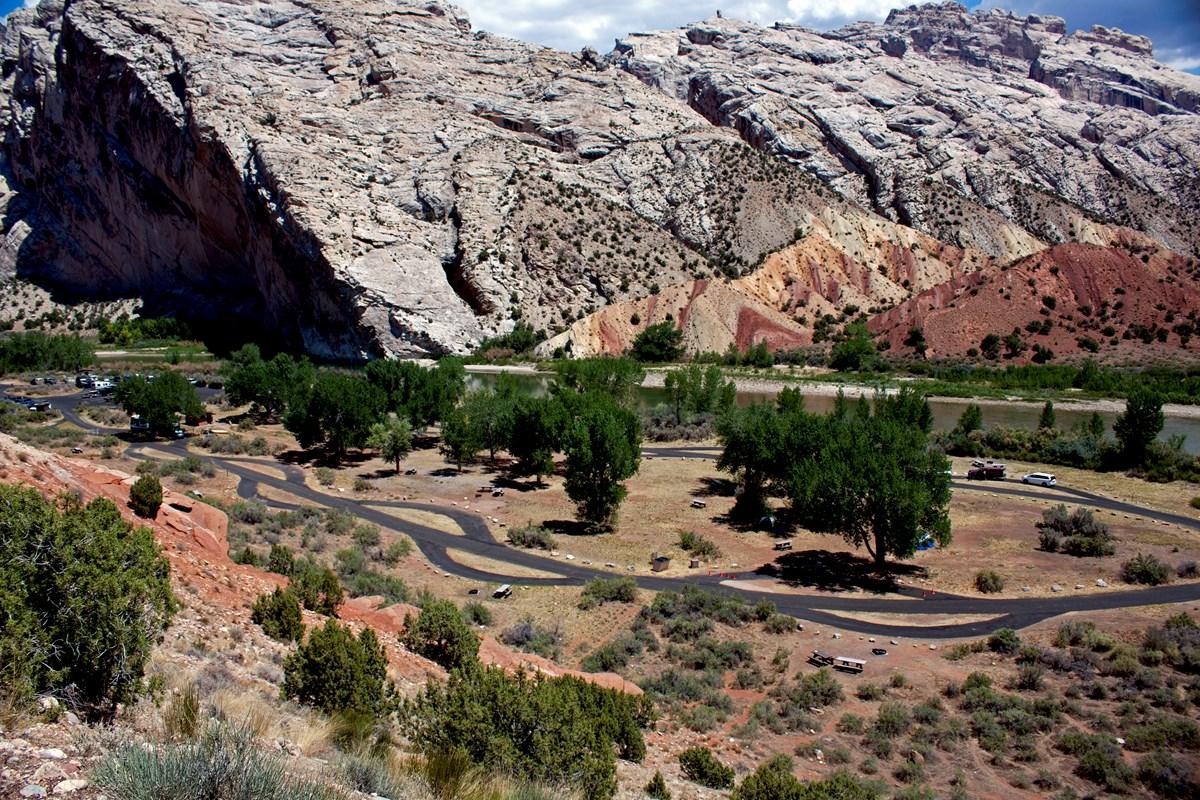
Uintah Basin, Utah Travel Guide
Discover the Uintah Basin: Utah's Hidden Gem of Natural Wonders, Rich History, and Vibrant Local Culture.
Nestled in northeastern Utah, the Uintah Basin is a hidden gem waiting to be discovered. Known for its stunning landscapes, this region offers a unique blend of natural beauty and rich history. The expansive basin is home to striking geological formations, lush forests, and pristine rivers, making it a paradise for outdoor enthusiasts. Whether you're hiking through the rugged terrain or fishing in the tranquil waters of the Green River, there's no shortage of activities to enjoy. The Uintah Basin is also steeped in history and culture. Visitors can explore ancient Native American petroglyphs and learn about the region's indigenous tribes at the Uintah and Ouray Reservation. For those interested in paleontology, the Utah Field House of Natural History State Park Museum in Vernal showcases a fascinating collection of dinosaur fossils. The area's historical significance is further highlighted by the Fort Duchesne military post, which played a crucial role in the late 19th century. Beyond its natural and historical allure, the Uintah Basin boasts a vibrant local community. Small towns like Roosevelt and Vernal offer charming accommodations, local eateries, and unique shopping experiences. Whether you're looking for an adventurous getaway or a peaceful retreat, the Uintah Basin promises an unforgettable experience.

Know before you go
Hi, I'm Eve. Here are a few practical things to know before exploring Uintah Basin.
- Visit during the spring or fall for the best weather and fewer crowds.
- Don't miss the Dinosaur National Monument for a glimpse into prehistoric life.
- Pack plenty of water and sunscreen, as the high desert climate can be harsh.
- Check out local events and festivals in Vernal and Roosevelt for a taste of the local culture.
- Book a guided tour to explore the ancient petroglyphs and learn about the area's Native American history.
Top City Travel Guides in Uintah Basin
The cities of Uintah Basin, and the easiest places to base yourself.
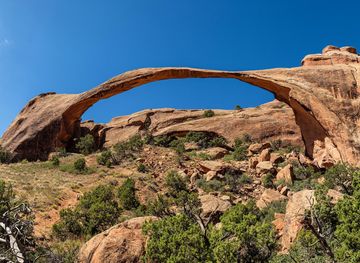


Destinations in Uintah Basin
Resorts, valleys and scenic spots worth a trip of their own.


Explore Uintah Basin: Things to Do, Places to Eat, Hotels & More
Handpicked recommendations for top attractions, local dining, accommodations, and more

Top Attractions & Sightseeing in Uintah Basin
Top-rated picks
Best Attractions

Dinosaur National Monument
Discover ancient fossils and breathtaking landscapes at Dinosaur National Monument, a must-visit destination for adventurous tourists in Utah.

Quarry Exhibit Hall
Explore the Quarry Exhibit Hall, a unique destination in Jensen, Utah, showcasing remarkable dinosaur fossils and stunning natural landscapes.

Ashley National Forest
Discover the beauty of Ashley National Forest, a stunning national park with diverse landscapes and endless outdoor adventures in Utah.

Utah Field House of Natural History State Park Museum
Explore Utah's natural history at the Utah Field House Museum, showcasing fossils, dinosaurs, and interactive exhibits for all ages.

Best landmarks in Uintah Basin
Top-rated picks
Best Landmarks

Hill Aerospace Museum
Explore the rich aviation history and stunning aircraft displays at Hill Aerospace Museum, a must-see for tourists in Utah.

Uinta-Wasatch-Cache National Forest
Discover the Uinta-Wasatch-Cache National Forest: a stunning expanse of wilderness perfect for hiking, camping, and skiing in the heart of Utah.

Grand Staircase-Escalante National Monument
Discover the breathtaking landscapes and rich cultural history of Grand Staircase-Escalante National Monument, a stunning natural preserve in Utah.

Dinosaur National Monument
Uncover the mysteries of the past at Dinosaur National Monument, where ancient fossils and stunning landscapes await your exploration in Utah.

Best restaurants in Uintah Basin
Top-rated picks
Best Restaurants

Ruth's Diner
Discover Ruth's Diner in Emigration Canyon - where delicious American cuisine meets breathtaking mountain views.

Dairy Keen - Home of the Train
Discover Dairy Keen in Heber City: home of delectable burgers and family-friendly fun with a charming train theme.

The Copper Onion
Experience modern American cuisine at The Copper Onion in Salt Lake City—where local ingredients meet culinary innovation.

Taggart's Grill
Discover Taggart's Grill: A charming restaurant in Morgan offering delectable burgers, pizza & steak amidst warm hospitality.

Best shops in Uintah Basin
Top-rated picks
Best Shops
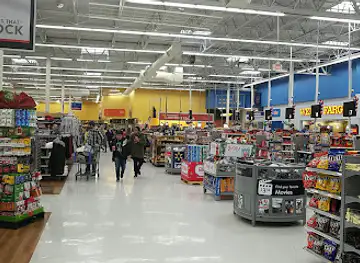
Walmart Supercenter
Discover the ultimate shopping convenience at Walmart Supercenter in Vernal, Utah, your go-to spot for groceries, clothing, electronics, and more!

Sportsman's Warehouse
Your one-stop-shop for outdoor adventure gear in Vernal, Utah – from fishing to hunting and camping essentials.

Ute Plaza Supermarket
Explore the vibrant flavors of Utah at Ute Plaza Supermarket, a local gem in Fort Duchesne offering a diverse range of groceries and specialty foods.

T.J. Maxx
Explore T.J. Maxx in Vernal for unbeatable prices on clothing, accessories, and home goods, offering a unique shopping experience for all styles.

Explore Uintah Basin on the Map
A handpicked selection of must-see spots in Uintah Basin, mapped for you.
Uintah Basin Essentials
-
The Uintah Basin is located in northeastern Utah. The nearest major airport is Salt Lake City International Airport (SLC), approximately 150 miles west of the basin. From Salt Lake City, you can rent a car and drive to the basin, which takes around 2.5 to 3 hours via US-40 E. Alternatively, you can take a Greyhound bus or a private shuttle service from Salt Lake City to Vernal, the largest city in the Uintah Basin.
-
Within the Uintah Basin, the most convenient way to get around is by car. There are several car rental services available in Vernal. For those who prefer public transportation, the Basin Transit Association (BTA) operates local bus routes that connect Vernal, Roosevelt, and other communities in the basin. Taxis and rideshare services like Uber and Lyft are also available but may be limited in more remote areas.
-
The official currency in the Uintah Basin, as in the rest of the United States, is the US Dollar (USD). Credit and debit cards are widely accepted in hotels, restaurants, and shops. ATMs are available in larger towns like Vernal and Roosevelt. However, it's advisable to carry some cash when traveling to more remote areas, as card payment options may be limited.
-
The Uintah Basin is generally a safe destination for tourists. However, as with any travel destination, it is important to take standard precautions. Avoid walking alone at night in unfamiliar areas and keep an eye on your belongings in crowded places. While there are no specific high-crime areas targeting tourists, it is always best to stay vigilant and aware of your surroundings.
-
In case of an emergency, dial 911 for immediate assistance. The Uintah Basin Medical Center in Roosevelt and Ashley Regional Medical Center in Vernal provide medical services. It is recommended to have travel insurance that covers medical emergencies. For minor health issues, there are pharmacies in Vernal and Roosevelt where you can purchase over-the-counter medications.
-
Fashion: Do dress in layers, as the weather can be unpredictable. Avoid wearing overly revealing clothing, especially in more conservative areas. Religion: Do respect local customs and traditions. Be mindful when visiting religious sites and always ask for permission before taking photos. Public Transport: Do be respectful of other passengers. Don't eat or drink on public transport. Greetings: Do greet people with a friendly smile or a handshake. Eating & Drinking: Do try local delicacies and accept food offerings graciously. Don’t refuse hospitality, as it is considered impolite.
-
To experience the Uintah Basin like a local, visit the local farmers' markets in Vernal and Roosevelt where you can buy fresh produce and handmade goods. Engage with locals, as they are often friendly and willing to share stories about the area's history and culture. Don't miss visiting the Dinosaur National Monument and the Uintah County Heritage Museum for a unique glimpse into the region's past.
When is the best time to visit Uintah Basin?
Useful Local Phrases for Uintah Basin
You don't need to speak the language perfectly. Even learning a few simple words can make conversations warmer—and locals usually appreciate the effort.
— Eve

Here are the phrases I use most often in Uintah Basin. Try a few—you'll be surprised how far they go! 😊
❤️
-
- HelloHowdy
[Haud-ee] - GoodbyeSee ya
[See yah] - YesYep
[Yep] - NoNah
[Nah] - Please/You're welcomeSure thing
[Shur thing] - Thank youThanks
[Thanks] - Excuse me/SorrySorry 'bout that
[Sorry 'bout that] - How are you?How ya doin'?
[How ya doin'?] - Fine. And you?Good. And you?
[Good. And you?] - Do you speak English?Ya speakin' English?
[Ya speakin' English?] - I don't understandI ain't catchin' that
[I ain't catchin' that]
- HelloHowdy
-
- I'd like to see the menu, pleaseCan I see the menu?
[Can I see the menu?] - I don't eat meatI ain't eatin' meat
[I ain't eatin' meat] - Cheers!Cheers!
[Cheers!] - I would like to pay, pleaseCan I get the check?
[Can I get the check?]
- I'd like to see the menu, pleaseCan I see the menu?
-
- Help!Help!
[Help!] - Go away!Leave me alone!
[Leave me alone!] - Call the Police!Call the cops!
[Call the cops!] - Call a doctor!Get a doctor!
[Get a doctor!] - I'm lostI’m lost
[I’m lost] - I'm illI ain’t feelin' good
[I ain’t feelin' good]
- Help!Help!
-
- I'd like to buy...I wanna buy...
[I wanna buy...] - I'm just lookingJust browsin'
[Just browsin'] - How much is it?What’s the price?
[What’s the price?] - That's too expensiveThat’s too pricey
[That’s too pricey] - Can you lower the price?Can ya drop the price?
[Can ya drop the price?]
- I'd like to buy...I wanna buy...
-
- What time is it?What time ya got?
[What time ya got?] - It's one o'clockIt’s one o’clock
[It’s one o’clock] - Half past (10)Half past ten
[Half past ten] - MorningMornin'
[Mornin'] - AfternoonAfternoon
[Afternoon] - EveningEvenin'
[Evenin'] - YesterdayYestiddy
[Yestiddy] - TodayToday
[Today] - TomorrowTomorra
[Tomorra] - 1One
[One] - 2Two
[Two] - 3Three
[Three] - 4Four
[Four] - 5Five
[Five] - 6Six
[Six] - 7Seven
[Seven] - 8Eight
[Eight] - 9Nine
[Nine] - 10Ten
[Ten]
- What time is it?What time ya got?
-
- Where's a/the...?Where's the...?
[Where's the...?] - What's the address?What’s the address?
[What’s the address?] - Can you show me (on the map)?Can ya point it out?
[Can ya point it out?] - When's the next (bus)?When's the next bus?
[When's the next bus?] - A ticket (to ....)A ticket to ...
[A ticket to ...]
- Where's a/the...?Where's the...?
History of Uintah Basin
-
The Uintah Basin has been home to various indigenous cultures for thousands of years. One of the most significant early inhabitants were the Fremont people, who lived in the area from approximately 700 to 1300 AD. They were known for their distinctive rock art, granaries, and pithouses. The Fremont culture left behind numerous petroglyphs and pictographs, especially in areas like Nine Mile Canyon, which is often referred to as the 'world's longest art gallery.' These artifacts provide a glimpse into the lives and beliefs of these early settlers.
-
The Ute tribe, part of the larger Numic-speaking peoples, have called the Uintah Basin home for centuries. They were traditionally a nomadic group, following seasonal migrations to hunt, gather, and trade. The Ute people have a profound connection to the land, which is reflected in their rich oral histories, dances, and ceremonies. Today, the Ute Indian Tribe of the Uintah and Ouray Reservation continues to play a significant role in the cultural and economic landscape of the region.
-
In 1776, two Spanish Franciscan priests, Fathers Silvestre Vélez de Escalante and Francisco Atanasio Domínguez, led an expedition through the Uintah Basin. Their goal was to find a route from Santa Fe, New Mexico, to the Spanish missions in California. Though they did not achieve their objective, their journey provided valuable insights into the geography and indigenous peoples of the region. The Dominguez-Escalante Expedition is commemorated for its contributions to early Spanish exploration and mapping of the American Southwest.
-
The early 19th century brought fur trappers and traders to the Uintah Basin. This era saw figures like Antoine Robidoux, who established Fort Uintah in 1832. The fort became a crucial trading post for trappers, Native Americans, and settlers. The fur trade era was marked by a complex interplay of cooperation and conflict between trappers and the Ute people. Although the fur trade eventually declined, its legacy is still evident in place names and historical sites across the basin.
-
In 1886, the U.S. government established Fort Duchesne in the Uintah Basin to protect the Ute Indian Reservation and oversee relations between the Ute people and settlers. The fort quickly became a focal point for military and civilian activities in the area. Its establishment marked a significant shift in the region's dynamics, with increased government presence and infrastructure development. Today, the remnants of Fort Duchesne serve as a historical landmark, reflecting a pivotal period in the basin's history.
-
The discovery of oil in the Uintah Basin in the early 20th century transformed the region's economy and landscape. The oil boom attracted workers, entrepreneurs, and speculators, leading to rapid population growth and development. Towns like Vernal and Roosevelt expanded, and new infrastructure was built to support the burgeoning industry. Despite the boom-and-bust cycles typical of the oil industry, petroleum extraction remains a significant economic driver in the Uintah Basin.
-
Located at the confluence of the Green and Yampa Rivers, Dinosaur National Monument is one of the Uintah Basin's most iconic landmarks. Established in 1915 to protect an extraordinary deposit of dinosaur fossils, the monument offers a window into the prehistoric past. Visitors can explore the Quarry Exhibit Hall, which displays numerous fossils embedded in rock. Beyond its paleontological treasures, the monument also features stunning landscapes, ancient petroglyphs, and opportunities for outdoor recreation.
Neighbouring Regions of Uintah Basin
The closest regions to Uintah Basin, if you have time for more than one.


Your all‑in‑one travel companion app
Explore expert travel guides, compare and book tours, experiences, hotels, and more—all from the palm of your hand. Download now for seamless trip planning wherever your wanderlust takes you.


Explore More of Utah

Looking beyond Uintah Basin? Discover Utah for broader travel guides, local hot-spots, and regional highlights.
Explore UtahUintah Basin in Photos
Browse through our photo collection highlighting the charm and character of the destination.
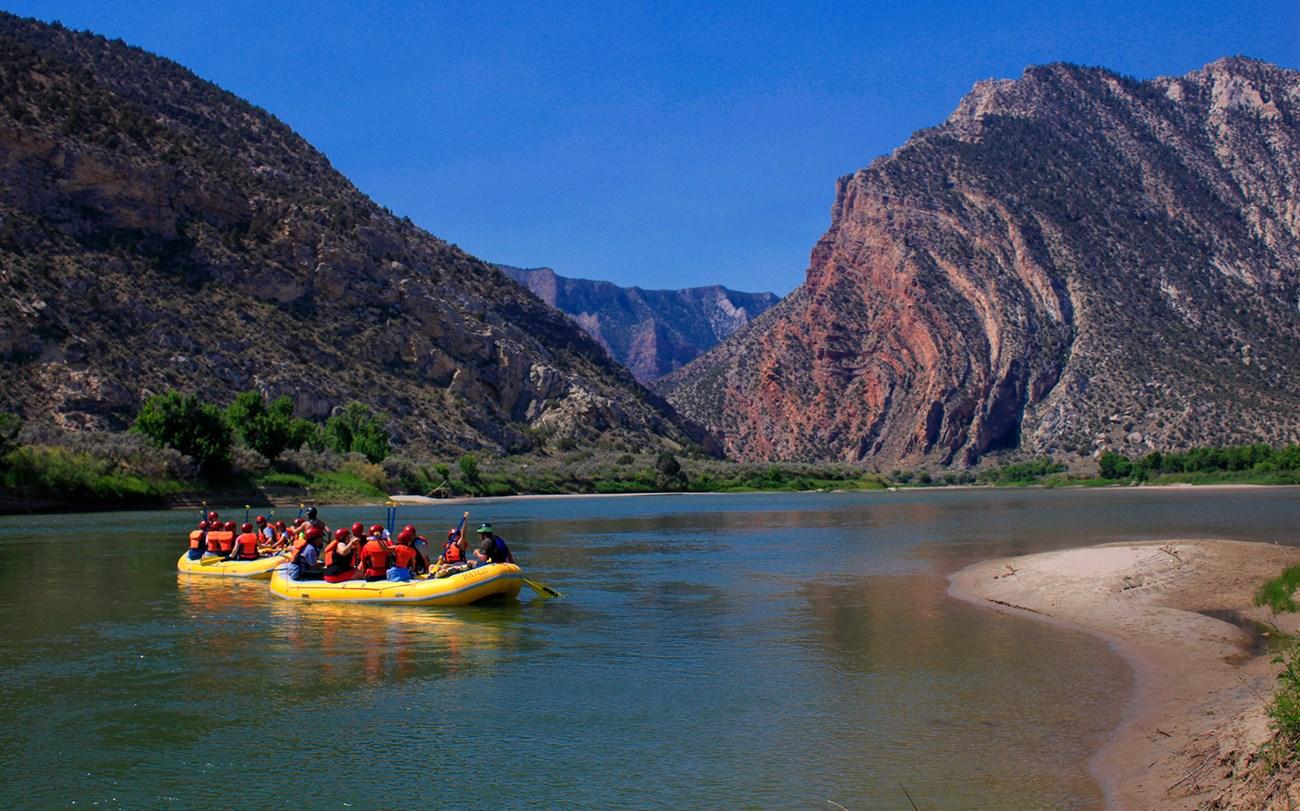


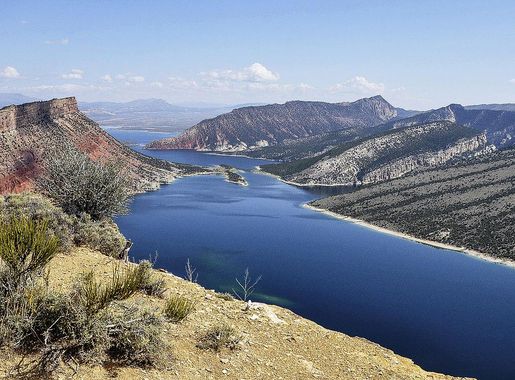


Explore the Untamed Beauty of Uintah Basin
Nestled in northeastern Utah, the Uintah Basin is a hidden gem waiting to be discovered. Known for its stunning landscapes, this region offers a unique blend of natural beauty and rich history. The expansive basin is home to striking geological formations, lush forests, and pristine rivers, making it a paradise for outdoor enthusiasts. Whether you're hiking through the rugged terrain or fishing in the tranquil waters of the Green River, there's no shortage of activities to enjoy. The Uintah Basin is also steeped in history and culture. Visitors can explore ancient Native American petroglyphs and learn about the region's indigenous tribes at the Uintah and Ouray Reservation. For those interested in paleontology, the Utah Field House of Natural History State Park Museum in Vernal showcases a fascinating collection of dinosaur fossils. The area's historical significance is further highlighted by the Fort Duchesne military post, which played a crucial role in the late 19th century. Beyond its natural and historical allure, the Uintah Basin boasts a vibrant local community. Small towns like Roosevelt and Vernal offer charming accommodations, local eateries, and unique shopping experiences. Whether you're looking for an adventurous getaway or a peaceful retreat, the Uintah Basin promises an unforgettable experience.