

Free Cache Valley Travel Guide & Mobile App
Explore Cache Valley with free travel guides. Discover regional history, expert tips, proposed trips, and audio guides on web or mobile app.


Explore Cache Valley, Utah, for Logan’s heritage, university culture, fertile farmland and mountain recreation across every season.
Read more about Cache Valley
Getting to and around Cache Valley
How to get there
Transportation
Top city travel guides in Cache Valley
The cities of Cache Valley, and the easiest places to base yourself.

Swipe for more cities
Best attractions in Cache Valley
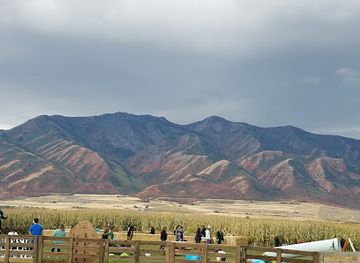
Cache Valley’s attractions combine a substantial regional city with accessible landscapes and smaller agricultural communities. In Logan, visitors can explore Utah State University museums and cultural venues, the historic downtown area and the grounds surrounding the Logan Utah Temple. The American West Heritage Center, south of Logan, interprets rural and frontier life through exhibitions and seasonal programming. Beyond the city, Logan Canyon leads into the Wasatch-Cache National Forest, where hiking, fishing, climbing, camping and winter recreation are available according to conditions. The Wellsville Mountains provide viewpoints, walking routes and a strong visual counterpoint to the valley floor, while the Bear River and its wetlands support birdwatching and other low-impact outdoor activities. Historic towns such as Richmond, Mendon, Wellsville and Hyrum offer community museums, older civic buildings and agricultural landscapes rather than a concentration of major attractions. Families may also find seasonal farm activities and local events, but opening arrangements vary, so checking ahead is sensible. The region’s appeal lies in the combination: cultural visits in Logan can be followed within the same day by a quiet drive, trail excursion or view across irrigated fields and mountain ranges.
-
Park
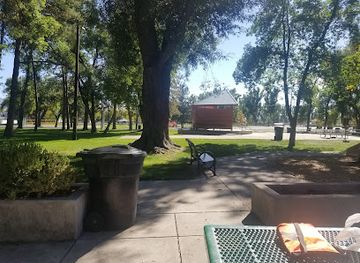
Willow Park
Explore Willow Park, a serene retreat in Logan, Utah, offering lush landscapes, playgrounds, and community events for a perfect family day out.
-
Museum
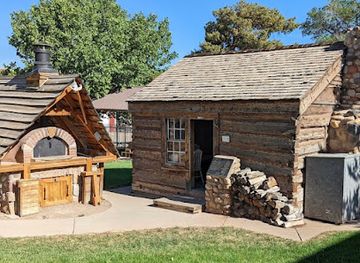
American West Heritage Center
Experience the vibrant culture and rich history of the American West at the American West Heritage Center in Wellsville, Utah.
-
Zoo
Zootah
Discover Zootah in Logan, Utah: A captivating zoo with diverse wildlife, interactive exhibits, and beautiful landscapes perfect for family outings.
-
History museum
Frontier Homestead State Park Museum
Explore the rich pioneer history of Cedar City at Frontier Homestead State Park Museum, where interactive exhibits and historic buildings await.

Best landmarks in Cache Valley
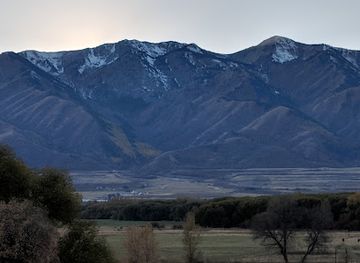
The Logan Utah Temple is Cache Valley’s most recognisable architectural landmark. Built of pale local stone in the nineteenth century, its towers dominate views across Logan and express the religious and civic ambitions of the early settlement. Logan’s historic centre contains additional brick commercial blocks and older houses that illustrate the city’s development as an agricultural and trading hub. Utah State University contributes another layer of notable architecture, with historic campus buildings and landscaped grounds associated with the institution’s long educational history. The Wellsville Mountains form the valley’s most dramatic natural landmark, rising abruptly along the western edge and giving towns such as Wellsville and Mendon their distinctive setting. To the east, Logan Canyon is both a geographical gateway and a landmark landscape, marked by steep limestone and forested slopes that lead into higher mountain country. The Bear River and its associated wetlands are less monumental but equally important, shaping the valley’s settlement, farming and wildlife habitats. Together these places create a visual sequence from irrigated basin and historic town to canyon and mountain range.
-
Museum
American West Heritage Center
Discover the heart of the American West at the American West Heritage Center, a living museum celebrating history, culture, and traditions.
-
Cultural landmark
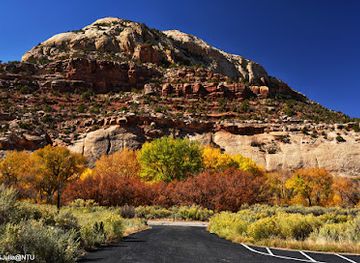
Newspaper Rock State Historical Monument
Explore the rich history and stunning petroglyphs at Newspaper Rock State Historical Monument, a cultural landmark in Utah's breathtaking desert landscape.
-
History museum
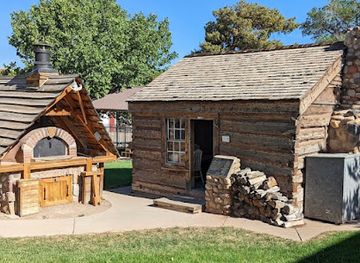
Frontier Homestead State Park Museum
Discover the rich history of Cedar City at Frontier Homestead State Park Museum, where Utah's pioneering spirit comes to life through engaging exhibits and experiences.
-
Historical landmark
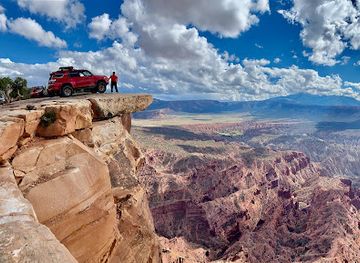
Top Of The World, Moab
Discover breathtaking views and rich history at Top Of The World, a must-visit landmark in Moab, Utah, perfect for adventure seekers and nature lovers.
Explore Cache Valley on the map
Plan your trip on one map. See where the top cities, national parks and sights are, and book hotels and experiences in a few clicks.
Best hotels in Cache Valley
Best restaurants in Cache Valley
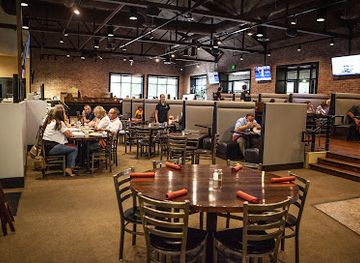
Dining in Cache Valley reflects northern Utah’s agricultural base as well as Logan’s university population. Restaurants and cafés in Logan range from American diners, bakeries and coffee shops to Mexican, Asian and contemporary casual cooking, with independent businesses concentrated around the downtown and university areas. Local dairy production, fruit, grains and farm goods appear in shops, markets and seasonal menus, while nearby communities retain a stronger connection to traditional family restaurants and rural food culture. Farmers’ markets and farm stands can be useful for finding produce during the growing season, although availability changes with the harvest. Utah-style comfort food, burgers, sandwiches and baked goods are easy to find, alongside specialist coffee and increasingly varied international cooking. Full-service restaurants generally expect tipping, and prices normally exclude sales tax. The valley is not defined by one signature dish, but by the relationship between fertile farmland, dairying, university-led diversity and the everyday dining habits of a growing regional centre.
-
American
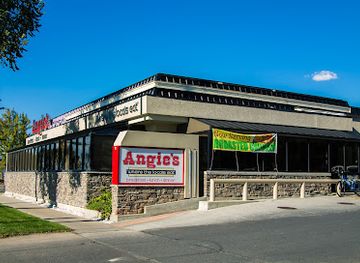
Angie's
Discover the heartwarming flavors of America at Angie's Diner in Logan – where comfort food meets friendly service!
-
Grill
The Beehive Pub & Grill
Discover flavorful dishes and local brews at The Beehive Pub & Grill in Logan, Utah – where every meal feels like home.
-
Breakfast
Herm's Inn
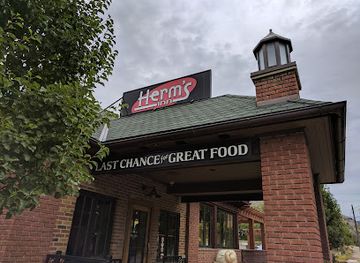
Discover the charm of Herm's Inn—a historic diner offering delicious breakfasts amidst breathtaking Logan Canyon views.
-
Mexican
El Toro Viejo Mexican Restaurant
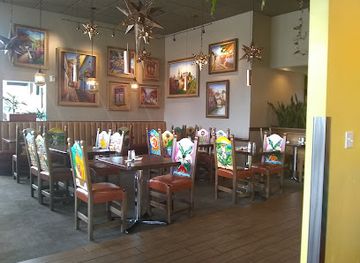
Experience the vibrant flavors of Mexico at El Toro Viejo Mexican Restaurant in Logan, Utah – where every bite tells a story.
Best bars in Cache Valley
Evening life in Cache Valley is centred largely on Logan, where university activity supports a broader selection of cafés, restaurants, pubs, live performances and occasional late-night venues than in the surrounding towns. Traditional American bars and restaurants sit alongside independent coffee houses, breweries or taprooms where available, and cultural programming connected with Utah State University and local arts organisations. The character is generally social and collegiate rather than built around a large club district, while smaller communities across the valley tend to close earlier and offer fewer late-night choices. Alcohol service is regulated under Utah law, so visitors should carry accepted identification and check current licensing arrangements rather than assuming that every restaurant or venue serves alcohol. In rural areas, evening entertainment is more likely to involve a community event, restaurant, local performance or gathering at a traditional inn-style establishment than a nightclub. Seasonal university events and performances can add variety, but schedules change frequently.
-
Grill
The Beehive Pub & Grill
Experience the heart of Logan with delicious pub fare and a welcoming atmosphere at The Beehive Pub & Grill.
-
Breakfast
Herm's Inn
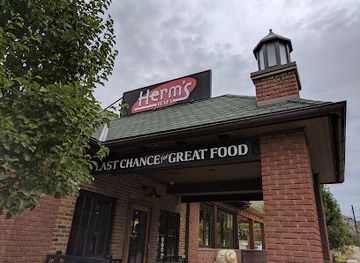
Experience the charm of Herm's Inn, a historic diner in Logan, UT, serving delicious breakfast and American cuisine in a cozy atmosphere.
-
Italian
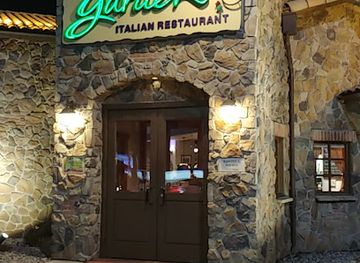
Olive Garden Italian Restaurant
Savor the authentic taste of Italy at Olive Garden, where delicious pasta, seafood, and a family-friendly atmosphere await in Logan, Utah.
-
Bar
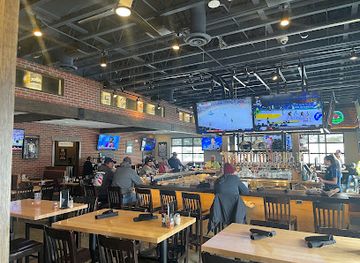
Ruby's Pizzeria & Grill
Discover Ruby's Pizzeria & Grill in Logan: Where American flavors meet vibrant dining in a lively sports bar atmosphere.

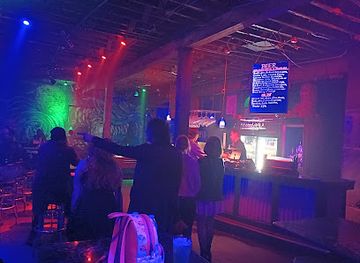
Best nightclubs in Cache Valley
Evening life in Cache Valley is centred largely on Logan, where university activity supports a broader selection of cafés, restaurants, pubs, live performances and occasional late-night venues than in the surrounding towns. Traditional American bars and restaurants sit alongside independent coffee houses, breweries or taprooms where available, and cultural programming connected with Utah State University and local arts organisations. The character is generally social and collegiate rather than built around a large club district, while smaller communities across the valley tend to close earlier and offer fewer late-night choices. Alcohol service is regulated under Utah law, so visitors should carry accepted identification and check current licensing arrangements rather than assuming that every restaurant or venue serves alcohol. In rural areas, evening entertainment is more likely to involve a community event, restaurant, local performance or gathering at a traditional inn-style establishment than a nightclub. Seasonal university events and performances can add variety, but schedules change frequently.
-
Lounge
Urban Lounge
Experience the vibrant nightlife of Salt Lake City at Urban Lounge, where live music and a lively atmosphere meet delicious drinks.
-
Club
Club 90
Discover the vibrant nightlife of Club 90 in Sandy, Utah, where live music and dance create unforgettable memories.
-
Bar
Red Light Bar
Discover the lively nightlife at Red Light Bar in Ogden, UT, featuring craft cocktails, live music, and a delicious gastropub menu.
-
Night club
Area 51
Dive into the electrifying nightlife of Area 51 in Salt Lake City – where music, dance, and drinks create an unforgettable experience.

Best shops in Cache Valley
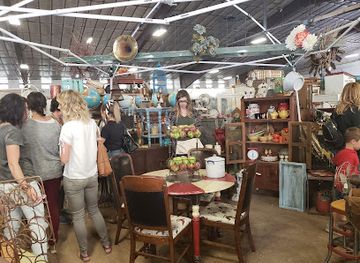
Shopping in Cache Valley is concentrated in Logan, where the historic downtown offers independent retailers, cafés, galleries, specialist food businesses and locally oriented services alongside mainstream chains. The university area adds bookshops, clothing and practical student-focused retail, while larger commercial zones provide everyday shopping rather than a distinct visitor quarter. Smaller communities such as Richmond, Hyrum, Mendon and Wellsville are better suited to browsing local businesses, seasonal produce and community markets than to extensive retail excursions. Farmers’ markets and farm stands are useful for fruit, vegetables, baked goods, honey and other valley products when operating in season. Visitors may also find crafts, artwork, books and locally made gifts through galleries, fairs and cultural events. Cache Valley is not primarily a luxury-shopping destination, but its retail character reflects its agricultural surroundings and university population. Check produce-market dates and seasonal opening arrangements before making a special journey, particularly outside the warmer months.
-
Gift shop
Moab Rock Shop
Explore the Moab Rock Shop, a unique destination for geological treasures, local artifacts, and unforgettable shopping experiences in the heart of Utah.
-
Ski resort
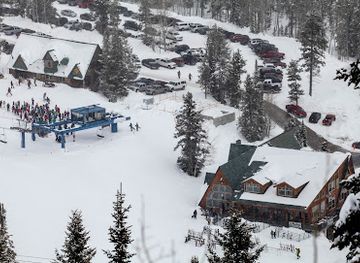
Beaver Mountain Ski Area
Discover the ultimate winter escape at Beaver Mountain Ski Area, where pristine slopes meet breathtaking mountain views in Garden City, Utah.
-
Discount store
Big Deal Outlet
Explore unbeatable deals at Big Deal Outlet in Logan, Utah, your one-stop-shop for clothing, home goods, and unique finds.
-
Fairground
Cache County Fairgrounds
Discover the vibrant atmosphere of Cache County Fairgrounds, where local culture, exciting events, and family fun come together in Logan, Utah.


Get your free copy of our complete guide to Cache Valley, delivered straight to you.
Everything on this page, from attractions and restaurants to essentials and local phrases, in one PDF you can read offline, print or share.
Already have an account? Sign in
Your Cache Valley guide is ready.
We'll send it to · Not you? Sign out

Getting your guide ready…
We are putting together a fresh copy of the Cache Valley guide. This can take up to a minute.
This can take a few moments. If your browser asks, choose Allow so the download can start. You'll find the guide in your Downloads folder.
Nothing happened? Download it again
Sorry, the guide is taking longer than usual. Please try again in a minute, or get it by email instead.
Cache Valley essentials
Currency and Payment
Safety
Emergency Situations
Do's and Don'ts
Local Tips
From Eve
Local phrases worth knowing
You don't need to get them perfect. A few words go a long way, and locals appreciate the effort.
Basics
| English | Local | Say it |
|---|---|---|
| Hello | Howdy | [Ha-dee] |
| Goodbye | See ya later | [See ya lay-ter] |
| Yes | Yup | [Yup] |
| No | Nope | [Nope] |
| Please/You're welcome | Sure thing | [Shur thing] |
| Thank you | Thanks a lot | [Thanks a lot] |
| Excuse me/Sorry | Pardon me | [Par-dun me] |
| How are you? | How ya doin'? | [How ya doin'?] |
| Fine. And you? | Good, and you? | [Good, an' you?] |
| Do you speak English? | You speakin' English? | [You speakin' English?] |
| I don't understand | I don't get it | [I don't get it] |
Eating & Drinking
| English | Local | Say it |
|---|---|---|
| I'd like to see the menu, please | Can I see the menu? | [Can I see the menu?] |
| I don't eat meat | I don't do meat | [I don't do meat] |
| Cheers! | Cheers! | [Cheers!] |
| I would like to pay, please | Can I get the check? | [Can I get the check?] |
Emergencies
| English | Local | Say it |
|---|---|---|
| Help! | Help! | [Help!] |
| Go away! | Leave me alone! | [Leave me alone!] |
| Call the Police! | Call the cops! | [Call the cops!] |
| Call a doctor! | Get a doctor! | [Get a doctor!] |
| I'm lost | I’m lost | [I’m lost] |
| I'm ill | I’m not feelin' well | [I’m not feelin' well] |
Shopping
| English | Local | Say it |
|---|---|---|
| I'd like to buy... | I wanna buy... | [I wanna buy...] |
| I'm just looking | Just browsin' | [Just browsin'] |
| How much is it? | What’s the price? | [What’s the price?] |
| That's too expensive | That’s way too pricey | [That’s way too pricey] |
| Can you lower the price? | Can ya knock down the price? | [Can ya knock down the price?] |
Time & Numbers
| English | Local | Say it |
|---|---|---|
| What time is it? | What time is it? | [What time is it?] |
| It's one o'clock | It’s one o’clock | [It’s one o’clock] |
| Half past (10) | Half past ten | [Half past ten] |
| Morning | Mornin' | [Mornin'] |
| Afternoon | Afternoon | [Afternoon] |
| Evening | Evening | [Evening] |
| Yesterday | Yesterday | [Yesterday] |
| Today | Today | [Today] |
| Tomorrow | Tomorrow | [Tomorrow] |
| 1 | One | [One] |
| 2 | Two | [Two] |
| 3 | Three | [Three] |
| 4 | Four | [Four] |
| 5 | Five | [Five] |
| 6 | Six | [Six] |
| 7 | Seven | [Seven] |
| 8 | Eight | [Eight] |
| 9 | Nine | [Nine] |
| 10 | Ten | [Ten] |
Transport & Directions
| English | Local | Say it |
|---|---|---|
| Where's a/the...? | Where's the...? | [Where's the...?] |
| What's the address? | What's the address? | [What's the address?] |
| Can you show me (on the map)? | Can ya show me on the map? | [Can ya show me on the map?] |
| When's the next (bus)? | When's the next bus? | [When's the next bus?] |
| A ticket (to ....) | A ticket to... | [A ticket to...] |
History of Cache Valley
Indigenous Homelands and the Bear River Landscape
Before Euro-American settlement, Cache Valley was used by Indigenous peoples including Shoshone and associated Great Basin communities, whose seasonal movements followed water, game and plant resources across northern Utah and southern Idaho. The Bear River and surrounding mountains formed an important ecological corridor. Later accounts often reduced this history to a prelude to settlement, but Indigenous presence and knowledge remain fundamental to understanding the valley’s landscape. Visitors should recognise that the region’s agricultural towns and roads occupy a much older cultural geography.
Trappers, Explorers and the Name Cache Valley
Fur trappers and traders entered the valley in the early nineteenth century, using it as a productive area for beaver and other wildlife. The name ‘Cache’ refers to the practice of hiding or storing furs for later collection. Explorers and trading parties recorded the valley’s rivers, grasslands and mountain routes before permanent American settlement. This period connected the basin to wider networks extending through the Rocky Mountain West, while also bringing disruptive pressures to Indigenous communities and local ecosystems.
Mormon Settlement from 1859
Members of The Church of Jesus Christ of Latter-day Saints began establishing permanent communities in Cache Valley in 1859, with Logan becoming the principal settlement. Towns were laid out in the characteristic grid associated with Mormon colonisation, and irrigation transformed semi-arid ground into farmland. Settlers developed agricultural, religious and civic institutions while relations with Indigenous peoples deteriorated under the pressure of land occupation and expanding livestock production. The valley’s town plans, historic buildings and canal systems still reflect this formative period.
The Logan Utah Temple and Regional Institutions
The Logan Utah Temple, constructed between 1877 and 1884, became the most prominent religious and architectural landmark in the valley. Built from locally quarried stone, it expressed the resources and ambitions of the growing settlement. Other institutions followed, including schools, businesses and civic organisations that helped make Logan the regional centre. The temple and surviving nineteenth-century buildings provide a visible record of a community moving from frontier settlement towards a more established urban and agricultural society.
Agriculture, Irrigation and the Coming of Rail
During the late nineteenth and early twentieth centuries, Cache Valley’s economy developed around irrigated farming, livestock, dairying, flour milling and trade. Rail connections linked Logan and nearby communities with wider markets, reducing the valley’s isolation and supporting the movement of farm products and manufactured goods. Water management remained essential: canals, reservoirs and river diversions made intensive cultivation possible. The agricultural pattern visible today, including pasture, fields and dairy operations, is a modern continuation of these long-term economic foundations.
Utah State University and Modern Cache Valley
Utah State University began in 1888 as the Agricultural College of Utah, reflecting the importance of scientific farming and practical education to the young state. It grew into a major public research university whose programmes in agriculture, natural resources, engineering and other fields have shaped Logan’s economy and culture. The university brought students, scholars and performance venues to the valley while maintaining strong links with rural communities. Its presence helps distinguish Logan from smaller agricultural settlements across Cache Valley.
A Diversifying Valley in the Twentieth and Twenty-First Centuries
Cache Valley remained strongly agricultural while expanding into education, manufacturing, healthcare, technology and services. Population growth increased the connection between Logan and neighbouring towns, yet open farmland and mountain recreation continued to define the region’s identity. Improved roads made Logan Canyon and surrounding high country more accessible, bringing tourism and outdoor recreation alongside established farming traditions. Contemporary Cache Valley therefore reflects several overlapping histories: Indigenous stewardship, religious settlement, irrigated agriculture, university development and continuing urban growth.
Cache Valley in Photos
Browse through our photo collection highlighting the charm and character of the destination.
Neighbouring regions of Cache Valley
The closest regions to Cache Valley, if you have time for more than one.
-

-

-

-

-


Swipe for more regions
Explore more

Explore more of Utah
Explore Utah's stunning national parks, rich cultural heritage, and year-round outdoor adventures. Discover why this diverse state is a top destination for travelers.
Explore Utah