

Free Wasatch Range Travel Guide & Mobile App
Explore Wasatch Range with free travel guides. Discover regional history, expert tips, proposed trips, and audio guides on web or mobile app.


Explore Utah’s Wasatch Range for alpine hiking, acclaimed skiing, mining heritage and mountain landscapes close to Salt Lake City and Park City.
Read more about Wasatch Range
Getting to and around Wasatch Range
How to get there
Transportation
Top city travel guides in Wasatch Range
The cities of Wasatch Range, and the easiest places to base yourself.
-

-

-
-

-


Swipe for more cities
Destinations in Wasatch Range
Resorts, valleys and scenic spots worth a trip of their own.
-

-
-

-

-

-


Swipe for more destinations
Best attractions in Wasatch Range
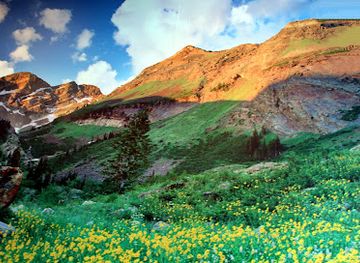
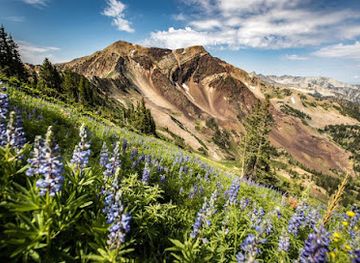
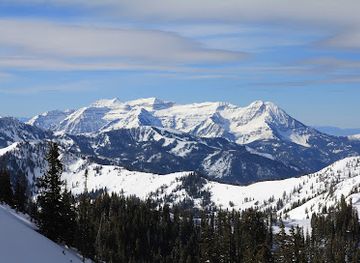
The Wasatch Range offers a concentrated range of mountain experiences across northern Utah. In the central Wasatch, Big Cottonwood and Little Cottonwood canyons lead to alpine hiking, climbing areas, winter ski resorts and viewpoints beneath high peaks, while Millcreek Canyon provides a close-to-the-city setting for walking, trail running and snow recreation. The eastern side around Park City combines extensive resort facilities with mountain biking, hiking and the preserved character of a former mining town. Further south, American Fork Canyon and the slopes around Mount Timpanogos provide access to forests, high meadows, limestone formations and demanding mountain routes. Northern sections near Logan offer canyon scenery and access to the higher country of the Bear River Range. Attractions are primarily landscape-based, but mining heritage, historic roads, resort villages and interpretive sites add cultural context. Conditions and access vary sharply by season: a summer trailhead may be snowbound in spring, while winter roads and avalanche closures can alter plans. Wildlife watching may include mule deer, moose, mountain goats and birdlife, although sightings are never guaranteed and animals should be observed from a distance.
-
National park
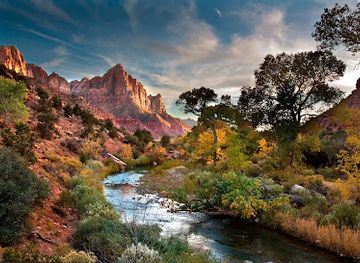
Zion National Park
Discover the breathtaking beauty of Zion National Park, home to stunning canyons, majestic cliffs, and diverse ecosystems in Utah.
-
Historical landmark
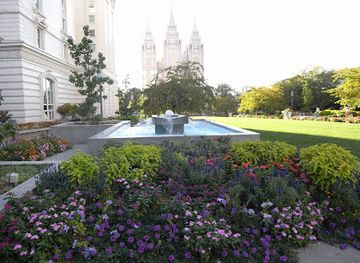
Temple Square
Experience the tranquility and beauty of Temple Square, a historical landmark in Salt Lake City that captures the essence of faith and culture.
-
Park
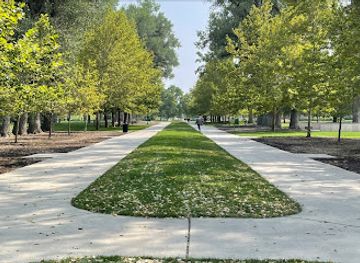
Liberty Park
Explore Liberty Park, Salt Lake City's tranquil urban oasis with lush greenery, recreational activities, and cultural attractions for all ages.
-
Natural history museum
Natural History Museum of Utah
Discover Utah's natural heritage at the Natural History Museum of Utah, where science meets history in a stunning setting.
Best landmarks in Wasatch Range
The Wasatch is marked by a series of recognisable summits, canyon walls and historic mountain corridors rather than one single monument. Mount Timpanogos, above the eastern side of the range near Utah Valley, is among the most prominent peaks and has long been a visual symbol of the central Wasatch. Lone Peak rises above the Salt Lake Valley and forms a dramatic backdrop to the metropolitan area, while the granite and quartzite walls of Little Cottonwood Canyon reveal the range’s rugged geological character. Guardsman Pass links the Park City side with the Cottonwood area when seasonally open and provides a memorable high-mountain route, although it is not a dependable winter crossing. Historic mining landscapes in Little Cottonwood and American Fork can include cabins, workings and industrial remnants, but mine entrances are dangerous and should not be entered. Park City’s historic Main Street preserves buildings associated with the former silver-mining town, offering an architectural counterpoint to the largely natural landmarks. The canyons themselves are also important civic and ecological landmarks because they supply water, recreation and a defining horizon for nearby Utah communities.
-
Historical landmark
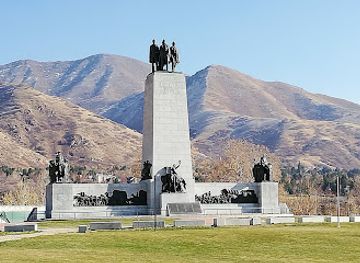
This Is The Place Heritage Park
Discover Utah's pioneering history at This Is The Place Heritage Park, a family-friendly destination filled with interactive exhibits and scenic trails.
-
Historical landmark
Church History Museum
Discover the rich heritage of the Church of Jesus Christ of Latter-day Saints at the Church History Museum, an enlightening destination in Salt Lake City.
-
Historical landmark
Parowan Gap Petroglyphs
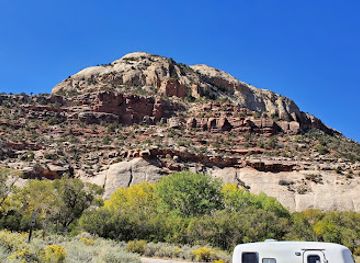
Explore the Parowan Gap Petroglyphs, an ancient rock art site in Utah showcasing Native American history and breathtaking natural beauty.
-
Cultural landmark
Newspaper Rock State Historical Monument
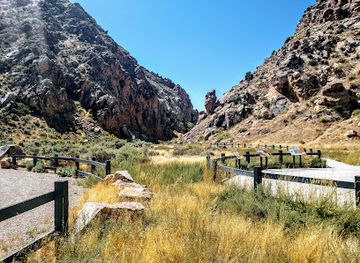
Explore the ancient petroglyphs of Newspaper Rock State Historical Monument, where history and nature intertwine in Utah's stunning landscapes.
Explore Wasatch Range on the map
Plan your trip on one map. See where the top cities, national parks and sights are, and book hotels and experiences in a few clicks.
Best hotels in Wasatch Range
Best restaurants in Wasatch Range
Dining in the Wasatch reflects the contrast between resort towns, canyon communities and the larger urban gateways below the mountains. Park City has the broadest concentration of restaurants, ranging from contemporary dining and steakhouses to cafés, bakeries and casual après-ski venues, while resort bases in the central Wasatch offer food designed for skiers and hikers rather than a separate mountain cuisine. In Salt Lake Valley communities outside the range, visitors will find the widest choice of international food, independent restaurants and locally focused menus. Utah specialities such as fry sauce, pastrami burgers, honey and locally produced dairy appear alongside American comfort food, Mexican cooking and modern western fare. Craft beer is common, but Utah’s alcohol regulations mean that service arrangements can differ from those visitors may know elsewhere in the United States. Farmers’ markets and seasonal produce are useful for picnics, especially before heading into a canyon, where dining options are limited and opening arrangements can be seasonal.
-
Diner
Ruth's Diner
Experience delightful American comfort food at Ruth's Diner in Emigration Canyon - where stunning views meet exceptional dining.
-
American
The Copper Onion
Discover The Copper Onion: A top-tier American restaurant in Salt Lake City serving innovative dishes made from fresh local ingredients.
-
Steak
Prairie Schooner Steak House
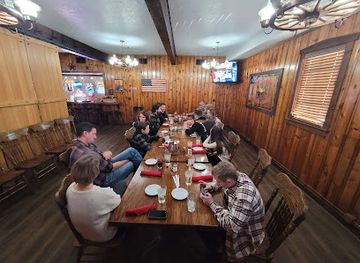
Discover exquisite steaks and warm hospitality at Prairie Schooner Steak House in Ogden – where every meal is a celebration.
-
Restaurant
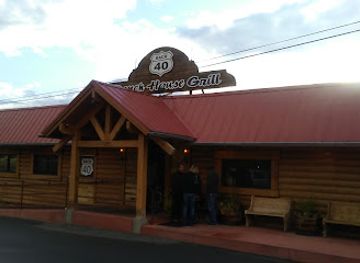
Back 40 Ranch House Grill
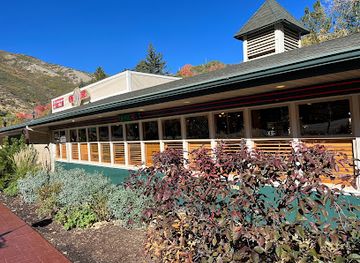
Experience the best of local flavors at Back 40 Ranch House Grill in Heber City - where comfort food meets rustic charm.

Best bars in Wasatch Range
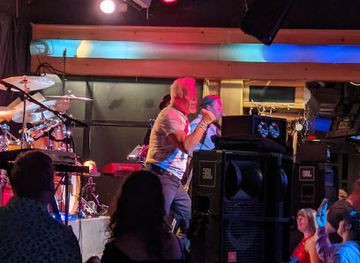
Evening life in the Wasatch is concentrated in Park City, resort villages and the communities along the western foothills rather than spread throughout the mountains. Park City has the most developed choice of bars, restaurants, live-music settings and late-evening venues, with activity increasing during the ski season and around major events. Resort bases usually centre on lodge bars, hotel lounges and après-ski gatherings, while smaller mountain communities rely more on restaurants, breweries and traditional pubs. Salt Lake City, outside the range, provides a much broader nightlife scene and is a practical evening base for visitors staying in the valley. Utah’s licensing rules and alcohol service regulations can affect how drinks are ordered and where they are served, so visitors should check current local requirements. Outside settled areas, darkness, winter roads and wildlife make driving after drinking especially hazardous; nightlife is not a defining feature of the backcountry.
-
Grill
No Name Saloon
Discover Park City's No Name Saloon: A unique grill experience with vibrant atmosphere, delicious menu, and local brews in every sip.
-
Bar
Gracie's
Discover Gracie's in Salt Lake City: a lively American bar and restaurant with great food, craft drinks, and live music for an unforgettable night out.
-
Bar
Piper Down Pub
Experience the charm of an authentic Irish pub at Piper Down Pub, where great drinks, delicious food, and a lively atmosphere await you.
-
Cocktail bar
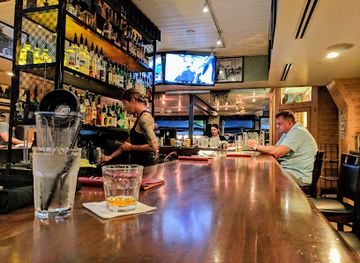
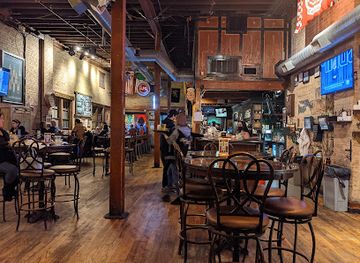
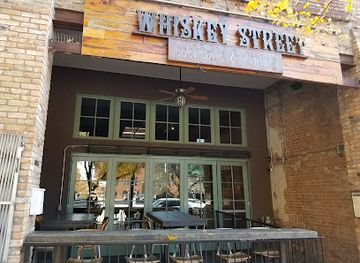
Whiskey Street Cocktails & Dining
Discover the essence of Salt Lake City's nightlife at Whiskey Street Cocktails & Dining, where craft cocktails meet delicious dining in a vibrant atmosphere.

Best nightclubs in Wasatch Range
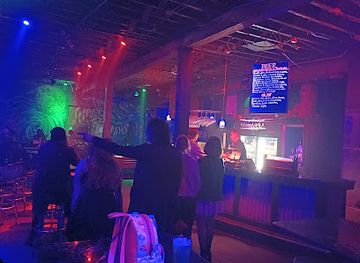
Evening life in the Wasatch is concentrated in Park City, resort villages and the communities along the western foothills rather than spread throughout the mountains. Park City has the most developed choice of bars, restaurants, live-music settings and late-evening venues, with activity increasing during the ski season and around major events. Resort bases usually centre on lodge bars, hotel lounges and après-ski gatherings, while smaller mountain communities rely more on restaurants, breweries and traditional pubs. Salt Lake City, outside the range, provides a much broader nightlife scene and is a practical evening base for visitors staying in the valley. Utah’s licensing rules and alcohol service regulations can affect how drinks are ordered and where they are served, so visitors should check current local requirements. Outside settled areas, darkness, winter roads and wildlife make driving after drinking especially hazardous; nightlife is not a defining feature of the backcountry.
-
Club
Club 90
Discover Utah's vibrant nightlife at Club 90, where energetic music and signature drinks create unforgettable nights out.
-
Night club
Area 51
Discover the vibrant nightlife of Salt Lake City at Area 51, where karaoke and dance come alive in a dynamic atmosphere.
-
Bar
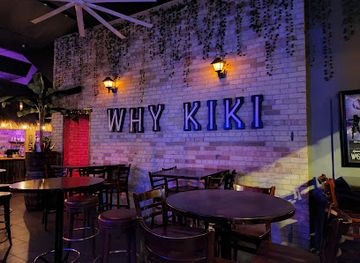
Why KiKi
Discover Why KiKi, a dynamic bar and grill in downtown Salt Lake City, where delicious dining meets exhilarating nightlife for an unforgettable experience.
-
Night club
Sky SLC
Experience the vibrant nightlife at Sky SLC, Salt Lake City's premier night club, bar, and concert hall with live music and dance!

Best shops in Wasatch Range
-
Shopping mall
City Creek Center
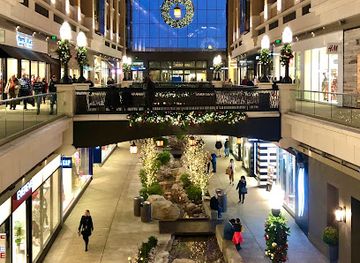
Experience premier shopping and dining at City Creek Center, the heart of Salt Lake City’s vibrant retail scene with stunning views and unique events.
-
Shopping mall
The Gateway
Discover a shopping and cultural paradise at The Gateway in Salt Lake City, where retail meets entertainment and art in a stunning downtown setting.
-
Ski resort
Snowbird
Discover Snowbird, Utah's premier ski resort offering thrilling winter sports, breathtaking summer views, and unforgettable mountain experiences year-round.
-
Ski resort
Brighton Resort
Discover Brighton Resort, a top ski destination in Utah, offering thrilling slopes, cozy lodges, vibrant bars, and breathtaking mountain views for all winter lovers.

Get your free copy of our complete guide to Wasatch Range, delivered straight to you.
Everything on this page, from attractions and restaurants to essentials and local phrases, in one PDF you can read offline, print or share.
Already have an account? Sign in
Your Wasatch Range guide is ready.
We'll send it to · Not you? Sign out

Getting your guide ready…
We are putting together a fresh copy of the Wasatch Range guide. This can take up to a minute.
This can take a few moments. If your browser asks, choose Allow so the download can start. You'll find the guide in your Downloads folder.
Nothing happened? Download it again
Sorry, the guide is taking longer than usual. Please try again in a minute, or get it by email instead.
Wasatch Range essentials
Currency and Payment
Safety
Emergency Situations
Do's and Don'ts
Local Tips
From Eve
Local phrases worth knowing
You don't need to get them perfect. A few words go a long way, and locals appreciate the effort.
Basics
| English | Local | Say it |
|---|---|---|
| Hello | Hey there! | [Hay thair!] |
| Goodbye | See ya! | [See yah!] |
| Yes | Yep | [Yep] |
| No | Nah | [Nah] |
| Please/You're welcome | No problem | [No prob-lum] |
| Thank you | Thanks! | [Thanks!] |
| Excuse me/Sorry | Pardon me | [Par-don me] |
| How are you? | How's it going? | [Hows it goin'?] |
| Fine. And you? | I'm good. You? | [I'm gud. Yoo?] |
| Do you speak English? | Do ya speak English? | [Doo yah speek English?] |
| I don't understand | I don't get it | [I don't get it] |
Eating & Drinking
| English | Local | Say it |
|---|---|---|
| I'd like to see the menu, please | Can I see the menu? | [Can I see the men-you?] |
| I don't eat meat | I'm vegetarian | [I'm veg-e-tair-i-an] |
| Cheers! | Cheers! | [Cheers!] |
| I would like to pay, please | Can I get the check? | [Can I get the chek?] |
Emergencies
| English | Local | Say it |
|---|---|---|
| Help! | Help! | [Help!] |
| Go away! | Leave me alone! | [Leave me alon-e!] |
| Call the Police! | Call the cops! | [Call the cops!] |
| Call a doctor! | Get a doctor! | [Get a doc-tor!] |
| I'm lost | I'm lost | [I'm lost] |
| I'm ill | I'm not feeling well | [I'm not feel-ing well] |
Shopping
| English | Local | Say it |
|---|---|---|
| I'd like to buy... | I wanna buy... | [I wanna buy...] |
| I'm just looking | Just browsing | [Just brows-ing] |
| How much is it? | How much does it cost? | [How much does it cost?] |
| That's too expensive | That's pricey | [That's pry-see] |
| Can you lower the price? | Can you make it cheaper? | [Can you make it cheeper?] |
Time & Numbers
| English | Local | Say it |
|---|---|---|
| What time is it? | What time ya got? | [What time ya got?] |
| It's one o'clock | It's one | [It's one] |
| Half past (10) | Half past ten | [Half past ten] |
| Morning | Morning | [Morn-ing] |
| Afternoon | Afternoon | [Aftern-oon] |
| Evening | Evening | [Eve-ning] |
| Yesterday | Yesterday | [Yes-ter-day] |
| Today | Today | [To-day] |
| Tomorrow | Tomorrow | [To-mor-row] |
| 1 | One | [One] |
| 2 | Two | [Two] |
| 3 | Three | [Three] |
| 4 | Four | [Four] |
| 5 | Five | [Five] |
| 6 | Six | [Six] |
| 7 | Seven | [Seven] |
| 8 | Eight | [Eight] |
| 9 | Nine | [Nine] |
| 10 | Ten | [Ten] |
Transport & Directions
| English | Local | Say it |
|---|---|---|
| Where's a/the...? | Where's the...? | [Where's the...?] |
| What's the address? | What's the address? | [What's the ad-dress?] |
| Can you show me (on the map)? | Can you show me on the map? | [Can you show me on the map?] |
| When's the next (bus)? | When's the next bus? | [When's the next bus?] |
| A ticket (to ....) | One ticket to... | [One tiket to...] |
History of Wasatch Range
Indigenous Landscapes Before Settlement
The Wasatch Range formed part of the homeland and seasonal travel landscape of Indigenous peoples, including Ute, Goshute, Shoshone and Paiute communities whose territories and histories extend across the Great Basin and adjoining mountain country. Mountain passes, valleys, streams and hunting grounds supported movement and resource gathering long before written records by Euro-American travellers. The range should therefore not be understood as an empty wilderness awaiting settlement. Contemporary interpretation increasingly recognises Indigenous presence, continuing cultural connections and the limitations of nineteenth-century accounts that often described the mountains without recording the people who knew them.
Exploration and the Mormon Settlement of Utah
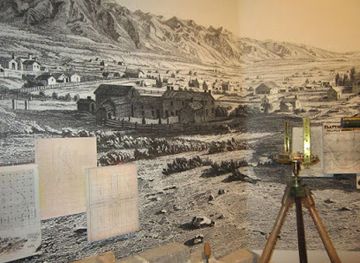
Euro-American exploration and mapping increased during the nineteenth century, followed by the arrival of members of The Church of Jesus Christ of Latter-day Saints in the Salt Lake Valley in 1847. The Wasatch became both a natural boundary and a source of timber, water and mountain pasture for expanding settlements. Trails and later roads crossed or entered the range through corridors such as Big and Little Cottonwood canyons. The relationship between the mountains and the communities below shaped irrigation, transport and the development of the modern Salt Lake Valley.
Mining in Little Cottonwood and American Fork
Mineral discoveries transformed parts of the Wasatch from the 1860s onwards. Silver mining became particularly important in Little Cottonwood Canyon, where settlements, mills, tramways and mine workings supported a busy industrial landscape. American Fork Canyon also developed as a major mining district, with the remains of workings and structures recording efforts to extract silver, lead and other ores. Harsh winters, difficult transport and fluctuating mineral prices limited the longevity of many operations, but mining left a durable imprint on local place names, roads and heritage sites.
Railways, Roads and Mountain Recreation
Improved transport gradually changed the accessibility of the range. Rail and road connections linked mining districts with Salt Lake Valley communities, while scenic travel and summer outings encouraged the development of mountain resorts and recreational facilities. Roads into the canyons were repeatedly improved, although steep terrain and winter snow remained major constraints. The growth of automobile travel made the Wasatch increasingly important as a nearby retreat for residents of northern Utah, laying foundations for the outdoor tourism economy that now operates throughout the year.
The Rise of Skiing and Resort Towns
Organised skiing expanded in the Wasatch during the twentieth century, helped by abundant snowfall, proximity to Salt Lake City and the development of lifts and purpose-built facilities. Alta opened as a ski area in 1938, and other central Wasatch resorts followed over subsequent decades. Park City developed from a former silver-mining community into a major year-round resort town, while the 2002 Winter Olympic Games brought international attention to Utah’s venues and infrastructure. Skiing is now central to the regional economy, although summer recreation and conservation are increasingly significant too.
Conservation, Water and Contemporary Pressures
Much of the Wasatch is managed through a combination of national forest, wilderness, watershed protection and other public-land designations. Conservation has become increasingly important as population growth in adjacent valleys raises demand for water, housing, transport and recreation. The mountains supply critical catchments for northern Utah, while drought, wildfire, climate change, heavy visitation and avalanche risk complicate management. Contemporary debates over resort expansion, canyon access, public transport and habitat protection reflect the continuing tension between the Wasatch as a working landscape, a water source, a recreation area and a place of ecological value.
Wasatch Range in Photos
Browse through our photo collection highlighting the charm and character of the destination.
Neighbouring regions of Wasatch Range
The closest regions to Wasatch Range, if you have time for more than one.
-

-

-

-

-


Swipe for more regions
Explore more

Explore more of Utah
Explore Utah's stunning national parks, rich cultural heritage, and year-round outdoor adventures. Discover why this diverse state is a top destination for travelers.
Explore Utah