

Free Wasatch Front Travel Guide & Mobile App
Explore Wasatch Front with free travel guides. Discover regional history, expert tips, proposed trips, and audio guides on web or mobile app.


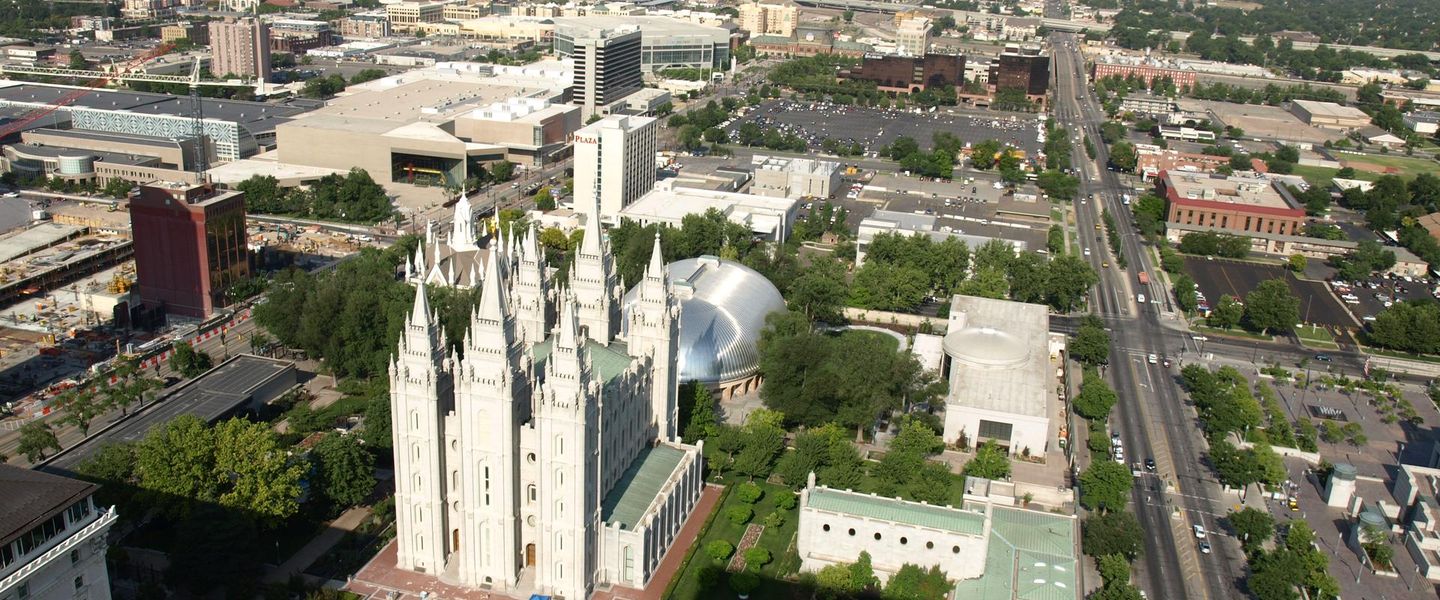


Explore Utah’s Wasatch Front for mountain trails, Great Salt Lake scenery, historic cities, museums, local food and easy urban-to-outdoor journeys.
Read more about Wasatch Front
Getting to and around Wasatch Front
How to get there
Transportation
Top city travel guides in Wasatch Front
The cities of Wasatch Front, and the easiest places to base yourself.
-

-

-
-

-


Swipe for more cities
Destinations in Wasatch Front
Resorts, valleys and scenic spots worth a trip of their own.
-

-
-

-

-

-


Swipe for more destinations
Best attractions in Wasatch Front
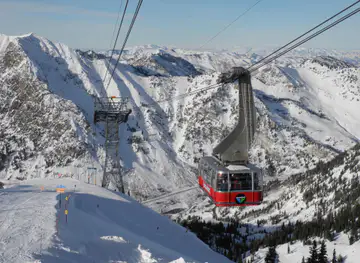
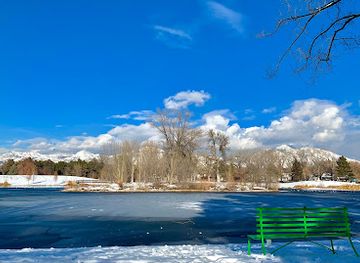
The Wasatch Front combines metropolitan culture with unusually immediate access to mountains, wetlands and desert-edge landscapes. Salt Lake City offers the Natural History Museum of Utah, the Utah Museum of Fine Arts, Red Butte Garden, the Leonardo and the historic Temple Square precinct, while Liberty Park and Memory Grove provide urban green space. In Ogden, the historic downtown, Ogden Nature Center and Ogden Canyon create a different mix of railway heritage, wildlife and mountain scenery. Davis County provides access towards Antelope Island State Park in the Great Salt Lake, where bison, pronghorn and broad saltwater views are major draws. Utah Valley centres on Provo’s museums, cultural venues and university setting, with Utah Lake and the foothills adding water and outdoor recreation. Across the corridor, hiking, climbing, cycling, birdwatching, winter sports and scenic drives are shaped by elevation and season. Visitors should distinguish between attractions on the valley floor and those reached through mountain canyons, where weather, parking and road access can change quickly.
-
Historical landmark
Temple Square
Explore the iconic Temple Square in Salt Lake City - a historical and spiritual landmark adorned with stunning architecture and beautiful gardens.
-
Zoo
Utah's Hogle Zoo
Discover Utah's Hogle Zoo, where adventure meets conservation in a vibrant wildlife sanctuary in Salt Lake City, perfect for family fun and animal lovers alike.
-
Park
Liberty Park
Discover Liberty Park, Salt Lake City's lush green oasis, featuring beautiful landscapes, recreational activities, and attractions for all ages.
-
Shopping mall
The Gateway
Discover The Gateway in Salt Lake City - a lively shopping and entertainment destination offering diverse dining, retail, and cultural experiences.


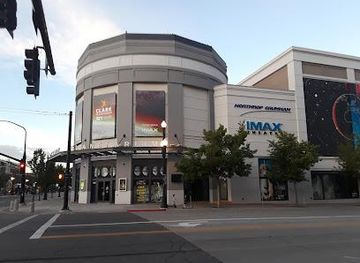
Best landmarks in Wasatch Front
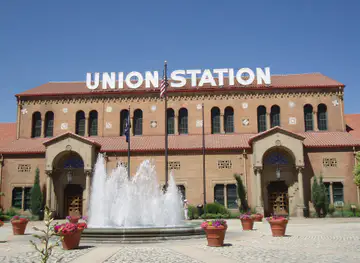
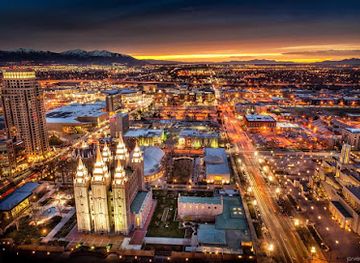
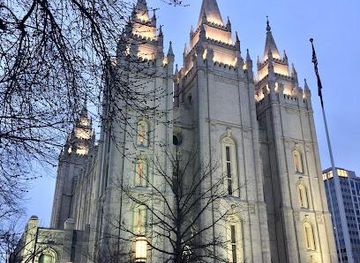
The Wasatch Front’s most recognisable landmarks express its religious history, railway past, civic ambitions and dramatic physical setting. Salt Lake City’s Temple Square precinct, with the Salt Lake Temple, Tabernacle and Assembly Hall, is the region’s defining architectural ensemble, while the Utah State Capitol crowns the city’s northern hillside with a prominent neoclassical silhouette. The block-based downtown street plan remains a visible legacy of the nineteenth-century settlement. Ogden Union Station recalls the city’s role in western rail transport, and the surrounding historic streets contain substantial commercial and residential architecture from the railway era. Provo’s historic centre, including the Provo City Center Temple in the former tabernacle building, reflects the architectural layers of Utah Valley. Beyond the cities, the Great Salt Lake and the Wasatch Mountains are the corridor’s dominant natural landmarks: the lake’s changing shoreline and salt flats contrast with peaks, cliffs and canyon mouths rising sharply east of the urban belt.
-
Historical landmark
Temple Square
Discover the spiritual and historical beauty of Temple Square, a captivating landmark in Salt Lake City that offers tranquility and cultural richness.
-
Church of Jesus Christ of Latter-day Saints
Salt Lake Utah Temple
Experience the architectural beauty and spiritual serenity of the Salt Lake Utah Temple, a historic landmark in the heart of Salt Lake City.
-
Historical landmark
Salt Lake City Tabernacle
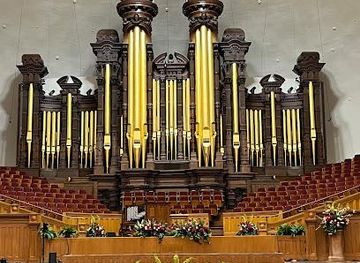
Explore the Salt Lake City Tabernacle, a historical and spiritual landmark known for its stunning architecture and unique acoustics, located in the heart of Utah.
-
 State government office
Utah State Capitol
Discover the stunning Utah State Capitol, an architectural gem and historical landmark offering breathtaking views and rich cultural insights in Salt Lake City.
Explore Wasatch Front on the map
Plan your trip on one map. See where the top cities, national parks and sights are, and book hotels and experiences in a few clicks.
Best hotels in Wasatch Front
Best restaurants in Wasatch Front
Dining across the Wasatch Front reflects Utah’s western, agricultural and increasingly international character. Salt Lake City has the broadest choice, with independent cafés, bakeries, food halls and restaurants representing East Asian, South Asian, Middle Eastern, Latin American and other traditions alongside American cooking. Utah-style favourites include fry sauce, pastrami burgers, hearty breakfasts and baked goods, while local menus often use produce from Utah’s farming districts. Ogden’s historic centre supports cafés, breweries and casual restaurants, and Provo and Orem have a strong student-influenced scene alongside contemporary dining. Farmers’ markets and seasonal produce are particularly useful for tasting peaches, cherries, apples and other crops grown in Utah valleys. In smaller communities, diners, family restaurants and cafés may close earlier than visitors expect. Alcohol availability and service follow Utah regulations, so restaurant and bar arrangements can differ from those in other American destinations.
-
Indian
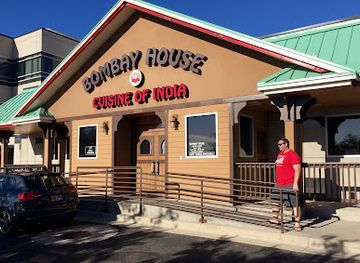
Mumbai House
Experience authentic Indian cuisine at Mumbai House in Salt Lake City - where every dish tells a story.
-
Diner
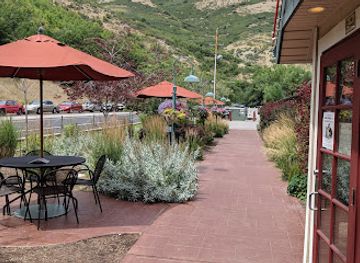
Ruth's Diner
Experience the perfect blend of delicious American cuisine and stunning canyon views at Ruth's Diner.
-
American
The Bayou
Discover the vibrant tastes of Cajun and American cuisine at The Bayou in downtown Salt Lake City—a must-visit for food lovers.
-
Bar
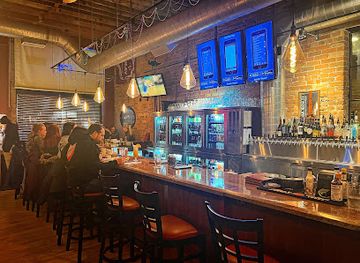
Prohibition
Discover the charm of Prohibition in Salt Lake City – where fine dining meets vibrant bar culture for an unforgettable culinary experience.
Best bars in Wasatch Front
Evening life is concentrated in Salt Lake City, where historic pubs, cocktail bars, breweries, live-music rooms, comedy venues and theatre provide the corridor’s broadest choice. Downtown, Central Ninth, 9th and 9th, Sugar House and nearby neighbourhoods have different atmospheres, though venues and opening arrangements change over time. Ogden supports a smaller but established evening scene around its historic centre, including music, restaurants and bars, while Provo’s nightlife is shaped by students, cafés, live performances and social venues rather than a large club district. Outside the main cities, evenings tend to centre on restaurants, local pubs, breweries, cinemas and community events. Utah’s alcohol laws regulate service, licensing and identification requirements, so visitors should check a venue’s current policy and carry accepted photo identification. Mountain towns and canyon areas are generally quiet after outdoor activities end.
-
Pub
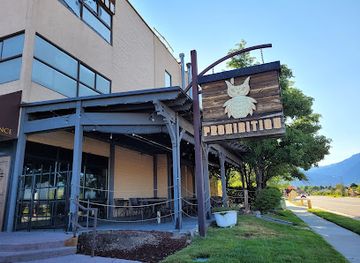
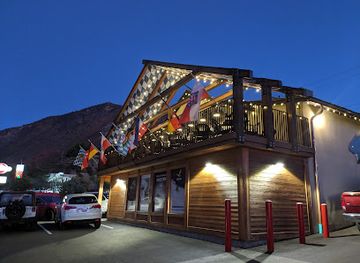
Porcupine Pub & Grille
Discover Porcupine Pub & Grille: A cozy dining haven in Cottonwood Heights, perfect for savoring delicious food and local brews amidst stunning Utah scenery.
-
Restaurant
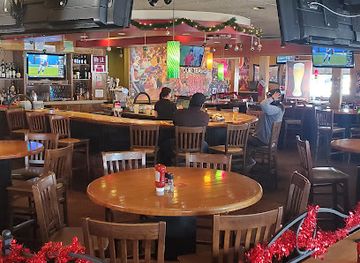
Applebee's Grill + Bar
Savor the flavors of America at Applebee's Grill + Bar, where delicious food and a friendly atmosphere await you.
-
Cocktail bar
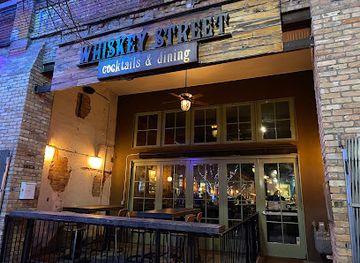
Whiskey Street Cocktails & Dining
Explore the vibrant flavors of Salt Lake City's Whiskey Street, where exceptional cocktails meet delectable dining in a lively atmosphere.
-
Brewery
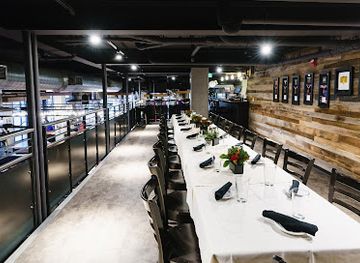
Wasatch Brew Pub
Discover Wasatch Brew Pub in Salt Lake City, where local craft beer meets delicious food in a vibrant and friendly setting.
Best nightclubs in Wasatch Front
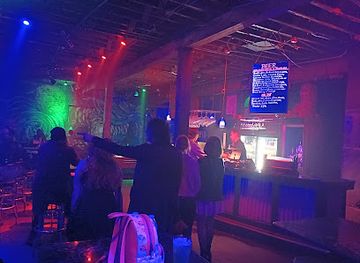
Evening life is concentrated in Salt Lake City, where historic pubs, cocktail bars, breweries, live-music rooms, comedy venues and theatre provide the corridor’s broadest choice. Downtown, Central Ninth, 9th and 9th, Sugar House and nearby neighbourhoods have different atmospheres, though venues and opening arrangements change over time. Ogden supports a smaller but established evening scene around its historic centre, including music, restaurants and bars, while Provo’s nightlife is shaped by students, cafés, live performances and social venues rather than a large club district. Outside the main cities, evenings tend to centre on restaurants, local pubs, breweries, cinemas and community events. Utah’s alcohol laws regulate service, licensing and identification requirements, so visitors should check a venue’s current policy and carry accepted photo identification. Mountain towns and canyon areas are generally quiet after outdoor activities end.
-
Club
Club 90
Discover the electrifying nightlife of Club 90 in Sandy, Utah – a vibrant bar and nightclub with great music and an unforgettable atmosphere.
-
Night club
Area 51
Unleash your energy at Area 51, Salt Lake City's vibrant nightclub featuring electrifying music and an unforgettable party atmosphere.
-
Bar
Why KiKi
Discover the vibrant nightlife of Salt Lake City at Why KiKi, the ultimate bar, grill, and dance club for an unforgettable night out.
-
Bar
Elixir Lounge
Experience the vibrant nightlife of Elixir Lounge in Holladay, where signature cocktails and a lively dance floor await you.



Best shops in Wasatch Front
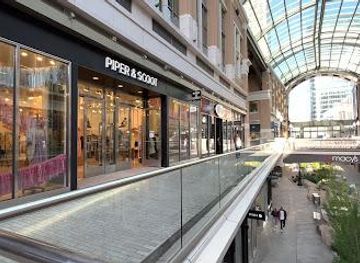
Shopping is most varied in Salt Lake City, where downtown streets, City Creek Center, neighbourhood commercial areas and independent shops offer clothing, books, outdoor equipment, design goods and locally made products. The historic centre of Ogden combines galleries, cafés, antiques and small retailers in older commercial buildings, while Provo’s central districts and nearby university-oriented areas have bookstores, boutiques and specialist shops. Farmers’ markets across the corridor are useful for Utah fruit, vegetables, honey, baked goods and prepared foods when operating seasonally. Outdoor retailers are prominent because hiking, climbing, skiing and camping are part of everyday regional life. Visitors looking for durable souvenirs may find locally produced ceramics, artwork, jewellery, regional food products and books on Utah history and landscape. Retail patterns vary between urban centres and suburban shopping districts, so market dates and individual shop hours should be checked before making a special journey.
-
Shopping mall
City Creek Center
Experience the perfect blend of luxury shopping and beautiful outdoor scenery at City Creek Center in Salt Lake City.
-
Shopping mall
The Gateway
Explore The Gateway in Salt Lake City - a vibrant shopping mall with dining, shopping, and cultural attractions for every traveler.
-
Shopping mall
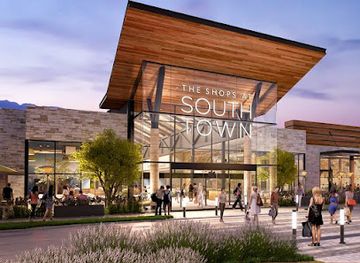
The Shops at South Town
Discover a world of shopping and dining at The Shops at South Town, where retail therapy meets culinary delights in Sandy, Utah.
-
Outlet mall
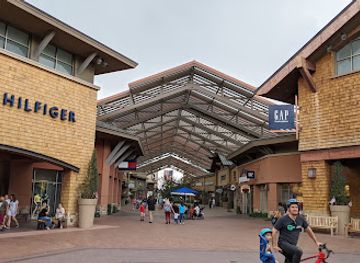
Outlets at Traverse Mountain
Experience the ultimate shopping adventure at the Outlets at Traverse Mountain, where unbeatable deals meet breathtaking views in Lehi, Utah.

Get your free copy of our complete guide to Wasatch Front, delivered straight to you.
Everything on this page, from attractions and restaurants to essentials and local phrases, in one PDF you can read offline, print or share.
Already have an account? Sign in
Your Wasatch Front guide is ready.
We'll send it to · Not you? Sign out

Getting your guide ready…
We are putting together a fresh copy of the Wasatch Front guide. This can take up to a minute.
This can take a few moments. If your browser asks, choose Allow so the download can start. You'll find the guide in your Downloads folder.
Nothing happened? Download it again
Sorry, the guide is taking longer than usual. Please try again in a minute, or get it by email instead.
Wasatch Front essentials
Currency and Payment
Safety
Emergency Situations
Do's and Don'ts
Local Tips
From Eve
Local phrases worth knowing
You don't need to get them perfect. A few words go a long way, and locals appreciate the effort.
Basics
| English | Local | Say it |
|---|---|---|
| Hello | Hi | [Hahy] |
| Goodbye | See ya | [See yah] |
| Yes | Yep | [Yep] |
| No | Nah | [Nah] |
| Please/You're welcome | Thanks | [Thangs] |
| Thank you | Thanks a lot | [Thangs a lot] |
| Excuse me/Sorry | Sorry | [Sorry] |
| How are you? | How's it going? | [Hows it goin?] |
| Fine. And you? | Good. And you? | [Good. And you?] |
| Do you speak English? | You speak English? | [Yuh speak English?] |
| I don't understand | I don't get it | [I don't get it] |
Eating & Drinking
| English | Local | Say it |
|---|---|---|
| I'd like to see the menu, please | Can I see the menu? | [Can I see the menu?] |
| I don't eat meat | I'm vegetarian | [I'm vegetarian] |
| Cheers! | Cheers! | [Cheers!] |
| I would like to pay, please | Can I get the check? | [Can I get the check?] |
Emergencies
| English | Local | Say it |
|---|---|---|
| Help! | Help! | [Help!] |
| Go away! | Leave me alone! | [Leave me alone!] |
| Call the Police! | Call the cops! | [Call the cops!] |
| Call a doctor! | Get a doctor! | [Get a doctor!] |
| I'm lost | I can't find my way | [I can't find my way] |
| I'm ill | I'm feeling sick | [I'm feeling sick] |
Shopping
| English | Local | Say it |
|---|---|---|
| I'd like to buy... | I want to buy... | [I want to buy...] |
| I'm just looking | Just browsing | [Just browsing] |
| How much is it? | What’s the price? | [What’s the price?] |
| That's too expensive | That's pricey | [That's pricey] |
| Can you lower the price? | Can you make it cheaper? | [Can you make it cheaper?] |
Time & Numbers
| English | Local | Say it |
|---|---|---|
| What time is it? | What time is it? | [What time is it?] |
| It's one o'clock | It's one o'clock | [It's one o'clock] |
| Half past (10) | Half past ten | [Half past ten] |
| Morning | Morning | [Morning] |
| Afternoon | Afternoon | [Afternoon] |
| Evening | Evening | [Evening] |
| Yesterday | Yesterday | [Yesterday] |
| Today | Today | [Today] |
| Tomorrow | Tomorrow | [Tomorrow] |
| 1 | One | [Wuhn] |
| 2 | Two | [Too] |
| 3 | Three | [Three] |
| 4 | Four | [For] |
| 5 | Five | [Fahyv] |
| 6 | Six | [Siks] |
| 7 | Seven | [Sev-uhn] |
| 8 | Eight | [Ayt] |
| 9 | Nine | [Nayn] |
| 10 | Ten | [Ten] |
Transport & Directions
| English | Local | Say it |
|---|---|---|
| Where's a/the...? | Where’s the...? | [Where’s the...?] |
| What's the address? | What’s the address? | [What’s the address?] |
| Can you show me (on the map)? | Can you point it out? | [Can you point it out?] |
| When's the next (bus)? | When's the next bus? | [When's the next bus?] |
| A ticket (to ....) | A ticket to... | [A ticket to...] |
History of Wasatch Front
Indigenous Homelands and Ancient Lake Landscapes
Long before modern settlement, the valleys and mountains of the Wasatch Front were used by Indigenous peoples including the Ute, Paiute, Goshute and Shoshone communities. Earlier archaeological traditions, including Fremont cultures, left evidence across Utah of farming, hunting and settlement. The Great Salt Lake and its surrounding wetlands supported seasonal movement, wildlife harvesting and trade. These histories remain important to understanding the region beyond the pioneer narrative, although many archaeological sites are fragile and not all are open to visitors.
The Mormon Pioneer Settlement of the Salt Lake Valley
In 1847, members of the Church of Jesus Christ of Latter-day Saints led by Brigham Young entered the Salt Lake Valley, then part of Mexican territory. They established an irrigated agricultural settlement whose planned street grid became the basis of Salt Lake City. Further settlements developed along the Wasatch Front, including in Davis, Weber and Utah valleys. Irrigation, surveying and cooperative institutions transformed an arid environment, while the arrival of settlers also profoundly altered Indigenous lands, economies and political circumstances.
Railways and the Meeting of the Transcontinental Line
Rail transport reshaped the northern Wasatch Front in the nineteenth century. Ogden became a major railway junction, and in 1869 the Union Pacific and Central Pacific railways met at Promontory Summit, northwest of the present urban corridor. The event connected Utah more closely with national markets and accelerated migration, freight movement and commercial growth. Ogden Union Station and surviving railway buildings provide visible reminders of the city’s importance as a transfer point between eastern and western routes.
Mining, Industry and the Growth of Salt Lake City
Mining in Utah’s mountain districts, particularly silver and other metal extraction west and south of the central valley, brought capital, workers and transport investment to Salt Lake City and surrounding communities. Railways, smelting, manufacturing and construction followed. The economic landscape was never solely agricultural or religious: commercial districts, immigrant communities and industrial employment helped create a more complex urban society. Historic buildings in Salt Lake City and Ogden preserve parts of this transition from settlement economy to regional metropolis.
Religious and Civic Institutions in the Urban Corridor
The Church of Jesus Christ of Latter-day Saints profoundly influenced the architecture, settlement pattern and public life of the Wasatch Front, especially in Salt Lake City and Provo. Temple precincts, meetinghouses, planned streets and educational institutions formed a distinctive cultural landscape. At the same time, civic government, schools, universities, businesses and communities of other faiths expanded across the corridor. The result is a region where religious heritage remains highly visible within increasingly diverse urban centres.
Post-war Suburbanisation and Modern Metropolitan Growth
After the Second World War, population growth, highway construction and expanding employment spread development along the valley floors from Brigham City and Ogden through Salt Lake City and into Utah Valley. Aerospace, technology, education, healthcare and logistics added to the older mining, rail and manufacturing base. Provo and Orem grew around education and technology, while Salt Lake City became a national business and cultural centre. Rapid growth has also intensified debates about housing, transport, water, air quality and the ecological future of the Great Salt Lake.
Wasatch Front in Photos
Browse through our photo collection highlighting the charm and character of the destination.
Neighbouring regions of Wasatch Front
The closest regions to Wasatch Front, if you have time for more than one.
-

-

-

-

-


Swipe for more regions
Explore more

Explore more of Utah
Explore Utah's stunning national parks, rich cultural heritage, and year-round outdoor adventures. Discover why this diverse state is a top destination for travelers.
Explore Utah