

Free Andijan Region Travel Guide & Mobile App
Explore Andijan Region with free travel guides. Discover regional history, expert tips, proposed trips, and audio guides on web or mobile app.


Explore Andijan Region for Babur’s heritage, ancient Mingtepa, Fergana Valley markets, orchards and eastern Uzbek landscapes.
Read more about Andijan Region
When is the best time to visit Andijan Region?
Best: April–May, September · 22–27°C| Month | High (°C) | Rainfall (mm) |
|---|---|---|
| January | 7 | 30 |
| February | 9 | 30 |
| March | 15 | 40 |
| April (best) | 22 | 40 |
| May (best) | 27 | 30 |
| June | 32 | 20 |
| July | 34 | 10 |
| August | 33 | 10 |
| September (best) | 26 | 20 |
| October | 19 | 30 |
| November | 10 | 30 |
| December | 7 | 30 |
Getting to and around Andijan Region
How to get there
Transportation
Top city travel guides in Andijan Region
The cities of Andijan Region, and the easiest places to base yourself.
-

-


Swipe for more cities
Best attractions in Andijan Region
Andijan Region’s attractions combine ancient archaeology, literary heritage, religious architecture, market culture and the cultivated landscapes of the Fergana Valley. In Andijan city, visitors can explore institutions and memorial spaces connected with Zahiriddin Muhammad Babur, the Timurid prince born here in 1483, as well as the Jami architectural complex and the city’s museums. The most important archaeological excursion is Mingtepa near Marhamat, a large fortified settlement generally associated with Ershi, the capital of ancient Davan. Its earth ramparts and open setting require imagination, but they provide a direct link with the valley’s pre-Islamic history. Rural journeys reveal orchards, irrigation channels, cotton and grain fields, village streets and busy local markets rather than a sequence of monumental sights. Khanabad offers a greener riverside setting along the Karadarya and is associated with recreation, while the eastern districts lead towards mountain-edge scenery and the Kyrgyz frontier. Food-focused visits, craft and market exploration, seasonal walking and encounters with contemporary Fergana Valley life are as important to the region’s appeal as formal sightseeing.
-
Park
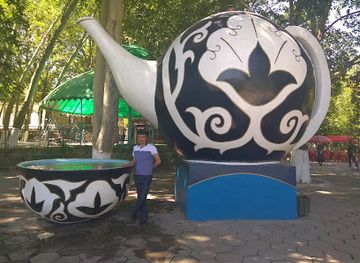
Bogishamol Park
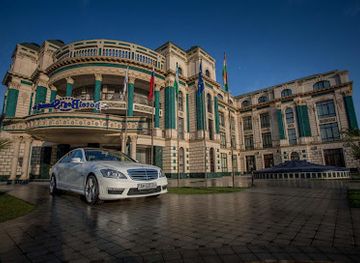
Explore the lush landscapes and tranquil ambiance of Bogishamol Park, a hidden gem in Andijan, Uzbekistan, ideal for relaxation and outdoor activities.
-
Amusement park
Andijan
Experience exhilarating rides and vibrant entertainment at Andijan Amusement Park, a top family-friendly destination in Uzbekistan's Andijan region.
-
Historical landmark
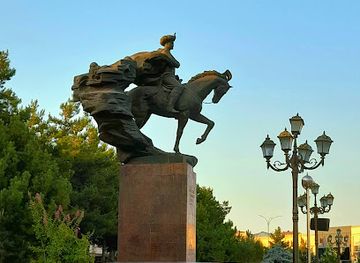
Statue Of Z.M. Babur
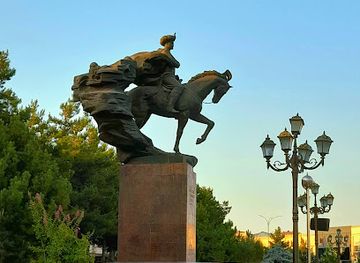
Explore the Statue of Z.M. Babur in Andijan, a historic landmark celebrating the founder of the Mughal Empire amidst beautiful gardens.
-
Tourist attraction
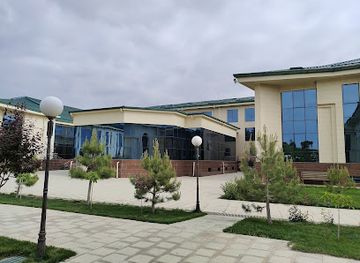
Xonobod Sihatgohi
Experience the natural beauty and tranquility of Xonobod Sihatgohi, a serene oasis in Uzbekistan's Andijan region, perfect for relaxation and exploration.
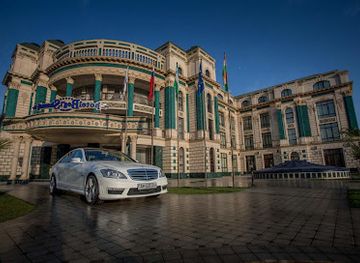
Best landmarks in Andijan Region
The Jami Mosque and minaret in Andijan form one of the region’s most recognisable historic ensembles, expressing the religious and architectural importance the city acquired within the Fergana Valley. Babur-related memorial and literary sites are significant contemporary landmarks because they connect Andijan with the early life of the Timurid prince and the later Mughal dynasty. Near Marhamat, the earthworks of Mingtepa are a different kind of landmark: broad defensive traces in an agricultural setting marking a settlement linked with ancient Davan and its capital, Ershi. The Karadarya and the riverside setting of Khanabad provide a natural counterpoint to the dense urban fabric, while the low mountain horizons to the east frame the region geographically. Andijan’s Soviet-era avenues, apartment districts and civic buildings also form part of its modern identity, showing how planned urban development was imposed on an older oasis and market-city landscape. Together these places present the region through archaeology, Islamic heritage, Timurid memory, river geography and twentieth-century transformation rather than through monumental architecture alone.
-
Amusement park
Andijan
Experience the thrill and joy of Andijan Amusement Park, a must-visit destination for family fun in Uzbekistan's Andijan region.
-
Historical landmark
Statue Of Z.M. Babur
Explore the Statue of Z.M. Babur in Andijan, a stunning tribute to Mughal heritage set in a picturesque square surrounded by lush gardens.
-
Reservoir
Andijan Reservoir
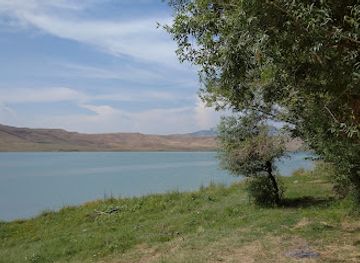
Discover the tranquil beauty of Andijan Reservoir, a perfect retreat for nature lovers and outdoor enthusiasts in the heart of Uzbekistan.
-
Amusement park
Hiyobon
Explore the excitement of Hiyobon Amusement Park in Andijan, Uzbekistan - a family-friendly destination with thrilling rides and vibrant entertainment.
Explore Andijan Region on the map
Plan your trip on one map. See where the top cities, national parks and sights are, and book hotels and experiences in a few clicks.
Best hotels in Andijan Region
Best restaurants in Andijan Region
Dining in Andijan reflects the broader cuisine of Uzbekistan while retaining the hearty, produce-led character of the Fergana Valley. Pilaf, or osh, is central to celebratory and everyday food culture, with local variations in rice, meat, carrots and cooking technique. Visitors will also find tandir bread, samsa, lagman, shashlik, dumplings, soups and fresh salads, alongside plentiful seasonal fruit from the irrigated valley. Andijan’s cafés, teahouses, family restaurants and market stalls provide the widest choice, while meals in smaller towns are often simpler and more traditional. Bazaars are useful for tasting bread, dried fruit, nuts, melons and other local produce, although food hygiene standards vary and cooked items are best chosen from busy stalls. Tea accompanies much social dining, and halal food is widely available. Menus may be in Uzbek or Russian, so photographs, basic food vocabulary or help from a local host can be useful.
-
Family-friendly
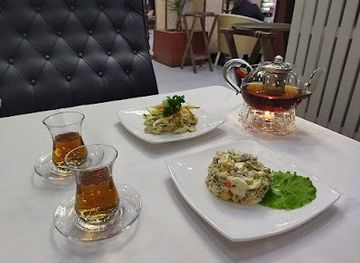
Buyuk Ipak yo'li milliy taomlari
Discover authentic Uzbek cuisine at Buyuk Ipak yo'li milliy taomlari - where every dish tells a story from the Silk Road.
-
Turkish
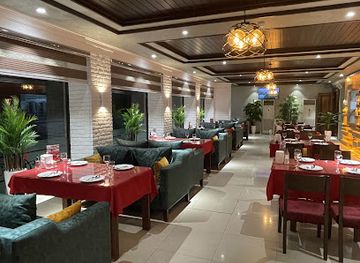
ALI BABA Turkish restaurant
Discover the flavors of Turkey at Ali Baba Turkish Restaurant in Andijan - a must-visit for food lovers seeking authentic dining experiences.
-
Restaurant
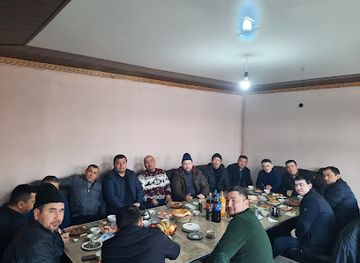
Magnit & ovo Andijon
Discover the rich culinary heritage of Uzbekistan at Magnit & ovo Andijon – where every dish tells a story.
-
Restaurant
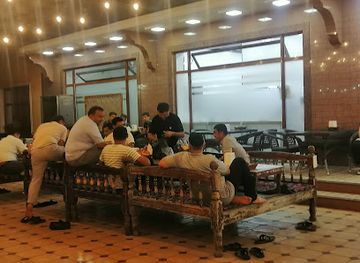
DO'STLAR choyxonasi ️
Experience authentic Uzbek culture at DO'STLAR Choyxonasi with traditional teas and delicious local cuisine in Hakkulobod.
Best bars in Andijan Region
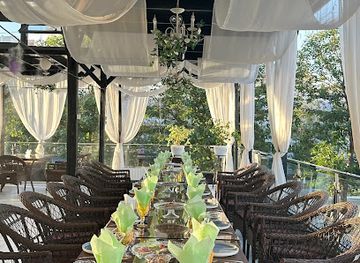
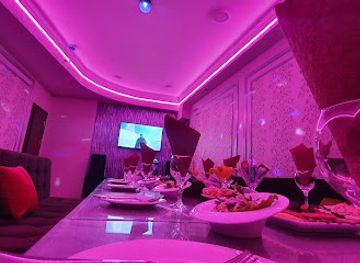
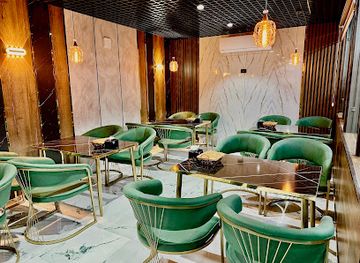
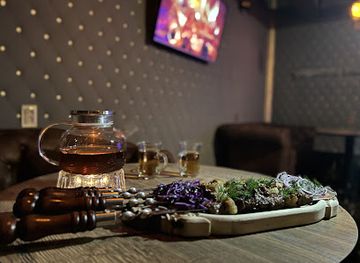
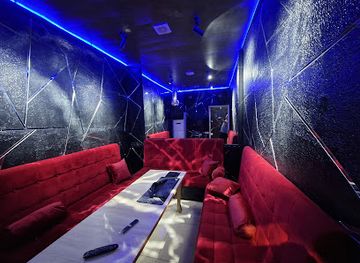
Andijan’s evening life is comparatively restrained and centred on cafés, restaurants, teahouses, family leisure venues and evening walks rather than a large nightclub scene. The city has more choice than the surrounding districts, including restaurants where people gather for dinner and non-alcoholic drinks, while smaller towns generally quieten earlier. Alcohol is available in some licensed restaurants and hotels, but it is not necessary to participate in local social life, and visitors should be discreet and respectful in a predominantly Muslim setting. Live entertainment and late-night options can change, so current information from accommodation providers is more reliable than assuming a permanent club district. In rural areas, evening culture is more likely to involve family visits, tea, food and informal conversation than commercial nightlife.
-
Bar
Bravo
Discover Bravo Bar: Andijan's vibrant hub for drinks, laughter, and unforgettable nightlife experiences.
-
Karaoke bar
Kafe-Karaoke-Bil'yard
Discover the ultimate karaoke experience at Kafe-Karaoke-Bil'yard, where music, laughter, and fun come together in Andijan's vibrant nightlife.
-
Restaurant
Toshkent Gumma-Xonim
Discover the authentic flavors of Uzbekistan at Toshkent Gumma-Xonim, a culinary treasure in Andijan, perfect for food enthusiasts and travelers alike.
-
Bar
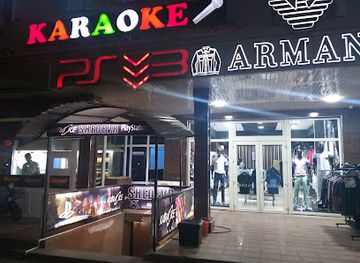
Karaoke Shedevr
Experience the vibrant nightlife at Karaoke Shedevr in Andijan, where music, laughter, and unforgettable memories await.
Best nightclubs in Andijan Region
Andijan’s evening life is comparatively restrained and centred on cafés, restaurants, teahouses, family leisure venues and evening walks rather than a large nightclub scene. The city has more choice than the surrounding districts, including restaurants where people gather for dinner and non-alcoholic drinks, while smaller towns generally quieten earlier. Alcohol is available in some licensed restaurants and hotels, but it is not necessary to participate in local social life, and visitors should be discreet and respectful in a predominantly Muslim setting. Live entertainment and late-night options can change, so current information from accommodation providers is more reliable than assuming a permanent club district. In rural areas, evening culture is more likely to involve family visits, tea, food and informal conversation than commercial nightlife.
-
Bar
Livtime
Discover the lively ambiance and unique local flavors at Livtime, a premier bar in the heart of Andijan, Uzbekistan.
-
Karaoke bar
Karaoke Bar 1001 Noch'
Experience the vibrant nightlife at Karaoke Bar 1001 Noch' in Andijan, where music and fun come together for an unforgettable evening.
-
Rock music club
Musiqa studiya
Discover the vibrant rock music scene at Musiqa Studiya in Andijan, Uzbekistan. A must-visit destination for music lovers seeking local culture and entertainment.
-
 Night club
Shaydo tovomlari
Discover the heartbeat of Uzbekistan's nightlife at Shaydo Tovomlari, where music and culture come alive in an unforgettable experience.

Best shops in Andijan Region
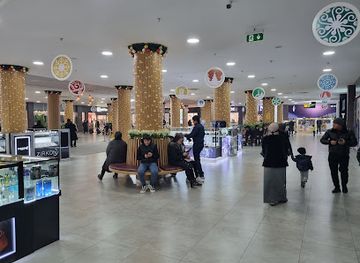
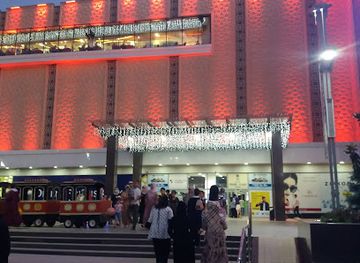
Shopping in Andijan is rooted in bazaars, market streets and the everyday commerce of the Fergana Valley. The city’s central markets are practical places to see the region’s abundance of bread, fruit, vegetables, dried produce, nuts, spices and household goods, while smaller town markets offer a more local and less formal experience. Independent shops sell Uzbek textiles, embroidered items, ceramics, woodwork, clothing and souvenirs, although the quality and provenance of craft goods vary. Visitors interested in food can look for dried fruit, nuts, honey, spices and packaged regional produce that travels well. Traditional Uzbek fabrics and embroidered textiles make useful purchases, but it is sensible to compare workmanship and ask about care requirements. Bargaining may be expected in informal markets, whereas prices in established shops are usually fixed. Andijan is better suited to practical local shopping and craft discovery than luxury retail, with the most distinctive experiences found in the relationship between market trade, agriculture and daily life.
-
Shopping mall
Navruz Mall
Explore Navruz Mall in Andijan, Uzbekistan – a dynamic shopping destination featuring diverse retail options, delicious dining, and a vibrant atmosphere.
-
Shopping mall
"O'zbegim" Trade Center
Explore the vibrant 'O'zbegim' Trade Center in Andijan for an unforgettable shopping and cultural experience in Uzbekistan.
-
Shopping mall
"Xolis" Savdo Markazi
Explore 'Xolis' Savdo Markazi in Andijan - A vibrant shopping mall offering local culture, diverse shopping, and delicious dining options.
-
Book store
Hilol Nashr Andijon filiali
Explore the vibrant literary world of Uzbekistan at Hilol Nashr Andijon, a premier bookstore showcasing local and international literature.
Get your free copy of our complete guide to Andijan Region, delivered straight to you.
Everything on this page, from attractions and restaurants to essentials and local phrases, in one PDF you can read offline, print or share.
Already have an account? Sign in
Your Andijan Region guide is ready.
We'll send it to · Not you? Sign out

Getting your guide ready…
We are putting together a fresh copy of the Andijan Region guide. This can take up to a minute.
This can take a few moments. If your browser asks, choose Allow so the download can start. You'll find the guide in your Downloads folder.
Nothing happened? Download it again
Sorry, the guide is taking longer than usual. Please try again in a minute, or get it by email instead.
Andijan Region essentials
Currency and Payment
Safety
Emergency Situations
Do's and Don'ts
Local Tips
From Eve
Local phrases worth knowing
You don't need to get them perfect. A few words go a long way, and locals appreciate the effort.
Basics
| English | Local | Say it |
|---|---|---|
| Hello | Ассалому алайкум | [Assalomu alaykum] |
| Goodbye | Хайр | [Khair] |
| Yes | Ҳа | [Ha] |
| No | Йўқ | [Yoq] |
| Please/You're welcome | Илтимос | [Iltimos] |
| Thank you | Рахмат | [Rahmat] |
| Excuse me/Sorry | Кечирасиз | [Kechirasiz] |
| How are you? | Сизнинг ҳолингиз қандай? | [Sizning holingiz qanday?] |
| Fine. And you? | Яхши. Сиз呢? | [Yaxshi. Siz呢?] |
| Do you speak English? | Сиз инглиз тилини биласизми? | [Siz ingliz tilini bilasizmi?] |
| I don't understand | Мен тушунмайман | [Men tushunmayman] |
Eating & Drinking
| English | Local | Say it |
|---|---|---|
| I'd like to see the menu, please | Менюни кўрмоқчиман, илтимос | [Menyuni ko'rmoqchiman, iltimos] |
| I don't eat meat | Мен гўшт емасман | [Men go'sht emasman] |
| Cheers! | Саломат бўлинг! | [Salomat bo'ling!] |
| I would like to pay, please | Мен тўламоқчиман, илтимос | [Men to'lamoqchiman, iltimos] |
Emergencies
| English | Local | Say it |
|---|---|---|
| Help! | Ёрдам беринг! | [Yordam bering!] |
| Go away! | Кетинг! | [Keting!] |
| Call the Police! | Полицияни чақиринг! | [Politsiyani chaqiring!] |
| Call a doctor! | Докторни чақиринг! | [Doktorni chaqiring!] |
| I'm lost | Мен йўқолдим | [Men yo'qoldim] |
| I'm ill | Мен касалман | [Men kasalman] |
Shopping
| English | Local | Say it |
|---|---|---|
| I'd like to buy... | Мен ... олиб мақсад қилмоқчиман | [Men ... olib maqsad qilmoqchiman] |
| I'm just looking | Мен фақат қараяпман | [Men faqat qarayapman] |
| How much is it? | Бу неча пул? | [Bu necha pul?] |
| That's too expensive | Бу жуда қиммат | [Bu juda qimmat] |
| Can you lower the price? | Нархига камайтиришингиз мумкинми? | [Narxiga kamaytirishingiz mumkinmi?] |
Time & Numbers
| English | Local | Say it |
|---|---|---|
| What time is it? | Соат неча? | [Soat necha?] |
| It's one o'clock | Бири соат | [Biri soat] |
| Half past (10) | Юзда (10) | [Yuzda (10)] |
| Morning | Эртала | [Ertala] |
| Afternoon | Кундуз | [Kunduz] |
| Evening | Кеча | [Kechа] |
| Yesterday | Кеча | [Kechа] |
| Today | Бугун | [Bugun] |
| Tomorrow | Эртага | [Ertaga] |
| 1 | 1 | [1] |
| 2 | 2 | [2] |
| 3 | 3 | [3] |
| 4 | 4 | [4] |
| 5 | 5 | [5] |
| 6 | 6 | [6] |
| 7 | 7 | [7] |
| 8 | 8 | [8] |
| 9 | 9 | [9] |
| 10 | 10 | [10] |
Transport & Directions
| English | Local | Say it |
|---|---|---|
| Where's a/the...? | Кўрсатинг, ... қаерда? | [Ko'rsating, ... qaerda?] |
| What's the address? | Манзилингиз нима? | [Manzilingiz nima?] |
| Can you show me (on the map)? | Менга (хартияда) кўрсатсангиз бўладими? | [Mengа (hartiyada) ko'rsatsangiz bo'ladimi?] |
| When's the next (bus)? | Кейинги (автобус) қачон? | [Keyingi (avtobus) qachon?] |
| A ticket (to ....) | Билет (.... га) | [Bilet (.... ga)] |
History of Andijan Region
Davan and the Ancient Fergana Valley
From at least the late first millennium BC, the Fergana Valley contained settled agricultural communities linked by long-distance routes across Central Asia. Chinese sources refer to the kingdom of Davan, or Dayuan, whose location is generally associated with the Fergana basin and whose horses were highly valued by the Han court. The fortified settlement of Mingtepa, near Marhamat in present-day Andijan Region, is widely identified with Ershi, Davan’s capital. Its walls, gates and excavated remains show the importance of urban defence, irrigation and organised agriculture before the arrival of Islam.
Silk Road Connections and Early Islamic Rule
The Fergana Valley stood within a wider network connecting Transoxiana, Kashgar and the routes leading towards China. Trade brought goods, techniques and religious ideas, while successive Iranian, Turkic and regional powers competed for control of the valley. Islam became the dominant religious and cultural influence after the Arab conquests and the gradual Islamisation of Central Asia, although the process unfolded over several centuries. The legacy is visible in the region’s mosque traditions, Islamic scholarship, settlement patterns and the continued importance of irrigated oasis agriculture.
The Timurid Era and Babur’s Andijan
In the late fifteenth century Andijan was an important Timurid centre in the Fergana Valley. Zahiriddin Muhammad Babur was born in Andijan in 1483 and inherited the principality of Fergana while still a child. His struggles with rival Timurid princes eventually carried him south to Kabul and, in 1526, to the foundation of Mughal rule in northern India. The Baburnama preserves valuable observations on the valley’s towns, gardens, crops and climate, making Babur both a major historical figure and an important literary witness to the region.
The Kokand Khanate and Fergana Administration
During the eighteenth and nineteenth centuries much of the Fergana Valley was governed by the Kokand Khanate. Andijan functioned as a significant town within this political and commercial system, supported by agriculture, craft production and regional trade. The period strengthened the valley’s network of bazaars, religious institutions and fortified settlements. Competition among local rulers, changing trade routes and conflict with the expanding Russian Empire altered the political balance. Surviving religious buildings and urban traditions in Andijan reflect the broader architectural and cultural world of the khanate.
Russian Conquest and the 1898 Andijan Uprising
Russian forces incorporated the Kokand Khanate into the Russian Empire in 1876, and the Fergana Valley became part of the new imperial administration. Railways, cotton cultivation and commercial reorganisation tied the region more closely to imperial markets, while taxation and political control created considerable resentment. In 1898 Andijan was the scene of a major anti-Russian uprising associated with the Naqshbandi religious leader Dukchi Ishan. The revolt was suppressed, and its aftermath brought arrests, executions and tighter state control across the valley.
Soviet Transformation and the Cotton Economy
After the Russian Revolution, Andijan became part of the Soviet reorganisation of Central Asia and later the Uzbek Soviet Socialist Republic. Collective farming, large irrigation schemes and an intensified emphasis on cotton reshaped the valley’s economy and landscape. Industrial facilities, schools, apartment districts and expanded transport links changed Andijan’s urban form, while rural livelihoods became closely tied to centrally managed agriculture. The Soviet period also brought demographic and administrative changes, but it left a lasting physical imprint in the region’s planning, irrigation infrastructure and industrial towns.
Independent Uzbekistan and Contemporary Andijan
Since Uzbekistan became independent in 1991, Andijan Region has remained an important agricultural, industrial and borderland area. The city’s identity has increasingly highlighted its connection with Babur, while modern manufacturing, food processing and trade supplement the traditional rural economy. Andijan’s location near Kyrgyzstan gives it practical importance for cross-border movement, although routes and border procedures can change. Today the region combines ancient archaeological heritage, Islamic and Timurid memory, Soviet urban infrastructure and the everyday commercial life of the Fergana Valley.
Andijan Region in Photos
Browse through our photo collection highlighting the charm and character of the destination.
Neighbouring regions of Andijan Region
The closest regions to Andijan Region, if you have time for more than one.
-

-

-

-

-


Swipe for more regions
Explore more
Explore more of Uzbekistan
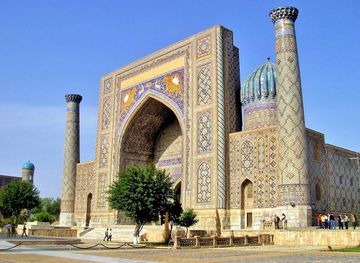
Discover Uzbekistan: A land of ancient cities, vibrant culture, and breathtaking landscapes, where history comes alive along the legendary Silk Road.
Explore Uzbekistan