

Free Fergana Valley Travel Guide & Mobile App
Explore Fergana Valley with free travel guides. Discover regional history, expert tips, proposed trips, and audio guides on web or mobile app.


Explore Uzbekistan's Fergana Valley for Kokand's palaces, Margilan silk, Rishtan ceramics, lively bazaars and fertile mountain-framed landscapes.
Read more about Fergana Valley
When is the best time to visit Fergana Valley?
Best: May–June, September · 24–29°C| Month | High (°C) | Rainfall (mm) |
|---|---|---|
| January | 4 | 20 |
| February | 8 | 18 |
| March | 14 | 25 |
| April | 19 | 30 |
| May (best) | 24 | 35 |
| June (best) | 29 | 15 |
| July | 31 | 10 |
| August | 30 | 10 |
| September (best) | 24 | 15 |
| October | 17 | 20 |
| November | 9 | 22 |
| December | 5 | 25 |
Getting to and around Fergana Valley
How to get there
Transportation
Top city travel guides in Fergana Valley
The cities of Fergana Valley, and the easiest places to base yourself.
-

-

-


Swipe for more cities
Destinations in Fergana Valley
Resorts, valleys and scenic spots worth a trip of their own.
-

-


Swipe for more destinations
Best attractions in Fergana Valley
The Uzbek Fergana Valley's attractions are spread across a chain of cities rather than concentrated in one monumental centre. Kokand provides the strongest ensemble of nineteenth-century court and religious architecture, led by Khudayar Khan Palace, the Jami Mosque complex and historic madrasas. In Margilan, the principal attraction is living textile culture: silk workshops demonstrate the production of patterned fabrics and the skills associated with traditional weaving. Rishtan is the valley's leading ceramics centre, where workshop visits can reveal distinctive glazing and decorative techniques. Andijan combines urban monuments with the history of Babur, while Namangan offers religious buildings, gardens and access to the archaeological landscape around ancient Aksikent. Chust is known for knife-making and skullcap embroidery. Beyond the cities, irrigated farmland, orchards and foothill roads provide a quieter view of the valley, although outdoor excursions require local planning and transport. The appeal lies in connecting architecture, craft, food and working landscapes rather than ticking off isolated headline attractions.
-
 Tourist attraction
Tourism
Explore the enchanting town of So'x in Uzbekistan's Fergana Region, where culture, nature, and history converge for an unforgettable travel experience.
Best landmarks in Fergana Valley
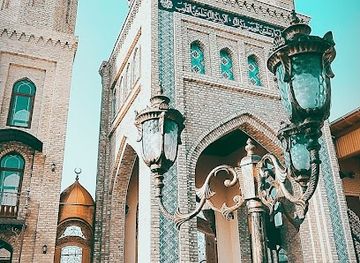
Khudayar Khan Palace in Kokand is the valley's most recognisable historic structure, a nineteenth-century royal complex whose surviving façades and decorated interiors convey the ambition of the final Kokand rulers. Nearby, Kokand's Jami Mosque and minaret form an important religious and architectural ensemble, while the Norbutabey Madrasa and associated monuments reflect the city's role as a centre of learning. In Margilan, the Sultan Ahmad Mausoleum and other historic religious sites sit within a city better known internationally for its silk tradition. Andijan's Babur memorial complex commemorates the Timurid prince born here, linking the modern city to the founder of the Mughal dynasty. The remains of ancient Aksikent near Namangan represent a far older kind of landmark: a settlement of the pre-Islamic and medieval valley whose archaeological layers show the importance of urban life and trade. In the western valley, Kokand's old religious quarters and preserved civic structures provide a strong sense of the former khanate's political importance.
-
Scenic spot
Axsikent
Explore the breathtaking landscapes and rich culture of Axsikent, a scenic spot in Namangan Region, Uzbekistan, perfect for nature lovers and adventurers.
-
Museum
Ferganskiy Oblastnoy Krayevedcheskiy Muzey
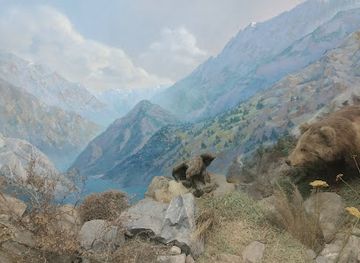
Explore the cultural and historical depths of the Ferganskiy Oblastnoy Krayevedcheskiy Muzey, a treasure trove of Uzbekistan's rich heritage.
-
Museum
Modari Khan Mausoleum
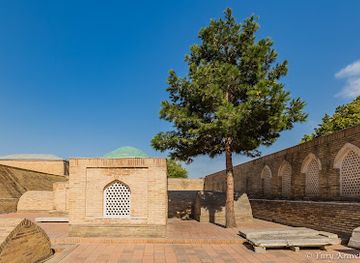
Explore the Modari Khan Mausoleum in Kokand, a stunning representation of Uzbekistan's rich history and architectural brilliance in the heart of the Fergana Valley.
-
Tourist attraction
Easternmost point of Uzbekistan
Explore the breathtaking easternmost point of Uzbekistan, where stunning landscapes meet rich cultural heritage in the Andijan region.
Explore Fergana Valley on the map
Plan your trip on one map. See where the top cities, national parks and sights are, and book hotels and experiences in a few clicks.
Best hotels in Fergana Valley
Best restaurants in Fergana Valley
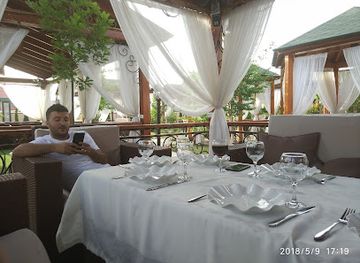
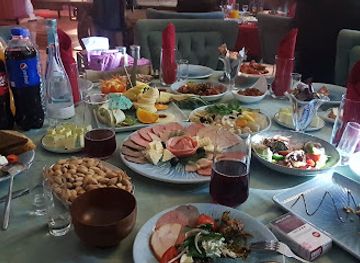
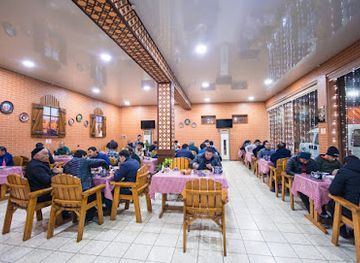
Dining in the Fergana Valley is rooted in Uzbek home cooking, market produce and the substantial food culture of the settled oasis. Pilaf, bread, noodles, dumplings, soups and grilled meats are widely available, but preparation varies between households, cities and cooks. The valley's fertile farmland supplies grapes, apricots, cherries, melons, vegetables and other seasonal produce, while bazaars are useful places to observe the relationship between agriculture and daily meals. Margilan, Andijan, Namangan and Kokand have the broadest choice of cafés, teahouses and restaurants, from informal eateries to more polished modern venues. Rural roadside establishments tend to be simple and may offer a limited menu. Tea is central to hospitality, and local bakeries and market stalls provide bread and pastries for travellers. Alcohol is available in some restaurants, but the evening dining culture is not dependent on it. Menus may not always be in English, so photographs, translation tools or help from hotel staff can be useful.
-
Restaurant
Tot Samiy Gastropub
Discover the exquisite flavors of Asian fusion and Russian cuisine at Tot Samiy Gastropub in Fergana - A true gastronomic delight!
-
Restaurant
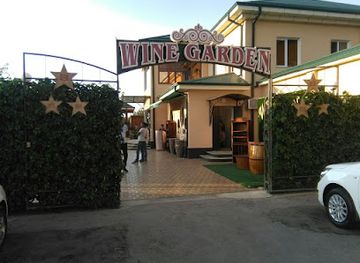
Wine Garden
Experience exquisite dining at Wine Garden in Fergana—where local flavors meet international cuisine amidst a charming atmosphere.
-
Tegal restaurant
Kapadokya
Experience authentic Uzbek cuisine at Kapadokya - where every dish tells a story in Fergana's vibrant culinary scene.
-
Restaurant
Polvon Shashlik
Discover the flavors of Uzbekistan at Polvon Shashlik in Fergana - a must-visit restaurant for authentic shashlik and local dishes.

Best bars in Fergana Valley
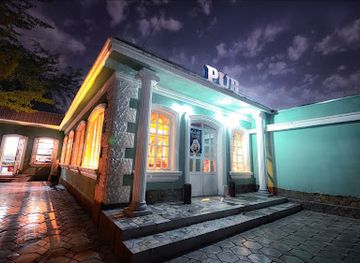
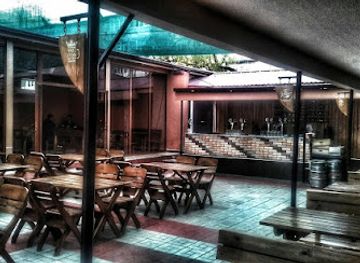
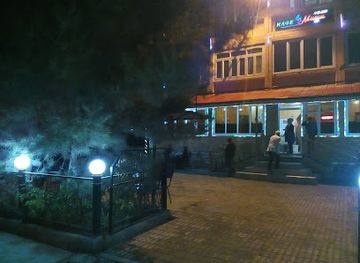
Evening life in the Fergana Valley is generally quieter and more family-oriented than the nightlife of a major international capital. Kokand, Fergana, Andijan and Namangan have restaurants, cafés, tea houses and hotel bars where residents meet after work, while larger urban areas may offer karaoke, live entertainment or a limited selection of late venues. Traditional teahouses are more significant to local social life than dedicated nightclubs, although visitors should not assume that every teahouse follows the same customs or serves alcohol. Fergana city and Namangan tend to provide the broadest urban choice, but opening arrangements and venue status can change. In smaller towns such as Rishtan, Margilan and Chust, evenings usually centre on food, conversation and family gatherings rather than clubbing. During warm weather, public parks and restaurant terraces may become important social spaces, but visitors should observe local expectations about dress and behaviour.
-
Restaurant
Tot Samiy Gastropub
Discover the vibrant fusion of Asian and Russian cuisines at Tot Samiy Gastropub in Fergana, a culinary gem that promises a delightful dining experience.
-
Restaurant
Wine Garden
Experience authentic Uzbek cuisine and a serene atmosphere at Wine Garden in Fergana, an essential stop for every traveler.
-
Bar
Beer house - Hurshid Pivo
Discover the vibrant atmosphere and local flavors at Hurshid Pivo Beer House in Fergana, Uzbekistan, the ultimate destination for beer lovers.
-
Bar
Pivnoy Bar U Dyadi Mishi
Experience the vibrant nightlife and authentic flavors of Fergana at Pivnoy Bar U Dyadi Mishi, a must-visit bar and restaurant.
Best nightclubs in Fergana Valley
Evening life in the Fergana Valley is generally quieter and more family-oriented than the nightlife of a major international capital. Kokand, Fergana, Andijan and Namangan have restaurants, cafés, tea houses and hotel bars where residents meet after work, while larger urban areas may offer karaoke, live entertainment or a limited selection of late venues. Traditional teahouses are more significant to local social life than dedicated nightclubs, although visitors should not assume that every teahouse follows the same customs or serves alcohol. Fergana city and Namangan tend to provide the broadest urban choice, but opening arrangements and venue status can change. In smaller towns such as Rishtan, Margilan and Chust, evenings usually centre on food, conversation and family gatherings rather than clubbing. During warm weather, public parks and restaurant terraces may become important social spaces, but visitors should observe local expectations about dress and behaviour.
-
Bar
Nurafshan
Discover the lively nightlife of Nurafshan in Fergana, where vibrant music and a fantastic atmosphere await you.
-
Night club
Club legenda /легенда
Discover Fergana's nightlife at Club Legenda - a lively night club with karaoke and dining for an unforgettable evening.
-
Night club
Stackhouse
Dive into the electrifying nightlife of Fergana at Stackhouse, where music, dance, and unforgettable moments await every visitor.
-
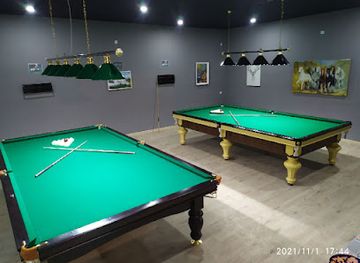
Night club
Bilyart club WoW
Discover the electrifying nightlife at Bilyart Club WoW in Yangiaba, Fergana Region—where unforgettable memories and vibrant energy come alive.

Best shops in Fergana Valley
Shopping in the Fergana Valley is closely connected with its craft towns and agricultural markets. Margilan is the principal place to look for silk textiles, including patterned fabrics and garments made through traditional weaving techniques; quality, materials and production methods vary, so ask questions before buying. Rishtan's workshops and shops sell glazed ceramics in forms ranging from household vessels to decorative pieces, and careful packing is essential for air travel. Chust is associated with handmade knives and embroidered skullcaps, while Andijan, Namangan and Kokand have larger bazaars offering dried fruit, nuts, spices, bread, clothing and household goods. Market towns are generally more useful for regional produce and practical souvenirs than for luxury retail. Bargaining may be appropriate in some independent stalls but should remain courteous. Keep receipts and check airline or customs requirements when buying larger quantities of textiles, antiques or crafted objects.
-
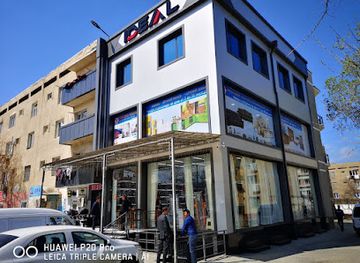
Gift shop
IDEAL chinni Farg'ona
Explore the rich craftsmanship of Uzbekistan with unique gifts and souvenirs at IDEAL chinni Farg'ona in Fergana.
-
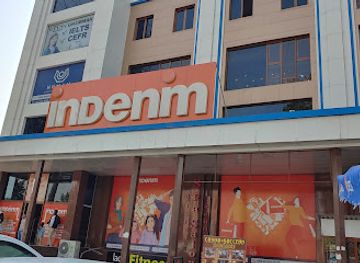
Clothing store
Indenim
Discover the latest fashion trends and unique styles at Indenim, a stylish clothing store in the heart of Fergana, Uzbekistan.
-
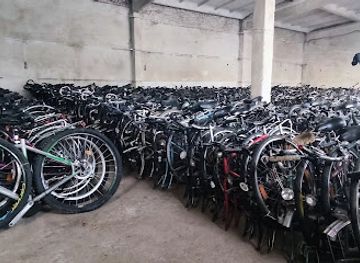
Store
Fergana velo Shop
Explore the breathtaking landscapes of Fergana Valley with top-quality bikes and expert advice at Fergana Velo Shop.
-
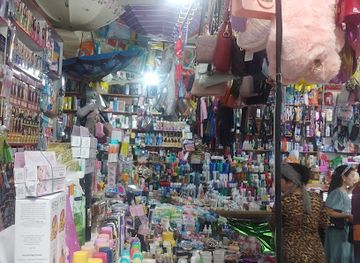
Cell phone accessory store
Mukammal Nigohi
Explore Mukammal Nigohi in Fergana, Uzbekistan – your one-stop shop for cell phone accessories, books, and unique gifts.
Get your free copy of our complete guide to Fergana Valley, delivered straight to you.
Everything on this page, from attractions and restaurants to essentials and local phrases, in one PDF you can read offline, print or share.
Already have an account? Sign in
Your Fergana Valley guide is ready.
We'll send it to · Not you? Sign out

Getting your guide ready…
We are putting together a fresh copy of the Fergana Valley guide. This can take up to a minute.
This can take a few moments. If your browser asks, choose Allow so the download can start. You'll find the guide in your Downloads folder.
Nothing happened? Download it again
Sorry, the guide is taking longer than usual. Please try again in a minute, or get it by email instead.
Fergana Valley essentials
Currency and Payment
Safety
Emergency Situations
Do's and Don'ts
Local Tips
From Eve
Local phrases worth knowing
You don't need to get them perfect. A few words go a long way, and locals appreciate the effort.
Basics
| English | Local | Say it |
|---|---|---|
| Hello | Salom | [Sah-lom] |
| Goodbye | Xayr | [Khah-eer] |
| Yes | Ha | [Hah] |
| No | Yo'q | [Yohk] |
| Please/You're welcome | Iltimos | [Il-ti-mos] |
| Thank you | Rahmat | [Rah-mat] |
| Excuse me/Sorry | Kechirasiz | [Keh-chee-rah-siz] |
| How are you? | Qandaysiz? | [Khan-dai-siz] |
| Fine. And you? | Yaxshi. Sizni? | [Yakh-shee. Siz-nee?] |
| Do you speak English? | Inglizcha gaplashasizmi? | [In-gliz-cha gap-lah-sha-siz-mee?] |
| I don't understand | Men tushunmayapman | [Men too-shoon-mah-yap-man] |
Eating & Drinking
| English | Local | Say it |
|---|---|---|
| I'd like to see the menu, please | Menyu bilan tanishmoqchiman, iltimos | [Men-yu bee-lan ta-neesh-mok-chi-man, il-ti-mos] |
| I don't eat meat | Men go'sht yemayman | [Men go-sht ye-mai-man] |
| Cheers! | Salomat bo'ling! | [Sa-lo-mat bo-ling] |
| I would like to pay, please | To'lov qilmoqchiman, iltimos | [To-lo-v keel-mok-chi-man, il-ti-mos] |
Emergencies
| English | Local | Say it |
|---|---|---|
| Help! | Yordam kerak! | [Yor-dam keh-rak] |
| Go away! | Ket! | [Ket] |
| Call the Police! | Politsiyani chaqiring! | [Po-lit-see-ya-nee cha-ki-ring] |
| Call a doctor! | Doktor chaqiring! | [Dok-tor cha-ki-ring] |
| I'm lost | Men yo'qoldim | [Men yoq-kol-dim] |
| I'm ill | Men kasalman | [Men ka-sal-man] |
Shopping
| English | Local | Say it |
|---|---|---|
| I'd like to buy... | Men ... sotib olmoqchiman | [Men ... so-tib ol-mok-chi-man] |
| I'm just looking | Men shunchaki qarayapman | [Men shun-cha-ki ka-ra-yap-man] |
| How much is it? | Bu qancha turadi? | [Bu khan-cha tu-ra-di?] |
| That's too expensive | Bu juda qimmat | [Bu joo-da kim-mat] |
| Can you lower the price? | Narxni pasaytira olasizmi? | [Nar-kh-nee pah-sah-it-rah oh-la-siz-mee?] |
Time & Numbers
| English | Local | Say it |
|---|---|---|
| What time is it? | Soat nechida? | [So-at ne-chi-da?] |
| It's one o'clock | Bir soat | [Bir so-at] |
| Half past (10) | O'n besh | [Ohn besh] |
| Morning | Tong | [Tong] |
| Afternoon | Peshin | [Pe-shin] |
| Evening | Kechqurun | [Kech-ku-run] |
| Yesterday | Kecha | [Ke-cha] |
| Today | Bugun | [Bu-gun] |
| Tomorrow | Ertaga | [Er-ta-ga] |
| 1 | Birinchi | [Bi-rin-chi] |
| 2 | Ikkinchi | [Ik-kin-chi] |
| 3 | Uchinch | [U-chin-ch] |
| 4 | To'rtinchi | [To'r-tin-chi] |
| 5 | Beshinchi | [Besh-in-chi] |
| 6 | Oltiinchi | [Ol-tin-chi] |
| 7 | Yettiinchi | [Yet-tin-chi] |
| 8 | Sakkizinchi | [Sak-ki-zin-chi] |
| 9 | To'qqizinchi | [To'kki-zin-chi] |
| 10 | O'ninchi | [Ohn-in-chi] |
Transport & Directions
| English | Local | Say it |
|---|---|---|
| Where's a/the...? | Nerada ...? | [Ne-ra-da ...?] |
| What's the address? | Manzil nima? | [Man-zil nee-ma?] |
| Can you show me (on the map)? | Menga (kartada) ko'rsatib bera olasizmi? | [Men-ga (kar-ta-da) ko'r-sa-tib be-ra o-la-siz-mee?] |
| When's the next (bus)? | Keyingi (avtobus) qachon? | [Keh-yin-gi (av-to-bus) ka-choon?] |
| A ticket (to ....) | Bir chipta (....) | [Bir chip-ta (....)] |
History of Fergana Valley
Early Settlement and the Kingdom of Dayuan
The Fergana Valley has supported settled cultivation for thousands of years, made possible by mountain water and extensive irrigation. Chinese historical sources described the valley's ancient state of Dayuan, or Ferghana, during the Han period, praising its agricultural wealth and famous horses. The area was connected to long-distance exchange routes running between China, Central Asia and western lands, although these routes were not a single fixed road. Archaeological sites, including ancient Aksikent in present-day Namangan Region, reveal urban settlement, craft production and fortified centres that predate the Islamic period by many centuries.
Islamic Cities and Transoxanian Rule
From the early medieval period, the valley became increasingly integrated into the Islamic cultural world. Towns developed mosques, markets, schools and urban craft quarters, while successive Persianate and Turkic dynasties competed for control of its productive farmland and strategic routes. The wider region was influenced by the Samanids, Karakhanids, Mongol successors and Timurids. Islamic scholarship, agricultural administration and commercial exchange left a durable imprint on the valley's towns, even though many early buildings have been lost or rebuilt. The architectural traditions later visible in Kokand, Andijan and Namangan grew from this long urban history.
Babur and the Timurid Legacy
Zahiriddin Muhammad Babur was born in Andijan in 1483 as a Timurid prince. He inherited the principality of Fergana while still young and became involved in the political struggles of Central Asia before establishing himself in Kabul and eventually founding the Mughal Empire in South Asia. Babur's memoir, the Baburnama, provides an important account of the landscapes, cities and political culture of the region. His connection with Andijan remains a major element of local historical identity, although his later imperial career extended far beyond the Fergana Valley.
The Rise of the Kokand Khanate
The Kokand Khanate emerged in the eighteenth century and made the western and central Fergana Valley its political heartland. Kokand became a court city with palaces, mosques, madrasas, mausoleums and administrative compounds, while the khanate controlled important agricultural districts and trade routes. Its rulers expanded their influence across parts of the wider valley and into surrounding mountain corridors. The monumental Khudayar Khan Palace, built in the nineteenth century, represents the later court's ambition. Kokand's architectural remains provide the clearest physical expression of this period in the Uzbek part of the valley.
Russian Conquest and Imperial Reorganisation
Russian military expansion into Central Asia brought the Kokand Khanate into conflict with the Russian Empire. Kokand was annexed in 1876 after a period of intervention and revolt, and its territory was reorganised within the imperial administration of Turkestan. Russian rule introduced new military and bureaucratic structures, commercial connections and forms of agricultural development, while also disrupting the political order of the khanate. The valley remained predominantly Muslim and Uzbek-speaking in many districts, but imperial settlement, trade and administration added new population groups and institutions to its urban life.
Soviet Borders, Cotton and Industrialisation
After the Russian Revolution, Soviet national-territorial delimitation placed the Uzbek portion of the valley mainly within the Uzbek Soviet Socialist Republic, while neighbouring areas were assigned to Kyrgyzstan and Tajikistan. The new borders crossed an historically interlinked region and later affected movement, trade and family connections. Soviet economic planning expanded irrigation, cotton cultivation, food processing and manufacturing, while Andijan, Namangan and Fergana grew as administrative and industrial centres. The emphasis on cotton also created serious environmental and social pressures, part of the wider ecological history of Soviet Central Asia.
Independent Uzbekistan and a Renewed Craft Economy
Since Uzbekistan became independent in 1991, the Fergana Valley has retained its importance as a major agricultural, manufacturing and population centre. Urban expansion has accompanied efforts to preserve historic monuments and promote regional crafts. Silk weaving in Margilan, ceramics in Rishtan and knife-making in Chust are increasingly presented as cultural assets as well as working traditions. The valley's position near international borders remains economically significant, although crossing into Kyrgyzstan or Tajikistan involves separate immigration rules and should not be assumed to be a simple extension of domestic travel.
Fergana Valley in Photos
Browse through our photo collection highlighting the charm and character of the destination.
Neighbouring regions of Fergana Valley
The closest regions to Fergana Valley, if you have time for more than one.
-

-

-

-

-


Swipe for more regions
Explore more
Explore more of Uzbekistan
Discover Uzbekistan: A land of ancient cities, vibrant culture, and breathtaking landscapes, where history comes alive along the legendary Silk Road.
Explore Uzbekistan