

Shefa Province Travel Guide - Free Web & App
Your ultimate guide to Shefa Province. Discover top landmarks, proposed trips, and local tips. Free on the web or via the Evendo companion app.


Shefa Province, Vanuatu, combines Port Vila, Efate’s lagoons and waterfalls, coral islands, village culture, volcanic landscapes and ocean adventures.
Islands and Ocean Landscapes
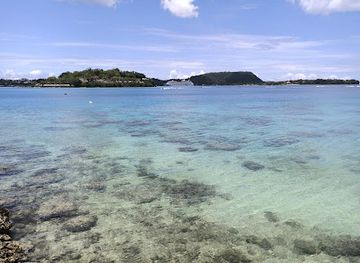
Shefa Province occupies a broad central section of Vanuatu, centred on Efate and extending across the Shepherd Islands and other offshore islands, including Epi. Its best-known gateway is Port Vila, the country’s compact capital, but the province quickly becomes rural beyond the town: Efate’s circular roads pass through coconut groves, villages, beaches, limestone coast, inland forest and sheltered lagoons. Warm Pacific water, fringing reefs and volcanic islands define the seaward character of the province, while freshwater pools and waterfalls provide a contrasting inland experience.Read more about Shefa Province
History and Living Culture
Exploring the Province
When is the best time to visit Shefa Province?
Best: June–August · 27–28°C| Month | High (°C) | Rainfall (mm) |
|---|---|---|
| January | 29 | 176 |
| February | 29 | 180 |
| March | 29 | 185 |
| April | 29 | 188 |
| May | 28 | 185 |
| June (best) | 28 | 180 |
| July (best) | 27 | 176 |
| August (best) | 27 | 178 |
| September | 28 | 180 |
| October | 28 | 185 |
| November | 29 | 188 |
| December | 29 | 185 |
Getting to and around Shefa Province
How to get there
Transportation
Best attractions in Shefa Province
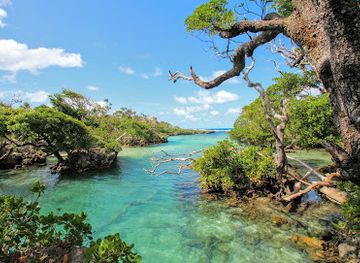
Port Vila provides access to Shefa’s broadest range of attractions, from the waterfront and markets to Erakor Lagoon, where calm water and nearby villages shape a distinctly maritime landscape. On western Efate, Mele Cascades is known for its series of freshwater pools and falls amid tropical vegetation, while the Blue Lagoon offers a striking swimming setting where access and conditions should be checked locally. The Efate ring road links beaches, coastal viewpoints and rural communities, making the journey itself part of the experience. Hideaway Island is associated with reef excursions and underwater experiences close to Port Vila, while Lelepa, Nguna and Pele offer village visits, forest walks and marine environments through local arrangements. Chief Roi Mata’s Domain, including sites on Efate, Lelepa and Retoka, adds a major cultural and archaeological dimension. Epi, farther north in the province, has a quieter island character and is known for opportunities connected with beaches, reefs and marine wildlife.
-
Tourist attraction
Top Rock
Explore Top Rock in Saama, a breathtaking tourist attraction offering stunning views and a serene escape into nature's beauty.
-
Tour operator
Roawia Turtle and snorkelling tours Vanuatu
Dive into the enchanting underwater world of Vanuatu with Roawia Turtle and Snorkelling Tours, where vibrant marine life awaits.
-
Museum
Turtle Sanctuary
Explore the Turtle Sanctuary in Port Vila, a vital conservation hub dedicated to rescuing and rehabilitating turtles while promoting marine education.
-
Tourist attraction
Honeymoon Beach
Experience the ultimate tropical escape at Honeymoon Beach on Erakor Island, where stunning sands and crystal waters await your visit.



Best landmarks in Shefa Province
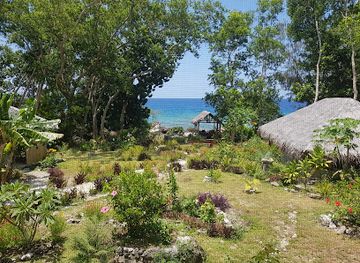
Shefa’s defining landmarks combine natural features with sites of exceptional cultural importance. Mele Cascades is a recognisable inland landmark on Efate, where a sequence of waterfalls and pools cuts through lush vegetation, while the Blue Lagoon expresses the island’s meeting of freshwater and coastal landscape. The sheltered waters of Erakor Lagoon and Mele Bay are central to Port Vila’s geography, and offshore islands such as Lelepa, Nguna, Pele and Retoka give the province its dispersed maritime character. Chief Roi Mata’s Domain is the outstanding historical and cultural landmark: its associated places on Efate, Lelepa and Retoka preserve the memory of a chiefly landscape and form a UNESCO World Heritage Site. Port Vila’s harbour and surviving traces of its colonial and wartime development provide a human counterpoint to Efate’s beaches, reefs and volcanic terrain.
-
Swimming facility
Blue Lagoon
Experience the enchanting beauty of Blue Lagoon, Vanuatu's premier swimming facility, offering crystal-clear waters and a serene tropical escape.
-
Resort hotel
Iririki Island Resort
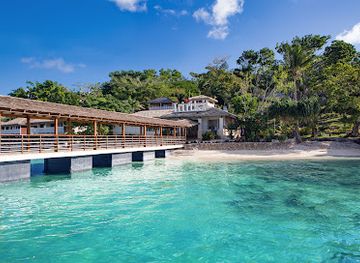
Experience the ultimate island retreat at Iririki Island Resort, where luxury meets nature in the heart of Vanuatu's stunning landscapes.
-
Resort hotel
Warwick Le Lagon - Vanuatu
Experience the ultimate tropical getaway at Warwick Le Lagon, where luxury meets adventure on the stunning shores of Vanuatu.
-
Cafe
Nambawan Café
Discover Nambawan Café in Port Vila, where stunning seafront views meet delicious local cuisine in a relaxed and friendly atmosphere.
Explore Shefa Province on the map
Plan your trip on one map. See where the top attractions, landmarks, restaurants and hotels are, and book hotels and experiences in a few clicks.
Best hotels in Shefa Province
Best restaurants in Shefa Province
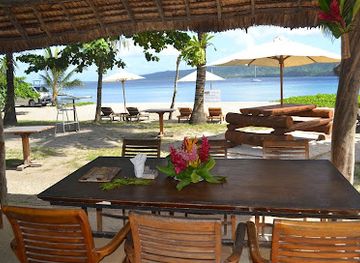
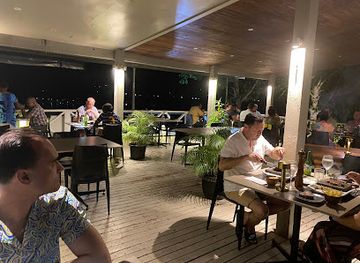
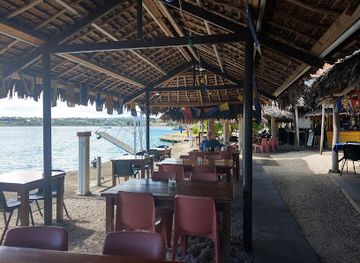
Port Vila is Shefa’s principal dining centre, with restaurants, cafés, bakeries and hotel venues drawing on ni-Vanuatu produce alongside French, Asian and wider Pacific influences. Local food commonly includes root crops such as manioc, taro and yam, tropical fruit, coconut, island-grown vegetables and seafood, while lap-lap remains an important traditional dish prepared from grated root crops and cooked with meat, fish or vegetables. Markets and small food stalls can provide a more direct introduction to everyday ingredients, though opening patterns vary. Outside the capital, eating options are more limited and are often connected with guesthouses, resorts, cultural excursions or village arrangements rather than a formal restaurant scene. Travellers to Efate’s rural coast and the outer islands should plan meals with their accommodation or host and carry suitable supplies when travelling far from Port Vila.
-
Family-friendly
The Beach Bar
Discover The Beach Bar in Vanuatu – A family-friendly haven offering delicious cuisine and stunning ocean views for unforgettable moments.
-
Restaurant
The Stonegrill Restaurant
Experience the unique taste of Vanuatu with sizzling beef served on hot stones at The Stonegrill Restaurant in Port Vila.
-
Restaurant
Waterfront Bar and Grill
Experience exquisite local cuisine with stunning waterfront views at Waterfront Bar and Grill in Port Vila.
-
Restaurant
Reefers Restaurant & Rum Bar
Experience the vibrant flavors and tropical ambiance at Reefers Restaurant & Rum Bar in Port Vila - A must-visit culinary destination!
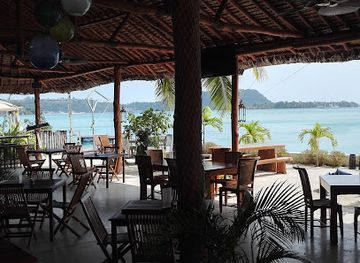
Best bars in Shefa Province
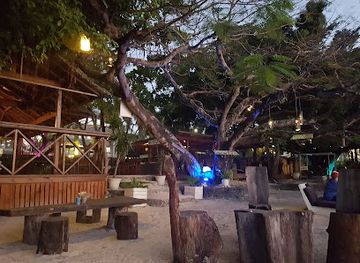
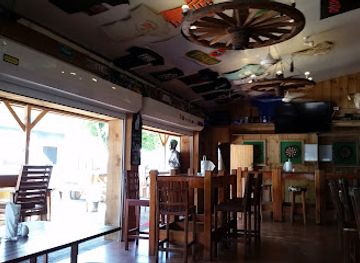
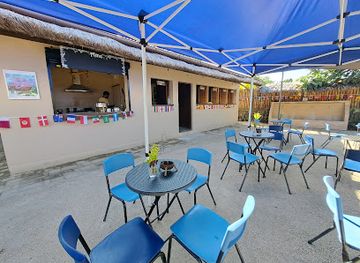
Port Vila has Shefa’s most developed evening scene, centred on hotel bars, waterfront venues, restaurants and informal local meeting places rather than a large club district. Visitors may find live music, island-style performances and social events, but availability changes and should not be assumed outside the capital. In Efate’s villages and outer-island communities, evenings are generally quieter, with time spent at accommodation, around a nakamal or at locally arranged cultural gatherings. Nakamals are traditional kava-drinking places, and visitors should follow local etiquette and understand that kava is a cultural drink rather than a conventional nightlife product. Bars and entertainment are much less common on remote islands, where darkness, limited transport and community routines shape the evening atmosphere.
-
Bar
Banyan Beach Bar
Discover the vibrant atmosphere of Banyan Beach Bar, where tropical cocktails meet stunning ocean views in the heart of Port Vila.
-
Bar
War Horse Saloon
Discover the vibrant nightlife at War Horse Saloon in Port Vila, where locals and tourists come together for unforgettable experiences.
-
Cocktail bar
Stone Lounge
Experience the best cocktails in Port Vila at Stone Lounge, where tropical vibes meet creative concoctions in a stunning setting.
-
Bar
Kava Lounge
Discover the essence of Vanuatu at Kava Lounge, your destination for authentic kava and local spirits in Port Vila's vibrant atmosphere.
Best nightclubs in Shefa Province
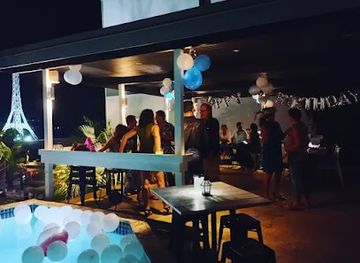
Port Vila has Shefa’s most developed evening scene, centred on hotel bars, waterfront venues, restaurants and informal local meeting places rather than a large club district. Visitors may find live music, island-style performances and social events, but availability changes and should not be assumed outside the capital. In Efate’s villages and outer-island communities, evenings are generally quieter, with time spent at accommodation, around a nakamal or at locally arranged cultural gatherings. Nakamals are traditional kava-drinking places, and visitors should follow local etiquette and understand that kava is a cultural drink rather than a conventional nightlife product. Bars and entertainment are much less common on remote islands, where darkness, limited transport and community routines shape the evening atmosphere.
-
Bar
Banyan Beach Bar
Experience the vibrant atmosphere and stunning ocean views at Banyan Beach Bar in Port Vila, Vanuatu's tropical paradise.
-
Cocktail bar
Stone Lounge
Discover the vibrant nightlife and exquisite cocktails at Stone Lounge, the ultimate cocktail bar in Port Vila, Vanuatu.
-
Bar
Kava Lounge
Discover the heart of Vanuatu's nightlife at Kava Lounge, where culture meets vibrant socializing in Port Vila.
-
Bar
Sano's Kava Bar
Experience the authentic taste of Vanuatu at Sano's Kava Bar, the perfect place to unwind and connect with local culture.


Best shops in Shefa Province
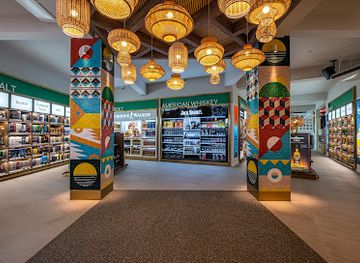
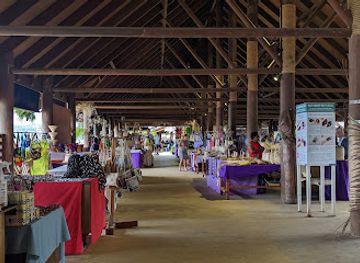
Shopping is concentrated in Port Vila, where visitors can browse markets, small supermarkets, independent shops, galleries and outlets connected with local crafts and tourism. Fresh produce, tropical fruit, woven goods, carvings, textiles, shell products and contemporary artworks may be sold through different outlets, although products and opening patterns vary. The central market is particularly useful for seeing the ingredients that underpin everyday Vanuatu cooking, while handicrafts can offer a more direct connection with island materials and artistic traditions. Outside the capital, retail facilities are sparse; village stalls, small stores, resort shops and community-run craft sales are more likely than permanent shopping districts. Ask about the origin of locally made products and never purchase archaeological objects, protected wildlife products, coral or items taken from customary land without clear permission.
-
Gift shop
Fung Kuei Duty Free
Explore Fung Kuei Duty Free in Port Vila for a unique shopping experience with a variety of duty-free goods, local crafts, and luxury items at unbeatable prices.
-
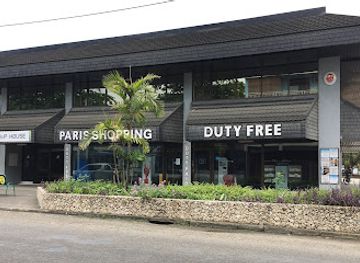
Duty free store
Paris Shopping - Duty Free Vanuatu
Discover luxury shopping at Duty Free Vanuatu with unmatched prices on perfumes, spirits, and souvenirs in the heart of Port Vila.
-
Store
Pandanus Vanuatu Ltd
Explore Pandanus Vanuatu Ltd for a unique shopping experience featuring local handbags, jewelry, and souvenirs that capture the spirit of Vanuatu.
-
Shopping mall
Handicraft Market
Explore the Handicraft Market in Port Vila for unique Vanuatu souvenirs, handmade crafts, and a taste of local culture.
Get your free copy of our complete guide to Shefa Province, delivered straight to you.
Everything on this page, from attractions and restaurants to essentials and local phrases, in one PDF you can read offline, print or share.
Already have an account? Sign in
Your Shefa Province guide is ready.
We'll send it to · Not you? Sign out

Getting your guide ready…
We are putting together a fresh copy of the Shefa Province guide. This can take up to a minute.
This can take a few moments. If your browser asks, choose Allow so the download can start. You'll find the guide in your Downloads folder.
Nothing happened? Download it again
Sorry, the guide is taking longer than usual. Please try again in a minute, or get it by email instead.
Shefa Province essentials
Currency and Payment
Safety
Emergency Situations
Do's and Don'ts
Local Tips
From Eve
Local phrases worth knowing
You don't need to get them perfect. A few words go a long way, and locals appreciate the effort.
Basics
| English | Local | Say it |
|---|---|---|
| Hello | Halo | [ha-lo] |
| Goodbye | Aloha | [a-lo-ha] |
| Yes | Ia | [ee-a] |
| No | Tale | [ta-le] |
| Please/You're welcome | Tangis Blo Yu | [tan-gis blo yu] |
| Thank you | Tankiu | [tan-kiu] |
| Excuse me/Sorry | Sori | [so-ri] |
| How are you? | Olsem wanem yu? | [ol-sem wa-nem yu] |
| Fine. And you? | I gud. Yu gud? | [i gud. yu gud] |
| Do you speak English? | Yu save toktok long Inglish? | [yu sa-ve tok-tok long ing-lish] |
| I don't understand | Mi no save | [mi no sa-ve] |
Eating & Drinking
| English | Local | Say it |
|---|---|---|
| I'd like to see the menu, please | Mi wantem lukim menyu, plis | [mi wan-tem lu-kim men-yu, pls] |
| I don't eat meat | Mi no kakae mit | [mi no ka-kae mit] |
| Cheers! | Waet man | [waet man] |
| I would like to pay, please | Mi wantem pei, plis | [mi wan-tem pei, pls] |
Emergencies
| English | Local | Say it |
|---|---|---|
| Help! | Helpem mi! | [hel-pem mi] |
| Go away! | Harem go we? | [ha-rem go we] |
| Call the Police! | Kole Polis! | [ko-le po-lis] |
| Call a doctor! | Kole dokta! | [ko-le dok-ta] |
| I'm lost | Mi las | [mi las] |
| I'm ill | Mi sik | [mi sik] |
Shopping
| English | Local | Say it |
|---|---|---|
| I'd like to buy... | Mi wantem blong... | [mi wan-tem blong] |
| I'm just looking | Mi jes lukim | [mi jes lu-kim] |
| How much is it? | Hao moa long hem? | [hao moa long hem] |
| That's too expensive | Hem ia plenti sik | [hem ia plen-ti sik] |
| Can you lower the price? | Yu save kisim daon pris? | [yu sa-ve ki-sim daon pris] |
Time & Numbers
| English | Local | Say it |
|---|---|---|
| What time is it? | Samting taem ia? | [sam-ting taem ia] |
| It's one o'clock | Em wan o'klok | [em wan o-klok] |
| Half past (10) | Haf past (10) | [haf past (10)] |
| Morning | Mornin | [mor-nin] |
| Afternoon | Aftanun | [af-ta-nun] |
| Evening | Ivinin | [i-vi-nin] |
| Yesterday | Yesde | [yes-de] |
| Today | Tudei | [tu-dei] |
| Tomorrow | Tomoro | [to-mo-ro] |
| 1 | Wan | [wan] |
| 2 | Tu | [tu] |
| 3 | Tri | [tri] |
| 4 | Fo | [fo] |
| 5 | Faiv | [faiv] |
| 6 | Siks | [siks] |
| 7 | Seven | [se-ven] |
| 8 | Eit | [eit] |
| 9 | Nain | [nain] |
| 10 | Ten | [ten] |
Transport & Directions
| English | Local | Say it |
|---|---|---|
| Where's a/the...? | Wea hem...? | [wea hem] |
| What's the address? | Wea ia dis adress? | [wea ia dis ad-dress] |
| Can you show me (on the map)? | Yu save soem mi (long map)? | [yu sa-ve so-em mi long map] |
| When's the next (bus)? | Taem ia bus ia kum? | [taem ia bus ia kum] |
| A ticket (to ....) | Wan tiket (long ....) | [wan ti-ket long] |
History of Shefa Province
Volcanic Islands and Early Settlement
Shefa’s islands are part of the Vanuatu arc, formed by tectonic activity where the Pacific plate is subducted beneath the Australian plate. Human history arrived much later, with Lapita communities reaching the archipelago roughly three thousand years ago. Their pottery, seafaring knowledge and settlement networks mark the beginning of a long relationship between island communities, forests, reefs and fertile coastal land. Archaeological sites across Vanuatu demonstrate that early inhabitants moved between islands and maintained connections across the ocean rather than living in isolated communities.
Customary Society and Roi Mata
Before European rule, Efate and its neighbouring islands were organised through chiefly authority, kinship, customary landholding and exchange. The history associated with Roi Mata is especially important in Shefa. According to oral traditions, Roi Mata helped end conflict in the Efate region and was buried at Retoka, also known as Hat Island, after his death. The associated sites on Efate, Lelepa and Retoka form Chief Roi Mata’s Domain, inscribed by UNESCO in 2008. The designation recognises both archaeological evidence and continuing cultural traditions rather than a single monument.
Missionaries, Traders and Colonial Rule
European contact intensified during the nineteenth century through missionaries, traders and labour recruiters, bringing Christianity, new commercial relationships and severe disruption to established communities. From 1906, Vanuatu was administered under the Anglo-French Condominium, known informally as the New Hebrides. Port Vila developed as the principal administrative and commercial centre of the central islands, while Efate’s rural communities continued to depend on customary land, gardening, fishing and inter-island exchange. The colonial period left a distinctive French and British institutional legacy that remains visible in language, law and public life.
War, Aviation and Port Vila’s Growth
During the Second World War, the New Hebrides became an important Allied staging area in the Pacific. Efate hosted major American military facilities, including airfields, roads, wharves and support infrastructure. The wartime presence accelerated Port Vila’s growth and altered the island’s transport landscape, although much of the military apparatus was later removed or abandoned. After the war, the town increasingly served as the commercial and administrative focus of the central archipelago, linking Efate with the Shepherd Islands and other parts of what would become Vanuatu.
Independence and Environmental Change
The New Hebrides became the independent Republic of Vanuatu on 30 July 1980, and Port Vila became the national capital. Since independence, Shefa has experienced expanding tourism, urban growth around Port Vila and continuing development of roads and marine services. Cyclone Pam in 2015 caused extensive damage across Efate and neighbouring islands, highlighting the province’s exposure to tropical cyclones and climate pressures. Conservation, customary ownership and tourism now intersect in places such as Chief Roi Mata’s Domain, marine areas and community-managed cultural attractions.
Shefa Province in Photos
Browse through our photo collection highlighting the charm and character of the destination.
Cities in Shefa Province
The towns and cities of Shefa Province, and the easiest places to base yourself.

Swipe for more cities
Neighbouring destination travel guides
The closest destinations to Shefa Province, if you have time for more than one.
-

-

-

-

-


Swipe for more destinations
Explore more

Explore more of Shefa
Discover Shefa, Vanuatu's tropical gem, where pristine beaches, vibrant culture, and thrilling adventures await in this island paradise.
Explore Shefa
Explore more of Vanuatu
Discover Vanuatu, a pristine South Pacific paradise with breathtaking beaches, vibrant culture, thrilling adventures, and some of the world's best diving spots.
Explore Vanuatu