

Free Montpelier Travel Guide & Mobile App
Plan your Montpelier trip with Evendo. Get free guides to top attractions, restaurants, hotels, and bars. Web access or download the mobile app.


Montpelier, Vermont, pairs a golden-domed State House with river walks, local museums, independent shops and Green Mountain culture in a compact capital.
A Small Capital with a Strong Identity
Montpelier, the capital of Vermont, occupies a compact valley where the Winooski River meets the North Branch. Its scale is intimate: the central streets, government buildings, cafés, galleries and bookshops are close enough to explore on foot, while wooded hills rise almost immediately beyond the neighbourhoods. The city’s best-known landmark is the Vermont State House, whose gilded dome and formal gardens form a distinctive centrepiece for the downtown skyline.Read more about Montpelier
History in Brick, Stone and Wood
River Walks and Local Culture
When is the best time to visit Montpelier?
Best: June–August · 25–27°C| Month | High (°C) | Rainfall (mm) |
|---|---|---|
| January | -3 | 60 |
| February | -1 | 50 |
| March | 4 | 70 |
| April | 12 | 80 |
| May | 19 | 90 |
| June (best) | 25 | 100 |
| July (best) | 27 | 100 |
| August (best) | 26 | 100 |
| September | 21 | 90 |
| October | 13 | 80 |
| November | 5 | 70 |
| December | 0 | 60 |
Getting to and around Montpelier
How to get there
Transportation
Best attractions in Montpelier
Montpelier’s principal attractions are concentrated within easy reach of the downtown core. The Vermont State House offers a close look at Vermont government, nineteenth-century interiors and the gold-painted dome visible above the city. At the Vermont Historical Society Museum, exhibits trace the state’s Indigenous, agricultural, industrial and political stories through objects and interpretation. Hubbard Park begins behind the State House and covers wooded slopes with walking trails leading to a stone observation tower and broad views over Montpelier. Along the river, the Winooski and North Branch corridors provide a changing perspective on the city’s bridges, mill-era development and relationship with water. The T.W. Wood Gallery presents changing exhibitions connected with Vermont’s artistic life, while Lost Nation Theater contributes plays and performances in the downtown cultural scene. Main Street itself rewards unhurried exploration, with brick commercial buildings, cafés, independent shops and civic architecture gathered in a compact walkable setting.
-
Sugar shack
Morse Farm Maple Sugarworks
Experience the sweet tradition of Vermont at Morse Farm Maple Sugarworks, where maple syrup and local flavors come to life.
10 min drive · 3.2 km from city centre
-
Tourist attraction
Hubbard Park
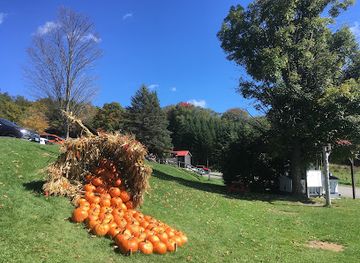
Explore the natural beauty and recreational offerings of Hubbard Park in Montpelier, Vermont, a perfect family-friendly destination in the heart of the city.
6 min walk · 0.4 km from city centre
-
Tourist attraction
Vermont Historical Society Museum
Explore Vermont's captivating history at the Vermont Historical Society Museum, featuring engaging exhibits and artifacts that celebrate the state's rich heritage.
10 min walk · 0.8 km from city centre
-
Tourist attraction
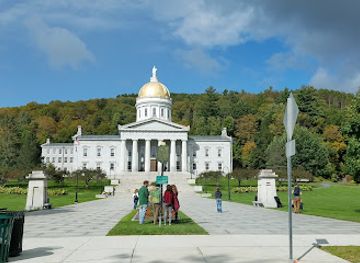
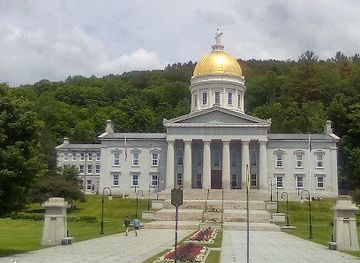
Vermont State House
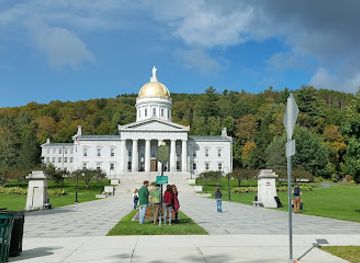
Explore the Vermont State House, an architectural marvel and historical landmark in Montpelier, showcasing the state's rich heritage and governance.
10 min walk · 0.8 km from city centre

Best landmarks in Montpelier
The Vermont State House is Montpelier’s defining landmark, its Greek Revival design, classical portico and gilded dome expressing the civic ambitions of nineteenth-century Vermont. The building’s grounds and surrounding government quarter create a formal contrast with the compact commercial streets below. Hubbard Park’s stone tower, built on the wooded hillside behind the State House, is a more informal symbol of the city and provides a physical link between downtown government and the Green Mountain landscape. The downtown churches, brick commercial blocks and civic buildings along State Street and Main Street record the growth of Montpelier as a nineteenth-century capital and trading centre. Bridges over the Winooski and North Branch are also important features of the cityscape: they reveal how transport, settlement and flood risk have always been tied to the rivers. Together these structures give Montpelier a recognisable architectural and geographical identity.
-
 Hotel
HotelCapitol Plaza Hotel Montpelier, Tapestry Collection by Hilton
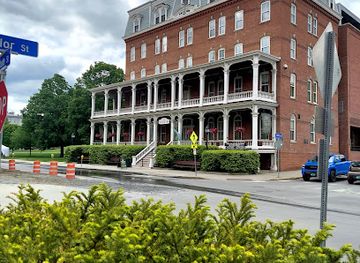
Discover the charm of Montpelier from the comfort of Capitol Plaza Hotel, a perfect blend of hospitality and modern convenience.
10 min walk · 0.8 km from city centre
-
Sugar shack
Morse Farm Maple Sugarworks
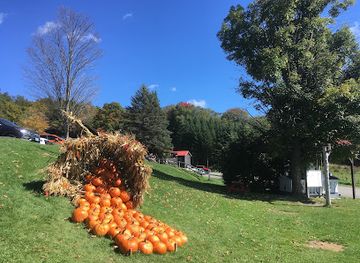
Experience the sweet tradition of maple sugaring at Morse Farm Maple Sugarworks, a delightful Vermont destination for all ages.
10 min drive · 3.2 km from city centre
-
Park
Hubbard Park
Explore the lush landscapes and scenic views of Hubbard Park, a tranquil haven in Montpelier, Vermont, perfect for nature lovers and families.
6 min walk · 0.4 km from city centre
-
Museum
Vermont Historical Society Museum
Explore Vermont's rich history and culture at the Vermont Historical Society Museum - a captivating destination in Montpelier for all history enthusiasts.
10 min walk · 0.8 km from city centre
Explore Montpelier on the map
Plan your Montpelier trip on one map. See where the top attractions, landmarks, restaurants, bars and hotels are, find what's near where you're staying, and book hotels and experiences in a few clicks.
Best hotels in Montpelier
Best restaurants in Montpelier
Montpelier’s dining scene reflects Vermont’s agricultural identity and the cosmopolitan tastes of a small state capital. Downtown restaurants and cafés make use of regional produce, dairy products, apples, berries, maple syrup and locally made beer, while menus range from New England comfort food and burgers to vegetarian cooking, international flavours and contemporary farm-to-table fare. Breakfast cafés, bakeries and coffee shops provide much of the city’s daytime sociability, and seasonal farmers’ markets bring vegetables, preserves, baked goods and prepared foods into the public realm. Vermont cheddar, maple products and craft beverages are among the easiest local flavours to encounter, though the city’s strongest culinary feature is the mixture of independent establishments rather than a single signature dish. Dining is concentrated around Main Street and nearby downtown blocks, with a quieter, early-evening rhythm than a major city.
-
Restaurant
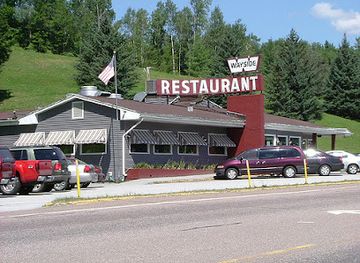
Wayside Restaurant, Bakery & Creamery
Experience the charm of Vermont dining at Wayside Restaurant, Bakery & Creamery—where comfort food meets delightful baked treats.
11 min drive · 3.7 km from city centre
-
Italian
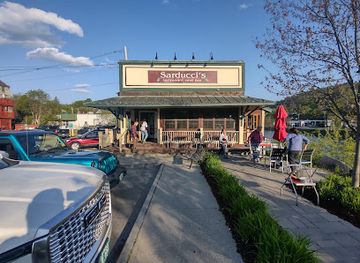
Sarducci's
Experience authentic Italian flavors at Sarducci's in Montpelier – where every meal is a celebration of culinary tradition.
12 min walk · 1.0 km from city centre
-
Grill
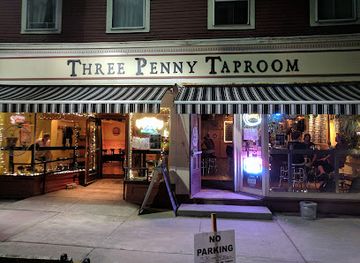
Three Penny Taproom
Experience Vermont's culinary delights at Three Penny Taproom—where great food meets an extensive selection of craft beers in Montpelier.
8 min walk · 0.6 km from city centre
-
Restaurant
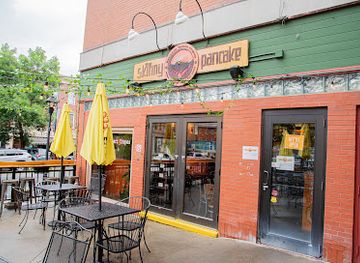
The Skinny Pancake Montpelier
Discover delicious crepes made from local ingredients at The Skinny Pancake Montpelier – a charming dining gem in Vermont's capital.
8 min walk · 0.7 km from city centre
Best bars in Montpelier
Montpelier’s nightlife is modest in scale and centred on conversation, food, live performance and locally produced drinks rather than large nightclubs. Downtown bars and public houses serve Vermont beer, cider and spirits, while restaurants often provide the liveliest evening atmosphere. Main Street and the surrounding central blocks are the natural area for moving between dinner, a drink and a performance, although the city generally quietens earlier than larger state capitals. Lost Nation Theater presents stage productions and other cultural events, and local venues may host music, readings or community gatherings. Vermont’s craft-brewing culture is well represented in the wider region, but individual evening programmes and opening arrangements vary. Visitors should expect an intimate local scene, with theatrical and civic events forming an important part of after-dark culture alongside bars.
-
Italian
Sarducci's
Discover the authentic taste of Italy at Sarducci's, Montpelier's premier Italian restaurant, where delicious cuisine meets warm hospitality.
12 min walk · 1.0 km from city centre
-
Grill
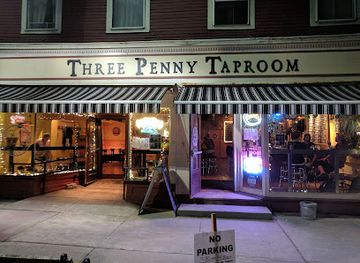
Three Penny Taproom
Experience the best of Vermont's culinary scene at Three Penny Taproom, where unique flavors meet a welcoming atmosphere in the heart of Montpelier.
8 min walk · 0.6 km from city centre
-
Restaurant
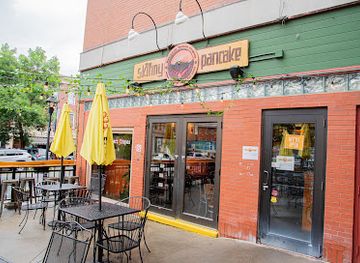
The Skinny Pancake Montpelier
Experience the essence of Vermont at The Skinny Pancake, where local ingredients meet delicious crepes in a cozy atmosphere.
8 min walk · 0.7 km from city centre
-
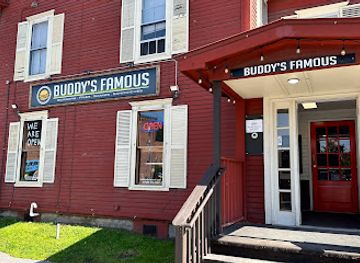
Hamburger
Buddy's Famous
Discover the best burgers in Montpelier at Buddy's Famous, where every bite is a flavor explosion in a casual and inviting setting.
12 min walk · 0.9 km from city centre

Best nightclubs in Montpelier
Montpelier’s nightlife is modest in scale and centred on conversation, food, live performance and locally produced drinks rather than large nightclubs. Downtown bars and public houses serve Vermont beer, cider and spirits, while restaurants often provide the liveliest evening atmosphere. Main Street and the surrounding central blocks are the natural area for moving between dinner, a drink and a performance, although the city generally quietens earlier than larger state capitals. Lost Nation Theater presents stage productions and other cultural events, and local venues may host music, readings or community gatherings. Vermont’s craft-brewing culture is well represented in the wider region, but individual evening programmes and opening arrangements vary. Visitors should expect an intimate local scene, with theatrical and civic events forming an important part of after-dark culture alongside bars.
-
Grill
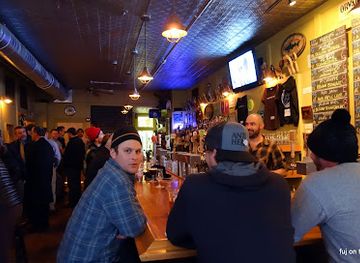
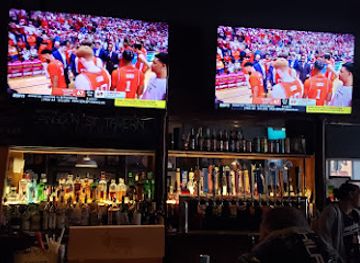
Three Penny Taproom
Discover the charm of Three Penny Taproom in Montpelier, where delicious grilled dishes and local brews create an unforgettable dining experience.
8 min walk · 0.6 km from city centre
-
Grill
Langdon Street Tavern
Discover the heart of Montpelier at Langdon Street Tavern, where local flavors meet a warm and social atmosphere.
8 min walk · 0.7 km from city centre
-
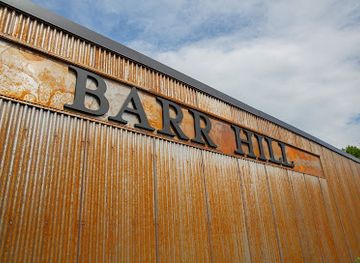
Distillery
Barr Hill by Caledonia Spirits
Discover Barr Hill, a premier distillery in Montpelier, Vermont, renowned for its artisanal gin made with local honey and fresh botanicals.
5 min drive · 1.8 km from city centre
-
Grill
Bear Naked Growler
Discover the flavors of Vermont at Bear Naked Growler, a top grill and bar in Montpelier with local beers, delicious food, and a cozy atmosphere.
6 min drive · 2.1 km from city centre
Best shops in Montpelier
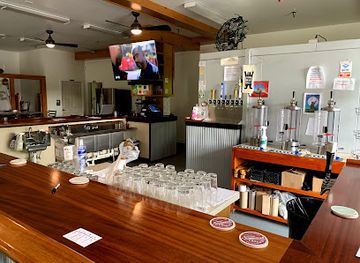
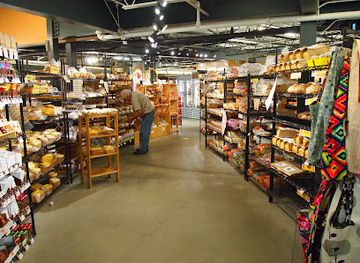
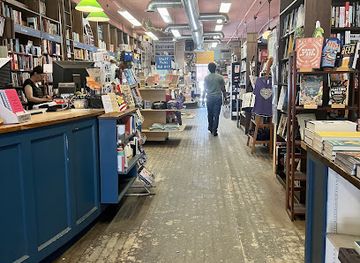
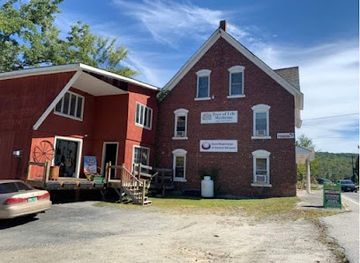
Shopping in Montpelier is concentrated along Main Street and adjacent downtown blocks, where independent retailers, bookshops, galleries, cafés and practical local businesses occupy historic commercial buildings. Visitors can find Vermont-made craft products, artwork, jewellery, textiles, pottery, maple goods, preserves and other regional foods, with the exact selection changing between shops and seasonal markets. Farmers’ markets provide a more direct connection with local growers, bakers and makers, while specialist stores offer books, outdoor equipment and gifts suited to Vermont’s rural and creative culture. The city does not function as a major destination for department-store or luxury shopping; its appeal lies in the manageable scale of the centre and the opportunity to browse locally oriented businesses on foot. For broader retail choice, nearby communities provide additional services, but Montpelier’s central streets best express the capital’s independent commercial character.
-
Grocery store
Hunger Mountain Co-op
Explore Hunger Mountain Co-op in Montpelier, VT for an exceptional selection of organic and local foods, and immerse yourself in the Vermont culinary experience.
18 min walk · 1.4 km from city centre
-
Book store
Bear Pond Books
Explore Bear Pond Books, Montpelier's independent bookstore filled with a diverse collection of books, local art, and unique gifts.
9 min walk · 0.7 km from city centre
-
Jewelry buyer
Gold Silver Antique & Pawn Shop
Uncover unique antiques, jewelry, and collectibles at Gold Silver Antique & Pawn Shop in the heart of Montpelier, Vermont.
6 min drive · 2.0 km from city centre
-
Gift shop
Rabble-Rouser Chocolate & Craft Co
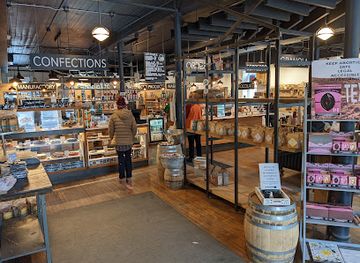
Discover the sweet side of Montpelier at Rabble-Rouser Chocolate & Craft Co, where gourmet chocolates and artisan coffee await.
10 min walk · 0.8 km from city centre
Get your free copy of our complete guide to Montpelier, delivered straight to you.
Everything on this page, from attractions and restaurants to essentials and local phrases, in one PDF you can read offline, print or share.
Already have an account? Sign in
Your Montpelier guide is ready.
We'll send it to · Not you? Sign out

Getting your guide ready…
We are putting together a fresh copy of the Montpelier guide. This can take up to a minute.
This can take a few moments. If your browser asks, choose Allow so the download can start. You'll find the guide in your Downloads folder.
Nothing happened? Download it again
Sorry, the guide is taking longer than usual. Please try again in a minute, or get it by email instead.
Montpelier essentials
Currency and Payment
Safety
Emergency Situations
Do's and Don'ts
Local Tips
From Eve
Local phrases worth knowing
You don't need to get them perfect. A few words go a long way, and locals appreciate the effort.
Basics
| English | Local | Say it |
|---|---|---|
| Hello | Howdy | [HAU-dee] |
| Goodbye | So long | [so LUNG] |
| Yes | Yep | [YEP] |
| No | Nah | [NAH] |
| Please/You're welcome | Please/You're welcome | [Please/You're welcome] |
| Thank you | Thanks | [THANKS] |
| Excuse me/Sorry | Pardon me | [PAR-dn mee] |
| How are you? | How ya doin'? | [How yuh DOO-in?] |
| Fine. And you? | Fine. And you? | [Fine. And you?] |
| Do you speak English? | Ya speak English? | [Ya speak English?] |
| I don't understand | I don't get it | [I don't get it] |
Eating & Drinking
| English | Local | Say it |
|---|---|---|
| I'd like to see the menu, please | I'd like to see the menu, please | [I'd like to see the menu, please] |
| I don't eat meat | I don't eat meat | [I don't eat meat] |
| Cheers! | Cheers! | [Cheers!] |
| I would like to pay, please | I would like to pay, please | [I would like to pay, please] |
Emergencies
| English | Local | Say it |
|---|---|---|
| Help! | Help! | [Help!] |
| Go away! | Git! | [Git!] |
| Call the Police! | Call the Police! | [Call the Police!] |
| Call a doctor! | Call a doc! | [Call a doc!] |
| I'm lost | I'm lost | [I'm lost] |
| I'm ill | I'm sick | [I'm sick] |
Shopping
| English | Local | Say it |
|---|---|---|
| I'd like to buy... | I'd like to buy... | [I'd like to buy...] |
| I'm just looking | I'm just lookin' | [I'm just lookin'] |
| How much is it? | How much is it? | [How much is it?] |
| That's too expensive | That's too pricey | [That's too pricey] |
| Can you lower the price? | Can ya lower the price? | [Can ya lower the price?] |
Time & Numbers
| English | Local | Say it |
|---|---|---|
| What time is it? | What time is it? | [What time is it?] |
| It's one o'clock | It's one o'clock | [It's one o'clock] |
| Half past (10) | Half past ten | [Half past ten] |
| Morning | Morning | [Morning] |
| Afternoon | Afternoon | [Afternoon] |
| Evening | Evening | [Evening] |
| Yesterday | Yesterday | [Yesterday] |
| Today | Today | [Today] |
| Tomorrow | Tomorrow | [Tomorrow] |
| 1 | One | [WUN] |
| 2 | Two | [TWO] |
| 3 | Three | [THREE] |
| 4 | Four | [FORE] |
| 5 | Five | [FIVE] |
| 6 | Six | [SIX] |
| 7 | Seven | [SEV-en] |
| 8 | Eight | [AYT] |
| 9 | Nine | [NINE] |
| 10 | Ten | [TEN] |
Transport & Directions
| English | Local | Say it |
|---|---|---|
| Where's a/the...? | Where's a/the...? | [Where's a/the...?] |
| What's the address? | What's the address? | [What's the address?] |
| Can you show me (on the map)? | Can you show me (on the map)? | [Can you show me (on the map)?] |
| When's the next (bus)? | When's the next (bus)? | [When's the next (bus)?] |
| A ticket (to ....) | A ticket (to ....) | [A ticket (to ....)] |
History of Montpelier
Abenaki Homeland and River Valley
The Montpelier area lies within the traditional homeland of the Western Abenaki, whose communities used the Winooski River valley and surrounding forests for travel, hunting, fishing and gathering. European settlement later transformed these landscapes, but the region’s Indigenous history remains an essential part of Vermont’s past. The rivers that now define Montpelier’s parks, bridges and flood-management concerns were also long-standing routes through the Green Mountains. Understanding this earlier human geography places the later development of the capital within a much older relationship between people, waterways and the land.
Settlement Along the North Branch
Montpelier was settled by Europeans in the late eighteenth century, after Colonel Jacob Davis and his family established a community here in 1787. Davis named it Montpelier after the French city, reflecting the period’s taste for classical and European associations. The junction of the North Branch and Winooski River supported mills, transport and agriculture, helping the settlement grow beyond a small farming community. Waterpower and river access shaped its early economy, while the surrounding hills both protected the town’s setting and limited its expansion.
The Making of Vermont’s Capital
Montpelier became Vermont’s capital in 1805, a position strengthened by its central location within the state and its connections to regional roads and later railways. Government brought lawyers, merchants, printers and public institutions, gradually giving the town a civic role beyond local commerce. The first Vermont State House was built in the 1830s, but it was destroyed by fire in 1857. Its replacement, completed in 1859, is the building that remains one of Montpelier’s defining landmarks, combining state administration with a highly formal nineteenth-century architectural presence.
Railways, Industry and Civic Growth
During the nineteenth century, rail connections and river-based industry linked Montpelier more closely with other Vermont communities and the wider Northeast. Granite, timber, agricultural products and manufactured goods moved through the region, while shops, banks, churches and civic buildings expanded the downtown. Montpelier’s growth was never metropolitan in scale, but its concentration of public institutions gave it an importance disproportionate to its population. The surviving commercial blocks and government buildings record this period, when transport improvements and state administration reinforced one another.
Modern Vermont Government and Culture
In the twentieth and early twenty-first centuries, Montpelier retained its role as Vermont’s political centre while developing a cultural life shaped by theatres, museums, galleries, independent retailers and community organisations. The Vermont Historical Society established a major presence in the city, and the State House continued to anchor public life. Flooding has remained a recurring challenge because the city stands beside two rivers; severe floods, including the July 2023 event, caused extensive damage and prompted continuing recovery and resilience work. Contemporary Montpelier therefore reflects both civic continuity and an active relationship with environmental risk.
Montpelier in Photos
Browse through our photo collection highlighting the charm and character of the destination.
Cities near Montpelier
The closest cities to Montpelier, if you have time for more than one stop.
-

-

-

-

-


Swipe for more cities
Explore more

Explore more of Vermont
Discover Vermont: A year-round haven of natural beauty, charming towns, and rich heritage in the Green Mountain State.
Explore Vermont