

Molly Falls State Park, Vermont Travel Guide
Experience the natural beauty and tranquility of Molly Falls State Park in Vermont, where cascading waterfalls and lush forests create a perfect escape for nature enthusiasts.
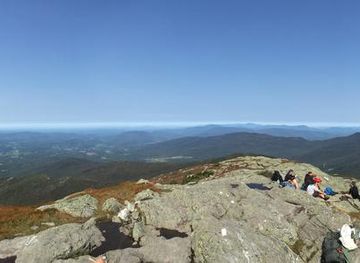
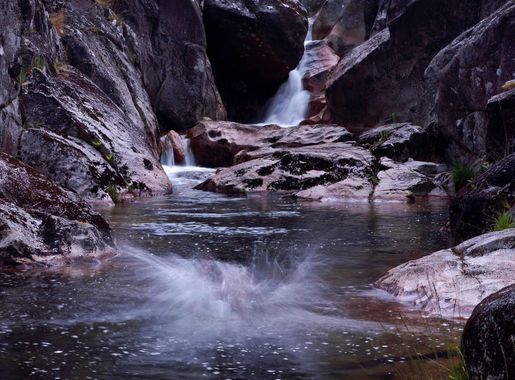
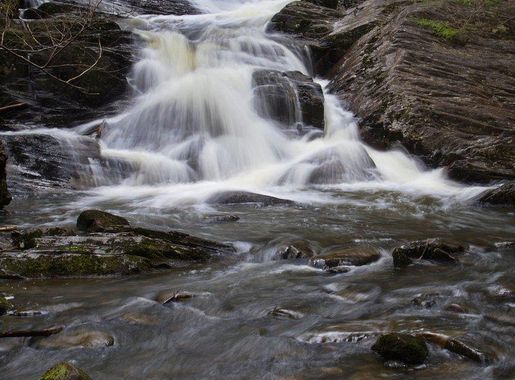
Nestled in the heart of Vermont, Molly Falls State Park is a serene escape for nature lovers. This picturesque park offers stunning views of cascading waterfalls, lush greenery, and tranquil lakes. Its unspoiled beauty makes it a perfect destination for those seeking peace and a connection with nature. Hiking is a popular activity here, with trails that cater to all levels of adventurers. The trails wind through dense forests and along riverbanks, offering glimpses of local wildlife and breathtaking scenery. The highlight is undoubtedly the majestic Molly Falls, which provide a soothing backdrop for hikers and picnickers alike. Not just for hikers, Molly Falls State Park also offers opportunities for fishing, bird-watching, and camping. The park’s well-maintained campgrounds invite visitors to immerse themselves in the great outdoors. Whether you’re pitching a tent or parking an RV, you’ll find the facilities comfortable and accommodating. The park is also a great spot for winter sports, with trails open for cross-country skiing and snowshoeing. History buffs will appreciate the park’s rich past, with informative plaques and a small visitor center that narrate the area’s cultural and natural history. The park is open year-round and each season brings its own unique charm, from the vibrant hues of autumn foliage to the quiet, snow-covered landscape of winter.

Know before you go
Hi, I'm Eve. Here are a few practical things to know before exploring Molly Falls State Park.
- Bring sturdy hiking boots; the trails can be rocky and uneven.
- Visit in the fall to witness the stunning autumn foliage.
- Pack a picnic; there are several scenic spots perfect for a meal.
- Check the weather forecast before you go; Vermont weather can be unpredictable.
- Reserve a campsite in advance, especially during peak seasons.
Explore Molly Falls State Park: Things to Do, Places to Eat, Hotels & More
Handpicked recommendations for top attractions, local dining, accommodations, and more

Best attractions in Molly Falls State Park
Top-rated picks
Best Attractions

Cold Hollow Cider Mill
Discover the authentic taste of Vermont at Cold Hollow Cider Mill, where fresh cider, homemade donuts, and local charm await you.

Dog Mountain, Home of Stephen Huneck Gallery
Explore the enchanting Dog Mountain in Vermont, where art and nature unite to celebrate the joy of dogs and their owners.

Marsh-Billings-Rockefeller National Historical Park
Explore the enchanting Marsh-Billings-Rockefeller National Historical Park, Vermont's unique blend of natural beauty, history, and conservation.

Little River State Park
Explore the breathtaking landscapes and recreational opportunities at Little River State Park, a true Vermont gem for nature lovers and adventurers alike.

Best landmarks in Molly Falls State Park
Top-rated picks
Best Landmarks

Mollys Falls Pond
Explore the tranquil beauty of Mollys Falls Pond in Vermont, where nature lovers can enjoy hiking, fishing, and unforgettable outdoor experiences.

Molly's Pond Boat Launch
Explore the serene beauty of Molly's Pond Boat Launch in Vermont, where outdoor adventures await amidst stunning natural landscapes.

Molly's Falls Pond State Park
Experience the natural beauty and tranquility of Molly's Falls Pond State Park, a perfect retreat for outdoor enthusiasts and families alike in Vermont.

Best restaurants in Molly Falls State Park
Top-rated picks
Best Restaurants

Simon Pearce
Experience exquisite American cuisine and masterful glass artistry at Simon Pearce in scenic Quechee, Vermont.

Molly's Falls Pond State Park
Discover tranquility at Molly's Falls Pond State Park—Vermont's serene escape with stunning landscapes and outdoor adventures.

Best bars in Molly Falls State Park
Top-rated picks
Best Bars

Kingdom Taproom & Table
Discover the culinary delights and craft beers at Kingdom Taproom & Table in St. Johnsbury, VT, where local flavors meet a welcoming atmosphere.

Positive Pie
Discover Positive Pie in Plainfield, Vermont – a family-friendly restaurant serving handcrafted pizza, Italian classics, and local brews in a warm atmosphere.

Good Fella's
Discover Good Fella's Gastropub in Danville, Vermont: Delightful cuisine, craft brews, and a warm atmosphere await your visit!

Three Ponds
Discover the flavors of Vermont at Three Ponds, where American cuisine meets local charm in a stunning natural setting.


Best shops in Molly Falls State Park
Top-rated picks
Best Shops

Central Vermont Marketplace
Explore Central Vermont Marketplace for a delightful shopping experience filled with unique finds, dining options, and the local charm of Berlin, Vermont.

Farm-Way Inc / Vermont Gear
Explore Vermont Gear in Bradford for top-notch outdoor clothing, equipment, and unique accessories in a charming shopping environment.

Bragg Farm Sugar House & Gift
Explore the heart of Vermont at Bragg Farm Sugar House, where sweet maple syrup and unique gifts create unforgettable memories.

Stowe Mercantile
Explore Stowe Mercantile: Your one-stop shopping destination for unique gifts, local delicacies, and charming souvenirs in Stowe, Vermont.

Explore Molly Falls State Park on the Map
A handpicked selection of must-see spots in Molly Falls State Park, mapped for you.
Molly Falls State Park Essentials
-
Molly Falls State Park is located in the northeastern region of Vermont, United States. The nearest major airport is Burlington International Airport, approximately 80 miles away. From the airport, you can rent a car or take a shuttle service to the park. If you are driving, you can reach the park via Interstate 89 and then take the exit for Route 2 East towards Marshfield. Follow the signs to reach the state park entrance.
-
Transportation options within Molly Falls State Park are somewhat limited given its natural setting. The best way to explore the park is by car or on foot. There are parking areas near the main entrances and trailheads. For those who prefer not to drive, local taxi services and rideshare options like Uber and Lyft are available to and from nearby towns. Biking is also a popular way to get around, and bike rentals are available in the nearby town of Marshfield.
-
The official currency in Vermont is the US Dollar (USD). Credit and debit cards are widely accepted at the park's visitor center, gift shops, and nearby establishments. However, it is advisable to carry some cash, especially if you plan on purchasing items from local vendors or small shops that may not accept cards. ATMs are available in the nearby towns.
-
Molly Falls State Park is generally safe for visitors. However, it is always best to take standard precautions. Keep an eye on your belongings and avoid leaving valuables in plain sight in your vehicle. While the park itself has a low crime rate, nearby urban areas may have higher rates of petty theft. Always be aware of your surroundings, especially in more secluded areas of the park.
-
In case of emergency, dial 911 for immediate assistance. The park is patrolled by rangers who can provide help in case of accidents or other emergencies. There are also first-aid stations located at the visitor center. It is advisable to carry a basic first-aid kit and have travel insurance that covers medical emergencies. For minor health issues, there are pharmacies in the nearby town of Marshfield.
-
Fashion: Do dress in layers and wear comfortable hiking shoes. Vermont weather can be unpredictable, so be prepared for sudden changes. Avoid wearing flip-flops or sandals on trails. Religion: There are no significant religious restrictions, but always respect any cultural or religious symbols you may encounter. Public Transport: Public transport options are limited, so plan to drive or bike. Greetings: Vermonters are generally friendly; a simple 'hello' or a wave is a common greeting. Eating & Drinking: Do try local Vermont delicacies like maple syrup and cheddar cheese. Don't litter; always use designated trash bins.
-
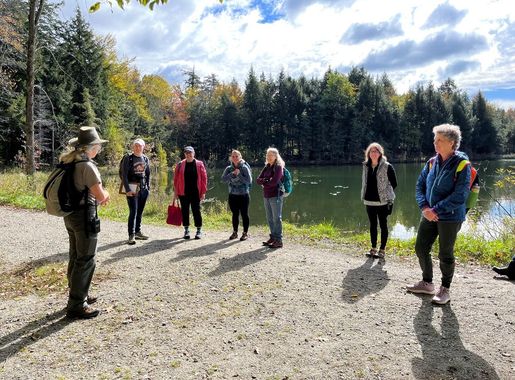
To experience Molly Falls State Park like a local, consider visiting early in the morning or late afternoon to avoid crowds. Participate in ranger-led tours and educational programs to learn more about the park's history and ecology. Don't miss out on the local farmers' markets in Marshfield, where you can buy fresh produce and handmade crafts. For a unique experience, try fishing in the park's streams or bird-watching along the trails.
When is the best time to visit Molly Falls State Park?
Useful Local Phrases for Molly Falls State Park
You don't need to speak the language perfectly. Even learning a few simple words can make conversations warmer—and locals usually appreciate the effort.
— Eve

Here are the phrases I use most often in Molly Falls State Park. Try a few—you'll be surprised how far they go! 😊
❤️
-
- HelloHowdy
[Hou-dee] - GoodbyeSee ya
[See yah] - YesYup
[Yuhp] - NoNah
[Nah] - Please/You're welcomePlease and thank ya
[Pleez and thank yah] - Thank youMuch obliged
[Mutch uh-blah-jed] - Excuse me/SorryPardon me
[Pahr-dun me] - How are you?Howdy, how's it goin'?
[Hou-dee, houz it goin'] - Fine. And you?Just fine. How 'bout you?
[Just fine. How 'bout yah] - Do you speak English?Y'all speak English?
[Yahl speak Ing-glish] - I don't understandI ain't catchin' on
[I aint cach-in' on]
- HelloHowdy
-
- I'd like to see the menu, pleaseCould I take a gander at the menu?
[Cood I take a gan-dur at the men-yoo] - I don't eat meatI don't fancy no meat
[I don't fan-cee no meat] - Cheers!Bottoms up!
[Bottums up] - I would like to pay, pleaseI reckon I'll settle up
[I reck-un I'll set-ul up]
- I'd like to see the menu, pleaseCould I take a gander at the menu?
-
- Help!Send help!
[Send help] - Go away!Git on outta here!
[Git on out-uh here] - Call the Police!Get the law on the line!
[Get the law on the line] - Call a doctor!Fetch a doc!
[Fetch a doc] - I'm lostDone gone astray
[Done gone uh-stray] - I'm illFeelin' poorly
[Feelin' poor-lee]
- Help!Send help!
-
- I'd like to buy...I reckon I'll purchase...
[I reck-un I'll pur-chase] - I'm just lookingJust browsin'
[Just brow-zin'] - How much is it?What's the damage?
[Whats the dam-ij] - That's too expensiveThat's a mite pricey
[That's a mite prye-see] - Can you lower the price?Can ya do better on the price?
[Can yah do bet-tur on the prye-ce]
- I'd like to buy...I reckon I'll purchase...
-
- What time is it?What's the hour?
[Whats the ow-er] - It's one o'clockIt's one
[Its one] - Half past (10)Ten-thirty
[Ten-thur-tee] - MorningMornin'
[Morn-in'] - AfternoonAfternoon
[After-noon] - EveningEvenin'
[Even-in'] - YesterdayYest'day
[Yes-t-day] - TodayToday
[To-day] - TomorrowTomorra
[Tom-or-rah] - 1One
[Wun] - 2Two
[Too] - 3Three
[Three] - 4Four
[Four] - 5Five
[Fiv] - 6Six
[Six] - 7Seven
[Sev-un] - 8Eight
[Ayt] - 9Nine
[Nin] - 10Ten
[Ten]
- What time is it?What's the hour?
-
- Where's a/the...?Where's the...
[Wheres the] - What's the address?What's the directions?
[Whats the di-rek-shuns] - Can you show me (on the map)?Can ya point me out (on the map)?
[Can yah point me out (on the map)] - When's the next (bus)?When's the next haulin'?
[Whens the next haul-in] - A ticket (to ....)A ticket (to ....)
[A ticket (to ....)]
- Where's a/the...?Where's the...
History of Molly Falls State Park
-
Long before European settlers arrived, the area now known as Molly Falls State Park was inhabited by the Abenaki people. They lived in harmony with the land, utilizing its resources for hunting, fishing, and gathering. The falls themselves were considered sacred and were often used as a site for various ceremonies and rituals. When European settlers began to move into the region in the 18th century, the landscape of Molly Falls started to change. The settlers introduced agriculture and began to clear the forested areas for farmland.
-
The park gets its name from a local legend about a young Abenaki woman named Molly. According to the story, Molly was the daughter of a tribal chief and was known for her extraordinary beauty and wisdom. She fell in love with a European settler, which was frowned upon by both her tribe and the settler's community. The legend states that, in an act of defiance and love, Molly and her lover leapt from the falls to their deaths, choosing to be together in the afterlife. This tragic tale has been passed down through generations and adds an air of mystery and romance to the park.
-
In the late 19th and early 20th centuries, Molly Falls became a hub of industrial activity. The abundant water flow was harnessed to power mills and factories, contributing to the economic growth of the area. Several mills were established along the river, producing textiles, paper, and lumber. This period saw a significant transformation of the landscape as forests were cleared and the river was dammed to create reservoirs. The remnants of these mills can still be seen today, offering a glimpse into the industrious past of the region.
-
One of the most significant events in the history of Molly Falls State Park is the Great Flood of 1927. Torrential rains caused the rivers in Vermont to overflow, leading to widespread destruction. Molly Falls and the surrounding areas were severely affected, with many of the mills and homes being swept away by the floodwaters. The disaster led to a reevaluation of flood control measures and the eventual construction of more robust infrastructure to protect the area from future flooding.
-
The mid-20th century saw a growing awareness of the need to preserve natural landscapes, leading to the establishment of Molly Falls State Park in 1955. The park was created to protect the unique ecosystem and the historical landmarks within its boundaries. Conservation efforts have focused on restoring native vegetation, preserving historical sites, and maintaining the natural beauty of the falls. Today, the park serves as a sanctuary for wildlife and a place for visitors to connect with both nature and history.
-
In recent decades, Molly Falls State Park has become a popular destination for outdoor enthusiasts. The park offers a variety of recreational activities, including hiking, fishing, and bird-watching. Trails wind through the forested areas, leading to scenic overlooks and historical sites. The falls remain a central attraction, drawing visitors with their stunning beauty and historical significance. Annual events and educational programs are also held in the park, celebrating its rich cultural heritage and natural splendor.
Neighbouring destination travel guides
Browse our curated selection of top destinations, scenic points, and must-visit spots in the area.



Your all‑in‑one travel companion app
Explore expert travel guides, compare and book tours, experiences, hotels, and more—all from the palm of your hand. Download now for seamless trip planning wherever your wanderlust takes you.


Explore More of Caledonia County

Looking beyond Molly Falls State Park? Discover Caledonia County for broader travel guides, local hot-spots, and regional highlights.
Explore Caledonia CountyExplore More of Vermont

Looking beyond Molly Falls State Park? Discover Vermont for broader travel guides, local hot-spots, and regional highlights.
Explore VermontMolly Falls State Park in Photos
Browse through our photo collection highlighting the charm and character of the destination.




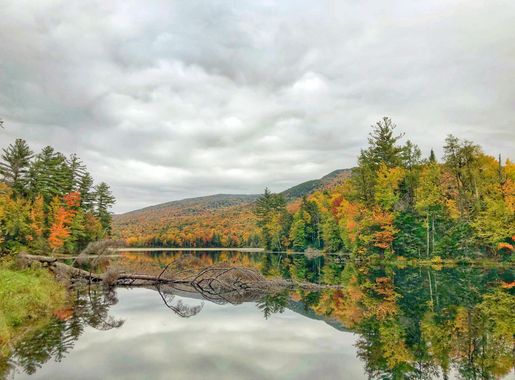


Molly Falls State Park: Vermont’s Hidden Gem
Nestled in the heart of Vermont, Molly Falls State Park is a serene escape for nature lovers. This picturesque park offers stunning views of cascading waterfalls, lush greenery, and tranquil lakes. Its unspoiled beauty makes it a perfect destination for those seeking peace and a connection with nature. Hiking is a popular activity here, with trails that cater to all levels of adventurers. The trails wind through dense forests and along riverbanks, offering glimpses of local wildlife and breathtaking scenery. The highlight is undoubtedly the majestic Molly Falls, which provide a soothing backdrop for hikers and picnickers alike. Not just for hikers, Molly Falls State Park also offers opportunities for fishing, bird-watching, and camping. The park’s well-maintained campgrounds invite visitors to immerse themselves in the great outdoors. Whether you’re pitching a tent or parking an RV, you’ll find the facilities comfortable and accommodating. The park is also a great spot for winter sports, with trails open for cross-country skiing and snowshoeing. History buffs will appreciate the park’s rich past, with informative plaques and a small visitor center that narrate the area’s cultural and natural history. The park is open year-round and each season brings its own unique charm, from the vibrant hues of autumn foliage to the quiet, snow-covered landscape of winter.