

Free Mekong Delta Travel Guide & Mobile App
Explore Mekong Delta with free travel guides. Discover regional history, expert tips, proposed trips, and audio guides on web or mobile app.


Explore Vietnam’s Mekong Delta for floating markets, fruit orchards, Khmer temples, wetlands and river communities shaped by the waterways.
Read more about Mekong Delta
When is the best time to visit Mekong Delta?
Best: December–February · 30–31°C| Month | High (°C) | Rainfall (mm) |
|---|---|---|
| January (best) | 30 | 5 |
| February (best) | 31 | 5 |
| March | 32 | 10 |
| April | 33 | 20 |
| May | 34 | 40 |
| June | 34 | 50 |
| July | 34 | 50 |
| August | 33 | 50 |
| September | 33 | 50 |
| October | 32 | 40 |
| November | 32 | 20 |
| December (best) | 31 | 10 |
Getting to and around Mekong Delta
How to get there
Transportation
Top city travel guides in Mekong Delta
The cities of Mekong Delta, and the easiest places to base yourself.
-

-

-

-

-


Swipe for more cities
Destinations in Mekong Delta
Resorts, valleys and scenic spots worth a trip of their own.

Swipe for more destinations
Best attractions in Mekong Delta
The Mekong Delta’s attractions are primarily shaped by water, cultivation and living communities rather than by a concentration of monumental sights. Boat trips range from the busy wholesale commerce of Cai Rang Floating Market near Can Tho to quieter journeys through canals, coconut groves and fruit gardens around Ben Tre and Vinh Long. Garden visits offer seasonal fruit, local cooking and an insight into small-scale agriculture, while My Tho provides an accessible introduction to the river landscape from southern Vietnam. In Dong Thap, Tram Chim National Park protects important wetland habitats in the Plain of Reeds, and guided boat tours may reveal waterbirds and seasonal vegetation. Tra Su Cajuput Forest in An Giang offers a densely planted wetland experience, while Ca Mau National Park and the U Minh Ha landscape present mangroves, peatlands and the ecological meeting point of river and sea. Town-based visits can include Sa Dec’s ornamental plant nurseries, Khmer Buddhist temples in Soc Trang and Tra Vinh, and museums or local heritage sites in Can Tho and other provincial centres. The strongest itineraries balance organised excursions with time on foot or by bicycle, when the ordinary details of bridges, market lanes, orchards and riverbank life become part of the experience.
-
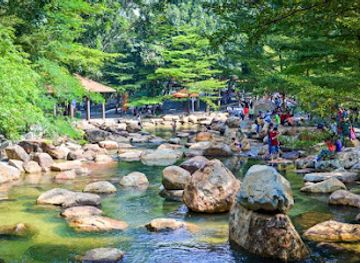
Ecological park
Thuy Chau Ecotourism
Explore the serene beauty of Thuy Chau Ecotourism Park, a tropical paradise in Binh Duong, Vietnam, featuring lush landscapes and a stunning man-made waterfall.
-
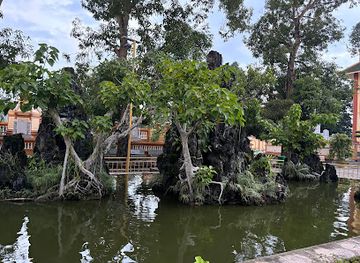
Buddhist temple
Vinh Trang Pagoda
Explore the serene beauty of Vinh Trang Pagoda, a stunning Buddhist temple in Tien Giang, Vietnam, blending rich culture and tranquil landscapes.
-
Ecological park
Tra Su Cajuput Forest
Explore the tranquil beauty of Tra Su Cajuput Forest, an ecological park in An Giang, Vietnam, perfect for nature lovers and wildlife enthusiasts.
-
Buddhist temple
Trúc Lâm Phương Nam Zen Monastery
Explore tranquility at Trúc Lâm Phương Nam Zen Monastery, a serene Buddhist temple in Cần Thơ, Vietnam, perfect for meditation and cultural immersion.

Best landmarks in Mekong Delta
The delta’s most recognisable landmarks combine religious architecture, river infrastructure and distinctive natural settings. Cai Rang Floating Market is a cultural and commercial landmark of the Can Tho waterways, where boats traditionally display their main produce from tall poles, although modern transport has changed the scale and rhythm of trade. Vinh Trang Pagoda near My Tho is known for its large grounds, ornate Buddhist architecture and a blend of Vietnamese, Chinese, Khmer and European influences. In An Giang, Ba Chua Xu Temple at the foot of Sam Mountain is an important pilgrimage site, while the nearby remnants of Oc Eo connect the modern landscape with an ancient trading civilisation. Khmer temple architecture gives towns and villages in Soc Trang and Tra Vinh a distinctive identity, with colourful Theravada Buddhist complexes set among palms and rice fields. At the southern edge of the country, Mui Ca Mau marks Vietnam’s far-southern coastal environment, where mangrove, tidal flats and river channels express the delta’s geographical relationship with the sea. These landmarks are best understood in context: many remain active religious or working places rather than museum-like displays.
-
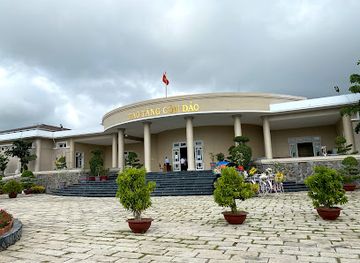
History museum
Bảo Tàng Côn Đảo
Discover Vietnam's poignant history at Bảo Tàng Côn Đảo, a local museum that showcases the island's past amid stunning natural beauty.
-
Museum
Island Chief Palace
Explore the Island Chief Palace, a historical museum in Con Dao that reveals the rich heritage and poignant past of Vietnam's beautiful islands.
-
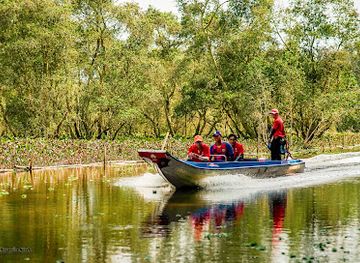
Tourist attraction
Mekong Delta River
Explore the vibrant waterways and rich culture of the Mekong Delta River, a must-visit destination in Vietnam for every traveler.
-
Historical landmark
Mekong delta
Discover the enchanting Mekong Delta, where vibrant culture meets stunning landscapes in southern Vietnam's historical heart.
Explore Mekong Delta on the map
Plan your trip on one map. See where the top cities, national parks and sights are, and book hotels and experiences in a few clicks.
Best hotels in Mekong Delta
Best restaurants in Mekong Delta
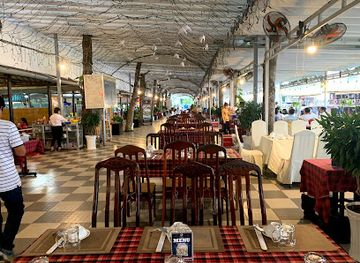
Delta cuisine is based on rice, freshwater fish, prawns, crab, duck, coconut, herbs and an impressive range of tropical fruit. Can Tho and other larger towns offer everything from informal noodle stalls to contemporary restaurants, while rural dining is often found at garden homes, riverside eateries and family-run establishments. Hu tieu My Tho is a celebrated southern noodle soup associated with My Tho, and visitors may also encounter banh xeo, grilled or steamed river fish, elephant-ear fish, sour soups and dishes featuring coconut water or coconut milk. Ben Tre is strongly associated with coconut products, including sweets and drinks, while orchards around Vinh Long and Cai Be supply rambutan, pomelo, mango and other seasonal fruit. Khmer culinary traditions add further variety in Soc Trang and Tra Vinh, where local dishes and temple-area food stalls reflect the delta’s multicultural history. Markets are useful for tasting snacks and observing produce trade, but choose busy stalls with good turnover and drink treated or bottled water when necessary.
-
Vietnamese
Propaganda Vietnamese Bistro
Experience the vibrant flavors and cultural richness of Vietnam at Propaganda Vietnamese Bistro - a must-visit culinary destination in Ho Chi Minh City.
-
Vietnamese
Den Long - Home Cooked Vietnamese Restaurant
Experience authentic home-cooked Vietnamese cuisine at Den Long in Ho Chi Minh City—where every dish tells a story.
-
Restaurant
Nhà Hàng, Khách Sạn Vạn Phát Riverside
Experience the essence of Vietnamese hospitality at Vạn Phát Riverside, where delightful cuisine meets stunning riverside views.
-
Restaurant
Cyclo Resto
Discover the authentic flavors of Vietnam at Cyclo Resto in Ho Chi Minh City - where every dish tells a story.


Best bars in Mekong Delta
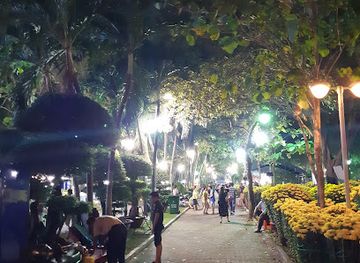
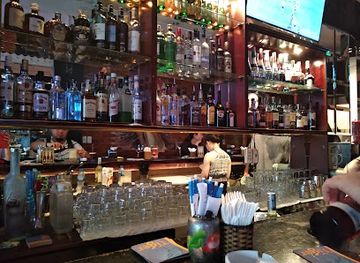
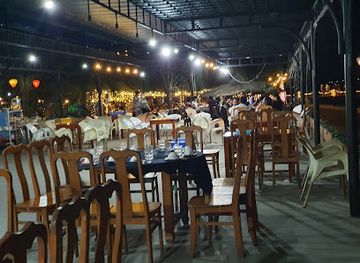
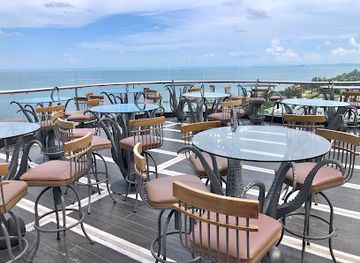
Evening life in the Mekong Delta is generally sociable and local rather than centred on large nightclubs. Can Tho has the broadest choice of riverside cafés, beer restaurants, casual bars and venues with live music, with activity concentrated around the central waterfront and urban streets. My Tho, Ben Tre, Chau Doc and other provincial towns offer modest cafés, family restaurants and informal bia hoi-style beer settings, while smaller communities usually become quiet after dinner. Riverside dining and evening walks are often more characteristic than late-night entertainment. Some hotels and newer city venues serve cocktails or international drinks, but opening arrangements vary. Night markets can provide food, souvenirs and a lively atmosphere in larger towns, although they are primarily places to eat and browse rather than clubbing destinations. In rural areas, respect local quiet hours and arrange transport back to accommodation in advance, since taxis and other late services may be limited.
-
Cocktail bar
Chill Skybar & Dining
Experience stunning views and vibrant nightlife at Chill Skybar & Dining, an exquisite fusion restaurant and cocktail bar in Ho Chi Minh City.
-
Bar
Kim's Tavern
Experience the vibrant nightlife at Kim's Tavern, where great cocktails meet a lively atmosphere in Ho Chi Minh City.
-
Bar
Mini beach
Discover the tranquility of Mini Beach in Cần Thơ, a picturesque bar and tiffin center offering local flavors and stunning river views.
-
Bar
INK 360 Rooftop Bar
Discover the ultimate rooftop experience at INK 360 Bar in Phú Quốc, where stunning views and exquisite cocktails meet in a luxurious setting.
Best nightclubs in Mekong Delta
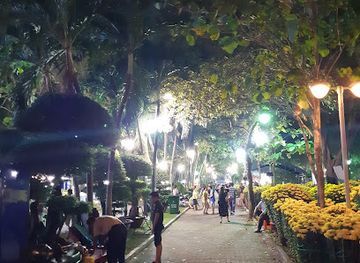
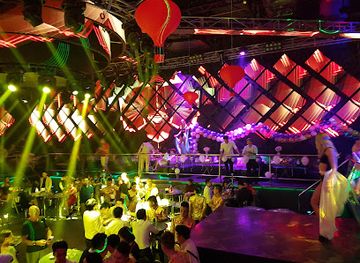
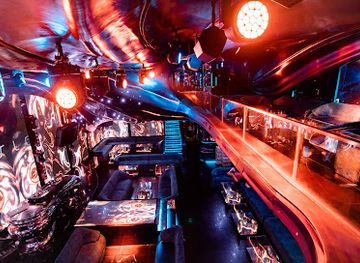
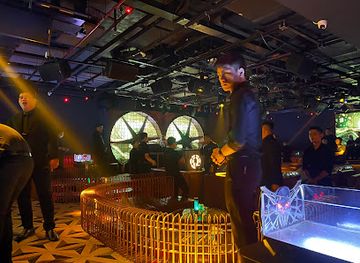
Evening life in the Mekong Delta is generally sociable and local rather than centred on large nightclubs. Can Tho has the broadest choice of riverside cafés, beer restaurants, casual bars and venues with live music, with activity concentrated around the central waterfront and urban streets. My Tho, Ben Tre, Chau Doc and other provincial towns offer modest cafés, family restaurants and informal bia hoi-style beer settings, while smaller communities usually become quiet after dinner. Riverside dining and evening walks are often more characteristic than late-night entertainment. Some hotels and newer city venues serve cocktails or international drinks, but opening arrangements vary. Night markets can provide food, souvenirs and a lively atmosphere in larger towns, although they are primarily places to eat and browse rather than clubbing destinations. In rural areas, respect local quiet hours and arrange transport back to accommodation in advance, since taxis and other late services may be limited.
-
Night club
Chill Skybar & Dining
Experience the ultimate rooftop dining and nightlife at Chill Skybar & Dining, offering stunning skyline views and exquisite fusion cuisine in Ho Chi Minh City.
-
Disco club
Canalis Club
Discover the electrifying nightlife at Canalis Club, where the beats are hot and the dance floor sizzles in Ho Chi Minh City.
-
Bar
Oslo Club
Discover Oslo Club, Ho Chi Minh City's vibrant nightlife destination, offering a unique blend of exquisite wines and electrifying music.
-
Night club
ATMOS CLUB
Immerse yourself in the energetic nightlife of Ho Chi Minh City at ATMOS CLUB, where music, dance, and fun come alive.
Best shops in Mekong Delta
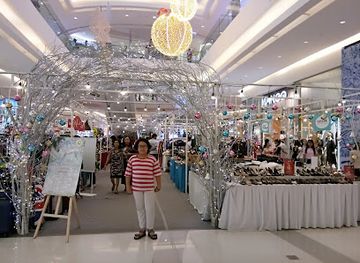
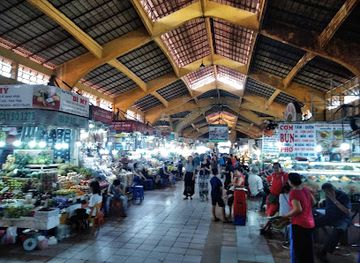
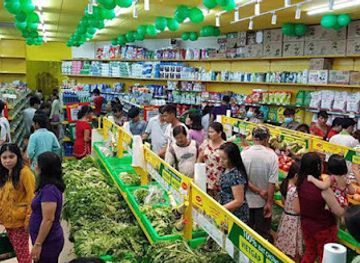
Shopping in the Mekong Delta is closely connected with food production and river commerce. The region’s markets sell tropical fruit, dried seafood, rice products, coconut sweets, local sauces, tea and everyday household goods, with Cai Rang and other floating markets offering a glimpse of wholesale trade as well as small visitor purchases. Ben Tre is the principal place to look for coconut-based confectionery and practical products made from coconut, while orchards around Vinh Long and Cai Be sell seasonal fruit that is best bought for immediate consumption. Sa Dec is associated with ornamental plants and flowers, and larger towns such as Can Tho provide craft shops, supermarkets and fixed retail streets. Khmer communities in Soc Trang and Tra Vinh contribute distinctive textiles, religious objects and food products, although visitors should buy respectfully and avoid treating sacred items as decorative souvenirs. Confirm prices and quantities before purchasing from boats or informal stalls, and remember that fresh fruit, liquids and plant material may be restricted on international flights.
-
Market
Ben Thanh Market
Discover the heart of Ho Chi Minh City at Ben Thanh Market, where vibrant culture meets local craftsmanship and culinary delights.
-
Shopping mall
Crescent Mall
Experience the ultimate shopping and dining destination in Ho Chi Minh City at Crescent Mall, where variety meets vibrant atmosphere.
-
Shopping mall
Saigon Centre
Explore Saigon Centre: Ho Chi Minh City’s premier shopping mall with a blend of local culture, international brands, and delightful dining options.
-
Shopping mall
Vincom Thu Duc
Discover a shopper's haven at Vincom Thu Duc, where fashion, food, and fun converge in Ho Chi Minh City.

Get your free copy of our complete guide to Mekong Delta, delivered straight to you.
Everything on this page, from attractions and restaurants to essentials and local phrases, in one PDF you can read offline, print or share.
Already have an account? Sign in
Your Mekong Delta guide is ready.
We'll send it to · Not you? Sign out

Getting your guide ready…
We are putting together a fresh copy of the Mekong Delta guide. This can take up to a minute.
This can take a few moments. If your browser asks, choose Allow so the download can start. You'll find the guide in your Downloads folder.
Nothing happened? Download it again
Sorry, the guide is taking longer than usual. Please try again in a minute, or get it by email instead.
Mekong Delta essentials
Currency and Payment
Safety
Emergency Situations
Do's and Don'ts
Local Tips
From Eve
Local phrases worth knowing
You don't need to get them perfect. A few words go a long way, and locals appreciate the effort.
Basics
| English | Local | Say it |
|---|---|---|
| Hello | Xin chào | [Sin chow] |
| Goodbye | Tạm biệt | [Tam byeht] |
| Yes | Có | [Kaw] |
| No | Không | [Kohng] |
| Please/You're welcome | Xin vui lòng | [Sin vooee long] |
| Thank you | Cảm ơn | [Gahm uhn] |
| Excuse me/Sorry | Xin lỗi | [Sin loy] |
| How are you? | Bạn khỏe không? | [Bahn kweh kohng?] |
| Fine. And you? | Khỏe. Còn bạn? | [Kweh. Kawn bahn?] |
| Do you speak English? | Bạn có nói tiếng Anh không? | [Bahn kaw noy tee-ehng Anh kohng?] |
| I don't understand | Tôi không hiểu | [Toy kohng hee-u] |
Eating & Drinking
| English | Local | Say it |
|---|---|---|
| I'd like to see the menu, please | Cho tôi xem thực đơn, xin vui lòng | [Chaw toy sem thook duhn, sin vooee long] |
| I don't eat meat | Tôi không ăn thịt | [Toy kohng ahn teet] |
| Cheers! | Một ly nhé! | [Moht lee nyeh!] |
| I would like to pay, please | Cho tôi thanh toán, xin vui lòng | [Chaw toy thanh tawn, sin vooee long] |
Emergencies
| English | Local | Say it |
|---|---|---|
| Help! | Cứu tôi! | [Kew toy!] |
| Go away! | Biến đi! | [Bee-en dee!] |
| Call the Police! | Gọi cảnh sát! | [Goy kahn satch!] |
| Call a doctor! | Gọi bác sĩ! | [Goy bak see!] |
| I'm lost | Tôi bị lạc | [Toy bee lahk] |
| I'm ill | Tôi bị ốm | [Toy bee ohm] |
Shopping
| English | Local | Say it |
|---|---|---|
| I'd like to buy... | Tôi muốn mua... | [Toy muon moo-ah...] |
| I'm just looking | Tôi chỉ xem thôi | [Toy chee sem thoy] |
| How much is it? | Cái này bao nhiêu? | [Guy nay bao nyeu?] |
| That's too expensive | Cái đó đắt quá | [Guy da dact kwah] |
| Can you lower the price? | Bạn có thể giảm giá không? | [Bahn kaw tay zam zah kohng?] |
Time & Numbers
| English | Local | Say it |
|---|---|---|
| What time is it? | Mấy giờ rồi? | [May yuh roi?] |
| It's one o'clock | Bây giờ là một giờ | [Bay yuh lah moht yuh] |
| Half past (10) | Mười rưỡi | [Mwee roo-ee] |
| Morning | Buổi sáng | [Boo-ee sahng] |
| Afternoon | Buổi chiều | [Boo-ee chee-eh-u] |
| Evening | Buổi tối | [Boo-ee toy] |
| Yesterday | Hôm qua | [Home kwah] |
| Today | Hôm nay | [Home nay] |
| Tomorrow | Ngày mai | [Ngai mai] |
| 1 | Một | [Moht] |
| 2 | Hai | [Hai] |
| 3 | Ba | [Bah] |
| 4 | Bốn | [Bohn] |
| 5 | Năm | [Nahm] |
| 6 | Sáu | [Sow] |
| 7 | Bảy | [Bye] |
| 8 | Tám | [Tahm] |
| 9 | Chín | [Cheen] |
| 10 | Mười | [Mwee] |
Transport & Directions
| English | Local | Say it |
|---|---|---|
| Where's a/the...? | Ở đâu có...? | [Uh dow kaw...?] |
| What's the address? | Địa chỉ là gì? | [Dee-ah chee lah zee?] |
| Can you show me (on the map)? | Bạn có thể chỉ cho tôi (trên bản đồ)? | [Bahn kaw tay chee chaw toy (tren ban doh)?] |
| When's the next (bus)? | Khi nào có (xe buýt) tiếp theo? | [Kee now kaw (say bweeth) teep theo?] |
| A ticket (to ....) | Một vé (đến ...) | [Moht veh (den ...)] |
History of Mekong Delta
Funan and the Oc Eo Cultural Landscape
The delta formed part of the wider world of Funan, an early Southeast Asian polity that flourished from the first centuries of the Common Era. Archaeological evidence at Oc Eo, associated with present-day An Giang, reveals an organised settlement linked to long-distance trade across the Indian Ocean and Southeast Asia. Canal systems, imported objects and religious remains show that the lowlands were not an isolated wilderness. Water management and river access were central to political and commercial life, themes that have remained fundamental to the region’s development.
Khmer Heritage and the Southern Lowlands
For centuries the Mekong Delta was connected to the Khmer world, and Khmer communities remain an important part of its cultural landscape, particularly in Tra Vinh, Soc Trang and neighbouring areas. Theravada Buddhist temples, Khmer-language cultural traditions and religious festivals provide visible evidence of this heritage. The region’s history cannot be reduced to a single national narrative: Vietnamese, Khmer and Hoa communities have shaped settlement, commerce, agriculture and urban life alongside one another.
Vietnamese Settlement and Nguyen Expansion
From the seventeenth and eighteenth centuries, Vietnamese settlement and administration expanded steadily into the southern delta. Lords of the Nguyen territories encouraged migration, agricultural clearance and the development of waterways, while Chinese and Hoa merchants contributed to trade in towns and river ports. My Tho, Ha Tien and other settlements grew within this changing political and commercial frontier. Much of the present pattern of villages, canals and cultivated land reflects the long process of transforming wetlands into intensively farmed places.
French Colonial Rule and River Commerce
France established colonial control over Cochinchina during the nineteenth century, including the Mekong Delta. Colonial authorities developed roads, ports, canals and administrative centres to move rice and other commodities, integrating the delta more tightly into regional and international markets. Sa Dec, Can Tho, My Tho and other river towns acquired buildings and urban layouts associated with the colonial period. The export economy generated wealth for some groups but also imposed taxes and labour demands that contributed to social and political resistance.
The Mekong Delta in the Indochina and Vietnam Wars
The delta was strategically important during both the First Indochina War and the Vietnam War because its waterways, rice production and dense rural population connected military operations with control of food and transport. Fighting affected villages, canals and agricultural land, while many communities experienced displacement and disruption. The region’s war history is often less concentrated in monumental sites than in local memorials, cemeteries, museums and the memories of families whose lives were shaped by the conflicts.
Post-1975 Agricultural Transformation
After reunification in 1975, the delta underwent major economic and agricultural changes. Reforms associated with Doi Moi from the 1980s encouraged household production and market-oriented farming, helping Vietnam become a major exporter of rice and seafood. Irrigation, expanded transport links and intensive cultivation increased output, while aquaculture and fruit production became increasingly important. This success has also brought concerns about soil exhaustion, water pollution, salinity and the loss of natural wetlands.
Climate Pressure and Contemporary Adaptation
The modern delta faces rising sea levels, saltwater intrusion, land subsidence, upstream water regulation and changing flood patterns. These pressures affect rice fields, orchards, fisheries and drinking-water supplies, making adaptation a central part of the region’s future. Some communities are adjusting crop calendars, diversifying into aquaculture or fruit farming and restoring mangroves. For visitors, the changing relationship between agriculture, floodwater and the sea provides important context for understanding both the delta’s landscapes and its contemporary challenges.
Mekong Delta in Photos
Browse through our photo collection highlighting the charm and character of the destination.
Neighbouring regions of Mekong Delta
The closest regions to Mekong Delta, if you have time for more than one.
-

-

-

-

-


Swipe for more regions
Explore more

Explore more of Vietnam
Discover Vietnam's enchanting landscapes, vibrant cities, and rich cultural heritage. Experience the perfect blend of history, nature, and cuisine in this Southeast Asian gem.
Explore Vietnam