

Free Northwest Travel Guide & Mobile App
Explore Northwest with free travel guides. Discover regional history, expert tips, proposed trips, and audio guides on web or mobile app.


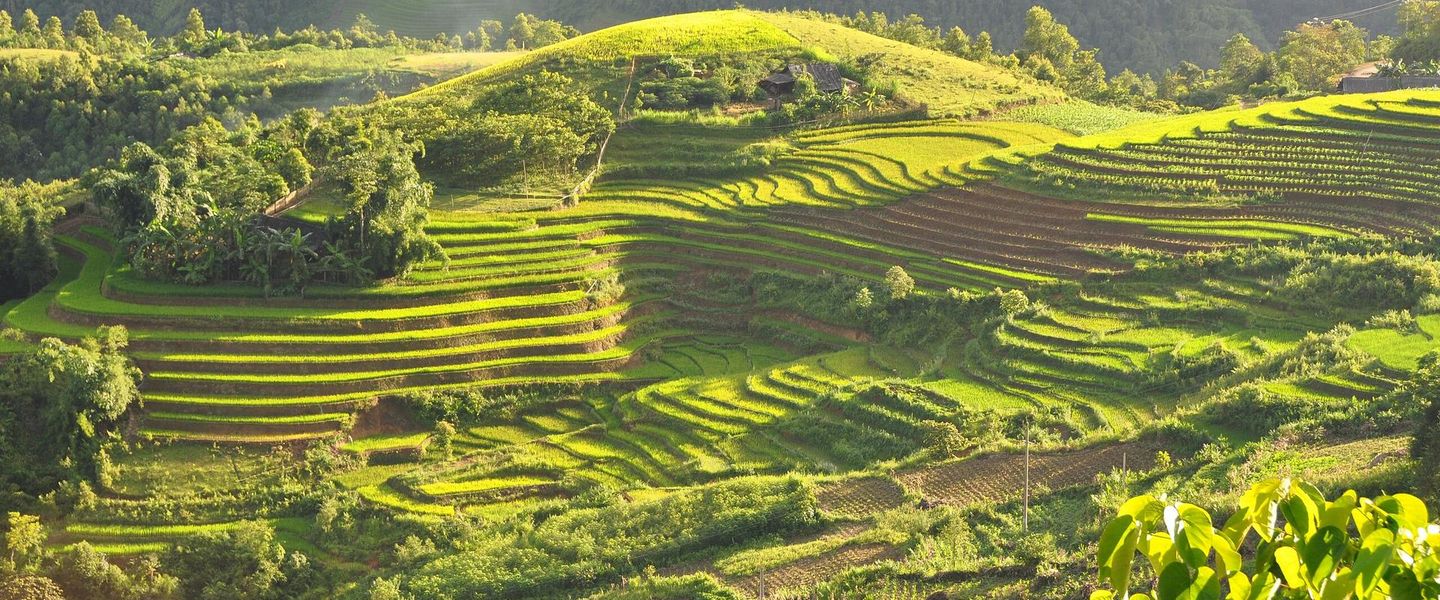


Explore Northwest Vietnam for mountain passes, rice terraces, ethnic cultures, historic Điện Biên Phủ and valley landscapes beyond Hanoi.
Read more about Northwest
When is the best time to visit Northwest?
Best: May–June, September · 23–27°C| Month | High (°C) | Rainfall (mm) |
|---|---|---|
| January | 11 | 80 |
| February | 13 | 70 |
| March | 15 | 90 |
| April | 19 | 100 |
| May (best) | 23 | 110 |
| June (best) | 27 | 120 |
| July | 30 | 130 |
| August | 29 | 120 |
| September (best) | 25 | 110 |
| October | 19 | 100 |
| November | 13 | 90 |
| December | 10 | 80 |
Getting to and around Northwest
How to get there
Transportation
Top city travel guides in Northwest
The cities of Northwest, and the easiest places to base yourself.
-

-


Swipe for more cities
Destinations in Northwest
Resorts, valleys and scenic spots worth a trip of their own.

Swipe for more destinations
Best attractions in Northwest
Northwest Vietnam's attractions are inseparable from its terrain and human geography. In Lào Cai, Sa Pa provides access to Fansipan, the Hoàng Liên Sơn mountains, valley walks and villages associated with Hmong, Dao, Tày and Giáy communities, while Bắc Hà offers a highland market-town setting. Yên Bái is known for the rice terraces of Mù Cang Chải, the Khau Phạ Pass and the hot-spring landscape around Tú Lệ. Sơn La combines the tea-growing uplands of Mộc Châu with caves, valleys and the former Sơn La Prison, while Hòa Bình and Mai Châu offer accessible cycling, walking and cultural homestays around the Đà River and fertile valleys. Farther west, Lai Châu brings longer, quieter journeys through dramatic mountain terrain, and Điện Biên provides museums and battlefield sites connected with the 1954 campaign. Outdoor activities range from gentle walks through cultivated valleys to demanding high-altitude treks, but weather and road conditions should shape plans. The strongest experiences generally come from combining landscapes with local guides, village visits, markets and food rather than treating scenery as a series of viewpoints.
-
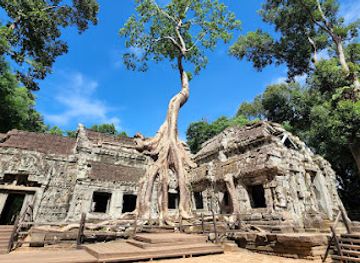
Buddhist temple
Ta Prohm Temple
Discover Ta Prohm Temple, where the enchanting beauty of nature meets the ancient artistry of Khmer architecture in Siem Reap, Cambodia.
-
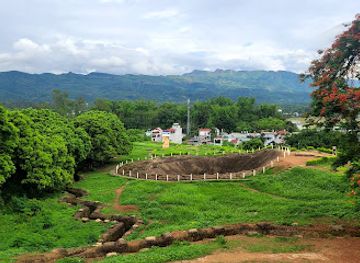
Memorial park
A1 Hill
Discover the rich history and serene beauty of A1 Hill, a memorial park in Dien Bien, Vietnam, honoring the bravery of the past.
-
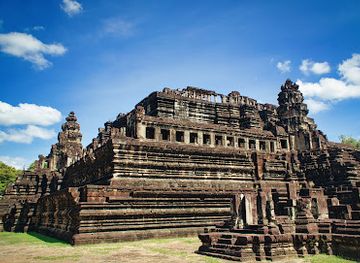
Hindu temple
Baphuon
Explore Baphuon Temple, a stunning 11th-century Hindu temple in Angkor Archaeological Park, showcasing intricate carvings and breathtaking views.
-
National park
Ba Be National Park Tour
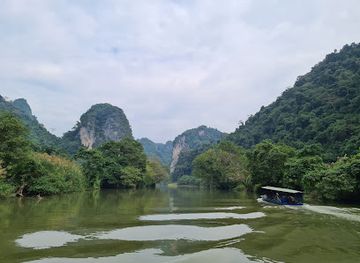
Explore Ba Be National Park: A UNESCO World Heritage site with stunning lakes, rich biodiversity, and vibrant local culture in Vietnam.
Best landmarks in Northwest
The region's most recognisable landmarks include Fansipan and the Hoàng Liên Sơn range above Sa Pa, whose high ridges define the northern skyline and attract trekkers and mountain travellers. The Ô Quy Hồ, Khau Phạ and Pha Đin passes are major geographical markers as well as road journeys, each revealing the scale of the north-western mountains from a different route. The rice terraces of Mù Cang Chải form a human-made landscape of exceptional visual coherence, shaped by generations of cultivation on steep slopes. In Điện Biên, the former French command post at Đờ Cát, surrounding battlefield positions and the Điện Biên Phủ Museum mark the decisive 1954 campaign. Sơn La Prison and its associated historical site represent the colonial-era history of political detention. In Hòa Bình, the Đà River and its reservoir landscapes provide a powerful natural and infrastructural presence, while the stilt-house villages of Mai Châu express the region's continuing architectural and cultural connection with valley agriculture.
-
Scenic spot
The Marble Mountains
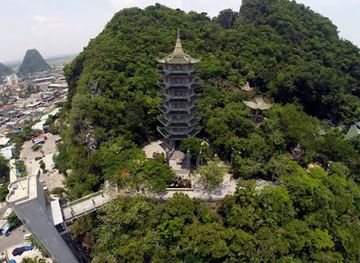
Explore the breathtaking Marble Mountains in Da Nang, a stunning fusion of nature and culture with ancient temples and panoramic views.
-
Tourist attraction
Ba Na Hills
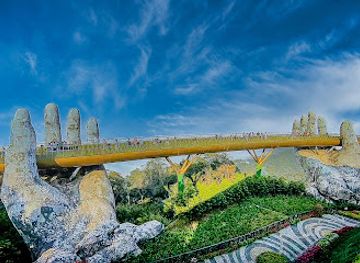
Explore the breathtaking Ba Na Hills in Da Nang, Vietnam, where stunning landscapes, unique architecture, and thrilling activities await every traveler.
-
Historical landmark
Ho Chi Minh's Mausoleum
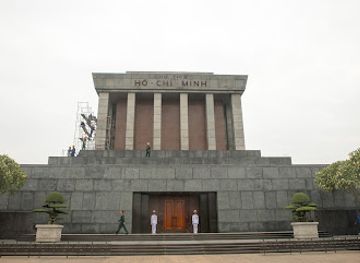
Explore the profound legacy of Ho Chi Minh at his iconic mausoleum, a historical landmark in Hanoi that honors Vietnam's beloved leader.
-
Place of worship
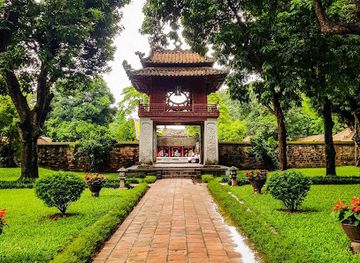
Temple Of Literature
Discover the rich history and serene beauty of the Temple of Literature, Vietnam's first university and a symbol of cultural heritage in Hanoi.
Explore Northwest on the map
Plan your trip on one map. See where the top cities, national parks and sights are, and book hotels and experiences in a few clicks.
Best hotels in Northwest
Best restaurants in Northwest
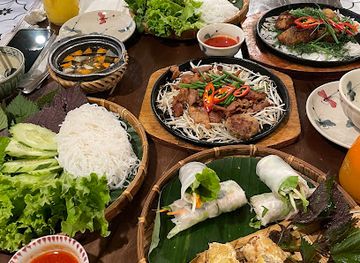
Dining in Northwest Vietnam is rooted in rice-growing valleys, forested uplands and local market culture. Sticky rice, often served with grilled meats, freshwater fish, bamboo-cooked dishes, herbs and vegetables, appears widely across the region, while preparations and seasonings vary between communities. Hòa Bình and Mai Châu are associated with Mường and Thái food traditions; Sơn La and Mộc Châu are known for dairy, tea and agricultural produce; and the northern provinces offer mountain vegetables, river fish and dishes prepared for communal meals. Sa Pa, Mộc Châu, Điện Biên Phủ and other larger centres have the broadest choice of Vietnamese restaurants, cafés and casual eateries, while homestays often provide set meals that introduce visitors to local ingredients. Markets are useful for seeing regional produce, though food hygiene standards can vary. Ask about ingredients when ordering, particularly if you have allergies, and favour busy establishments or accommodation kitchens with good local turnover. Dining is generally informal, with shared dishes and rice at the centre of the table.
-
Vietnamese
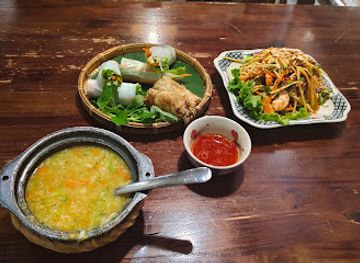
MẸT Vietnamese restaurant & Vegetarian Food 1
Discover authentic Vietnamese cuisine with vegetarian delights at MẸT Restaurant in the heart of Hanoi.
-
Vietnamese
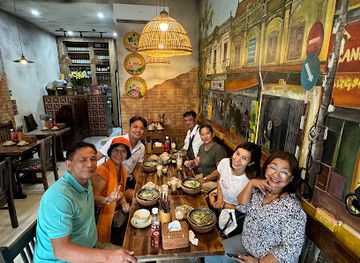
MẸT Vietnamese Restaurant & Vegetarian Met 2
Experience authentic Vietnamese cuisine at MẸT Restaurant in Hanoi – where every dish tells a story.
-
Vietnamese
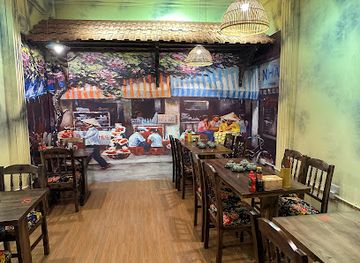
MẸT Vietnamese restaurant & Vegetarian Met 4
Experience authentic Vietnamese cuisine at MẸT Restaurant in Hanoi - a culinary haven for food lovers.
-
Vietnamese
MẸT Vietnamese restaurant & Vegetarian Food 5
Discover authentic flavors at MẸT Vietnamese Restaurant & Vegetarian Food – a culinary gem in Hanoi that caters to all tastes.
Best bars in Northwest
Nightlife in Northwest Vietnam is modest and varies sharply between tourist centres and rural districts. Sa Pa has the broadest evening choice, including cafés, bars, hotel lounges, karaoke venues and places with occasional live music, although its atmosphere is more about dining and late socialising than a large club scene. Provincial capitals such as Hòa Bình, Sơn La and Điện Biên Phủ have local beer venues, cafés, karaoke and restaurants that remain open later than those in villages. In Mai Châu and remote highland areas, evenings generally centre on homestay meals, conversation, cultural performances arranged for visitors or quiet views rather than nightlife venues. Tea, coffee and locally available rice-based spirits form part of the region's varied drinking culture, but visitors should accept invitations carefully and drink moderately. Opening arrangements, music and transport back to rural accommodation can be limited, so make plans before leaving a town centre.
-
Bar
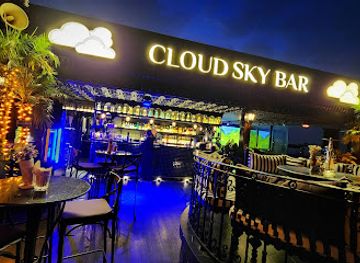
Cloud Sky Bar Hanoi
Experience the breathtaking views and vibrant atmosphere at Cloud Sky Bar, Hanoi's premier rooftop destination for drinks and relaxation.
-
Cocktail bar
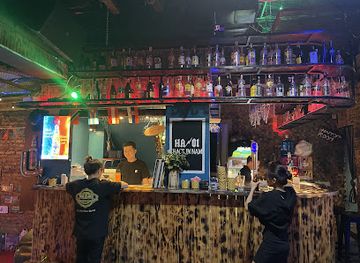
Hanoi Blues Bar _ Tạ Hiện
Discover Hanoi Blues Bar: A lively cocktail bar in the heart of Hanoi, blending local flavors with vibrant music for an unforgettable nightlife experience.
-
Cocktail bar
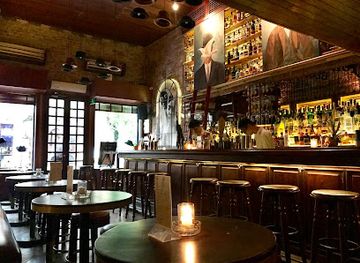
Polite & Co
Discover the heart of Hanoi's nightlife at Polite & Co, a cocktail bar renowned for its creative drinks and vibrant atmosphere.
-
Bar
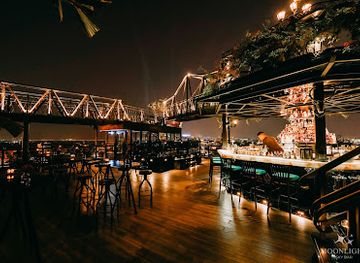
Moonlight Sky Bar
Discover the breathtaking views and vibrant atmosphere of Moonlight Sky Bar, a rooftop gem in the heart of Hanoi's nightlife.
Best nightclubs in Northwest
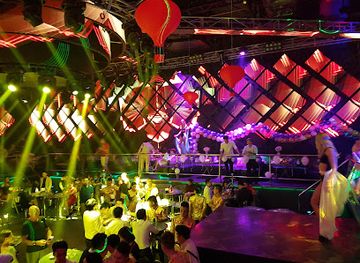
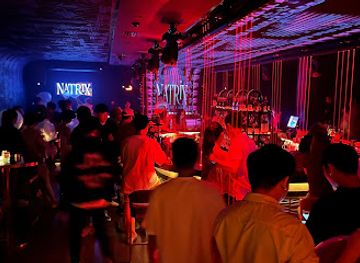
Nightlife in Northwest Vietnam is modest and varies sharply between tourist centres and rural districts. Sa Pa has the broadest evening choice, including cafés, bars, hotel lounges, karaoke venues and places with occasional live music, although its atmosphere is more about dining and late socialising than a large club scene. Provincial capitals such as Hòa Bình, Sơn La and Điện Biên Phủ have local beer venues, cafés, karaoke and restaurants that remain open later than those in villages. In Mai Châu and remote highland areas, evenings generally centre on homestay meals, conversation, cultural performances arranged for visitors or quiet views rather than nightlife venues. Tea, coffee and locally available rice-based spirits form part of the region's varied drinking culture, but visitors should accept invitations carefully and drink moderately. Opening arrangements, music and transport back to rural accommodation can be limited, so make plans before leaving a town centre.
-
Night club
New Oriental Nightclub
Discover Da Nang's premier nightlife destination at New Oriental Nightclub, where electrifying music and vibrant performances create unforgettable memories.
-
Disco club
Canalis Club
Discover the electrifying nightlife at Canalis Club in Ho Chi Minh City, where music, dance, and vibrant energy come together for an unforgettable experience.
-
Bar
Oslo Club
Experience the vibrant nightlife at Oslo Club in Ho Chi Minh City, offering chic ambiance, exquisite drinks, and unforgettable entertainment.
-
Night club
Z Club
Discover Nha Trang's vibrant nightlife at Z Club, the ultimate destination for music, dancing, and unforgettable experiences.


Best shops in Northwest
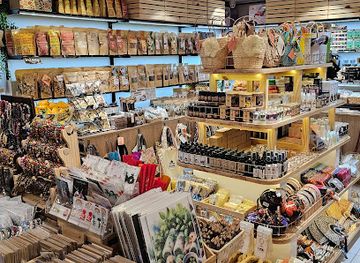
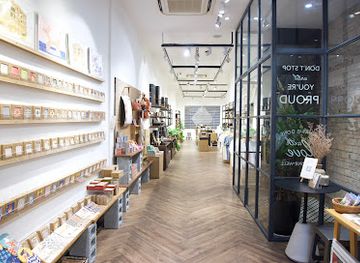
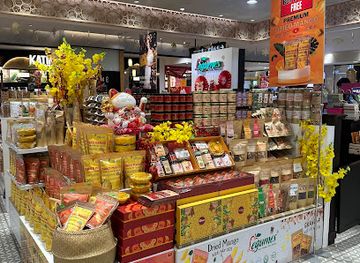
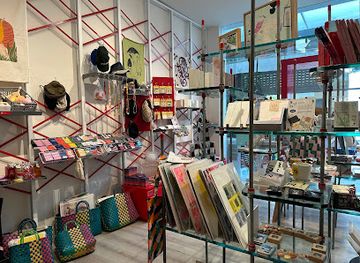
Shopping in Northwest Vietnam is centred on market towns, local produce and handmade goods rather than large retail districts. Sa Pa and Bắc Hà have the widest selection for visitors, including woven textiles, embroidered bags, baskets, silver-coloured jewellery, tea and packaged foods, though designs and quality vary and some goods may be factory-made or produced outside the immediate community. Mộc Châu is associated with tea, dairy products and agricultural produce, while markets across Yên Bái, Lai Châu, Sơn La and Điện Biên offer seasonal fruit, vegetables, spices and household goods alongside clothing and textiles. Hòa Bình and Mai Châu have craft shops and homestay-based sales, with woven items often linked to local Thái and Mường traditions. Ask about provenance, materials and washing instructions before buying textiles, and bargain politely where bargaining is customary without treating a small price difference as entertainment. Avoid purchasing protected wildlife products, antiques of uncertain origin or objects presented as sacred or ceremonial.
-
Souvenir store
KOKONIC - The Gift of Vietnam
Explore KOKONIC, your go-to souvenir store in Ho Chi Minh City for authentic Vietnamese crafts and unique gifts that embody the spirit of Vietnam.
-
Gift shop
The Craft House Original
Explore The Craft House Original in Ho Chi Minh City for unique Vietnamese souvenirs and a glimpse into local craftsmanship.
-
Souvenir store
Légumes Takashimaya - Vietnamese Specialty Gifts / ベトナム特産品ギフト/ 베트남 특산품 선물 / 越南特产礼品
Discover the best of Vietnamese culinary delights and specialty gifts at Légumes Takashimaya, your go-to souvenir store in Ho Chi Minh City.
-
Gift shop
OHQUAO Concept Store
Discover the artistry of Vietnam at OHQUAO Concept Store, a vibrant haven for unique gifts, fashion, and local craftsmanship in Ho Chi Minh City.
Get your free copy of our complete guide to Northwest, delivered straight to you.
Everything on this page, from attractions and restaurants to essentials and local phrases, in one PDF you can read offline, print or share.
Already have an account? Sign in
Your Northwest guide is ready.
We'll send it to · Not you? Sign out

Getting your guide ready…
We are putting together a fresh copy of the Northwest guide. This can take up to a minute.
This can take a few moments. If your browser asks, choose Allow so the download can start. You'll find the guide in your Downloads folder.
Nothing happened? Download it again
Sorry, the guide is taking longer than usual. Please try again in a minute, or get it by email instead.
Northwest essentials
Currency and Payment
Safety
Emergency Situations
Do's and Don'ts
Local Tips
From Eve
Local phrases worth knowing
You don't need to get them perfect. A few words go a long way, and locals appreciate the effort.
Basics
| English | Local | Say it |
|---|---|---|
| Hello | Howdy | [hau-dee] |
| Goodbye | See ya | [see yah] |
| Yes | Yep | [yehp] |
| No | Nope | [nohp] |
| Please/You're welcome | Sure thing | [shoor thing] |
| Thank you | Thanks | [thanks] |
| Excuse me/Sorry | Sorry 'bout that | [sor-ree bawt that] |
| How are you? | How's it going? | [how's it go-in?] |
| Fine. And you? | Good. You? | [good. you?] |
| Do you speak English? | Do ya speak English? | [doo yah speak ing-glish?] |
| I don't understand | I ain't gettin' it | [I ain't gettin' it] |
Eating & Drinking
| English | Local | Say it |
|---|---|---|
| I'd like to see the menu, please | Can I see the menu? | [can I see the men-yoo?] |
| I don't eat meat | I don't do meat | [I don't do meat] |
| Cheers! | Cheers! | [cheers] |
| I would like to pay, please | Can I get the check? | [can I get the chek?] |
Emergencies
| English | Local | Say it |
|---|---|---|
| Help! | Help! | [help] |
| Go away! | Get lost! | [get lost] |
| Call the Police! | Call the cops! | [call the cops] |
| Call a doctor! | Get a doctor! | [get a doctor] |
| I'm lost | I'm turned around | [I'm turned 'round] |
| I'm ill | I'm not feelin' good | [I'm not feelin' good] |
Shopping
| English | Local | Say it |
|---|---|---|
| I'd like to buy... | I wanna buy... | [I wanna buy...] |
| I'm just looking | Just browsing | [just browsin'] |
| How much is it? | How much's this? | [how much's this?] |
| That's too expensive | That's way too pricey | [that's way too pry-see] |
| Can you lower the price? | Can you cut the price? | [can you cut the pryce?] |
Time & Numbers
| English | Local | Say it |
|---|---|---|
| What time is it? | What time is it? | [what time is it?] |
| It's one o'clock | It's one o'clock | [it's one o'clock] |
| Half past (10) | Half past ten | [half past ten] |
| Morning | Morning | [morning] |
| Afternoon | Afternoon | [afternoon] |
| Evening | Evening | [evening] |
| Yesterday | Yesterday | [yesterday] |
| Today | Today | [today] |
| Tomorrow | Tomorrow | [tomorrow] |
| 1 | One | [one] |
| 2 | Two | [two] |
| 3 | Three | [three] |
| 4 | Four | [four] |
| 5 | Five | [five] |
| 6 | Six | [six] |
| 7 | Seven | [seven] |
| 8 | Eight | [eight] |
| 9 | Nine | [nine] |
| 10 | Ten | [ten] |
Transport & Directions
| English | Local | Say it |
|---|---|---|
| Where's a/the...? | Where's the...? | [where's the...?] |
| What's the address? | What's the address? | [what's the address?] |
| Can you show me (on the map)? | Can ya show me on the map? | [can ya show me on the map?] |
| When's the next (bus)? | When's the next bus? | [when's the next bus?] |
| A ticket (to ....) | A ticket to... | [a tiket to...] |
History of Northwest
Early Highland Communities and Wet-Rice Valleys
Northwest Vietnam has long been inhabited by diverse upland communities whose economies developed around river valleys, forest resources, animal husbandry and wet-rice cultivation. The Điện Biên basin, the Mai Châu valley and other fertile lowlands supported settled agriculture, while mountain routes connected communities across present-day Vietnam, Laos and southern China. Archaeological evidence and surviving settlement patterns point to long histories of local adaptation rather than a single regional culture. Many contemporary traditions, including stilt-house architecture, weaving, agricultural festivals and forms of communal organisation, have roots in these older highland societies, although they have changed substantially over time.
Tai Polities and Regional Trade
Before modern provincial boundaries, parts of the western highlands were linked to Tai-speaking political communities and valley-based domains. The Điện Biên basin was particularly significant, and Muang Thanh became an important centre in regional traditions. Authority was often organised through relationships between valley rulers, village communities and surrounding uplands rather than through the centralised administrative model familiar today. Trade routes moved salt, livestock, forest products, textiles and agricultural goods across mountain passes towards the Red River Delta, Laos and Yunnan. These historical connections help explain the region's continuing cultural diversity and the importance of markets as social as well as commercial places.
French Colonial Expansion and Frontier Administration
During the late nineteenth and early twentieth centuries, French colonial authorities extended control over the north-western uplands through military posts, roads and administrative centres. The region's difficult terrain limited direct control, and colonial rule relied heavily on negotiations with local leaders and communities. Roads over major passes strengthened links with the Red River Delta while also serving military and administrative purposes. Colonial economic interests included timber, mining and agricultural production, although the effects were uneven. This period left traces in administrative settlements, transport corridors and the political history of the highlands, but it did not erase the region's pre-existing ethnic and agricultural systems.
The First Indochina War
The north-west became a major theatre of the First Indochina War between the Democratic Republic of Vietnam and French forces. French attempts to control strategic routes and establish fortified positions brought the conflict into areas around Hòa Bình, Sơn La and Điện Biên. The war disrupted rural life and drew local communities into military supply, labour and displacement. Its geography was decisive: mountain roads, river valleys and isolated basins shaped the movement of troops and matériel. The region's later memorials and museums should be understood within this broader history of colonial conflict, local participation and the struggle for Vietnamese independence.
The Battle of Điện Biên Phủ, 1954
Điện Biên Phủ, in the broad Muang Thanh basin, became the site of the decisive battle of the First Indochina War. French forces established a fortified position there, while Việt Minh forces and extensive logistical support gradually surrounded it through the surrounding mountains. The battle ended with the French garrison's surrender on 7 May 1954 and contributed directly to the Geneva negotiations that brought the war to an end. Today, the battlefield landscape, former French positions, memorials and Điện Biên Phủ Museum provide important historical context, although much of the original setting has also become part of a living provincial capital.
Post-war Development and New Regional Connections
After 1954, the north-west underwent major changes in administration, infrastructure, agriculture and education. Roads and hydropower projects improved connections between remote districts and national markets, while resettlement and development schemes altered some river valleys and communities. Tourism expanded first around accessible destinations such as Hòa Bình and Sa Pa and later along routes through Sơn La, Yên Bái, Lai Châu and Điện Biên. Contemporary change is visible in improved roads, tea and agricultural enterprises, trekking services and accommodation, but also in debates about cultural representation, environmental pressure and how development should benefit the communities who sustain the region's landscapes.
Northwest in Photos
Browse through our photo collection highlighting the charm and character of the destination.
Neighbouring regions of Northwest
The closest regions to Northwest, if you have time for more than one.
-

-

-

-

-


Swipe for more regions
Explore more

Explore more of Vietnam
Discover Vietnam's enchanting landscapes, vibrant cities, and rich cultural heritage. Experience the perfect blend of history, nature, and cuisine in this Southeast Asian gem.
Explore Vietnam