

Chincoteague Island, Virginia Travel Guide
Discover Chincoteague Island: Home of the Wild Ponies, Pristine Beaches, and Rich Maritime Heritage.
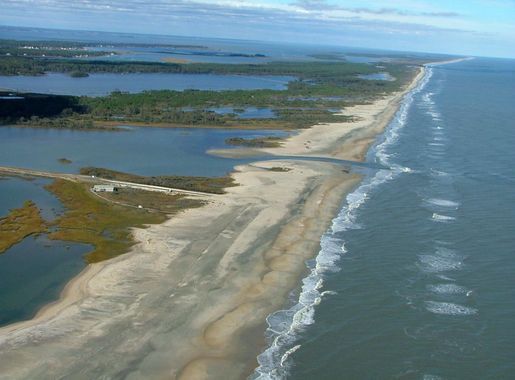
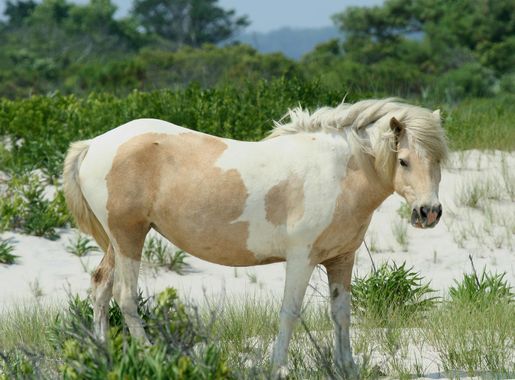
Chincoteague Island, located in Virginia, is a serene coastal haven known for its picturesque landscapes and friendly community. Famous for its wild Chincoteague Ponies, the island offers a unique opportunity to witness these majestic creatures in their natural habitat. The annual Pony Swim, a tradition that dates back to the 1920s, attracts thousands of visitors who come to watch the ponies swim across the Assateague Channel. Beyond the ponies, Chincoteague Island offers pristine beaches, lush marshlands, and a variety of outdoor activities that appeal to nature lovers and adventure seekers alike. The Chincoteague National Wildlife Refuge is a must-visit for bird watchers and wildlife enthusiasts. Spanning over 14,000 acres, the refuge is home to more than 320 species of birds, as well as other wildlife such as deer and foxes. Visitors can explore the refuge on foot, by bike, or even by car, taking in the stunning views and diverse ecosystems. The island's beaches, particularly the Assateague Island National Seashore, provide a peaceful retreat for sunbathing, swimming, and picnicking. Chincoteague Island also boasts a charming downtown area filled with boutique shops, seafood restaurants, and quaint bed-and-breakfast accommodations. The island's rich history is celebrated in local museums, such as the Museum of Chincoteague Island, which offers exhibits on the island's maritime heritage, the ponies, and the community's way of life. Whether you're interested in outdoor adventures, wildlife observation, or simply relaxing by the sea, Chincoteague Island promises an unforgettable experience.

Know before you go
Hi, I'm Eve. Here are a few practical things to know before exploring Chincoteague Island.
- Visit during the annual Pony Swim in July to witness this unique event and experience the local festivities.
- Rent a bike to explore the Chincoteague National Wildlife Refuge at your own pace.
- Try the local seafood; Chincoteague oysters and clams are a must-try delicacy.
- Book your accommodation well in advance, especially during peak seasons, to secure the best spots.
- Bring binoculars for bird watching and wildlife observation in the refuge.
Explore Chincoteague Island: Things to Do, Places to Eat, Hotels & More
Handpicked recommendations for top attractions, local dining, accommodations, and more

Best attractions in Chincoteague Island
Top-rated picks
Best Attractions

Assateague Island National Seashore
Explore Assateague Island National Seashore: Wild ponies, pristine beaches, and diverse ecosystems await your adventure.

Chincoteague Island Waterman's Memorial
Discover the serene tribute to Chincoteague's maritime legacy at the Waterman's Memorial, a peaceful park honoring local watermen and women.

Assateague Island
Explore the pristine beauty of Assateague Island, where wild horses roam and nature thrives in a tranquil coastal paradise.


Best restaurants in Chincoteague Island
Top-rated picks
Best Restaurants

Ropewalk Restaurant - Chincoteague
Experience fresh seafood and vibrant atmosphere at Ropewalk Restaurant in Chincoteague – your culinary gateway to coastal Virginia.

Don's Seafood Market & Restaurant
Experience fresh seafood delights at Don's Seafood Market & Restaurant in Chincoteague – where local flavors meet coastal charm.

Famous Pizza & Sub Shop
Experience the best pizza and subs in Chincoteague at Famous Pizza & Sub Shop - where flavor meets tradition in every bite.

AJ's on the Creek
Experience exquisite seafood and steaks at AJ's on the Creek in Chincoteague—where local flavors meet stunning waterfront views.

Best bars in Chincoteague Island
Top-rated picks
Best Bars

Ropewalk Restaurant - Chincoteague
Experience the essence of coastal dining at Ropewalk Restaurant in Chincoteague, where fresh seafood meets a welcoming atmosphere.

Bill's PRIME Seafood & Steaks
Savor the freshest seafood and prime steaks at Bill's PRIME Seafood & Steaks in Chincoteague, a must-visit for culinary enthusiasts.

Pico Taqueria
Experience the vibrant flavors of authentic Mexican cuisine at Pico Taqueria in Chincoteague, Virginia, where every bite tells a story of tradition.

Don's Seafood Market & Restaurant
Indulge in fresh seafood delicacies at Don's Seafood Market & Restaurant, a culinary treasure in Chincoteague, Virginia.

Best shops in Chincoteague Island
Top-rated picks
Best Shops

Pony Tails Taffy
Experience the sweet charm of Pony Tails Taffy, where homemade taffy and unique gifts await in Chincoteague, Virginia.

The Brant
Discover unique treasures at The Brant gift shop on Chincoteague Island, where local crafts meet coastal charm.

Sunsations 2004
Discover unique souvenirs and local treasures at Sunsations, Chincoteague's favorite outlet store, perfect for every traveler.

T Shirt Factory Chincoteague
Explore the T-Shirt Factory in Chincoteague for unique, locally-themed apparel capturing the essence of this charming coastal town.

Explore Chincoteague Island on the Map
A handpicked selection of must-see spots in Chincoteague Island, mapped for you.
Chincoteague Island Essentials
-
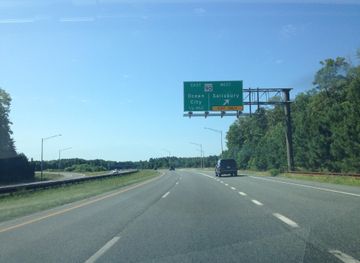
Chincoteague Island is located in Virginia, United States. The nearest major airport is Salisbury-Ocean City Wicomico Regional Airport in Maryland, approximately 50 miles away. From the airport, you can rent a car or take a taxi to Chincoteague Island. Alternatively, you can drive to the island from major cities like Washington D.C. (approximately 3 hours) or Baltimore (approximately 3.5 hours). A scenic option is to take the Chesapeake Bay Bridge-Tunnel if you are coming from the Norfolk/Virginia Beach area.
-
Once on Chincoteague Island, getting around is quite easy. Biking is a popular option, and there are several rental shops on the island. For those who prefer motorized transport, car rentals are available, and parking is generally plentiful. The island also offers a seasonal trolley service that operates from late June through early September, providing a scenic and convenient way to explore key attractions.
-
The official currency is the United States Dollar (USD). Credit and debit cards are widely accepted at most restaurants, hotels, and shops. There are several ATMs on the island if you need to withdraw cash. It's advisable to carry some cash, especially if you plan to visit smaller establishments or participate in local events and markets.
-
Chincoteague Island is generally considered a safe destination for tourists. However, as with any travel destination, it's advisable to take standard safety precautions. Keep an eye on your belongings in crowded areas and avoid walking alone at night in poorly lit places. There are no specific high-crime areas targeting tourists, but it's always good to stay vigilant and aware of your surroundings.
-
In case of emergency, dial 911 for immediate assistance. The island has a local police department and a volunteer fire company. The Chincoteague Island Health Clinic can handle minor medical issues, but for more serious conditions, you may need to go to a hospital on the mainland. It's recommended to have travel insurance that covers medical emergencies.
-
Fashion: Do wear comfortable and casual attire suitable for outdoor activities. Avoid overly formal clothing unless attending a specific event. Religion: There are no specific religious customs to be aware of, but always be respectful when visiting any place of worship. Public Transport: Do use the seasonal trolley service for an eco-friendly way to explore the island. Don't forget to check the schedule as it operates only in the summer. Greetings: Do greet people with a smile and a friendly 'hello.' Locals are known for their hospitality. Eating & Drinking: Do try local seafood, especially the famous Chincoteague oysters. Don't forget to tip your servers, as it is customary in the United States.
-
To experience Chincoteague Island like a local, visit the Chincoteague Farmers and Artisans Market, which is held on Wednesdays and Saturdays from April to October. Engage with local fishermen and artisans to learn more about the island's culture and history. Don’t miss the annual Pony Swim and Auction, a tradition that draws visitors from all over. For a unique experience, take a boat tour to see the wild ponies of Assateague Island. Lastly, enjoy the island's natural beauty by exploring the Chincoteague National Wildlife Refuge, which offers excellent bird watching and hiking opportunities.
When is the best time to visit Chincoteague Island?
Useful Local Phrases for Chincoteague Island
You don't need to speak the language perfectly. Even learning a few simple words can make conversations warmer—and locals usually appreciate the effort.
— Eve

Here are the phrases I use most often in Chincoteague Island. Try a few—you'll be surprised how far they go! 😊
❤️
-
- HelloHowdy
[haw-dee] - GoodbyeSee ya
[see yah] - YesYup
[yuhp] - NoNope
[nohp] - Please/You're welcomePlease/No problem
[pleez/no proh-bluhm] - Thank youThanks
[thanks] - Excuse me/SorryPardon me/My bad
[pahrd-n me/my bad] - How are you?How y'all doin'?
[how y'all doin'] - Fine. And you?Just fine. How 'bout you?
[just fine. how 'bout yuh?] - Do you speak English?Ya speak English?
[yah speak english?] - I don't understandI ain't gettin' it
[I aint get-tin it]
- HelloHowdy
-
- I'd like to see the menu, pleaseCan I check out the menu?
[can I chek out the menu?] - I don't eat meatI don't do meat
[I don't do meat] - Cheers!Cheers!
[cheers!] - I would like to pay, pleaseI'll settle up, thanks
[I'll set-tle up, thanks]
- I'd like to see the menu, pleaseCan I check out the menu?
-
- Help!Help!
[help!] - Go away!Get lost!
[get lost!] - Call the Police!Call the fuzz!
[call the fuzz!] - Call a doctor!Get a doc over here!
[get a doc over here!] - I'm lostI'm turned around
[I'm turned around] - I'm illI'm feelin' under the weather
[I'm feelin' under the weather]
- Help!Help!
-
- I'd like to buy...I'm lookin' to get...
[I'm lookin' to get] - I'm just lookingJust browsin'
[just browsin'] - How much is it?What's the damage?
[what's the dam-age?] - That's too expensiveThat's pricey
[that's pricey] - Can you lower the price?Can ya knock it down a bit?
[can ya knock it down a bit?]
- I'd like to buy...I'm lookin' to get...
-
- What time is it?What's the time?
[what's the time?] - It's one o'clockIt's one
[It's one] - Half past (10)Ten-thirty
[ten-thur-tee] - MorningMornin'
[mornin'] - AfternoonAfternoon
[afternoon] - EveningEvenin'
[evenin'] - YesterdayYest'day
[yest'day] - TodayToday
[today] - TomorrowTomorra
[tomorra] - 1One
[wuhn] - 2Two
[too] - 3Three
[three] - 4Four
[for] - 5Five
[fahyv] - 6Six
[siks] - 7Seven
[sev-uhn] - 8Eight
[ayt] - 9Nine
[nahyn] - 10Ten
[ten]
- What time is it?What's the time?
-
- Where's a/the...?Where's the...
[where's the...] - What's the address?What's the addy?
[what's the addy?] - Can you show me (on the map)?Can ya show me (on the map)?
[can ya show me (on the map)?] - When's the next (bus)?When's the next (bus)?
[when's the next (bus)?] - A ticket (to ....)A ticket (to ....)
[a ticket (to ....)]
- Where's a/the...?Where's the...
History of Chincoteague Island
-
Before European settlers arrived, the Assateague and Pocomoke tribes inhabited the region, including Chincoteague Island. These Native American tribes relied heavily on fishing, agriculture, and hunting for their sustenance. Artifacts and other archaeological findings suggest that Chincoteague Island was an important site for these communities long before the arrival of Europeans.
-
Chincoteague Island saw its first European settlers in the late 17th century. The island was part of the Virginia Colony, and the settlers primarily engaged in farming, fishing, and raising livestock. The name 'Chincoteague' itself is believed to derive from a Native American word meaning 'beautiful land beyond the water.' The island's fertile land and rich waters made it an attractive settlement area.
-
In the late 19th and early 20th centuries, Chincoteague Island was at the center of the Oyster Wars, a series of conflicts over oyster harvesting rights in the Chesapeake Bay area. The island's waters were rich in oysters, leading to disputes between local watermen and those from neighboring regions. The Oyster Wars were marked by legal battles, violent confrontations, and the eventual establishment of regulations to manage oyster harvesting.
-
One of the most significant events in Chincoteague Island's history was the Great Fire of 1920. On a frigid December night, a fire broke out and rapidly spread, devastating much of the island's Main Street and destroying numerous homes and businesses. The community came together to rebuild, and the fire led to improvements in the island's infrastructure, including better fire prevention measures.
-
The wild ponies of Chincoteague and neighboring Assateague Island are perhaps the most famous aspect of the island's culture and history. According to local legend, these ponies are descendants of horses that survived a Spanish galleon shipwreck off the coast centuries ago. The ponies have become a central part of the island's identity, and the annual Pony Swim, where ponies are herded across the Assateague Channel to be auctioned, draws thousands of visitors each year.
-
Constructed in 1867, the Assateague Lighthouse is a historic beacon that has guided ships safely along the coast for over a century. Standing at 142 feet tall, the lighthouse is a significant landmark for both Chincoteague and Assateague Islands. It was automated in the 1930s but remains a beloved historical site, now managed by the U.S. Fish and Wildlife Service and open to the public for tours.
-
Located just a short drive from Chincoteague Island, NASA's Wallops Flight Facility has been a hub for aeronautical and space research since its establishment in 1945. The facility has played a crucial role in launching sounding rockets, research balloons, and orbital missions. Its proximity to Chincoteague Island has made the area a point of interest for space enthusiasts and tourists alike.
-
Established in 1943, the Chincoteague National Wildlife Refuge encompasses over 14,000 acres on Assateague Island and is a haven for wildlife. The refuge is home to a diverse array of species, including the famous Chincoteague ponies, migratory birds, and various marine life. It offers visitors the opportunity to explore pristine landscapes, engage in birdwatching, and learn about the island's natural heritage.
Neighbouring destination travel guides
Browse our curated selection of top destinations, scenic points, and must-visit spots in the area.




Your all‑in‑one travel companion app
Explore expert travel guides, compare and book tours, experiences, hotels, and more—all from the palm of your hand. Download now for seamless trip planning wherever your wanderlust takes you.


Explore More of Tidewater

Looking beyond Chincoteague Island? Discover Tidewater for broader travel guides, local hot-spots, and regional highlights.
Explore TidewaterExplore More of Virginia

Looking beyond Chincoteague Island? Discover Virginia for broader travel guides, local hot-spots, and regional highlights.
Explore VirginiaChincoteague Island in Photos
Browse through our photo collection highlighting the charm and character of the destination.




Chincoteague Island: Virginia's Coastal Gem
Chincoteague Island, located in Virginia, is a serene coastal haven known for its picturesque landscapes and friendly community. Famous for its wild Chincoteague Ponies, the island offers a unique opportunity to witness these majestic creatures in their natural habitat. The annual Pony Swim, a tradition that dates back to the 1920s, attracts thousands of visitors who come to watch the ponies swim across the Assateague Channel. Beyond the ponies, Chincoteague Island offers pristine beaches, lush marshlands, and a variety of outdoor activities that appeal to nature lovers and adventure seekers alike. The Chincoteague National Wildlife Refuge is a must-visit for bird watchers and wildlife enthusiasts. Spanning over 14,000 acres, the refuge is home to more than 320 species of birds, as well as other wildlife such as deer and foxes. Visitors can explore the refuge on foot, by bike, or even by car, taking in the stunning views and diverse ecosystems. The island's beaches, particularly the Assateague Island National Seashore, provide a peaceful retreat for sunbathing, swimming, and picnicking. Chincoteague Island also boasts a charming downtown area filled with boutique shops, seafood restaurants, and quaint bed-and-breakfast accommodations. The island's rich history is celebrated in local museums, such as the Museum of Chincoteague Island, which offers exhibits on the island's maritime heritage, the ponies, and the community's way of life. Whether you're interested in outdoor adventures, wildlife observation, or simply relaxing by the sea, Chincoteague Island promises an unforgettable experience.