

Free Danville Travel Guide & Mobile App
Plan your Danville trip with Evendo. Get free guides to top attractions, restaurants, hotels, and bars. Web access or download the mobile app.


Danville, Virginia reveals tobacco-era architecture, Dan River trails, museums, Southern history and a revitalised River District for thoughtful sightseeing.
A River City Shaped by Industry
Danville stands in southern Virginia on the Dan River, close to the North Carolina border. Its identity was shaped by tobacco, textiles and railways, industries that left behind an unusually substantial collection of warehouses, mills, civic buildings and finely built residences. Today, the former industrial centre is being reinterpreted through the River District, where restored buildings, galleries, restaurants, independent businesses and public spaces have brought renewed activity to Main Street and the riverfront.Read more about Danville
Historic Streets and Civic Memory
Outdoor Danville
When is the best time to visit Danville?
Best: May–June, September · 24–29°C| Month | High (°C) | Rainfall (mm) |
|---|---|---|
| January | 8 | 75 |
| February | 9 | 70 |
| March | 15 | 90 |
| April | 19 | 85 |
| May (best) | 24 | 95 |
| June (best) | 29 | 90 |
| July | 31 | 100 |
| August | 30 | 95 |
| September (best) | 26 | 90 |
| October | 19 | 85 |
| November | 14 | 80 |
| December | 9 | 75 |
Getting to and around Danville
How to get there
Transportation
Best attractions in Danville
Danville’s principal attractions reveal a city built around tobacco, manufacturing and the Dan River. The Danville Museum of Fine Arts and History, housed in the Sutherlin Mansion, combines local history with art and occupies one of the city’s most important historic residences. The Tobacco Warehouse District offers a close look at the brick commercial buildings that supported the nineteenth-century tobacco trade, while the Riverwalk Trail follows the river through parks, former industrial landscapes and public spaces. At the Danville Science Center, hands-on exhibits make science accessible to families and curious adults, and the American Armoured Foundation Tank Museum presents a substantial collection of military vehicles. Ballou Park provides gardens, lawns and a more leisurely setting, while the Community Market and River District add everyday local life, independent businesses and seasonal activity to the sightseeing experience.
-
Tourist attraction
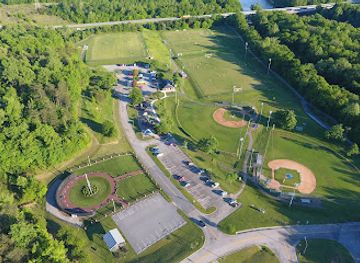
Dan Daniel Memorial Park
Discover the tranquil beauty and recreational delights of Dan Daniel Memorial Park in Danville, Virginia, a perfect escape for nature lovers and families.
11 min drive · 3.8 km from city centre
-
Tourist attraction
Danville Science Center
Explore interactive exhibits and educational fun for all ages at the Danville Science Center, a top-rated science museum in Virginia.
15 min drive · 5.0 km from city centre
-
Tourist attraction
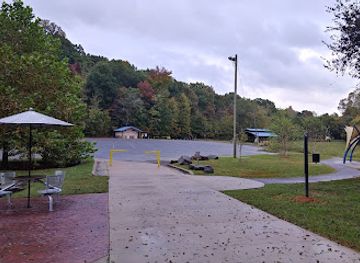
Anglers Park
Discover Anglers Park in Danville, a serene park offering picturesque views, nature trails, and a peaceful atmosphere perfect for relaxation and family outings.
8 min drive · 2.7 km from city centre
-
Tourist attraction
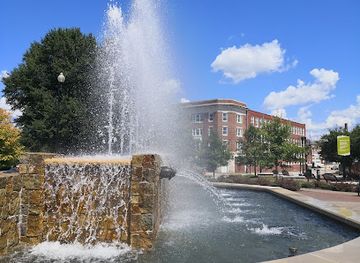
JTI Fountain
Experience the tranquility of JTI Fountain in Danville, Virginia, where serene beauty meets community spirit, perfect for relaxation and memorable moments.
17 min drive · 5.5 km from city centre

Best landmarks in Danville
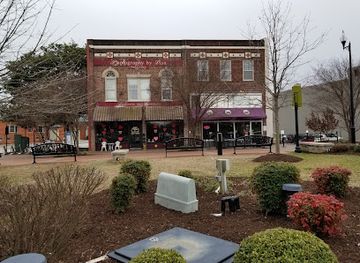
Danville’s landmarks preserve the city’s commercial, residential and political history in a compact collection of historic areas. Sutherlin Mansion, now home to the Danville Museum of Fine Arts and History, is associated with the brief Confederate government presence in April 1865 and represents the wealth of the city’s nineteenth-century tobacco era. The Tobacco Warehouse District contains brick warehouses that express the scale and practical architecture of the tobacco trade, while Millionaires’ Row recalls the residences built by prosperous merchants and industrialists. The former Dan River industrial landscape and surviving mill buildings reflect the later importance of textiles. Downtown churches, civic buildings and commercial façades add layers from different periods, and the Dan River itself remains a defining geographical landmark around which Danville’s trade, industry and modern public spaces developed.
-
Shopping mall
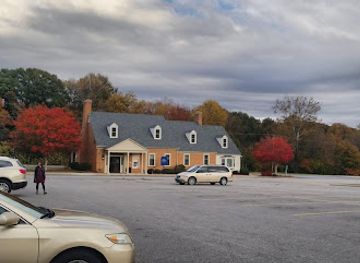
Nordan Shopping Center
Discover the vibrant shopping experience at Nordan Shopping Center in Danville, Virginia, featuring diverse stores, dining, and family-friendly entertainment.
24 min drive · 8.1 km from city centre
-
Mexican
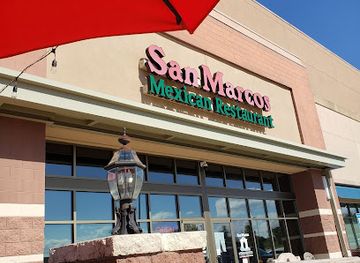
San Marcos Mexican Restaurant
Indulge in authentic Mexican cuisine and vibrant flavors at San Marcos Mexican Restaurant in Danville, VA, where every meal is a festive celebration.
25 min drive · 8.3 km from city centre
-
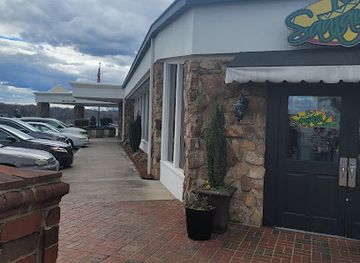
Hamburger
Me's burgers & brews
Savor the local flavor at Me's Burgers & Brews in Danville, Virginia, where gourmet burgers meet a vibrant atmosphere for an unforgettable dining experience.
16 min drive · 5.5 km from city centre
-
Casino
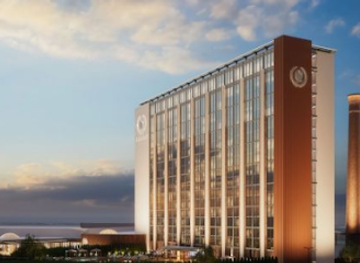
Caesars Virginia
Discover the excitement and luxury of Caesars Virginia, a premier casino and hotel destination in Danville, perfect for an unforgettable getaway.
27 min drive · 8.9 km from city centre

Explore Danville on the map
Plan your Danville trip on one map. See where the top attractions, landmarks, restaurants, bars and hotels are, find what's near where you're staying, and book hotels and experiences in a few clicks.
Best hotels in Danville
Best restaurants in Danville
Danville’s dining scene reflects the south-central Virginia Piedmont, with Southern home-style cooking, barbecue traditions, biscuits, fried and grilled specialities, seasonal produce and dishes influenced by the culinary culture of neighbouring North Carolina. The River District and Main Street provide the city’s most concentrated choice of restaurants, cafés and casual food businesses, while the Community Market brings local producers and small vendors into the centre when operating. Independent restaurants tend to be more characteristic than formal fine-dining rooms, and menus may combine familiar regional comfort food with contemporary American cooking. Tobacco and textile history also matter indirectly: the same commercial streets and warehouse buildings that once handled agricultural goods now accommodate places to eat and meet. Visitors should expect a modest, locally oriented scene rather than a large metropolitan restaurant circuit, with changing options best checked locally.
-
Steak
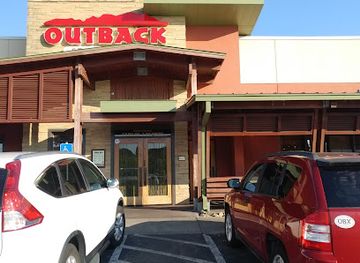
Outback Steakhouse
Experience authentic Australian cuisine at Outback Steakhouse in Danville – home of juicy steaks and bold flavors!
26 min drive · 8.8 km from city centre
-
Italian
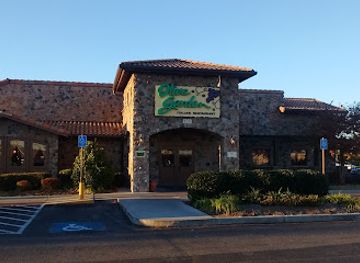
Olive Garden Italian Restaurant
Savor authentic Italian flavors at Olive Garden in Danville - perfect for families and food lovers alike.
26 min drive · 8.7 km from city centre
-
Restaurant
Kickback Jack's
Discover Kickback Jack's in Danville - where delicious food meets exhilarating sports action in a friendly atmosphere.
26 min drive · 8.8 km from city centre
-
Seafood
Mayflower Seafood Restaurant
Discover the best seafood delights at Mayflower Seafood Restaurant in Danville - where freshness meets flavor in every bite.
22 min drive · 7.2 km from city centre
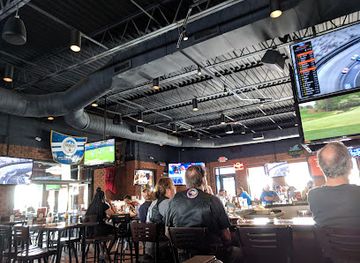
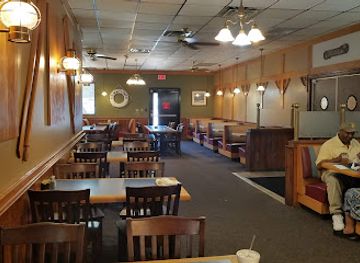
Best bars in Danville
Danville’s evening life is centred more on restaurants, breweries, live events and community gatherings than on a large nightclub scene. The River District and Main Street offer the greatest concentration of places for an evening drink, with Ballad Brewing providing a local craft-beer focus in a setting connected to the city’s contemporary cultural renewal. Carrington Pavilion hosts concerts and other performances, adding a scheduled entertainment dimension to the waterfront and downtown area. Seasonal events, community programmes and performances can make the city feel considerably busier than a normal weeknight, while the Dan River and historic streets provide a quieter backdrop for an evening walk. Nightlife is generally relaxed and regional in character, so visitors seeking late-night clubs should check current local listings rather than assume an extensive after-hours programme.
-
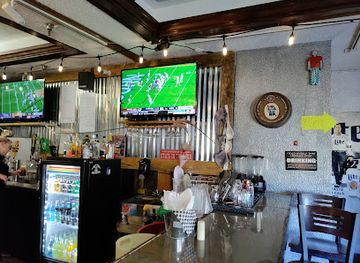
Sports bar
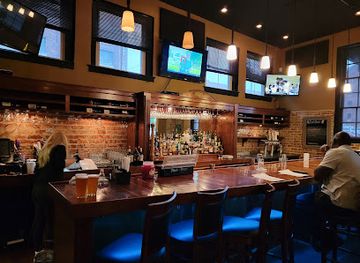
Kickback Jack's
Experience the vibrant atmosphere of Kickback Jack's, where delicious food meets exciting sports in Danville, Virginia.
26 min drive · 8.8 km from city centre
-
Hamburger
Me's burgers & brews
Experience the best of Danville with mouthwatering burgers and local brews at Me's Burgers & Brews, a must-visit culinary hotspot.
16 min drive · 5.5 km from city centre
-
Restaurant
Cotton at Riverside Mill
Discover delightful Southern cuisine immersed in the charm of Danville, Virginia at Cotton at Riverside Mill.
16 min drive · 5.4 km from city centre
-
Bistro
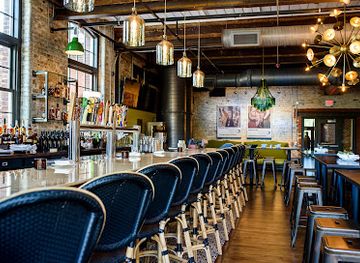
Golden Leaf Bistro
Experience gourmet dining at Golden Leaf Bistro in Danville, VA, where local flavors meet culinary excellence in a charming atmosphere.
16 min drive · 5.4 km from city centre
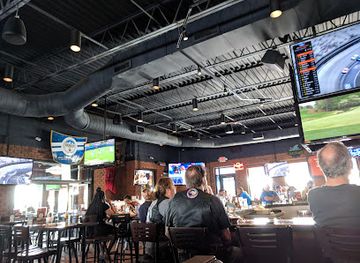
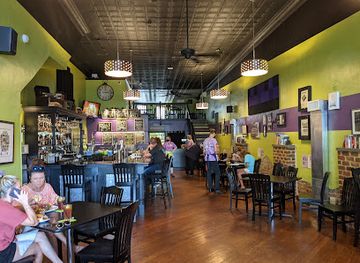
Best nightclubs in Danville
Danville’s evening life is centred more on restaurants, breweries, live events and community gatherings than on a large nightclub scene. The River District and Main Street offer the greatest concentration of places for an evening drink, with Ballad Brewing providing a local craft-beer focus in a setting connected to the city’s contemporary cultural renewal. Carrington Pavilion hosts concerts and other performances, adding a scheduled entertainment dimension to the waterfront and downtown area. Seasonal events, community programmes and performances can make the city feel considerably busier than a normal weeknight, while the Dan River and historic streets provide a quieter backdrop for an evening walk. Nightlife is generally relaxed and regional in character, so visitors seeking late-night clubs should check current local listings rather than assume an extensive after-hours programme.
-
Sports bar
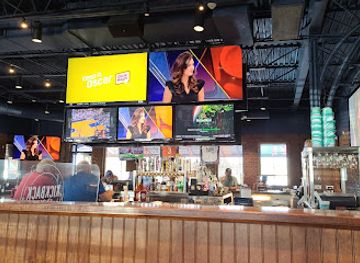
Kickback Jack's
Experience the vibrant atmosphere at Kickback Jack's, Danville's favorite sports bar, offering delicious food and thrilling sports action.
26 min drive · 8.8 km from city centre
-
Restaurant
Applebee's Grill + Bar
Experience the vibrant flavors of American cuisine at Applebee's Grill + Bar in Danville, Virginia, a perfect spot for family-friendly dining.
26 min drive · 8.7 km from city centre
-
Grill
Santana's Restaurant & Grill
Experience the vibrant flavors of Mexico at Santana's Restaurant & Grill in Danville, Virginia, where every meal is a celebration of culinary artistry.
24 min drive · 8.1 km from city centre
-
Grill
Shannie's Bar and Grill
Discover the perfect blend of delicious grilled cuisine and a lively bar atmosphere at Shannie's Bar and Grill in Danville, VA.
27 min drive · 8.9 km from city centre
Best shops in Danville
Shopping in Danville is concentrated around the River District, Main Street and community-oriented markets rather than a single large luxury retail quarter. Independent shops, cafés, galleries, antique dealers and small businesses occupy historic commercial buildings, giving the centre a more local character than a suburban shopping complex. Community Market is the best place to look for regional produce, prepared food and products from small vendors when its market programme is running. Visitors may also find Virginia-made foodstuffs, handmade goods, art and practical souvenirs connected with the Piedmont, although stock varies between businesses. The city’s former tobacco warehouses and industrial buildings provide much of the retail setting, so shopping also becomes a way of seeing how Danville’s historic commercial core is being reused. For everyday necessities, larger retail areas lie beyond the central district.
-
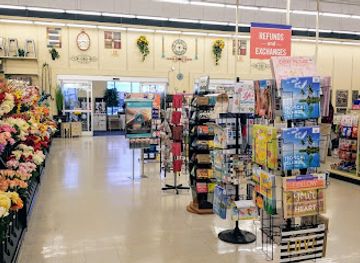
Craft store
Hobby Lobby
Discover your creative side at Hobby Lobby in Danville, a premier destination for craft supplies, home decor, and artistic inspiration.
26 min drive · 8.5 km from city centre
-
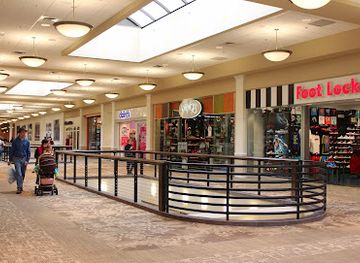
Shopping mall
Danville Mall
Discover the vibrant shopping experience at Danville Mall, where retail therapy meets local flavor in the heart of Virginia.
25 min drive · 8.4 km from city centre
-
Shopping mall
Nordan Shopping Center
Discover the vibrant shopping experience at Nordan Shopping Center in Danville, VA, featuring diverse stores, dining, and entertainment.
24 min drive · 8.1 km from city centre
-
Shopping mall
Coleman Marketplace
Discover Coleman Marketplace, a vibrant shopping mall in Danville, Virginia, offering diverse stores, delicious dining, and exciting entertainment for all.
25 min drive · 8.3 km from city centre
Get your free copy of our complete guide to Danville, delivered straight to you.
Everything on this page, from attractions and restaurants to essentials and local phrases, in one PDF you can read offline, print or share.
Already have an account? Sign in
Your Danville guide is ready.
We'll send it to · Not you? Sign out

Getting your guide ready…
We are putting together a fresh copy of the Danville guide. This can take up to a minute.
This can take a few moments. If your browser asks, choose Allow so the download can start. You'll find the guide in your Downloads folder.
Nothing happened? Download it again
Sorry, the guide is taking longer than usual. Please try again in a minute, or get it by email instead.
Danville essentials
Currency and Payment
Safety
Emergency Situations
Do's and Don'ts
Local Tips
From Eve
Local phrases worth knowing
You don't need to get them perfect. A few words go a long way, and locals appreciate the effort.
Basics
| English | Local | Say it |
|---|---|---|
| Hello | Howdy | [haw-dee] |
| Goodbye | See ya | [see yuh] |
| Yes | Yep | [yep] |
| No | Nope | [nohp] |
| Please/You're welcome | Please/No problem | [pleez/no prob-lum] |
| Thank you | Thanks | [thaynks] |
| Excuse me/Sorry | Excuse me/My bad | [ex-kyooz mee/my bad] |
| How are you? | How y'all doin'? | [haw y'all doo-in'] |
| Fine. And you? | Fine. How 'bout you? | [fahyn. how 'bout yuh?] |
| Do you speak English? | Y'all speak English? | [y'all speak ing-glish?] |
| I don't understand | I don't git it | [ah don't git it] |
Eating & Drinking
| English | Local | Say it |
|---|---|---|
| I'd like to see the menu, please | Can I check out the menu, please | [kan ah chek owt thee menu, pleez] |
| I don't eat meat | I don't eat no meat | [ah don't eat noh meat] |
| Cheers! | Cheers! | [cheers!] |
| I would like to pay, please | I'll settle up, please | [ah'll set-tul up, pleez] |
Emergencies
| English | Local | Say it |
|---|---|---|
| Help! | Help! | [help!] |
| Go away! | Git outta here! | [git out-uh heer!] |
| Call the Police! | Call the cops! | [call thee cops!] |
| Call a doctor! | Call a doc! | [call a dock!] |
| I'm lost | I'm all turned around | [ahm all turnd around] |
| I'm ill | I'm feelin' sick | [ahm feelin' sik] |
Shopping
| English | Local | Say it |
|---|---|---|
| I'd like to buy... | I wanna buy... | [ah wanna buy...] |
| I'm just looking | I'm just lookin' | [ahm just lookin'] |
| How much is it? | How much does it cost? | [how much duz it cost?] |
| That's too expensive | That's too pricey | [thats tooh pry-see] |
| Can you lower the price? | Can you drop the price? | [kan yuh drop thee price?] |
Time & Numbers
| English | Local | Say it |
|---|---|---|
| What time is it? | What time is it? | [what time is it?] |
| It's one o'clock | It's one o'clock | [its one o'clock] |
| Half past (10) | Half past ten | [half past ten] |
| Morning | Mornin' | [mornin'] |
| Afternoon | Afternoon | [afternoon] |
| Evening | Evenin' | [evenin'] |
| Yesterday | Yest'day | [yest-day] |
| Today | Today | [today] |
| Tomorrow | Tomorrer | [tomorrer] |
| 1 | One | [wun] |
| 2 | Two | [too] |
| 3 | Three | [three] |
| 4 | Four | [fawr] |
| 5 | Five | [fahyv] |
| 6 | Six | [siks] |
| 7 | Seven | [sev-uhn] |
| 8 | Eight | [ayt] |
| 9 | Nine | [nine] |
| 10 | Ten | [ten] |
Transport & Directions
| English | Local | Say it |
|---|---|---|
| Where's a/the...? | Where's a/the...? | [wheres a/the...?] |
| What's the address? | What's the address? | [whats the address?] |
| Can you show me (on the map)? | Can you show me (on the map)? | [kan yuh show mee (on thee map)?] |
| When's the next (bus)? | When's the next (bus)? | [whens the next (bus)?] |
| A ticket (to ....) | A ticket (to ....) | [uh ticket (to ....)] |
History of Danville
Indigenous Landscapes and Early Settlement
The Dan River valley was inhabited and used by Indigenous peoples long before European settlement, with the river providing routes for movement, fishing and exchange. English-speaking settlers entered the region during the colonial period, and the area developed around farms, water access and crossings rather than as a densely planned town. The river’s name is generally associated with the Dan River identified on colonial maps, while the wider Piedmont landscape connected Virginia’s interior with North Carolina. These geographical advantages later helped Danville become a commercial centre, but the foundations of its growth were laid by agriculture and the movement of people and goods through the valley.
A Tobacco Town Emerges
Danville was established as a town in 1793 and grew around the inspection and sale of tobacco, a crop central to the economy of southern Virginia. Warehouses near the Dan River allowed tobacco to be stored, graded and traded, while merchants and associated workers created a substantial commercial community. The town’s position near the North Carolina line also encouraged cross-border trade. Buildings in the Tobacco Warehouse District preserve the scale of this era, when Danville was not simply a farming settlement but a specialised market town whose fortunes were closely tied to agricultural prices, transport connections and the labour required to cultivate and process tobacco.
Railways and Industrial Expansion
Rail connections in the nineteenth century transformed Danville’s commercial reach and encouraged industrial development. Tobacco remained important, but textile manufacturing and other industries expanded, producing mills, warehouses and employment that altered the city’s physical and social structure. The Dan River and railways worked together as routes for raw materials and finished goods, while prosperous industrialists built substantial homes along what became known as Millionaires’ Row. The surviving architecture from this period reflects both the wealth generated by commerce and the sharp inequalities of an industrial economy. Danville’s present-day River District and former mill areas still reveal this transition from river market to manufacturing city.
Danville in the Civil War
Danville’s rail and telegraph connections made it strategically important during the American Civil War. After Richmond was evacuated in April 1865, Confederate president Jefferson Davis and members of the Confederate government travelled south, and Danville served as the Confederacy’s final capital from 3 to 10 April. Government offices operated there briefly, with meetings held in buildings that have since become associated with the episode. Confederate forces surrendered soon afterwards, bringing the war towards its conclusion. The city’s Civil War history is therefore linked not only to military movements but also to the administrative collapse of the Confederacy and the political significance of its final days.
Textiles, Labour and the Modern City
During the twentieth century, textile manufacturing became one of Danville’s defining industries. Large mills and related businesses provided employment and connected the city to national and international markets, while mill communities shaped everyday life, housing and local institutions. The sector also exposed workers to the instability of changing industrial economies and, later, to the effects of automation and overseas competition. As manufacturing declined, Danville faced the difficult task of reusing extensive industrial buildings and revitalising its historic centre. Contemporary projects in the River District, along with museums and cultural institutions, reflect an effort to preserve the physical evidence of industrial life while building a broader post-industrial economy.
River District Renewal
In the twenty-first century, Danville has increasingly focused on its historic downtown, riverfront and former industrial areas as foundations for regeneration. Restoration of older commercial buildings, improvements to public spaces and the growth of arts, dining and small businesses have changed the experience of the central city without erasing its industrial character. The Riverwalk Trail and riverfront developments give the Dan River a more visible civic role, while institutions such as the Danville Museum, Danville Science Center and American Armoured Foundation Tank Museum broaden the city’s cultural offer. Danville’s current identity is consequently built from adaptation: tobacco warehouses, mill heritage and civic history now share space with outdoor recreation and creative enterprise.
Danville in Photos
Browse through our photo collection highlighting the charm and character of the destination.
Cities near Danville
The closest cities to Danville, if you have time for more than one stop.
-

-

-

-

-


Swipe for more cities
Explore more

Explore more of Virginia
Discover Virginia: A blend of historic landmarks, natural beauty, and vibrant culture perfect for history buffs, nature lovers, and culture seekers.
Explore Virginia