

Free Lynchburg Travel Guide & Mobile App
Plan your Lynchburg trip with Evendo. Get free guides to top attractions, restaurants, hotels, and bars. Web access or download the mobile app.


Lynchburg, Virginia blends James River scenery, historic districts, Civil War heritage, lively arts venues and walkable cultural attractions in Central Virginia.
River City and Historic Hills
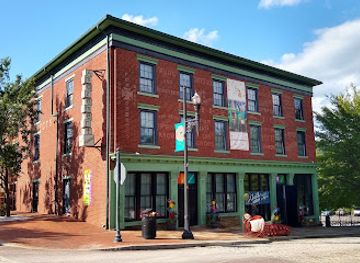
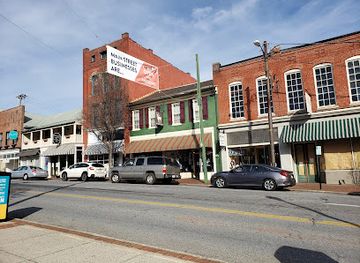
Lynchburg rises in a series of wooded hills above the James River in central Virginia, its historic core shaped by tobacco, canals, railways and the ambitions of merchant John Lynch. The city is often called the City of Seven Hills, and its topography gives neighbourhoods such as Court House Hill, Daniel's Hill and College Hill distinct identities. Downtown, restored commercial buildings line Main Street, while Monument Terrace climbs towards the Old Court House Museum and offers one of the city's most characteristic urban views.Read more about Lynchburg
Heritage and Civil War Memory
Arts, Trails and Contemporary Life
When is the best time to visit Lynchburg?
Best: May–June, September · 24–28°C| Month | High (°C) | Rainfall (mm) |
|---|---|---|
| January | 8 | 81 |
| February | 9 | 85 |
| March | 15 | 99 |
| April | 19 | 94 |
| May (best) | 24 | 104 |
| June (best) | 28 | 102 |
| July | 31 | 109 |
| August | 29 | 104 |
| September (best) | 25 | 101 |
| October | 19 | 93 |
| November | 14 | 90 |
| December | 9 | 87 |
Getting to and around Lynchburg
How to get there
Transportation
Best attractions in Lynchburg
Lynchburg's attractions combine museums, historic streets, arts venues and green corridors. The Old Court House Museum, set above downtown, introduces the city's civic and commercial history, while Point of Honor interprets early nineteenth-century life through a preserved Federal-era house and grounds. Old City Cemetery offers landscaped paths and a quieter perspective on local and Civil War history. Families can explore interactive exhibits at Amazement Square, and the Academy Center of the Arts presents exhibitions and performances in a former theatre complex. Riverviews Artspace adds contemporary work to the downtown scene, while the Blackwater Creek Trail follows a wooded route through the city for walking and cycling. The Lynchburg Community Market brings together local produce, prepared food and crafts, linking present-day city life with the area's long trading tradition. Views towards the James River and surrounding hills provide a strong sense of the terrain that shaped Lynchburg's development.
-
Tourist attraction
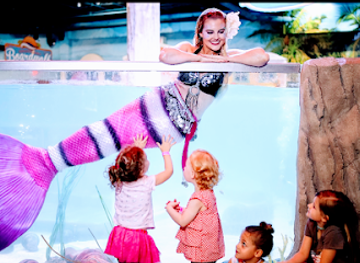
SeaQuest Lynchburg
Discover the incredible aquatic and terrestrial life at SeaQuest Lynchburg, a unique indoor aquarium and zoo experience perfect for families and animal enthusiasts.
19 min drive · 6.3 km from city centre
-
Tourist attraction
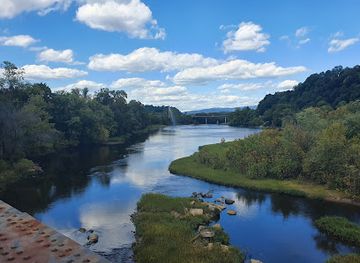
Percival's Island Natural Area
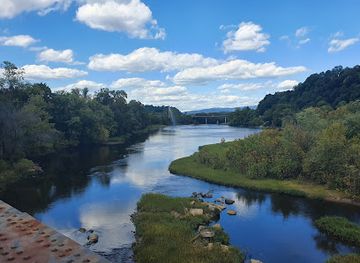
Explore the beauty of Percival's Island Natural Area, a tranquil park along the James River, perfect for outdoor activities and wildlife encounters.
12 min walk · 1.0 km from city centre
-
Tourist attraction
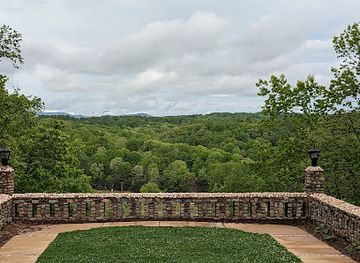
Riverside Park
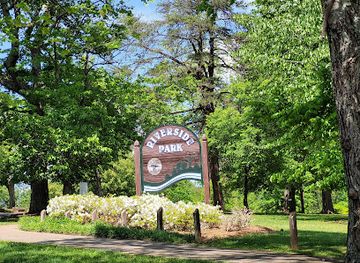
Experience the beauty and history of Riverside Park, a lush retreat in Lynchburg, Virginia, perfect for relaxation and adventure.
10 min drive · 3.3 km from city centre
-
Market
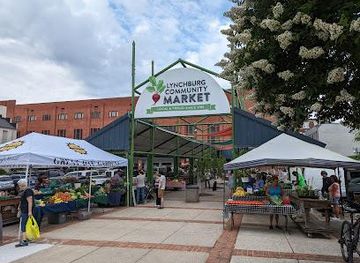
Lynchburg Community Market
Discover Lynchburg's vibrant Community Market, a hub of fresh produce, artisanal crafts, and local culture in the heart of Virginia.
4 min walk · 0.3 km from city centre
Best landmarks in Lynchburg
Lynchburg's landmarks reveal how commerce, religion, civic government and transport shaped a city built on steep ground above the James River. Monument Terrace rises from Main Street towards the Old Court House, creating both a prominent urban axis and a memorial space associated with local veterans. The Old Court House Museum occupies a nineteenth-century Greek Revival-style civic building whose elevated position reflects the importance of public authority in the historic centre. Point of Honor represents the wealth and social structure of the early republic, while Old City Cemetery preserves funerary art, historic plantings and graves connected with the city's development and Civil War years. Historic churches, commercial blocks and surviving homes in districts such as Court House Hill and Daniel's Hill add architectural depth, while the Kemper Street railway area recalls Lynchburg's transformation into a major regional transport centre.
-
Park
Percival's Island Natural Area
Explore the scenic trails and rich wildlife of Percival's Island Natural Area, a serene park perfect for outdoor adventures and relaxation along the James River.
12 min walk · 1.0 km from city centre
-
Park
Riverside Park
Explore the natural beauty and tranquility of Riverside Park in Lynchburg, Virginia, a perfect spot for relaxation and outdoor activities.
10 min drive · 3.3 km from city centre
-
Children's museum
Amazement Square
Experience creativity and discovery at Amazement Square, the premier children's museum in Lynchburg, Virginia, where fun meets education for all ages.
4 min walk · 0.3 km from city centre
-
Market
Lynchburg Community Market
Explore the Lynchburg Community Market for a delightful experience of local produce, artisanal crafts, and vibrant community spirit in Virginia.
4 min walk · 0.3 km from city centre
Explore Lynchburg on the map
Plan your Lynchburg trip on one map. See where the top attractions, landmarks, restaurants, bars and hotels are, find what's near where you're staying, and book hotels and experiences in a few clicks.
Best hotels in Lynchburg
Best restaurants in Lynchburg
Lynchburg's dining scene reflects the foodways of central Virginia, where Southern cooking, Appalachian influences, farm produce and the legacy of tobacco-era commerce meet a growing independent restaurant culture. Downtown and nearby historic districts contain cafés, bakeries, casual restaurants and more polished dining rooms in adapted commercial buildings, while the Lynchburg Community Market provides an informal setting for regional produce, prepared foods and local makers. Menus may feature biscuits, barbecue, country ham, seasonal vegetables and other Virginia traditions alongside burgers, international dishes and contemporary American cooking. Coffee shops and breweries contribute to the city's college and arts-oriented atmosphere, although the scene remains more intimate than that of a major metropolitan area. Seasonal ingredients from the surrounding countryside are particularly evident at markets and in restaurants that emphasise local sourcing.
-
Fast Food
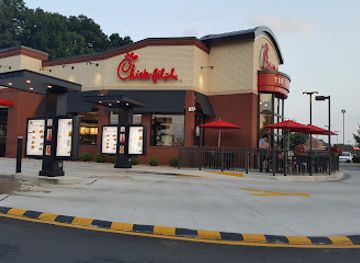
Chick-fil-A
Discover the charm of Southern cuisine at Chick-fil-A in Lynchburg - where great food meets warm hospitality.
25 min drive · 8.2 km from city centre
-
Steak
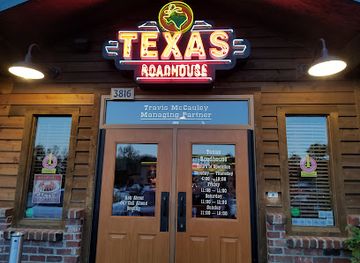
Texas Roadhouse
Discover Texas Roadhouse in Lynchburg: An American steakhouse offering delicious hand-cut steaks and a lively atmosphere perfect for family gatherings.
23 min drive · 7.5 km from city centre
-
American
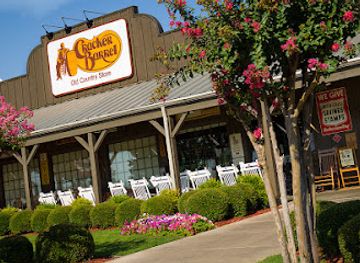
Cracker Barrel Old Country Store
Experience authentic Southern cuisine at Cracker Barrel Old Country Store in Lynchburg, where tradition meets comfort in every delicious bite.
22 min drive · 7.5 km from city centre
-
Italian
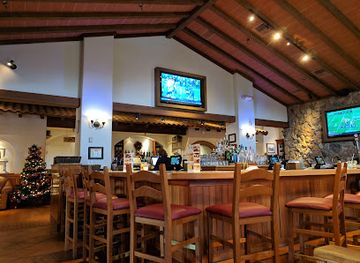
Olive Garden Italian Restaurant
Discover authentic Italian flavors at Olive Garden in Lynchburg - perfect for families, takeout lovers, and gluten-free diners.
26 min drive · 8.7 km from city centre
Best bars in Lynchburg
Lynchburg's evening life is concentrated around downtown, Main Street and nearby districts rather than a large nightclub quarter. Historic commercial buildings house relaxed bars, breweries, cocktail-focused venues and restaurants where students, residents and visitors gather, while the city's colleges help sustain live music, theatre, lectures and arts programming. The Academy Center of the Arts and other cultural venues provide alternatives to a drinking-centred evening, with performances and exhibitions scheduled throughout the year. Riverviews Artspace contributes occasional gallery events and creative programming, and local breweries offer an informal social setting. Nightlife generally winds down earlier and feels more conversational than in Virginia's larger cities, so current event listings are more useful than assuming a fixed pattern of late-night entertainment.
-
American
Depot Grille
Experience the heart of Lynchburg's dining scene at Depot Grille, where American flavors and a vibrant atmosphere come together.
4 min walk · 0.3 km from city centre
-
Restaurant
The Neighbors Place
Experience the heart of Southern cuisine at The Neighbors Place in Lynchburg, where comfort food meets a warm, inviting atmosphere.
31 min drive · 11 km from city centre
-
American
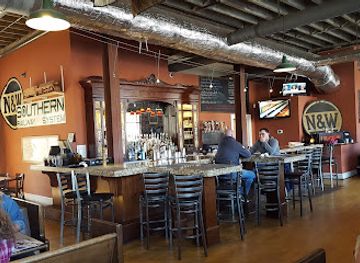
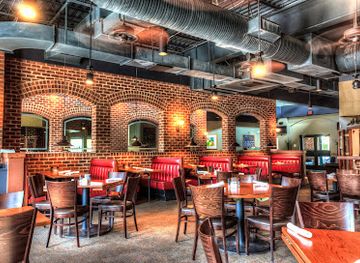
Iron & Ale Lynchburg Tap and Table
Experience the heart of American cuisine at Iron & Ale in Lynchburg, where every meal is crafted with care and served with a smile.
31 min drive · 11 km from city centre
-
Bar
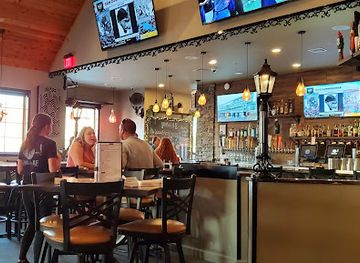
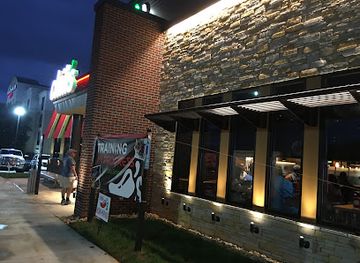
Chili's Grill & Bar
Experience the vibrant flavors of American and Tex-Mex cuisine at Chili's Grill & Bar in Lynchburg, perfect for family outings and casual dining.
29 min drive · 9.8 km from city centre
Best nightclubs in Lynchburg
Lynchburg's evening life is concentrated around downtown, Main Street and nearby districts rather than a large nightclub quarter. Historic commercial buildings house relaxed bars, breweries, cocktail-focused venues and restaurants where students, residents and visitors gather, while the city's colleges help sustain live music, theatre, lectures and arts programming. The Academy Center of the Arts and other cultural venues provide alternatives to a drinking-centred evening, with performances and exhibitions scheduled throughout the year. Riverviews Artspace contributes occasional gallery events and creative programming, and local breweries offer an informal social setting. Nightlife generally winds down earlier and feels more conversational than in Virginia's larger cities, so current event listings are more useful than assuming a fixed pattern of late-night entertainment.
-
Restaurant
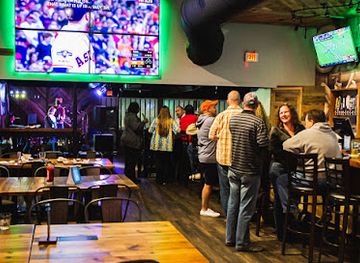
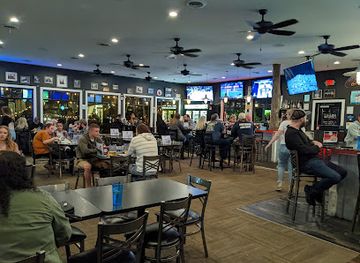
Clubhouse Sports Bar Restaurant & Grill
Experience the lively atmosphere of Clubhouse Sports Bar in Lynchburg, offering great food, drinks, and billiards fun for all visitors.
33 min drive · 13 km from city centre
-
Grill
The World Famous Stadium Inn
Experience delicious grills, vibrant sports atmosphere, and a welcoming pub vibe at The World Famous Stadium Inn in Lynchburg, Virginia.
9 min drive · 2.9 km from city centre
-
Pub
Hill City Pub
Discover the vibrant atmosphere of Hill City Pub in Lynchburg, where local brews and community spirit come together for an unforgettable experience.
25 min drive · 8.4 km from city centre
-
Tobacco shop
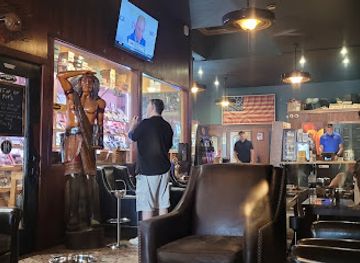
Pap's Cigar Co.
Experience the finest selection of premium cigars in a cozy lounge at Pap's Cigar Co. in Lynchburg, Virginia.
2 min walk · 0.2 km from city centre

Best shops in Lynchburg
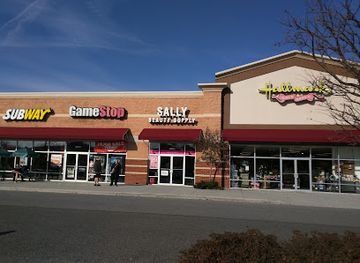
Shopping in Lynchburg combines independent downtown businesses, locally made goods and everyday retail found in larger commercial areas. Main Street and adjoining historic blocks contain boutiques, bookshops, galleries, gift shops and cafés in restored premises, with the retail experience closely tied to the architecture of the old commercial centre. The Lynchburg Community Market is the city's most distinctive place to browse regional produce, prepared food, crafts and small-scale products, while gallery and studio spaces offer art and design from local makers. Visitors seeking souvenirs may find Virginia food products, handmade items, prints and books about local history more representative than generic merchandise. Shopping centres and chain retailers are available outside the historic core, but the most characterful browsing is concentrated where downtown commerce overlaps with museums, restaurants and arts venues.
-
Shopping mall
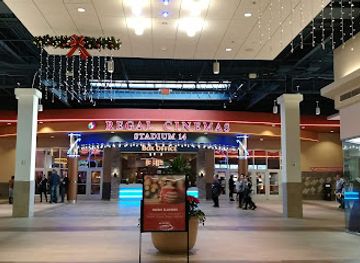
Wards Crossing
Discover Wards Crossing, a shopping paradise in Lynchburg, Virginia, featuring a variety of stores, dining, and entertainment options for an unforgettable experience.
26 min drive · 8.5 km from city centre
-
Shopping mall
River Ridge
Discover the River Ridge Shopping Mall in Lynchburg, VA—a premier shopping destination with diverse stores and delightful dining options for every visitor.
19 min drive · 6.3 km from city centre
-
Shopping mall
Candlers Station
Discover Candlers Station in Lynchburg, VA—your ultimate shopping haven with diverse stores, dining, and family fun for all ages.
19 min drive · 6.3 km from city centre
-
Gift shop
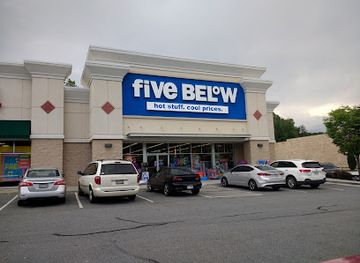
Five Below
Discover affordable treasures at Five Below, the ultimate gift shop for trendy items, toys, and delicious candy—all priced at $5 or less!
28 min drive · 9.2 km from city centre
Get your free copy of our complete guide to Lynchburg, delivered straight to you.
Everything on this page, from attractions and restaurants to essentials and local phrases, in one PDF you can read offline, print or share.
Already have an account? Sign in
Your Lynchburg guide is ready.
We'll send it to · Not you? Sign out

Getting your guide ready…
We are putting together a fresh copy of the Lynchburg guide. This can take up to a minute.
This can take a few moments. If your browser asks, choose Allow so the download can start. You'll find the guide in your Downloads folder.
Nothing happened? Download it again
Sorry, the guide is taking longer than usual. Please try again in a minute, or get it by email instead.
Lynchburg essentials
Currency and Payment
Safety
Emergency Situations
Do's and Don'ts
Local Tips
From Eve
Local phrases worth knowing
You don't need to get them perfect. A few words go a long way, and locals appreciate the effort.
Basics
| English | Local | Say it |
|---|---|---|
| Hello | Howdy | [haw-dee] |
| Goodbye | See ya | [see yuh] |
| Yes | Yup | [yuhp] |
| No | Nah | [nuh] |
| Please/You're welcome | Please/You're welcome | [pleez/yur wel-kuhm] |
| Thank you | Thanks | [thanks] |
| Excuse me/Sorry | Excuse me/Sorry | [iks-kyoos me/saw-ree] |
| How are you? | How y'all doin'? | [how y'all doo-in] |
| Fine. And you? | Fine. And you? | [fahyn. and yuh?] |
| Do you speak English? | Ya speak English? | [yah speak ing-glish] |
| I don't understand | I don't reckon | [ah dohnt reh-kuhn] |
Eating & Drinking
| English | Local | Say it |
|---|---|---|
| I'd like to see the menu, please | I'd like to see the menu, please | [ahd like tuh see thee meh-nyoo, pleez] |
| I don't eat meat | I don't eat meat | [ah dohnt eet meet] |
| Cheers! | Cheers! | [cheers] |
| I would like to pay, please | I would like to pay, please | [ah wood like tuh pay, pleez] |
Emergencies
| English | Local | Say it |
|---|---|---|
| Help! | Help! | [help] |
| Go away! | Git! | [git] |
| Call the Police! | Call the Po-leece! | [kawl thee po-leece] |
| Call a doctor! | Call a doc! | [kawl a dok] |
| I'm lost | I'm lost | [ahm lost] |
| I'm ill | I'm sick | [ahm sik] |
Shopping
| English | Local | Say it |
|---|---|---|
| I'd like to buy... | I'd like to buy... | [ahd like tuh bahy] |
| I'm just looking | I'm just lookin' | [ahm just look-in] |
| How much is it? | How much is it? | [how much is it] |
| That's too expensive | That's too pricey | [thats tooh pry-see] |
| Can you lower the price? | Can ya lower the price? | [kan yuh loh-er thee pryce] |
Time & Numbers
| English | Local | Say it |
|---|---|---|
| What time is it? | What time is it? | [wut tahym is it] |
| It's one o'clock | It's one o'clock | [its wun oh-klok] |
| Half past (10) | Half past (10) | [haf past (ten)] |
| Morning | Mornin' | [morn-in] |
| Afternoon | Afternoon | [af-ter-noon] |
| Evening | Evenin' | [ee-ven-in] |
| Yesterday | Yesterday | [yess-ter-day] |
| Today | Today | [tu-day] |
| Tomorrow | Tomorrow | [toh-mah-row] |
| 1 | One | [wun] |
| 2 | Two | [too] |
| 3 | Three | [three] |
| 4 | Four | [for] |
| 5 | Five | [fahyv] |
| 6 | Six | [siks] |
| 7 | Seven | [sev-in] |
| 8 | Eight | [ayt] |
| 9 | Nine | [nine] |
| 10 | Ten | [ten] |
Transport & Directions
| English | Local | Say it |
|---|---|---|
| Where's a/the...? | Where's a/the...? | [wheres a/the] |
| What's the address? | What's the address? | [whats the address] |
| Can you show me (on the map)? | Can you show me (on the map)? | [kan yuh show me (on the map)] |
| When's the next (bus)? | When's the next (bus)? | [whens the next (bus)] |
| A ticket (to ....) | A ticket (to ....) | [a ticket (to)] |
History of Lynchburg
Monacan Homeland and River Crossing
Before European settlement, the Lynchburg area lay within the wider homeland of the Monacan people, whose communities were connected to the James River and its tributaries. The river formed a natural corridor through the Piedmont, supporting travel, exchange and access to fertile land. In the eighteenth century, colonial settlement expanded into the region, bringing farms, roads and commercial crossings. The physical geography that later encouraged Lynchburg's growth was already significant: the James offered a route through the interior, while the hills provided defensible and commercially useful sites above the water.
John Lynch and the Town's Foundation
Lynchburg's modern origins are associated with John Lynch, who established a ferry across the James River in 1786. The crossing connected roads on either side of the river and encouraged trading activity around the settlement. Lynch later laid out a town, which was incorporated in 1806. Tobacco became an important commodity, and warehouses, shops and homes appeared on the rising ground above the water. The early town's relationship with the river, commerce and tobacco established patterns that continued to influence Lynchburg's economy and urban form long after the ferry itself had disappeared.
Canal, Tobacco and Commercial Growth
During the nineteenth century, Lynchburg developed as a commercial centre for the surrounding agricultural country. The James River and Kanawha Canal improved the movement of goods westward and eastward, while tobacco processing and trade brought merchants, labourers and investment into the town. Railways later strengthened Lynchburg's position as a transportation hub and helped connect the city with markets beyond the James River valley. Prosperity produced substantial homes, churches, warehouses and civic buildings, many of which survive in or near the historic centre. The period also depended on enslaved labour and a deeply unequal social order, realities that remain essential to interpreting the city's architecture and wealth.
Civil War and the Battle of Lynchburg
Lynchburg became strategically important during the American Civil War because of its rail connections, military hospitals and supply networks. In June 1864, Union forces under General David Hunter advanced towards the city, while Confederate defenders led by General Jubal A. Early organised resistance in the surrounding countryside. The Battle of Lynchburg, fought on 17 and 18 June, halted Hunter's advance and kept the city under Confederate control for the remainder of the war. Lynchburg's hospitals treated large numbers of wounded soldiers, and the conflict left a persistent imprint on local cemeteries, monuments and historical interpretation.
Reconstruction, Industry and Segregation
After the war, Lynchburg rebuilt its commercial life and expanded as a railway and manufacturing centre. Tobacco remained important, while new industries and transport links stimulated population growth. Reconstruction and the following decades also saw the consolidation of racial segregation, restricting African Americans' access to education, housing, employment and public facilities despite the community's central contribution to the city's economy and culture. Churches, schools, businesses and civic organisations provided important bases of African American life. The surviving neighbourhoods and institutions of this period reveal both the city's industrial development and the unequal conditions under which it occurred.
Civil Rights and a Changing City
Lynchburg participated in the wider struggle over school desegregation and civil rights that transformed the American South after the Second World War. Local activism, legal challenges and changes in public policy gradually weakened the structures of segregation, although the process was contested and uneven. In the later twentieth century, parts of downtown and the riverfront faced economic decline as commerce shifted towards newer suburban areas. Preservation projects, cultural institutions, higher education and trail development subsequently helped renew the centre without erasing its difficult history. Contemporary Lynchburg remains shaped by its historic neighbourhoods, educational communities and continuing efforts to interpret a complex past.
Lynchburg in Photos
Browse through our photo collection highlighting the charm and character of the destination.
Cities near Lynchburg
The closest cities to Lynchburg, if you have time for more than one stop.
-

-

-

-

-


Swipe for more cities
Explore more

Explore more of Virginia
Discover Virginia: A blend of historic landmarks, natural beauty, and vibrant culture perfect for history buffs, nature lovers, and culture seekers.
Explore Virginia