

Free Staunton Travel Guide & Mobile App
Plan your Staunton trip with Evendo. Get free guides to top attractions, restaurants, hotels, and bars. Web access or download the mobile app.


Staunton, Virginia blends Shenandoah Valley scenery with historic streets, acclaimed theatre, presidential history, museums and independent local culture.
Shenandoah Valley Setting
Staunton stands in Virginia’s central Shenandoah Valley, framed by the Blue Ridge and Allegheny mountains and shaped by the old roads and railways that connect the valley with Charlottesville, Lexington and the wider Appalachian region. Its compact centre is one of the city’s defining pleasures: brick pavements, steep streets and carefully preserved nineteenth-century buildings lead towards cafés, galleries, bookshops, restaurants and small museums. The surrounding landscape remains close at hand, with farms, forested ridges and the waterways of the Shenandoah Valley providing a spacious counterpoint to the urban streets.Read more about Staunton
Architecture and Cultural Life
A Walkable Valley City
When is the best time to visit Staunton?
Best: May–June, September · 23–28°C| Month | High (°C) | Rainfall (mm) |
|---|---|---|
| January | 7 | 75 |
| February | 8 | 70 |
| March | 13 | 90 |
| April | 18 | 85 |
| May (best) | 23 | 95 |
| June (best) | 28 | 100 |
| July | 29 | 110 |
| August | 29 | 105 |
| September (best) | 24 | 95 |
| October | 18 | 85 |
| November | 12 | 80 |
| December | 8 | 85 |
Getting to and around Staunton
How to get there
Transportation
Best attractions in Staunton
Staunton’s attractions combine a compact historic centre with institutions that reflect the Shenandoah Valley’s past and present. The American Shakespeare Center’s Blackfriars Playhouse presents Shakespeare and other classical drama in an intimate indoor theatre inspired by the original London playhouse. At the Woodrow Wilson Presidential Library and Museum, exhibits explore the president’s childhood, political career and family background in Staunton. The Frontier Culture Museum, on the city’s outskirts, uses historic buildings, interpreters and demonstrations to examine the lives of European, West African and Native peoples connected with Virginia’s early settlement. Downtown streets offer galleries, independent shops and architectural detail, while the Museum of August County History adds local context. Gypsy Hill Park provides open lawns, woodland, sports facilities and a traditional bandstand, and Staunton National Cemetery offers a quieter setting for considering the area’s military history.
-
Tourist attraction
Frontier Culture Museum
Explore the Frontier Culture Museum in Staunton, VA, where history comes alive through immersive exhibits and cultural experiences.
9 min drive · 2.9 km from city centre
-
Park
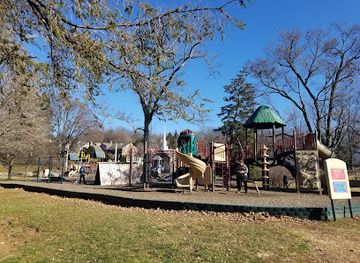
Gypsy Hill Park
Explore Gypsy Hill Park, a tranquil escape in Staunton, Virginia, perfect for picnics, sports, and enjoying nature's beauty.
6 min drive · 2.0 km from city centre
-
Tourist attraction
Montgomery Hall Park
Explore Montgomery Hall Park in Staunton, Virginia: a natural retreat with recreational facilities, walking trails, and stunning landscapes perfect for relaxation.
9 min drive · 3.1 km from city centre
-
Tourist attraction
Virginia Scenic Railway
Discover the enchanting Virginia Scenic Railway—an unforgettable journey through picturesque landscapes and rich history.
13 min walk · 1.0 km from city centre
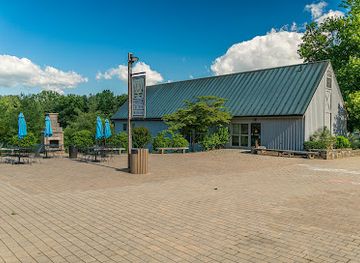
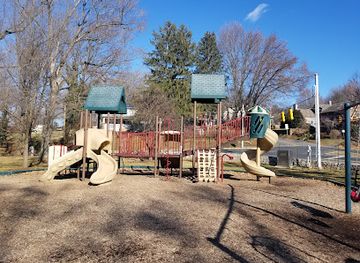
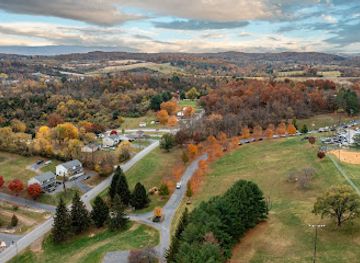
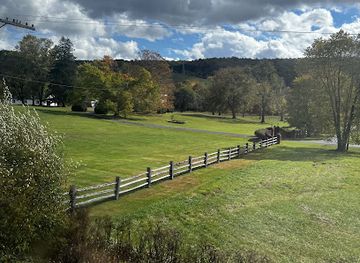
Best landmarks in Staunton
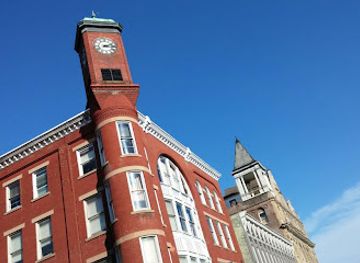
Staunton’s landmarks reveal how administration, education, religion and rail travel shaped the city. The ornate Staunton City Hall anchors the civic centre, while the Augusta County Courthouse and surrounding historic blocks express the town’s long role as a regional seat of government. The red-brick Staunton railway station, now associated with Amtrak’s Cardinal service, recalls the transport links that transformed the valley in the nineteenth century. Trinity Episcopal Church and other historic congregations add architectural and social depth to the central districts, where nineteenth-century commercial façades line the streets. Woodrow Wilson’s birthplace, the Presbyterian manse now interpreted through the Woodrow Wilson Presidential Library and Museum, connects local architecture with national political history. Mary Baldwin University’s campus represents Staunton’s enduring educational tradition, while the Blackfriars Playhouse has become a distinctive modern landmark through its theatrical reconstruction and central cultural role.
-
Museum
Frontier Culture Museum
Explore the diverse history of early American settlers at Frontier Culture Museum in Staunton, Virginia, where culture and nature beautifully intertwine.
9 min drive · 2.9 km from city centre
-
Park
Gypsy Hill Park
Explore Gypsy Hill Park, a tranquil urban oasis in Staunton, Virginia, perfect for relaxation, sports, and community events amidst stunning natural scenery.
6 min drive · 2.0 km from city centre
-
Family-friendly
Clocktower Eats & Sweets
Explore the flavors of Staunton at Clocktower Eats & Sweets, where family-friendly dining meets delicious American cuisine in a charming atmosphere.
14 min walk · 1.1 km from city centre
-
Tourist attraction
Virginia Scenic Railway
Discover the beauty of Virginia aboard the scenic railway, where history meets breathtaking landscapes for an unforgettable adventure.
13 min walk · 1.0 km from city centre
Explore Staunton on the map
Plan your Staunton trip on one map. See where the top attractions, landmarks, restaurants, bars and hotels are, find what's near where you're staying, and book hotels and experiences in a few clicks.
Best hotels in Staunton
Best restaurants in Staunton
Staunton’s dining scene reflects both Appalachian and broader Southern influences, with menus often shaped by Virginia produce, mountain agriculture and the city’s independent-minded downtown. Restaurants around Beverley Street and the adjoining central blocks range from cafés and bakeries to contemporary kitchens, casual spaces and more formal dining rooms. Visitors may encounter regional staples such as biscuits, country ham, seasonal vegetables, trout and other valley-inspired dishes, alongside American comfort food and international cooking. Craft beverages and locally sourced ingredients feature in parts of the scene, while coffee shops and bakeries give the centre an easy daytime rhythm. Farmers’ markets and nearby farms connect meals with the agricultural character of Augusta County. Dining is generally concentrated and walkable downtown, making it practical to combine a meal with a performance or an evening architectural stroll.
-
American
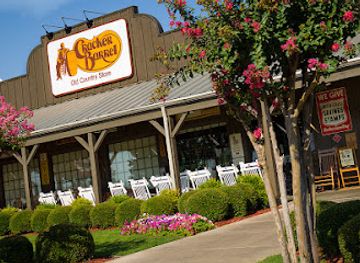
Cracker Barrel Old Country Store
Indulge in delicious Southern cuisine while shopping for unique gifts at Cracker Barrel Old Country Store in Staunton.
10 min drive · 3.2 km from city centre
-
Hamburger
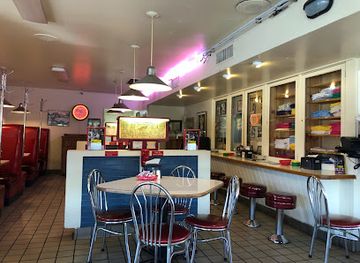
Wrights Dairy-Rite
Experience classic American burgers at Wrights Dairy-Rite in Staunton, VA – where nostalgia meets deliciousness in every bite!
11 min walk · 0.9 km from city centre
-
Grill
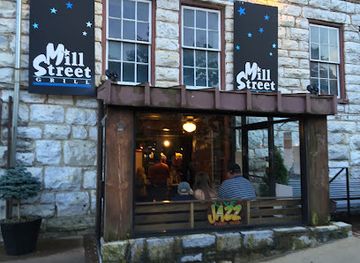
Mill Street Grill
Experience the best of Virginia's culinary scene at Mill Street Grill in Staunton - where flavor meets comfort in every bite.
11 min walk · 0.9 km from city centre
-
American
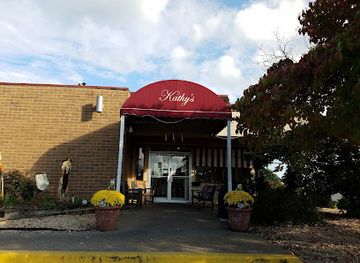
Kathy's
Experience the warmth of American comfort food at Kathy's in Staunton - where every meal feels like home.
18 min walk · 1.4 km from city centre
Best bars in Staunton
Staunton’s evening life is centred on conversation, food, theatre and live performance rather than a large nightclub circuit. Downtown bars and restaurants provide settings for Virginia beer, cider, wine and cocktails, with activity clustering around Beverley Street and nearby blocks. The American Shakespeare Center’s Blackfriars Playhouse is the city’s most distinctive night-time venue, bringing classical drama into the centre and often shaping the rhythm of an evening. Live music and smaller cultural events appear at local venues and community spaces, while cafés and relaxed bars support a quieter late evening. The atmosphere is sociable and locally oriented, and options become more limited outside the compact centre. Visitors should check current programmes and venue arrangements rather than expect metropolitan nightlife or late-running entertainment throughout the week.
-
Grill
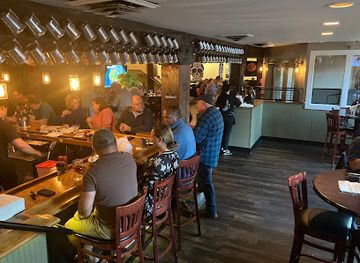
Mill Street Grill
Experience the perfect blend of barbecue, seafood, and steak at Mill Street Grill, Staunton, Virginia's culinary treasure.
11 min walk · 0.9 km from city centre
-
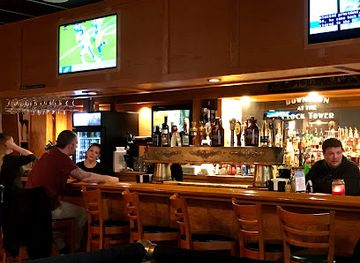
Bar
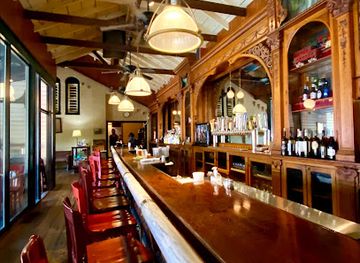
Depot Grille
Experience the unique flavors of Depot Grille in Staunton, VA, where delicious food meets a charming train depot setting.
14 min walk · 1.1 km from city centre
-
Restaurant
Byers Street Bistro
Discover the flavors of America at Byers Street Bistro, a charming eatery in Staunton, VA, offering locally sourced dishes and a welcoming atmosphere.
13 min walk · 1.1 km from city centre
-
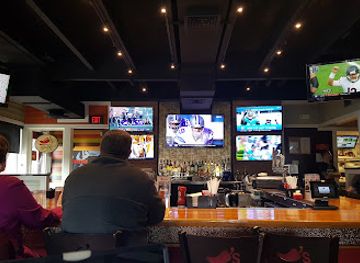
Bar
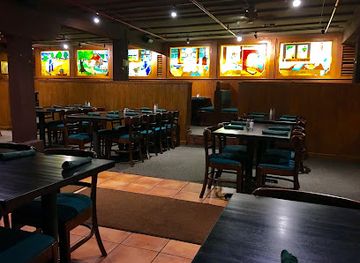
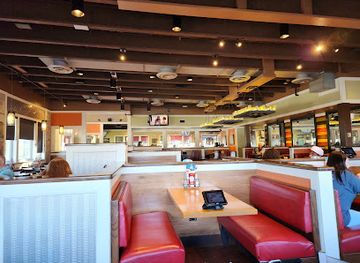
Chili's Grill & Bar
Discover the vibrant flavors of American and Tex-Mex cuisine at Chili's Grill & Bar in Staunton, Virginia, perfect for family dining and casual gatherings.
6 min drive · 2.0 km from city centre
Best nightclubs in Staunton
Staunton’s evening life is centred on conversation, food, theatre and live performance rather than a large nightclub circuit. Downtown bars and restaurants provide settings for Virginia beer, cider, wine and cocktails, with activity clustering around Beverley Street and nearby blocks. The American Shakespeare Center’s Blackfriars Playhouse is the city’s most distinctive night-time venue, bringing classical drama into the centre and often shaping the rhythm of an evening. Live music and smaller cultural events appear at local venues and community spaces, while cafés and relaxed bars support a quieter late evening. The atmosphere is sociable and locally oriented, and options become more limited outside the compact centre. Visitors should check current programmes and venue arrangements rather than expect metropolitan nightlife or late-running entertainment throughout the week.
-
Grill
Mill Street Grill
Discover the flavors of Virginia at Mill Street Grill, Staunton's top destination for barbecue, seafood, and gluten-free dining.
11 min walk · 0.9 km from city centre
-
Bar
Chili's Grill & Bar
Experience a delicious blend of American and Tex-Mex flavors at Chili's Grill & Bar in Staunton, a perfect dining spot for families and friends.
6 min drive · 2.0 km from city centre
-
Bar
Clocktower Eats & Sweets
Discover the perfect blend of family dining and vibrant bar atmosphere at Clocktower Eats & Sweets in Staunton, Virginia.
14 min walk · 1.1 km from city centre
-
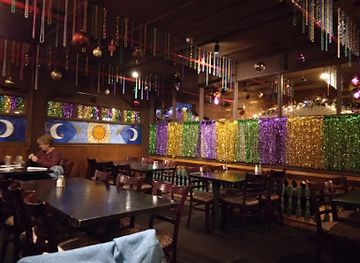
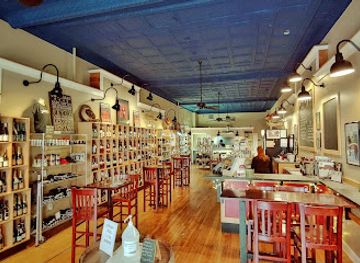
Wine bar
Yelping Dog Wine
Discover the essence of Virginia's wine culture at Yelping Dog Wine, a charming bar offering an exceptional selection of local wines in Staunton.
12 min walk · 1.0 km from city centre
Best shops in Staunton
Shopping in Staunton is concentrated in the historic downtown, where Beverley Street and neighbouring blocks contain independent boutiques, galleries, bookshops, antique dealers, gift shops and specialist retailers in restored commercial buildings. The experience is more personal and locally scaled than that of a regional mall, with architecture forming part of the pleasure of moving between shops. Visitors may find Virginia-made crafts, artwork, books, locally produced food and small gifts connected with the Shenandoah Valley, although stock varies among independent businesses. Farmers’ markets and seasonal community markets offer another route to regional produce and handmade goods when operating. Downtown shopping is easy to combine with cafés, restaurants and the theatre, while larger everyday retail areas lie beyond the historic centre and are more convenient to reach by car.
-
Shopping mall
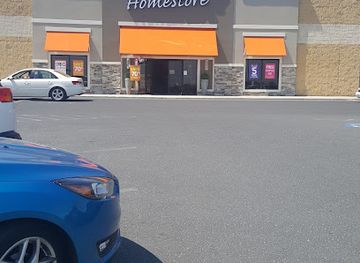
Orchard Hill Square
Discover the ultimate shopping experience at Orchard Hill Square, Staunton's vibrant mall with diverse stores and delightful dining options.
8 min drive · 2.6 km from city centre
-
Toy store
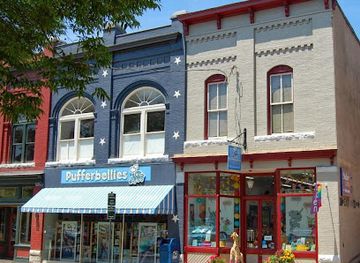
Pufferbellies
Explore the enchanting world of toys at Pufferbellies in Staunton, Virginia—where imagination and creativity come to life for all ages.
13 min walk · 1.1 km from city centre
-
Hobby store
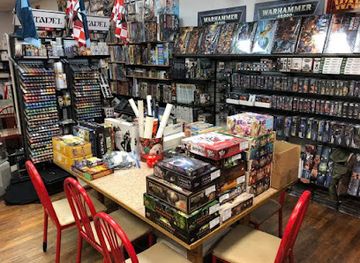
The Dragon's Hoard
Explore The Dragon's Hoard in Staunton, VA – A haven for hobbyists and miniature lovers, offering a treasure trove of unique finds and creative inspiration.
12 min walk · 0.9 km from city centre
-
Gift shop
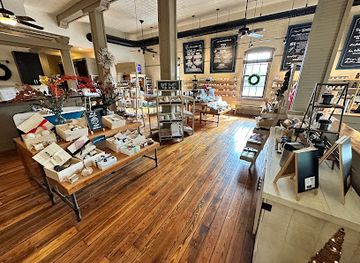
Essentially Zen Shop
Discover unique gifts and wellness treasures at Essentially Zen Shop in Staunton, VA – a must-visit for tourists seeking local artistry and self-care products.
14 min walk · 1.1 km from city centre
Get your free copy of our complete guide to Staunton, delivered straight to you.
Everything on this page, from attractions and restaurants to essentials and local phrases, in one PDF you can read offline, print or share.
Already have an account? Sign in
Your Staunton guide is ready.
We'll send it to · Not you? Sign out

Getting your guide ready…
We are putting together a fresh copy of the Staunton guide. This can take up to a minute.
This can take a few moments. If your browser asks, choose Allow so the download can start. You'll find the guide in your Downloads folder.
Nothing happened? Download it again
Sorry, the guide is taking longer than usual. Please try again in a minute, or get it by email instead.
Staunton essentials
Currency and Payment
Safety
Emergency Situations
Do's and Don'ts
Local Tips
From Eve
Local phrases worth knowing
You don't need to get them perfect. A few words go a long way, and locals appreciate the effort.
Basics
| English | Local | Say it |
|---|---|---|
| Hello | Howdy | [haw-dee] |
| Goodbye | See ya | [see yuh] |
| Yes | Yep | [yep] |
| No | Nah | [nah] |
| Please/You're welcome | Please/No problem | [pleez/no prob-lem] |
| Thank you | Thanks | [thanks] |
| Excuse me/Sorry | Pardon me/My bad | [par-dn mee/my bad] |
| How are you? | How y'all doin'? | [how yahl doin] |
| Fine. And you? | Just fine. How 'bout you? | [just fine. how bout yuh] |
| Do you speak English? | Ya speak English? | [ya speak ing-glish] |
| I don't understand | I don't reckon | [I dont rekn] |
Eating & Drinking
| English | Local | Say it |
|---|---|---|
| I'd like to see the menu, please | Can I take a gander at the menu? | [can I take uh gan-der at the menu] |
| I don't eat meat | I don't eat critters | [I dont eat crit-ters] |
| Cheers! | Cheers! | [cheers] |
| I would like to pay, please | I reckon I'll settle up now | [I rekn I'll set-l up now] |
Emergencies
| English | Local | Say it |
|---|---|---|
| Help! | Send help! | [send help] |
| Go away! | Git! | [git] |
| Call the Police! | Call the Po-lice! | [call the po-lice] |
| Call a doctor! | Get a doc! | [get a doc] |
| I'm lost | I'm plumb lost | [I'm plumb lost] |
| I'm ill | I feel poorly | [I feel poor-ly] |
Shopping
| English | Local | Say it |
|---|---|---|
| I'd like to buy... | I'm fixin' to purchase... | [I'm fixin' to pur-chase] |
| I'm just looking | Jus' browsin' | [jus browsin] |
| How much is it? | How much fer that? | [how much fer that] |
| That's too expensive | That's mighty steep | [that's mighty steep] |
| Can you lower the price? | Kin ya do a better deal? | [kin yuh do a bet-ter deal] |
Time & Numbers
| English | Local | Say it |
|---|---|---|
| What time is it? | What time's it? | [what times it] |
| It's one o'clock | It's one of the clock | [it's one of the clock] |
| Half past (10) | Half past ten | [Half past ten] |
| Morning | Mornin' | [Mornin'] |
| Afternoon | Afternoon | [Afternoon] |
| Evening | Evenin' | [Evenin'] |
| Yesterday | Yest'day | [Yest'day] |
| Today | Today | [Today] |
| Tomorrow | Tomorrer | [Tomorrer] |
| 1 | One | [One] |
| 2 | Two | [Two] |
| 3 | Three | [Three] |
| 4 | Four | [Four] |
| 5 | Five | [Five] |
| 6 | Six | [Six] |
| 7 | Seven | [Seven] |
| 8 | Eight | [Eight] |
| 9 | Nine | [Nine] |
| 10 | Ten | [Ten] |
Transport & Directions
| English | Local | Say it |
|---|---|---|
| Where's a/the...? | Where's the... | [Where's the...] |
| What's the address? | Where's the address at? | [Where's the address at?] |
| Can you show me (on the map)? | Show me (on the map)? | [Show me (on the map)?] |
| When's the next (bus)? | When's the next (bus)? | [When's the next (bus)?] |
| A ticket (to ....) | A ticket (to ....) | [A ticket (to ....)] |
History of Staunton
Valley Settlement and Staunton’s Founding
The area around present-day Staunton was part of the Shenandoah Valley frontier, where Indigenous peoples had long travelled and lived before increasing European settlement in the eighteenth century. Staunton developed as a community in Augusta County during the 1740s and was established as a town in 1761. Its name honours Lady Rebecca Staunton, wife of William Gooch, who served as colonial governor of Virginia. Positioned along routes through the valley, the settlement became a county seat and administrative centre. Its early importance came less from grand architecture than from location: courts, inns, farms, mills and merchants served settlers moving through one of Virginia’s principal inland corridors.
A Revolutionary and Early National Centre
Staunton’s position gave it a role in the political and military life of revolutionary Virginia. In 1774, the Augusta County Convention met at the courthouse and adopted resolutions opposing British policies, placing the town within the colony’s growing resistance movement. During the American Revolution, Staunton also functioned as a regional supply and administrative centre for the western part of Virginia. After independence, its courthouse, churches, schools and commercial establishments strengthened its role as the principal town of the central Shenandoah Valley. The surviving street plan and several later civic buildings reflect this long evolution from frontier settlement to established county seat.
Institutions, Education and Reform
The nineteenth century brought institutions that profoundly influenced Staunton’s social and physical development. The Western Lunatic Asylum, opened in 1828 and later known as Western State Hospital, became a major employer and an important, though complex, part of the city’s history of mental-health care. The Virginia School for the Deaf and the Blind was established in Staunton in 1839, creating another influential educational community. Mary Baldwin Seminary, founded in 1842, developed into Mary Baldwin University and helped make the city a regional centre for women’s education. These institutions attracted residents, professionals and families, while the arrival of the railway later accelerated commercial growth.
Staunton in the Civil War
During the American Civil War, Staunton’s location on the Virginia Central Railroad and its position between the Shenandoah Valley and the central Virginia front made it strategically important to the Confederacy. The town supported military supply, hospitals and transportation, and its railway connection linked it with Richmond and western regions. In June 1864, Union forces under General David Hunter occupied Staunton during the Valley Campaign, damaging military and industrial resources before moving east. The conflict altered local commerce and left the surrounding valley deeply affected. Staunton’s post-war recovery was aided by its transport connections and its continuing importance as an administrative and educational centre.
Railways, Prosperity and Civic Architecture
Rail expansion in the late nineteenth century connected Staunton more closely with Baltimore, Washington, Richmond and the wider South, encouraging trade in agricultural products and manufactured goods. Population and commercial confidence grew, and the city acquired the substantial houses, banks, churches, theatres and public buildings that now define much of its historic character. The central business district developed with dense brick construction, while residential neighbourhoods spread along the surrounding hills. Staunton’s architecture from this period records a mixture of local prosperity and national styles, including Italianate and Romanesque influences. The railway also helped establish the city as a practical stopping point in the Shenandoah Valley.
A Modern Cultural Identity
Staunton entered the twentieth century with established schools, hospitals, civic institutions and a distinctive built environment. Woodrow Wilson, born in Staunton in 1856 while his father served as a Presbyterian minister, later became the city’s most internationally recognised son; his birthplace and presidential museum interpret that connection. In the late twentieth and early twenty-first centuries, preservation efforts revitalised the downtown area, while the American Shakespeare Center made Staunton a notable destination for classical theatre. The opening of the Blackfriars Playhouse in 2001 reinforced this cultural identity. Today, heritage conservation, education, performing arts and regional tourism coexist with the everyday functions of a small Virginia city.
Cities near Staunton
The closest cities to Staunton, if you have time for more than one stop.
-
-

-

-

-
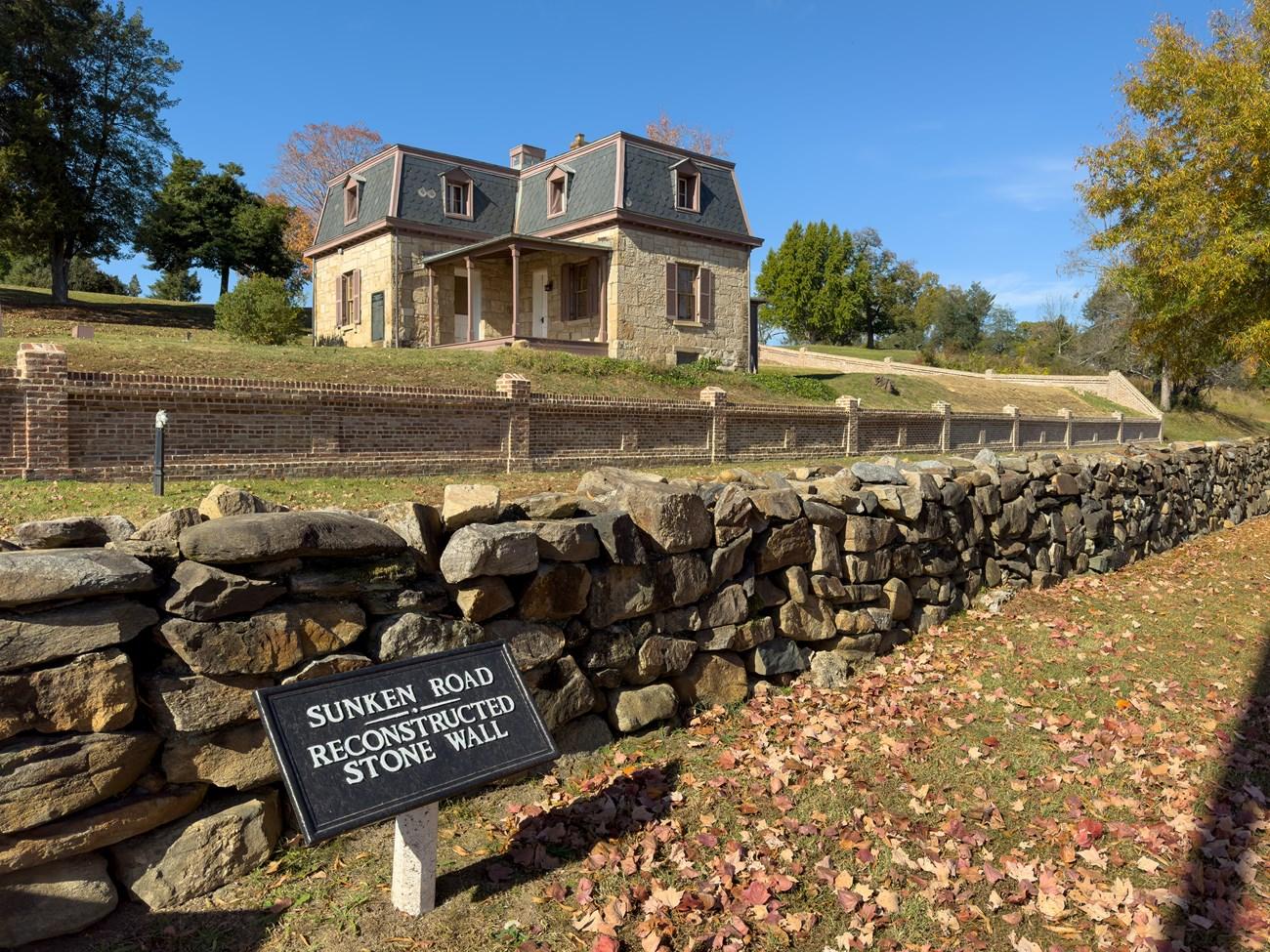 Fredericksburg
Discover Fredericksburg, Virginia: A historic gem with charming streets, vibrant arts, delicious cuisine, and natural beauty, perfect for history buffs, foodies, and nature lovers.
33 h 55 min drive · 2015 km from city centre
Fredericksburg
Discover Fredericksburg, Virginia: A historic gem with charming streets, vibrant arts, delicious cuisine, and natural beauty, perfect for history buffs, foodies, and nature lovers.
33 h 55 min drive · 2015 km from city centre


Swipe for more cities
Explore more

Explore more of Virginia
Discover Virginia: A blend of historic landmarks, natural beauty, and vibrant culture perfect for history buffs, nature lovers, and culture seekers.
Explore Virginia