

Free Mid-Ohio Valley Travel Guide & Mobile App
Explore Mid-Ohio Valley with free travel guides. Discover regional history, expert tips, proposed trips, and audio guides on web or mobile app.


Explore West Virginia's Mid-Ohio Valley for riverfront towns, Blennerhassett history, oil heritage, wooded parks and Appalachian culture.
Read more about Mid-Ohio Valley
Getting to and around Mid-Ohio Valley
How to get there
Transportation
Top city travel guides in Mid-Ohio Valley
The cities of Mid-Ohio Valley, and the easiest places to base yourself.
-

-


Swipe for more cities
Best attractions in Mid-Ohio Valley
The Mid-Ohio Valley's attractions combine river heritage, Appalachian landscapes and the history of energy and transport. In Parkersburg, the Oil and Gas Museum traces the area's early petroleum industry, while the Blennerhassett Museum of Regional History places local development within the wider story of the Ohio Valley. Blennerhassett Island Historical State Park, reached by seasonal boat from Parkersburg, offers a reconstructed mansion, wooded island setting and an unusually vivid glimpse of Federal-era life. Historic houses and civic buildings add architectural interest in Parkersburg and nearby Williamstown. Beyond the towns, the region opens into forested hills, farm valleys and quiet waterways suited to fishing, boating, birdwatching and walking. North Bend State Park, in neighbouring Ritchie County and often included in broader regional itineraries, provides trails, lake recreation and a wooded retreat. Across the river, Ohio's Marietta and Belpre offer convenient complementary visits, but they should be treated as neighbouring destinations rather than West Virginian attractions.
-
Tourist attraction
Blennerhassett Island Historical State Park
Explore the rich history and natural beauty of Blennerhassett Island Historical State Park, a serene escape in West Virginia.

Best landmarks in Mid-Ohio Valley
The Ohio River itself is the Mid-Ohio Valley's great geographical landmark, defining the western edge of West Virginia and explaining the location of its bridges, riverfronts and historic settlements. Blennerhassett Island and its reconstructed mansion stand as the region's most distinctive historic landscape, linking Federal-era wealth with the political drama surrounding Aaron Burr. In Parkersburg, the Julia-Ann Square Historic District preserves a concentration of nineteenth- and early twentieth-century homes that reflects the town's growth as a river, rail and petroleum centre. The Smoot Theatre, a restored historic venue in downtown Parkersburg, represents the civic and entertainment architecture of the industrial era. The old oil fields and Burning Springs area in Wirt County are important industrial landmarks, even where the visible evidence is less monumental than a courthouse or mansion. Bridges, rail corridors, churches and county courthouses complete a landscape in which ordinary infrastructure often reveals the valley's history as clearly as its formal monuments.
-
History museum
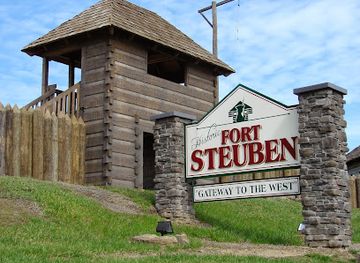
Historic Fort Steuben
Explore the historical significance and scenic beauty of Historic Fort Steuben, a key landmark in Steubenville, Ohio.
-
Historical place
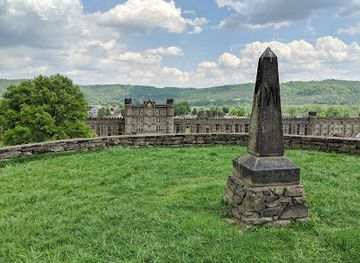
Grave Creek Mound Historical Site
Explore the Grave Creek Mound Historical Site in Moundsville, WV, and uncover the secrets of the ancient Adena culture and its monumental burial mounds.
-
State park
Blennerhassett Island Historical State Park
Explore Blennerhassett Island Historical State Park: A blend of natural beauty and rich history in West Virginia.
-
Wildlife refuge
McDonough Wildlife Refuge
Experience the tranquility and biodiversity of McDonough Wildlife Refuge, a top destination for nature lovers and outdoor enthusiasts in West Virginia.


Explore Mid-Ohio Valley on the map
Plan your trip on one map. See where the top cities, national parks and sights are, and book hotels and experiences in a few clicks.
Best hotels in Mid-Ohio Valley
Best restaurants in Mid-Ohio Valley
Dining in the Mid-Ohio Valley is shaped by Appalachian home cooking, Ohio River commerce and the practical character of its regional towns. Parkersburg, Vienna and Williamstown provide the broadest choice of independent restaurants, cafés, diners, bakeries and family-run establishments, while rural communities tend to centre on informal eateries and traditional service. Menus commonly include burgers, sandwiches, fried chicken, soups, biscuits, chilli and other American comfort foods, alongside changing seasonal specials. Farmers' markets and roadside sellers can provide local vegetables, fruit, baked goods and preserves when in season. Barbecue and smoked meats are available, though styles vary across the wider Appalachian and Ohio Valley region rather than belonging exclusively to this area. Visitors seeking a more local rhythm should combine a town restaurant with a market visit or a stop at a country store, remembering that restaurant opening patterns can be more limited in smaller communities and that tax and customary gratuity are generally added to the displayed price.
-
Italian
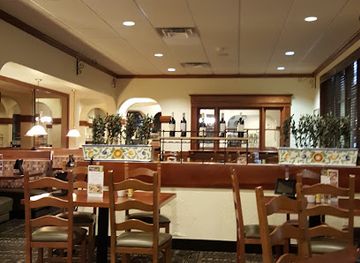
Olive Garden Italian Restaurant
Experience authentic Italian dining at Olive Garden in Parkersburg with endless breadsticks and delightful pasta dishes.
-
Barbecue
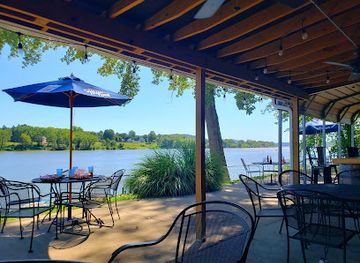
Boat House of Marietta (Boathouse BBQ)
Discover exquisite barbecue dining by the scenic Ohio River at Boat House of Marietta - where every meal is a celebration.
-
Steak
Outback Steakhouse
Savor authentic Australian flavors at Outback Steakhouse in Parkersburg - where great food meets exceptional service.
-
German
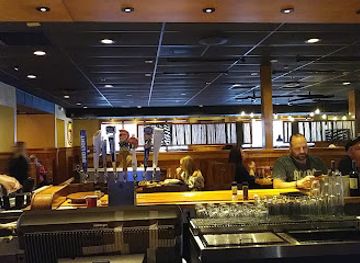
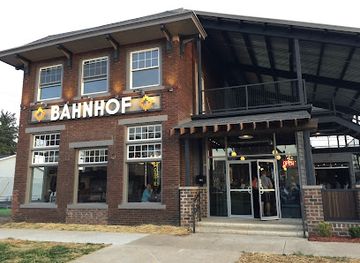
Bahnhof WVrsthaus & Biergarten
Savor authentic German dishes and craft beers at Bahnhof WVrsthaus & Biergarten – your destination for a taste of Germany in Huntington.
Best bars in Mid-Ohio Valley
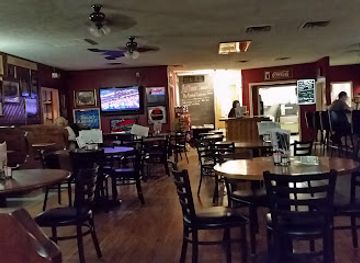
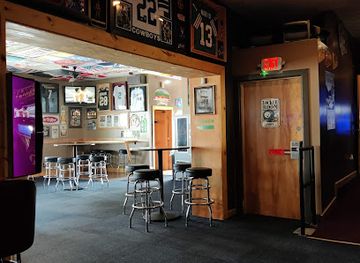
Evening life in the Mid-Ohio Valley is modest and town-centred rather than built around a large nightclub district. Parkersburg has the broadest selection of pubs, sports bars, casual restaurants and venues that occasionally host live music, while Vienna and Williamstown offer smaller local options. Traditional bars and community-oriented gathering places are more characteristic than late-night clubs, and many evenings are shaped by food, conversation, regional music or televised sport. Breweries and craft-drink businesses may feature in the area's changing hospitality scene, but visitors should check current opening arrangements rather than assume daily service. Outside the principal towns, nightlife largely means a restaurant, tavern or social event, with long distances and limited transport making a planned journey and a sober driver particularly important.
-
Grill
Ruttenbucks Bar & Grill
Experience the best of American dining at Ruttenbucks Bar & Grill in Valley Grove, WV - where flavor meets a friendly atmosphere.
-
Gastropub
Paddy's
Discover a taste of Ireland at Paddy's Gastropub in Charles Town, where delicious food and a vibrant atmosphere await every visitor.
-
American
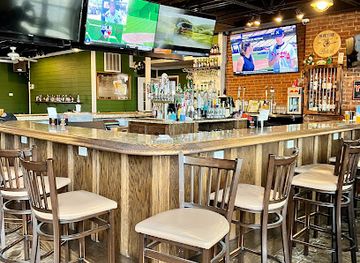
North End Tavern & Brewery
Experience the heart of American cuisine and craft beer at North End Tavern & Brewery in Parkersburg, WV, where tradition meets taste.
-
Grill
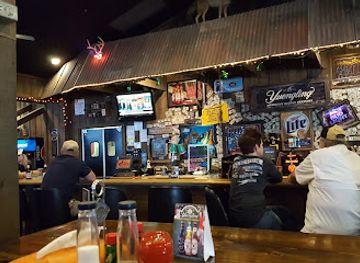
Uncle Mike's Bar & Grill
Discover the inviting atmosphere and delicious comfort food at Uncle Mike's Bar & Grill, a must-visit dining spot in Parkersburg, West Virginia.
Best nightclubs in Mid-Ohio Valley
-
Lounge
Clique Club
Experience the vibrant nightlife at Clique Club, Clarksburg's top lounge and event venue, for a memorable evening of fun and entertainment.
-
Bar
Dixie Bar
Discover the lively ambiance of Dixie Bar in Parkersburg, WV, where delicious drinks meet a vibrant local atmosphere.
-
Bar
Dew Drop Inn
Experience local culture and vibrant nightlife at Dew Drop Inn, Parkersburg's favorite bar for drinks, music, and good times.
-
Lounge
Mid-Town Lounge Inc.
Experience the heart of Clarksburg at Mid-Town Lounge Inc., where relaxation meets vibrant nightlife, and every moment is a chance to unwind.


Best shops in Mid-Ohio Valley
Shopping in the Mid-Ohio Valley is concentrated in Parkersburg, Vienna and the larger commercial corridors, where visitors will find practical retail, independent businesses, cafés and services rather than a single destination shopping quarter. Downtown Parkersburg is the best place to look for historic streets, locally owned shops, antiques, books, art and occasional gallery or craft offerings, while suburban areas provide larger everyday stores. Farmers' markets and seasonal community markets offer vegetables, baked goods, preserves, honey and handmade items when operating. Regional souvenirs are more likely to involve Appalachian crafts, local artwork, historic-site merchandise and food products than a standardised range of tourist goods. Williamstown and nearby Ohio communities can add small-town shopping and antiques, but they are distinct places across the state line. Market days, craft fairs and pop-up events vary by season, so check local listings before making them the centre of an itinerary.
-
Variety store
Berdine's 5 & Dime
Experience a nostalgic shopping adventure at Berdine's 5 & Dime, a variety store filled with unique treasures and local charm in Harrisville, WV.
-
Antique store
Sisters' Antiques LLC
Explore Sisters' Antiques LLC in Sutton, WV, where vintage treasures and charming collectibles await every discerning traveler.


Get your free copy of our complete guide to Mid-Ohio Valley, delivered straight to you.
Everything on this page, from attractions and restaurants to essentials and local phrases, in one PDF you can read offline, print or share.
Already have an account? Sign in
Your Mid-Ohio Valley guide is ready.
We'll send it to · Not you? Sign out

Getting your guide ready…
We are putting together a fresh copy of the Mid-Ohio Valley guide. This can take up to a minute.
This can take a few moments. If your browser asks, choose Allow so the download can start. You'll find the guide in your Downloads folder.
Nothing happened? Download it again
Sorry, the guide is taking longer than usual. Please try again in a minute, or get it by email instead.
Mid-Ohio Valley essentials
Currency and Payment
Safety
Emergency Situations
Do's and Don'ts
Local Tips
From Eve
Local phrases worth knowing
You don't need to get them perfect. A few words go a long way, and locals appreciate the effort.
Basics
| English | Local | Say it |
|---|---|---|
| Hello | Howdy | [Ha-dee] |
| Goodbye | See ya | [See-ya] |
| Yes | Yep | [Yep] |
| No | Nah | [Nah] |
| Please/You're welcome | Please/No problem | [Pleez/No prob-lum] |
| Thank you | Thanks | [Thangs] |
| Excuse me/Sorry | Pardon me/Sorry | [Pardon me/Sor-ree] |
| How are you? | How ya doin'? | [How ya doin'?] |
| Fine. And you? | Good. How 'bout you? | [Good. How 'bout ya?] |
| Do you speak English? | You speakin' English? | [You speakin' English?] |
| I don't understand | I ain't gettin' it | [I ain't gettin' it] |
Eating & Drinking
| English | Local | Say it |
|---|---|---|
| I'd like to see the menu, please | Can I see the menu, please? | [Can I see the menu, pleez?] |
| I don't eat meat | I don't eat meat | [I don't eat meat] |
| Cheers! | Cheers! | [Cheers!] |
| I would like to pay, please | I'd like to settle up, please | [I'd like to settle up, pleez] |
Emergencies
| English | Local | Say it |
|---|---|---|
| Help! | Help! | [Help!] |
| Go away! | Leave me alone! | [Leave me alone!] |
| Call the Police! | Call the cops! | [Call the cops!] |
| Call a doctor! | Get a doctor! | [Get a doctor!] |
| I'm lost | I’m lost | [I’m lost] |
| I'm ill | I ain't feelin' good | [I ain't feelin' good] |
Shopping
| English | Local | Say it |
|---|---|---|
| I'd like to buy... | I wanna buy... | [I wanna buy...] |
| I'm just looking | Just lookin' | [Just lookin'] |
| How much is it? | What’s it cost? | [What’s it cost?] |
| That's too expensive | That’s too pricey | [That’s too pricey] |
| Can you lower the price? | Can ya cut the price? | [Can ya cut the price?] |
Time & Numbers
| English | Local | Say it |
|---|---|---|
| What time is it? | What time is it? | [What time is it?] |
| It's one o'clock | It's one o'clock | [It's one o'clock] |
| Half past (10) | Half past ten | [Half past ten] |
| Morning | Mornin' | [Mornin'] |
| Afternoon | Afternoon | [Afternoon] |
| Evening | Evenin' | [Evenin'] |
| Yesterday | Yesterday | [Yesterday] |
| Today | Today | [Today] |
| Tomorrow | Tomorrow | [Tomorrow] |
| 1 | One | [One] |
| 2 | Two | [Two] |
| 3 | Three | [Three] |
| 4 | Four | [Four] |
| 5 | Five | [Five] |
| 6 | Six | [Six] |
| 7 | Seven | [Seven] |
| 8 | Eight | [Eight] |
| 9 | Nine | [Nine] |
| 10 | Ten | [Ten] |
Transport & Directions
| English | Local | Say it |
|---|---|---|
| Where's a/the...? | Where's a...? | [Where's a...?] |
| What's the address? | What's the address? | [What's the address?] |
| Can you show me (on the map)? | Can ya show me on the map? | [Can ya show me on the map?] |
| When's the next (bus)? | When's the next bus? | [When's the next bus?] |
| A ticket (to ....) | A ticket to ... | [A ticket to ...] |
History of Mid-Ohio Valley
Indigenous River Corridors and Early Settlement
The Ohio River valley was an important corridor for Indigenous peoples long before European settlement. Ancient communities of the wider Ohio Valley built earthworks, burial mounds and ceremonial structures, while later Native nations used the river and its tributaries for travel, hunting and exchange. Much of the archaeological evidence has been altered or lost through farming, construction and river development, but the valley's geography explains its enduring importance: the Ohio connected interior water routes with settlements farther north and west, making the area a natural meeting ground and transport corridor.
Frontier Settlement and the Founding of Parkersburg
European-American settlement expanded along the Ohio River during the late eighteenth century, when the region formed part of the frontier beyond the older settlements of eastern Virginia. Parkersburg developed from a late-eighteenth-century settlement associated with the Parker family and became the seat of Wood County in 1800. River access encouraged trade, ferry crossings and the movement of agricultural goods, while surrounding farms and small communities gradually occupied the tributary valleys. The town's early growth established the civic and commercial foundation for the modern Mid-Ohio Valley.
Blennerhassett Island and Federal-Era Ambition
In the late 1790s, Irish-born Harman Blennerhassett and his wife, Margaret, established an elegant country estate on an Ohio River island near Parkersburg. Their mansion represented the ambitions of a wealthy family seeking a refined life on the western frontier. The estate became entangled with Aaron Burr's 1806–07 expedition, which prompted suspicion that Burr intended to create an independent territory in the Southwest. The house was later destroyed by fire, but the island and its reconstructed mansion preserve an important episode in the valley's early political and social history.
River Commerce, Canals and Railways
During the nineteenth century, the Ohio River supported steamboat traffic and linked the valley with larger markets, while roads, railways and connecting waterways strengthened Parkersburg's role as a regional hub. The Baltimore and Ohio Railroad reached Parkersburg in the 1850s, connecting the town with eastern markets and accelerating the movement of people, coal, timber and manufactured goods. Rail and river transport also encouraged warehouses, workshops and commercial services, leaving a legacy visible in historic buildings and in the valley's continuing position between Appalachian interior communities and the Ohio network.
The Civil War Borderland
The Mid-Ohio Valley was part of the politically divided western Virginia region during the American Civil War. Parkersburg, with its rail and river connections, was strategically important to the Union, and the surrounding area experienced the tensions of a borderland where competing loyalties were close together. The creation of the state of West Virginia in 1863 changed the region's political identity. Civil War memory remains part of local heritage interpretation, although the valley's history also reflects the longer civilian story of transport, trade and community life before and after the conflict.
The Birth of the Appalachian Oil Industry
Petroleum transformed the valley in the nineteenth century. Oil was produced at Burning Springs in Wirt County during the early 1860s, and drilling, refining, speculation and transport brought new investment and workers to the surrounding communities. The local industry developed alongside the better-known oil fields of north-western Pennsylvania and helped establish a regional tradition of engineering and energy production. The Oil and Gas Museum in Parkersburg interprets this history, including the equipment, businesses and social changes associated with the first generation of commercial oil development.
Manufacturing, Chemicals and a Modern Regional Economy
After the era of steamboats and early oil rushes, the valley's economy diversified through rail transport, glass, chemicals, plastics, metalwork, energy and other manufacturing. Parkersburg and nearby communities became part of the industrial systems that developed along the Ohio River, while smaller towns continued to combine agriculture, local enterprise and commuting. Flood control, highway construction and changing industrial patterns altered the riverfront and town centres during the twentieth century. Today, museums, historic properties and working communities reveal a region shaped by successive industries rather than by a single economic chapter.
Mid-Ohio Valley in Photos
Browse through our photo collection highlighting the charm and character of the destination.
Neighbouring regions of Mid-Ohio Valley
The closest regions to Mid-Ohio Valley, if you have time for more than one.
-

-

-

-

-
 Eastern Panhandle
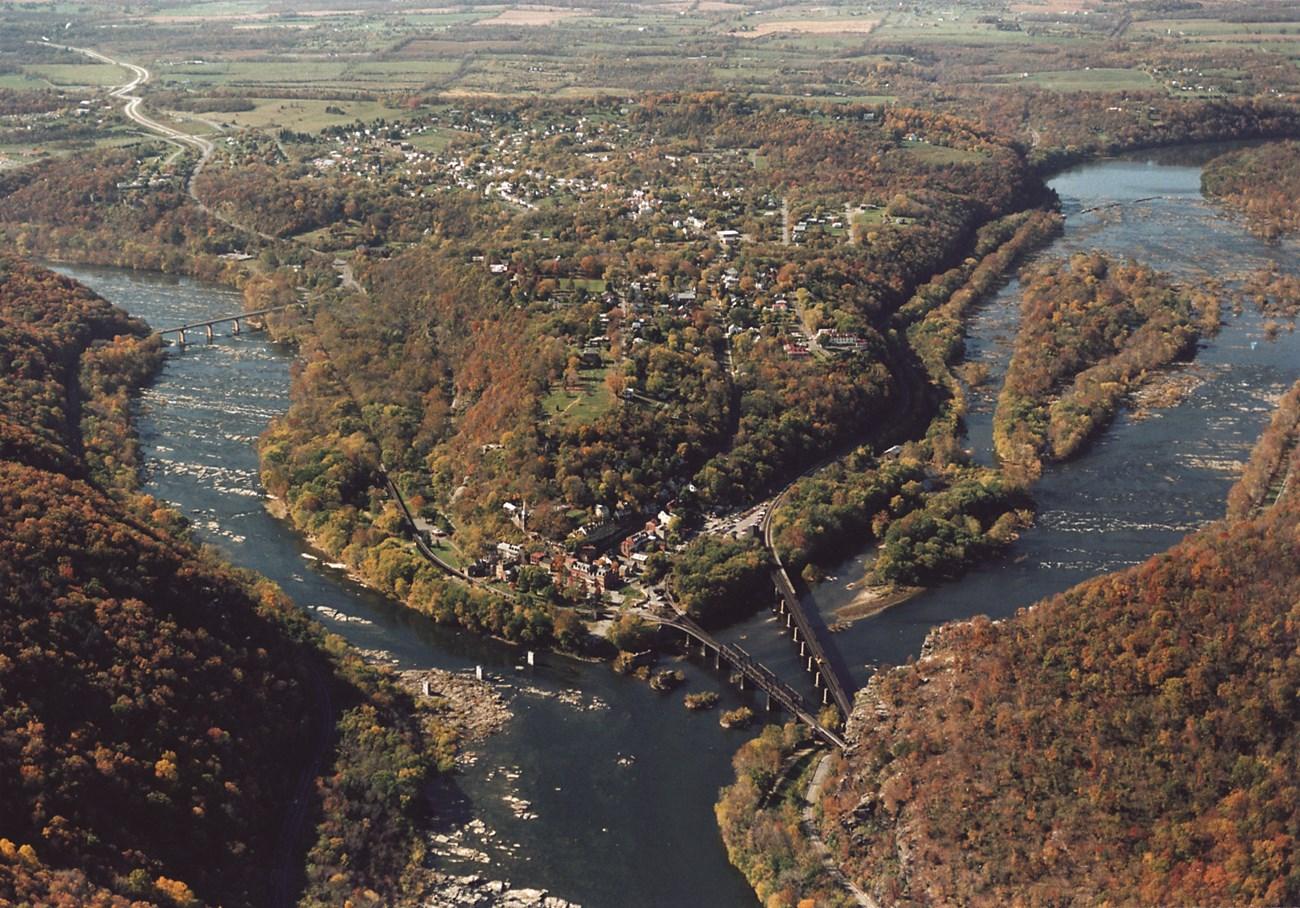
Explore West Virginia’s Eastern Panhandle for Harpers Ferry history, Berkeley Springs, historic towns, river landscapes and Appalachian outdoor adventures.


Swipe for more regions
Explore more

Explore more of West Virginia
Discover West Virginia's natural beauty, historic charm, and outdoor adventures in the heart of the Appalachian Mountains.
Explore West Virginia