

Free Mountaineer Country Travel Guide & Mobile App
Explore Mountaineer Country with free travel guides. Discover regional history, expert tips, proposed trips, and audio guides on web or mobile app.


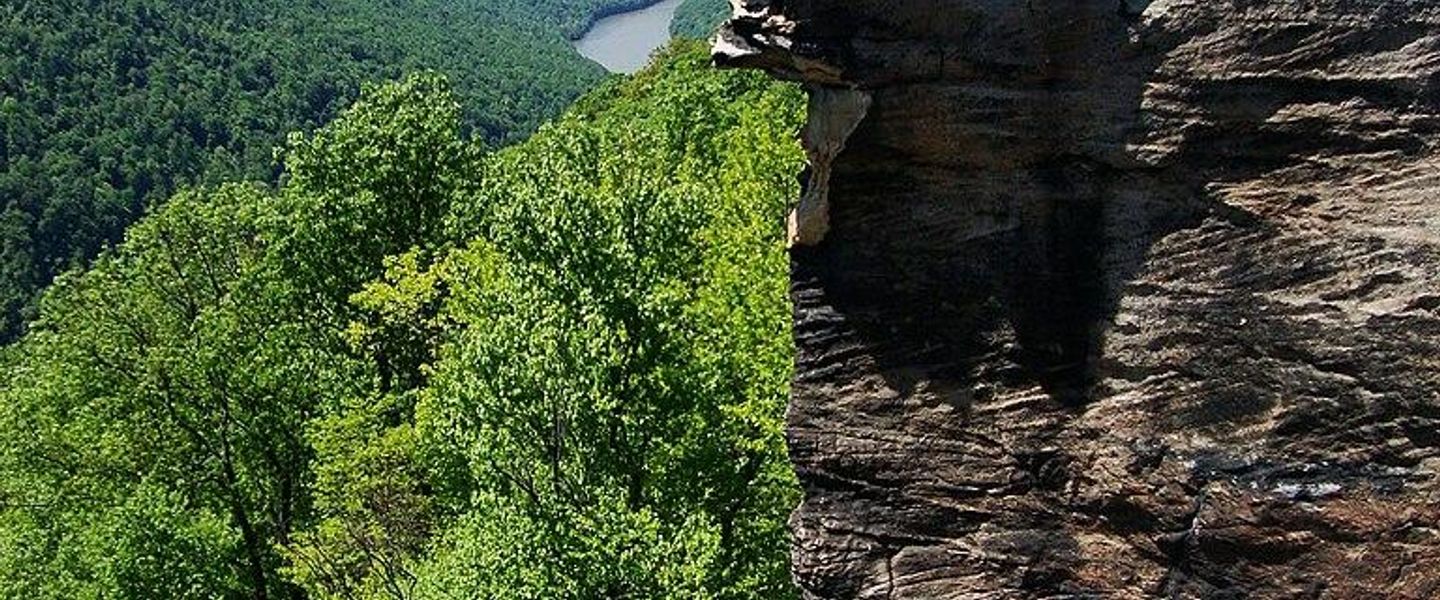


Mountaineer Country pairs West Virginia university towns and Appalachian heritage with forested mountains, waterfalls, lakes, trails and local food.
Read more about Mountaineer Country
Getting to and around Mountaineer Country
How to get there
Transportation
Top city travel guides in Mountaineer Country
The cities of Mountaineer Country, and the easiest places to base yourself.
-

-

-

-

-


Swipe for more cities
Destinations in Mountaineer Country
Resorts, valleys and scenic spots worth a trip of their own.
-

-

-

-

-

-


Swipe for more destinations
Best attractions in Mountaineer Country
Mountaineer Country's attractions range from university museums and restored downtowns to deep forests, waterfalls, reservoirs and historic settlements. Morgantown offers West Virginia University facilities, the West Virginia Botanic Garden and access to Cheat Lake and Coopers Rock State Forest, whose trails and sandstone overlooks are among the region's most accessible outdoor experiences. Prickett's Fort State Park near Fairmont interprets eighteenth-century frontier life, while the nearby Monongahela River valley contains industrial and transport heritage. Tygart Lake State Park provides boating, fishing and waterside recreation near Grafton, and Arthurdale Heritage in Preston County explores a New Deal community. Farther east, Blackwater Falls State Park, Canaan Valley Resort and the surrounding highlands provide hiking, skiing, birdwatching and scenic drives. Small towns such as Thomas, Davis, Philippi and Elkins add galleries, historic buildings, music and local events, although some lie at considerable driving distance from one another. The region rewards visitors who combine a main town with a specific landscape rather than expecting a concentrated attraction district.
-
State park
Ohiopyle State Park
Explore the breathtaking beauty of Ohiopyle State Park, a premier destination for outdoor adventures and stunning natural scenery in Pennsylvania.
-
National park
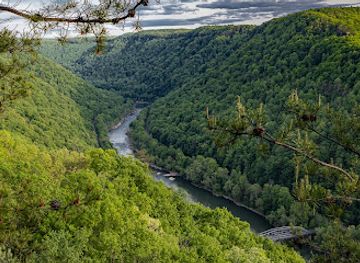
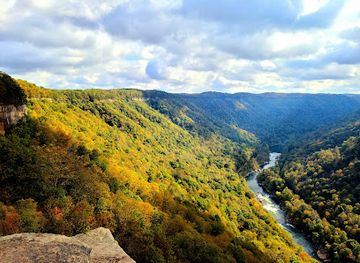
New River Gorge National Park & Preserve
Explore the stunning landscapes and thrilling adventures at New River Gorge National Park & Preserve in West Virginia, a must-visit for nature lovers and outdoor enthusiasts.
-
Casino
Mountaineer Casino Resort
Discover the thrill of gaming and relaxation at Mountaineer Casino Resort, a premier destination in New Cumberland, West Virginia.
-
State park
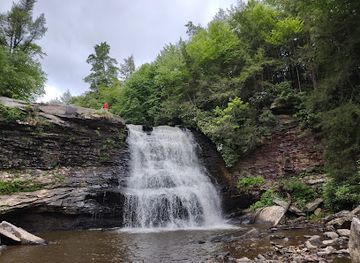
Swallow Falls State Park
Explore the stunning waterfalls, lush forests, and outdoor adventures at Swallow Falls State Park, a natural treasure in Maryland.

Best landmarks in Mountaineer Country
The Philippi Covered Bridge is one of Mountaineer Country's most recognisable structures, spanning the Tygart Valley River and linking a distinctive nineteenth-century bridge form with the story of the 1861 Battle of Philippi. Prickett's Fort near Fairmont represents the region's frontier era through a reconstructed wooden fort and an associated historic landscape. In Morgantown, the West Virginia University campus and its hilltop setting form a major civic landmark, while the Monongalia County Courthouse and surrounding downtown reflect the city's long commercial and governmental role. Arthurdale's planned community buildings in Preston County are important reminders of New Deal social reform. Natural landmarks define the eastern part of the region: Blackwater Falls drops through a forested gorge in Tucker County, Canaan Valley forms a high-elevation basin of wetlands and ridges, and Coopers Rock's sandstone cliffs overlook the Cheat River gorge. Tygart Lake adds a broad engineered landscape of water, wooded slopes and recreational shorelines near Grafton. Together these places show how military, civic, industrial, reformist and geological histories overlap across the region.
-
Historical place
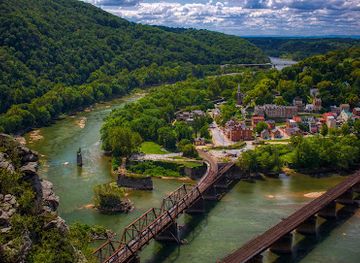
Harpers Ferry National Historical Park
Immerse yourself in history at Harpers Ferry National Historical Park, where scenic beauty meets a rich legacy of American heritage.
-
National park
New River Gorge National Park & Preserve
Explore the breathtaking landscapes and rich history of New River Gorge National Park & Preserve, a true outdoor paradise in West Virginia.
-
Casino
Mountaineer Casino Resort
Discover the excitement of Mountaineer Casino Resort in West Virginia, offering gaming, dining, and live entertainment in a breathtaking setting.
-
State park
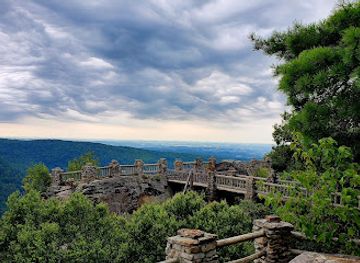
Coopers Rock State Forest
Explore the breathtaking landscapes and outdoor adventures at Coopers Rock State Forest, a must-visit destination in West Virginia for nature lovers.
Explore Mountaineer Country on the map
Plan your trip on one map. See where the top cities, national parks and sights are, and book hotels and experiences in a few clicks.
Best hotels in Mountaineer Country
Best restaurants in Mountaineer Country
The region's food culture blends Appalachian home cooking, immigrant influences, university-town experimentation and products from surrounding farms. The pepperoni roll is especially associated with Fairmont and the north-central coalfield tradition, where portable bread filled with pepperoni became a practical bakery food for miners and workers. Buckwheat cakes, biscuits, country ham, trout, ramps, apples and seasonal vegetables appear in diners, family restaurants, farmers' markets and festival cooking, while mountain communities often feature smoked meats and hearty soups. Morgantown provides the broadest choice of international food, cafés, breweries and contemporary restaurants, with Fairmont, Clarksburg, Elkins, Thomas and Davis offering their own smaller dining scenes. Rural inns and independent restaurants can be widely spaced, so meal planning matters when exploring state parks and highland roads. Local craft beer and West Virginian baking make useful additions to a regional food itinerary, but food traditions vary from household to household rather than forming a single fixed menu.
-
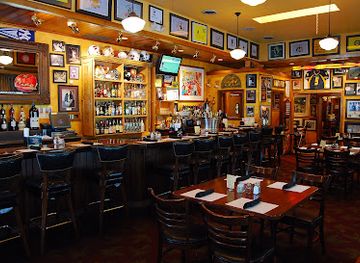
Southern Italian
Muriale's Italian Kitchen
Savor authentic Southern Italian cuisine at Muriale's Italian Kitchen in Fairmont - where every meal is a celebration of flavor.
-
American
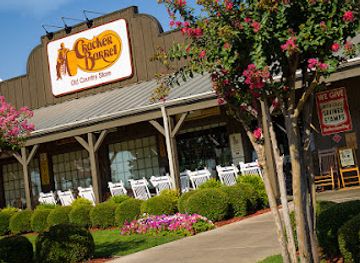
Cracker Barrel Old Country Store
Discover authentic Southern dining and charming gift shopping at Cracker Barrel Old Country Store in Fairmont, West Virginia.
-
Traditional American
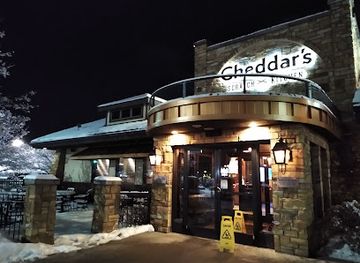
Cheddar's Scratch Kitchen
Discover the taste of traditional American comfort food at Cheddar's Scratch Kitchen in Triadelphia – where every dish is made from scratch.
-
Italian
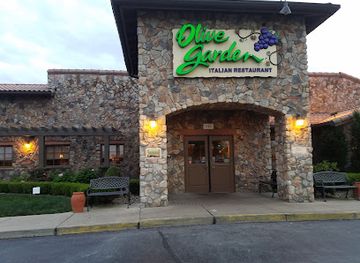
Olive Garden Italian Restaurant
Savor authentic Italian cuisine at Olive Garden in Triadelphia—where every meal feels like a family gathering.
Best bars in Mountaineer Country
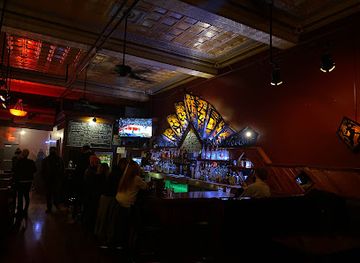
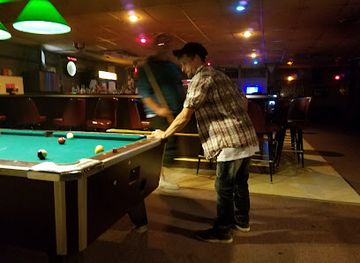
Evening life in Mountaineer Country is concentrated in Morgantown, where West Virginia University's student population supports pubs, bars, live music, sports venues and late-night restaurants. The atmosphere and opening patterns vary with the academic calendar and major sporting events, so visitors should expect busier streets on game days. Fairmont, Clarksburg, Elkins, Thomas and Davis offer smaller selections of pubs, breweries, lounges, live music and community events rather than a large club circuit. In the mountain districts, evenings often centre on a restaurant, historic inn, brewery, seasonal performance or accommodation with a communal atmosphere. Drinking is not essential to experiencing the region, and rural journeys after dark require particular care because roads can be winding, poorly lit and distant from services.
-
Sports bar
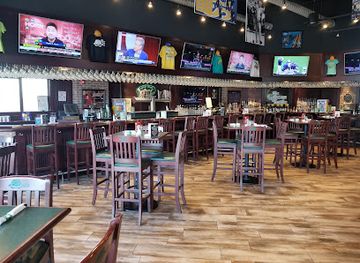
The Greene Turtle Sports Bar & Grille
Experience the ultimate sports bar atmosphere at The Greene Turtle Sports Bar & Grille in Morgantown, where great food meets exciting games.
-
Gastropub
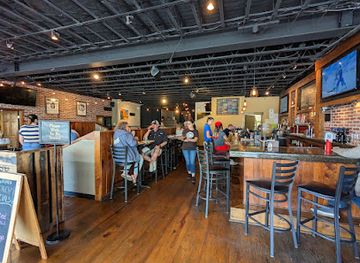
Iron Horse Tavern
Experience the vibrant atmosphere and delicious local cuisine at Iron Horse Tavern, a premier gastropub in Morgantown, West Virginia.
-
Restaurant
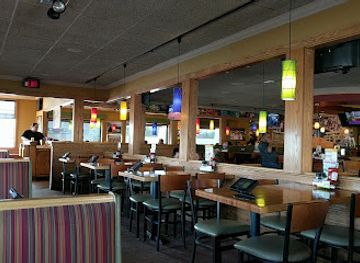
Applebee's Grill + Bar
Experience the taste of America at Applebee's Grill + Bar in Fairmont, WV, where delicious food meets a friendly atmosphere.
-
Restaurant
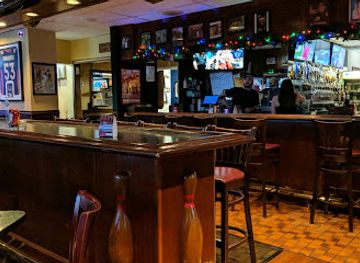
Kegler's
Experience the energy and camaraderie at Kegler's, Morgantown's favorite sports bar with delicious food and great drinks.
Best nightclubs in Mountaineer Country
Evening life in Mountaineer Country is concentrated in Morgantown, where West Virginia University's student population supports pubs, bars, live music, sports venues and late-night restaurants. The atmosphere and opening patterns vary with the academic calendar and major sporting events, so visitors should expect busier streets on game days. Fairmont, Clarksburg, Elkins, Thomas and Davis offer smaller selections of pubs, breweries, lounges, live music and community events rather than a large club circuit. In the mountain districts, evenings often centre on a restaurant, historic inn, brewery, seasonal performance or accommodation with a communal atmosphere. Drinking is not essential to experiencing the region, and rural journeys after dark require particular care because roads can be winding, poorly lit and distant from services.
-
Sports bar
Varsity Club
Experience the lively atmosphere and delicious offerings at The Varsity Club, Morgantown's top sports bar for food and fun.
-
Live Music
123 Pleasant Street
Discover Morgantown's vibrant nightlife with live music and great drinks at 123 Pleasant Street, the ultimate bar experience.
-
Bar
Bugsys
Discover the lively ambiance and diverse drink selection at Bugsy's Bar, a vibrant nightlife spot in Morgantown, West Virginia.
-
Lounge
Kanawha Lounge
Experience the vibrant atmosphere and extensive drink menu at Kanawha Lounge, the heart of Buckhannon's nightlife.


Best shops in Mountaineer Country
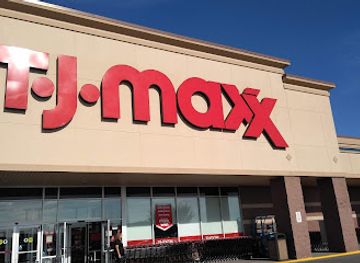
Shopping in Mountaineer Country is strongest in its market towns, university centre and small creative communities rather than in a single regional retail district. Morgantown has the widest range of bookshops, clothing, specialist food stores, galleries and everyday retail, with student-oriented businesses adding a younger commercial character. Fairmont, Clarksburg, Grafton, Elkins and Kingwood retain traditional downtown shops, antiques, cafés and local services, while Thomas and Davis are known for galleries, crafts, books, food and independent creative businesses. Farmers' markets and seasonal market days offer apples, preserves, baked goods, honey, vegetables and handmade items, though schedules vary by town and season. Useful regional purchases include pepperoni rolls, buckwheat products, locally made beer, Appalachian crafts, pottery, woodwork, art prints and mountain-themed books. Visitors should distinguish locally made goods from generic souvenirs and check rural businesses' payment options before travelling far from the larger centres.
-
Shopping mall
University Town Centre
Explore the lively University Town Centre, your ultimate shopping and dining destination in Morgantown, West Virginia.
-
Shopping mall
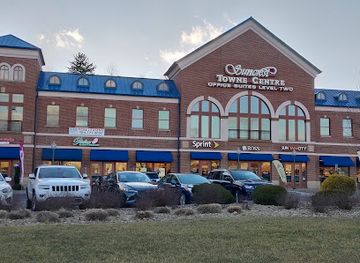
Suncrest Towne Centre
Experience shopping, dining, and wellness at Suncrest Towne Centre in Morgantown, WV - your ultimate destination for leisure and lifestyle.
-
Shopping mall
Morgantown Mall
Explore Morgantown Mall for a diverse shopping experience, delightful dining, and family-friendly entertainment in West Virginia.
-
Department store
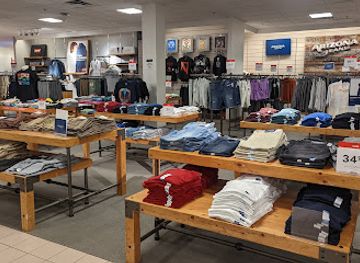
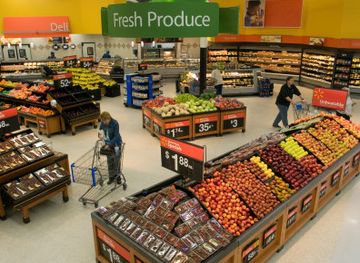
Walmart Supercenter
Discover the Walmart Supercenter in Buckhannon, a comprehensive shopping destination offering groceries, clothing, electronics, and more at budget-friendly prices.
Get your free copy of our complete guide to Mountaineer Country, delivered straight to you.
Everything on this page, from attractions and restaurants to essentials and local phrases, in one PDF you can read offline, print or share.
Already have an account? Sign in
Your Mountaineer Country guide is ready.
We'll send it to · Not you? Sign out

Getting your guide ready…
We are putting together a fresh copy of the Mountaineer Country guide. This can take up to a minute.
This can take a few moments. If your browser asks, choose Allow so the download can start. You'll find the guide in your Downloads folder.
Nothing happened? Download it again
Sorry, the guide is taking longer than usual. Please try again in a minute, or get it by email instead.
Mountaineer Country essentials
Currency and Payment
Safety
Emergency Situations
Do's and Don'ts
Local Tips
From Eve
Local phrases worth knowing
You don't need to get them perfect. A few words go a long way, and locals appreciate the effort.
Basics
| English | Local | Say it |
|---|---|---|
| Hello | Howdy | [How-dee] |
| Goodbye | See ya | [See ya] |
| Yes | Yep | [Yep] |
| No | Nope | [Nope] |
| Please/You're welcome | Please/No problem | [Please/No prob-lem] |
| Thank you | Thanks a bunch | [Thanks a bunch] |
| Excuse me/Sorry | Pardon me/Sorry 'bout that | [Pardon me/Sorry 'bout that] |
| How are you? | How ya doin'? | [How ya doin'?] |
| Fine. And you? | I’m good. And you? | [I’m good. And you?] |
| Do you speak English? | You speakin' English? | [You speakin' English?] |
| I don't understand | I ain't gettin' it | [I ain't gettin' it] |
Eating & Drinking
| English | Local | Say it |
|---|---|---|
| I'd like to see the menu, please | Can I see the menu, please? | [Can I see the menu, please?] |
| I don't eat meat | I don’t eat meat | [I don’t eat meat] |
| Cheers! | Cheers! | [Cheers!] |
| I would like to pay, please | Can I pay up, please? | [Can I pay up, please?] |
Emergencies
| English | Local | Say it |
|---|---|---|
| Help! | Help! | [Help!] |
| Go away! | Get outta here! | [Get outta here!] |
| Call the Police! | Call the cops! | [Call the cops!] |
| Call a doctor! | Get a doctor! | [Get a doctor!] |
| I'm lost | I'm all turned 'round | [I'm all turned 'round] |
| I'm ill | I ain't feelin' good | [I ain't feelin' good] |
Shopping
| English | Local | Say it |
|---|---|---|
| I'd like to buy... | I wanna buy... | [I wanna buy...] |
| I'm just looking | Just lookin' around | [Just lookin' around] |
| How much is it? | How much's this? | [How much's this?] |
| That's too expensive | That’s a bit pricey | [That’s a bit pricey] |
| Can you lower the price? | Can ya cut the price? | [Can ya cut the price?] |
Time & Numbers
| English | Local | Say it |
|---|---|---|
| What time is it? | What time we got? | [What time we got?] |
| It's one o'clock | It's one o'clock | [It's one o'clock] |
| Half past (10) | Half past ten | [Half past ten] |
| Morning | Mornin' | [Mornin'] |
| Afternoon | Afternoon | [Afternoon] |
| Evening | Evenin' | [Evenin'] |
| Yesterday | Yesterday | [Yesterday] |
| Today | Today | [Today] |
| Tomorrow | Tomorrow | [Tomorrow] |
| 1 | One | [One] |
| 2 | Two | [Two] |
| 3 | Three | [Three] |
| 4 | Four | [Four] |
| 5 | Five | [Five] |
| 6 | Six | [Six] |
| 7 | Seven | [Seven] |
| 8 | Eight | [Eight] |
| 9 | Nine | [Nine] |
| 10 | Ten | [Ten] |
Transport & Directions
| English | Local | Say it |
|---|---|---|
| Where's a/the...? | Where’s a...? | [Where’s a...?] |
| What's the address? | What’s the address? | [What’s the address?] |
| Can you show me (on the map)? | Can you show me on the map? | [Can you show me on the map?] |
| When's the next (bus)? | When's the next bus? | [When's the next bus?] |
| A ticket (to ....) | A ticket to... | [A ticket to...] |
History of Mountaineer Country
Indigenous Homelands and Frontier Expansion
The valleys and uplands of present-day Mountaineer Country were used by Indigenous peoples long before European settlement, with rivers and ridgelines serving as travel corridors and hunting grounds. During the eighteenth century, growing colonial settlement brought fortified farms, trading routes and conflict to the region. Prickett's Fort near Fairmont commemorates this frontier period, although the fort itself is a later reconstruction and an interpretive site rather than an untouched survival. The region's early history is therefore best understood through both Indigenous presence and the disruptive expansion of Euro-American settlement.
Philippi and the Civil War, 1861
The first organised land engagement of the American Civil War is generally associated with the Battle of Philippi, fought in Barbour County in June 1861. Union forces attacked Confederate troops stationed in the small town, helping secure north-western Virginia for the Union during the opening weeks of the conflict. The Philippi Covered Bridge, later rebuilt after wartime damage, is a prominent reminder of the town's strategic position and remains one of the region's best-known historic structures. West Virginia was created from Virginia during the war in 1863.
Railways, Timber and Coal
From the late nineteenth century, railways transformed Mountaineer Country by linking mountain resources and river towns with wider American markets. Coal mining expanded especially in Harrison, Marion, Randolph, Tucker and neighbouring upland districts, while timber operations reshaped the high forests and supported sawmills, rail sidings and company settlements. Rail connections helped towns such as Clarksburg, Grafton, Elkins and Fairmont grow as commercial and transport centres. The period also brought dangerous working conditions, labour disputes, immigration and rapid environmental change, legacies still visible in industrial landscapes and local museums.
Glass, Manufacturing and Urban Growth
The region's economy was never based solely on extraction. Clarksburg and surrounding communities developed glassmaking, metalwork, machinery, chemicals and other manufacturing, while Fairmont and Morgantown became important commercial and educational centres. Abundant fuel, rail access and nearby markets supported factories and encouraged population growth in the late nineteenth and early twentieth centuries. Historic downtown buildings, warehouses, churches and neighbourhoods preserve traces of this era, even as many communities have moved towards healthcare, education, services, technology, recreation and heritage tourism.
The New Deal and Arthurdale
Arthurdale in Preston County was established in the 1930s as the first of the United States government's planned New Deal resettlement communities. Designed to assist families affected by the Great Depression, it combined small farms, community buildings, schools and cooperative ideals. The experiment faced economic and practical difficulties, but its surviving buildings and museum make it an important site in the history of American social policy. Arthurdale also demonstrates how national reform programmes left a physical and social imprint on rural West Virginia.
Universities and a Diversifying Regional Economy
Higher education became a major force in the modern region, most visibly through West Virginia University in Morgantown and other colleges serving north-central West Virginia. Research, healthcare, sport and student life have influenced the growth and character of Morgantown, while regional campuses and training institutions support surrounding communities. At the same time, older coal, timber and manufacturing economies have contracted or changed. Contemporary Mountaineer Country consequently combines industrial heritage with outdoor recreation, cultural enterprises, medical services, education and efforts to sustain smaller mountain towns.
Mountaineer Country in Photos
Browse through our photo collection highlighting the charm and character of the destination.
Neighbouring regions of Mountaineer Country
The closest regions to Mountaineer Country, if you have time for more than one.
-

-

-

-
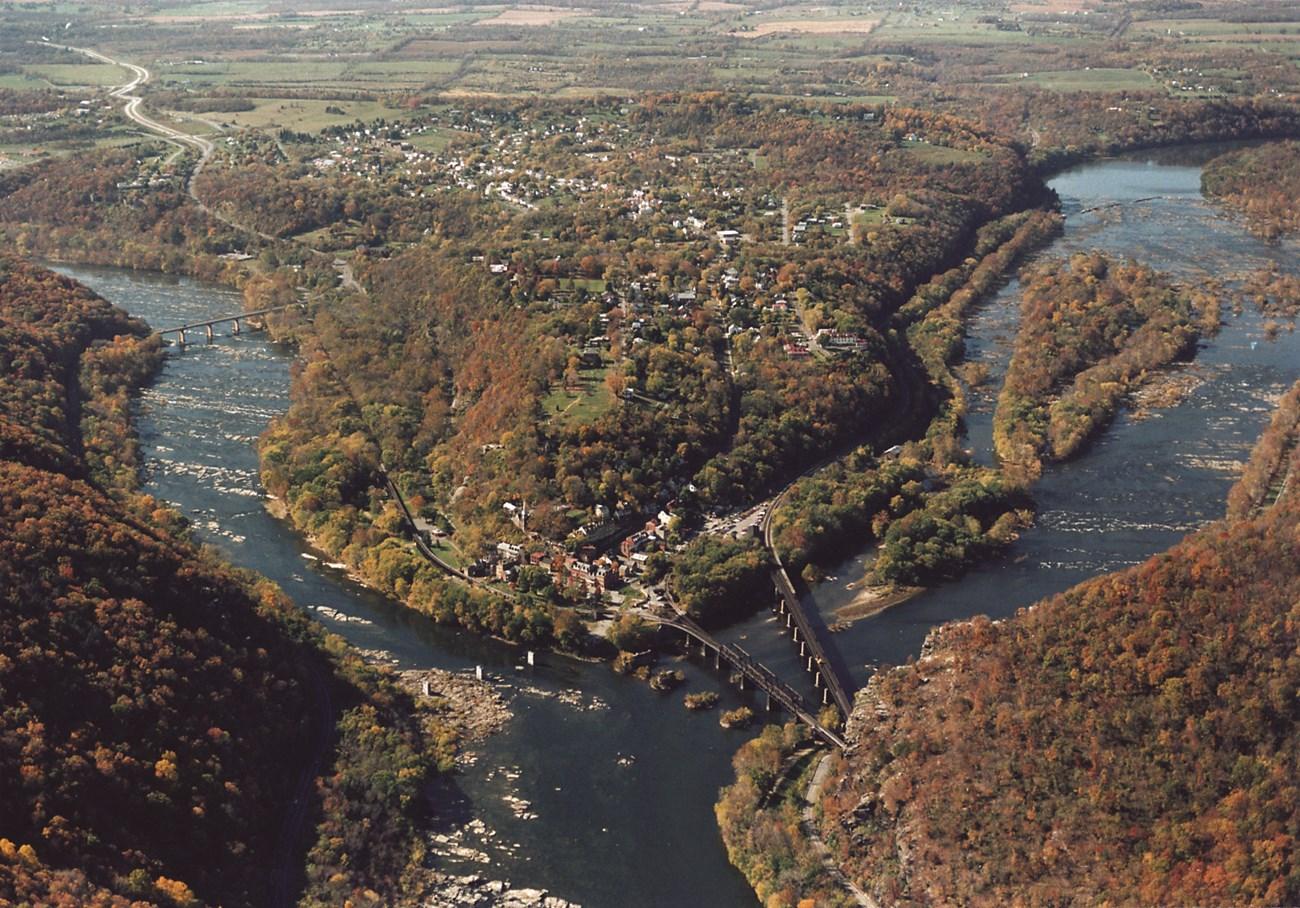 Eastern Panhandle
Explore West Virginia’s Eastern Panhandle for Harpers Ferry history, Berkeley Springs, historic towns, river landscapes and Appalachian outdoor adventures.
Eastern Panhandle
Explore West Virginia’s Eastern Panhandle for Harpers Ferry history, Berkeley Springs, historic towns, river landscapes and Appalachian outdoor adventures.
-


Swipe for more regions
Explore more

Explore more of West Virginia
Discover West Virginia's natural beauty, historic charm, and outdoor adventures in the heart of the Appalachian Mountains.
Explore West Virginia