

Free Parkersburg Travel Guide & Mobile App
Plan your Parkersburg trip with Evendo. Get free guides to top attractions, restaurants, hotels, and bars. Web access or download the mobile app.


Parkersburg, West Virginia, pairs Ohio River views with oil heritage, historic homes, museums, outdoor parks and authentic Appalachian culture today.
River City and Appalachian Heritage
Parkersburg stands at the meeting of the Ohio and Little Kanawha rivers in north-western West Virginia, a location that shaped its development as a trading post, transport centre and industrial town. The city’s broad riverfront, tree-lined streets and surviving historic districts offer a more measured alternative to the state’s mountain resorts, with local history firmly rooted in waterways, railways, oil and commerce. Downtown, the Smoot Theatre and the Oil and Gas Museum preserve different chapters of Parkersburg’s cultural and economic story, while Point Park provides open views across the Ohio River.Read more about Parkersburg
Historic Houses and River Landscapes
Culture, Museums and Everyday Life
When is the best time to visit Parkersburg?
Best: May–June, September · 23–27°C| Month | High (°C) | Rainfall (mm) |
|---|---|---|
| January | 5 | 82 |
| February | 7 | 71 |
| March | 12 | 86 |
| April | 18 | 88 |
| May (best) | 23 | 98 |
| June (best) | 27 | 95 |
| July | 30 | 99 |
| August | 29 | 91 |
| September (best) | 25 | 80 |
| October | 19 | 72 |
| November | 12 | 81 |
| December | 7 | 82 |
Getting to and around Parkersburg
How to get there
Transportation
Best attractions in Parkersburg
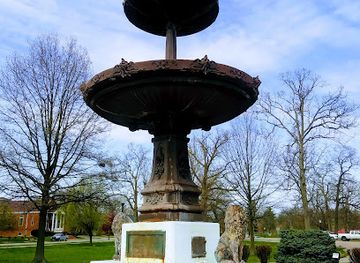
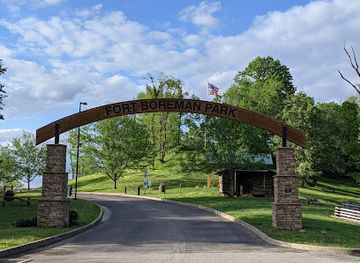
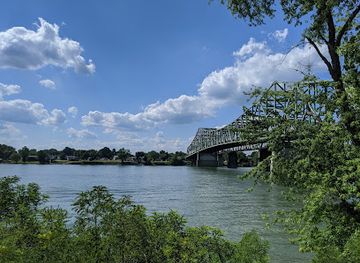
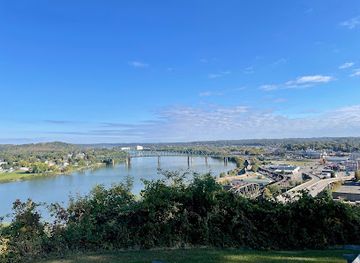
Parkersburg’s principal attractions bring together river scenery, local history and the cultural life of a small Appalachian city. The Oil and Gas Museum explains how petroleum transformed the Little Kanawha Valley, while the Blennerhassett Museum of Regional History places the area’s early settlement, transport and industrial development in wider context. Point Park is a natural starting point for Ohio River views and calmer riverside walks. Across the water, Blennerhassett Island Historic State Park offers a wooded island setting, a reconstructed early nineteenth-century mansion and interpretive programmes associated with Harman Blennerhassett and Aaron Burr. Back in the city, the Smoot Theatre preserves an ornate performance venue with a continuing role in local culture. Fort Boreman Park adds elevated views and Civil War earthworks, while Julia-Ann Square invites slower exploration of Parkersburg’s historic residential architecture.
-
Tourist attraction
Parkersburg City Park
Explore the lush landscapes and recreational delights of Parkersburg City Park, a serene urban oasis in West Virginia perfect for families and nature lovers.
14 min walk · 1.1 km from city centre
-
Tourist attraction
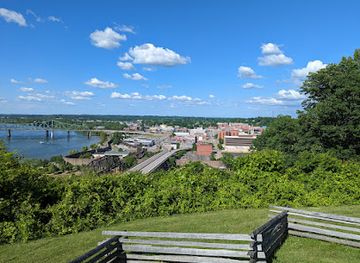
Fort Boreman Park
Explore Fort Boreman Park in Parkersburg, WV: A serene retreat with scenic trails, picnic spots, and rich historical significance, perfect for nature lovers.
8 min drive · 2.8 km from city centre
-
Tourist attraction
Point Park
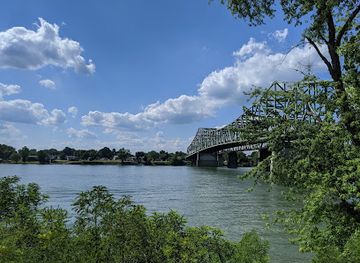
Experience the natural beauty and rich history of Point Park, a serene retreat in Parkersburg, West Virginia, perfect for relaxation and exploration.
6 min drive · 2.1 km from city centre
-
Tourist attraction
Fort Boreman Scenic Overlook
Discover breathtaking views and rich history at Fort Boreman Scenic Overlook in Parkersburg, West Virginia – a scenic escape perfect for all travelers.
7 min drive · 2.4 km from city centre
Best landmarks in Parkersburg
Parkersburg’s landmarks express its position as a river port, railway town, oil centre and Civil War-era stronghold. The Smoot Theatre, an ornate historic venue in the downtown area, represents the city’s early twentieth-century cultural confidence and remains a functioning performance space. Julia-Ann Square is significant for its concentration of nineteenth-century homes, whose varied façades reflect the wealth created by commerce, transport and industry. Fort Boreman Park preserves the location and earthworks of a Union Civil War fort on the heights above the Ohio River, giving the landscape strategic meaning as well as a broad prospect. Point Park marks the city’s relationship with the Ohio and Little Kanawha rivers, while the Blennerhassett Museum and mansion on nearby Blennerhassett Island interpret the region’s early national history. Together, these places trace Parkersburg’s evolution from river settlement to modern regional centre.
-
 Hotel
The Blennerhassett Hotel
Experience timeless elegance at The Blennerhassett Hotel, where luxury and history blend seamlessly in the heart of Parkersburg, West Virginia.
5 min drive · 1.7 km from city centre
-
Park
Parkersburg City Park
Explore Parkersburg City Park: your serene getaway in West Virginia filled with lush greenery, historical charm, and recreational fun.
14 min walk · 1.1 km from city centre
-
Park
Fort Boreman Park
Explore Fort Boreman Park: A historical haven in Parkersburg, where nature meets heritage, offering breathtaking views and serene trails for every adventurer.
8 min drive · 2.8 km from city centre
-
Park
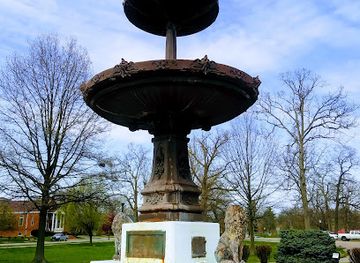
Point Park
Explore the serene beauty and rich history of Point Park in Parkersburg, WV, a perfect retreat for nature lovers and history enthusiasts alike.
6 min drive · 2.1 km from city centre
Explore Parkersburg on the map
Plan your Parkersburg trip on one map. See where the top attractions, landmarks, restaurants, bars and hotels are, find what's near where you're staying, and book hotels and experiences in a few clicks.
Best hotels in Parkersburg
Best restaurants in Parkersburg
Parkersburg’s dining scene reflects the foodways of West Virginia and the wider Ohio Valley, with familiar American comfort food, Appalachian influences and locally owned cafés rather than a single defining cuisine. Visitors will find diners, pizzerias, barbecue, sandwich shops, bakeries and family restaurants alongside contemporary independent kitchens. Biscuits, country ham, fried or grilled staples, homemade soups and seasonal produce belong to the region’s broader culinary vocabulary, while pepperoni rolls—closely associated with West Virginia—may appear among local bakery and casual-food offerings. Downtown and the areas around the river and major roads provide the widest choice, with coffee shops and informal eateries suited to daytime exploring. Farmers’ markets and community events can offer seasonal produce and prepared foods when operating, but schedules vary. Dining is generally relaxed, and portions and service customs follow wider American conventions, including tipping for table service.
-
Steak
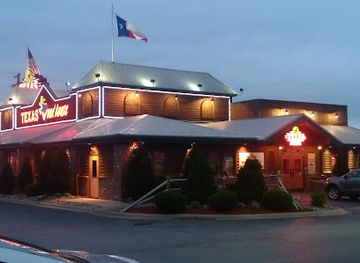
Texas Roadhouse
Experience mouthwatering steaks and vibrant American dining at Texas Roadhouse in Parkersburg - where every meal is a celebration.
7 min drive · 2.2 km from city centre
-
Italian
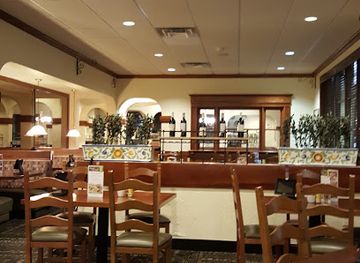
Olive Garden Italian Restaurant
Experience the taste of Italy at Olive Garden in Parkersburg - perfect for families with diverse culinary cravings.
12 min drive · 4.1 km from city centre
-
Steak
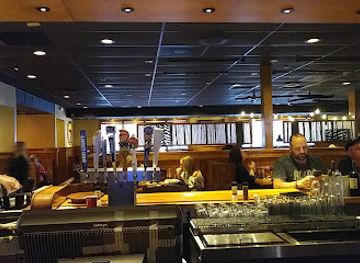
Outback Steakhouse
Experience the authentic taste of Australia with delicious steaks and vibrant atmosphere at Outback Steakhouse in Parkersburg.
12 min drive · 4.1 km from city centre
-
American
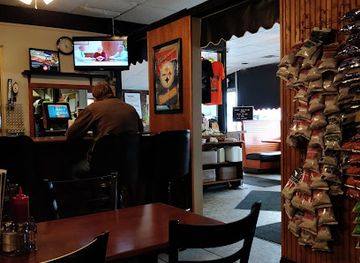
Der Dog Haus
Discover the best gourmet hot dogs in Parkersburg at Der Dog Haus – where American comfort food meets delicious creativity!
5 min drive · 1.8 km from city centre
Best bars in Parkersburg
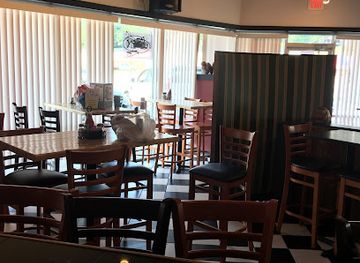
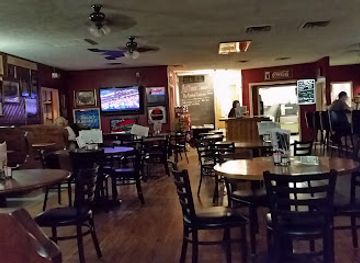
Parkersburg’s evening scene is modest and locally oriented rather than built around large nightclubs. Downtown bars, pubs and independent restaurants provide places for conversation, regional beer and casual dinners, while live music and community events periodically bring activity to the centre. The Smoot Theatre is the city’s most distinctive evening cultural venue, presenting concerts, performances and other organised entertainment in a restored historic setting. Neighbourhood bars and social venues around the wider city tend to attract local residents, with entertainment often shaped by weekend events, seasonal festivals and sporting occasions. The riverfront and parks are better suited to early-evening scenery than late-night activity, and visitors should follow posted park rules rather than treating public spaces as nightlife venues. As in the rest of West Virginia, alcohol service is regulated, identification may be required and last-service policies differ by establishment.
-
Hotel
The Blennerhassett Hotel
Discover historic elegance at The Blennerhassett Hotel in Parkersburg, featuring fine dining, a cocktail bar, and charming event venues for every occasion.
5 min drive · 1.7 km from city centre
-
American
Der Dog Haus
Experience the delightful taste of American cuisine at Der Dog Haus in Parkersburg, WV, where every hot dog is a gourmet adventure.
5 min drive · 1.8 km from city centre
-
Grill
George's Place Bar & Grill
Discover George's Place Bar & Grill in Parkersburg, where flavorful dishes and a casual atmosphere blend perfectly for an unforgettable dining experience.
12 min drive · 4.0 km from city centre
-
American
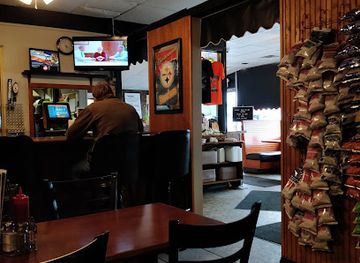
North End Tavern & Brewery
Enjoy delicious American cuisine and handcrafted beers at North End Tavern & Brewery, a top dining destination in North Parkersburg.
9 min drive · 2.9 km from city centre
Best nightclubs in Parkersburg
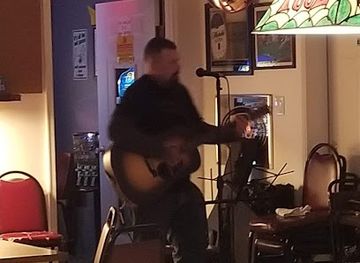
Parkersburg’s evening scene is modest and locally oriented rather than built around large nightclubs. Downtown bars, pubs and independent restaurants provide places for conversation, regional beer and casual dinners, while live music and community events periodically bring activity to the centre. The Smoot Theatre is the city’s most distinctive evening cultural venue, presenting concerts, performances and other organised entertainment in a restored historic setting. Neighbourhood bars and social venues around the wider city tend to attract local residents, with entertainment often shaped by weekend events, seasonal festivals and sporting occasions. The riverfront and parks are better suited to early-evening scenery than late-night activity, and visitors should follow posted park rules rather than treating public spaces as nightlife venues. As in the rest of West Virginia, alcohol service is regulated, identification may be required and last-service policies differ by establishment.
-
Bar
Dixie Bar
Discover the lively ambiance of Dixie Bar in Parkersburg, WV, where delicious drinks meet a vibrant local atmosphere.
17 min walk · 1.3 km from city centre
-
Bar
Dew Drop Inn
Experience local culture and vibrant nightlife at Dew Drop Inn, Parkersburg's favorite bar for drinks, music, and good times.
11 min walk · 0.9 km from city centre
-
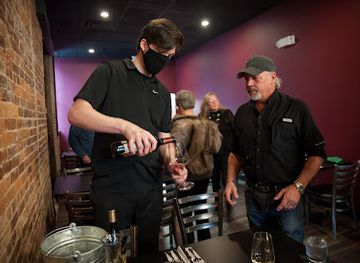
Wine bar
Wine Down on Market
Experience the best of West Virginia's wine culture at Wine Down on Market, a perfect blend of exquisite wines and delightful cuisine.
5 min drive · 1.5 km from city centre
-
Pub
Tracey's Pub
Discover the lively atmosphere and local flavors at Tracey's Pub in Parkersburg, WV – a perfect spot for entertainment and relaxation!
5 min drive · 1.6 km from city centre
Best shops in Parkersburg
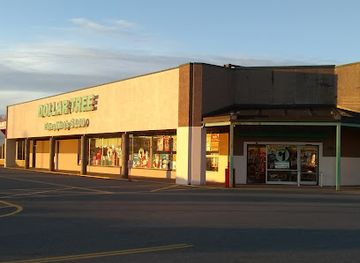
Shopping in Parkersburg combines practical retail with independent businesses and locally flavoured browsing in and around the downtown area. Historic streets contain small shops, galleries, antique dealers and services, while larger commercial concentrations lie along the main roads and in neighbouring Vienna, where the Grand Central Mall serves the wider Mid-Ohio Valley. Visitors looking for distinctive purchases can browse regional crafts, West Virginia-themed gifts, books, handmade objects, antiques and locally produced foods when available through independent retailers or seasonal markets. Downtown shopping is best approached as part of a heritage walk, since the appeal lies in the relationship between storefronts, historic buildings and nearby cultural venues rather than in a single pedestrian shopping quarter. Farmers’ markets and community craft events vary by season, so their dates and locations should be checked locally. Standard American chain retail is also readily available for practical needs.
-
Shopping mall
Park Shopping Center
Explore the Park Shopping Center in Parkersburg, WV – your ultimate destination for shopping, dining, and entertainment.
8 min drive · 2.8 km from city centre
-
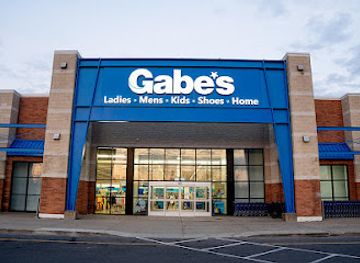
Discount store
Gabe's
Explore Gabe's in Parkersburg, WV: Your go-to destination for incredible discounts on clothing, shoes, and home essentials.
8 min drive · 2.6 km from city centre
-
Department store
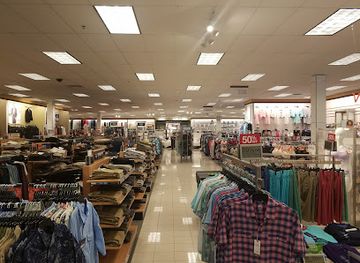
Kohl's
Discover unbeatable deals and a wide selection of fashion and home goods at Kohl's Parkersburg, West Virginia's favorite department store.
14 min drive · 4.7 km from city centre
-
Department store
T.J. Maxx
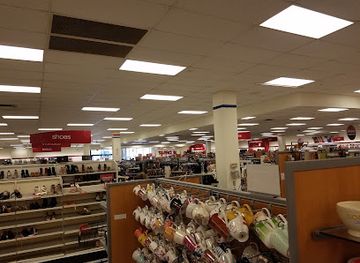
Explore T.J. Maxx in Parkersburg, WV for unique clothing and home goods at unbeatable prices, all in a vibrant shopping atmosphere.
14 min drive · 4.6 km from city centre
Get your free copy of our complete guide to Parkersburg, delivered straight to you.
Everything on this page, from attractions and restaurants to essentials and local phrases, in one PDF you can read offline, print or share.
Already have an account? Sign in
Your Parkersburg guide is ready.
We'll send it to · Not you? Sign out

Getting your guide ready…
We are putting together a fresh copy of the Parkersburg guide. This can take up to a minute.
This can take a few moments. If your browser asks, choose Allow so the download can start. You'll find the guide in your Downloads folder.
Nothing happened? Download it again
Sorry, the guide is taking longer than usual. Please try again in a minute, or get it by email instead.
Parkersburg essentials
Currency and Payment
Safety
Emergency Situations
Do's and Don'ts
Local Tips
From Eve
Local phrases worth knowing
You don't need to get them perfect. A few words go a long way, and locals appreciate the effort.
Basics
| English | Local | Say it |
|---|---|---|
| Hello | Hey | [hey] |
| Goodbye | Bye | [bi] |
| Yes | Yup | [yəp] |
| No | Nah | [nɑː] |
| Please/You're welcome | Please/You're welcome | [pliːz/jʊər ˈwɛlkəm] |
| Thank you | Thanks | [θæŋks] |
| Excuse me/Sorry | Excuse me/Sorry | [ɪkˈskjuz mi/ˈsɔri] |
| How are you? | How are ya? | [haʊ ɑːr jə] |
| Fine. And you? | Fine. And you? | [faɪn ænd jə] |
| Do you speak English? | Ya speak English? | [jə spiːk ˈɪŋɡlɪʃ] |
| I don't understand | I don't get it | [aɪ doʊnt ˌʌndərˈstænd] |
Eating & Drinking
| English | Local | Say it |
|---|---|---|
| I'd like to see the menu, please | Can I see the menu, please | [kæn aɪ siː ðə ˈmɛnjuː pliːz] |
| I don't eat meat | I don't eat meat | [aɪ doʊnt iːt miːt] |
| Cheers! | Cheers! | [tʃɪrz] |
| I would like to pay, please | I wanna pay now, please | [aɪ ˈwɑnə peɪ naʊ pliːz] |
Emergencies
| English | Local | Say it |
|---|---|---|
| Help! | Help! | [hɛlp] |
| Go away! | Get lost! | [ɡɛt lɔst] |
| Call the Police! | Call the cops! | [kɔl ðə kɑps] |
| Call a doctor! | Get a doctor! | [ɡɛt ə ˈdɑktər] |
| I'm lost | I'm lost | [aɪm lɔst] |
| I'm ill | I'm sick | [aɪm sɪk] |
Shopping
| English | Local | Say it |
|---|---|---|
| I'd like to buy... | I wanna buy... | [aɪ ˈwɑnə baɪ] |
| I'm just looking | I'm just looking | [aɪm ˈdʒəst ˈlʊkɪŋ] |
| How much is it? | How much does it cost? | [haʊ ˈmətʃ dʌz ɪt kɑst] |
| That's too expensive | That's way too pricey | [ðæts weɪ tuː ˈpraɪsi] |
| Can you lower the price? | Can ya bring the price down? | [kæn jə brɪŋ ðə praɪs daʊn] |
Time & Numbers
| English | Local | Say it |
|---|---|---|
| What time is it? | What's the time? | [wɑːts ðə taɪm] |
| It's one o'clock | It's one o'clock | [ɪts wʌn əˈklɑk] |
| Half past (10) | Half past ten | [hæf pæst tɛn] |
| Morning | Morning | [ˈmɔrnɪŋ] |
| Afternoon | Afternoon | [ˌæftərˈnun] |
| Evening | Evening | [ˈivnɪŋ] |
| Yesterday | Yesterday | [ˈjɛstərdeɪ] |
| Today | Today | [təˈdeɪ] |
| Tomorrow | Tomorrow | [təˈmɔroʊ] |
| 1 | One | [wʌn] |
| 2 | Two | [tuː] |
| 3 | Three | [θriː] |
| 4 | Four | [fɔːr] |
| 5 | Five | [faɪv] |
| 6 | Six | [sɪks] |
| 7 | Seven | [ˈsɛvən] |
| 8 | Eight | [eɪt] |
| 9 | Nine | [naɪn] |
| 10 | Ten | [tɛn] |
Transport & Directions
| English | Local | Say it |
|---|---|---|
| Where's a/the...? | Where's the...? | [wɛərz ðə] |
| What's the address? | What's the address? | [wɑːts ðə ˈædrɛs] |
| Can you show me (on the map)? | Can you show me (on the map)? | [kæn jə ʃoʊ miː (ɒn ðə mæp)] |
| When's the next (bus)? | When's the next bus? | [wɛnz ðə nɛkst bʌs] |
| A ticket (to ....) | A ticket (to ....) | [ə ˈtɪkɪt (tə ....)] |
History of Parkersburg
Early Settlement at the River Junction
The Parkersburg area developed around the confluence of the Little Kanawha and Ohio rivers, waterways that supported movement, trade and settlement through the region. European-American settlement expanded in the late eighteenth century, and the community was first known as Newport. Alexander Parker, who owned land in the area, became associated with the town’s later name, Parkersburg. The river junction gave the settlement practical importance, while the surrounding hills and valleys connected it to the interior of what was then western Virginia. Long before the modern city emerged, Indigenous peoples had used and travelled through the wider Ohio Valley, a history that forms part of the region’s deeper cultural landscape.
A Virginia River Town Emerges
Parkersburg grew during the early nineteenth century as river traffic, farming and commerce increased along the Ohio and Little Kanawha waterways. Its position made it a useful point for exchanging goods between the Ohio Valley and inland settlements. The town was incorporated in 1820, and civic institutions gradually developed as population and commercial activity expanded. Steamboats made the Ohio River an important transportation corridor, while roads and landings connected Parkersburg with surrounding farms and communities. The town’s location also placed it within the political and economic world of western Virginia, whose interests increasingly differed from those of the eastern part of the state.
Railways, Oil and Industrial Growth
Nineteenth-century transport improvements transformed Parkersburg from a river town into a regional commercial centre. The Baltimore and Ohio Railroad reached the area in the 1850s, strengthening links with the eastern seaboard and encouraging trade, manufacturing and population growth. Petroleum also became central to the local economy after oil production developed in the Little Kanawha region, including the Burning Springs field south-east of Parkersburg. The city became an important centre for refining, storage, supply and associated businesses rather than simply a production site. This era left a legacy represented today by the Oil and Gas Museum and by the substantial homes built during the period of commercial prosperity.
Civil War and the New State
When Virginia seceded from the United States in 1861, Parkersburg remained under Union control and became strategically important because of its rail and river connections. The wider region supported the movement of troops and supplies, and the town’s position made it a significant base for Union operations in the trans-Allegheny country. West Virginia was admitted to the Union in 1863, and Parkersburg became part of the new state. Fort Boreman, established on the heights above the city during the war, guarded the river and transport routes. Its surviving earthworks and viewpoint provide a tangible connection with the military importance of the valley.
Modernisation and Preservation
After the Civil War, Parkersburg continued to expand through rail transport, river commerce, manufacturing, energy-related enterprise and public institutions. The city’s prosperity supported theatres, churches, schools and architecturally ambitious residences, several of which survive in districts such as Julia-Ann Square. Twentieth-century changes brought new roads, suburban development and shifts in industry, while the Ohio River remained a defining geographic presence. Historic preservation efforts have helped retain landmarks including the Smoot Theatre and the Blennerhassett Museum, allowing modern Parkersburg to interpret its river, oil, railway and political histories rather than presenting them as isolated episodes.
Parkersburg in Photos
Browse through our photo collection highlighting the charm and character of the destination.
Cities near Parkersburg
The closest cities to Parkersburg, if you have time for more than one stop.
-

-

-

-

-


Swipe for more cities
Explore more

Explore more of West Virginia
Discover West Virginia's natural beauty, historic charm, and outdoor adventures in the heart of the Appalachian Mountains.
Explore West Virginia