

Free Eastern Panhandle Travel Guide & Mobile App
Explore Eastern Panhandle with free travel guides. Discover regional history, expert tips, proposed trips, and audio guides on web or mobile app.


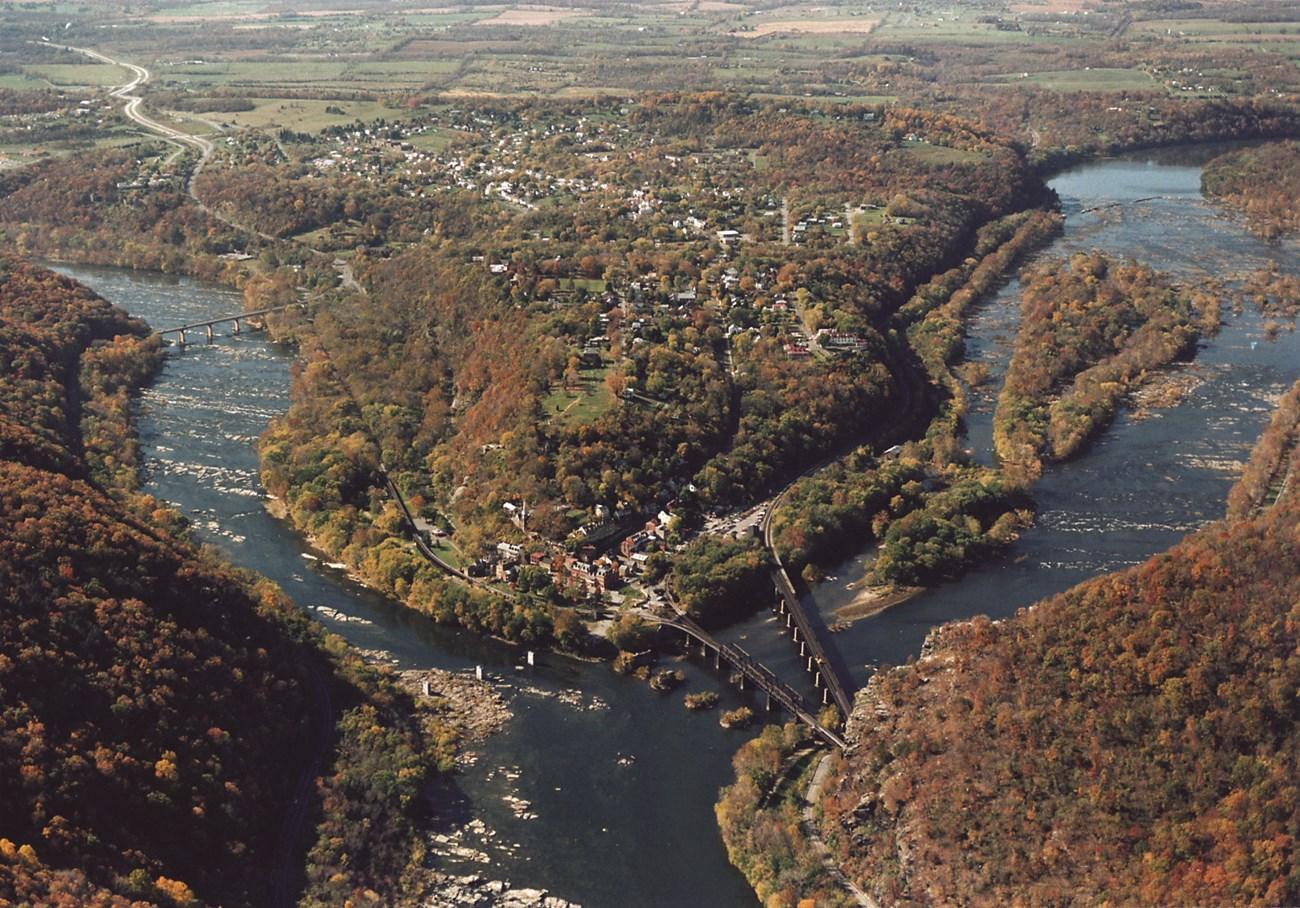


Explore West Virginia’s Eastern Panhandle for Harpers Ferry history, Berkeley Springs, historic towns, river landscapes and Appalachian outdoor adventures.
Read more about Eastern Panhandle
Getting to and around Eastern Panhandle
How to get there
Transportation
Top city travel guides in Eastern Panhandle
The cities of Eastern Panhandle, and the easiest places to base yourself.
-

-


Swipe for more cities
Destinations in Eastern Panhandle
Resorts, valleys and scenic spots worth a trip of their own.

Swipe for more destinations
Best attractions in Eastern Panhandle
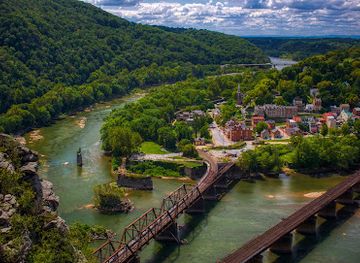
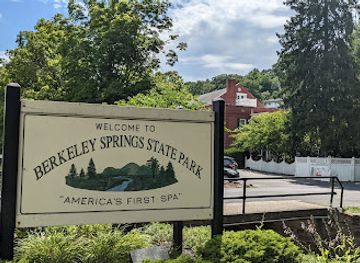
The Eastern Panhandle’s attractions range from nationally important history to accessible outdoor recreation. Harpers Ferry National Historical Park is the region’s central heritage experience, interpreting the federal armoury, John Brown’s raid, Civil War events and the town’s dramatic setting at the junction of the Potomac and Shenandoah rivers. Shepherdstown offers historic streets, cultural venues and a strong local arts and theatre scene, while Martinsburg combines museums, historic buildings and railway heritage. Berkeley Springs State Park anchors a longstanding mineral-springs tradition in Morgan County, surrounded by galleries, shops and spa-related experiences. Cacapon Resort State Park provides hiking, woodland scenery, a lake and mountain recreation, while Sleepy Creek Wildlife Management Area and Yankauer Nature Preserve offer opportunities for walking, birdwatching and observing the region’s limestone and forest landscapes. The Appalachian Trail, which passes through Harpers Ferry, adds a major long-distance walking dimension. Farm country, river corridors, seasonal events and small museums complete an attraction landscape that is best explored through a mixture of town visits and short drives rather than a single linear route.
-
Historical place
Harpers Ferry National Historical Park
Discover the historic charm and natural beauty of Harpers Ferry National Historical Park, where America's past comes alive amidst stunning landscapes.
-
Outlet mall
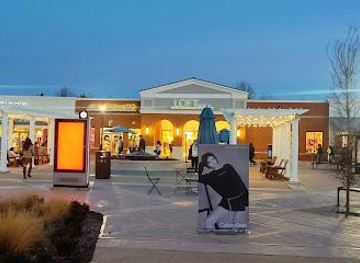
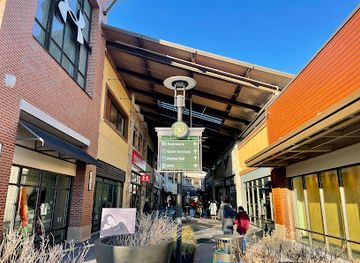
Leesburg Premium Outlets
Experience unbeatable savings and a diverse shopping selection at Leesburg Premium Outlets, Virginia's premier outlet destination.
-
State park
Berkeley Springs State Park
Experience the healing waters and serene landscapes of Berkeley Springs State Park, a tranquil retreat in West Virginia perfect for relaxation and outdoor adventure.
-
Park
Baker Park
Explore Baker Park in Frederick, Maryland – a picturesque retreat featuring lush landscapes, recreational activities, and vibrant community events.


Best landmarks in Eastern Panhandle
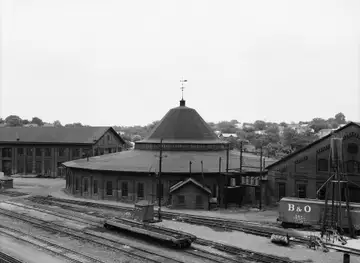
Harpers Ferry is the Eastern Panhandle’s defining landmark, with its historic lower town set between the Potomac and Shenandoah rivers beneath wooded ridges. The surviving armoury grounds and industrial buildings give physical form to the town’s importance in the history of firearms manufacture, John Brown’s raid and the Civil War. The stone and brick buildings of Shepherdstown form one of the region’s most coherent historic streetscapes, reflecting its eighteenth- and nineteenth-century development along the Potomac. Berkeley Springs State Park is a different kind of landmark: its public springs and historic bathing structures represent a colonial and early American resort tradition that still shapes the town. In Martinsburg, the Baltimore and Ohio Railroad heritage and historic civic and commercial buildings recall the town’s role as a transport and manufacturing centre. Cacapon Mountain provides the region’s most recognisable natural backdrop, while the Appalachian Trail’s passage through Harpers Ferry links the Eastern Panhandle to the long ridge-and-valley geography of the eastern United States.
-
Historical place
Harpers Ferry National Historical Park
Discover the blend of American history and natural beauty at Harpers Ferry National Historical Park, a must-visit for every traveler.
-
Historical landmark
Trans-Allegheny Lunatic Asylum
Explore the chilling history of the Trans-Allegheny Lunatic Asylum, a hauntingly beautiful landmark steeped in tales of the past and paranormal intrigue.
-
State park
Berkeley Springs State Park
Experience the serene charm of Berkeley Springs State Park, a historic oasis known for its mineral springs, scenic trails, and rich cultural heritage.
-
Tourist attraction
Potomac Eagle Scenic Railroad
Explore the scenic beauty and historical richness of West Virginia aboard the Potomac Eagle Scenic Railroad for an unforgettable experience.


Explore Eastern Panhandle on the map
Plan your trip on one map. See where the top cities, national parks and sights are, and book hotels and experiences in a few clicks.
Best hotels in Eastern Panhandle
Best restaurants in Eastern Panhandle
Dining in the Eastern Panhandle reflects the meeting of Appalachian, Mid-Atlantic and farm-country traditions. Martinsburg, Shepherdstown, Harpers Ferry and Berkeley Springs have the widest selection of independent restaurants, cafés, bakeries, diners and pubs, while rural roads lead to farm stands, country stores and occasional market-based food vendors. Menus commonly draw on local produce, apples, corn, stone-ground goods, poultry and other regional farm products, alongside familiar American comfort food and contemporary interpretations of Appalachian cooking. Berkeley Springs has a particularly established café, gallery and resort-town dining culture; Shepherdstown is known for its compact independent food scene; and Harpers Ferry’s restaurants cater to heritage visitors and walkers. Craft breweries and small-batch drinks appear alongside traditional bars, although opening arrangements vary by town and season. Farmers’ markets are useful for sampling produce and prepared foods, but market days and vendors change, so visitors should check local arrangements rather than rely on a fixed schedule.
-
American
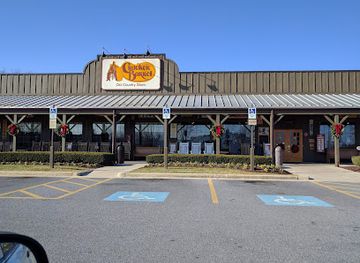
Cracker Barrel Old Country Store
Experience Southern hospitality at Cracker Barrel Old Country Store with delicious comfort food and charming gifts in Martinsburg.
-
Breakfast
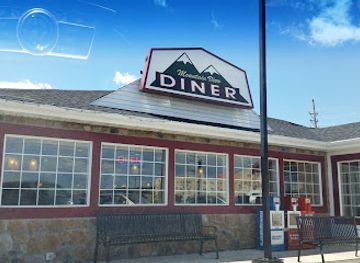
Mountain View Diner
Experience delicious American breakfast classics at Mountain View Diner in Charles Town – where comfort food meets friendly service.
-
Italian
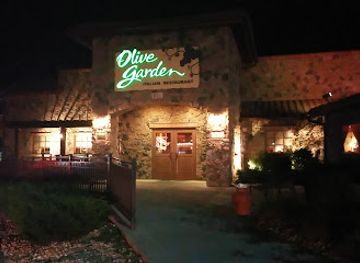
Olive Garden Italian Restaurant
Discover authentic Italian dining at Olive Garden in Martinsburg—where delicious food meets warm hospitality.
-
Sports bar
Glory Days Grill
Discover Glory Days Grill: A Family-Friendly Sports Bar in Ranson Serving Up Tasty Wings and Burgers.

Best bars in Eastern Panhandle
Evening life in the Eastern Panhandle is generally sociable and town-centred rather than dominated by large nightclubs. Shepherdstown has the strongest concentration of restaurants, pubs, small bars, cultural performances and live music in a walkable setting, influenced in part by its university community. Martinsburg offers a broader spread of bars, breweries, restaurants and occasional entertainment venues, while Berkeley Springs combines historic inns, dining rooms, art-related events and relaxed evening drinking. Harpers Ferry is quieter after daytime visitors leave, with evening activity concentrated in restaurants and accommodation rather than late-night clubs. Rural areas tend towards taverns, community events and home-based social life, and Cacapon country is oriented towards outdoor recreation and resort evenings. Hours, music programmes and seasonal offerings vary, so checking locally is advisable; alcohol is not necessary to participate in the region’s theatre, arts, heritage or outdoor culture.
-
Sports bar
Glory Days Grill
Discover the ultimate sports bar experience at Glory Days Grill in Ranson, WV, offering delicious food and a vibrant atmosphere for all.
-
Gastropub
Paddy's
Enjoy authentic Irish cuisine and a vibrant atmosphere at Paddy's, the premier gastropub in Charles Town, West Virginia.
-
Seafood
Kitzie's | Restaurant & Lounge
Discover the best seafood dining experience in Martinsburg, WV, at Kitzie's Restaurant & Lounge, where fresh flavors and cozy ambiance await.
-
American
White Horse Tavern
Experience the heart of American cuisine at White Horse Tavern in Harpers Ferry, where delicious food meets a welcoming atmosphere.



Best nightclubs in Eastern Panhandle
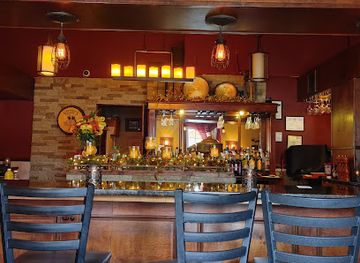
Evening life in the Eastern Panhandle is generally sociable and town-centred rather than dominated by large nightclubs. Shepherdstown has the strongest concentration of restaurants, pubs, small bars, cultural performances and live music in a walkable setting, influenced in part by its university community. Martinsburg offers a broader spread of bars, breweries, restaurants and occasional entertainment venues, while Berkeley Springs combines historic inns, dining rooms, art-related events and relaxed evening drinking. Harpers Ferry is quieter after daytime visitors leave, with evening activity concentrated in restaurants and accommodation rather than late-night clubs. Rural areas tend towards taverns, community events and home-based social life, and Cacapon country is oriented towards outdoor recreation and resort evenings. Hours, music programmes and seasonal offerings vary, so checking locally is advisable; alcohol is not necessary to participate in the region’s theatre, arts, heritage or outdoor culture.
-
American
White Horse Tavern
Discover the delightful White Horse Tavern in Harpers Ferry, offering delicious American cuisine, craft drinks, and a lively atmosphere perfect for tourists.
-
Bar
Touch of Texas
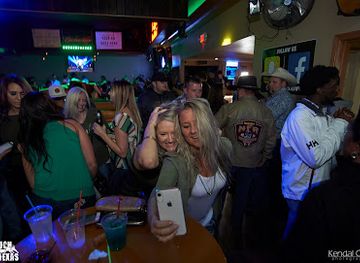
Dive into the Texan spirit with delicious food, lively dance floors, and themed events at Touch of Texas in Bunker Hill, West Virginia.
-
Bar
VIP Lounge
Experience the lively atmosphere of VIP Lounge in Martinsburg, where delicious food, refreshing drinks, and live entertainment await.
-
Sports bar
The Rock Sportsbar
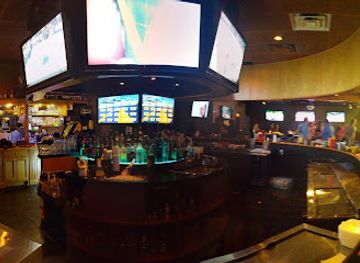
Experience the thrill of sports and delicious eats at The Rock Sportsbar, Martinsburg's go-to destination for fun and flavor.


Best shops in Eastern Panhandle
Shopping in the Eastern Panhandle is concentrated in historic town centres rather than large, specialised retail districts. Shepherdstown and Berkeley Springs are the strongest destinations for independent galleries, antiques, books, homewares, clothing and locally made crafts, with shops often occupying older commercial buildings. Berkeley Springs is particularly associated with art, craft and spa-related goods, while Shepherdstown’s compact streets combine small retailers with cafés and cultural venues. Harpers Ferry has shops aimed at heritage visitors, including crafts, gifts, books and locally themed products, though the town’s steep streets and limited space make it more suited to browsing than extensive retail. Martinsburg provides everyday shopping, historic downtown businesses and access to larger commercial services. Farmers’ markets and farm stands offer seasonal fruit, vegetables, preserves, baked goods and other regional produce; dates and sellers vary throughout the year. Useful souvenirs include Appalachian craftwork, locally produced food, artwork and books on the area’s historical figures and landscapes.
-
Outlet mall
Leesburg Premium Outlets
Explore Leesburg Premium Outlets for unbeatable deals on your favorite brands in a picturesque Virginia setting.
-
Outlet mall
Clarksburg Premium Outlets
Discover unbeatable deals at Clarksburg Premium Outlets, where shopping meets savings in the heart of Maryland.
-
Farmers' market
Orr's Farm Market
Experience the essence of West Virginia at Orr's Farm Market, where fresh produce meets local charm in a delightful farmers' market setting.
-
Sportswear store
Nike Factory Store - Leesburg
Unleash your athletic potential with unbeatable deals at the Nike Factory Store in Leesburg, your ultimate destination for sportswear savings.


Get your free copy of our complete guide to Eastern Panhandle, delivered straight to you.
Everything on this page, from attractions and restaurants to essentials and local phrases, in one PDF you can read offline, print or share.
Already have an account? Sign in
Your Eastern Panhandle guide is ready.
We'll send it to · Not you? Sign out

Getting your guide ready…
We are putting together a fresh copy of the Eastern Panhandle guide. This can take up to a minute.
This can take a few moments. If your browser asks, choose Allow so the download can start. You'll find the guide in your Downloads folder.
Nothing happened? Download it again
Sorry, the guide is taking longer than usual. Please try again in a minute, or get it by email instead.
Eastern Panhandle essentials
Currency and Payment
Safety
Emergency Situations
Do's and Don'ts
Local Tips
From Eve
Local phrases worth knowing
You don't need to get them perfect. A few words go a long way, and locals appreciate the effort.
Basics
| English | Local | Say it |
|---|---|---|
| Hello | Howdy | [HAW-dee] |
| Goodbye | See ya | [SEE ya] |
| Yes | Yep | [YEHP] |
| No | Nope | [NOHP] |
| Please/You're welcome | Please/No problem | [PLEEZ/NOH PROB-lum] |
| Thank you | Thanks | [THANGKS] |
| Excuse me/Sorry | Pardon me/Sorry | [PAR-dun mee/SOR-ee] |
| How are you? | How ya doin'? | [HOW ya DO-in'?] |
| Fine. And you? | Good. You? | [GOOD. YOU?] |
| Do you speak English? | Ya speakin' English? | [YA SPEEK-in' ING-lish?] |
| I don't understand | I ain't gettin' it | [I AIN'T GET-tin' it] |
Eating & Drinking
| English | Local | Say it |
|---|---|---|
| I'd like to see the menu, please | Can I see the menu, please? | [CAN I SEE the MENU, PLEEZE?] |
| I don't eat meat | I don't eat meat | [I DON'T EAT MEAT] |
| Cheers! | Cheers! | [CHEERS!] |
| I would like to pay, please | I wanna pay, please | [I WAN-na PAY, PLEEZE] |
Emergencies
| English | Local | Say it |
|---|---|---|
| Help! | Help! | [HELP!] |
| Go away! | Get lost! | [GET LOST!] |
| Call the Police! | Call the cops! | [CALL the COPS!] |
| Call a doctor! | Call a doc! | [CALL a DOC!] |
| I'm lost | I’m lost | [I'M LOST] |
| I'm ill | I ain't feelin' well | [I AIN'T FEEL-in' WELL] |
Shopping
| English | Local | Say it |
|---|---|---|
| I'd like to buy... | I wanna buy... | [I WAN-na BUY...] |
| I'm just looking | I'm just browsin' | [I'M JUST BROW-zin'] |
| How much is it? | What's it cost? | [WHAHT'S IT COST?] |
| That's too expensive | That's a bit pricey | [THAT'S a BIT PRICE-ee] |
| Can you lower the price? | Can ya drop the price? | [CAN YA DROP the PRICE?] |
Time & Numbers
| English | Local | Say it |
|---|---|---|
| What time is it? | What time is it? | [WHAHT TIME IS IT?] |
| It's one o'clock | It's one o'clock | [IT'S ONE O'CLOCK] |
| Half past (10) | Half past ten | [HAHF PAST TEN] |
| Morning | Mornin' | [MORN-in'] |
| Afternoon | Afternoon | [AF-ter-NOON] |
| Evening | Evenin' | [EVE-nin'] |
| Yesterday | Yesterday | [YES-ter-DAY] |
| Today | Today | [TO-day] |
| Tomorrow | Tomorrow | [to-MOR-row] |
| 1 | One | [WUN] |
| 2 | Two | [TOO] |
| 3 | Three | [THREE] |
| 4 | Four | [FOUR] |
| 5 | Five | [FIVE] |
| 6 | Six | [SIX] |
| 7 | Seven | [SEV-en] |
| 8 | Eight | [ATE] |
| 9 | Nine | [NINE] |
| 10 | Ten | [TEN] |
Transport & Directions
| English | Local | Say it |
|---|---|---|
| Where's a/the...? | Where's the...? | [WHERE'S the...?] |
| What's the address? | What's the address? | [WHAHT'S the ADDRESS?] |
| Can you show me (on the map)? | Can ya show me (on the map)? | [CAN YA SHOW ME (ON the MAP)?] |
| When's the next (bus)? | When's the next bus? | [WHEN'S the NEXT BUS?] |
| A ticket (to ....) | A ticket (to ....) | [A TICKET (TO ....)] |
History of Eastern Panhandle
Indigenous Landscapes and Colonial Settlement
The Eastern Panhandle lies in a landscape long used by Indigenous peoples for travel, hunting, trade and settlement, particularly along the Potomac and Shenandoah valleys. European colonisation expanded during the eighteenth century as land grants, roads and river crossings connected the area to the expanding colonies of Virginia and Maryland. The region’s fertile limestone soils supported farming, while the rivers created both opportunities and obstacles. Colonial settlement established the foundations of towns such as Shepherdstown and Martinsburg and set the stage for later disputes over land, transport and political jurisdiction.
Berkeley Springs and the Colonial Resort Tradition
The mineral springs at present-day Berkeley Springs attracted attention during the colonial period and became associated with the health and social customs of the early American resort. George Washington visited the springs as a young surveyor, and the town developed around public bathing, accommodation and commercial services. Berkeley Springs State Park preserves the central spring area and reflects the transition from a natural water source used locally to a destination marketed to visitors. The tradition of water-based recreation and wellness remains part of Morgan County’s identity.
Harpers Ferry’s Federal Armoury
In 1799 the United States established a federal armoury at Harpers Ferry, taking advantage of the town’s rivers, water power and strategic location. The armoury manufactured firearms and became an important industrial and military installation. Its presence encouraged growth, brought skilled workers and linked Harpers Ferry to national debates about the expansion of slavery and the defence of the republic. Much of the town’s historic interpretation today centres on the armoury buildings, workshops and riverside industrial setting preserved within Harpers Ferry National Historical Park.
Canals, Turnpikes and the Baltimore and Ohio Railroad
During the nineteenth century, the Eastern Panhandle became an important transport corridor between the interior and the Atlantic seaboard. Turnpikes, the Chesapeake and Ohio Canal along the opposite Maryland bank of the Potomac, and the Baltimore and Ohio Railroad connected local farms and industries with larger markets. The railroad reached Martinsburg in the 1840s, transforming the town into a commercial and industrial centre. Rail infrastructure, including historic workshops and depots, remains a visible reminder of the region’s role in the transportation revolution.
John Brown’s Raid, 1859
On 16 October 1859, the abolitionist John Brown and his followers seized the federal armoury at Harpers Ferry in an attempt to initiate an armed campaign against slavery. The raid failed within days, and Brown was captured, tried and executed, but the event intensified sectional conflict in the United States. Harpers Ferry’s geography, armoury buildings and surviving streets make the episode unusually tangible for visitors. The raid is interpreted within a wider history of slavery, abolition, African American resistance and the political crisis that preceded the Civil War.
The Civil War and a Divided Borderland
The Eastern Panhandle occupied a contested borderland during the American Civil War. Harpers Ferry changed hands repeatedly, while the Baltimore and Ohio Railroad and the Potomac crossings were strategically important to both Union and Confederate forces. Communities in Berkeley, Jefferson and Morgan counties experienced military movement, disruption to trade and divided loyalties. West Virginia was admitted to the Union in 1863, although political boundaries and wartime allegiance remained complicated in the eastern counties. Fortifications, battle-related sites and historic buildings preserve traces of this turbulent period.
From Industrial Corridor to Heritage and Recreation Region
After the Civil War, rail transport, agriculture and small-scale manufacturing continued to shape the Eastern Panhandle, with Martinsburg remaining the main commercial centre. Twentieth-century changes in industry and transport altered the older economic structure, while proximity to Washington, D.C., northern Virginia and Maryland encouraged commuting and suburban growth. At the same time, historic preservation, state parks, public lands and cultural tourism became increasingly important. Today the region combines working communities and agricultural land with heritage destinations such as Harpers Ferry, Berkeley Springs and Shepherdstown and a growing emphasis on outdoor recreation.
Eastern Panhandle in Photos
Browse through our photo collection highlighting the charm and character of the destination.
Neighbouring regions of Eastern Panhandle
The closest regions to Eastern Panhandle, if you have time for more than one.
-

-

-

-

-


Swipe for more regions
Explore more

Explore more of West Virginia
Discover West Virginia's natural beauty, historic charm, and outdoor adventures in the heart of the Appalachian Mountains.
Explore West Virginia