

Allegheny Highlands, West Virginia Travel Guide
Discover the tranquil beauty and rich cultural heritage of the Allegheny Highlands in West Virginia, a perfect destination for nature enthusiasts and history buffs alike.
The Allegheny Highlands in West Virginia is a captivating region known for its rolling hills, lush forests, and pristine rivers. This picturesque area offers a tranquil retreat from the hustle and bustle of everyday life, making it an ideal destination for nature lovers and outdoor enthusiasts. The Highlands are home to a variety of recreational activities, including hiking, fishing, and camping. The Monongahela National Forest provides visitors with an extensive network of trails, offering breathtaking views of the surrounding landscape. For those who enjoy water-based activities, the Highlands boast numerous rivers and streams perfect for kayaking and fishing. In addition to its natural beauty, the Allegheny Highlands is rich in cultural heritage. The area is dotted with charming small towns that offer a glimpse into the region's history and traditions. Visitors can explore local museums, historic sites, and artisan shops that showcase the unique culture of West Virginia. Whether you're seeking adventure or relaxation, the Allegheny Highlands has something to offer every traveler.

Know before you go
Hi, I'm Eve. Here are a few practical things to know before exploring Allegheny Highlands.
- Visit during the fall to experience the stunning autumn foliage.
- Pack layers of clothing as the weather can be unpredictable in the mountains.
- Don't miss the local farmers' markets for fresh produce and homemade goods.
- Check the schedule for local festivals and events to enhance your visit.
- Rent a cabin or stay in a local bed and breakfast for an authentic experience.
Top City Travel Guides in Allegheny Highlands
The cities of Allegheny Highlands, and the easiest places to base yourself.



Destinations in Allegheny Highlands
Resorts, valleys and scenic spots worth a trip of their own.


Explore Allegheny Highlands: Things to Do, Places to Eat, Hotels & More
Handpicked recommendations for top attractions, local dining, accommodations, and more

Top Attractions & Sightseeing in Allegheny Highlands
Top-rated picks
Best Attractions

Blackwater Falls State Park
Explore the stunning Blackwater Falls State Park in West Virginia, where breathtaking waterfalls meet lush landscapes and endless outdoor adventures await.

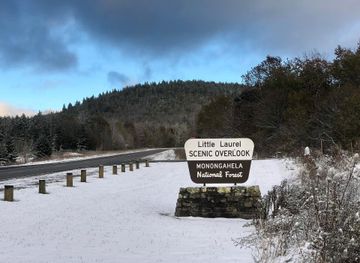
Monongahela National Forest
Experience the breathtaking beauty of Monongahela National Forest, where adventure and tranquility await amidst lush landscapes and diverse wildlife.

The Greenbrier
Discover luxury and history at The Greenbrier, an iconic resort in West Virginia with fine dining, a casino, and breathtaking natural beauty.

George Washington & Jefferson National Forest
Explore the vast beauty of George Washington & Jefferson National Forest, a natural wonderland offering trails, wildlife, and stunning scenery in Virginia.

Best landmarks in Allegheny Highlands
Top-rated picks
Best Landmarks

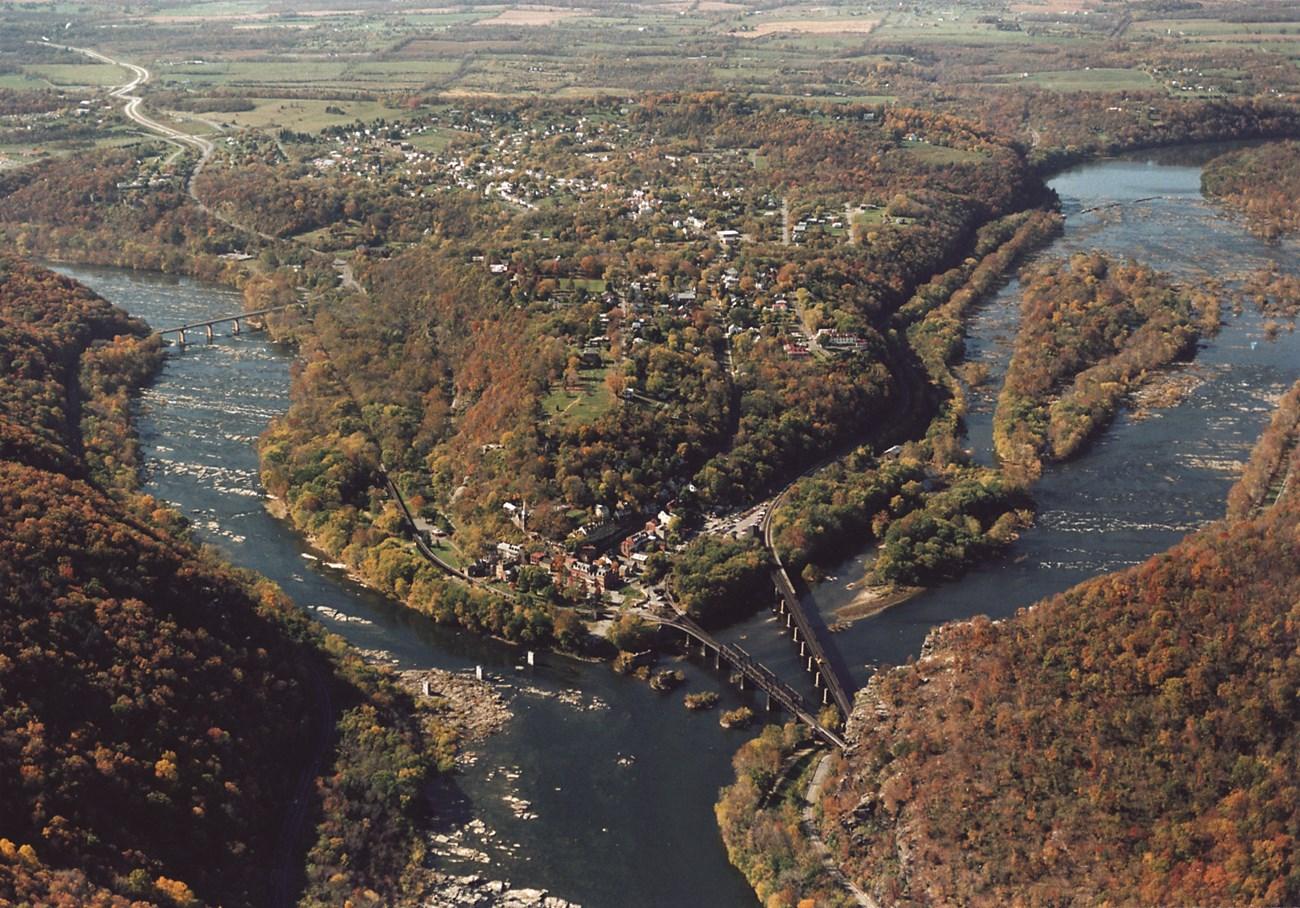
Harpers Ferry National Historical Park
Discover the rich history and stunning landscapes of Harpers Ferry National Historical Park, where America's past and nature's beauty unite.

Blackwater Falls State Park
Explore the natural beauty of Blackwater Falls State Park, a picturesque destination with stunning waterfalls, diverse wildlife, and endless outdoor adventures.

Monongahela National Forest
Explore the breathtaking landscapes and diverse wildlife of Monongahela National Forest, a natural gem in West Virginia for outdoor adventures and serenity.

Trans-Allegheny Lunatic Asylum
Discover the chilling history and haunting tales of the Trans-Allegheny Lunatic Asylum, a must-visit historical landmark in Weston, West Virginia.

Best restaurants in Allegheny Highlands
Top-rated picks
Best Restaurants
The Greenbrier
Experience the elegance and charm of The Greenbrier - where luxury meets adventure in the heart of West Virginia's picturesque landscape.

Cheddar's Scratch Kitchen
Experience the heart of Southern hospitality at Cheddar's Scratch Kitchen with delicious scratch-made meals in Triadelphia.

Olive Garden Italian Restaurant
Experience authentic Italian cuisine at Olive Garden in Triadelphia - family-friendly dining with delicious options for everyone.

Texas Roadhouse
Experience the heart of American dining at Texas Roadhouse in Triadelphia—where great steaks meet vibrant atmosphere!

Best bars in Allegheny Highlands
Top-rated picks
Best Bars

Meagher's Irish Pub
Discover the heart of Irish culture at Meagher's Irish Pub, where delicious food and vibrant atmosphere await in Bridgeport, West Virginia.

Primanti Bros. Restaurant and Bar
Discover the flavor of America at Primanti Bros. Restaurant and Bar, where iconic sandwiches and a lively sports atmosphere meet.

Purple Fiddle
Experience the lively culture of West Virginia at Purple Fiddle, a bar, café, and live music venue offering local brews and delightful dishes.

Generations Restaurant & Pub
Experience the heart of American cuisine at Generations Restaurant & Pub in Wheeling, where great food meets a lively atmosphere.

Best nightclubs in Allegheny Highlands
Top-rated picks
Best Nightclubs

Purple Fiddle
Discover the lively fusion of music, food, and community at Purple Fiddle in Thomas, West Virginia – a must-visit for every traveler.

Wicked Wilderness Pub
Discover the cozy charm of Wicked Wilderness Pub in Davis, WV - a perfect stop for hearty meals and local craft beers amidst stunning landscapes.
The Billy Motel & Bar / ISH Kitchen
Discover comfort, local cuisine, and a vibrant atmosphere at The Billy Motel & Bar in picturesque West Virginia.

Stonewall
Discover the lively ambiance and inclusive spirit of Stonewall, Huntington's premier bar for unforgettable nights out.

Best shops in Allegheny Highlands
Top-rated picks
Best Shops

Walmart Supercenter
Explore Walmart Supercenter in Elkins, WV for a diverse selection of groceries, clothing, and electronics, ideal for all your shopping needs.

Purple Fiddle
Experience the vibrant live music scene and delicious local cuisine at Purple Fiddle, Thomas, West Virginia's iconic gathering spot.

TipTop
Discover TipTop, a cozy coffee shop in Thomas, WV, offering exquisite brews, fresh pastries, and a warm atmosphere for tourists and locals alike.

Red Oak Shopping Center
Experience a blend of shopping and community spirit at the Red Oak Shopping Center in Ronceverte, WV, where local charm meets modern retail.

Explore Allegheny Highlands on the Map
A handpicked selection of must-see spots in Allegheny Highlands, mapped for you.
Allegheny Highlands Essentials
-
The Allegheny Highlands in West Virginia can be accessed by several means of transportation. The nearest major airport is Washington Dulles International Airport (IAD) in Virginia, approximately 150 miles away. From the airport, you can rent a car or take a shuttle service to reach the Highlands. Alternatively, Amtrak services the area, with the nearest station located in White Sulphur Springs. By car, the region is accessible via Interstate 64 and U.S. Route 219.
-
Once in the Allegheny Highlands, transportation options include rental cars, taxis, and local buses. While many attractions are spread out, renting a car is the most convenient way to explore the area. Local taxi services are available but may be limited in more remote areas. Public transportation is sparse, so plan accordingly. Cycling is another option for those who enjoy outdoor activities, with several scenic routes available.
-
The official currency is the U.S. Dollar (USD). Credit and debit cards are widely accepted in hotels, restaurants, and shops. However, it's advisable to carry some cash for smaller establishments and rural areas where card payments may not be accepted. ATMs are available in major towns like Elkins and Lewisburg.
-
The Allegheny Highlands are generally safe for tourists. However, as with any travel destination, standard precautions should be taken. Avoid isolated areas at night and keep an eye on your belongings in crowded places. There are no specific high-crime neighborhoods targeting tourists, but staying vigilant is always recommended.
-
In case of an emergency, dial 911 for immediate assistance. The region is serviced by local police and medical facilities, including hospitals in Elkins and Lewisburg. It's advisable to have travel insurance that covers medical emergencies. Pharmacies are available in larger towns for minor health issues and over-the-counter medications.
-
Fashion: Do dress in layers, as the weather can be unpredictable. Comfortable walking shoes are a must. Avoid wearing overly formal attire. Religion: Do respect local religious customs if visiting churches. Public Transport: Do be patient, as services may be infrequent. Don’t eat or drink on public transport. Greetings: Do greet people with a friendly 'hello' or handshake. Eating & Drinking: Do try local specialties like ramp pesto and pepperoni rolls. Don’t forget to tip your server, typically 15-20%.
-
To experience the Allegheny Highlands like a local, visit the farmers' markets in Elkins and Lewisburg for fresh produce and handmade crafts. Engage with the locals, who are often eager to share the region's rich history and folklore. Don't miss out on the various outdoor activities such as hiking in the Monongahela National Forest or fishing in the Greenbrier River. For a unique experience, attend a traditional Appalachian music festival or a local fair.
When is the best time to visit Allegheny Highlands?
Useful Local Phrases for Allegheny Highlands
You don't need to speak the language perfectly. Even learning a few simple words can make conversations warmer—and locals usually appreciate the effort.
— Eve

Here are the phrases I use most often in Allegheny Highlands. Try a few—you'll be surprised how far they go! 😊
❤️
-
- HelloHowdy
[Hau-dee] - GoodbyeSee ya later
[See ya lay-ter] - YesYep
[Yep] - NoNah
[Nah] - Please/You're welcomeNo problem
[No prob-lum] - Thank youThanks a bunch
[Thanks a bunch] - Excuse me/SorryPardon me
[Par-don mee] - How are you?How ya doin'?
[How ya doin'?] - Fine. And you?Good. And you?
[Good. An' you?] - Do you speak English?Can ya talk English?
[Can ya talk English?] - I don't understandI ain't followin'
[I ain't fol-lowin']
- HelloHowdy
-
- I'd like to see the menu, pleaseCan I see the menu, please?
[Can I see the menu, please?] - I don't eat meatI don't eat no meat
[I don't eat no meat] - Cheers!Cheers!
[Cheers!] - I would like to pay, pleaseCan I pay up, please?
[Can I pay up, please?]
- I'd like to see the menu, pleaseCan I see the menu, please?
-
- Help!Help!
[Help!] - Go away!Get outta here!
[Get outta here!] - Call the Police!Call the cops!
[Call the cops!] - Call a doctor!Get a doctor!
[Get a doctor!] - I'm lostI'm lost
[I'm lost] - I'm illI ain't feelin' good
[I ain't feelin' good]
- Help!Help!
-
- I'd like to buy...I want to buy...
[I want to buy...] - I'm just lookingJust lookin' around
[Just lookin' around] - How much is it?What’s it cost?
[What's it cost?] - That's too expensiveThat’s too pricey
[That’s too pry-see] - Can you lower the price?Can ya knock down the price?
[Can ya knock down the price?]
- I'd like to buy...I want to buy...
-
- What time is it?What time's it?
[What time's it?] - It's one o'clockIt's one o'clock
[It's one o'clock] - Half past (10)Half past ten
[Half past ten] - MorningMornin'
[Mornin'] - AfternoonAfternoon
[Afternoon] - EveningEvenin'
[Evenin'] - YesterdayYestiddy
[Yestiddy] - TodayToday
[Today] - TomorrowTomorrah
[Tomorrah] - 1One
[One] - 2Two
[Two] - 3Three
[Three] - 4Four
[Four] - 5Five
[Five] - 6Six
[Six] - 7Seven
[Seven] - 8Eight
[Eight] - 9Nine
[Nine] - 10Ten
[Ten]
- What time is it?What time's it?
-
- Where's a/the...?Where's a...?
[Where's a...?] - What's the address?What's the address?
[What's the address?] - Can you show me (on the map)?Can ya show me on the map?
[Can ya show me on the map?] - When's the next (bus)?When's the next bus?
[When's the next bus?] - A ticket (to ....)A ticket to...
[A ticket to...]
- Where's a/the...?Where's a...?
History of Allegheny Highlands
-
Long before European settlers arrived, the Allegheny Highlands was home to various Native American tribes, including the Shawnee and the Cherokee. These tribes utilized the rich natural resources of the area, engaging in hunting, fishing, and trading. Evidence of their presence can be found in various archaeological sites throughout the region.
-
The first European settlers began arriving in the early 18th century. These pioneers, primarily of Scotch-Irish and German descent, established small farms and communities. The rugged terrain and dense forests posed significant challenges, but the settlers' perseverance laid the groundwork for future development.
-
The Allegheny Highlands played a strategic role during the French and Indian War (1754-1763). Forts such as Fort Seybert and Fort Upper Tract were built to protect settlers from attacks by French forces and their Native American allies. The region witnessed several skirmishes and battles, contributing to the broader conflict between colonial powers.
-
During the American Revolution, the Allegheny Highlands saw limited military action. However, the area was significant as a supply route and refuge for settlers. The rugged terrain provided a natural defense against British forces and their Native American allies, allowing Patriot forces to maintain control over the region.
-
The 19th century brought significant changes to the Allegheny Highlands with the advent of industrialization. The region became a hub for timber, coal, and iron ore extraction. The arrival of railroads, such as the Baltimore and Ohio Railroad, transformed the area, facilitating the transportation of goods and people and leading to economic growth and the development of new towns.
-
The Allegheny Highlands was a contested region during the Civil War. Both Union and Confederate forces vied for control due to its strategic location and resources. Notable battles, such as the Battle of Rich Mountain and Battle of Cheat Mountain, took place in the area, leaving a lasting impact on the local communities.
-
In the late 19th and early 20th centuries, the Allegheny Highlands experienced a logging boom. The vast forests were heavily logged, leading to the establishment of numerous logging camps and sawmills. This period saw significant environmental changes, but it also brought economic prosperity and development to the region.
-
In response to the environmental impact of industrialization, the early 20th century saw the rise of conservation efforts. The creation of the Monongahela National Forest in 1920 marked a significant step in preserving the natural beauty and ecological health of the Allegheny Highlands. This initiative helped restore the landscape and promote sustainable land use practices.
-
The Allegheny Highlands is rich in cultural traditions, many of which are celebrated through local festivals. Events such as the Mountain State Forest Festival and the Augusta Heritage Festival highlight the region's heritage, including traditional music, crafts, and cuisine. These festivals offer a glimpse into the life and culture of the area's diverse communities.
-
Today, the Allegheny Highlands is a popular destination for outdoor enthusiasts and history buffs alike. Visitors can explore historical sites, hike scenic trails, and enjoy activities such as fishing, camping, and skiing. The region's blend of natural beauty and historical significance makes it a unique and enriching travel destination.
Neighbouring Regions of Allegheny Highlands
The closest regions to Allegheny Highlands, if you have time for more than one.




Your all‑in‑one travel companion app
Explore expert travel guides, compare and book tours, experiences, hotels, and more—all from the palm of your hand. Download now for seamless trip planning wherever your wanderlust takes you.


Explore More of West Virginia

Looking beyond Allegheny Highlands? Discover West Virginia for broader travel guides, local hot-spots, and regional highlights.
Explore West VirginiaAllegheny Highlands in Photos
Browse through our photo collection highlighting the charm and character of the destination.


The Enchanting Allegheny Highlands of West Virginia
The Allegheny Highlands in West Virginia is a captivating region known for its rolling hills, lush forests, and pristine rivers. This picturesque area offers a tranquil retreat from the hustle and bustle of everyday life, making it an ideal destination for nature lovers and outdoor enthusiasts. The Highlands are home to a variety of recreational activities, including hiking, fishing, and camping. The Monongahela National Forest provides visitors with an extensive network of trails, offering breathtaking views of the surrounding landscape. For those who enjoy water-based activities, the Highlands boast numerous rivers and streams perfect for kayaking and fishing. In addition to its natural beauty, the Allegheny Highlands is rich in cultural heritage. The area is dotted with charming small towns that offer a glimpse into the region's history and traditions. Visitors can explore local museums, historic sites, and artisan shops that showcase the unique culture of West Virginia. Whether you're seeking adventure or relaxation, the Allegheny Highlands has something to offer every traveler.