

Free Metro Valley Travel Guide & Mobile App
Explore Metro Valley with free travel guides. Discover regional history, expert tips, proposed trips, and audio guides on web or mobile app.


Explore Metro Valley's Ohio River towns, Huntington arts scene, Appalachian history, hand-blown glass and wooded lakes in western West Virginia.
Read more about Metro Valley
Getting to and around Metro Valley
How to get there
Transportation
Top city travel guides in Metro Valley
The cities of Metro Valley, and the easiest places to base yourself.
-

-


Swipe for more cities
Best attractions in Metro Valley
Metro Valley's attractions range from urban culture to river history and outdoor recreation. Huntington provides the strongest concentration of museums, galleries, theatres, university events and public spaces, including the Huntington Museum of Art, Ritter Park and the Heritage Farm Museum and Village. Its downtown and Guyandotte historic district show two different phases of settlement, from an older river community to a railway-founded city. Point Pleasant, at the Ohio and Kanawha confluence, combines Tu-Endie-Wei State Park, the Mansion House Museum and the Mothman Museum with a walkable historic setting. Milton offers an insight into hand-blown glass production associated with Blenko Glass, while Beech Fork State Park provides boating, fishing, picnicking and woodland recreation near Huntington. Smaller communities and countryside roads reveal churches, farms, river views and Appalachian hill landscapes rather than a dense sequence of formal attractions. The region works particularly well for visitors who combine one or two cultural stops with a park, lake or river-town excursion.
-
Historical place
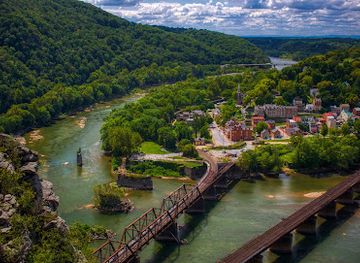
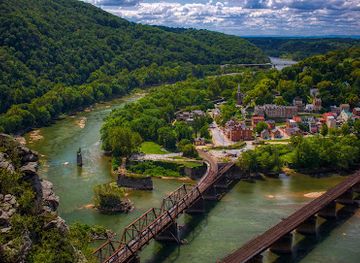
Harpers Ferry National Historical Park
Explore the captivating history and scenic beauty of Harpers Ferry National Historical Park, where the past and nature come together.
-
Visitor center
Canyon Rim Visitor Center
Explore the stunning vistas and rich history at Canyon Rim Visitor Center, your gateway to the natural wonders of New River Gorge.
-
State park
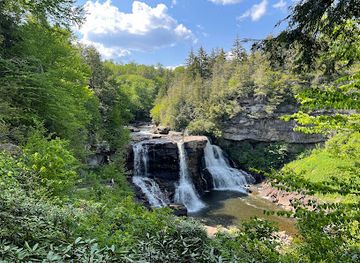
Blackwater Falls State Park
Explore the breathtaking Blackwater Falls State Park, a natural wonder in West Virginia with stunning waterfalls, lush forests, and endless outdoor adventures.
-
National park
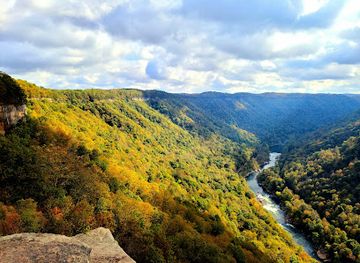
New River Gorge National Park & Preserve
Explore New River Gorge National Park & Preserve, a breathtaking blend of adventure, stunning landscapes, and rich cultural history in West Virginia.

Best landmarks in Metro Valley
The defining landmark of Metro Valley is the Ohio–Kanawha confluence at Point Pleasant, a geographical meeting place that explains the town's historic importance. Tu-Endie-Wei State Park commemorates the 1774 Battle of Point Pleasant, while the Mansion House, one of the town's notable historic buildings, reflects early river settlement. In Huntington, the Keith-Albee Theatre is a prominent example of early twentieth-century theatre architecture, and the city's railway-founded street plan and older downtown buildings convey the importance of the Chesapeake and Ohio Railway. Guyandotte's historic district preserves a separate river-community identity through its older homes and religious buildings. Marshall University's campus forms another major civic landmark, linking Huntington's modern cultural life to its educational history. Outside the cities, the Ohio River itself, Beech Fork Lake and the wooded ridges around the valleys are important natural reference points. Milton's glassmaking works are significant as an industrial and craft landmark, demonstrating how specialised manufacturing became part of the region's public identity.
-
Historical place
Harpers Ferry National Historical Park
Explore the historical significance and natural beauty of Harpers Ferry National Historical Park, a captivating destination for history enthusiasts and nature lovers alike.
-
National park
New River Gorge National Park & Preserve
Explore the breathtaking beauty and diverse activities at New River Gorge National Park & Preserve, a must-visit destination in West Virginia's stunning landscapes.
-
State park
Berkeley Springs State Park
Discover the tranquility of Berkeley Springs State Park, a historic retreat featuring natural mineral springs, lush landscapes, and engaging outdoor activities.
-
State park
Kanawha State Forest
Explore the expansive Kanawha State Forest, a haven for hiking, camping, and archery, where nature's beauty blends with rich history and outdoor adventure.


Explore Metro Valley on the map
Plan your trip on one map. See where the top cities, national parks and sights are, and book hotels and experiences in a few clicks.
Best hotels in Metro Valley
Best restaurants in Metro Valley
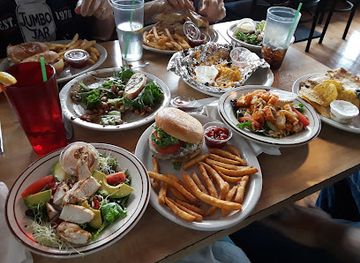
Dining in Metro Valley is centred on Huntington, where independent restaurants, cafés, casual eateries and university-oriented venues sit alongside traditional American restaurants and familiar national styles. Menus commonly draw on Appalachian and Southern influences, with comfort food, biscuits, fried dishes, barbecue, sandwiches, locally familiar desserts and seasonal produce appearing in different forms rather than as a single fixed regional cuisine. River towns and smaller communities are more likely to offer diners, family restaurants, cafés, bakeries and traditional taverns than formal dining rooms. Farmers' markets and roadside stands can provide fruit, vegetables, preserves, baked goods and other local products when in season. West Virginia food traditions are often strongest in home cooking and community events, so festival stalls and local recommendations can be as informative as restaurant menus. Huntington also has the broadest choice of international food, craft beer and contemporary cooking in the region.
-
Hot Dog
Hillbilly Hot Dogs
Discover Hillbilly Hot Dogs: A quirky hotspot in Lesage, WV serving up deliciously unique hot dogs in a fun-filled atmosphere.
-
Restaurant
Pies & Pints - Fayetteville, WV
Experience the best artisanal pizzas and craft beers at Pies & Pints in Fayetteville, WV - where flavor meets fun!
-
Pizza
Pies & Pints - Charleston, WV
Discover the unique flavors of gourmet pizza paired with local craft beers at Pies & Pints in Charleston, WV.
-
American
Blue Moon Cafe
Discover the flavors of Shepherdstown at Blue Moon Cafe – where American cuisine meets local charm in an inviting atmosphere.


Best bars in Metro Valley
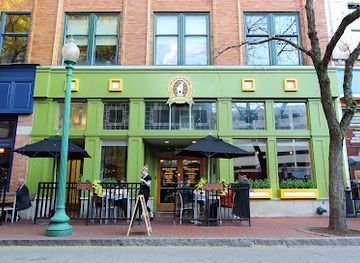
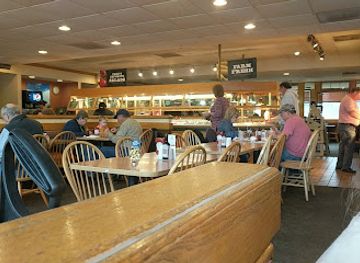
Huntington is Metro Valley's principal evening centre, with downtown bars, pubs, breweries, cocktail-oriented rooms, live-music venues and entertainment connected with Marshall University. The atmosphere ranges from informal neighbourhood drinking places to louder student and concert nights, with schedules and individual venues changing over time. Pullman Square and the surrounding downtown streets are useful areas for combining a meal with an evening out, while theatres and university programmes provide alternatives to nightlife based on alcohol. In Point Pleasant, Milton and the region's smaller towns, evenings are generally quieter and centre on restaurants, local bars, seasonal events and community gatherings rather than a concentrated nightclub scene. Rural areas may require a designated driver and advance planning because taxis and late public transport are limited. Breweries and small drinks producers can be part of the region's contemporary food culture, but visitors should check current arrangements and drink responsibly.
-
Pizza
Pies & Pints - Charleston, WV
Experience innovative gourmet pizzas and craft beers at Pies & Pints, a must-visit restaurant in Charleston, West Virginia.
-
Steak
Roadhouse 2081
Discover the ultimate steakhouse experience at Roadhouse 2081 in Ripley, WV, where every bite is a celebration of flavor and quality.
-
American
Foster's Main Street Tavern
Discover the inviting charm of Foster's Main Street Tavern, your go-to American pub in Beckley, WV for delicious food and fun.
-
Pub
Chetty's Pub
Discover the local charm and breathtaking views at Chetty's Pub, your perfect getaway in the heart of West Virginia.


Best nightclubs in Metro Valley
Huntington is Metro Valley's principal evening centre, with downtown bars, pubs, breweries, cocktail-oriented rooms, live-music venues and entertainment connected with Marshall University. The atmosphere ranges from informal neighbourhood drinking places to louder student and concert nights, with schedules and individual venues changing over time. Pullman Square and the surrounding downtown streets are useful areas for combining a meal with an evening out, while theatres and university programmes provide alternatives to nightlife based on alcohol. In Point Pleasant, Milton and the region's smaller towns, evenings are generally quieter and centre on restaurants, local bars, seasonal events and community gatherings rather than a concentrated nightclub scene. Rural areas may require a designated driver and advance planning because taxis and late public transport are limited. Breweries and small drinks producers can be part of the region's contemporary food culture, but visitors should check current arrangements and drink responsibly.
-
Bar
Stonewall
Discover the lively nightlife at Stonewall in Huntington, WV, where great drinks, friendly faces, and unforgettable experiences await.
-
Grill
The Mad Hatter Club
Discover the vibrant atmosphere and mouthwatering grill specialties at The Mad Hatter Club in Beckley, WV - a must-visit dining destination.
-
Bar
Vino's Bar and Grill
Experience the vibrant nightlife at Vino's Bar and Grill, where delicious food meets an energetic dance atmosphere in Charleston, WV.
-
Bar
Blue Parrot
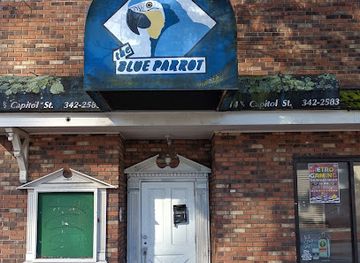
Discover the lively Blue Parrot Bar in Charleston, a vibrant spot for craft cocktails and live music in a cozy, eclectic setting.



Best shops in Metro Valley
Shopping in Metro Valley is most varied in Huntington, where downtown businesses, Pullman Square and established commercial areas offer clothing, books, gifts, home goods, cafés and locally oriented independent retail. The city is also the best place to look for arts-related purchases connected with galleries, university activity and regional makers. Milton's association with Blenko Glass makes hand-made glassware one of the region's most distinctive purchases, subject to current showroom arrangements and stock. Point Pleasant offers small-town shops, antiques, souvenirs and products connected with local history and popular culture, while seasonal fairs and farmers' markets across the region are useful for produce, preserves, baked goods and crafts. Rural roadside stands may sell plants, fruit or home-produced goods in season. Visitors should distinguish durable regional crafts from generic souvenirs: glass, Appalachian-inspired artwork, locally made foods and books on river and West Virginia history are more characteristic choices than mass-produced merchandise.
-
Antique store
Nitro Antique Mall LLC
Discover unique antiques and collectibles at Nitro Antique Mall in Nitro, West Virginia – a treasure trove for vintage lovers and collectors alike.
-
Gift shop
Dove's Outlet Village
Explore Dove's Outlet Village in Fayetteville, WV for an unforgettable shopping experience filled with unique gifts, home goods, and local crafts.
-
Restaurant
Swiftwater General Store - New River
Experience the perfect blend of dining, shopping, and local charm at Swiftwater General Store in Lansing, West Virginia.
-
Antique store
The Old Timey Shop Antique Mall
Explore the charm of yesteryear at The Old Timey Shop Antique Mall, where vintage treasures await discovery.


Get your free copy of our complete guide to Metro Valley, delivered straight to you.
Everything on this page, from attractions and restaurants to essentials and local phrases, in one PDF you can read offline, print or share.
Already have an account? Sign in
Your Metro Valley guide is ready.
We'll send it to · Not you? Sign out

Getting your guide ready…
We are putting together a fresh copy of the Metro Valley guide. This can take up to a minute.
This can take a few moments. If your browser asks, choose Allow so the download can start. You'll find the guide in your Downloads folder.
Nothing happened? Download it again
Sorry, the guide is taking longer than usual. Please try again in a minute, or get it by email instead.
Metro Valley essentials
Currency and Payment
Safety
Emergency Situations
Do's and Don'ts
Local Tips
From Eve
Local phrases worth knowing
You don't need to get them perfect. A few words go a long way, and locals appreciate the effort.
Basics
| English | Local | Say it |
|---|---|---|
| Hello | Howdy | [Hau-dee] |
| Goodbye | See ya | [See ya] |
| Yes | Yep | [Yep] |
| No | Nope | [Nope] |
| Please/You're welcome | Please/No problem | [Please/No prob-lum] |
| Thank you | Thanks a lot | [Thanks a lot] |
| Excuse me/Sorry | Excuse me/Sorry 'bout that | [Excuse me/Sorry 'bout that] |
| How are you? | How ya doin'? | [How ya doin'?] |
| Fine. And you? | Good. And you? | [Good. An' you?] |
| Do you speak English? | You speakin' English? | [Ya speakin' English?] |
| I don't understand | I ain't gettin' it | [I ain't gettin' it] |
Eating & Drinking
| English | Local | Say it |
|---|---|---|
| I'd like to see the menu, please | Can I see the menu, please? | [Can I see the menu, please?] |
| I don't eat meat | I don't eat meat | [I don't eat meat] |
| Cheers! | Cheers! | [Cheers!] |
| I would like to pay, please | Can I pay, please? | [Can I pay, please?] |
Emergencies
| English | Local | Say it |
|---|---|---|
| Help! | Help! | [Help!] |
| Go away! | Get outta here! | [Get outta here!] |
| Call the Police! | Call the cops! | [Call the cops!] |
| Call a doctor! | Get a doctor! | [Get a doctor!] |
| I'm lost | I'm lost | [I'm lost] |
| I'm ill | I'm feelin' sick | [I'm feelin' sick] |
Shopping
| English | Local | Say it |
|---|---|---|
| I'd like to buy... | I wanna buy... | [I wanna buy...] |
| I'm just looking | Just lookin' | [Just lookin'] |
| How much is it? | How much's that? | [How much's that?] |
| That's too expensive | That's too pricey | [That's too pricey] |
| Can you lower the price? | Can ya bring down the price? | [Can ya bring down the price?] |
Time & Numbers
| English | Local | Say it |
|---|---|---|
| What time is it? | What time is it? | [What time is it?] |
| It's one o'clock | It's one o'clock | [It's one o'clock] |
| Half past (10) | Half past ten | [Half past ten] |
| Morning | Mornin' | [Mornin'] |
| Afternoon | Afternoon | [Afternoon] |
| Evening | Evenin' | [Evenin'] |
| Yesterday | Yesterday | [Yesterday] |
| Today | Today | [Today] |
| Tomorrow | Tomorrow | [Tomorrow] |
| 1 | One | [One] |
| 2 | Two | [Two] |
| 3 | Three | [Three] |
| 4 | Four | [Four] |
| 5 | Five | [Five] |
| 6 | Six | [Six] |
| 7 | Seven | [Seven] |
| 8 | Eight | [Eight] |
| 9 | Nine | [Nine] |
| 10 | Ten | [Ten] |
Transport & Directions
| English | Local | Say it |
|---|---|---|
| Where's a/the...? | Where's the...? | [Where's the...?] |
| What's the address? | What's the address? | [What's the address?] |
| Can you show me (on the map)? | Can ya show me on the map? | [Can ya show me on the map?] |
| When's the next (bus)? | When's the next bus? | [When's the next bus?] |
| A ticket (to ....) | A ticket to... | [A ticket to...] |
History of Metro Valley
Indigenous River Valleys and the 1774 Battle of Point Pleasant
The Ohio and Kanawha confluence at Point Pleasant was important to Indigenous peoples long before European settlement, providing movement, food resources and access between major river systems. In October 1774, colonial Virginia forces fought Shawnee and allied warriors in the Battle of Point Pleasant during Lord Dunmore's War. The battle's interpretation is historically contested and should be understood within the wider pressures of land seizure and frontier conflict. Tu-Endie-Wei State Park and the Mansion House Museum preserve the local commemorative landscape, while the river setting explains why Point Pleasant became an important settlement.
Frontier Settlement and the Guyandotte Community
After the American Revolution, settlement expanded along the Ohio and Guyandotte rivers. Guyandotte, now a historic district of Huntington, developed as a river landing and commercial community before the modern city was established. Its surviving houses and churches offer a contrast with Huntington's later, more planned urban form. Small farms, ferries and river trade connected the settlements of Cabell, Mason, Wayne and surrounding counties to markets beyond the immediate valley, although expansion also displaced Indigenous communities and transformed long-established landscapes.
The Chesapeake and Ohio Railway and Huntington's Founding
Huntington was founded in 1870 when the Chesapeake and Ohio Railway reached the Ohio River. The railway's western terminal, yards and workshops turned the settlement into a major transport and industrial centre, attracting workers, merchants and investment. The city was named for Collis P. Huntington, one of the railway's principal financiers. Rail connections linked Appalachian resources with national markets and helped establish Huntington as a service and distribution centre. Downtown blocks, older industrial areas and the city's riverfront still reflect this railway-driven origin.
Coal, River Transport and Industrial Growth
During the late nineteenth and twentieth centuries, coal from the surrounding Appalachian region moved through the Ohio Valley by rail and river. Huntington's terminals, repair facilities and manufacturing businesses benefited from this traffic, while communities in Wayne, Lincoln and Putnam counties developed alongside mines, farms, timber operations and transport routes. The industrial economy brought opportunity but also difficult working conditions, pollution and cycles of boom and decline. Today, the region's museums, historic districts, rail infrastructure and river views provide reminders of an economy built on movement and extractive industries.
Marshall College and the Growth of Regional Education
Marshall Academy was founded in 1837 in what became Huntington, later developing into Marshall College and, from 1961, Marshall University. Its expansion helped give Huntington an educational, cultural and medical role extending well beyond Cabell County. The university's presence supports theatres, galleries, sporting events, research and a substantial student population, while its campus has become one of the region's most recognisable civic landscapes. Marshall's history also reflects the broader transformation of American higher education from small denominational colleges into regional public universities.
Glassmaking at Milton
Milton became associated with hand-made glass through the Blenko Glass Company, which moved there in the twentieth century after earlier operations elsewhere. The company helped preserve skilled, labour-intensive production at a time when much household glassmaking was becoming mechanised. Its coloured vessels and architectural glass gave the town a national design profile and connected craft practice with the region's industrial heritage. Glassmaking remains an important cultural reference for Metro Valley, not simply as a retail attraction but as evidence of how specialist manufacturing can shape a small Appalachian community.
Modern River Communities and Heritage Tourism
In recent decades, Metro Valley has adapted to changes in rail, manufacturing, coal and retail by placing greater emphasis on education, healthcare, arts, outdoor recreation and heritage. Huntington's downtown redevelopment, riverfront projects and cultural institutions sit alongside the historic communities of Point Pleasant, Milton and Guyandotte. Popular culture has also influenced the region's visitor identity, especially through Point Pleasant's Mothman story. This modern layer does not replace the area's older history; it sits beside Indigenous, frontier, railway, industrial and university legacies in a region still shaped by its rivers.
Neighbouring regions of Metro Valley
The closest regions to Metro Valley, if you have time for more than one.
-

-

-

-

-
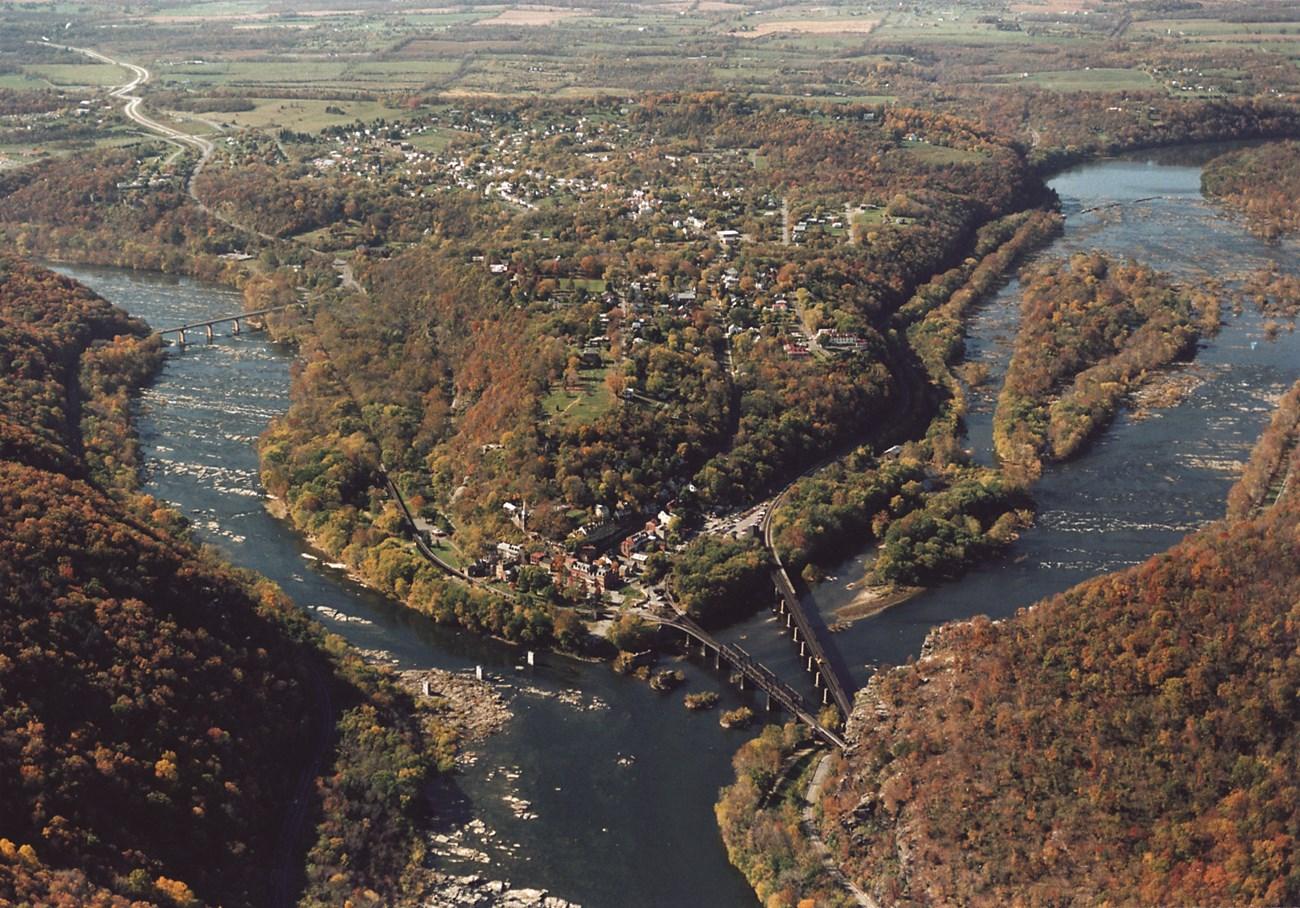 Eastern Panhandle
Explore West Virginia’s Eastern Panhandle for Harpers Ferry history, Berkeley Springs, historic towns, river landscapes and Appalachian outdoor adventures.


Swipe for more regions
Explore more

Explore more of West Virginia
Discover West Virginia's natural beauty, historic charm, and outdoor adventures in the heart of the Appalachian Mountains.
Explore West Virginia