

Free Kenosha Travel Guide & Mobile App
Plan your Kenosha trip with Evendo. Get free guides to top attractions, restaurants, hotels, and bars. Web access or download the mobile app.


Kenosha, Wisconsin, pairs Lake Michigan views with museums, electric streetcars, historic lighthouses, harbour walks and a lively downtown arts scene.
Lakefront Setting
Kenosha occupies a broad stretch of Wisconsin’s Lake Michigan shoreline between Milwaukee and Chicago, with a compact centre shaped by its harbour, beaches and former industrial waterfront. The city’s lakefront is unusually easy to explore on foot: paths connect Simmons Island, Southport Marina, the harbour, parks and the restored Southport Lighthouse, while historic electric streetcars provide a distinctive way to move between the waterfront and downtown. Sailboats, fishing boats and changing lake light give the shoreline a working, lived-in character rather than the feel of a purely recreational resort.Read more about Kenosha
Museums and Memory
Downtown and Local Life
When is the best time to visit Kenosha?
Best: June, August–September · 23–27°C| Month | High (°C) | Rainfall (mm) |
|---|---|---|
| January | -1 | 36 |
| February | 0 | 33 |
| March | 6 | 46 |
| April | 14 | 71 |
| May | 19 | 91 |
| June (best) | 25 | 96 |
| July | 28 | 101 |
| August (best) | 27 | 94 |
| September (best) | 23 | 81 |
| October | 16 | 71 |
| November | 8 | 56 |
| December | 1 | 41 |
Getting to and around Kenosha
How to get there
Transportation
Best attractions in Kenosha
Kenosha’s principal attractions cluster along the Lake Michigan waterfront and in the adjoining downtown. The Kenosha Public Museum combines regional natural history with Native American and cultural collections, while the neighbouring Dinosaur Discovery Museum concentrates on fossil science and the evolution of prehistoric life. The Civil War Museum offers a Midwestern perspective on the conflict through exhibits centred on Wisconsin and neighbouring states. Further along the harbour, the Southport Lighthouse and its museum explain the work of lighthouse keepers and the importance of lake navigation. Simmons Island provides beaches, open lawns and paths beside the water, and the electric streetcar links these sites with central streets in a leisurely loop. The Kenosha History Center adds local context in a former municipal building, while the harbour, marina and seasonal HarborMarket bring contemporary activity to the historic waterfront. Together, these attractions show Kenosha as a city of museums, industry, public shoreline and working Great Lakes traditions.
-
Tourist attraction
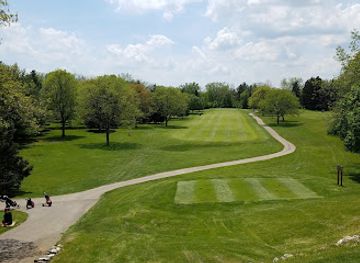
Petrifying Springs Park
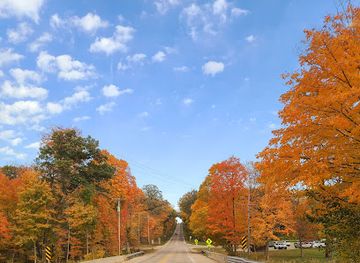
Explore the natural beauty and recreational delights of Petrifying Springs Park in Kenosha, WI, a must-visit destination for nature lovers.
22 min drive · 7.5 km from city centre
-
Tourist attraction
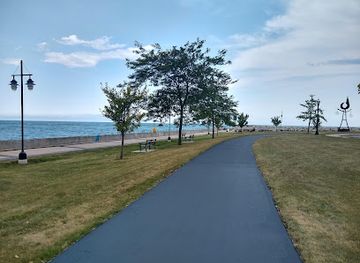
Simmons Island Park
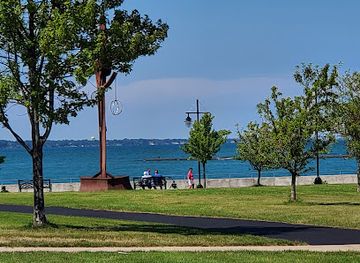
Experience the natural beauty and recreational delights of Simmons Island Park, a serene escape on the shores of Lake Michigan in Kenosha, Wisconsin.
16 min drive · 5.4 km from city centre
-
Tourist attraction
America's Action Territory
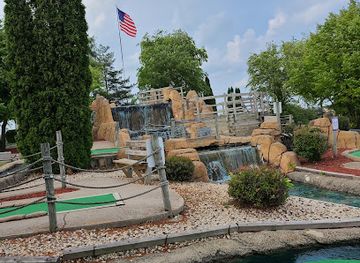
Explore America's Action Territory for an unforgettable day of fun with laser tag, mini-golf, and arcade excitement in Kenosha, Wisconsin.
20 min drive · 6.8 km from city centre
-
Tourist attraction
Kenosha Public Museum
Discover the Kenosha Public Museum, where art, culture, and history blend seamlessly to offer an enriching experience in Wisconsin.
16 min drive · 5.4 km from city centre

Best landmarks in Kenosha
Kenosha’s most recognisable landmarks express its relationship with Lake Michigan, civic life and industrial development. The Southport Lighthouse, erected in the nineteenth century on the harbour’s southern side, is a reminder of the navigation system that guided vessels along the Wisconsin shore; its elevated position also gives the surrounding waterfront a strong visual marker. The Kenosha History Center occupies the former United States Federal Building, a civic structure that now helps interpret the city’s past. Around the harbour, marina buildings, public squares and restored waterfront spaces reveal the influence of shipping and later redevelopment. The city’s historic downtown streets and churches reflect nineteenth- and early twentieth-century growth, while the former industrial landscape points to Kenosha’s manufacturing era and automobile association. Simmons Island, the harbour and the lighthouse together form a physical sequence that links open lake, working port and settled city.
-
Cheese shop
Mars Cheese Castle
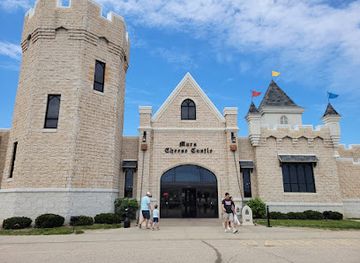
Explore the enchanting Mars Cheese Castle, where gourmet cheeses, fresh baked goods, and unique gifts await in Kenosha, Wisconsin.
21 min drive · 6.9 km from city centre
-
Park
Petrifying Springs Park
Immerse yourself in the natural beauty and tranquility of Petrifying Springs Park, a premier outdoor destination in Kenosha, Wisconsin, perfect for all ages.
22 min drive · 7.5 km from city centre
-
Grill
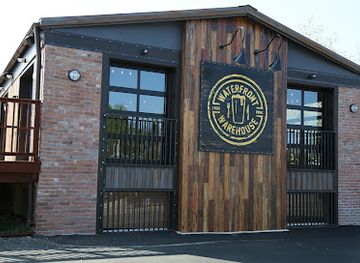
Waterfront Warehouse
Discover Waterfront Warehouse in Kenosha, WI – a lakeside gastropub with delicious grilled fare and a vibrant atmosphere perfect for any occasion.
15 min drive · 5.2 km from city centre
-
Park
Simmons Island Park
Discover the serene beauty of Simmons Island Park in Kenosha, Wisconsin – a perfect blend of nature, recreation, and community spirit.
16 min drive · 5.4 km from city centre
Explore Kenosha on the map
Plan your Kenosha trip on one map. See where the top attractions, landmarks, restaurants, bars and hotels are, find what's near where you're staying, and book hotels and experiences in a few clicks.
Best hotels in Kenosha
Best restaurants in Kenosha
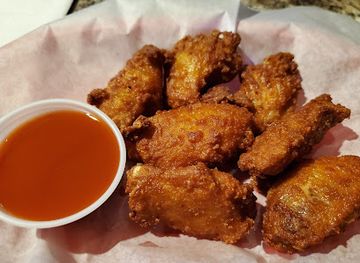
Kenosha’s dining scene reflects its position in southeastern Wisconsin, with familiar Midwestern cooking, German and Central European influences, Italian-American traditions and the produce of the wider dairy and agricultural region. Downtown and the lakefront contain independent restaurants, cafés, bakeries and casual places suited to a day of museum visits and harbour walks, while neighbourhood establishments provide a more local setting. Wisconsin staples such as cheese, bratwurst, burgers, fish and locally brewed beer appear widely, and Friday fish fries remain part of the region’s established restaurant culture. Italian restaurants and delis reflect long-standing immigrant communities, while newer kitchens add contemporary American and international dishes. Seasonal markets can provide produce, baked goods and prepared food from local vendors, though offerings vary. Dining is generally relaxed and informal, with American tipping customs applying in full-service restaurants.
-
Steak
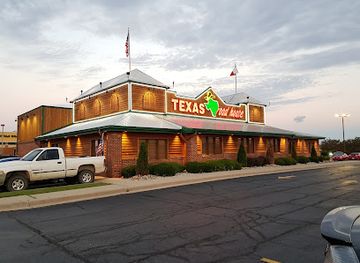
Texas Roadhouse
Experience authentic Texas cuisine at Texas Roadhouse in Kenosha – where every bite is a celebration of flavor and hospitality.
19 min drive · 6.2 km from city centre
-
American
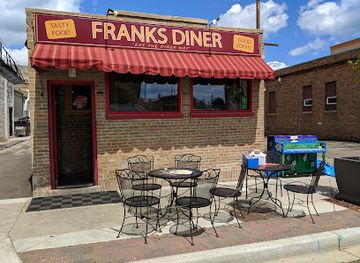
Franks Diner
Discover Franks Diner in Kenosha - your go-to spot for delicious American breakfasts and classic diner fare at affordable prices.
15 min drive · 5.1 km from city centre
-
Hamburger
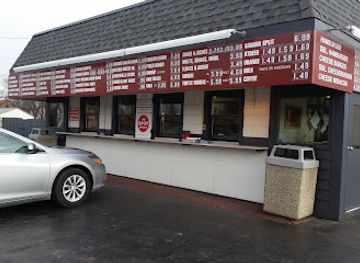
The Spot Drive-In
Discover nostalgic dining at The Spot Drive-In in Kenosha - home of mouthwatering burgers and classic American fast food.
13 min drive · 4.3 km from city centre
-
Fast Food
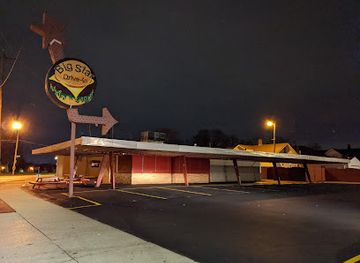
Big Star Drive-In
Experience classic American fast food at Big Star Drive-In in Kenosha—delicious burgers and shakes await you!
13 min drive · 4.4 km from city centre
Best bars in Kenosha
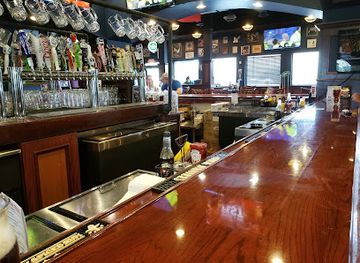
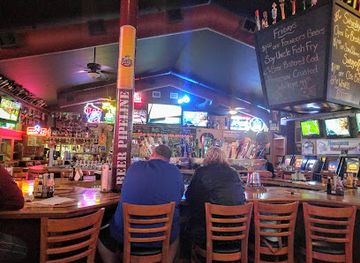
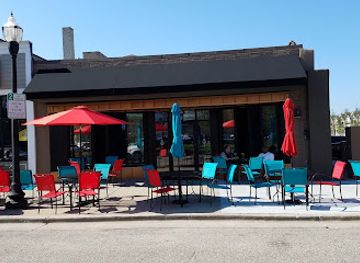
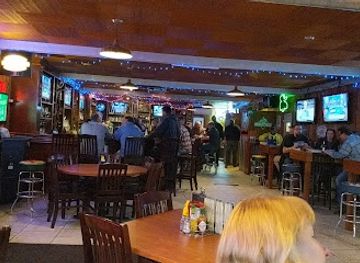
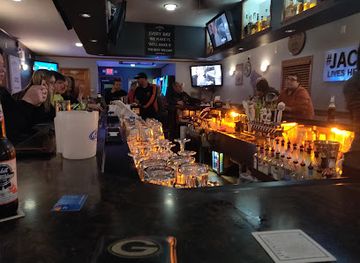
Kenosha’s evening scene is modest rather than club-focused, with activity concentrated around downtown, the harbour and established neighbourhood taverns. Traditional Wisconsin bars offer beer, casual conversation and televised sport, while downtown restaurants and smaller lounges provide a quieter setting for cocktails, wine or an evening meal. The lakefront can be particularly attractive at sunset, although public spaces are calmer after events and normal care is sensible at night. Live music, community festivals, theatre and arts programming contribute to the city’s cultural calendar, with the exact choice changing by season. Larger touring acts and a broader range of nightlife are available in Milwaukee or Chicago, both within regional reach, but they are separate destinations rather than part of Kenosha’s compact evening circuit. Local licensing rules and venue schedules vary, so late-night options should be checked before travelling.
-
Restaurant
Mason's Eatery & Pub
Discover Mason's Eatery & Pub in Kenosha, where delicious food meets a vibrant atmosphere with live music and sports.
7 min drive · 2.3 km from city centre
-
Pub
Uncle Mike's Highway Pub
Discover the vibrant atmosphere and delicious comfort food at Uncle Mike's Highway Pub in Kenosha, Wisconsin, perfect for a memorable dining experience.
18 min drive · 6.1 km from city centre
-
Grill
Slip 56 - Bar & Restaurant
Discover Slip 56 - a vibrant grill and sports bar in Kenosha, WI, offering delicious burgers, unique drinks, and a lively atmosphere for all.
15 min drive · 5.0 km from city centre
-
Sports bar
Rivals Sports Pub & Grille
Experience the ultimate sports bar atmosphere at Rivals Sports Pub & Grille in Kenosha, where great food meets live sports excitement.
18 min drive · 6.0 km from city centre
Best nightclubs in Kenosha
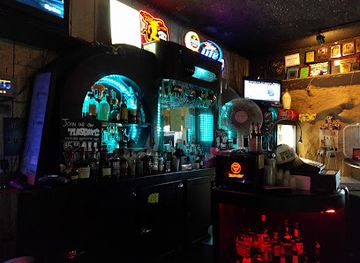
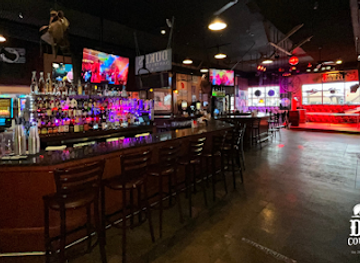
Kenosha’s evening scene is modest rather than club-focused, with activity concentrated around downtown, the harbour and established neighbourhood taverns. Traditional Wisconsin bars offer beer, casual conversation and televised sport, while downtown restaurants and smaller lounges provide a quieter setting for cocktails, wine or an evening meal. The lakefront can be particularly attractive at sunset, although public spaces are calmer after events and normal care is sensible at night. Live music, community festivals, theatre and arts programming contribute to the city’s cultural calendar, with the exact choice changing by season. Larger touring acts and a broader range of nightlife are available in Milwaukee or Chicago, both within regional reach, but they are separate destinations rather than part of Kenosha’s compact evening circuit. Local licensing rules and venue schedules vary, so late-night options should be checked before travelling.
-
Bar
Hattrix Club
Experience the vibrant nightlife at Hattrix Club in Kenosha, where great drinks and live entertainment meet in a lively atmosphere.
10 min drive · 3.4 km from city centre
-
Bar
Starlite Club
Experience the lively nightlife at Starlite Club in Kenosha, WI - where great drinks and good times meet at an affordable price.
18 min drive · 6.0 km from city centre
-
Night club
Duke's Country Saloon
Discover the lively atmosphere of Duke's Country Saloon in Kenosha, where great food, drinks, and entertainment come together for an unforgettable night out.
16 min drive · 5.4 km from city centre
-
Bar
Club Bene's
Discover the lively Club Bene's in Kenosha, Wisconsin, where great drinks and vibrant nightlife come together for an unforgettable experience.
9 min drive · 3.0 km from city centre
Best shops in Kenosha
Shopping in Kenosha is centred on downtown independents, seasonal markets and everyday commercial districts rather than a single large luxury quarter. The streets near the lakefront contain locally owned boutiques, gift shops, galleries and cafés, while the wider city has practical retail and shopping centres reached most easily by car or local bus. HarborMarket, when in season, is a place to browse regional produce, baked goods, prepared food, crafts and other small-vendor products, with its character changing according to the season. Visitors may find Wisconsin foods, locally made gifts, art and lake-themed souvenirs, though specialist stock varies between businesses. Downtown shops are convenient to combine with the museums and electric streetcar, whereas larger chain retail is dispersed beyond the historic core. Market and independent-shop hours can be seasonal, so a visit is best planned around current local schedules.
-
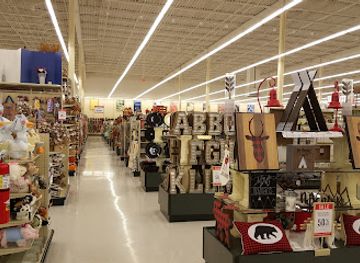
Craft store
Hobby Lobby
Explore Hobby Lobby in Kenosha, Wisconsin – a treasure trove for craft lovers filled with supplies for every creative project.
6 min drive · 1.9 km from city centre
-
Shopping mall
Glenwood Crossings
Explore Glenwood Crossings in Kenosha, Wisconsin, a shopping haven filled with diverse stores and dining options for an unforgettable experience.
15 min drive · 5.0 km from city centre
-
Antique store
Rustic Dairyland Antique Mall
Explore the Rustic Dairyland Antique Mall in Kenosha for unique antiques and collectibles that tell stories from the past.
18 min drive · 6.2 km from city centre
-
Gift shop
Jack Andrea
Explore Jack Andrea in Kenosha, WI, where unique gifts meet delicious dining in a cozy, inviting atmosphere for all visitors.
10 min drive · 3.4 km from city centre
Get your free copy of our complete guide to Kenosha, delivered straight to you.
Everything on this page, from attractions and restaurants to essentials and local phrases, in one PDF you can read offline, print or share.
Already have an account? Sign in
Your Kenosha guide is ready.
We'll send it to · Not you? Sign out

Getting your guide ready…
We are putting together a fresh copy of the Kenosha guide. This can take up to a minute.
This can take a few moments. If your browser asks, choose Allow so the download can start. You'll find the guide in your Downloads folder.
Nothing happened? Download it again
Sorry, the guide is taking longer than usual. Please try again in a minute, or get it by email instead.
Kenosha essentials
Currency and Payment
Safety
Emergency Situations
Do's and Don'ts
Local Tips
From Eve
Local phrases worth knowing
You don't need to get them perfect. A few words go a long way, and locals appreciate the effort.
Basics
| English | Local | Say it |
|---|---|---|
| Hello | Howdy | [haw-dee] |
| Goodbye | Catch you later | [kach yoo lay-ter] |
| Yes | Yup | [yuhp] |
| No | Nah | [nuh] |
| Please/You're welcome | Please/You're welcome | [please/yoor welcome] |
| Thank you | Thanks a lot | [thanks uh lot] |
| Excuse me/Sorry | Pardon me | [pahr-dn me] |
| How are you? | How's it going? | [hows it go-in] |
| Fine. And you? | I'm good. How about you? | [ahm good. how uh-bout yoo] |
| Do you speak English? | You speak English? | [yoo speak ing-glish] |
| I don't understand | I'm lost | [ahm lost] |
Eating & Drinking
| English | Local | Say it |
|---|---|---|
| I'd like to see the menu, please | Can I check out the menu? | [kan eye chek out the men-yoo] |
| I don't eat meat | I'm vegetarian | [ahm veh-juh-tair-ee-an] |
| Cheers! | Cheers! | [cheers] |
| I would like to pay, please | Can I pay now? | [kan eye pay now] |
Emergencies
| English | Local | Say it |
|---|---|---|
| Help! | Help! | [help] |
| Go away! | Get lost! | [get lost] |
| Call the Police! | Call the cops! | [call the cops] |
| Call a doctor! | Get a doctor! | [get uh doc-ter] |
| I'm lost | I'm lost | [ahm lost] |
| I'm ill | I'm sick | [ahm sik] |
Shopping
| English | Local | Say it |
|---|---|---|
| I'd like to buy... | I wanna buy... | [ah wanna buy] |
| I'm just looking | Just browsing | [just brow-sing] |
| How much is it? | How much does it cost? | [how much duz it kost] |
| That's too expensive | That's pricey | [thats prye-see] |
| Can you lower the price? | Can you give me a discount? | [kan yoo giv mee uh dis-kownt] |
Time & Numbers
| English | Local | Say it |
|---|---|---|
| What time is it? | What's the time? | [whats the time] |
| It's one o'clock | It's one | [its one] |
| Half past (10) | Half past ten | [haf past ten] |
| Morning | Morning | [mor-ning] |
| Afternoon | Afternoon | [af-ter-noon] |
| Evening | Evening | [ee-ven-ing] |
| Yesterday | Yesterday | [yes-ter-day] |
| Today | Today | [to-day] |
| Tomorrow | Tomorrow | [to-mor-row] |
| 1 | One | [wun] |
| 2 | Two | [too] |
| 3 | Three | [three] |
| 4 | Four | [four] |
| 5 | Five | [five] |
| 6 | Six | [six] |
| 7 | Seven | [seven] |
| 8 | Eight | [ayt] |
| 9 | Nine | [nine] |
| 10 | Ten | [ten] |
Transport & Directions
| English | Local | Say it |
|---|---|---|
| Where's a/the...? | Where's the...? | [wheres the] |
| What's the address? | What's the address? | [whats the address] |
| Can you show me (on the map)? | Can you show me (on the map)? | [kan yoo show mee] |
| When's the next (bus)? | When's the next (bus)? | [whens the next] |
| A ticket (to ....) | A ticket (to ....) | [uh ticket] |
History of Kenosha
Indigenous Shores and Early Settlement
The land around present-day Kenosha lies within the historic homelands of Indigenous peoples, including the Potawatomi, whose communities used the Lake Michigan shore and the region’s waterways for travel, fishing and seasonal activity. European-American settlement expanded in the early nineteenth century as traders, farmers and land speculators arrived in southeastern Wisconsin. The shoreline’s natural harbour and position between Chicago and Milwaukee gave the emerging community practical advantages, while nearby rivers and fertile land supported a growing regional economy. Any account of Kenosha’s beginnings forms part of the wider history of Indigenous dispossession, treaty-making and the rapid transformation of Wisconsin during the settlement period.
The Founding of Southport
The settlement that became Kenosha developed in the 1830s under the name Southport. Its location beside Lake Michigan encouraged commercial shipping, and the town became a point of exchange for agricultural produce and manufactured goods moving through southeastern Wisconsin. Streets, warehouses, civic buildings and churches gradually formed a recognisable urban centre around the harbour. The community’s growth reflected the wider development of the Great Lakes, where ports connected inland farms and towns with larger markets. The Southport name remained associated with the settlement for several decades, and surviving references to it continue to influence the identity of historic waterfront sites.
Kenosha and Nineteenth-Century Growth
Southport was renamed Kenosha in 1850, the same period in which Wisconsin achieved statehood and the local county government took shape. The city’s port, roads and expanding commercial district attracted migrants from the eastern United States and Europe, contributing to a diverse civic and religious life. Rail connections strengthened Kenosha’s relationship with Chicago, Milwaukee and inland Wisconsin, while factories and workshops brought a more industrial character to the shoreline. Public institutions, schools and churches helped establish the civic framework still visible in the downtown area. By the late nineteenth century, Kenosha had become a substantial manufacturing and transport centre rather than a small agricultural port.
Industry, Immigration and the Harbour
Industrial expansion transformed Kenosha during the late nineteenth and early twentieth centuries. Manufacturing jobs drew workers from many backgrounds, including immigrants who shaped the city’s neighbourhoods, religious institutions, food traditions and social organisations. The harbour remained central to the movement of materials and goods, while factories occupied substantial areas close to the lake and rail lines. The city’s industrial history is particularly associated with machinery, textiles and later vehicle production. Civic buildings, workers’ housing and commercial streets from this era provide a physical record of a city whose fortunes depended on manufacturing and on its location within the Great Lakes transportation network.
Automobile Manufacturing and Urban Change
Kenosha became closely associated with automobile manufacturing in the twentieth century. Nash Motors developed a major production presence in the city, and the company’s later corporate successors continued vehicle manufacturing there for much of the century. The plants provided employment and shaped Kenosha’s economy, population and industrial landscape, but production changes and the eventual closure of the major automobile works brought significant economic disruption. The city subsequently began reusing former industrial land and strengthening its cultural and lakefront assets. Today, Kenosha’s museums and heritage sites often interpret this manufacturing legacy alongside the earlier history of shipping and settlement.
A Lakefront Cultural City
In recent decades, Kenosha has developed a stronger public identity around its waterfront, museums, parks and historic districts while retaining its manufacturing heritage. The lakefront has been reorganised as a sequence of accessible public spaces, cultural institutions, marinas and walking routes, and the electric streetcar has strengthened links between these areas and downtown. The Civil War Museum, Kenosha Public Museum, Dinosaur Discovery Museum and Southport Lighthouse Museum each present a different aspect of the region’s past. Seasonal markets, arts activity and independent businesses now complement the city’s industrial story, giving Kenosha a civic character rooted in both remembrance and reinvention.
Kenosha in Photos
Browse through our photo collection highlighting the charm and character of the destination.
Cities near Kenosha
The closest cities to Kenosha, if you have time for more than one stop.
-

-

-

-

-


Swipe for more cities
Explore more

Explore more of Wisconsin
Discover Wisconsin: A Midwestern gem offering stunning natural landscapes, rich cultural experiences, and a taste of America's finest dairy products.
Explore Wisconsin