

Free Racine Travel Guide & Mobile App
Plan your Racine trip with Evendo. Get free guides to top attractions, restaurants, hotels, and bars. Web access or download the mobile app.


Racine, Wisconsin combines Lake Michigan beaches, Frank Lloyd Wright architecture, Danish kringle, museums, historic districts and a lively waterfront culture.
Lake Michigan and the Root River
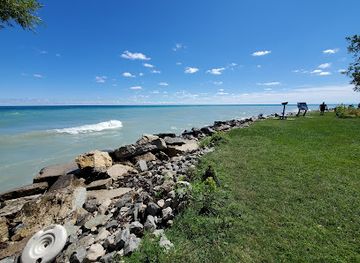
Racine occupies a handsome stretch of Wisconsin’s Lake Michigan shore, where the Root River reaches the lake beside a working harbour, broad beaches and a compact urban centre. North Beach is the city’s best-known expanse of sand, while the lakefront paths, Racine Zoological Gardens and Reefpoint Marina create an open-air sequence of recreation and waterfront views. Inland, the Root River and its trails provide a quieter counterpoint to the lake, with opportunities for walking, paddling and observing the changing landscape.Read more about Racine
Industry, Architecture and Culture
A City of Markets and Local Traditions
When is the best time to visit Racine?
Best: June, August–September · 23–28°C| Month | High (°C) | Rainfall (mm) |
|---|---|---|
| January | 0 | 35 |
| February | 2 | 30 |
| March | 8 | 45 |
| April | 15 | 60 |
| May | 21 | 80 |
| June (best) | 26 | 90 |
| July | 28 | 95 |
| August (best) | 28 | 90 |
| September (best) | 23 | 75 |
| October | 16 | 60 |
| November | 9 | 50 |
| December | 2 | 40 |
Getting to and around Racine
How to get there
Transportation
Best attractions in Racine
Racine’s principal attractions bring together art, industry, nature and the lakefront. The Racine Art Museum is known for its collection of contemporary craft, while the Racine Heritage Museum traces the city’s communities, businesses and working history. At the Root River, the Racine Public Market offers a lively setting for browsing local produce and prepared food, and the riverfront leads towards the harbour and Reefpoint Marina. North Beach provides a broad Lake Michigan shoreline for walking and seasonal recreation, while the Racine Zoological Gardens occupies a lakeside park setting with animal exhibits and family-oriented spaces. Architecture enthusiasts can explore the S.C. Johnson Administration Building and Research Tower, designed by Frank Lloyd Wright, subject to access arrangements. Further north, Wind Point Lighthouse is a nearby village landmark rather than a Racine attraction strictly within the city. Together, these sites reveal a city shaped by manufacturing, design, water and migration.
-
Tourist attraction
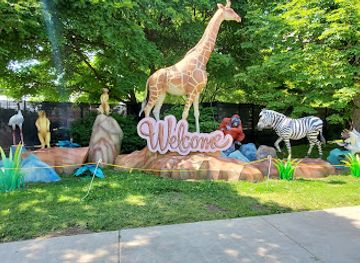
Racine Zoo
Discover Racine Zoo: A charming wildlife sanctuary featuring diverse animals, educational programs, and beautiful gardens in Racine, Wisconsin.
7 min drive · 2.4 km from city centre
-
Tourist attraction
Windpoint Lighthouse
Explore the iconic Windpoint Lighthouse in Racine, Wisconsin, where history meets breathtaking lakefront views for a memorable experience.
19 min drive · 6.4 km from city centre
-
Tourist attraction
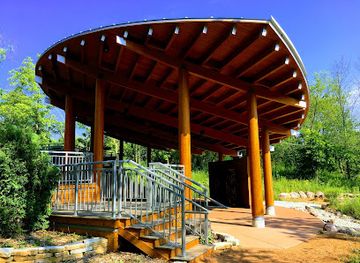
River Bend Nature Center
Explore River Bend Nature Center in Racine for breathtaking trails and wildlife encounters in a serene natural setting.
17 min drive · 5.6 km from city centre
-
Tourist attraction
Racine Art Museum
Explore contemporary and historical art at the Racine Art Museum, a gem in Wisconsin showcasing creativity and innovation.
3 min walk · 0.2 km from city centre
Best landmarks in Racine
Racine’s landmarks express its connection with industry, architecture, religion and the lake. The S.C. Johnson Administration Building and Research Tower are Frank Lloyd Wright works whose innovative structural systems and interiors reflect the company’s twentieth-century ambitions; access is arranged through the organisation rather than assumed as ordinary open entry. The Racine Heritage Museum occupies the former post office and helps connect the city’s civic architecture with its social history. On the lakefront, the Racine North Beach Bathhouse is a distinctive public-recreation building associated with the city’s shoreline, while the Root River harbour recalls Racine’s development as a port and manufacturing centre. The Racine Masonic Center and older downtown commercial buildings add layers of civic and religious-era architecture. Nearby Wind Point Lighthouse, in the separate village of Wind Point, is an important regional landmark and should not be confused with a structure inside Racine proper.
-
Public beach
Racine North Beach
Experience the beauty and tranquility of Racine North Beach, a perfect public getaway on the shores of Lake Michigan in Wisconsin.
5 min drive · 1.6 km from city centre
-
Zoo
Racine Zoo
Explore Racine Zoo, a captivating family-friendly destination showcasing diverse wildlife and promoting conservation efforts in a stunning lakeside setting.
7 min drive · 2.4 km from city centre
-
Restaurant
Reefpoint Brew House
Discover the best of seafood and barbecue at Reefpoint Brew House, a lively restaurant with stunning marina views and live music in Racine, Wisconsin.
9 min walk · 0.7 km from city centre
-
Mexican
Lá Tapatia
Experience the vibrant flavors of Mexico at Lá Tapatia, Racine's go-to spot for authentic Mexican cuisine and warm hospitality.
7 min drive · 2.4 km from city centre


Explore Racine on the map
Plan your Racine trip on one map. See where the top attractions, landmarks, restaurants, bars and hotels are, find what's near where you're staying, and book hotels and experiences in a few clicks.
Best hotels in Racine
Best restaurants in Racine
Racine’s food identity is inseparable from kringle, the oval Danish pastry made with laminated dough and filled with ingredients such as fruit, nuts or cheese. Long-established bakeries including O&H Danish Bakery and Bendtsen’s Bakery keep that tradition visible, while the city’s dining scene extends from cafés and casual restaurants to supper-club cooking and contemporary neighbourhood eateries. The South Side has long been associated with Mexican-American businesses and restaurants, reflecting the city’s later migration history, while downtown and the riverfront offer cafés, bars and places to eat before or after museum visits. The Racine Public Market connects food with regional agriculture and community life, with vendors and offerings varying by season. Local menus also draw on Wisconsin’s wider traditions of cheese, lake-region produce and hearty comfort food, making meals part of the city’s industrial and immigrant story rather than a separate attraction.
-
Breakfast
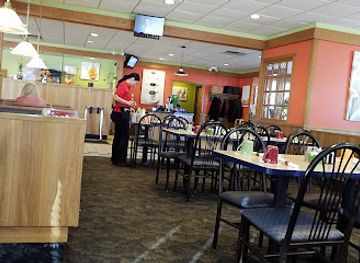
Meli Cafe Pancake House & Restaurant
Discover delicious breakfasts at Meli Cafe Pancake House & Restaurant in Racine - where American classics meet Greek flavors.
21 min drive · 6.9 km from city centre
-
Restaurant
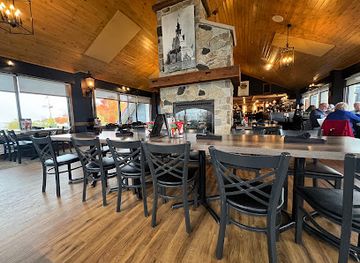
Reefpoint Brew House
Experience delightful cuisine and stunning lake views at Reefpoint Brew House—Racine's premier waterfront dining destination.
9 min walk · 0.7 km from city centre
-
Italian
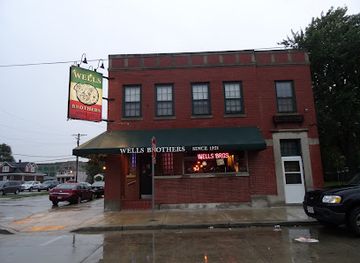
Wells Brothers Italian Restaurant
Experience authentic Italian cuisine at Wells Brothers Italian Restaurant in Mount Pleasant, Wisconsin - where every dish is crafted with love.
8 min drive · 2.7 km from city centre
-
Greek
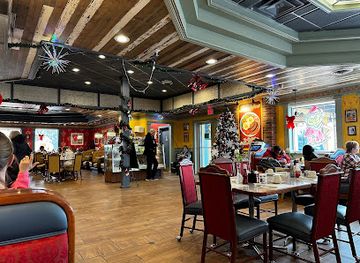
Dynasty Family Restaurant
Experience delightful Greek-American cuisine at Dynasty Family Restaurant in Racine, Wisconsin - where every meal feels like home.
13 min drive · 4.5 km from city centre
Best bars in Racine
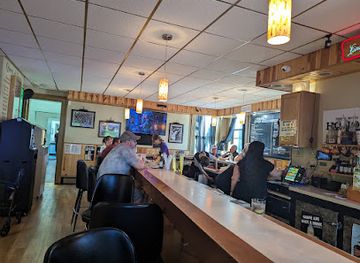
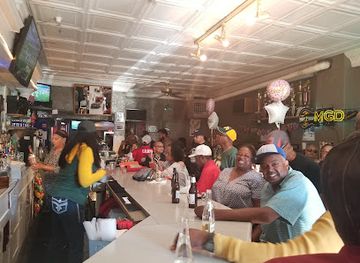
Racine’s evening scene is modest and locally focused rather than dominated by large nightclubs. Downtown, Main Street and the Sixth Street area contain bars, taverns, restaurants and occasional live-music settings where evenings tend to centre on conversation, drinks and neighbourhood gatherings. Traditional Wisconsin tavern culture remains important, while newer establishments bring craft beer, cocktails and contemporary interiors to older commercial streets. The Racine Theatre Guild and other performing-arts organisations provide alternatives to bar-hopping, with theatre and cultural programming forming part of the city’s nightlife. Seasonal events and lakefront activities can also extend the evening atmosphere, although waterfront conditions and schedules vary. Visitors should expect earlier and quieter nights than in nearby Milwaukee, with entertainment shaped more by local venues, performances and social gatherings than by a concentrated club district.
-
Grill
Pepi's Pub and Grill
Explore Pepi's Pub and Grill in Racine for a delicious menu, lively sports atmosphere, and affordable prices in a welcoming pub setting.
5 min walk · 0.4 km from city centre
-
Irish pub
The Ivanhoe Pub & Eatery
Experience authentic Irish hospitality at The Ivanhoe Pub & Eatery, where delectable cuisine meets a lively atmosphere in Racine, Wisconsin.
7 min walk · 0.6 km from city centre
-
Bar
Coasters Bar & Grill
Discover the lively atmosphere and delicious fare at Coasters Bar & Grill, Racine's go-to spot for great food and drinks.
15 min walk · 1.2 km from city centre
-
Bar
The Foxhole Lounge
Experience the vibrant nightlife at The Foxhole Lounge, Racine's favorite bar for craft cocktails and local brews in a welcoming atmosphere.
3 min walk · 0.2 km from city centre


Best nightclubs in Racine
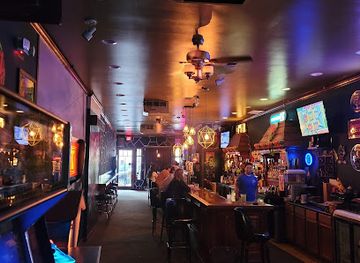
Racine’s evening scene is modest and locally focused rather than dominated by large nightclubs. Downtown, Main Street and the Sixth Street area contain bars, taverns, restaurants and occasional live-music settings where evenings tend to centre on conversation, drinks and neighbourhood gatherings. Traditional Wisconsin tavern culture remains important, while newer establishments bring craft beer, cocktails and contemporary interiors to older commercial streets. The Racine Theatre Guild and other performing-arts organisations provide alternatives to bar-hopping, with theatre and cultural programming forming part of the city’s nightlife. Seasonal events and lakefront activities can also extend the evening atmosphere, although waterfront conditions and schedules vary. Visitors should expect earlier and quieter nights than in nearby Milwaukee, with entertainment shaped more by local venues, performances and social gatherings than by a concentrated club district.
-
Bar
Rhino Bar
Experience Racine's vibrant nightlife at Rhino Bar, where great drinks and lively entertainment await you.
5 min drive · 1.8 km from city centre
-
Bar
Evelyn's Club Main
Experience the vibrant nightlife at Evelyn's Club Main, Racine's popular bar for craft cocktails, live entertainment, and a welcoming atmosphere.
5 min walk · 0.4 km from city centre
-
Bar
The Void
Discover The Void, Racine's vibrant bar offering craft cocktails, live music, and an unforgettable nightlife experience.
1 min walk · 0.1 km from city centre
-
Bar
BUCK'S LOUNGE
Discover the lively atmosphere and affordable drinks at Buck's Lounge, a top bar in Racine, Wisconsin, where locals and tourists come together.
16 min walk · 1.3 km from city centre
Best shops in Racine
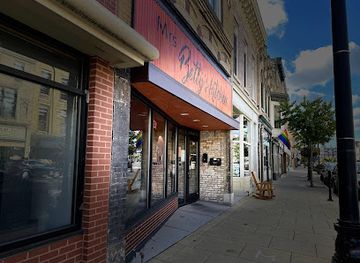
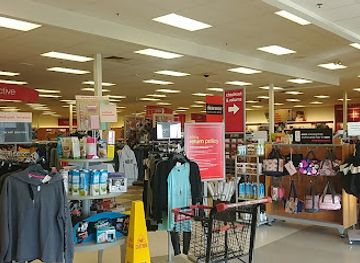
Shopping in Racine combines everyday independent businesses with food traditions that carry strong local meaning. Downtown and the Sixth Street area contain small retailers, cafés, galleries, vintage stores and service businesses in older commercial surroundings, while larger retail clusters lie along the city’s main arterial roads. The best-known edible purchase is kringle, available from established Danish bakeries such as O&H Danish Bakery and Bendtsen’s Bakery in a range of traditional and seasonal fillings. The Racine Public Market offers another way to encounter local shopping, with produce, prepared food and regional goods changing as vendors and seasons change. Visitors may also find Wisconsin-made foods, craft products, books and museum-related gifts through cultural institutions and independent shops. Shopping is less about a single concentrated luxury district than about following the city’s neighbourhoods, food heritage and small-business culture.
-
Shopping mall
Regency Mall
Explore Regency Mall in Racine, WI - a vibrant shopping center with diverse stores, dining options, and family-friendly activities for all ages.
18 min drive · 6.1 km from city centre
-
Shopping mall
Elmwood Plaza Shopping Center
Discover a vibrant shopping experience at Elmwood Plaza Shopping Center in Racine, where retail therapy meets delightful dining options.
14 min drive · 4.7 km from city centre
-
Department store
T.J. Maxx
Discover unbeatable deals on fashion, accessories, and home decor at T.J. Maxx in Racine, the perfect shopping destination for tourists.
19 min drive · 6.3 km from city centre
-
Shopping mall
Racine Center
Explore Racine Center, a lively shopping mall in Mt Pleasant, WI, featuring a diverse mix of stores and dining options for the perfect shopping experience.
15 min drive · 5.1 km from city centre



Get your free copy of our complete guide to Racine, delivered straight to you.
Everything on this page, from attractions and restaurants to essentials and local phrases, in one PDF you can read offline, print or share.
Already have an account? Sign in
Your Racine guide is ready.
We'll send it to · Not you? Sign out

Getting your guide ready…
We are putting together a fresh copy of the Racine guide. This can take up to a minute.
This can take a few moments. If your browser asks, choose Allow so the download can start. You'll find the guide in your Downloads folder.
Nothing happened? Download it again
Sorry, the guide is taking longer than usual. Please try again in a minute, or get it by email instead.
Racine essentials
Currency and Payment
Safety
Emergency Situations
Do's and Don'ts
Local Tips
From Eve
Local phrases worth knowing
You don't need to get them perfect. A few words go a long way, and locals appreciate the effort.
Basics
| English | Local | Say it |
|---|---|---|
| Hello | Hey | [hey] |
| Goodbye | See ya | [see ya] |
| Yes | Yeah | [yeah] |
| No | Nah | [nah] |
| Please/You're welcome | Please/No problem | [please/no problem] |
| Thank you | Thanks | [thanks] |
| Excuse me/Sorry | Excuse me/Sorry | [excuse me/sorry] |
| How are you? | How ya doin'? | [how ya doin'] |
| Fine. And you? | Good. You? | [good. you?] |
| Do you speak English? | Ya speak English? | [ya speak english?] |
| I don't understand | I don't get it | [i don't get it] |
Eating & Drinking
| English | Local | Say it |
|---|---|---|
| I'd like to see the menu, please | I wanna check out the menu | [i wanna check out the menu] |
| I don't eat meat | I don't eat meat | [i don't eat meat] |
| Cheers! | Cheers! | [cheers!] |
| I would like to pay, please | I wanna settle up | [i wanna settle up] |
Emergencies
| English | Local | Say it |
|---|---|---|
| Help! | Help! | [help!] |
| Go away! | Get lost! | [get lost!] |
| Call the Police! | Call the cops! | [call the cops!] |
| Call a doctor! | Call a doc! | [call a doc!] |
| I'm lost | I'm lost | [i'm lost] |
| I'm ill | I'm sick | [i'm sick] |
Shopping
| English | Local | Say it |
|---|---|---|
| I'd like to buy... | I wanna buy... | [i wanna buy...] |
| I'm just looking | I'm just looking | [i'm just looking] |
| How much is it? | How much? | [how much?] |
| That's too expensive | That's too much | [that's too much] |
| Can you lower the price? | Can ya do better? | [can ya do better?] |
Time & Numbers
| English | Local | Say it |
|---|---|---|
| What time is it? | What time is it? | [what time is it?] |
| It's one o'clock | It's one | [it's one] |
| Half past (10) | Ten thirty | [ten thirty] |
| Morning | Morning | [morning] |
| Afternoon | Afternoon | [afternoon] |
| Evening | Evening | [evening] |
| Yesterday | Yesterday | [yesterday] |
| Today | Today | [today] |
| Tomorrow | Tomorrow | [tomorrow] |
| 1 | One | [one] |
| 2 | Two | [two] |
| 3 | Three | [three] |
| 4 | Four | [four] |
| 5 | Five | [five] |
| 6 | Six | [six] |
| 7 | Seven | [seven] |
| 8 | Eight | [eight] |
| 9 | Nine | [nine] |
| 10 | Ten | [ten] |
Transport & Directions
| English | Local | Say it |
|---|---|---|
| Where's a/the...? | Where's the...? | [where's the...?] |
| What's the address? | What's the address? | [what's the address?] |
| Can you show me (on the map)? | Show me on the map | [show me on the map] |
| When's the next (bus)? | When's the next bus? | [when's the next bus?] |
| A ticket (to ....) | A ticket to... | [a ticket to...] |
History of Racine
Indigenous Shores and the Root River
The Racine area lies within the historic homelands of Indigenous peoples including the Potawatomi, Ho-Chunk and Menominee, whose communities used the Root River, lake shore and surrounding prairie as transportation and seasonal resource networks. European-American accounts later applied the French name Racine, meaning “root”, to the river. Treaties and land cessions in the early nineteenth century opened the region to expanding United States settlement, although Indigenous presence and cultural connections did not end with those agreements. The river mouth’s combination of fresh water, harbour potential and access to inland routes made the site attractive for a later town.
Gilbert Knapp and Port Gilbert
United States settlement began to take formal shape in the 1830s, when Gilbert Knapp, a former Great Lakes ship captain, established a community at the Root River mouth. The settlement was initially known as Port Gilbert, but the name Racine soon prevailed. Its early growth depended on the river’s harbour, lake shipping and agricultural hinterland. Streets, warehouses and small businesses developed around the water, while migrants from the eastern United States and Europe gave the young community a changing social character. Racine was incorporated as a village in 1834 and became a city in 1848, the same year Wisconsin entered the Union.
Manufacturing and Lake Commerce
During the nineteenth century, Racine developed from a modest port into a manufacturing centre. Grain handling, agricultural processing and lake commerce supported workshops and factories, while improved roads and rail connections strengthened links with Milwaukee, Chicago and inland Wisconsin. J.I. Case established an agricultural machinery enterprise in Racine in the 1840s, helping make farm equipment central to the city’s industrial identity. Other manufacturers followed, and labour, immigration and urban growth reshaped the community. Commercial buildings, workers’ neighbourhoods and civic institutions expanded as Racine’s fortunes became increasingly tied to industry rather than shipping alone.
Danish Immigration and Community Life
Racine attracted immigrants from several parts of Europe, including a substantial Danish community whose influence remains particularly visible in local food culture. Danish bakeries developed the kringle tradition that became closely associated with the city, while churches, businesses and community organisations helped newcomers establish social networks. The city’s ethnic history was not limited to one group: industrial employment drew people from varied backgrounds, creating neighbourhoods and institutions with different religious and cultural traditions. This layered immigration history is reflected today in Racine’s bakeries, historic streets, museums and continuing interest in preserving local stories.
S.C. Johnson and Modern Design
Racine’s twentieth-century industrial history was strongly influenced by S.C. Johnson, the cleaning-products company based in the city. The company commissioned Frank Lloyd Wright to design its Administration Building, completed in 1939, followed by the Research Tower in 1950. Their innovative interiors, mushroom-shaped columns and carefully controlled daylight made the complex an important chapter in modern architecture. Wright’s later Wingspread residence, completed in 1939 for the Johnson family in nearby Wind Point, reinforced the area’s architectural significance. These buildings linked Racine’s manufacturing economy with an international design legacy.
Industry, Heritage and a Changing Waterfront
Late twentieth-century economic change brought factory closures, redevelopment pressures and a renewed focus on Racine’s public heritage. Museums, preservation projects and cultural organisations helped document the city’s industrial, immigrant and architectural past, while the lakefront and Root River became important settings for recreation and civic life. The Racine Art Museum expanded the city’s cultural profile through its collection of contemporary craft, and the waterfront gained renewed value as a place for beaches, parks, markets and public events. Modern Racine remains an industrial city, but its identity now rests equally on design, local traditions, cultural institutions and access to Lake Michigan.
Racine in Photos
Browse through our photo collection highlighting the charm and character of the destination.
Cities near Racine
The closest cities to Racine, if you have time for more than one stop.
-

-

-

-

-


Swipe for more cities
Explore more

Explore more of Wisconsin
Discover Wisconsin: A Midwestern gem offering stunning natural landscapes, rich cultural experiences, and a taste of America's finest dairy products.
Explore Wisconsin