

Free Cicero Travel Guide & Mobile App
Plan your Cicero trip with Evendo. Get free guides to top attractions, restaurants, hotels, and bars. Web access or download the mobile app.


Cicero, Illinois, offers Chicago-area history, Hawthorne Works heritage, Mexican-American culture, classic churches and easy access to urban attractions.
A Historic Inner-Ring Community
Cicero is a densely settled town immediately west of Chicago, shaped by industry, immigration and its close connection to the city. Its name recalls the Roman statesman Marcus Tullius Cicero, but the community's modern identity emerged during the late nineteenth and early twentieth centuries, when railways, factories and workers' housing transformed the prairie west of Chicago. Today, Cicero is a predominantly Latino community whose commercial streets, churches and family-run businesses reflect several generations of migration and urban change.Read more about Cicero
Industry, Memory and Urban Texture
Exploring Cicero
When is the best time to visit Cicero?
Best: May–June, September · 22–28°C| Month | High (°C) | Rainfall (mm) |
|---|---|---|
| January | 2 | 44 |
| February | 4 | 42 |
| March | 10 | 61 |
| April | 16 | 88 |
| May (best) | 22 | 97 |
| June (best) | 28 | 103 |
| July | 30 | 112 |
| August | 29 | 110 |
| September (best) | 25 | 90 |
| October | 18 | 78 |
| November | 10 | 67 |
| December | 2 | 57 |
Getting to and around Cicero
How to get there
Transportation
Best attractions in Cicero
Cicero's attractions are modest in scale but rewarding for visitors interested in urban history and neighbourhood culture. The Hawthorne Works Museum at Morton College presents the story of Western Electric's enormous manufacturing complex and the workplace research conducted there, giving context to the town's industrial development. St Mary of Czestochowa offers an impressive example of the religious architecture created by Cicero's earlier Polish community, while Cicero Community Park and other local green spaces show the town's everyday recreational life. Cermak Road and 26th Street are less conventional sightseeing destinations, but their bakeries, restaurants, markets and small businesses provide an authentic view of contemporary Mexican-American Cicero. The town's proximity to Chicago also makes it a useful base for exploring west-side neighbourhoods and major city institutions, although those attractions lie outside Cicero.
-
Tourist attraction
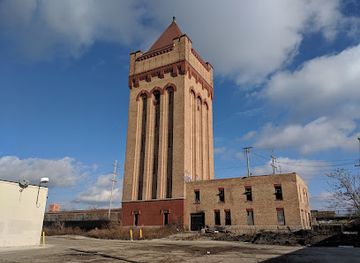
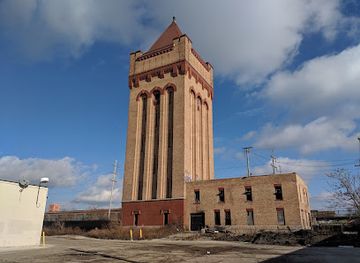
Hawthorne Works
Explore the historical significance of Hawthorne Works, a landmark of American industrial innovation in Cicero, Illinois, rich with stories of the past.
6 min drive · 2.1 km from city centre
-
Park
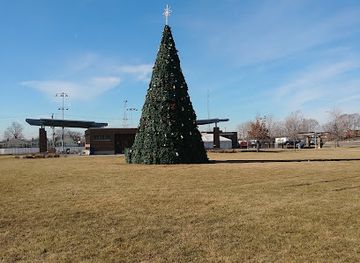
Cicero Community Park
Discover the tranquility and recreational delights of Cicero Community Park, a green oasis filled with playgrounds, trails, and spaces for relaxation.
5 min drive · 1.6 km from city centre
-
Tourist attraction
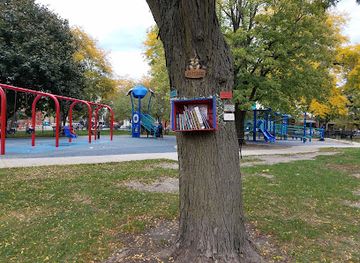
Piotrowski (Lillian) Park
Discover Piotrowski Park, a charming oasis in Chicago's South Lawndale, perfect for relaxation, recreation, and community events amidst nature.
9 min drive · 3.0 km from city centre
-
Bus tour agency
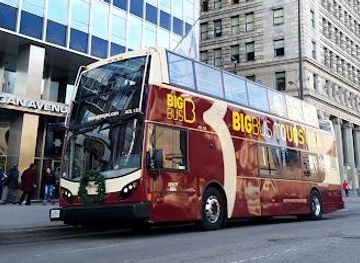
Big Bus Tours Chicago
Discover Chicago's iconic landmarks and vibrant culture with Big Bus Tours, offering a comfortable and flexible sightseeing experience.
9 min drive · 3.0 km from city centre
Best landmarks in Cicero
St Mary of Czestochowa is Cicero's most conspicuous architectural landmark, a large Catholic church associated with the town's Polish immigrant history and the religious institutions that anchored early industrial communities. The Hawthorne Works Museum at Morton College is a landmark of industrial and intellectual history: its exhibits preserve the memory of the Western Electric complex and the workplace studies that made the name Hawthorne familiar in management research. Cermak Road and Cicero Avenue are less monumental but significant urban landmarks, forming major commercial and transport axes around which the town developed. Surviving workers' housing, neighbourhood churches and older commercial buildings provide further evidence of Cicero's transformation from prairie township to factory suburb and, later, to a predominantly Mexican-American community. The former Hawthorne Works itself has largely disappeared, making the museum especially important as a tangible place of interpretation.
-
 Pizza
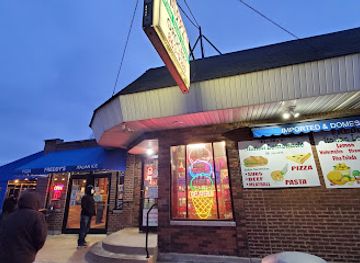
PizzaFreddy's Pizza
A Cicero institution serving authentic Italian pizza, gelato, and groceries since the 1950s. A family-owned gem!
6 min drive · 1.9 km from city centre
-
Historical landmark
Hawthorne Works
Explore the historic Hawthorne Works in Cicero, Illinois, a landmark celebrating America's industrial heritage and architectural beauty, perfect for history enthusiasts.
6 min drive · 2.1 km from city centre
-
Fast Food
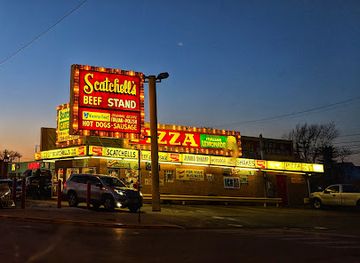
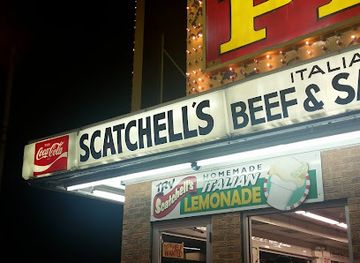
Scatchell's Beef & Pizza
A Cicero institution since 1953, Scatchell's serves up classic Chicago-style Italian beef, hot dogs, and pizza in a no-frills, neighborhood favorite.
7 min drive · 2.2 km from city centre
-
Buffet
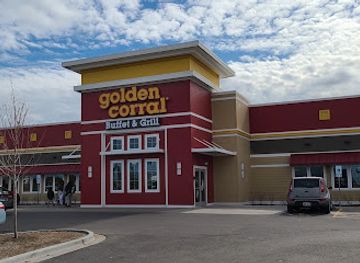
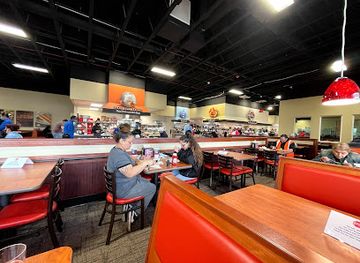
Golden Corral Buffet & Grill
Endless buffet of American favorites in Cicero, IL, offering something for everyone in a family-friendly atmosphere.
7 min drive · 2.3 km from city centre
Explore Cicero on the map
Plan your Cicero trip on one map. See where the top attractions, landmarks, restaurants, bars and hotels are, find what's near where you're staying, and book hotels and experiences in a few clicks.
Best hotels in Cicero
Best restaurants in Cicero
Cicero's dining identity is strongly shaped by Mexican and Mexican-American communities, with taquerias, family restaurants, bakeries and specialist food shops concentrated along commercial corridors such as Cermak Road and 26th Street. Menus commonly draw on regional Mexican traditions, with tacos, tortas, tamales, soups, grilled meats and fresh salsas appearing alongside everyday American options. Panaderías provide sweet breads and pastries, while grocery shops and markets offer ingredients used in home cooking. The town also retains traces of its older Polish and broader Chicago-area food heritage, including familiar bakery and deli traditions. Dining tends to be informal and neighbourhood-oriented rather than centred on a fine-dining district; Spanish-language menus and counter service are common, though many establishments accommodate English-speaking visitors. Restaurant choices change frequently, so current local listings are more reliable than assuming a particular venue remains open.
-
Pizza
Freddy's Pizza
Savor authentic Italian flavors at Freddy's Pizza in Cicero—home of delicious pizzas and comforting Italian favorites.
6 min drive · 1.9 km from city centre
-
Fast Food
Scatchell's Beef & Pizza
Experience the authentic taste of Chicago at Scatchell's Beef & Pizza – where hearty sandwiches meet delicious pizza in an inviting atmosphere.
7 min drive · 2.2 km from city centre
-
Buffet
Golden Corral Buffet & Grill
Savor unlimited deliciousness at Golden Corral Buffet & Grill - where family dining meets diverse American cuisine.
7 min drive · 2.3 km from city centre
-
Breakfast
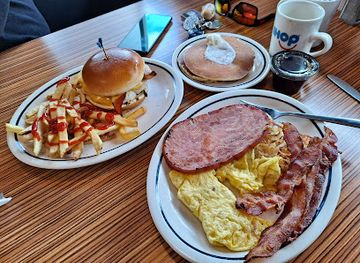
IHOP
Experience the joy of breakfast at IHOP in Cicero – where delicious American cuisine meets family-friendly dining.
6 min drive · 1.9 km from city centre
Best bars in Cicero
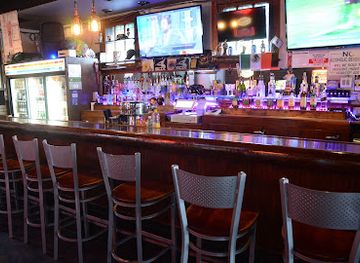
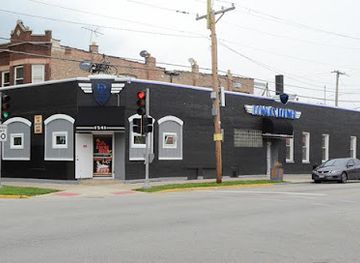
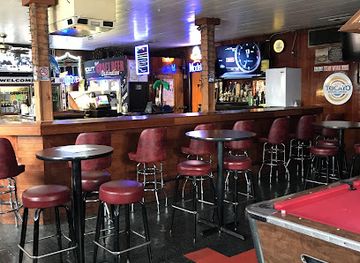
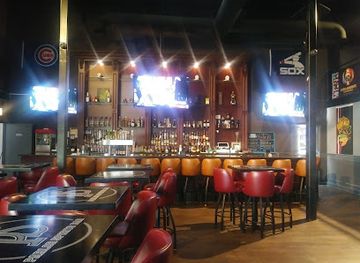
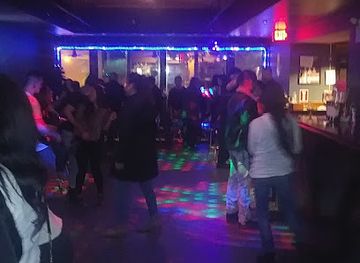
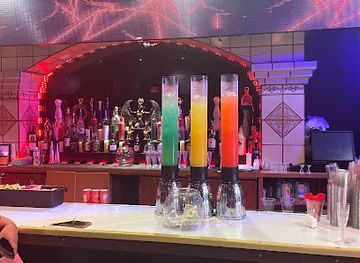
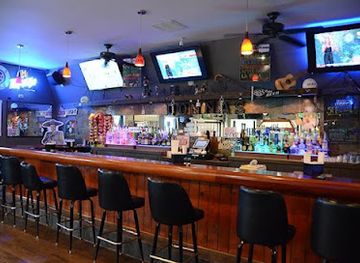
Cicero's evening scene is primarily local and social rather than organised around a large club district. Neighbourhood bars, casual lounges, family restaurants and establishments featuring televised sport provide much of the after-dark activity, particularly along major commercial avenues. Visitors may encounter Latin music, dancing and community gatherings, but the scale is smaller and less concentrated than in central Chicago. Evening meals, bakeries and informal cafés can be more characteristic ways to experience the town after dark than headline nightlife venues. The nearby Chicago west side and neighbourhoods such as Pilsen offer a broader range of live music, bars and cultural programming, although they are outside Cicero. Standard United States licensing rules apply, and visitors should carry accepted identification and arrange a safe journey home when travelling late.
-
Sports bar
Victoria's 4900
Experience the thrill of live sports and great food at Victoria's 4900, Cicero's top sports bar and grill with a vibrant beer garden.
5 min drive · 1.6 km from city centre
-
Bar
Donnas Lounge
Experience the perfect blend of dining, sports, and entertainment at Donnas Lounge in Cicero, Illinois.
5 min drive · 1.8 km from city centre
-
Bar
CherryWood Tap
Experience the vibrant atmosphere and delightful drinks at CherryWood Tap, Cicero's charming bar for locals and tourists alike.
15 min walk · 1.2 km from city centre
-
Sports bar
Prestige Sports Bar
Discover the vibrant atmosphere of Prestige Sports Bar in Cicero, where sports, food, and fun come together for an unforgettable experience.
5 min drive · 1.6 km from city centre
Best nightclubs in Cicero
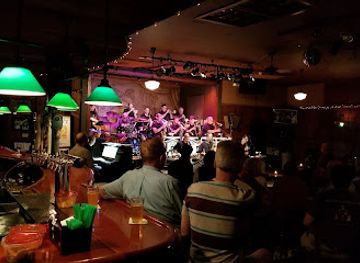
Cicero's evening scene is primarily local and social rather than organised around a large club district. Neighbourhood bars, casual lounges, family restaurants and establishments featuring televised sport provide much of the after-dark activity, particularly along major commercial avenues. Visitors may encounter Latin music, dancing and community gatherings, but the scale is smaller and less concentrated than in central Chicago. Evening meals, bakeries and informal cafés can be more characteristic ways to experience the town after dark than headline nightlife venues. The nearby Chicago west side and neighbourhoods such as Pilsen offer a broader range of live music, bars and cultural programming, although they are outside Cicero. Standard United States licensing rules apply, and visitors should carry accepted identification and arrange a safe journey home when travelling late.
-
Night club
FitzGerald's
Experience the exciting nightlife at FitzGerald's Nightclub in Berwyn, IL, where live music, great drinks, and an unforgettable atmosphere await.
10 min drive · 3.2 km from city centre
-
Lounge
Perception Lounge
Experience the vibrant nightlife at Perception Lounge, Berwyn's go-to destination for dancing, cocktails, and unforgettable memories.
8 min drive · 2.6 km from city centre
-
Night club
The Luxur
Discover The Luxur, Cicero's vibrant night club offering electrifying music, stylish ambiance, and unforgettable dancing experiences.
12 min walk · 1.0 km from city centre
-
Bar
Donnas Lounge
Experience the vibrant atmosphere of Donnas Lounge, where delicious food, sports, and gaming unite for an unforgettable night out in Cicero, Illinois.
5 min drive · 1.8 km from city centre
Best shops in Cicero
Shopping in Cicero is concentrated along practical commercial corridors rather than a pedestrian luxury district. Cermak Road and 26th Street contain Mexican grocery shops, panaderías, clothing stores, household retailers, restaurants and small independent businesses serving local residents. Visitors can look for regional food ingredients, bottled and packaged specialities, fresh bakery goods, religious items and everyday products reflecting the town's Mexican-American culture. Larger retail needs are met through the broad west suburban and Chicago-area shopping network, while the most interesting browsing is often found in family-run stores and food businesses rather than formal malls. The streets also retain traces of older European immigrant commerce, although the contemporary character is predominantly Latino. Store inventories and opening patterns vary, so shopping here is best understood as neighbourhood retail rather than a fixed sightseeing market.
-
Department store
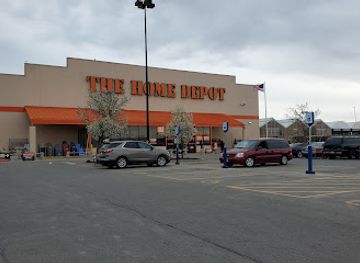
Walmart Supercenter
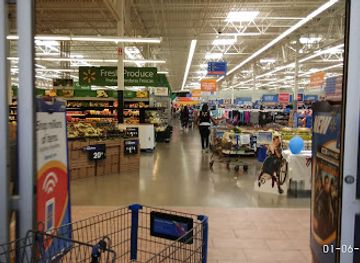
Discover Walmart Supercenter in Cicero, a diverse retail hub offering groceries, clothing, electronics, and more at affordable prices for all travelers.
6 min drive · 2.0 km from city centre
-
Shopping mall
Cicero Market Place
Explore Cicero Market Place, a bustling shopping mall in Illinois with diverse retail stores and dining options for an exciting day out.
6 min drive · 1.9 km from city centre
-
Clothing store
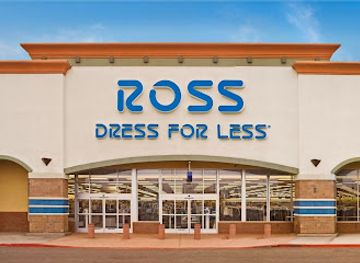
Ross Dress for Less
Discover incredible savings on stylish clothing, shoes, and accessories for the whole family at Ross Dress for Less.
6 min drive · 2.1 km from city centre
-
Gift shop
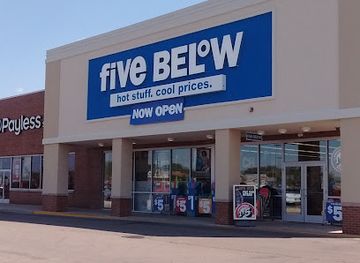
Five Below
Discover a vibrant shopping experience at Five Below in Cicero, Illinois, where everything is priced at $5 or less, offering endless fun and affordable finds.
6 min drive · 2.0 km from city centre
Get your free copy of our complete guide to Cicero, delivered straight to you.
Everything on this page, from attractions and restaurants to essentials and local phrases, in one PDF you can read offline, print or share.
Already have an account? Sign in
Your Cicero guide is ready.
We'll send it to · Not you? Sign out

Getting your guide ready…
We are putting together a fresh copy of the Cicero guide. This can take up to a minute.
This can take a few moments. If your browser asks, choose Allow so the download can start. You'll find the guide in your Downloads folder.
Nothing happened? Download it again
Sorry, the guide is taking longer than usual. Please try again in a minute, or get it by email instead.
Cicero essentials
Currency and Payment
Safety
Emergency Situations
Do's and Don'ts
Local Tips
From Eve
Local phrases worth knowing
You don't need to get them perfect. A few words go a long way, and locals appreciate the effort.
Basics
| English | Local | Say it |
|---|---|---|
| Hello | Hey | [hey] |
| Goodbye | Later | [lay-ter] |
| Yes | Yeah | [yeh] |
| No | Nah | [nah] |
| Please/You're welcome | Please/No problem | [pleez/no prob-lem] |
| Thank you | Thanks | [thanks] |
| Excuse me/Sorry | Excuse me/My bad | [ex-kyoos me/my bad] |
| How are you? | What's up? | [wutz up] |
| Fine. And you? | Good. You? | [good. yoo] |
| Do you speak English? | You speak English? | [yoo speek ing-glish?] |
| I don't understand | I don't get it | [I don't get it] |
Eating & Drinking
| English | Local | Say it |
|---|---|---|
| I'd like to see the menu, please | Can I see the menu? | [can I see the menu?] |
| I don't eat meat | I don't eat meat | [I don't eat meat] |
| Cheers! | Cheers! | [cheers!] |
| I would like to pay, please | Can I pay, please | [can I pay, please] |
Emergencies
| English | Local | Say it |
|---|---|---|
| Help! | Help! | [help!] |
| Go away! | Get lost! | [get lost!] |
| Call the Police! | Call the cops! | [call the cops!] |
| Call a doctor! | Call a doc! | [call a doc!] |
| I'm lost | I'm lost | [I'm lost] |
| I'm ill | I'm sick | [I'm sick] |
Shopping
| English | Local | Say it |
|---|---|---|
| I'd like to buy... | I wanna buy... | [I wanna buy...] |
| I'm just looking | I'm just looking | [I'm just looking] |
| How much is it? | How much? | [how much?] |
| That's too expensive | That's too much | [That's too much] |
| Can you lower the price? | Can you do better? | [Can you do better?] |
Time & Numbers
| English | Local | Say it |
|---|---|---|
| What time is it? | What time is it? | [what time is it?] |
| It's one o'clock | It's one | [It's one] |
| Half past (10) | Ten thirty | [ten thur-tee] |
| Morning | Morning | [Morning] |
| Afternoon | Afternoon | [Afternoon] |
| Evening | Evening | [Evening] |
| Yesterday | Yesterday | [Yesterday] |
| Today | Today | [Today] |
| Tomorrow | Tomorrow | [Tomorrow] |
| 1 | One | [One] |
| 2 | Two | [Two] |
| 3 | Three | [Three] |
| 4 | Four | [Four] |
| 5 | Five | [Five] |
| 6 | Six | [Six] |
| 7 | Seven | [Seven] |
| 8 | Eight | [Eight] |
| 9 | Nine | [Nine] |
| 10 | Ten | [Ten] |
Transport & Directions
| English | Local | Say it |
|---|---|---|
| Where's a/the...? | Where's the...? | [Where's the...?] |
| What's the address? | What's the address? | [What's the address?] |
| Can you show me (on the map)? | Can you show me (on the map)? | [Can you show me (on the map)?] |
| When's the next (bus)? | When's the next (bus)? | [When's the next (bus)?] |
| A ticket (to ....) | A ticket (to ....) | [A ticket (to ....)] |
History of Cicero
From Prairie Township to Suburb
Cicero developed from prairie land west of Chicago and was organised as a township in the nineteenth century before incorporation as a village in 1867. It took its name from Cicero Township, itself named for the Roman orator Marcus Tullius Cicero. The original township was far larger than the present-day community; portions were annexed by Chicago and other municipalities as the metropolitan area expanded. Rail connections, roads and the growth of nearby Chicago encouraged settlement, turning Cicero from an agricultural fringe into an industrial and residential suburb. Its position between the city and western communities gave it an important role in the region's transport and manufacturing geography.
Railways and Industrial Expansion
During the late nineteenth and early twentieth centuries, Cicero became a centre of factories, warehouses and workers' housing. Railways and industrial corridors attracted companies as well as migrants seeking employment, while nearby communities such as Berwyn and Oak Park developed alongside it. The town's built environment came to include modest houses, commercial strips, churches and civic facilities serving a rapidly growing population. Manufacturing gave Cicero a strong working-class identity and tied local prosperity to Chicago's broader industrial economy. The expansion also produced social tensions over land use, labour, political influence and the pace of urban growth, issues that continued to shape the town throughout the twentieth century.
Hawthorne Works and Workplace Science
The Western Electric Hawthorne Works complex made Cicero nationally significant in industrial history. Operating from the early twentieth century until its closure in 1983, the plant produced telephone equipment and employed large numbers of local residents. Research conducted there by Elton Mayo and other investigators during the 1920s and 1930s later became associated with the Hawthorne Studies, which examined how working conditions, supervision and social relationships influenced productivity. Although interpretations of the studies have been debated, the site remains important to the history of management and industrial psychology. The Hawthorne Works Museum at Morton College preserves this chapter of manufacturing, labour and community life.
Political Conflict in the Prohibition Era
Cicero became widely associated with organised crime and political violence during the Prohibition era, when Al Capone's Chicago organisation operated from the western suburbs and exercised influence in the town. The 1924 municipal election was marked by severe violence and intimidation, reflecting the struggle between competing political and criminal interests. Such events formed only one part of Cicero's history, but they contributed disproportionately to its national reputation through newspaper coverage and later popular culture. The period also illustrates how local government, rapid industrial growth, illicit alcohol markets and ethnic political networks could intersect in Chicago's metropolitan periphery.
Migration and a Changing Community
Cicero's population changed substantially after the Second World War as African American, Mexican, Mexican-American and other communities sought housing and employment in the western suburbs. Mexican migration and settlement became particularly influential from the late twentieth century, reshaping commercial districts, schools, churches and public life. Earlier Polish and other European traditions remain visible in the town's religious and architectural heritage, including St Mary of Czestochowa, while Spanish-language businesses and cultural institutions express a newer civic identity. The decline of heavy manufacturing, including the closure of Hawthorne Works, altered the local economy, but Cicero retained its dense urban form and close relationship with Chicago.
Cicero in Photos
Browse through our photo collection highlighting the charm and character of the destination.
Cities near Cicero
The closest cities to Cicero, if you have time for more than one stop.
-

-

-

-

-


Swipe for more cities
Explore more

Explore more of Illinois
Discover Illinois: From Chicago's iconic skyline to the tranquil beauty of its countryside, experience the diverse allure of the Prairie State.
Explore Illinois