

Free Waukegan Travel Guide & Mobile App
Plan your Waukegan trip with Evendo. Get free guides to top attractions, restaurants, hotels, and bars. Web access or download the mobile app.


Waukegan, Illinois combines Lake Michigan views, industrial history, lively arts, the Genesee Theatre and Ray Bradbury’s literary legacy north of Chicago.
Lakefront Setting and Industrial Heritage
Waukegan occupies a broad stretch of Lake Michigan shoreline in northeastern Illinois, about 40 miles north of Chicago. As the county seat of Lake County, it combines a working lakefront, a historic downtown and a long industrial tradition. The city began as a harbour settlement known as Little Fort, and remnants of that maritime identity remain around Waukegan Harbor, where boats, public spaces and lake views provide a different perspective from the city’s urban core. Former factories and commercial buildings also tell the story of a place shaped by manufacturing, shipping and immigration.Read more about Waukegan
Arts, Stories and City Life
When is the best time to visit Waukegan?
Best: June, August–September · 23–28°C| Month | High (°C) | Rainfall (mm) |
|---|---|---|
| January | 1 | 42 |
| February | 3 | 41 |
| March | 8 | 60 |
| April | 15 | 87 |
| May | 21 | 100 |
| June (best) | 26 | 106 |
| July | 28 | 110 |
| August (best) | 28 | 104 |
| September (best) | 23 | 92 |
| October | 16 | 71 |
| November | 9 | 61 |
| December | 4 | 44 |
Getting to and around Waukegan
How to get there
Transportation
Best attractions in Waukegan
Waukegan’s attractions reveal a city of lakefront industry, local culture and literary associations. The Genesee Theatre is the principal cultural draw, with a richly decorated historic interior and a programme of concerts, comedy and performances. At the Waukegan History Museum, exhibits place the city’s harbour, factories, immigrant communities and civic development in context, while the Jack Benny Center for the Arts connects local cultural life with the career of the celebrated comedian. Downtown streets and the Waukegan Arts District provide galleries, murals and community-focused creative spaces, and the harbour offers broad Lake Michigan views and a sense of the city’s working waterfront. Bowen Park supplies wooded paths, open lawns and recreation within the urban area. The city’s Ray Bradbury connection adds a literary dimension, particularly for visitors familiar with Dandelion Wine and its fictional Green Town inspired by Bradbury’s Waukegan childhood.
-
Tourist attraction
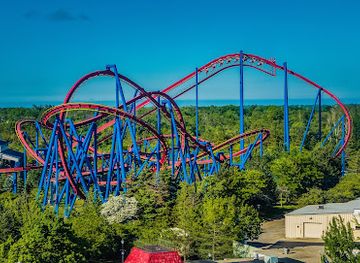
Six Flags Great America
Experience the thrill of rides and entertainment at Six Flags Great America, a premier amusement park and water park in Gurnee, Illinois.
16 min drive · 5.3 km from city centre
-
Tourist attraction
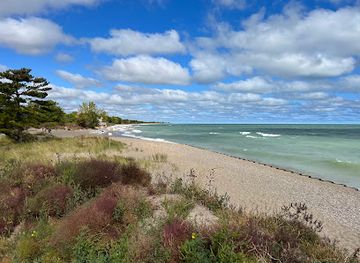
Illinois Beach State Park
Experience the beauty of Illinois Beach State Park, where pristine shores meet lush landscapes, offering endless opportunities for adventure and relaxation.
25 min drive · 8.3 km from city centre
-
Tourist attraction
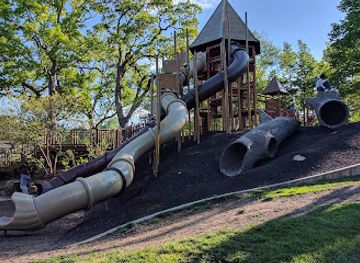
Bowen Park
Explore Bowen Park in Waukegan, Illinois, where nature meets recreation in a tranquil urban oasis.
12 min drive · 3.9 km from city centre
-
Amusement center
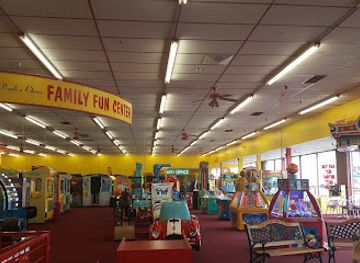
The People's Choice Family Fun Center
Experience fun and excitement for the whole family at The People's Choice Family Fun Center, featuring rides, games, delicious pizza, and creamy ice cream in Waukegan, Illinois.
6 min drive · 2.0 km from city centre
Best landmarks in Waukegan
The Genesee Theatre is Waukegan’s defining architectural landmark, an elaborate 1927 venue whose surviving decorative interior recalls the era of grand American movie palaces. The Waukegan Harbor and associated lakefront infrastructure represent the city’s older role in Great Lakes commerce and industry, even as the shoreline continues to change. Downtown’s civic and commercial buildings preserve the scale of the nineteenth- and early twentieth-century county seat, while the Waukegan History Museum interprets the people and industries that shaped them. The Jack Benny Center for the Arts serves as a cultural landmark linked to Waukegan-born entertainer Jack Benny. Literary memory provides another form of landmark significance: sites associated with Ray Bradbury’s childhood help explain how ordinary Midwestern streets became the imaginative setting for Green Town.
-
Performing arts theater
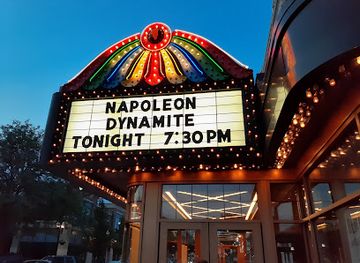
Genesee Theatre
Experience world-class entertainment at the historic Genesee Theatre in Waukegan, a beautifully restored movie palace and live performance venue.
10 min drive · 3.4 km from city centre
-
Middle Eastern
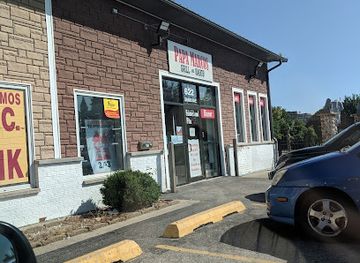
Papa Marcos Restaurant
Experience authentic Middle Eastern cuisine in a cozy, family-friendly atmosphere at Papa Marcos Restaurant in Waukegan, IL.
8 min drive · 2.8 km from city centre
-
Pizza
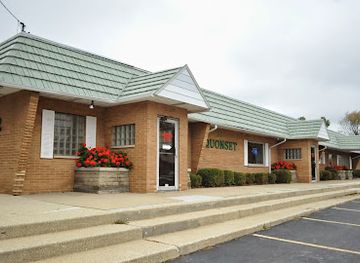
Quonset Pizza
A Waukegan institution since 1946, serving up classic thin-crust pizza in a retro Quonset hut setting. A must-try for pizza lovers!
6 min walk · 0.5 km from city centre
-
Mexican
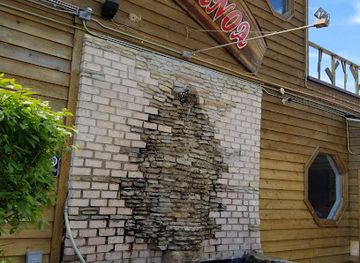
La Canoa
Experience authentic Mexican seafood and a vibrant atmosphere at La Canoa in Waukegan, IL. A local favorite!
16 min walk · 1.3 km from city centre
Explore Waukegan on the map
Plan your Waukegan trip on one map. See where the top attractions, landmarks, restaurants, bars and hotels are, find what's near where you're staying, and book hotels and experiences in a few clicks.
Best hotels in Waukegan
Best restaurants in Waukegan
Waukegan’s dining scene reflects the city’s industrial history, immigrant communities and location in the wider Chicago region. Mexican restaurants and bakeries are particularly important to the local food culture, with tacos, tortas, tamales, pan dulce and other regional specialities appearing alongside American comfort food. Casual family restaurants, independent cafés and neighbourhood takeaways sit beside more contemporary venues in and around downtown and the principal commercial corridors. Lake Michigan contributes a sense of place, although the city’s cuisine is shaped more by its diverse residents than by a single seafood tradition. Visitors will also find familiar Midwestern fare, pizza and international cooking influenced by Latin American and other communities. Local markets and grocery shops can be useful for exploring ingredients and prepared foods beyond the conventional restaurant circuit.
-
Barbecue
Big Ed's BBQ & Bar
Experience authentic barbecue bliss at Big Ed's BBQ & Bar in Waukegan - where every bite tells a story!
11 min drive · 3.5 km from city centre
-
Sports bar
Anastasia's Restaurant & Sports Lounge
Experience the best of dining and sports at Anastasia's Restaurant & Sports Lounge in Waukegan, where great food meets exciting games.
10 min drive · 3.4 km from city centre
-
Middle Eastern
Papa Marcos Restaurant
Savor the rich flavors of Middle Eastern cuisine at Papa Marcos Restaurant – a delightful culinary escape in Waukegan.
8 min drive · 2.8 km from city centre
-
Mexican
La Canoa
Discover La Canoa: A Taste of Authentic Mexican Cuisine in Waukegan - Vibrant Flavors & Warm Atmosphere Await!
16 min walk · 1.3 km from city centre
Best bars in Waukegan
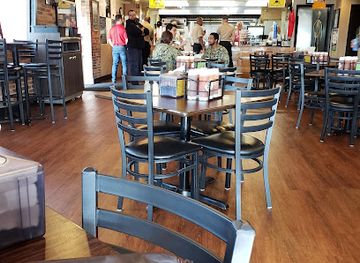
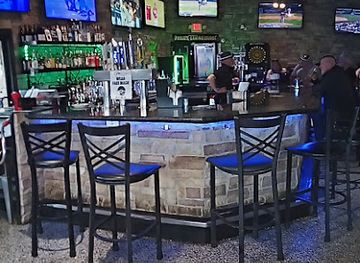
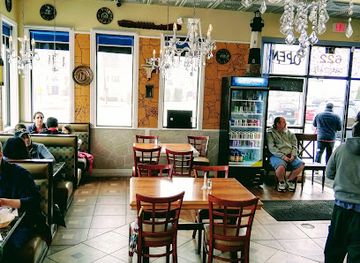
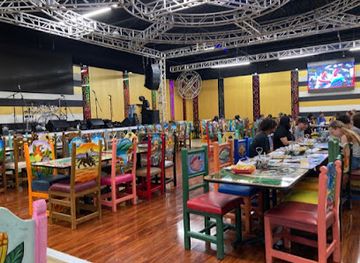
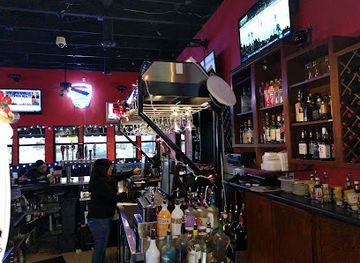
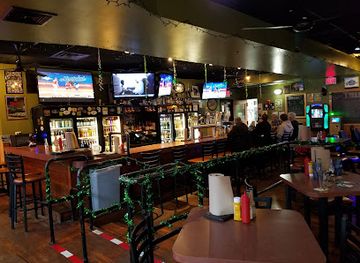
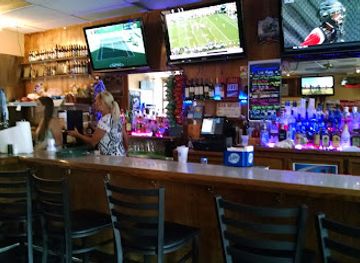
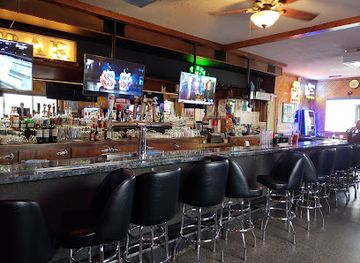
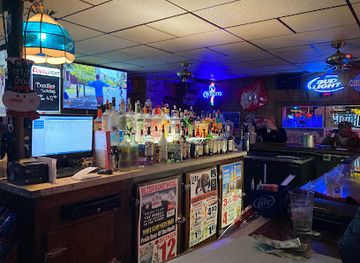
Waukegan’s evening life is modest but varied, with entertainment concentrated around downtown, the Genesee Theatre and neighbourhood bars rather than a large club district. A theatre performance can provide the city’s most distinctive night out, ranging from music and comedy to touring productions, while independent bars and lounges offer more informal places for conversation. Local nightlife also includes community events, live music and arts programming, with the exact character of the evening shaped by the cultural calendar. The waterfront is atmospheric at dusk, but it is not a continuous restaurant-and-club strip, and visitors should distinguish public lakefront areas from working or restricted harbour spaces. As in other Illinois cities, alcohol service and venue entry follow state law and individual house policies.
-
Sports bar
Anastasia's Restaurant & Sports Lounge
Discover delicious food and a vibrant sports atmosphere at Anastasia's Restaurant & Sports Lounge in Waukegan, perfect for all food lovers and sports fans.
10 min drive · 3.4 km from city centre
-
American
Green Town Tavern
Discover the essence of American dining at Green Town Tavern, where comfort food meets a lively atmosphere in the heart of Waukegan.
11 min drive · 3.5 km from city centre
-
Bar
TR's Front Row On Greenwood
Experience the ultimate sports bar atmosphere at TR's Front Row On Greenwood, where great food and drinks meet thrilling game day excitement.
11 min drive · 3.7 km from city centre
-
Bar
Glen Flora Tap & Grill
Discover Glen Flora Tap & Grill, a vibrant bar and restaurant in Waukegan offering delicious American cuisine and a welcoming atmosphere for all.
7 min drive · 2.5 km from city centre
Best nightclubs in Waukegan
Waukegan’s evening life is modest but varied, with entertainment concentrated around downtown, the Genesee Theatre and neighbourhood bars rather than a large club district. A theatre performance can provide the city’s most distinctive night out, ranging from music and comedy to touring productions, while independent bars and lounges offer more informal places for conversation. Local nightlife also includes community events, live music and arts programming, with the exact character of the evening shaped by the cultural calendar. The waterfront is atmospheric at dusk, but it is not a continuous restaurant-and-club strip, and visitors should distinguish public lakefront areas from working or restricted harbour spaces. As in other Illinois cities, alcohol service and venue entry follow state law and individual house policies.
-
Bar
Frolic
Discover the vibrant nightlife at Frolic, Waukegan's favorite bar offering delicious drinks, live entertainment, and a welcoming atmosphere for all.
14 min walk · 1.1 km from city centre
-
Lounge
Frank's Lounge
Experience the vibrant atmosphere and friendly service at Frank's Lounge, North Chicago's top spot for cocktails and relaxation.
17 min drive · 5.7 km from city centre
-
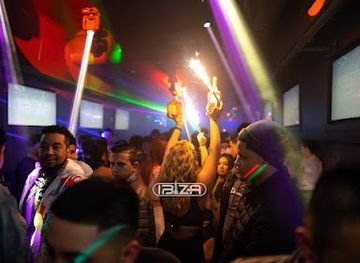
Night club
IBIZA
Discover Ibiza's electrifying nightlife, where world-class clubs and stunning beaches create an unforgettable party atmosphere.
10 min drive · 3.5 km from city centre
-
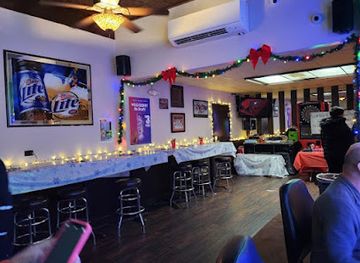
Bar
Booners
Discover the lively atmosphere and diverse drink selection at Booners, Waukegan's premier bar for relaxation and entertainment.
7 min drive · 2.3 km from city centre

Best shops in Waukegan
Shopping in Waukegan is centred on practical commercial districts, independent businesses and the retail areas serving local neighbourhoods rather than a single destination shopping quarter. Downtown offers small-scale shops, arts-related businesses and community activity around historic streets, while larger retail needs are met by commercial corridors and shopping centres, including the Belvidere Mall area. Mexican bakeries, groceries and specialist food shops provide opportunities to buy regional ingredients, sweets and prepared foods that reflect Waukegan’s cultural diversity. Visitors interested in local identity may also find works by area artists, event merchandise and literary or cultural items connected with Jack Benny and Ray Bradbury. For extensive national-chain shopping, Gurnee Mills lies in neighbouring Gurnee, outside Waukegan, so it should be treated as a separate Lake County excursion.
-
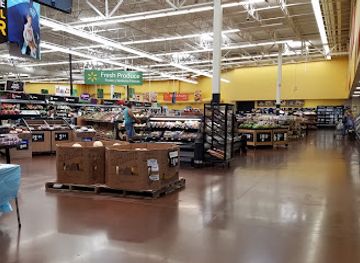
Department store
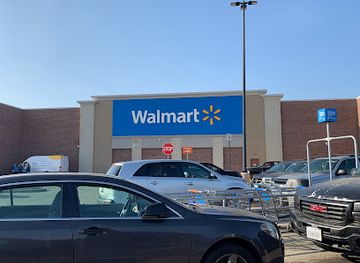
Walmart Supercenter
Explore Walmart Supercenter in Waukegan, Illinois – a comprehensive shopping destination with affordable prices and a variety of products for every need.
11 min drive · 3.5 km from city centre
-
Shopping mall
Fountain Square of Waukegan
Explore the Fountain Square of Waukegan, a vibrant shopping mall with diverse stores, dining, and entertainment options in the heart of Illinois.
11 min drive · 3.7 km from city centre
-
Shopping mall
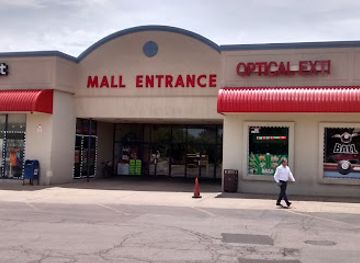
Belvidere Mall
Discover a diverse shopping experience at Belvidere Mall in Waukegan, Illinois, where discount stores meet unique finds and delicious dining options.
7 min drive · 2.4 km from city centre
-
Shopping mall
Yorkhouse Commons
Discover a vibrant shopping haven at Yorkhouse Commons in Waukegan, Illinois, featuring diverse stores, dining, and entertainment options.
14 min drive · 4.6 km from city centre
Get your free copy of our complete guide to Waukegan, delivered straight to you.
Everything on this page, from attractions and restaurants to essentials and local phrases, in one PDF you can read offline, print or share.
Already have an account? Sign in
Your Waukegan guide is ready.
We'll send it to · Not you? Sign out

Getting your guide ready…
We are putting together a fresh copy of the Waukegan guide. This can take up to a minute.
This can take a few moments. If your browser asks, choose Allow so the download can start. You'll find the guide in your Downloads folder.
Nothing happened? Download it again
Sorry, the guide is taking longer than usual. Please try again in a minute, or get it by email instead.
Waukegan essentials
Currency and Payment
Safety
Emergency Situations
Do's and Don'ts
Local Tips
From Eve
Local phrases worth knowing
You don't need to get them perfect. A few words go a long way, and locals appreciate the effort.
Basics
| English | Local | Say it |
|---|---|---|
| Hello | Hey | [hey] |
| Goodbye | Later | [lay-ter] |
| Yes | Yeah | [yeh] |
| No | Nope | [nohp] |
| Please/You're welcome | Please/No problem | [pleez / no prob-lem] |
| Thank you | Thanks | [thanks] |
| Excuse me/Sorry | Excuse me/My bad | [ex-kyoos me / my bad] |
| How are you? | How's it going? | [hows it goh-ing?] |
| Fine. And you? | Good. You? | [good. yoo?] |
| Do you speak English? | You speak English? | [yoo speak ing-glish?] |
| I don't understand | I don't get it | [eye dohnt get it] |
Eating & Drinking
| English | Local | Say it |
|---|---|---|
| I'd like to see the menu, please | Can I see the menu? | [can eye see the men-yoo?] |
| I don't eat meat | I don't eat meat | [eye dohnt eat meet] |
| Cheers! | Cheers! | [cheers] |
| I would like to pay, please | Can I pay, please | [can eye pay, please] |
Emergencies
| English | Local | Say it |
|---|---|---|
| Help! | Help! | [help!] |
| Go away! | Get lost! | [get lost!] |
| Call the Police! | Call the cops! | [call the cops!] |
| Call a doctor! | Get a doctor! | [get a doctor!] |
| I'm lost | I'm lost | [eye-m lost] |
| I'm ill | I'm sick | [eye-m sik] |
Shopping
| English | Local | Say it |
|---|---|---|
| I'd like to buy... | I wanna buy... | [eye wah-nuh buy] |
| I'm just looking | Just browsing | [just bro-sing] |
| How much is it? | How much? | [how much?] |
| That's too expensive | Too pricey | [too prye-see] |
| Can you lower the price? | Can you drop the price? | [can yoo drop the price?] |
Time & Numbers
| English | Local | Say it |
|---|---|---|
| What time is it? | What time is it? | [what time is it?] |
| It's one o'clock | It's one | [its one] |
| Half past (10) | Half past ten | [half past ten] |
| Morning | Morning | [morning] |
| Afternoon | Afternoon | [afternoon] |
| Evening | Evening | [evening] |
| Yesterday | Yesterday | [yes-ter-day] |
| Today | Today | [toh-day] |
| Tomorrow | Tomorrow | [toh-mor-row] |
| 1 | One | [wun] |
| 2 | Two | [too] |
| 3 | Three | [three] |
| 4 | Four | [four] |
| 5 | Five | [five] |
| 6 | Six | [six] |
| 7 | Seven | [seven] |
| 8 | Eight | [ate] |
| 9 | Nine | [nine] |
| 10 | Ten | [ten] |
Transport & Directions
| English | Local | Say it |
|---|---|---|
| Where's a/the...? | Where's the...? | [wheres the...?] |
| What's the address? | What's the address? | [whats the address?] |
| Can you show me (on the map)? | Can you show me (on the map)? | [can yoo show me (on the map)?] |
| When's the next (bus)? | When's the next (bus)? | [whens the next (bus)?] |
| A ticket (to ....) | A ticket (to ....) | [a ticket (to ....)] |
History of Waukegan
Indigenous Shoreline and Little Fort
The Waukegan area formed part of the homeland and travel landscape of Indigenous peoples, including the Potawatomi, before Euro-American settlement expanded along Lake Michigan. The city emerged in the nineteenth century as Little Fort, a name reflecting its early military and trading role on the lakeshore. Its harbour offered access to regional waterborne commerce, while surrounding prairie and woodland supported agriculture and settlement. The shoreline location connected the community to the broader Great Lakes economy, although that development occurred within the wider history of Indigenous dispossession and the transformation of northeastern Illinois through federal policy and migration.
Renaming and Incorporation
Little Fort was renamed Waukegan in 1849, adopting a name derived from an Algonquian word commonly interpreted as meaning ‘fort’ or ‘trading post’. The settlement was incorporated as a village in 1849 and later as a city in 1859. During this period, roads, commercial buildings and civic institutions developed around the harbour and the growing downtown. Waukegan’s position north of Chicago helped it become an important local centre rather than simply a satellite settlement. Its county-seat role strengthened the concentration of government, commerce and professional services that still shapes the city’s civic identity.
Railways, Harbour and Industry
Rail connections and the expansion of the harbour accelerated Waukegan’s growth during the later nineteenth century. Grain, lumber and other goods moved through the lakeside port, while factories brought employment and attracted immigrants from Europe and elsewhere. Manufacturing eventually included metalworking, chemicals, machinery and marine equipment, giving Waukegan a strongly industrial character. The city’s built environment reflects that era in its commercial blocks, civic buildings and former industrial sites. As in many Great Lakes communities, industry created both prosperity and environmental pressures, leaving a complicated legacy that continues to influence plans for the waterfront.
A Diverse Industrial City
By the early twentieth century, Waukegan had become a substantial industrial and commercial city in Lake County. Companies such as American Steel & Wire and Outboard Marine helped define local employment and the city’s relationship with national manufacturing. Industrial work drew successive waves of migrants, contributing to the cultural and religious diversity visible in neighbourhood institutions, restaurants and community organisations. The period also produced major public and entertainment buildings, including the Genesee Theatre, which opened in 1927. Its elaborate design expressed the confidence of a city whose factories, port and railway links tied it to the wider American economy.
Civic Memory and Popular Culture
Waukegan has played an outsized role in American popular culture through figures associated with the city. Jack Benny, one of the twentieth century’s best-known radio and television comedians, was born in Waukegan in 1894, and the Jack Benny Center for the Arts preserves part of that connection. Writer Ray Bradbury spent his early years in the city and transformed memories of Waukegan into the fictional Green Town of Dandelion Wine and related works. These associations have become part of the city’s cultural memory, linking familiar streets, family life and Midwestern seasons with nationally recognised literature and entertainment.
Redevelopment and Contemporary Identity
The later twentieth century brought industrial contraction, environmental challenges and population change to Waukegan, as manufacturing employment declined across the Great Lakes region. Civic and community efforts have since focused on restoring historic buildings, supporting the arts, improving public spaces and reconsidering the lakefront’s future. The Genesee Theatre’s restoration and the growth of downtown cultural activity demonstrate the value placed on inherited architecture and local creativity. Waukegan today remains a working city rather than a museum of industrial history, with its identity shaped by Latino and other immigrant communities, established neighbourhoods, creative organisations and continuing debates about waterfront access and redevelopment.
Waukegan in Photos
Browse through our photo collection highlighting the charm and character of the destination.
Cities near Waukegan
The closest cities to Waukegan, if you have time for more than one stop.
-

-

-

-

-


Swipe for more cities
Explore more

Explore more of Illinois
Discover Illinois: From Chicago's iconic skyline to the tranquil beauty of its countryside, experience the diverse allure of the Prairie State.
Explore Illinois